Przeczytaj
Our world is becoming more and more polluted by using fossil fuels in power plants and factories. We need electricity in our daily lives, but do you know how many alternative sources of energy you can use to help protect the environment? You’re going to read a text about wind power and find out that it can be eco‑friendly.
Nasz świat staje się coraz bardziej zanieczyszczony z uwagi na wykorzystywanie paliw kopalnych w elektrowniach i fabrykach. Energia elektryczna jest nam potrzebna w codziennym życiu, ale czy wiesz, z ilu alternatywnych źródeł energii możesz korzystać, aby pomóc chronić środowisko? Przeczytasz tekst o energetyce wiatrowej i odkryjesz, dlaczego może być ona przyjazna środowisku.
Match the words with their translations.
Read the text about how wind energy can be used. Then, do the exercises.
The History and Future of Wind PowerUsing alternative sources of energyalternative sources of energy is important, because fossil fuelsfossil fuels all over the world will start running out in the future. Also, they contribute to the pollutionpollution of air and water around us. RenewableRenewable energy is cleaner and can be cheaper than fossil fuels. It will not run out because it comes from unlimited natural sources, like sunlight and sun heat, wind, sea waves, river currents, or geothermal heatgeothermal heat.
Wind energy in the past
Wind is a great source of energy, because in most areas of the world it occurs all the time. For example, civilizations have for many thousands of years made use of wind energy for sailing. In the past, sailing ships were used to transport passengers and goods between different parts of the world. Wind energy was also used to power water pumps that got water from underground wellsunderground wells and moved it to overground water tanksoverground water tanks. They were built in many households in the U.S.A. American colonists used wind to grind grain in their windmillswindmills, or even cut wood in sawmills, too. Small wind turbineswind turbines were also built near homes to produce electricity in the late 1800s and early 1900s. They weren’t, however, very efficient and when the electrical power gridelectrical power grid developed in the 20th century, their use became less and less popular. Throughout the 20th century, most of the world started burning fossil fuels to produce electrical current in big power stationspower stations and they have been the main source of energy until now. Other uses of the wind, like sailing, became more of a sport rather than a main means of transportation.
How we use the wind nowadays
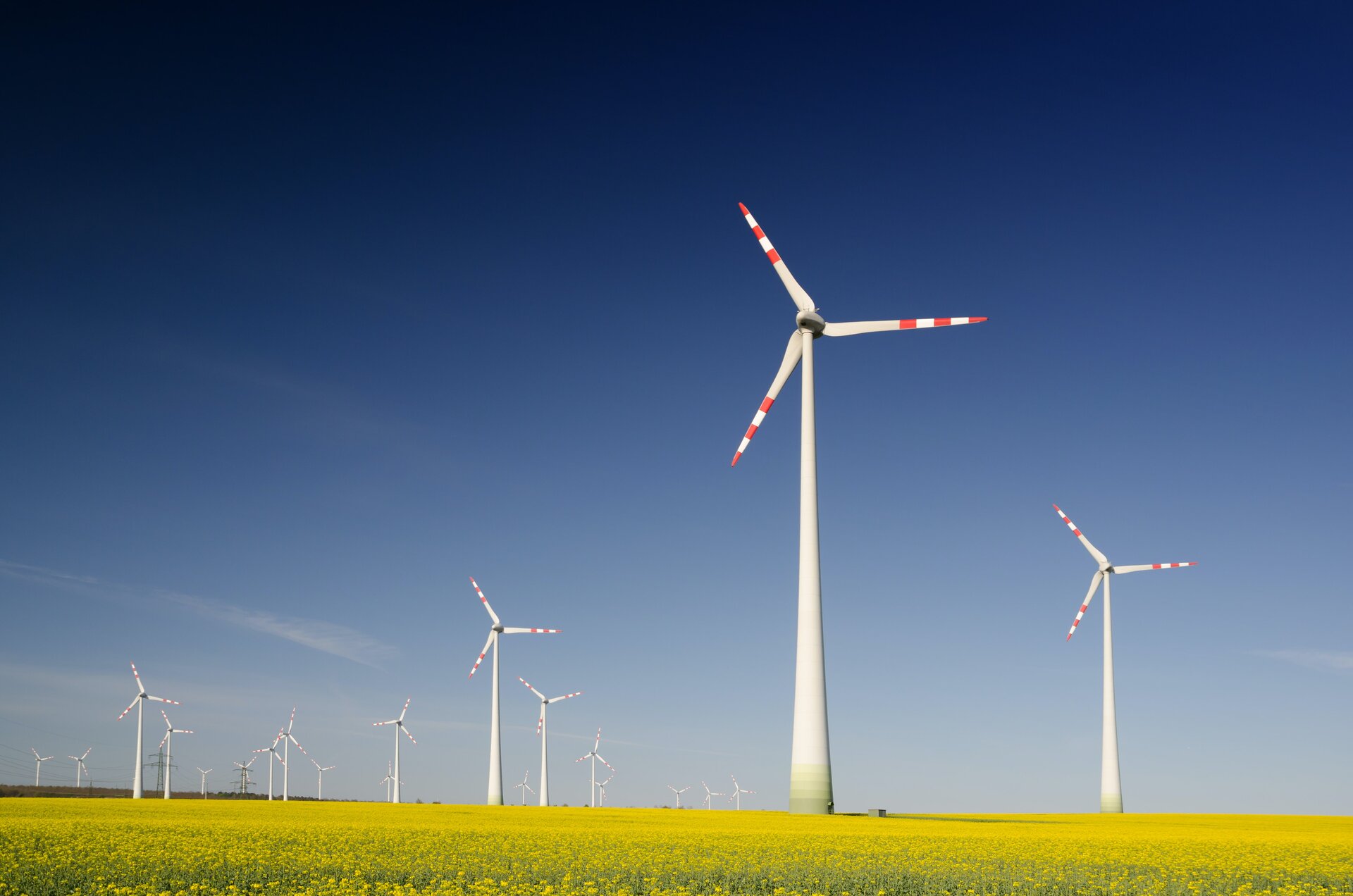
Currently, green energy sources are becoming important because of the worldwide problems like global warmingglobal warming, the greenhouse effectgreenhouse effect, and the pollution of the environment. People are trying to use the energy of the wind in more and more ways. The largest installations that use wind to produce electricity are sea wind farmssea wind farms. These are groups of wind turbines on tall towers built in shallow sea waters. The wind speed is higher offshoreoffshore than on land, so such farms generate more electricity. These farms can even help to protect marine ecosystemsmarine ecosystems by restricting access to some waters. On the other hand, they are much more expensive than wind turbines built on land, because they require strong foundationsfoundations placed underwater and very long electrical wires connecting them with land. OnshoreOnshore wind turbines are cheaper to build and you can see many of them in most of the places in the world. They can also produce a lot of power when the wind is strong, but will slow down when the wind is quiet. Also, they may have a negative effect on wildlife. Wind turbines are thought to be the cause of quite a few bird and bat deaths. Birds most often crash into wind turbines, while bats die because of the changes in air pressureair pressure caused by turbines. Also, many residents complain about the fact that wind turbines don’t always look good in the natural landscapenatural landscape. They say that some turbines are very noisy and disturb people living nearby.
Still, more and more electricity we use comes from wind power. Many people try to make other uses of wind energy, for example in transportation. Some modern shipping companies have decided to use wind energy once again. They have large kites installed on their cargo ships. These are said to significantly reduce fuel consumptionfuel consumption on long journeys. Shipping companies, which spend large amounts of money on fuel and try to reduce their carbon footprintcarbon footprint, are very interested in this. Using wind in sports has also been very popular. In addition to sailing and windsurfing, wind powers kites that people use in kite surfing.
There are probably more uses of wind that people will develop in the future, but even now, wind is one of the cleanest and most popular sources of renewable energy available.
Źródło: Marcien Legeżyński, licencja: CC BY-SA 3.0.
a) is better for the environment but is extremely expensive.
b) will run out one day in the future.
c) comes from sources that will never end.
2. Using the wind for sailing
a) is a main means of transportation of goods nowadays.
b) is popular as a sport.
c) became popular from the late 1800s and early 1900s.
3. Power stations
a) began using fuels such as coal in the 20th century.
b) don’t use fossil fuels anymore.
c) can only use fossil fuels or wind energy.
4. Sea wind farms
a) can be constructed anywhere at sea.
b) can only function close to land power plants.
c) can only be built in places where water isn’t very deep.
5. Offshore wind farms
a) are very harmful to the environment.
b) can help protect sea life.
c) are cheaper than onshore wind turbines.
6. The advantage of offshore turbines over the onshore ones is that
a) they are cheaper to build.
b) they don’t require many electrical wires.
c) they can use stronger winds to produce electricity.
7. Onshore wind turbines
a) can only kill bats with their blades.
b) are a very quiet source of energy.
c) cause many complaints from people living nearby.
8. Cargo ships make use of the power of the wind by
a) installing wind turbines on board.
b) installing sails.
c) installing large kites.
- When you are sailing, you don't need any other source of power than wind. TRUEFALSE
- Wind energy is currently used to grind grain everywhere in the world.TRUEFALSE
- The power of wind was used in wood production in the past. TRUEFALSE
- Wind energy can be utilised in supplying water to households. TRUEFALSE
- Sea wind farms don’t produce as much electricity as onshore turbines.TRUEFALSE
- Wind turbines can cause problems for some animals. TRUEFALSE
- No residents complain about wind turbines as they receive cheap energy. TRUEFALSE
- Some ships use wind energy to save on fuel. TRUEFALSE
You are writing an entry on the school forum to suggest how wind energy could be used to reduce the carbon footprint of your school. Read the text above again and write why you are worried about the school relying too much on fossil fuels and what you suggest should be done about it. Write your entry in 5‑7 sentences.
Słownik
/ ɔːlˈtɜːnətɪv ˈsɔːsɪz əv ˈenədʒi / / ɔːlˈtɜːnətɪv sɔːs əv ˈenədʒi /
alternatywne źródła energii [alternatywne źródło energii]
/ ˈeə ˈpreʃə /
ciśnienie powietrza
/ ˈkɑ:bən ˈfʊtprɪnt /
ślad węglowy
/ ɪˈlektrɪkl̩ paʊə ɡrɪd /
sieć energetyczna
/ faʊnˈdeɪʃn̩z / / faʊnˈdeɪʃn̩ /
fundamenty [fundament]
/ ˈfɒsl̩ ˈfjuːəlz / / ˈfɒsl̩ ˈfjuːəl /
paliwa kopalne [paliwo kopalne]
/ ˈfjuːəl kənˈsʌmpʃn̩ /
zużycie paliwa
/ ˌdʒiːəʊˈthetaɜːml̩ hiːt /
ciepło geotermalne
/ ˈɡləʊbl̩ ˈwɔːmɪŋ /
globalne ocieplenie
/ ˈɡriːnhaʊs ɪˈfekt /
efekt cieplarniany
/ məˈriːn ˈiːkəʊsɪstəmz / / məˈriːn ˈiːkəʊsɪstəm /
ekosystemy morskie [ekosystem morski]
/ ˈnætʃrəl ˈlændskeɪp /
krajobraz naturalny
/ ˌɒfˈʃɔː /
przybrzeżny/przybrzeżna, na morzu
/ ˈɒnʃɔː /
nabrzeżny/nabrzeżna, na lądzie
/ ˈəʊvəɡraʊnd ˈwɔ:tə tæŋks / / ˈəʊvəɡraʊnd ˈwɔ:tə tæŋk /
naziemne zbiorniki wodne [naziemny zbiornik wodny]
/ pəˈluːʃn̩ /
zanieczyszczenie
/ paʊə steɪʃnz / / paʊə steɪʃn /
elektrownie [elektrownia]
/ rɪˈnjuːəbl̩ /
odnawialne
/ ˈrɪvə ˈkʌrəntz / / ˈrɪvə ˈkʌrənt /
prądy rzeczne [prąd rzeki]
/ ˈsɔːmɪl /
tartak
/ ˈsi: wɪnd fɑːmz / / ˈsi: wɪnd fɑːm /
morskie farmy wiatrowe [morska farma wiatrowa]
/ ˈʌndəɡraʊnd welz / / ˈʌndəɡraʊnd wel /
podziemne studnie [podziemna studnia]
/ wɪnd ˈtɜːbaɪnz / / wɪnd ˈtɜːbaɪn /
turbiny wiatrowe [turbina wiatrowa]
/ ˈwɪndmɪlz / / ˈwɪndmɪl /
młyny wiatrowe/wiatraki [młyn wiatrowy/wiatrak]