Przeczytaj
Have you ever heard of weather modification? Over the years, humans have made numerous attempts to change the surrounding weather by inducing rainfall or trying to suppress storms. Here is a text explaining why these attempts have been made and what their effects are.
Czy słyszałeś/słyszałaś kiedyś o próbach modyfikowania pogody? Przez lata ludzie podejmowali starania o zmianę aury, na przykład o wywoływanie opadów lub tłumienie burz. Oto tekst wyjaśniający dlaczego podejmowano te próby i jakie są ich skutki.
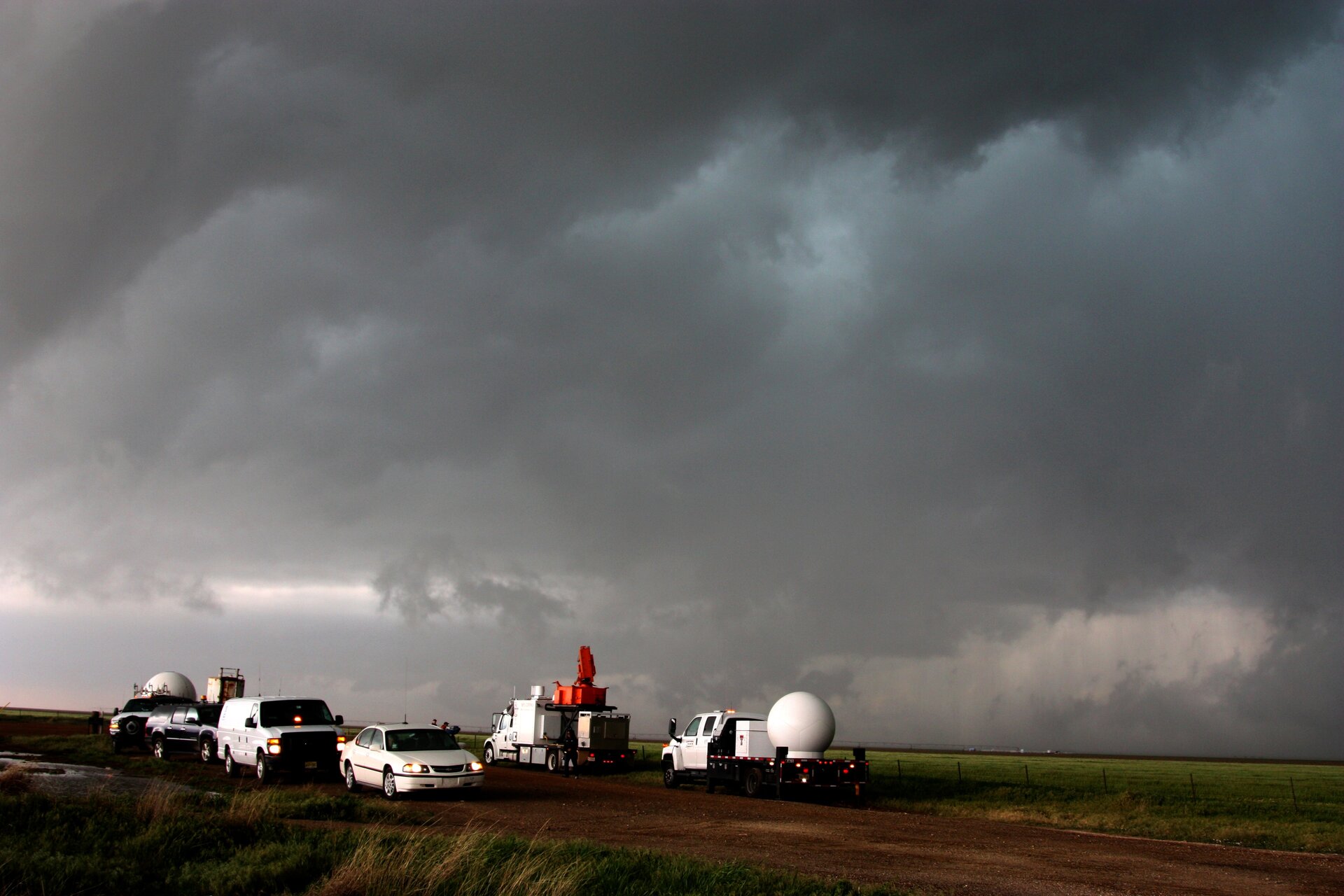
Study the text about human attempts to influence the weather and do the exercises below.
Rainmaking - Truth or Myth?Weather belongs to the shrinking group of phenomenaphenomena humans cannot control… Or does it? People have always dreamt of being able to induce raininduce rain to water their crops, dissipate fogdissipate fog, or remove the risk of hurricanes or hailstoneshailstones. However, with the development of science, weather modificationweather modification has gained the chance to become reality. Are humans really able to achieve this goal? Before answering this question, you should ask yourself: why modify weather?
According to the World Meteorological Organisation, nearly 50% of all disasters and 45% of all reported deaths worldwide are caused every year by weather hazardsweather hazards. The weather is the cause of suffering or death of many people. One of the weather phenomena causing harm to humans is hail, which forms when droplets of waterdroplets of water freeze together in the cold upper regionsupper regions of thunderstorm cloudsthunderstorm clouds. Worldwide, hailstones can damage cropsdamage crops, vehicles and houses, and even kill people when large enough. To ward off hailward off hail, many farmers in the 19th century would shoot hail cannonshail cannons at clouds, although with little effect. In later years, instead of trying to stop hail from falling, there were many attempts to make the size of falling hailstones smaller. To achive this, certain chemicals were dropped on thunderstorm cellsthunderstorm cells. There is no research which could confirm the effectiveness of these procedures. Attempts have also been made to dissipate fog, especially in areas where good visibility is a matter of safety, like airports and military air bases. These trials also had mixed results and there is no conclusive evidenceconclusive evidence that they worked.
Bad weather can also be a great threat to the economy. All over the world, floodsfloods, thunderstorms, or droughtsdroughts cause over 200 million dollars of losses every day! One of the biggest dangers to farmers producing crops is the lack of water and dehydrationdehydration. In order to induce precipitationinduce precipitation, a number of techniques have been tried in the last 100 years. The early experiments involved dropping dry icedropping dry ice on rain clouds, which was later replaced by other chemicals. The process, called cloud seedingcloud seeding, is based on spraying small particlesspraying small particles ontoonto a raincloud to create ice crystalscreate ice crystals, which turn into precipitation and fall down. Although in some areas these attempts have reportedly been successful, there are scientists who question this method. Also, cloud seeding may only work where there are already clouds in place. You cannot actually produce clouds to induce rain.
As you might expect, with the power to affect the weather, there are some people who have thought of using the ability as warfareusing the ability as warfare. In fact, at least one of the attempts may have been successful, although there is still some scientific debatescientific debate onon that. Operation Popeye, led by the U.S. Army during the War in Vietnam, targeted the Vietnamese army by prolonging the rainy seasonprolonging the rainy season. After the operation was revealed, weather modification in warfareweather modification in warfare was banned worldwide by the Environmental Modification Convention.
All in all, weather modification remains a goal of many projects, but it does not seem that any human to date could actually describe themselves as the master of the weather. Luckily?
Źródło: Marcin Legeżyński, licencja: CC BY-SA 3.0.
a) in most areas of the world.
b) because of their temperature.
c) because they cause droughts.
2. The main effort nowadays is to
a) remove the risk of hailstones completely.
b) reduce the size of hailstones.
c) make hailstones fall in other areas.
3. Hailstones
a) can be as large as a football.
b) cannot be larger than 5 centimetres in diameter.
c) can cause damage to people’s property.
4. One of the ways of inducing precipitation is
a) dropping dry ice onto clouds.
b) splaying small particles to form ice crystals.
c) firing cannons into clouds.
5. The use of weather modification as warfare
a) is only allowed in Vietnam.
b) is banned except for the U.S. Army.
c) is banned in every country of the world.
Answer each question in 2‑3 sentences.
Why do humans try to affect the weather?
How successful have humans been so far in affecting the weather?
Do you think humans should try to change the weather according to their needs?
Słownik
/ ˈklaʊd ˈsiːdɪŋ /
proces „zasiewu chmury” w celu wywołania opadów
/ kənˈkluːsɪv ˈevɪdəns /
miarodajne dowody
/ kriːˈeɪt ˈaɪs ˈkrɪstl̩z /
utworzyć kryształki lodu
/ ˈdæmɪdʒ krɒps /
niszczyć plony
/ diːˈhaɪdreɪʃn̩ /
wysuszenie (lack of water)
/ ˈdɪsɪpeɪt fɒɡ /
rozpraszać mgłę (make fog less dense or remove it)
/ ˈdrɒpləts əv ˈwɔːtə / / ˈdrɒplət əv ˈwɔːtə /
kropelki wody [kropelka wody]
/ drɒpɪŋ draɪ ˈaɪs ɒn /
zrzucanie suchego lodu na
/ ˈdraʊts / / ˈdraʊt /
susze [susza] (extreme shortage of water)
/ flʌdz / / flʌd /
powodzie [powódź]
/ heɪl ˈkænənz / / heɪl ˈkænən /
działa do usuwania ryzyka opadów gradu [działo do usuwania ryzyka opadów gradu] (kind of weapon to shoot at clouds to drive away hail)
/ ˈheɪlstəʊnz / / ˈheɪlstəʊn /
kule gradowe [kula gradowa] (large icy balls falling from the sky)
/ ɪnˈdjuːs prɪˌsɪpɪˈteɪʃn̩ /
wywołać opady
/ ɪnˈdjuːs ˈreɪn /
wywołać deszcz
/ fɪˈnɒmɪnə / / fɪˈnɒmɪnən /
zjawiska [zjawisko]
/ prəˈlɒŋɪŋ ðə ˈreɪni ˈsiːzn̩ /
wydłużenie pory deszczowej
/ ˌsaɪənˈtɪfɪk dɪˈbeɪt ɒn /
spór naukowy na temat
/ ˈspreɪɪŋ smɔ:l ˈpɑːtɪkl̩z ˈɒntu /
rozpylanie małych cząsteczek na (putting small elements out in the air)
/ səˈpres /
stłumić (to keep back, stop or prevent)
/ ˈthetaʌndəstɔːm selz / / ˈthetaʌndəstɔːm sel /
komórki burzowe [komórka burzowa]
/ ˈthetaʌndəstɔːm klaʊdz / / ˈthetaʌndəstɔːm klaʊd /
chmury burzowe [chmura burzowa]
/ ˈʌpə ˈriːdʒənz / / ˈʌpə ˈriːdʒən /
wyższe rejony [wyższy rejon]
/ ˈjuːzɪŋ ði əˈbɪləti əz ˈwɔːfeə /
używanie umiejętności jako broni
/ wɔːd ɒf heɪl /
odgonić grad
/ ˈweðə ˈhæzədz / / ˈweðə ˈhæzəd /
zagrożenia pogodowe [zagrożenie pogodowe]
/ ˈweðə ˌmɒdɪfɪˈkeɪʃn̩ /
modyfikacja pogody (changing the natural weather)
/ ˈweðə ˌmɒdɪfɪˈkeɪʃn̩ ɪn ˈwɔːfeə /
modyfikacje pogody używane jako broń
Źródło: GroMar Sp. z o.o., licencja: CC BY‑SA 3.0