Przeczytaj
How much do you know about the North and South Poles? What are the differences between them? Who and what lives there? Read the text in this section to find out.
Jak dużo wiesz o biegunie północnym i południowym? Jakie są między nimi różnice? Kto i co tam mieszka? Przeczytaj tekst w tej sekcji, aby się tego dowiedzieć.
Match words to their definitions.
Połącz wyrazy z definicjami.
Read the text about the North and the South Poles. Then, do the tasks below.
Przeczytaj tekst na temat bieguna północnego i południowego, a następnie wykonaj zadania.
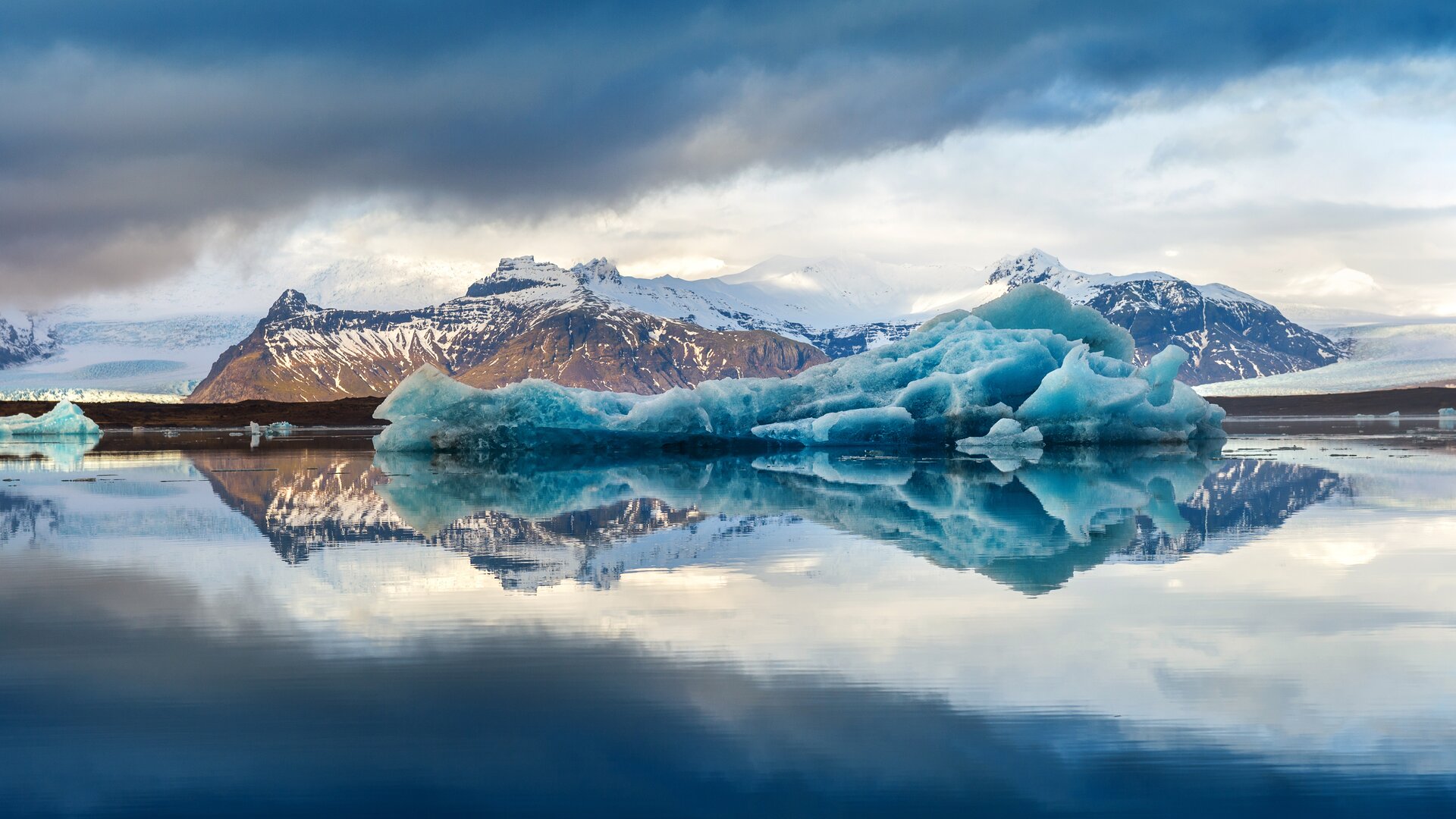
The Arctic and the Antarctic - Are They Without Life?Some parts of Earth are very cold. They’re the North Pole (the Arcticthe Arctic) and the South Pole (the Antarcticthe Antarctic). What do we know about them?
The geography of the Arctic may surprise you – there isn’t any land! The North Pole is a group of ice areas on the Arctic Ocean. Parts of CanadaCanada and GreenlandGreenland both belongbelong to the North Pole. The South Pole has land, but it’s fully ice‑coveredice‑covered. In some places, the layer of icelayer of ice is three miles thick!
The temperatures of the Poles are freezing but the Antarctic is a bit colder than the Arctic. The surprise is that both Poles have only two seasons - summer and winter. In the summer, the sun never setssets. It shines for 24 hours a day! We call it a polar daypolar day. Still, the sun is low in the sky, so the Poles don’t get warm. In the winter, the sun never risesrises. Every day is dark. We call it a polar nightpolar night.
The climateclimate of the polar regionspolar regions isn’t right for plant life. The Arctic and the Antarctic are ice desertsice deserts so the ground is too cold for plants to grow. That’s why there aren’t any trees but just some grassgrass. DespiteDespite poor plant life, both Poles have animal life. For example, there we can find such animals like polar bears, penguinspenguins, whaleswhales, sealsseals and some birds.
There are also groups of people who live on the Poles. The Arctic has got its residentsresidents. In the Antarctic, there are only some researchersresearchers who study the freezing land every year.
The polar regions are difficultdifficult places to live but they are definitelydefinitely not without life!
Źródło: Zuzanna Kościuk, licencja: CC BY-SA 3.0.
Which elements best fit the Arctic and which best fit the Antarctic? Group them accordingly.
Które elementy najlepiej pasują do Arktyki, a które do Antarktyki? Pogrupuj je odpowiednio.
Based on the information in the text, drag the words to fill in the gaps.
Opierając się na informacjach z tekstu, przeciągnij wyrazy w odpowiednie luki.
2. The South Pole has land, but it’s fully 1. deserts, 2. inhabitants, 3. sheets, 4. expeditions, 5. ice-covered.
3. The Arctic and the Antarctic are ice 1. deserts, 2. inhabitants, 3. sheets, 4. expeditions, 5. ice-covered.
4. There are some native 1. deserts, 2. inhabitants, 3. sheets, 4. expeditions, 5. ice-covered in the Arctic.
5. Research 1. deserts, 2. inhabitants, 3. sheets, 4. expeditions, 5. ice-covered reach the Antarctic every year.
Answer the question.
Odpowiedz na pytanie.
Solve the puzzles and answer the questions.
Ułóż puzzle i odpowiedz na pytania.
Where do the people from the picture live?
What does the picture show?
Słownik
/ bɪˈlɒŋ /
przynależeć, należeć
/ ˈkænədə /
Kanada
/ ˈklaɪmət /
klimat
/ ˈdefɪnətli /
zdecydowanie
/ dɪˈspaɪt /
pomimo
/ ˈdɪfɪkəlt /
trudne, surowe (o warunkach)
/ ɪkˈsplɔː /
badać, odkrywać
/ ˈfriːzɪŋ /
przeraźliwie zimno, lodowato
/ ɡrɑːs /
trawa
/ ˈɡriːnlənd /
Grenlandia
/ ˈaɪs ˈdezəts / / ˈaɪs ˈdezət /
pustynie lodowe [pustynia lodowa] (obszar praktycznie pozbawiony roślinności, występujący w strefie podbiegunowej)
/ ˈaɪs ˈkʌvəd /
pokryte lodem
/ ˈleɪər əv aɪs /
warstwa lodu
/ ˌnɔ:theta pəʊl /
biegun północny
/ ˈpeŋɡwɪnz / / ˈpeŋɡwɪn /
pingwiny [pingwin]
/ ˈpəʊlə beəz / / ˈpəʊlə beə /
niedźwiedź polarny [niedźwiedzie polarne]
/ ˈpəʊlə ˈdeɪ /
dzień polarny
/ ˈpəʊlə ˈriːdʒənz / / ˈpəʊlə ˈriːdʒən /
regiony polarne [region polarne]
/ ˈpəʊlə naɪt /
noc polarna
/ rɪˈsɜːtʃəz / / rɪˈsɜːtʃə /
odkrywcy [odkrywca]
/ ˈrezɪdənts / / ˈrezɪdənt /
mieszkańcy [mieszkaniec]
/ ˈraɪzɪz / / raɪz /
wschodzi [wschodzić] (o słońcu)
/ siːlz / / siːl /
foki [foka]
/ sets / / set /
zachodzi [zachodzić] (o słońcu)
/ ˌsaʊtheta pəʊl /
biegun południowy
/ səˈraʊndɪd baɪ /
otoczone przez
/ ði ænˈtɑːktɪk /
Antarktyda (obszar Ziemi otaczający biegun południowy)
/ ði ˈɑːktɪk /
Arktyka (obszar Ziemi otaczający biegun północny)
/ weɪlz / / weɪl /
wieloryby [wieloryb]
Źródło: GroMar Sp. z o.o., licencja: CC BY‑SA 3.0