Przeczytaj
Many young people would like to work for IT companies. They take inspiration from first successful computer programmers. Do you know any of them? Check in the article.
Wielu młodych ludzi chciałoby pracować dla firm informatycznych. Inspirują się oni pierwszymi programistami komputerowymi, którzy odnieśli sukces. Czy znasz niektórych z nich? Sprawdź w artykule.
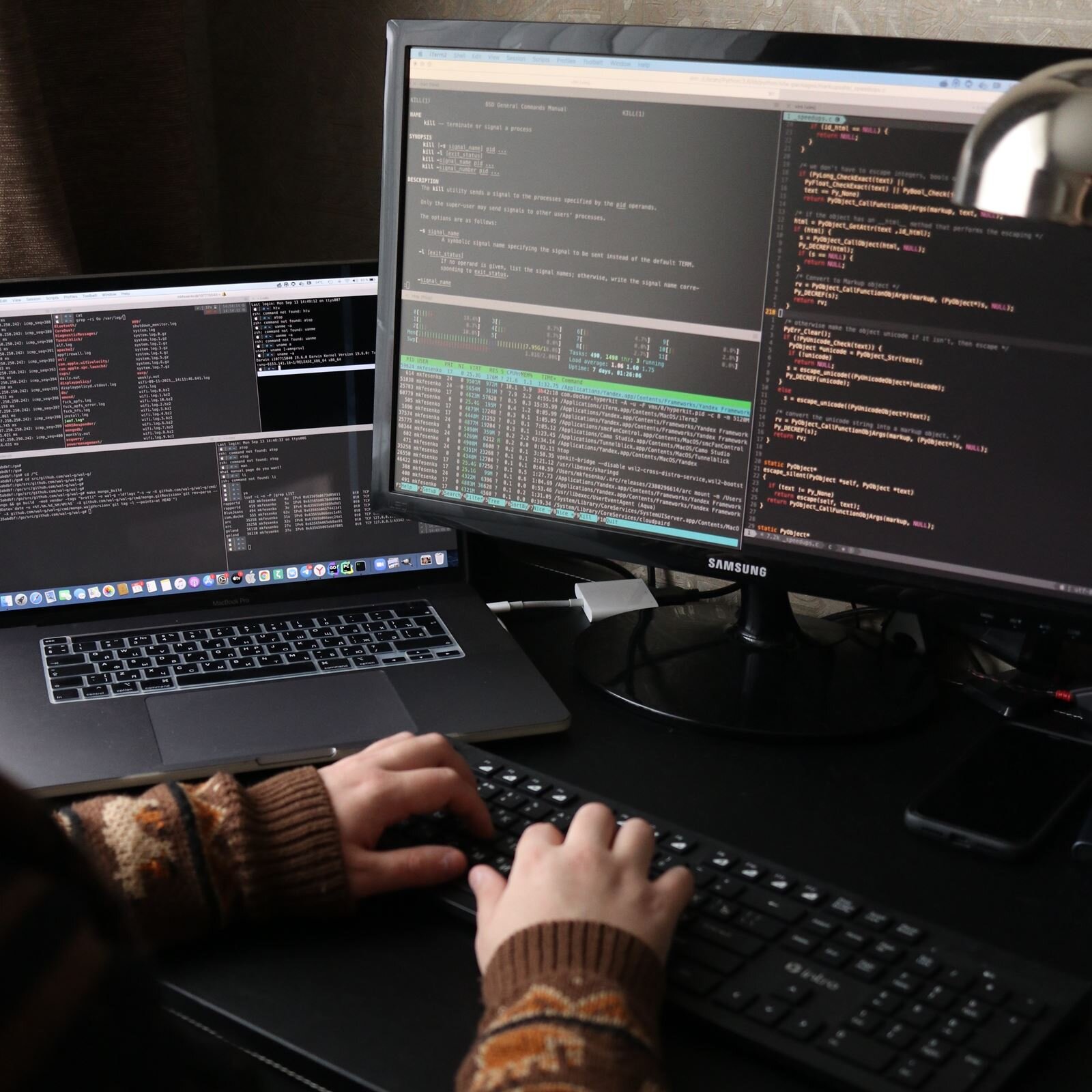
Drag the words to match them with definitions.
Przeciągnij wyrazy i połącz je z definicjami.
Study the text and do the exercises.
Przeczytaj tekst i wykonaj ćwiczenia.
How Much Do You Know About Famous Computer Programmers?As we all knowAs we all know, computer programmers make our lives easier and more enjoyableenjoyable. They are responsible forare responsible for designing and developing computer softwarecomputer software, as well as making suremaking sure that everything on our devicesdevices works smoothly. This text is about the pioneerspioneers of computer programmingcomputer programming. Let’s see what some of the first computer programmers designed or created.
Augusta Ada Lovelace
She was the countesscountess of Lovelace and a daughter of the famous poet, Lord Byron. Lovelace was also a mathematicianmathematician and a writer but she became to be known as a first woman programmerprogrammer. How did it happen? Her friend Charles Babbage created the first computer, called the analytical engine, which could addadd, subtractsubtract, multiplymultiply, and dividedivide. Later, Babbage asked Ada to translate an article from French. The article was about the analytical engine, written by Luigi Federico Menabrea who was an Italian engineerengineer. In the translation, Ada also includedincluded her own notes with examples and wrote that computers could be used for much more complexcomplex taskstasks. In the 1980s, The U.S. Department of Defense named the first programming language Ada.
Stephen Gary Wozniak
Also known by his nicknamenickname „Woz,” he is an American electronics engineer, computer programmer, philanthropistphilanthropist, and technology entrepreneurentrepreneur. He co‑foundedco‑founded Apple Inc. in 1976 with Steve Jobs, which became the world’s largest information technology company. He was a designerdesigner of the first personal computer called Apple Macintosh. When Wozniak was working on this project, he had a plane accident. His head and face were injuredinjured and he also lost some of his memory. He worked really hard to recoverrecover and be successful at his work again. Later, Wozniak also foundedfounded CL9, a company which created a universal TV remote controlremote control, releasedreleased in 1987.
Lawrence Edward Page
Page is an American computer scientist and Internet entrepreneur with Greek citizenshipcitizenship. He is known as the creatorcreator of the most popular search enginesearch engine, Google, together with Sergey Brin. In 1998, they founded Google Inc. Google is a misspelt wordmisspelt word googol, which refers torefers to the number 1 followed byfollowed by 100 zeros. Initially, their mission was “to organise the world's information and make it universally accessibleaccessible and useful” but the creation of Google becamebecame very profitableprofitable, too. According toAccording to to the Bloomberg Billionaires Index in 2021, Page was the sixth-wealthiestwealthiest person in the world.
Źródło: Aneta Wilemska‑Rudnik, licencja: CC BY-SA 3.0.
Read the text and choose the correct answer.
Przeczytaj tekst, a następnie wybierz prawidłową odpowiedź.
Read the text again and decide if the following sentences are true or false.
Przeczytaj tekst ponownie, a następnie zdecyduj, czy podane zdania są prawdziwe, czy fałszywe.
2. Augusta Ada Lovelace translated an article written by Charles Babbage. TRUEFALSE
3. Grace Hopper was responsible for programming the Mark 1 computer. TRUEFALSE
4. The first woman who won the Turing Award was Francess Allen. TRUEFALSE
5. Steve Jobs set up Apple Inc. with Stephen Wozniak. TRUEFALSE
6. It’s easier to use Linux than Windows or Apple’s Mac OS.TRUEFALSE
7. Sergey Brin is one of the co-founders of Google.TRUEFALSE
Read the text above again and type the missing words to complete the following sentences.
Przeczytaj powyższy tekst ponownie, a następnie uzupełnij poniższe zdania, wpisując brakujące wyrazy.
Answer the questions.
Odpowiedz na pytania.
Would you like to be a programmer? Why?/Why not?
What are 3 most important achievements in programming and why?
What achievements do you use in your everyday life and what for?
PAST SIMPLE AND PAST CONTINUOUS REVISION
Past Simple | Past Continuous |
|---|---|
Czas Past Simple to czas przeszły dokonany. Używamy go, gdy mówimy o czynnościach lub zdarzeniach, które | Czas Past Continuous to czas przeszły niedokonany. Używamy go, gdy mówimy o czynnościach lub zdarzeniach, które: |
Zdania twierdzące | |
Czasowniki regularne - końcówka -ed watch - watched Przykład: Czasowniki nieregularne - używamy drugiej formy. buy – bought (kupować) Przykład: | was/were + czasownik z końcówką -ing Przykłady: He was reading an article about his favourite programmers. – On czytał artykuł o swoich ulubionych programistach. |
Zdania przeczące | |
did not (didn’t) + podstawowa forma czasownika Przykład: | wasn’t / weren’t + czasownik z końcówką - ing Przykłady: He wasn’t reading an article about his favorite programmers. – On nie czytał artykułu o swoich ulubionych programistach. |
Zdania pytające | |
did + podstawowa forma czasownika Przykład: | was /were przed podmiotem + czasownik z końcówką -ing Przykłady: Why were you reading an article about your favorite programmers? – Dlaczego czytałeś/czytałaś artykuł o swoich ulubionych programistach? |
Najczęściej używane określenia czasu | |
Past Simple yesterday – wczoraj | Past Continuous while – podczas gdy |
Zapamiętaj! | |
Czasy Past Simple i Past Continuous często występują w jednym zdaniu. Ma to zazwyczaj miejsce, gdy informujemy, że jedna czynność (niedokonana) została przerwana przez drugą (dokonaną). Czynność niedokonana bywa poprzedzona wyrazem while, natomiast dokonana – wyrazem when. Przykłady: | |
Choose the correct answer.
Wybierz poprawną odpowiedź.
2. My brother was lookinglooked for information about Bill Gates for 2 hours yesterday.
3. I was writing a blog entry about my favorite game designer when my friend was textingtexted me.
4. Francesca Allen taughtwas teaching IBM employees the computer programming language FORTRAN when she worked for IBM.
5. The first woman who wonwas winning the Turing award was Frances Allen.
6. While I was installinginstalled new software, dad turned the power off.
7. Did you know that the creation of Googlewas becoming became profitable.
8. I readwas reading the book about programming you lent me all day yesterday.
9. I was writingwrote a blog entry about my favorite mobile app all evening yesterday.
10. Andy lentwas lending me his computer because mine was broken.
11. My brother was taking took me to a meeting with a computer programmer yesterday, which was very interesting.
12. My teacher was giving gave an interesting presentation about famous programmers last week.
13. I feltwas feeling sad when all the games were sold out.
14. My class was doingdid an interesting science project all day yesterday.
15. I camecomehave come to the young programmers meeting with my classmates last Friday.
16. I set upwas setting up my first email account while watching a documentary about Google.
17. I leftwas leavingthe internet forum about new computer programs a month ago.
18. Ray Tomlinson was sendingsent the first email in 1970.
19. I boughtwas buying the video game you recommended last month.
20. While my brother fixedwas fixing his headphones, the teacher entered the classroom.
Translate the missing parts to complete the gaps in the sentences below. Use Past Simple or Past Continuous.
Przetłumacz wyrazy w nawiasach i uzupełnij luki w poniższych zdaniach. Użyj czasów Past Simple i Past Continuous.
Słownik
/ əkˈsesəbl̩ /
dostępny / dostępna
/ əˈkɔ:dɪŋ tuː /
według
/ æd /
dodać
/ ə rɪˈspɒnsəbl̩ fə / / bi rɪˈspɒnsəbl̩ fɔː /
są odpowiedzialni za [być odpowiedzialnym/odpowiedzialną za]
/ əz wi ɔ:l ˈnəʊ /
jak powszechnie wiadomo, jak dobrze wiemy
/ bɪˈkeɪm / / bɪˈkʌm /
stało się [stać się]
/ ˈsɪtɪzənʃɪp /
obywatelstwo
/ kəʊ ˈfaʊndɪd / / kəʊ faʊnd /
współzałożył [współzałożyć]
/ kəmˈpjuːtə ˈprəʊɡræmɪŋ /
język programowania
/ kəmˈpjuːtə ˈsɒftweə /
oprogramowanie komputerowe
/ ˈkɒmpleks /
złożone
/ ˈkaʊntɪs /
księżna
/ kriːˈeɪtə /
twórca/twórczyni
/ dɪˈzaɪnd /
zaprojektowany/zaprojektowana
/ dɪˈzaɪnə /
projektant/projektantka
/ dɪˈveləpɪŋ / / dɪˈveləp /
rozwijanie [rozwijać]
/ dɪˈvaɪsɪz / / dɪˈvaɪs /
urządzenia [urządzenie]
/ dɪˈvaɪd /
podzielić
/ ˌendʒɪˈnɪə /
inżynier
/ ɪnˈdʒɔɪəbl̩ /
przyjemny/przyjemna
/ ˌɒntrəprəˈnɜː /
przedsiębiorca/przedsiębiorczyni
/ ˈfɒləʊd baɪ / / ˌfɒləʊ baɪ /
a następnie, po którym/której następuje
/ ˈfaʊndɪd / / faʊnd /
założył [założyć (np. firmę)]
/ ɪnˈkluːdɪd / / ɪnˈkluːd /
zawarła [zawierać]
/ ɪˈnɪʃəli /
początkowo
/ ˈɪndʒəd /
ranny / ranna
/ nəʊn æz /
znany/znana jako
/ ˈmeɪkɪŋ ʃʊə / / ˈmeɪk ʃʊə /
upewnienie się [upewnić się]
/ ˌmæthetaəˈmætɪks /
matematyk / matematyczka
/ mɪsˈspeld ˈwɜːd /
błednie zapisany wyraz
/ ˈmʌltɪplaɪ /
pomnożyć
/ ˈnɪkneɪm /
przydomek
/ ˌpaɪəˈnɪəz / / ˌpaɪəˈnɪə /
pionierzy [pionier/pionierka]
/ fɪˈlænthetarəpɪst /
filantrop/filantropka
/ ˈprəʊɡræmə /
programista/programistka
/ ˈprɒfɪtəbl̩ /
dochodowy/dochodowa
/ rɪˈkʌvə /
wyzdrowieć
/ rɪˈfɜːz tuː / / rɪˈfɜː tuː /
odnosi się do [odnosić się do]
/ rɪˈliːst / / rɪˈliːs /
wprowadzony na rynek [wprowadzać na rynek]
/ rɪˈməʊt kənˈtrəʊl /
pilot (urządzenie do zdalnego sterowania)
/ ˈsɜ:tʃ ˈendʒɪn /
wyszukiwarka
/ səbˈtrækt /
odjąć
/ tɑːsks / / tɑːsk /
zadania [zadanie]
/ ˌjuːnɪˈvɜːsəli əkˈsesəbl̩ /
powszechnie dostępny / powszechnie dostępna
/ ˈwelthetaɪɪst / / ˈwelthetai /
najbogatszy/najbogatsza [bogaty/bogata]
/ ˈwɜːks ˈsmuːðli / / ˈwɜ:k ˈsmuːðli /
działa płynnie, działa bez zakłóceń [działać płynnie, działać bez zakłóceń]
Źródło: GroMar Sp. z o.o., licencja: CC BY‑SA 3.0