Przeczytaj
Lake District is a popular tourist destination. It’s a beautiful place full of things to do. You’re going to learn how one family wants to spend time there.
Lake District to popularny cel wycieczek turystycznych. Piękne miejsce, w którym można podejmować różne ciekawe aktywności. Dowiesz się, jakie plany na spędzenie tam wolnego czasu ma pewna rodzina.
Match the words with their definitions.
Połącz wyrazy z ich definicjami.
Study the text below and choose the correct title.
Przeczytaj poniższy tekst i wybierz dla niego odpowiedni tytuł.
Study the text about one family and its future visit in the Lake District. Then do the tasks below.
Przeczytaj tekst o pewnej rodzinie i ich planowanej wizycie w Lake District, a następnie wykonaj poniższe zadania.
Every year, my family goes on a short triptrip. This year, we’re visiting the Lake DistrictLake District! The Lake District is a beautiful regionregion and a national park in Northern EnglandNorthern England. It’s full of lakeslakes, mountains and hillshills. Of course, it is most famous for its lakes. We’re going there this weekend and we’ve got a plan for two days!
First, on Saturday morning, we’re taking a long walk. The Lake District has got many hiking trailshiking trails. Some of them are difficult but a lot of them are good for families with children. I have two younger brothers and sisters so we need an easy trail. We’re taking a trail from Elterwater to Skelwith Bridge. On the way there’s a beautiful lake, forests and waterfallswaterfalls. I can’t wait to see it!
In the afternoon, we’re visiting the Lake District Wildlife Parkthe Lake District Wildlife Park. The Park has over 100 speciesspecies of animals. Many of them are exoticexotic, like lemurslemurs. I’m very excited to see them. There are many animals outside the Park, too. After allAfter all, the Lake District is famous for its wildlifewildlife. For example, there are horses and red squirrelsred squirrels. You can watch them, but you must not feed them.
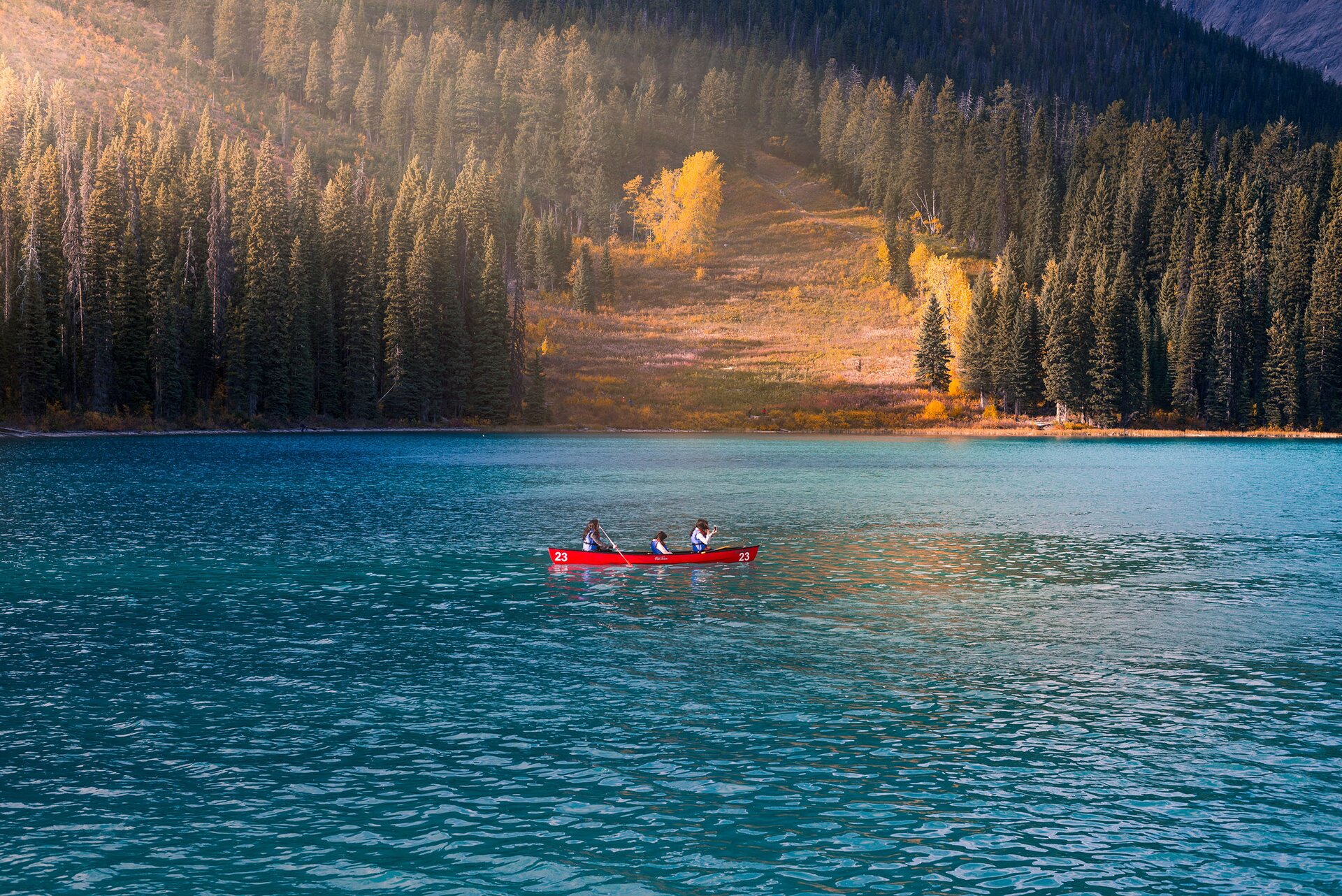
On Sunday morning, we’re going on a boat cruiseboat cruise. It’s a great way to see the beautiful lakes. You can also rentrent a boat or a kayakkayak, but we’re not doing that. We just want to sit backsit back and relax! At noon, we’re visiting Wray Castle. It’s a gothic building that you can visit on foot.on foot. You can also rent a house or campcamp there. We’re not doing that this year, but maybe the next. After all, there’s so much to do and see in the Lake District!
Źródło: Zuzanna Kościuk, licencja: CC BY-SA 3.0.
Search for the information in the text and decide if the following sentences are true or false.
Odszukaj w tekście odpowiednie fragmenty i zdecyduj, czy podane zdania są prawdziwe, czy fałszywe.
Choose the correct words or phrases to complete the sentences. More than one answer can be correct.
Wybierz odpowiedni wyrazy aby uzupełnić zdania. Więcej niż jedna odpowiedź może być poprawna.
GRAMATYKA: Present Continuous przy wyrażaniu przyszłości
Czas Present Continuous (osoba + forma to be + czasownik z -ing) najczęściej stosujemy, żeby opisywać teraźniejszość. Możemy go też jednak użyć, żeby mówić o planach i zamiarach na przyszłość. Stosujemy go wtedy, kiedy coś jest już zaplanowane i w dużym stopniu prawdopodobne. Przykłady:
I’m visiting the Lake District next week. – W przyszłym tygodniu odwiedzam Lake District.
You’re going on a boat cruise on Monday. – W poniedziałek wypływasz w rejs.
We’re taking the easy trail tomorrow. – Jutro idziemy prostym szlakiem.
Zauważ, że w języku polskim, czasowniki mają formę czasu teraźniejszego, mimo że mówią o przyszłości (np. „odwiedzam” zamiast „odwiedzę”).
Konstrukcja czasu Present Continuous często zawiera słowa/wyrażenia, takie jak: tomorrow (jutro), next week (w przyszłym tygodniu), next month (w przyszłym miesiącu), in two weeks (za dwa tygodnie), this evening (dzisiejszego wieczoru), this summer (tego lata) itp.
Which of the sentences talks about arrangements and which one talks about what’s happening now? Choose the one talking about arrangements.
Które zdanie mówi o ustalonych czynnościach w przyszłości, a które o tym, co dzieje się w tej chwili? Wybierz to które mówi o ustalonych czynnościach w przyszłości.
A) In the morning, we’re visiting the national park.
B) We’re visiting the national park right now.
2.
A) What are you doing now? Are you doing your homework?
B) What are you doing next? Are you doing your homework?
3.
A) It’s summer, so I’m visiting Italy.
B) This summer, we’re going to Italy.
4.
A) Next week, we’re hiking on the hard trail.
B) We’re hiking on the hard trail at the moment.
5.
A) I’m not relaxing at the moment. I’m working.
B) I’m not relaxing this weekend. I’m working.
Słownik
/ ˈɑːftər ɔːl /
w końcu, mimo wszystko, wszak, przecież, w każdym razie
/ bəʊt kruːz /
rejs
/ kæmp /
obozować, spać pod namiotem
/ ˈiːzi treɪl /
łatwy szlak
/ ɪɡˈzɒtɪk /
egzotyczny
/ ˈɡɒthetaɪk /
gotycki
/ ˈhaɪkɪŋ treɪlz / / ˈhaɪkɪŋ treɪl /
szlaki turystyczne [szlak turystyczny]
/ hɪlz / / hɪl /
wzgórza [wzgórze]
/ ˈkaɪæk /
kajak
/ leɪk ˈdɪstrɪkt /
Lake District (największy park narodowy w Wielkiej Brytanii)
/ leɪks / / leɪk /
jeziora [jezioro]
/ ˈliːməz / / ˈliːmə /
lemury [lemur]
/ ˈnɔːðən ˈɪŋɡlənd /
północna Anglia
/ ˈɒn fʊt /
pieszo
/ ˈred ˈskwɪrəlz / / ˈred ˈskwɪrəl /
wiewiórki pospolite [wiewiórka pospolita]
/ ˈriːdʒən /
region, okolica
/ rent /
wynająć
/ ˈsɪt ˈbæk /
usiąść wygodnie
/ ˈspiːʃiːz /
gatunki
/ ðə leɪk ˈdɪstrɪkt ˈwaɪldlaɪf pɑːk /
park z dziką przyrodą i safari na terenie Lake District
/ trɪp /
wycieczka
/ ˈwɔːtəfɔːlz / / ˈwɔːtəfɔːl /
wodospady [wodospad]
/ ˈwaɪldlaɪf /
flora i fauna, dzika przyroda
Źródło: GroMar Sp. z o.o., licencja: CC BY‑SA 3.0