The Tower of London is one of the most popular tourist attractions today. You will find a museum there. However, in the past it played many different roles for the kings and queens. To find more about it read the text.
Tower of London jest dziś jedną z najpopularniejszych atrakcji turystycznych. Obecnie znajduje się tam muzeum, jednak w przeszłości odgrywała ona wiele ról. Aby dowiedzieć się więcej na ten temat, przeczytaj poniższy tekst.
RZGTCoXoRKV4p
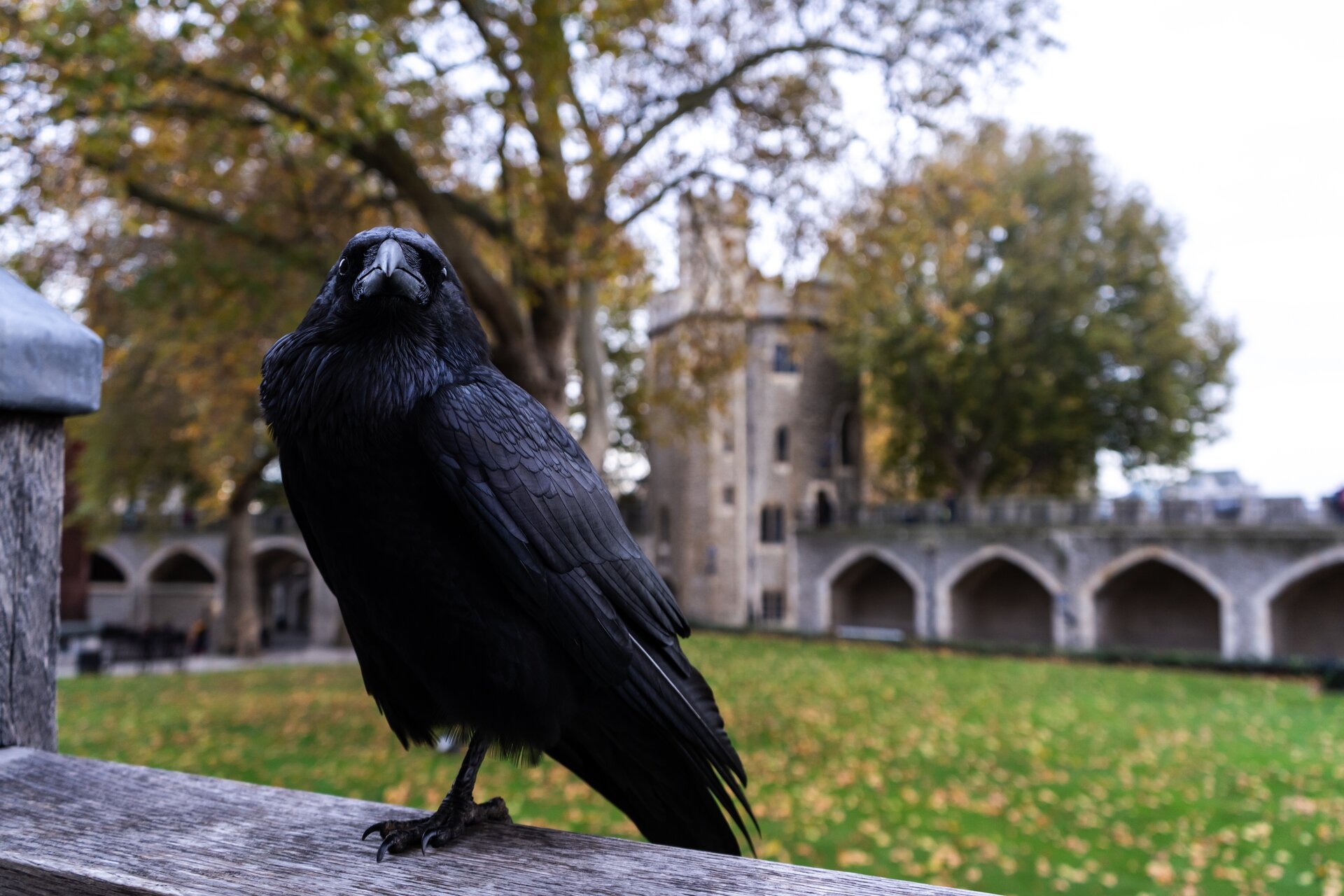
Zdjęcie przedstawia kruka stojącego na balustradzie na tle jesiennego parku oraz zabudowań zamkowych.
Fortress. Palace. Prison
Forteca. Pałac. Więzienie
Źródło: dostępny w internecie: https://www.freepik.com/ [dostęp 27.06.2022], domena publiczna.
Exercise1
Match the definitions to the right words.
Dopasuj definicje do wyrazów.
R284Ri6SoJpzy
the male ruler of a country Możliwe odpowiedzi: 1. king, 2. museum, 3. queen, 4. castle, 5. crown monarchs wear it on their heads Możliwe odpowiedzi: 1. king, 2. museum, 3. queen, 4. castle, 5. crown the female ruler of a country Możliwe odpowiedzi: 1. king, 2. museum, 3. queen, 4. castle, 5. crown a large building with thick walls and towers Możliwe odpowiedzi: 1. king, 2. museum, 3. queen, 4. castle, 5. crown a building in which you can find historical and artistic objects Możliwe odpowiedzi: 1. king, 2. museum, 3. queen, 4. castle, 5. crown
the male ruler of a country Możliwe odpowiedzi: 1. king, 2. museum, 3. queen, 4. castle, 5. crown monarchs wear it on their heads Możliwe odpowiedzi: 1. king, 2. museum, 3. queen, 4. castle, 5. crown the female ruler of a country Możliwe odpowiedzi: 1. king, 2. museum, 3. queen, 4. castle, 5. crown a large building with thick walls and towers Możliwe odpowiedzi: 1. king, 2. museum, 3. queen, 4. castle, 5. crown a building in which you can find historical and artistic objects Możliwe odpowiedzi: 1. king, 2. museum, 3. queen, 4. castle, 5. crown
Źródło: GroMar Sp. z o.o., licencja: CC BY-SA 3.0.
Read the text below about The Tower of London to find out about this popular tourist attraction. Then do the exercises below.
Przeczytaj poniższy tekst o Tower of London, aby dowiedzieć się więcej o tej popularnej atrakcji turystycznej. Następnie wykonaj ćwiczenia.
Her Majesty’s Royal Palace and Fortress, the Tower of London
ElaBorowiecHer Majesty’s Royal Palace and Fortress, the Tower of London
The Tower of London is more than 900 years old. It is a complex of several buildings and towers inside two defensive walls.defence walls [defence wall]defensive walls. It has seen many periodsperiods [period]periods in the history of the United Kingdom. Before it became a tourist attraction, it had played many roles for the royal familiesroyal families [royal family]royal families in the past. By the end of the 18th century it had been a safe fortressfortressfortress in dangerous times, a royal castle, and a terrible prison for the ones who didn’t agree with queens and kings. Today it is a popular museum where you can admire an amazing collection of the Crown JewelsCrown JewelsCrown Jewels.
The story of the Tower of London started in the 1070s when William the ConquerorWilliam the ConquerorWilliam the Conqueror decided to build a fortress. After he had begun his rulerulerule, he was really afraid of a rebellionrebellionrebellion. He built a stone fortress as a symbol of his strengthstrengthstrength and power. He also wanted to give England something the nation had never seen before. They had finished the Tower of London by the end of the 11th century. People call it a silent witness of British history throughout centuriesthroughout centuriesthroughout centuries. Those walls remember kings, queens, love, joy, as well as blood and treasontreasontreason.
There are seven black ravensravens [raven]ravens at the Tower of LondonTower of LondonTower of London. There is a Yeoman WardenYeoman WardenYeoman Warden called the RavenmasterRavenmasterRavenmaster. His job is to take care of the seven ravens. He feeds them in the morning and in the afternoon. Why are the ravens so important? The ravens have been at the Tower of London for centuries. There is a legend that if the ravens leave the Tower of London, the whole kingdomkingdomkingdom will fall. Why don’t the ravens fly away? Well, their flight feathersflight feathers [flight feather]flight feathers are trimmedtrimmed [trim]trimmed and it is impossible for them to fly.
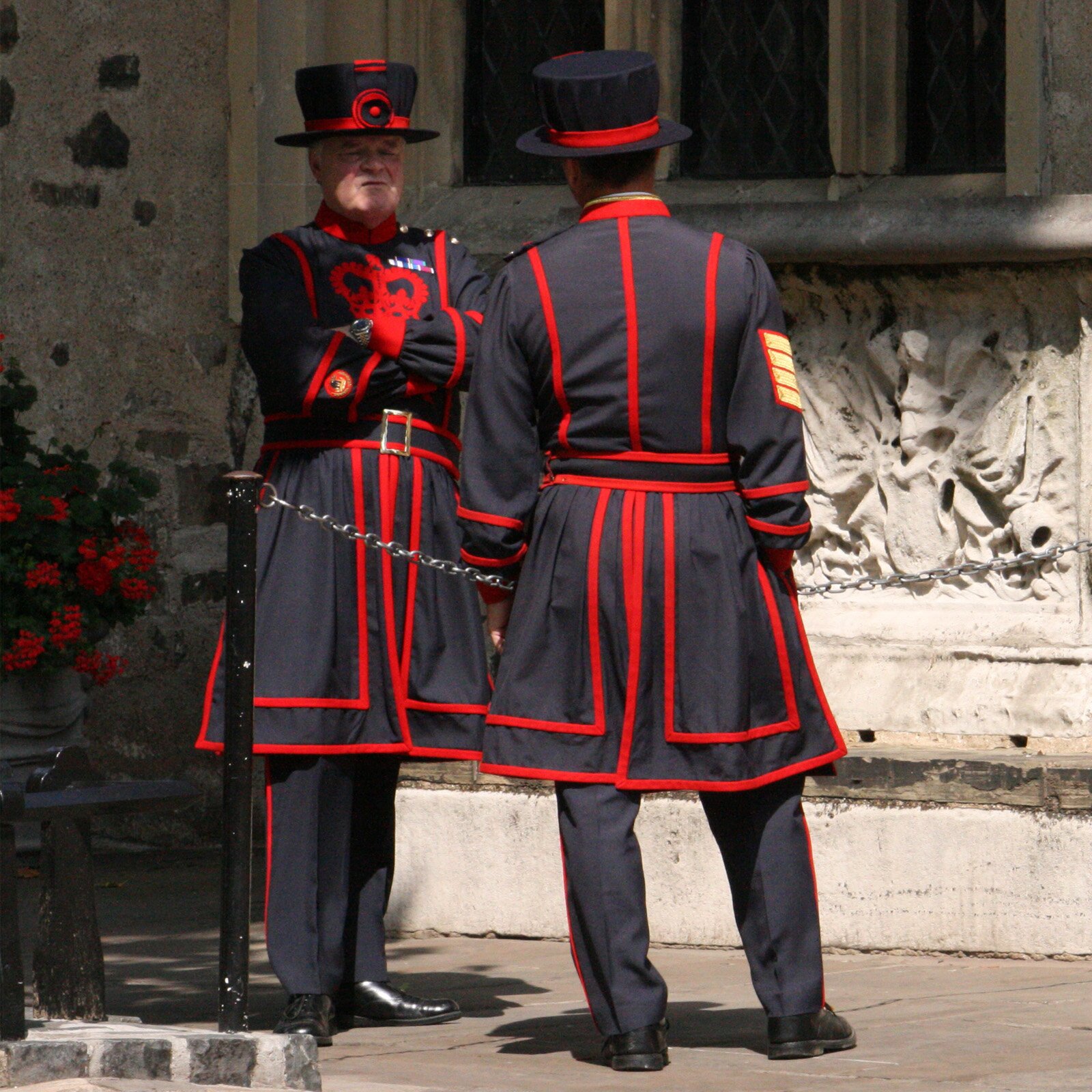
Today the Tower of London is a proud symbol of the past. It is one of the most visited tourist attractions in London. It is also home to the Yeomen Warders who guardguard (verb)guard it. They also open and close the gate of the Tower of London and take part in the Ceremony of the KeysCeremony of the KeysCeremony of the Keys. Many people call them BeefeatersBeefeaters [Beefeater]Beefeaters. Why? In the 16th century the famous King Henry VII was seriously afraid of his opponents. So he chose the Yeomen Warders as his personal guardsguards [guard]guards. These were the strongest and bravest people in the whole kingdom who were allowed to eat beefbeefbeef from the king’s table. Today the Beefeaters still wear Tudor style uniforms but they don’t guard the monarchmonarchmonarch.
1 Źródło: ElaBorowiec, licencja: CC BY-SA 3.0.
Exercise2
Match the words with their translations.
Połącz wyrazy z ich tłumaczeniami.
R1JRz9TU3Ri9s
Źródło: GroMar Sp. z o.o., licencja: CC BY-SA 3.0.
Exercise2
Look at the pictures and arrange the letters to create words connected with the Tower of London.
Przyjrzyj się ilustracjom i ułóż wymieszane litery, tak aby powstały wyrazy związane z Londyńską Tower.
RJmujAu2ghIJd
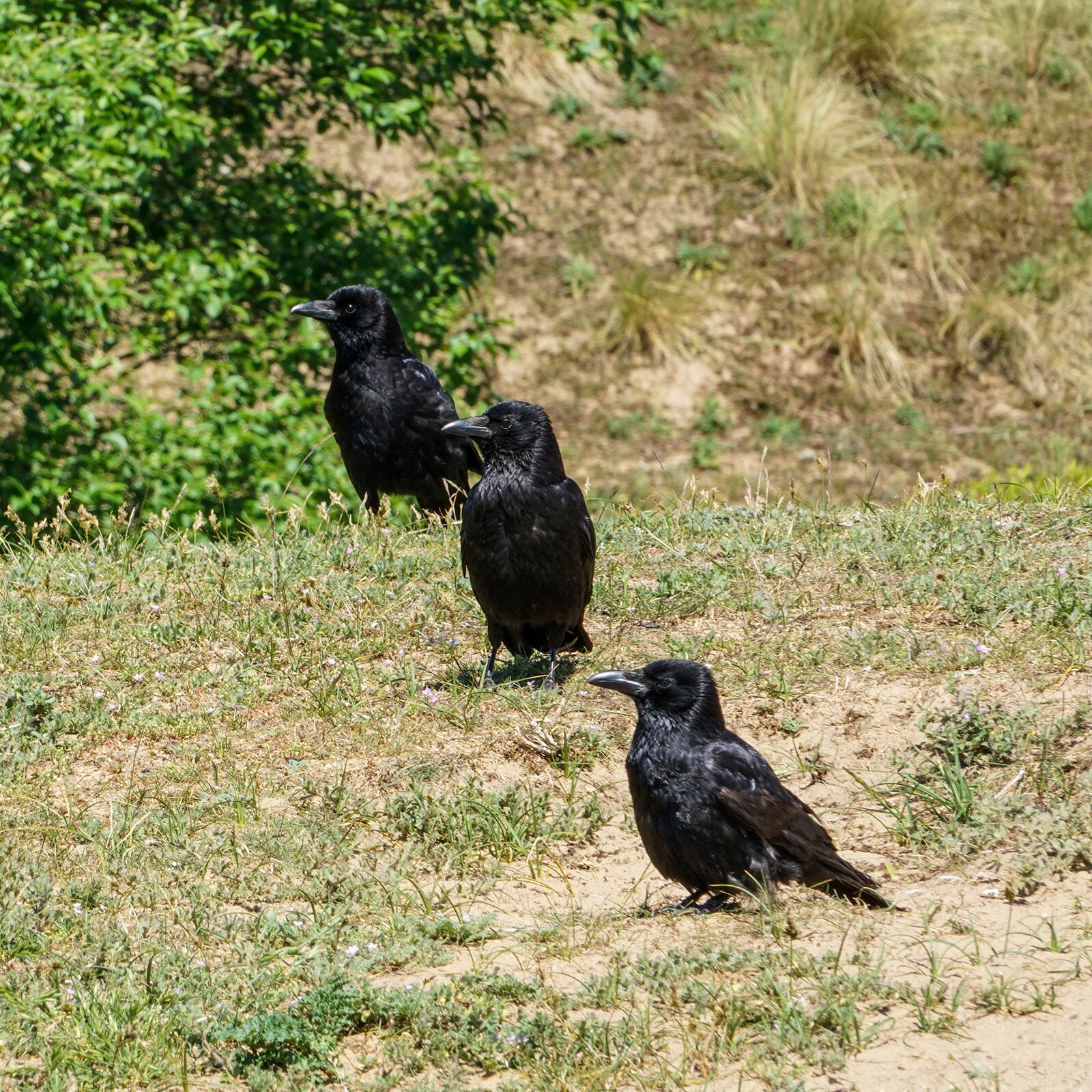
Zdjęcie przedstawiające trzy czarne ptaki stojące na trawie.
Źródło: dostępny w internecie: https://www.pexels.com/pl-pl/ [dostęp 27.06.2022], domena publiczna.
RsBziIP3Dkpdr
1. 1. v, 2. a, 3. s, 4. r, 5. e, 6. n1. v, 2. a, 3. s, 4. r, 5. e, 6. n1. v, 2. a, 3. s, 4. r, 5. e, 6. n1. v, 2. a, 3. s, 4. r, 5. e, 6. n1. v, 2. a, 3. s, 4. r, 5. e, 6. n1. v, 2. a, 3. s, 4. r, 5. e, 6. n
1. 1. v, 2. a, 3. s, 4. r, 5. e, 6. n1. v, 2. a, 3. s, 4. r, 5. e, 6. n1. v, 2. a, 3. s, 4. r, 5. e, 6. n1. v, 2. a, 3. s, 4. r, 5. e, 6. n1. v, 2. a, 3. s, 4. r, 5. e, 6. n1. v, 2. a, 3. s, 4. r, 5. e, 6. n
Źródło: GroMar Sp. z o.o., licencja: CC BY-SA 3.0.
Rc1TQk1LneqbT
Zdjęcie przedstawiające dwóch mężczyzn ubranych w czarne stroje z czerwonymi elementami oraz kapelusze w tych samych kolorach. Mężczyźni stoją naprzeciw siebie, jeden z nich ma ręce założone na piersi. Stoją przed budynkiem.
Źródło: dostępny w internecie: https://www.wikimedia.org/ [dostęp 27.06.2022], domena publiczna.
R14k9JRSsgbuc
2. 1. f, 2. B, 3. s, 4. e, 5. e, 6. e, 7. r, 8. a, 9. e, 10. t1. f, 2. B, 3. s, 4. e, 5. e, 6. e, 7. r, 8. a, 9. e, 10. t1. f, 2. B, 3. s, 4. e, 5. e, 6. e, 7. r, 8. a, 9. e, 10. t1. f, 2. B, 3. s, 4. e, 5. e, 6. e, 7. r, 8. a, 9. e, 10. t1. f, 2. B, 3. s, 4. e, 5. e, 6. e, 7. r, 8. a, 9. e, 10. t1. f, 2. B, 3. s, 4. e, 5. e, 6. e, 7. r, 8. a, 9. e, 10. t1. f, 2. B, 3. s, 4. e, 5. e, 6. e, 7. r, 8. a, 9. e, 10. t1. f, 2. B, 3. s, 4. e, 5. e, 6. e, 7. r, 8. a, 9. e, 10. t1. f, 2. B, 3. s, 4. e, 5. e, 6. e, 7. r, 8. a, 9. e, 10. t1. f, 2. B, 3. s, 4. e, 5. e, 6. e, 7. r, 8. a, 9. e, 10. t
2. 1. f, 2. B, 3. s, 4. e, 5. e, 6. e, 7. r, 8. a, 9. e, 10. t1. f, 2. B, 3. s, 4. e, 5. e, 6. e, 7. r, 8. a, 9. e, 10. t1. f, 2. B, 3. s, 4. e, 5. e, 6. e, 7. r, 8. a, 9. e, 10. t1. f, 2. B, 3. s, 4. e, 5. e, 6. e, 7. r, 8. a, 9. e, 10. t1. f, 2. B, 3. s, 4. e, 5. e, 6. e, 7. r, 8. a, 9. e, 10. t1. f, 2. B, 3. s, 4. e, 5. e, 6. e, 7. r, 8. a, 9. e, 10. t1. f, 2. B, 3. s, 4. e, 5. e, 6. e, 7. r, 8. a, 9. e, 10. t1. f, 2. B, 3. s, 4. e, 5. e, 6. e, 7. r, 8. a, 9. e, 10. t1. f, 2. B, 3. s, 4. e, 5. e, 6. e, 7. r, 8. a, 9. e, 10. t1. f, 2. B, 3. s, 4. e, 5. e, 6. e, 7. r, 8. a, 9. e, 10. t
Źródło: GroMar Sp. z o.o., licencja: CC BY-SA 3.0.
RejBcznh83GdX
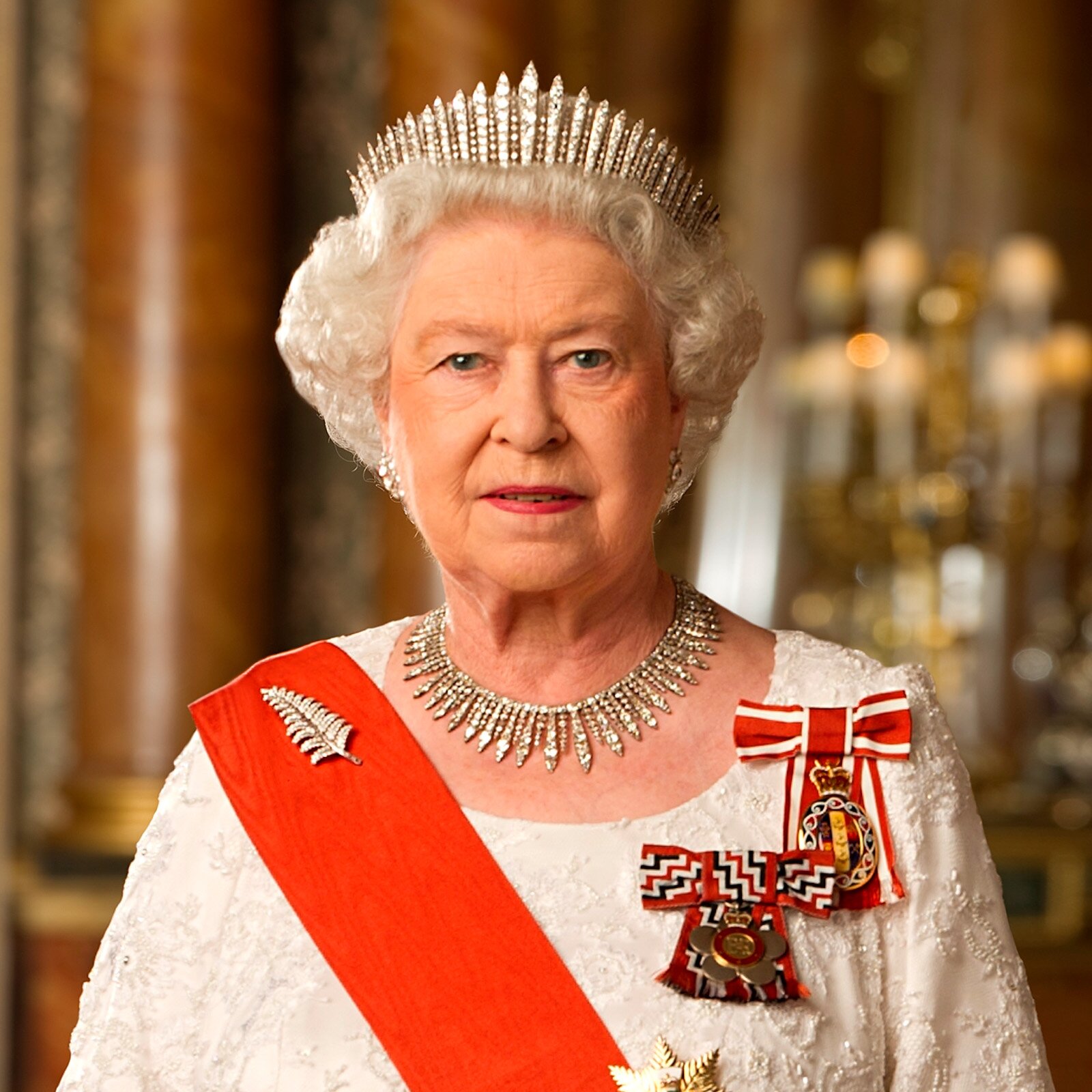
Zdjęcie przedstawiające kobietę o siwych włosach ubraną w elegancki strój. Na głowie ma koronę, a przez ciało przewieszoną czerwoną szarfę. Na piersi przywieszone ma odznaki.
Źródło: dostępny w internecie: https://www.wikimedia.org/ [dostęp 27.06.2022], domena publiczna.
Ri40HzY1CCRsa
3. 1. c, 2. r, 3. a, 4. n, 5. h, 6. m, 7. o1. c, 2. r, 3. a, 4. n, 5. h, 6. m, 7. o1. c, 2. r, 3. a, 4. n, 5. h, 6. m, 7. o1. c, 2. r, 3. a, 4. n, 5. h, 6. m, 7. o1. c, 2. r, 3. a, 4. n, 5. h, 6. m, 7. o1. c, 2. r, 3. a, 4. n, 5. h, 6. m, 7. o1. c, 2. r, 3. a, 4. n, 5. h, 6. m, 7. o
3. 1. c, 2. r, 3. a, 4. n, 5. h, 6. m, 7. o1. c, 2. r, 3. a, 4. n, 5. h, 6. m, 7. o1. c, 2. r, 3. a, 4. n, 5. h, 6. m, 7. o1. c, 2. r, 3. a, 4. n, 5. h, 6. m, 7. o1. c, 2. r, 3. a, 4. n, 5. h, 6. m, 7. o1. c, 2. r, 3. a, 4. n, 5. h, 6. m, 7. o1. c, 2. r, 3. a, 4. n, 5. h, 6. m, 7. o
Źródło: GroMar Sp. z o.o., licencja: CC BY-SA 3.0.
RJEyCkex3T4ii
Zdjęcie przedstawiające budynek z czterema wieżami, z jednej z nich wystaje flaga Wielkiej Brytanii.
Źródło: dostępny w internecie: https://www.pexels.com/pl-pl/ [dostęp 27.06.2022], domena publiczna.
R1ReDB8EeyAjB
4. 1. f, 2. o, 3. s, 4. e, 5. r, 6. r, 7. s, 8. t1. f, 2. o, 3. s, 4. e, 5. r, 6. r, 7. s, 8. t1. f, 2. o, 3. s, 4. e, 5. r, 6. r, 7. s, 8. t1. f, 2. o, 3. s, 4. e, 5. r, 6. r, 7. s, 8. t1. f, 2. o, 3. s, 4. e, 5. r, 6. r, 7. s, 8. t1. f, 2. o, 3. s, 4. e, 5. r, 6. r, 7. s, 8. t1. f, 2. o, 3. s, 4. e, 5. r, 6. r, 7. s, 8. t1. f, 2. o, 3. s, 4. e, 5. r, 6. r, 7. s, 8. t
4. 1. f, 2. o, 3. s, 4. e, 5. r, 6. r, 7. s, 8. t1. f, 2. o, 3. s, 4. e, 5. r, 6. r, 7. s, 8. t1. f, 2. o, 3. s, 4. e, 5. r, 6. r, 7. s, 8. t1. f, 2. o, 3. s, 4. e, 5. r, 6. r, 7. s, 8. t1. f, 2. o, 3. s, 4. e, 5. r, 6. r, 7. s, 8. t1. f, 2. o, 3. s, 4. e, 5. r, 6. r, 7. s, 8. t1. f, 2. o, 3. s, 4. e, 5. r, 6. r, 7. s, 8. t1. f, 2. o, 3. s, 4. e, 5. r, 6. r, 7. s, 8. t
Źródło: GroMar Sp. z o.o., licencja: CC BY-SA 3.0.
RQicwVygC70QS
Zdjęcie zrobione od dołu, przedstawiające wysoką wieżę.
Źródło: dostępny w internecie: https://www.pexels.com/pl-pl/ [dostęp 27.06.2022], domena publiczna.
R10ZWKX4KLpsK
5. 1. w, 2. e, 3. o, 4. r, 5. t1. w, 2. e, 3. o, 4. r, 5. t1. w, 2. e, 3. o, 4. r, 5. t1. w, 2. e, 3. o, 4. r, 5. t1. w, 2. e, 3. o, 4. r, 5. t
5. 1. w, 2. e, 3. o, 4. r, 5. t1. w, 2. e, 3. o, 4. r, 5. t1. w, 2. e, 3. o, 4. r, 5. t1. w, 2. e, 3. o, 4. r, 5. t1. w, 2. e, 3. o, 4. r, 5. t
Źródło: GroMar Sp. z o.o., licencja: CC BY-SA 3.0.
Exercise3
Read the text again and choose the best title for each paragraph of the text.
Przeczytaj tekst kolejny raz i wybierz najlepszy tytuł dla każdego akapitu tekstu.
RWbDJXpmfc2AV
Źródło: GroMar Sp. z o.o., licencja: CC BY-SA 3.0.
Exercise4
Read the text again and drag the words to fill in the gaps. Watch out, there are two additional words that do not match.
Przeczytaj tekst kolejny raz i uzupełnij luki w zdaniach właściwymi wyrazami. Uważaj, są dwa dodatkowe wyrazu, które nie pasują do reszty.
R12Yf9j251uLT
The Yeomen Warders are the 1. Tudor, 2. live, 3. symbol, 4. guards, 5. kingdom, 6. beef, 7. monarchs of the Tower of London. They are often called Beefeaters. The name comes from the Tudor times. King Henry VII wanted his guards to be strong and he let them eat 1. Tudor, 2. live, 3. symbol, 4. guards, 5. kingdom, 6. beef, 7. monarchs from his table. It was a great honour because they could eat the best meat in the 1. Tudor, 2. live, 3. symbol, 4. guards, 5. kingdom, 6. beef, 7. monarchs. Today the Beefeaters 1. Tudor, 2. live, 3. symbol, 4. guards, 5. kingdom, 6. beef, 7. monarchs and work at the Tower of London. They guard it and help the tourists. They also wear traditional 1. Tudor, 2. live, 3. symbol, 4. guards, 5. kingdom, 6. beef, 7. monarchs uniforms.
The Yeomen Warders are the 1. Tudor, 2. live, 3. symbol, 4. guards, 5. kingdom, 6. beef, 7. monarchs of the Tower of London. They are often called Beefeaters. The name comes from the Tudor times. King Henry VII wanted his guards to be strong and he let them eat 1. Tudor, 2. live, 3. symbol, 4. guards, 5. kingdom, 6. beef, 7. monarchs from his table. It was a great honour because they could eat the best meat in the 1. Tudor, 2. live, 3. symbol, 4. guards, 5. kingdom, 6. beef, 7. monarchs. Today the Beefeaters 1. Tudor, 2. live, 3. symbol, 4. guards, 5. kingdom, 6. beef, 7. monarchs and work at the Tower of London. They guard it and help the tourists. They also wear traditional 1. Tudor, 2. live, 3. symbol, 4. guards, 5. kingdom, 6. beef, 7. monarchs uniforms.
Źródło: GroMar Sp. z o.o., licencja: CC BY-SA 3.0.
Exercise5
Read the text again. Then write the missing words to complete the gaps in the text below.
Ponownie przeczytaj tekst. Następnie przetłumacz brakujące wyrazy i uzupełnij luki.
R1ApKxCOL7Qds
The Tower of London is a complex of several buildings and towers inside two Tu uzupełnij (murami obronnymi). The Ravenmaster takes care of the Tu uzupełnij (siedmioma krukami). If ravens leave the Tower of London, the Tu uzupełnij (całe królestwo) will fall. It had played many roles for the Tu uzupełnij (rodzin królewskich) in the past. It had been a safe fortress, a castle and a Tu uzupełnij (strasznym więzieniem).
The Tower of London is a complex of several buildings and towers inside two Tu uzupełnij (murami obronnymi). The Ravenmaster takes care of the Tu uzupełnij (siedmioma krukami). If ravens leave the Tower of London, the Tu uzupełnij (całe królestwo) will fall. It had played many roles for the Tu uzupełnij (rodzin królewskich) in the past. It had been a safe fortress, a castle and a Tu uzupełnij (strasznym więzieniem).
Źródło: GroMar Sp. z o.o., licencja: CC BY-SA 3.0.
Exercise6
The Tower of London was a fortress, a royal castle, and a prison. Which of these places seems the most interesting for you? Why? Write your answer in 2–3 sentences.
Londyńska Tower była fortecą, zamkiem królewskim i więzieniem równocześnie. Które z tych miejsc wydaje ci się najciekawsze? Dlaczego? Napisz odpowiedź w 2–3 zdaniach.
RXVcC07bFvx6B
(Uzupełnij).
Źródło: GroMar Sp. z o.o., licencja: CC BY-SA 3.0.
Show hintazurewhite
In my opinion the most interesting must be… It was… because… I think it has… history and I would like to…
Show answerazurewhite
In my opinion the most interesting must be the prison. It was definitely a terrible prison because kings and queens sent there the people who were their opponents. I think the Tower of London has a bloody history and I would like to see it.
GRAMATYKA
Czas przeszły dokonanyPast Perfect
Czas Past Perfect opisuje czynność, która dokonała się, zanim rozpoczęła się inna czynność w przeszłości. Z tego powodu czasPast Perfectzazwyczaj pojawia się w zdaniach z czasem przeszłymPast Simple.
Przykład:
The castle had played many roles in the past before it became a tourist attraction. – W przeszłości zamek odgrywał wiele ról, zanim stał się atrakcją turystyczną.
CzasPast Perfectpomaga nam również opowiedzieć o wydarzeniach i czynnościach, które miały miejsce przed określonym momentem w przeszłości.
Przykład:
They had finished the Tower of London by the end of the 11th century. –Do końca XI wieku ukończyli budowę Londyńskiej Tower.
1. Tworzenie zdań twierdzących
W zdaniach twierdzących stawiamyhadprzed czasownikiem regularnym z końcówką-edlub przed czasownikiem nieregularnym w trzeciej formie (past participle).
Przykłady:
play – had played („grać”)
begin– had begun („zaczynać”)
see – had seen („widzieć”)
Przykłady:
After he had begun his rule, he was really afraid of a rebellion. – Gdy rozpoczął rządy, bardzo obawiał się buntu.
It was something the nation had seen before. – To było coś, co naród widział już wcześniej.
2. Tworzenie zdań przeczących
W zdaniach przeczących stawiamyhad not (hadn’t)przed czasownikregularny z końcówką *-edlub czasownik nieregularny w trzeciej formie (past participle).
Przykłady:
The castle hadn’t played many roles in the past before it became a tourist attraction. – W przeszłości zamek nie odgrywał wielu ról, zanim stał się atrakcją turystyczną.
It was something the nation hadn’t seen before. – To było coś, czego naród nie widział wcześniej.
3. Tworzenie pytań
W czasie Past Perfect hadstawiamy na początku zdania pytającego. Czasownikregularny otrzymuje końcówkę-ed, a w przypadku czasowników nieregularnych używamy trzeciej formy (past participle).
Przykłady:
Had the castle played many roles in the past before it became a tourist attraction? – Czy w przeszłości zamek odgrywał wiele ról, zanim stał się atrakcją turystyczną?
Had the nation seen something like that before? – Czy naród już wcześniej widział coś takiego?
4. Najczęściej używane określenia czasu
never – nigdy
already – już
before – zanim
after – po
first- najpierw
as soon as – jak tylko
when – kiedy by
bythe time – do czasu, gdy
by the end – przed końcem
Exercise7
Drag and drop the words to make logical sentences.
Przeciągnij i upuść wyrazy, aby ułożyć logiczne zdania.
Rq6x1Sle76IXX
By 1. after, 2. the time, 3. already, 4. before, 5. First it became a tourist attraction, there had been many legends about it.
1. after, 2. the time, 3. already, 4. before, 5. First they had finished the Tower, then it became one of the greatest fortresses in Europe.
We went to the Tower of London, but they had 1. after, 2. the time, 3. already, 4. before, 5. First closed it.
It had a bad opinion 1. after, 2. the time, 3. already, 4. before, 5. First it had been a prison for the kings’ and queens’ opponents.
He built a fortress people had never seen 1. after, 2. the time, 3. already, 4. before, 5. First.
By 1. after, 2. the time, 3. already, 4. before, 5. First it became a tourist attraction, there had been many legends about it.
1. after, 2. the time, 3. already, 4. before, 5. First they had finished the Tower, then it became one of the greatest fortresses in Europe.
We went to the Tower of London, but they had 1. after, 2. the time, 3. already, 4. before, 5. First closed it.
It had a bad opinion 1. after, 2. the time, 3. already, 4. before, 5. First it had been a prison for the kings’ and queens’ opponents.
He built a fortress people had never seen 1. after, 2. the time, 3. already, 4. before, 5. First.
Źródło: GroMar Sp. z o.o., licencja: CC BY-SA 3.0.
Exercise8
Read the sentences and put the verbs in brackets in Past Perfect.
Przeczytaj zdania i wpisz czasowniki w nawiasach w czasie Past Perfect.
REIhOTOjkzOAc
1. Before it became a museum, it Tu uzupełnij a fortress, a royal castle, and a prison. (be) 2. After we Tu uzupełnij into the Tower of London, we went to a restaurant. (not get) 3. As soon as the Ravenmaster Tu uzupełnij the ravens, he took pictures with some tourists. (feed) 4. Tu uzupełnij you Tu uzupełnij the tickets before you went to the Tower of London? (book) 5. By the end of the summer over a million people Tu uzupełnij the legendary ravens. (see) 6. When the guards Tu uzupełnij the gate, they went to their homes. (close)
1. Before it became a museum, it Tu uzupełnij a fortress, a royal castle, and a prison. (be) 2. After we Tu uzupełnij into the Tower of London, we went to a restaurant. (not get) 3. As soon as the Ravenmaster Tu uzupełnij the ravens, he took pictures with some tourists. (feed) 4. Tu uzupełnij you Tu uzupełnij the tickets before you went to the Tower of London? (book) 5. By the end of the summer over a million people Tu uzupełnij the legendary ravens. (see) 6. When the guards Tu uzupełnij the gate, they went to their homes. (close)
Źródło: GroMar Sp. z o.o., licencja: CC BY-SA 3.0.
1
Exercise9
Finish the sentences. Use the Past Perfect tense.
Dokończ zdania, używając czasu Past Perfect.
After I…, I went to school.
RXVcC07bFvx6B
(Uzupełnij).
Źródło: GroMar Sp. z o.o., licencja: CC BY-SA 3.0.
Show hintazurewhite
had eaten/played/watched/brushed
Show answerazurewhite
After I had eaten breakfast, I went to school.
Before I finished my English homework, I…
R1VppkFM0TgAz
(Uzupełnij).
Źródło: GroMar Sp. z o.o., licencja: CC BY-SA 3.0.
Show hintazurewhite
had played/surfed/talked/chatted/taken
Show answerazurewhite
Before I finished my English homework, I had played some computer games.
By the age of 10, I…
RND9ESt5Sf3e3
(Uzupełnij).
Źródło: GroMar Sp. z o.o., licencja: CC BY-SA 3.0.
 Źródło: dostępny w internecie: https://www.pexels.com/pl-pl/ [dostęp 27.06.2022], domena publiczna.
 Źródło: dostępny w internecie: https://www.wikimedia.org/ [dostęp 27.06.2022], domena publiczna.
 Źródło: dostępny w internecie: https://www.wikimedia.org/ [dostęp 27.06.2022], domena publiczna.
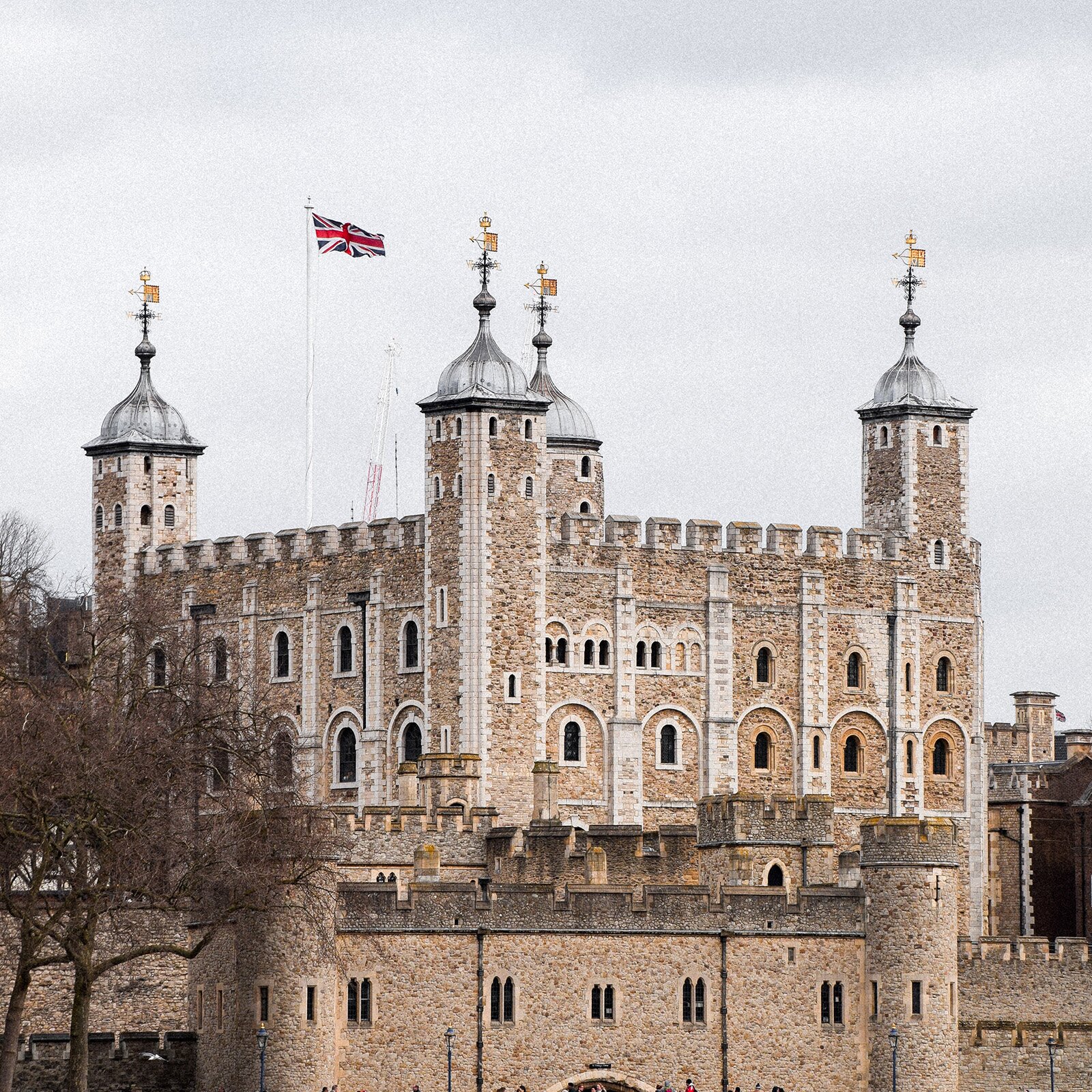 Źródło: dostępny w internecie: https://www.pexels.com/pl-pl/ [dostęp 27.06.2022], domena publiczna.
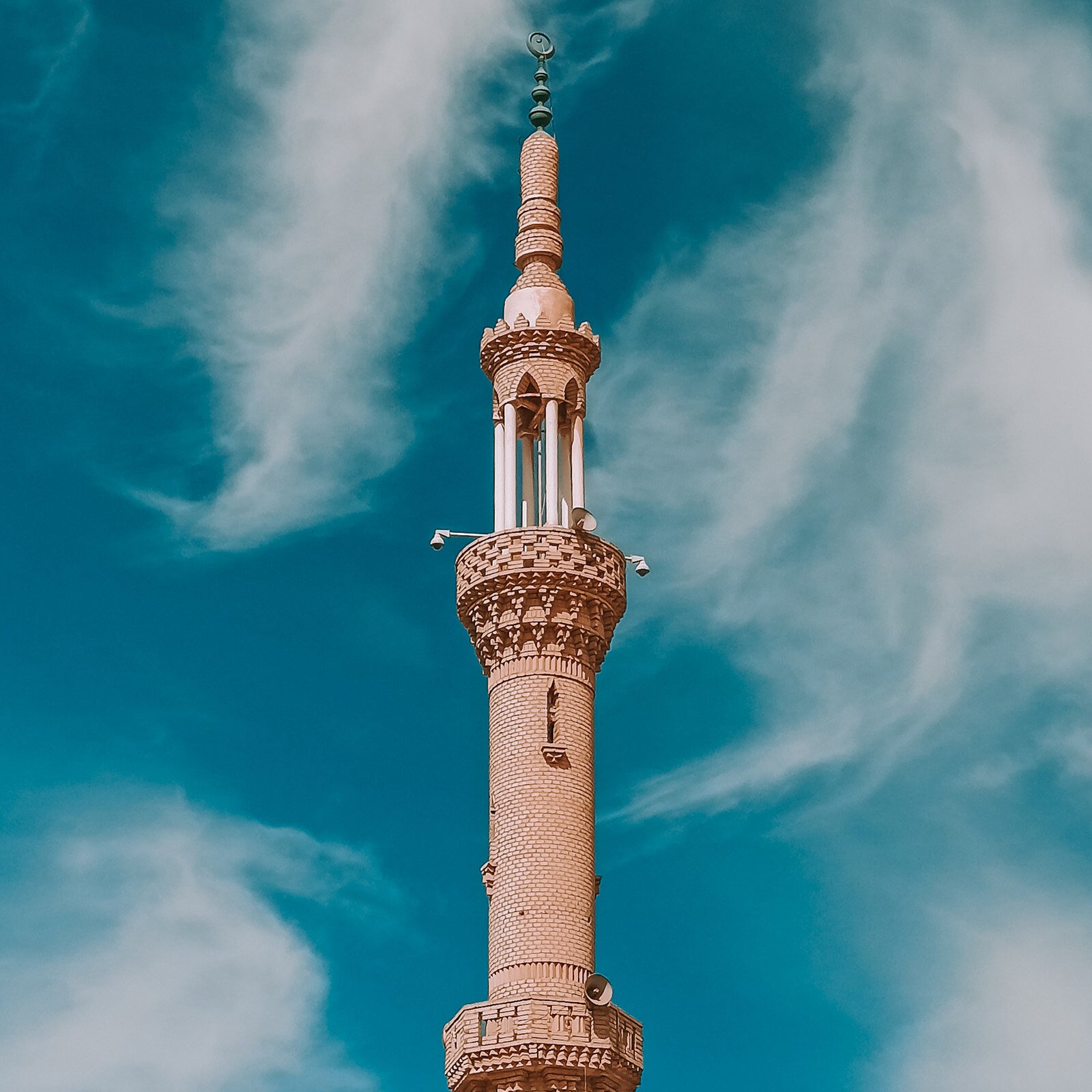 Źródło: dostępny w internecie: https://www.pexels.com/pl-pl/ [dostęp 27.06.2022], domena publiczna.