Przeczytaj
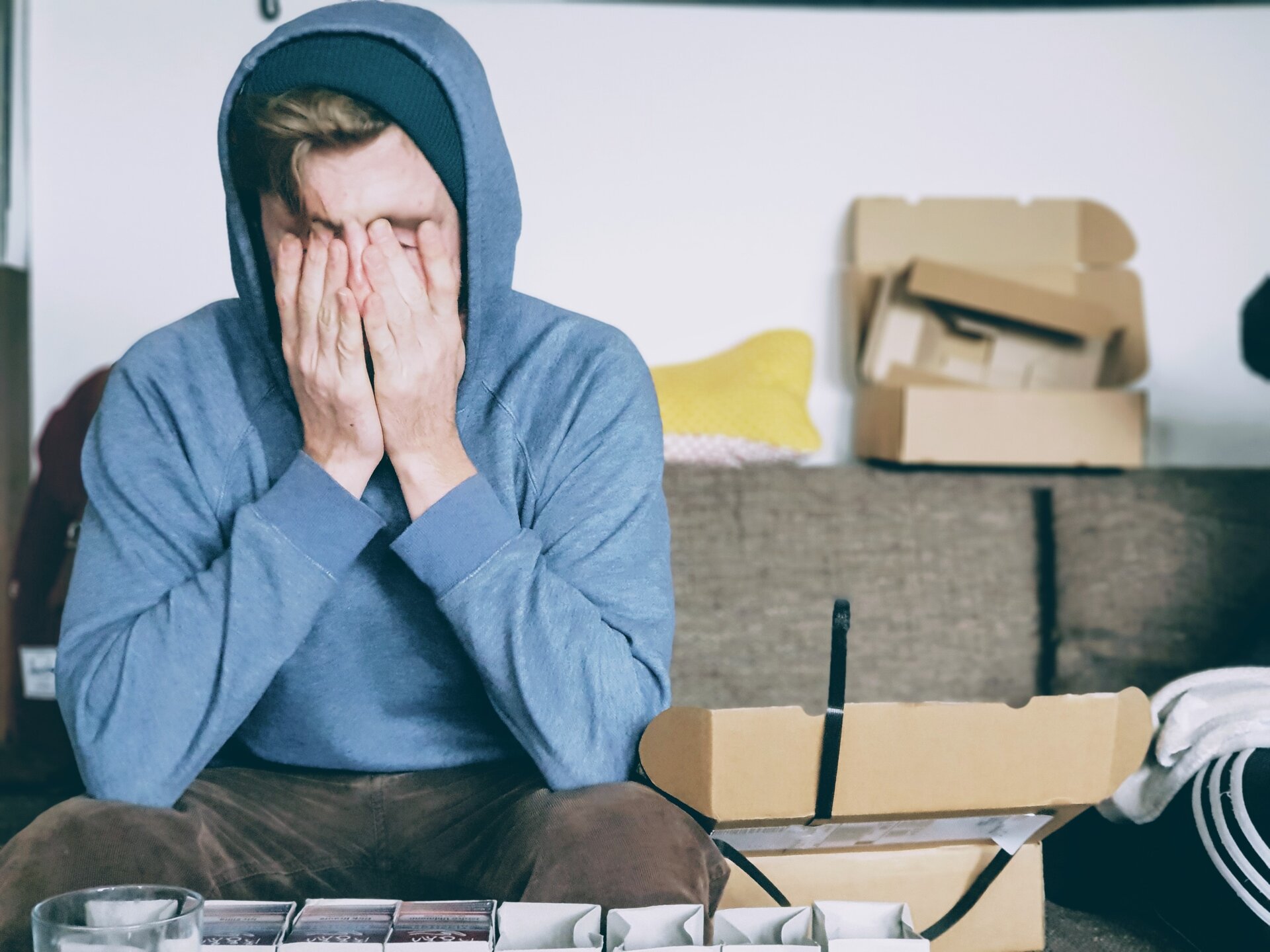
The picture below shows a teenager who feels stressed. How often does it happen to you? Can you cope with this feeling? In this section, you are going to read a text about stress and its effects on our life. When you know how stress works, you will deal with it better.
Poniższe zdjęcie przedstawia zestresowanego nastolatka. Jak często przytrafia się to tobie? Czy potrafisz radzić sobie z tym uczuciem? W tej sekcji przeczytasz tekst o stresie i jego wpływie na nasze życie. Kiedy dowiesz się, jak działa stres, będziesz lepiej sobie z nim radzić.
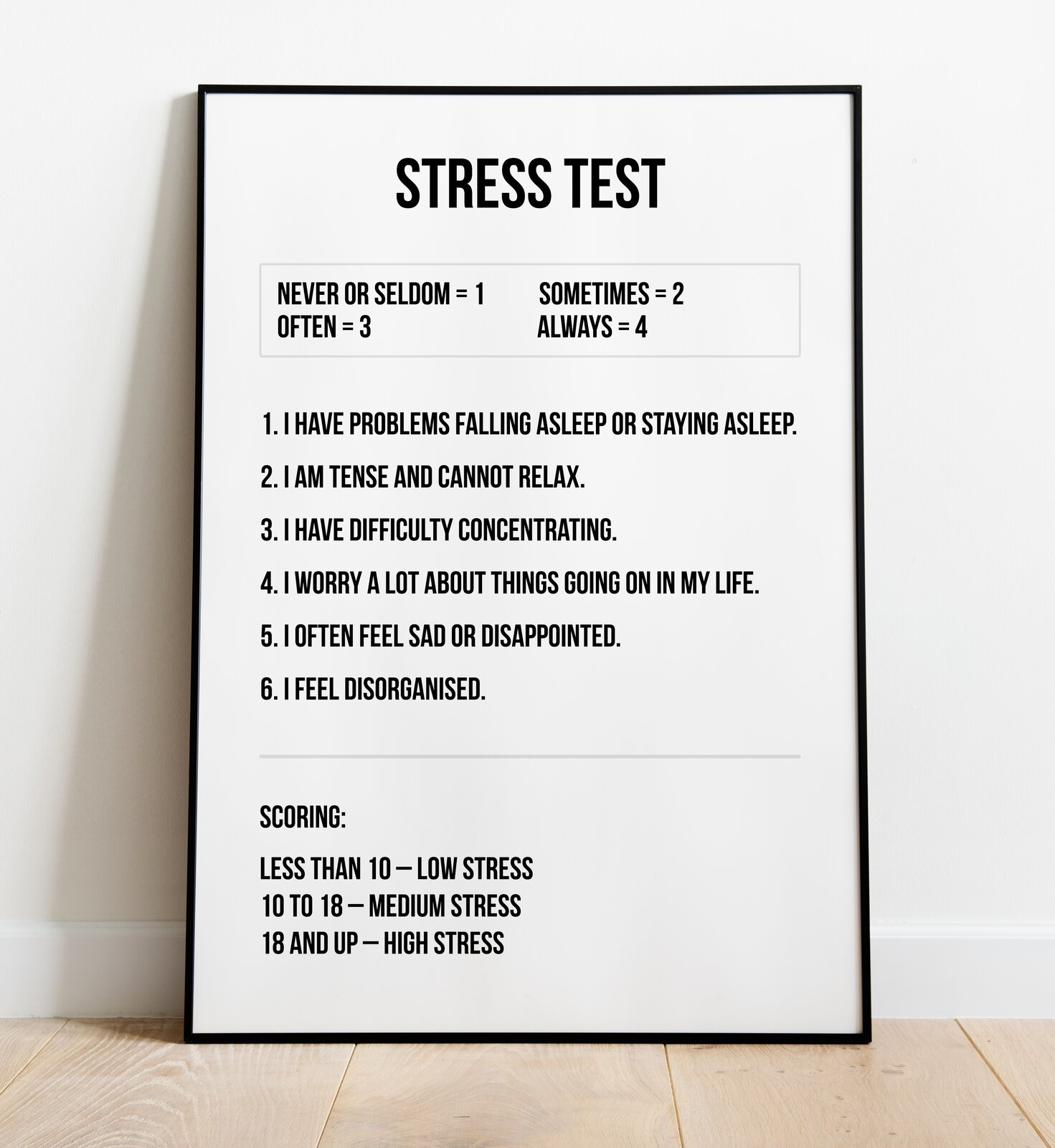
First, let’s find out how stressed you are. How often do you experience the feelings below? Complete the “Stress Test” below by choosing a number between 1 and 4 to show how often you feel this way. Then, add up the numbers and check your scoring below.
Najpierw sprawdźmy, jak bardzo jesteś zestresowany/zestresowana. Jak często doświadczasz poniższych uczuć? Zrób test stresu, wybierając przy każdym ze stwierdzeń liczbę z przedziału od 1 do 4, żeby określić, jak często doświadczasz opisanych uczuć. Następnie zsumuj liczby i sprawdź swój wynik.
STRESS TEST
NEVER OR SELDOM = 1
SOMETIMES = 2
OFTEN = 3
ALWAYS = 4
1. I HAVE PROBLEMS FALLING ASLEEP OR STAYING ASLEEP. 2. I AM TENSE AND CANNOT RELAX. 3. I HAVE DIFFICULTY CONCENTRATIONG. 4. I WORRY A LOT ABOUT THINGS GOING ON IN MY LIFE. 5. I OFTEN FEEL SAD OR DISAPPOINTED. 6. I FEEL DISORGANISED.
SCORING:
LESS THAN 10 - LOW STRESS
10 TO 18 - MEDIUM STRESS
18 AND UP - HIGH STRESS
First, let’s find out how stressed you are. How often do you experience the feelings below? Complete the “Stress Test” below by choosing a number between 1 and 4 to show how often you feel this way. Then, add up the numbers and check your scoring below.
Najpierw sprawdźmy, jak bardzo jesteś zestresowany/zestresowana. Jak często doświadczasz poniższych uczuć? Zrób test stresu, wybierając przy każdym ze stwierdzeń liczbę z przedziału od 1 do 4, żeby określić, jak często doświadczasz opisanych uczuć. Następnie zsumuj liczby i sprawdź swój wynik.
Read the text about stress, its causes and effects, and do the exercises below.
Przeczytaj tekst o tym, czym jest stres, a także jakie są jego przyczyny i skutki, a następnie wykonaj poniższe ćwiczenia.
Manage Your Stress And Feel Good At LastStress is a natural feeling when you are not able to deal with specific demandsdemands which come from school or relationships. Of course, we hate to live under stresslive under stress but sometimes we just need to learn how to deal withdeal with it. Let’s take a closer look at what stress is and how to managemanage it.
Stress is a natural reaction of the body. It may not last long. Unfortunately, sometimes we can’t avoid it. The good news is that stress is not always a bad thing. Positive stress motivates us to stay focused, makes us more excited, and helps us to complete the tasks we have. While little stress is good for us, too much of it isn’t. This type is called negative stress and it affectsaffects our body, feelings, and emotions. It can be difficult at times, but there are many strategies to manage it.
Stress is caused by many things, so it is very important to identify your own stressorsstressors. Stressors are the events, situations, or people that make us feel stressed outstressed out. They can be externalexternal or internalinternal. The first ones are situations and events which are out of our control. Internal ones are those we can control, like negative thoughts. Common stressors for teenagers are grades, bullying, and problems in a relationshiprelationship or friendshipfriendship. You may also feel stressed when you move to a new house or when your parents argue.
When it comes to a stressful situation, we instinctively react in the “fightfight, flightflight, or freezefreeze” mode. The “fight” mode means that you take action against the threat. The “flight” response is when you want to avoidavoid the threat. The signal: “freeze” stops you from doing anything. All three reactionsreactions are normal responses to a stressful situation, whatever the causes of stress are.
If we are under stress for a long time, we may feel such body symptoms as headaches, a faster heartbeatheartbeat, sweatingsweating, or trouble breathingtrouble breathing. You may also have problems with concentrationconcentration. Other feelings which may come with stress are sadnesssadness and angeranger. Of course, no one wants to feel like this. That’s why it’s important to recogniserecognise stressful situations and emotions. When we do that, we can try to manage them in a healthy way. When a stressful situation happens, we should give ourselves time to deal with it. Close your eyes, take a deep breath, and think of possible solutionspossible solutions. If you prefer, you can do some physical exercises or go for a walk. It helps!
Źródło: Marta Fesnak, licencja: CC BY-SA 3.0.
Read the text once again and match the headings (A–D) to paragraphs (1–4). There is one extra heading you do not need.
Przeczytaj ponownie tekst i dopasuj nagłówki (A–D) do akapitów (1–4). Jeden nagłówek podany jest dodatkowo.
A. Different reactions to stress.
B. It has more than one name.
C. Can you cope with it?
D. The symptoms and how to deal with them.
E. Why do I feel stressed?
2. 1. B, 2. D, 3. E, 4. A, 5. C
3. 1. B, 2. D, 3. E, 4. A, 5. C
4. 1. B, 2. D, 3. E, 4. A, 5. C
Search for the information in the text and choose the correct answer.
Odszukaj informacje w tekście, a następnie wybierz właściwą odpowiedź.
Based on the information from the text, drag the words to fill in the gaps.
Przeciągnij poniższe wyrazy we właściwe miejsca w zdaniach.
- While positive stress is good for you, 1. negative, 2. stressors, 3. internal, 4. sadness, 5. response, 6. breathing, 7. breath, 8. sweating stress affects your body negatively.
- Stressful situations and events are called 1. negative, 2. stressors, 3. internal, 4. sadness, 5. response, 6. breathing, 7. breath, 8. sweating and they can be external or 1. negative, 2. stressors, 3. internal, 4. sadness, 5. response, 6. breathing, 7. breath, 8. sweating.
- Our bodies have a fight, flight, or freeze 1. negative, 2. stressors, 3. internal, 4. sadness, 5. response, 6. breathing, 7. breath, 8. sweating to stressful events.
- Stress leads to symptoms like 1. negative, 2. stressors, 3. internal, 4. sadness, 5. response, 6. breathing, 7. breath, 8. sweating, a faster heartbeat, or trouble 1. negative, 2. stressors, 3. internal, 4. sadness, 5. response, 6. breathing, 7. breath, 8. sweating.
- When you’re very stressed out, you may feel emotions like anger or 1. negative, 2. stressors, 3. internal, 4. sadness, 5. response, 6. breathing, 7. breath, 8. sweating.
- Closing your eyes or taking a deep 1. negative, 2. stressors, 3. internal, 4. sadness, 5. response, 6. breathing, 7. breath, 8. sweating minimises stress.
Answer the questions below in 2–3 sentences each.
Odpowiedz 2–3 zdaniami na każde z poniższych pytań.
How do you react to stress? Describe what you do. Name and explain the type of response you have.
How can people deal with stress in their lives? Describe at least two solutions.
Słownik
/ əˈfekts / / əˈfekt /
wpływa na [wpływać na]
/ ˈæŋɡə /
złość
/ əˈvɔɪd /
unikać
/ bi ˈʌndə stres /
być w stresie
/ ˌkɒnsənˈtreɪʃn̩ /
skupienie
/ diːl wɪð /
radzić sobie z
/ dɪˈmɑːndz / / dɪˈmɑːnd /
oczekiwania [oczekiwanie]
/ ɪkˈstɜːnl̩ /
zewnętrzny/zewnętrzna
/ faɪt /
walka
/ flaɪt /
ucieczka
/ friːz /
zastygnięcie (w bezruchu)
/ ˈfrendʃɪp /
przyjaźń
/ ˈhɑːtbiːt /
bicie serca
/ ɪnˈtɜːnl̩ /
wewnętrzny/wewnętrzna
/ ˈlaɪv ˈʌndə stres /
żyć w stresie
/ ˈmænɪdʒ /
zarządzać
/ ˈpɒsəbl̩ səˈluːʃn̩z /
możliwe rozwiązania
/ rɪˈækʃn̩z / / rɪˈækʃn̩ /
reakcje [reakcja]
/ ˈrekəɡnaɪz /
rozpoznać
/ rɪˈleɪʃnʃɪp /
związek
/ ˈsædnəs /
smutek
/ ˈstres rɪˈspɒns /
reakcja na stres
/ strest ˈaʊt /
zestresowany/zestresowana
/ ˈstresərz / / ˈstresə /
czynniki wywołujące stres [czynnik wywołujący stres]
/ ˈswetɪŋ / / swet /
pocenie się [pocić się]
/ ˈtrʌbl̩ ˈbriːðɪŋ /
trudności z oddychaniem [trudność z oddychaniem]
Źródło: GroMar Sp. z o.o., licencja: CC BY‑SA 3.0