Most pre‑teens and teenagers like sports. They often practise them at school but they also follow sports events live. In this section, you are going to study a text about kids who like different sports. How do they take part in them?
Większość starszych dzieci i nastolatków lubi sport. Często trenują w szkole, ale także oglądają wydarzenia sportowe na żywo. W tej sekcji przeczytasz tekst o dzieciach, które lubią różne sporty. W jaki sposób biorą w nich udział?
RqnEJhSAxE8pm
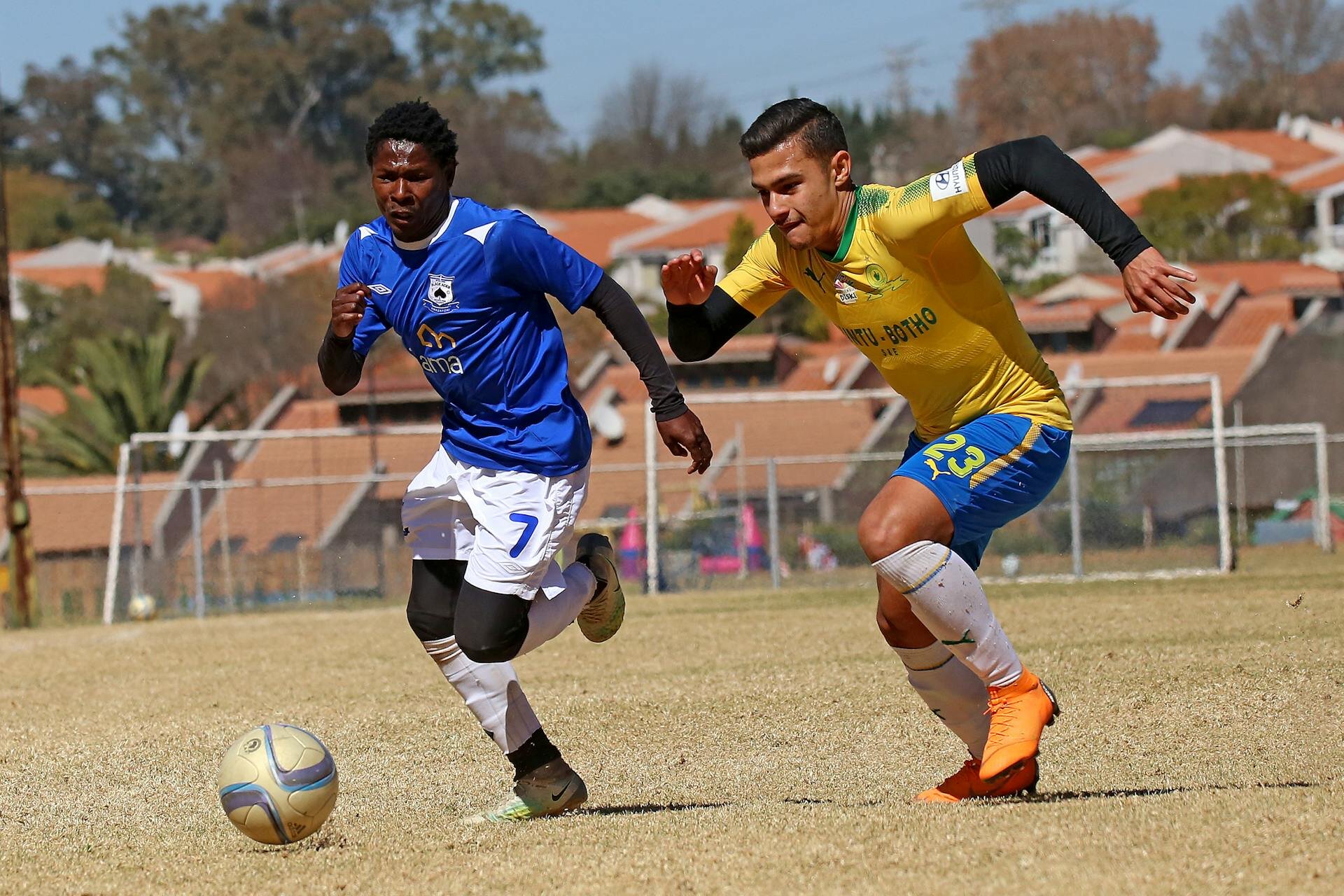
Zdjęcie przedstawia dwóch mężczyzn grających w piłkę na murawie. Mężczyźni ubrani są w stroje piłkarskie: koszulki z krótkim rękawem, szorty getry i korki piłkarskie. Mężczyźni biegną blisko siebie w kierunku piłki widocznej przed nimi. W tle widoczne są ustawione bramki, a za nimi ogrodzenie i dachy budynków.
‘Not to win but to take part.’ Baron Pierre de Coubertin
„Nie po to, by wygrać, ale by wziąć udział” – baron Pierre de Coubertin
Źródło: dostępny w internecie: www.pexels.com [dostęp 21.10.2022], domena publiczna.
Exercise1
Drag and drop the words into the correct category.
Źródło: GroMar Sp. z o.o., licencja: CC BY-SA 3.0.
Study the text and do the exercises below.
Przeczytaj tekst anglojęzyczny i wykonaj ćwiczenia.
What’s Your Favourite Sport?
MartaHilgierWhat’s Your Favourite Sport?
Jack is 10 years old. He loves football but he can’t play. He has played footballhas played football [play football]has played football a few times but he hasn’t scored any goalshasn’t scored any goals [score a goal]hasn’t scored any goals. He goes to football matches with his mum. They have been at every match of their favourite football team - The Crackers. The Crackers have won a tournamenthave won a tournament [win a tournament]have won a tournament recently. They have won a gold medalhave won a gold medal [win a gold medal]have won a gold medal! Jack and his mum are really happy.
Tina is a 13 years old tennis player. She has played it since she was four. She is an individual competitorcompetitorcompetitor and she has never beenhas never been [be]has never been a part of a doublesdoublesdoubles or mixed doublesmixed doublesmixed doubles. Tina has taken part inhas taken part in [take part in]has taken part in many tournaments. She travels with her dad and coachcoachcoachacrossacrossacross the country to practicepractisepractice her skillsskills [skill]skills. She has also seenhas also seen [see]has also seen many matches. Her favourite tennis tournament is Wimbledon. One day she will playwill play [play]will play in it, too!
Robert is 14 and he plays volleyballplays volleyball [play volleyball]plays volleyball in a school team - The Beavers. He has been on a teamhas been on a team [be on a team]has been on a team for three years. They train in a school gym after classes. Robert hasn’t missedhasn’t missed [miss]hasn’t missed a practice sessionpractice sessionpractice session this year and he is getting better and better. The BeaversBeavers [Beaver]Beavershaven’t wonhaven’t won [win]haven’t won all their matches this season, they have losthave lost [lose]have lost two but they still have a chance to win the whole tournament. Robert has hopedhas hoped [hope]has hoped for it for quite some timefor quite some timefor quite some time.
1 Źródło: MartaHilgier, licencja: CC BY-SA 3.0.
Exercise2
Study the text and choose the correct answer.
Przeczytaj tekst, a następnie wybierz prawidłową odpowiedź.
R10wHcNcfzctJ
1. Jack Możliwe odpowiedzi: 1. has never played football., 2. has never scored a goal., 3. has never seen a football match.
Źródło: GroMar Sp. z o.o., licencja: CC BY-SA 3.0.
R1NKTXz03oPrk
2. The Crackers: Możliwe odpowiedzi: 1. have a basketball team., 2. have won a silver medal., 3. have played really well recently.
Źródło: GroMar Sp. z o.o., licencja: CC BY-SA 3.0.
RFbWd4h9oLhga
3. Tina Możliwe odpowiedzi: 1. has her own tennis coach., 2. plays tennis with her dad., 3. has played in a tournament.
Źródło: GroMar Sp. z o.o., licencja: CC BY-SA 3.0.
R1ME0LQuGGxxX
4. Robert Możliwe odpowiedzi: 1. plays for the Beavers., 2. trains before classes., 3. has won every match so far.
Źródło: GroMar Sp. z o.o., licencja: CC BY-SA 3.0.
Exercise3
Study the text again and decide if the following sentences are true or false.
Przeczytaj tekst ponownie, a następnie zdecyduj, czy podane zdania są prawdziwe, czy fałszywe.
R8TjsYsqKtHxf
Jack goes to football matches with his dad. TRUEFALSE
Tina started playing tennis when she was four. TRUEFALSE
Tina often plays in tennis doubles. TRUEFALSE
Robert has gone to every practice session this year. TRUEFALSE
Jack goes to football matches with his dad. TRUEFALSE
Tina started playing tennis when she was four. TRUEFALSE
Tina often plays in tennis doubles. TRUEFALSE
Robert has gone to every practice session this year. TRUEFALSE
Źródło: GroMar Sp. z o.o., licencja: CC BY-SA 3.0.
Exercise4
Drag the elements so they fit the correct person.
Przeciągnij elementy, łącząc je z właściwymi osobami.
RIPoXz1L5TuoC
1. Jack: Możliwe odpowiedzi: 1. hasn’t played tennis doubles or mixed doubles., 2. has lost two matches with his team., 3. has been at every match of The Crackers., 4. hasn’t missed a practice session this year., 5. has played tennis since she was four., 6. hasn’t scored a goal by himself., 7. has played football a few times., 8. has played in a school team for three years., 9. has never taken part in the Wimbledon tournament. 2. Tina: Możliwe odpowiedzi: 1. hasn’t played tennis doubles or mixed doubles., 2. has lost two matches with his team., 3. has been at every match of The Crackers., 4. hasn’t missed a practice session this year., 5. has played tennis since she was four., 6. hasn’t scored a goal by himself., 7. has played football a few times., 8. has played in a school team for three years., 9. has never taken part in the Wimbledon tournament. 3. Robert: Możliwe odpowiedzi: 1. hasn’t played tennis doubles or mixed doubles., 2. has lost two matches with his team., 3. has been at every match of The Crackers., 4. hasn’t missed a practice session this year., 5. has played tennis since she was four., 6. hasn’t scored a goal by himself., 7. has played football a few times., 8. has played in a school team for three years., 9. has never taken part in the Wimbledon tournament.
1. Jack: Możliwe odpowiedzi: 1. hasn’t played tennis doubles or mixed doubles., 2. has lost two matches with his team., 3. has been at every match of The Crackers., 4. hasn’t missed a practice session this year., 5. has played tennis since she was four., 6. hasn’t scored a goal by himself., 7. has played football a few times., 8. has played in a school team for three years., 9. has never taken part in the Wimbledon tournament. 2. Tina: Możliwe odpowiedzi: 1. hasn’t played tennis doubles or mixed doubles., 2. has lost two matches with his team., 3. has been at every match of The Crackers., 4. hasn’t missed a practice session this year., 5. has played tennis since she was four., 6. hasn’t scored a goal by himself., 7. has played football a few times., 8. has played in a school team for three years., 9. has never taken part in the Wimbledon tournament. 3. Robert: Możliwe odpowiedzi: 1. hasn’t played tennis doubles or mixed doubles., 2. has lost two matches with his team., 3. has been at every match of The Crackers., 4. hasn’t missed a practice session this year., 5. has played tennis since she was four., 6. hasn’t scored a goal by himself., 7. has played football a few times., 8. has played in a school team for three years., 9. has never taken part in the Wimbledon tournament.
Źródło: GroMar Sp. z o.o., licencja: CC BY-SA 3.0.
GRAMATYKA
CzasPresent Perfect
CzasPresent Perfectsprawia Polakom spore problemy, ponieważ nie występuje w języku polskim. W niektórych sytuacjach zastępujemy go czasem teraźniejszym, a w niektórych przeszłym.
CzasPresent Perfectw języku angielskim łączy przeszłość z teraźniejszością, co oznacza, że będziemy go stosować do wyrażania czynności, doświadczeń lub uczuć, które miały miejsce w naszym życiu, ale bez odnoszenia się do konkretnego czasu, w którym zaistniały. Zakładamy, że te doświadczenia wystąpiły (lub nie wystąpiły) kiedykolwiek. Przykład:
Tina has never played in the Wimbledon tournament. – Tina nigdy nie grała w turnieju w Wimbledonie.
Dodatkowo czasPresent Perfectkojarzonyjest z czynnościami, które zaczęły się w przeszłości i trwają do dziś - stąd połączenia przeszłości z teraźniejszością. Przykład:
Robert hasn’t missed a practice session this year. – Robert nie opuścił ani jednego treningu w tym roku (od jego początku do chwili obecnej).
Budowa czasuPresent Perfect
Zdania twierdzące:
osoba + odmiana czasownika pomocniczegohavew czasie teraźniejszym + trzecia forma czasownika głównego
I, you, we, you, they have + trzecia forma czasownika głównego
he, she, it has + trzecia forma czasownika głównego
Formy te można skracać. I have - I’ve. She has - she’s.
Przykłady:
I have never seen a football match live. – Nigdy nie byłem na meczu piłki nożnej.
She has played in every tournament this year. – W tym roku grała w każdym turnieju.
The team have won a gold medal recently. – Drużyna zdobyła ostatnio złoty medal.
Zwróć uwagę, że wyrazrecentlyoznacza „ostatnio”, a zatem określa czas wykonania danej czynności – lecz nie w sposób precyzyjny. „Ostatnio” może oznaczać kilka dni temu lub w zeszłym miesiącu.
Przeczenia:
osoba + odmiana czasownika pomocniczegohavew czasie teraźniejszym + not + trzecia forma czasownika głównego.
I, you, we, you, theyhave not (haven’t) + trzecia forma czasownika głównego
he, she, ithas not (hasn’t) + trzecia forma czasownika głównego
We haven’t won a medal yet. – Jeszcze nie zdobyliśmy medalu.
He hasn’t scored a goal this season. – W tym roku nie zdobył żadnego gola. (Zwróć uwagę na to, że skoro czynność tę opisujemy czasemPresent Perfect, oznacza to, że sezon jeszcze się nie skończył, a zatem gracz ma jeszcze szansę strzelić gola w kolejnych zawodach w sezonie).
Pytania:
odmiana czasownika pomocniczegohavew czasie teraźniejszym + osoba + trzecia forma czasownika głównego
Have I, you, we, you, they + trzecia forma czasownika głównego + ?
Has he, she, it + trzecia forma czasownika głównego + ?
Have you ever done karate? – Czy uprawiałeś kiedyś karate?
Has Mary ever taken part in a sports event? – Czy Mary kiedykolwiek brała udział w wydarzeniu sportowym?
Pamiętaj, że trzecia forma czasownika to najczęściej czasownik w formie podstawowej z końcówką-ed (czasowniki regularne, np.miss – missed, play – played, score – scored, hope – hoped itd.)
Wyróżniamy też czasowniki nieregularne, których trzeciej formy trzeba nauczyć się na pamięć (np. take – taken, win – won, be – been, do – done, see – seenitd.)
Now it’s your turn!
Exercise5
Type the correct form of the verbs in brackets. Use the Present Perfect tense.
Wpisz w luki prawidłową formę czasownika. Użyj czasu Present Perfect.
RrInbhSiIIGiO
1. I (not/try) Tu uzupełnij alpine skiing yet. 2. (she/use) Tu uzupełnij a bow and arrow before? 3. Tina and Jake (go/bowling) Tu uzupełnij swimming so they aren’t home at the moment. 4. The player (lost) Tu uzupełnij another match. 5. How long (you/be) Tu uzupełnij a professional footballer?
1. I (not/try) Tu uzupełnij alpine skiing yet. 2. (she/use) Tu uzupełnij a bow and arrow before? 3. Tina and Jake (go/bowling) Tu uzupełnij swimming so they aren’t home at the moment. 4. The player (lost) Tu uzupełnij another match. 5. How long (you/be) Tu uzupełnij a professional footballer?
Źródło: GroMar Sp. z o.o., licencja: CC BY-SA 3.0.
Exercise6
Put the words in the correct order to make sentences.
Ułóż wyrazy we właściwej kolejności, aby utworzyć zdania.
Źródło: GroMar Sp. z o.o., licencja: CC BY-SA 3.0.
Typowe określenia dla tego czasu to:ever, never, yet(w przeczeniach i pytaniach), already(w zdaniach twierdzących), since + konkretny punkt w czasie, for + okres czasu. Wyrazy te umieszczamy w zdaniu według poniższego schematu.
Forstawiamy przed informacją o okresie, w którym coś się działo/dzieje.
I’ve been a footballer for 10 years. – Byłem piłkarzem przez 10 lat.
Sincestawiamy przed informacją o tym, od kiedy coś się dzieje.
I’ve been an athlete since I was 5. – Jestem sportowcem, odkąd skończyłem/skończyłam 5 lat.
Yetstawiamy najczęściej na końcu zdania.
I haven’t played football yet. – Jeszcze nie grałem/ nie grałam w piłkę nożną.
Alreadystawiamy pohave, ale przed czasownikiem w 3 formie.
I’ve already done that. – Już to zrobiłem/zrobiłam.
Everstawiamy w pytaniach – po osobie, ale przed czasownikiem w 3 formie.
Have you ever played tennis? - Czy grałeś/grałaś kiedyś w tenisa?
Neverstawiamy w przeczeniach pohave, ale przed czasownikiem w 3 formie.
I’ve never done that. – Nigdy tego nie robiłem/ nie robiłam.
since + punkt w czasie
for + okres czasu
2018
a long time
I was born
three years
she was four
a few months
they bought a new house
quite some time
last summer
two days
the beginning of the year
ages
Exercise7
Type the missing words in the correct places. Use “for”, “since”, “already” or “yet”.
Wpisz brakujące wyrazy w odpowiednie miejsca. Użyj for, since, already lub yet.
R1XzCjhJ4AAiJ
1. I have played hockey Tu uzupełnij a few hours. 2. They have Tu uzupełnij practiced pole vault. 3. She has been a member of a gym Tu uzupełnij last spring. 4. I haven’t spoken to my coach from school Tu uzupełnij ages. 5. Sarah has Tu uzupełnij arrived at school. 6. Have you seen the match’s result Tu uzupełnij? 7. Luke has had his tennis racket Tu uzupełnij his last birthday.
1. I have played hockey Tu uzupełnij a few hours. 2. They have Tu uzupełnij practiced pole vault. 3. She has been a member of a gym Tu uzupełnij last spring. 4. I haven’t spoken to my coach from school Tu uzupełnij ages. 5. Sarah has Tu uzupełnij arrived at school. 6. Have you seen the match’s result Tu uzupełnij? 7. Luke has had his tennis racket Tu uzupełnij his last birthday.
Źródło: GroMar Sp. z o.o., licencja: CC BY-SA 3.0.
Exercise8
Explore the sentences below and choose the correct answer. There is only one correct answer.
Przeczytaj poniższe zdania, a następnie wybierz poprawną odpowiedź. Tylko jedna odpowiedź w każdym punkcie jest prawidłowa.
Ru66RXZIMqnQb
My parents haven’t seentraineddone any basketball tournament.
Mike’s favourite athlete hasn’t wonhaven’t wonhas won a gold medal yet.
Have you beenwonwatched on a sports team?
They have attendedplayedwon hockey very well this season.
Martin has alreadyyetever bought a new sports bag.
I have nevereveryet practiced horse riding.
Has Jane ever takennever takenyet taken part in the Olympics?
I haven’t been to my training neveryetalready.
Millie has everyetnever been a goalkeeper.
My parents haven’t seentraineddone any basketball tournament.
Mike’s favourite athlete hasn’t wonhaven’t wonhas won a gold medal yet.
Have you beenwonwatched on a sports team?
They have attendedplayedwon hockey very well this season.
Martin has alreadyyetever bought a new sports bag.
I have nevereveryet practiced horse riding.
Has Jane ever takennever takenyet taken part in the Olympics?
I haven’t been to my training neveryetalready.
Millie has everyetnever been a goalkeeper.
Źródło: GroMar Sp. z o.o., licencja: CC BY-SA 3.0.