Przeczytaj
Sometimes athletes do not keep their cool and do not follow certain rules and standards of behaviour on the pitch or court. Have you ever seen any unsportsmanlike conduct? What did the referee do? In the world of sport there are some standards, written or unwritten, that every participant should follow. One such standard is called fair play. Do you know the meaning of that phrase? In this part of the material, you will learn what behaviour is expected when you’re a sportsman and find out who Bjørnar Håkensmoen was.
Zdarza się, że sportowcy nie zachowują zimnej krwi i nie przestrzegają pewnych reguł i standardów zachowania na boisku czy korcie. Czy zdarzyło ci się zaobserwować niesportowe zachowania zawodników? Jak zareagował/zareagowała na nie sędzia? W świecie sportu istnieje norma wartości, którą nazywamy fair play. Wiesz, co oznacza to określenie? Z tego materiału dowiesz się, jakich postaw oczekuje się od sportowców oraz kim był Bjørnar Håkensmoen.
A. show off in front of the opponents.
B. congratulate the other team or player.
2. If you are a team member on the substitute bench, you should
A. cheer up your teammates who are in the game.
B. spend some time surfing the net.
3. During the game, you should
A. provoke the opponents with your comments to irritate them.
B. encourage your teammates by cheering them up so they play more effectively.
4. If your teammate makes a mistake in the game, you should
A. cheer them up so that they do not lose the will to fight.
B. yell at them to emphasise where they played wrong.
5. If you do not accept the referee’s decision, you should
A. respect the decision and keep on playing.
B. argue with them and prove they’re wrong.
6. If your team loses, you should
A. explain to your teammates where they made mistakes.
B. take responsibility, learn from this lesson, and practise even harder.
Study the text and do the exercises below.
When Winning Is Not Everything1.
Have you ever seen a player who lost their temperlost their temper as a reaction to a lost game? Some competitors provoke their opponents or officials, use verbal abuseverbal abuse, toss their equipment, or angrily kick the ball. Such situations are pretty embarrassing to watch, for the spectators as well. This is called unsportsmanlike conductunsportsmanlike conduct and may lead to negative emotions and even violence. True sportsmanshipsportsmanship, however, is about integrityintegrity, self‑control, and respect for all people involved in the game, from the players, coaches, officials, and spectators. It’s also about being honest not only to your teammates, but the opponents as well.2.
One of the most memorable moments of sportsmanship was captured during the Turin Winter Olympics 2006. Canada, Sweden, Norway, and Finland were all contenders for the gold medalcontenders for the gold medal in the Cross‑country skiing race. Actually, it was a highly contested gamehighly contested game and there was very little difference between the leading teams. When the race began, Sara Renner from the Canadian team took the leadtook the lead but unexpectedly, her pole broke making it impossible to push through the snow. Consequently, she started to lose momentumlose momentum and her position. Having spotted this disaster, a Norwegian head coach Bjørnar Håkensmoen quickly responded and rushed towards Sara to give her a spare pole. Thanks to his generosity, the Canadian team won silver while Norway dropped out of the medalsdropped out of the medals. “If you win but don’t help somebody when you should have, what win is that?”, Håkensmoen asked rhetorically after the race. This act of fair playact of fair play and sportsmanship still represents pure classpure class and stand‑out expression of human and sportsman spirit.
3.
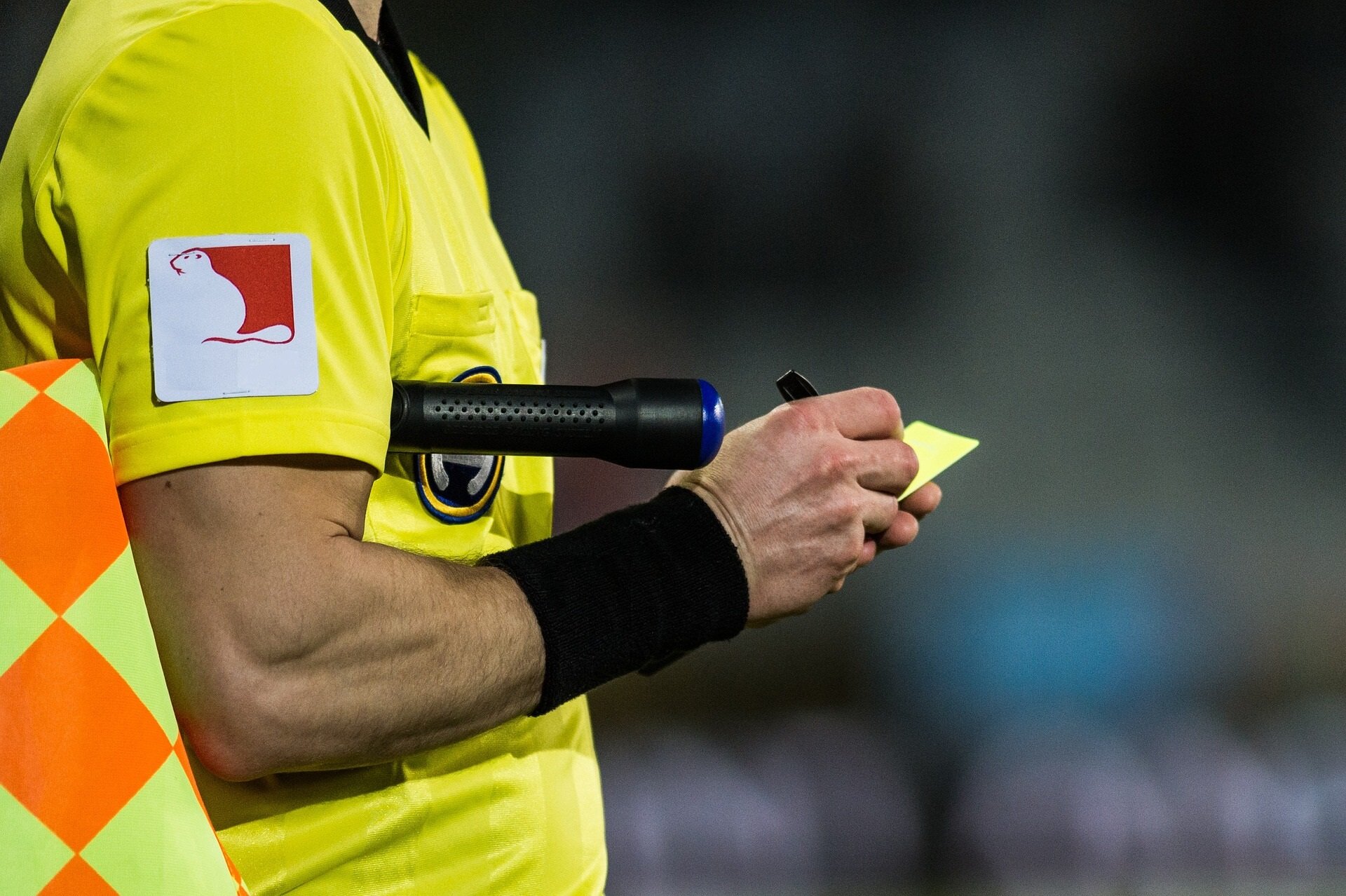
Ungentlemanly fraudulent actsUngentlemanly fraudulent acts like a foul, cheating, and breaking the rules or misconduct just to gain a desired advantage over the opponent undoubtedly violate the accepted rulesviolate the accepted rules and still take place in the world of sport once in a while. To discourage players from anti‑fair play, participants or an entire team might be penalised forbe penalised for bad sportsmanship. In tennis, for instance, there is a Code Violation which involves racket abuse, ball abuse, or distracting an opponent with shouting during a game. Penalties for such conduct include a verbal warningverbal warning or losing of a point, game, or even a match. The phrase “unsporting behaviour” is quite frequently used in football. The codified rules are mentioned in the Laws of the Game, which clarifies the regulations of not only the game length or size of the pitch, but also the nature of fouls. A yellow card might be given as a caution or warning, while a red card means that a player must immediately leave the pitch. Taking off one’s jersey is also penalised.
4.
It’s not that easy to control and combat your stress and emotions when you're fighting for your dreams and are determined to win. It is said that a competitor who shows poor sportsmanship after losing a game is a “sore loser” and one who shows untrustworthy behaviour after winning is called a “bad winner.” That's why role models in sport are expected to create standards and represent proper behaviours. Leaders can surely show how to follow a sense of fellowshipa sense of fellowship and be „a good winner” or „a good loser.” The aspirational ethos will always be combined with ethics, respect, and fairness.
Źródło: Anna Faszcza, licencja: CC BY-SA 3.0.
2. 1. Authority in demand, 2. Mitigate stress, 3. Triumph of the human spirit, 4. Helping pays off, 5. Exemplars of a case, 6. See the difference
3. 1. Authority in demand, 2. Mitigate stress, 3. Triumph of the human spirit, 4. Helping pays off, 5. Exemplars of a case, 6. See the difference
4. 1. Authority in demand, 2. Mitigate stress, 3. Triumph of the human spirit, 4. Helping pays off, 5. Exemplars of a case, 6. See the difference
Explain who, in your opinion, good winners and good losers are and how they should behave. Write 3‑4 sentences.
Słownik
/ ə sens əv ˈfeləʊʃɪp /
poczucie przynależności (a sense of community)
/ ˌækt əv feə ˈpleɪ /
zachowanie fair play (behaviour in accordance with the rules)
/ bi ˈpiːnəlaɪzd fɔː /
być ukaranym/ukaraną za (be punished for)
/ kənˈtendəz fə ðə gəʊld ˈmedl̩ / / kənˈtendə fə ðə gəʊld ˈmedl̩ /
pretendenci/pretendentki do zdobycia złotego medalu [pretendent/pretendentka do zdobycia złotego medalu] (a sportsperson who is expected to win )
/ drɒpt aʊt əv ðə ˈmedl̩z / / drɒp aʊt ɒv /
odpadli/odpadły ze strefy medalowej [odpaść ze strefy medalowej] (lose a chance to win a medal)
/ ˈhaɪli kənˈtestɪd ɡeɪm /
bardzo zacięta gra, zacięta rywalizacja (a game with highly determined players)
/ ɪnˈteɡrɪti /
uczciwość, rzetelność (being fair and following the rules)
/ luːz məˈmentəm /
tracić impet (slow down)
/ lɒst ðeə ˈtempə / / luːz wʌnz ˈtempə /
stracili/straciły panowanie nad sobą [stracić panowanie nad sobą] (not being able to control your emotions, usually in anger)
/ əˈfɪʃl̩z / / əˈfɪʃl̩ /
sędziowie sportowi [sędzia sportowy/sportowa] (a person who is responsible for following rules in a game)
/ pjʊə klɑːs /
zachowanie klasy (acting in a very tactful way)
/ ˈspɔːtsmənʃɪp /
sportowa postawa (fair behaviour in sport)
/ ˈtʊk ðə liːd / / ˈteɪk ðə liːd /
objął/objęła prowadzenie [objąć prowadzenie] (take the winning position)
/ ʌnˈdʒentlmənli ˈfrɔːdjʊlənt ækts / / ʌnˈdʒentlmənli ˈfrɔːdjʊlənt ækt /
niesportowe zachowania [niesportowe zachowanie] (unaccepted behaviour during the game)
/ ʌnˈspɔːtsmənlaɪk ˈkɑːndʌkt /
niesportowe zachowanie (playing against the rules)
/ ˈvɜːbl̩ əˈbjuːs /
zniewaga słowna, obelga (harsh words directed at a person)
/ ˈvɜːbl̩ ˈwɔːnɪŋ /
słowne upomnienie (a statement that is used to inform somebody by means of words about wrong doings and future consequences)
/ ˈvaɪəleɪt ðə əkˈseptɪd ruːlz / / ˈvaɪəleɪt ən əkˈseptɪd ruːl /
naruszyć przyjęte reguły [naruszyć przyjętą regułę] (break a regulation)
Źródło: GroMar Sp. z o.o., licencja: CC BY‑SA 3.0