Przeczytaj
There are places on our planet where rain can flood entire cities in hours or tornadoes ruin houses. Travelling to those spots is dangerous. Most of us prefer to read about the most extreme weather or watch it on TV rather than experience it in person. But what exactly are the records of the most extreme weather in history, for example the highest and lowest recorded temperatures?
Są miejsca na naszej planecie, gdzie deszcz zalewa całe miasta w ciągu kilku godzin, a tornada rujnują domy. Odwiedzanie tych miejsc jest niebezpieczne. Większość z nas woli czytać o ekstremalnych warunkach pogodowych lub oglądać je w telewizji niż doświadczać ich osobiście. Jakie są najbardziej ekstremalne w historii zjawiska pogodowe, na przykład najwyższe i najniższe odnotowane temperatury?
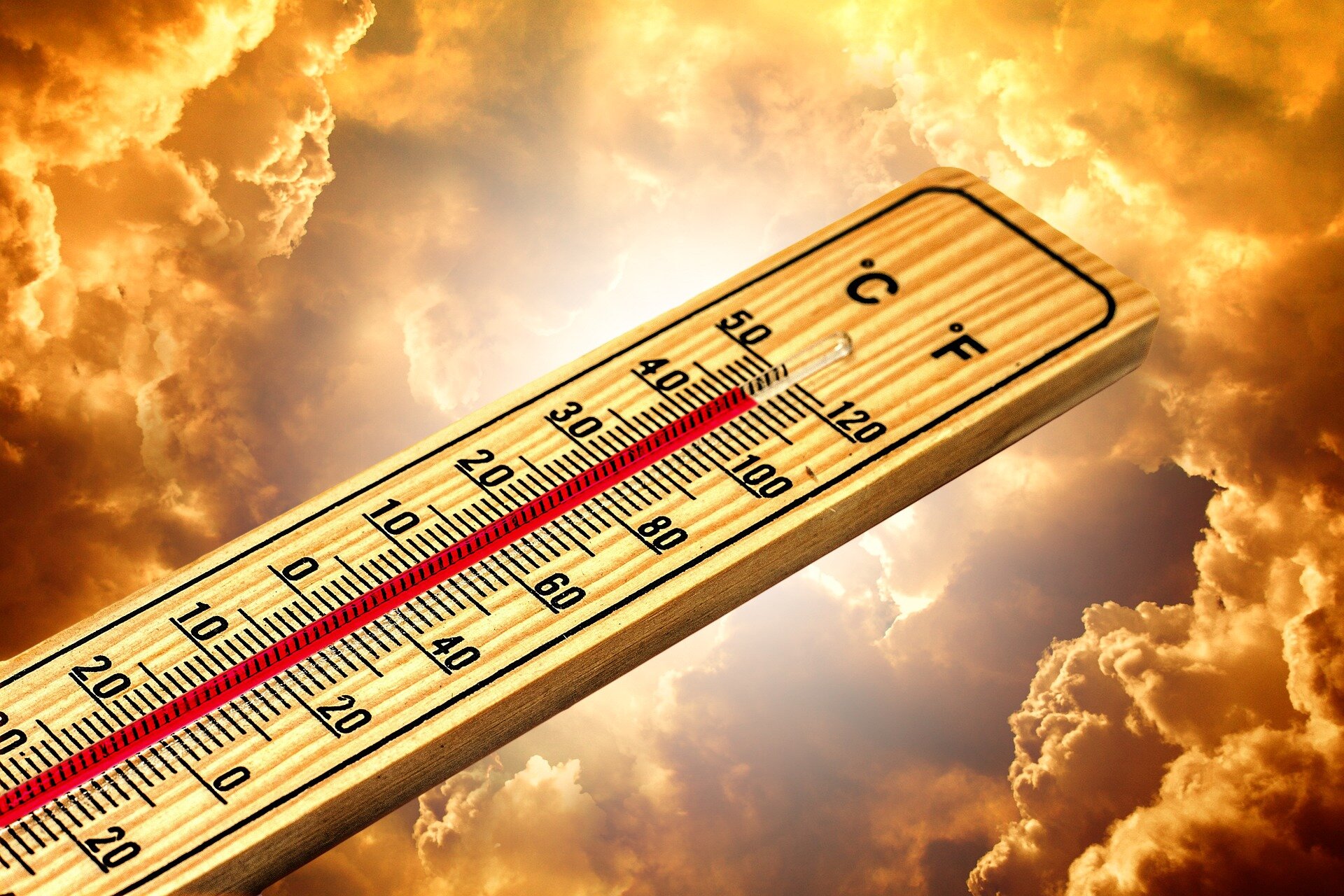
Read the text about how hot or cold it can get in certain parts of the world and how to be prepared for extreme temperatures when travelling. Then, do the exercises below.
Decide Which Extreme Temperature Spot You Want to VisitWhen you are going for a long trip, it is wise to hope for the best and plan for the worst, especially when it comes to extreme weather. What places would you visit to experience the most extreme temperatures?
The absolute top on the list of very hot places is Death Valley in California, USA. If you are heading there, remember that the area is notorious for very high temperaturesnotorious for very high temperatures and, in 1913, thermometers indicatedthermometers indicated a swelteringsweltering 56.7 °C there! Similar temperatures have been recorded in Tunisia, Libya and Kuwait. Travelling to such hot spotshot spots must be planned very carefully. You need to think about plenty of stops, drinking water and clothing protecting from sunburns and heat strokes. Local residents are usually used to living and working in the hottest places on Earth, but visitors must allow some time for acclimatisationacclimatisation to adjust to adverse weather conditionsadverse weather conditions.
Those, who want to experience the coldest possible weather, should visit Antarctica. In 1983, at the Vostok Station, scientists recorded the lowest temperature of nippynippy -89.2 °C using a thermometer on the ground. Other, even lower readings have been observed around Antarctica with the use of satellite equipment. It's obvious that not every traveller can visit Antarctica, but everybody could reach different easier and cheaper chilly spotschilly spots. One of them is Oymyakon, a village in Siberia, the coldest permanently inhabited settlementcoldest permanently inhabited settlement on Earth. The lowest thermometer reading of −71.2 °C was recorded in Oymyakon in 1924. In winter, it’s always freezing coldfreezing cold there, with average temperaturesaverage temperatures around -50 °C. Surprisingly, this region has roasting hotroasting hot summers and 30 °C is nothing rare there. It means that in one year, you could experience a temperature rangetemperature range of over 100 °C!
If you want to visit places of such extremely cold weather, be prepared to change your lifestyle. There are no toilets in houses of Oymyakon, as plumbing installations get permanently frozen. This is because even in summer, the soil never thawsthaws. Also, never stop your car engine outdoors in winter because it can get damaged.
Extremely high and low temperatures affect other elements of the weather; very strong winds, high precipitationhigh precipitation and other conditions. You are going to see some examples of those later, in the multimedia presentation.
Źródło: Marcin Legeżyński, licencja: CC BY-SA 3.0.
a) hold an official record of the hottest spots on Earth.
b) have the lowest recorded temperatures.
c) are among the hottest regions on Earth.
2. After reaching their destination in very hot areas
a) travellers must spend some time planning their stay.
b) visitors need a certain period to adjust to the climate.
c) tourists can get on with their planned activities straight away.
3. The lowest ever recorded temperature
a) was in Oymyakon in Siberia.
b) was recorded on the ground surface.
c) was recorded by satellite equipment.
4. The Oymyakon village
a) hosts settlers only in summer months.
b) is permanently frozen all year round.
c) challenges residents with large amplitudes of temperature.
5. Travellers to very cold regions
a) may not have access to commodities like toilets.
b) should only adjust their clothing.
c) can use their vehicles in the same way as at home.
TRUEFALSE
2. Local residents of regions with adverse conditions must regularly undergo the process of acclimatisation.
TRUEFALSE
3. The easiest accessible cold spot on Earth is the Vostok Station.
TRUEFALSE
4. A temperature reading can be taken remotely from Earth's orbit.
TRUEFALSE
5. It takes only 15 minutes for boiling water to freeze in Oymyakon.
TRUEFALSE
Write a note explaining to your friend how to prepare for a visit to the Oymyakon village. In your note:
explain to your friend what temperatures they should expect and how to get used to them;
refer to some lifestyle differences your friend will face;
advise your friend on using vehicles in Oymyakon.
Write 3‑4 sentences to each bullet point.
Słownik
/ əˌklaɪmətaɪˈzeɪʃn̩ / / ˌæklaɪˈmeɪʃn̩ /
aklimatyzacja
/ ˈædvɜːs ˈweðə kənˈdɪʃn̩z /
nieprzyjazne warunki pogodowe
/ ˈævərɪdʒ ˈtemprətʃəz / / ˈævərɪdʒ ˈtemprətʃə /
średnie temperatury [średnia temperatura]
/ ˈtʃɪli spɒts / / ˈtʃɪli spɒt /
chłodne miejsca [chłodne miejsce]
/ ˈkəʊldɪst ˈpɜːmənəntli ɪnˈhæbɪtɪd ˈsetlmənt /
najzimniejsza stale zamieszkana osada
/ ˈfri:zɪŋ kəʊld /
przeraźliwie zimno
/ ˌhaɪ prɪˌsɪpɪˈteɪʃn̩ /
wysokie opady
/ ˈhɒt spɒts / / ˈhɒt spɒt /
gorące miejsca [gorące miejsce]
/ ˈɪnstəntli ˈtɜ:n ˈɪntə snəʊ /
momentalnie zmieniać się w śnieg
/ ˈnɪpi /
chłodne [chłodny/chłodna]
/ nəʊˈtɔːrɪəs fə ˈveri ˌhaɪ ˈtemprətʃəz /
znane z bardzo wysokich temperatur
/ ˈpɜːmənəntli ˈfrəʊzən /
stale zamarznięte [stale zamarznięty/zamarznięta]
/ ˈriːdɪŋz / / ˈriːdɪŋ /
odczyty [odczyt] (tu: temperatury)
/ ˈrəʊstɪŋ hɒt /
bardzo gorąco
/ ˈsweltərɪŋ /
upalnie
/ ˈtemprətʃə reɪndʒ /
zakres temperatur
/ thetaɔːz / / thetaɔː /
rozmarza [rozmarzać]
/ thetaəˈmɒmɪtəz ˈɪndɪkeɪtɪd / / thetaəˈmɒmɪtər ˈɪndɪkeɪts /
termometry wskazały [termometr wskazuje]
Źródło: GroMar Sp. z o.o., licencja: CC BY‑SA 3.0