Przeczytaj
The United Nations was founded as a successor to the League of Nations and its main objective is to promote international cooperation and to preserve peace and security. 100,000 UN peacekeepers are currently taking part in 14 operations across the globe supporting the most vulnerable communities and trying to maintain peace. 80 million people receive regular food assistance from the organisation’s agencies. How much do you know about the organs and the functioning of the UN? Do you know the names and purposes of the specialised agencies of the UN?
ONZ zostało stworzone jako kontynuator idei Ligi Narodów. Jego głównym celem jest promocja międzynarodowej współpracy oraz zachowanie pokoju i bezpieczeństwa na świecie. Liczby pokazują, jak ogromna to operacja. Stutysięczne siły pokojowe są zaangażowane w 14 operacji w różnych zakątkach świata, wspierając najbardziej narażone na niebezpieczeństwo społeczności i starając się zachować pokój. 80 milionów ludzi otrzymuje regularną pomoc żywnościową od agencji ONZ. Ile wiesz na temat organów i funkcjonowania ONZ? Czy znasz nazwy i cele organizacji wyspecjalizowanych ONZ?
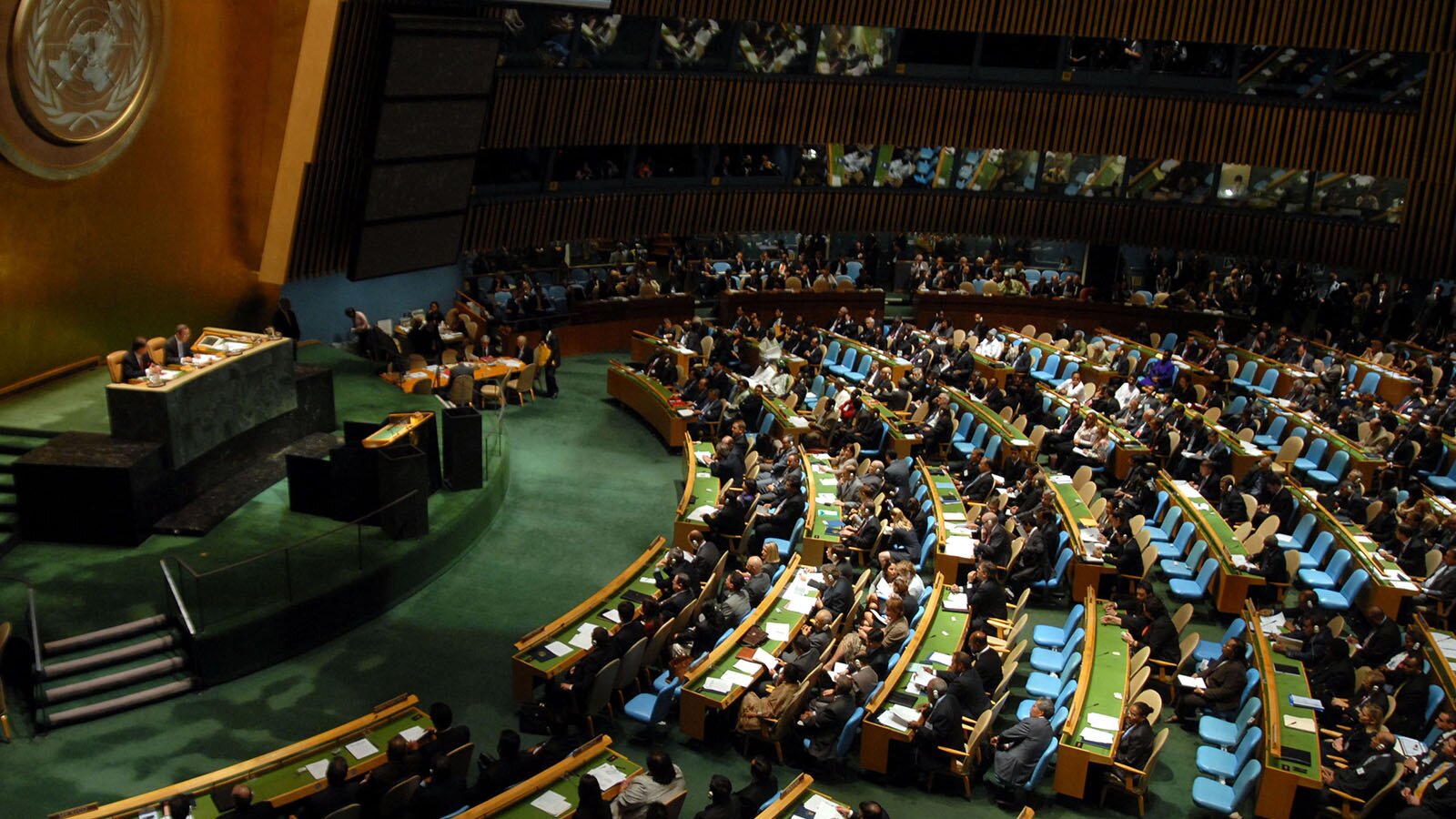
Study the text and do the exercises below.
United We Stand, Divided We FallA)
When the winds of the II World War subsidedsubsided, people decided that steps needed to be taken to make sure nothing equally atrociousatrocious happens ever again. In an effort to safeguard peacesafeguard peace, 51 countries came together to form the United Nations. Although the beginning of the organisation can be traced backtraced back to the early 1940s, it wasn’t until the international conference in San Francisco in 1945 when the official CharterCharter was signed. It contains the regulationsregulations of the UN and it’s a legally binding documentlegally binding document for all member statesmember states. The Charter has got 19 chapters which specify the functioning of every aspect of the organisation. At the moment, the UN has got 193 member states, but all other peace‑loving countries which accept the obligationsobligations contained in the Charter are free to join the organisation. The Security Council makes a recommendationmakes a recommendation and the General Assembly grants admissiongrants admission to new members.
B)
The United Nations set upset up very important and noble objectives. First and foremost, it’s been working towards preserving global security and peacepreserving global security and peace. The Security Council may get involved in conflicts as a mediatormediator, or negotiatornegotiator to help countries and local communities resolve their disputesresolve their disputes. The main objective is to ensure no situation escalates to endangerendanger international peace and security. Similarly to NATO, aggression against one member state is treated as an attack on the whole organisation and can be met with collective responsecollective response. The means of reaction range from diplomatic negotiations, to sanctionssanctions and involvement of armed forces. The two further points on the UN agenda are the protection of human rights and sustainable developmentsustainable development. To break these issues into more practical points, the actions taken by the UN are aimed at ending povertyending poverty, fighting inequalityfighting inequality and combating climate changecombating climate change by 2030. Dedication to equality is manifested, for example, by the fact that all UN member states, no matter how large or small, have one vote and the same say in deciding common issues.
C)
The Charter of the United Nations created 6 branches, each of them being responsible for different aspects of the UN functioning. The SecretariatSecretariat lays outlays out the agenda that is discussed. The General AssemblyGeneral Assembly gathers the maximum of 5 representatives from each member state who make big decisions called resolutionsresolutions. The Security CouncilSecurity Council has got the right to authorise military operationsauthorise military operations. The Economic andEconomic and Social CouncilSocial Council deals with financial and social matters. The International Court of JusticeInternational Court of Justice settles legal disputes and finally, the Trusteeship CouncilTrusteeship Council was responsible for managing colonial possessions. After the Republic of Palau gained independence in 1994, this body suspendedsuspended its activity.
D)
The objectives established by the UN are diverse and ambitious. For that reason, 15 specialised agencies and commissions have been formed to focus on various aspects of the UN activity. UNICEF focuses on the well‑being of children. The World Health Organisation supervises and manages issues connected with health, including the recent outbreak of the COVID‑19 pandemic. UNESCO makes an effort to preserve the world’s cultural heritagecultural heritage. Famous people often become ambassadors of these agencies using their popularity and financial means to endorse the good causesendorse the good causes.
E)
Nowadays, the UN more and more often comes in for criticismcomes in for criticism for not being able to deal with modern conflicts. The Security Council sent military forces to numerous places around the world, but also failed to intervene in places like Rwanda, where almost a million people were killed in acts of genocideacts of genocide. It is said that the organisation is in need of significant reforms to maintain its status as an international peacekeeperpeacekeeper and peacemakerpeacemaker. Regardless of its shortcomingsshortcomings, the UN remains the biggest alliancealliance working for the world’s peace.
Źródło: Anna Sękiewicz‑Magoń , [na podstawie:] https://www.un.org/en/about-us/un-charter/full-text [dostęp 22.08.2022], https://www.un.org/en/about-us/main-bodies [dostęp 22.08.2022], https://www.un.org/en/ga/about/background.shtml [dostęp 22.08.2022], https://www.thoughtco.com/the-united-nations-p2-1435441 [dostęp 22.08.2022], https://www.money.pl/gospodarka/onz-na-czym-polega-dzialalnosc-organizacji-narodow-zjednoczonych-6617245119634016a.html [dostęp 22.08.2022], https://unfoundation.org/blog/post/the-united-nations-by-the-numbers/ [dostęp 22.08.2022], licencja: CC BY-SA 3.0.
B) 1. What's the purpose?, 2. Who is who?, 3. How is it structured?, 4. What are the foundations?, 5. What is the black scenario?, 6. How are the goals achieved?, 7. What are the current challenges?
C) 1. What's the purpose?, 2. Who is who?, 3. How is it structured?, 4. What are the foundations?, 5. What is the black scenario?, 6. How are the goals achieved?, 7. What are the current challenges?
D) 1. What's the purpose?, 2. Who is who?, 3. How is it structured?, 4. What are the foundations?, 5. What is the black scenario?, 6. How are the goals achieved?, 7. What are the current challenges?
E) 1. What's the purpose?, 2. Who is who?, 3. How is it structured?, 4. What are the foundations?, 5. What is the black scenario?, 6. How are the goals achieved?, 7. What are the current challenges?
a) weakened
b) strengthened
2. In an effort to safeguard peace, 51 countries formed the United Nations.
a) restore
b) protect
3. The Charter is a legally binding document for all member states.
a) contract that must be obeyed
b) folder kept in a ring bound file
4. The Security Council helps local communities to resolve their disputes .
a) reach a consensus
b) work out a their own opinions
5. Famous people often endorse good causes.
a) criticise
b) show their support to
6. Although the UN has got its shortcomings , it remains the biggest alliance in the world.
a) tight deadlines
b) drawbacks
Based on the text, answer the questions in 3–4 sentences.
Why was the UN formed?
Name two organs of the UN and describe their functions.
Name two specialised agencies functioning within the UN and describe their purpose.
Słownik
/ ækts əv ˈdʒenəsaɪd / / ˌækt əv ˈdʒenəsaɪd /
akty ludobójstwa [akt ludobójstwa] (an act of killing of a large number of people from a given nationality or ethnic group in order to destroy this whole group)
/ əˈlaɪəns /
sojusz, przymierze (a coalition of partners)
/ əˈtrəʊʃəs /
potworny/potworna (horrifying)
/ ˈɔːthetaəraɪz ˈmɪlɪtri ˌɒpəˈreɪʃn̩z / / ˈɔːthetaəraɪz ə ˈmɪlɪtri ˌɒpəˈreɪʃn̩ /
zezwolić na operacje wojskowe [zezwolić na operację wojskową] (to sanction the use of an army)
/ ˈtʃɑːtə /
statut (a document outlying the purposes and powers of an organisation)
/ kəˈlektɪv rɪˈspɒns /
wspólna odpowiedź (a united reaction of the whole group)
/ ˈkɒmbætɪŋ ˈklaɪmət tʃeɪndʒ / / ˈkɒmbæt ˈklaɪmət tʃeɪndʒ /
walka ze zmianami klimatu [walczyć ze zmianami klimatu] (to make an effort to stop processes which lead to drastic changes in the earth’s climate patterns)
/ ˈkʌmz ɪn fə ˈkrɪtɪsɪzəm / / ˈkʌm ɪn fə ˈkrɪtɪsɪzəm /
znajduje się w ogniu krytyki [znaleźć się w ogniu krytyki] (to become an object of unfavourable comments)
/ ˈkʌltʃərəl ˈherɪtɪdʒ /
dziedzictwo kulturowe (artefacts, monuments, a group of buildings and sites, museums that have a diversity of values including symbolic, historic, artistic, aesthetic, ethnological or anthropological, scientific and social significance)
/ ɪˈkɒnəmi ənd ˈsəʊʃl ˈkaʊnsl̩ /
Rada Gospodarcza i Społeczna ONZ (the UN body which is responsible for social, economic, cultural issues and human rights)
/ ɪnˈdeɪndʒə /
zagrozić czemuś (to put something at risk)
/ ˈendɪŋ ˈpɒvəti / / end ˈpɒvəti /
zakończenie biedy [zakończyć biedę] (to resolve the problem of people living in insufficient financial conditions)
/ ɪnˈdɔːs ðə gʊ ˈkɔːzɪz / / ɪnˈdɔːs ə gʊ kɔːz /
wspierają szczytne cele [wspierać szczytny cel] (to show one’s support towards a noble goal)
/ ˈfaɪtɪŋ ˌɪnɪˈkwɒlɪti / / faɪt ˌɪnɪˈkwɒlɪti /
walka z nierównościami [walczyć z nierównościami] (to make an effort to provide the same chances for everyone)
/ ˈdʒenr̩əl əˈsembli /
Zgromadzenie Ogólne ONZ (the UN body which supervises the organisations and makes resolutions)
/ ɡrɑːnts ədˈmɪʃn̩ / / ɡrɑːnt ədˈmɪʃn̩ /
wydaje zezwolenie na przyjęcie [wydać zezwolenie na przyjęcie] (to officialy allow somebody to become a member of an organisation)
/ ˌɪntəˈnæʃn̩əl ˌkɔ:t əv ˈdʒʌstɪs /
Międzynarodowy Trybunał Sprawiedliwości ONZ (the UN body which is responsible for settling legal disputes)
/ leɪz ˈaʊt / / ˈleɪ aʊt /
przygotowuje, planuje [przygotować, zaplanować] (to plan and prepare something)
/ ˈliːɡəli ˈbaɪndɪŋ ˈdɒkjʊment /
prawnie wiążący dokument (a document whose provisions must be obeyed by the parties that have signed it)
/ ˈmeɪks ə ˌrekəmenˈdeɪʃn̩ / / ˈmeɪk ə ˌrekəmenˈdeɪʃn̩ /
rekomenduje [rekomendować] (to suggest that something is a good idea)
/ ˈmiːdɪeɪtə /
mediator/mediatorka (a person who tries to make parties involved in a dispute reach an agreement)
/ ˈmembə steɪts / / ˈmembə steɪt /
państwa członkowskie [państwo członkowskie] (a country which has a membership in an organisation)
/ nɪˈɡəʊʃɪeɪtə /
negocjator/negocjatorka (a person who carries out consultations with parties of a discussion to help them reach an agreement)
/ ˌɒblɪˈɡeɪʃn̩z / / ˌɒblɪˈɡeɪʃn̩ /
zobowiązania [zobowiązanie] (a duty or responsibility)
/ ˈpiːskiːpə /
rozjemca, siły pokojowe (a person or organisation whose objective is to prevent or stop countries from fighting)
/ ˈpiːsmeɪkə /
rozjemca/rozjemczyni, mediator/mediatorka (a person or organisation whose objective is to reconcile fighting parties)
/ prɪˈzɜːvɪŋ ˈɡləʊbl̩ sɪˈkjʊərɪti ənd piːs / / prɪˈzɜːv ˈɡləʊbl̩ sɪˈkjʊərɪti ənd piːs /
zachowanie światowego bezpieczeństwa i pokoju [zachować światowe bezpieczeństwo i pokój] (to make sure the world is a safe and peaceful place)
/ ˌreɡjʊˈleɪʃn̩z / / ˌreɡjʊˈleɪʃn̩ /
przepisy, regulacje prawne [przepis, regulacja prawna] (an official rule which describes how something should function)
/ ˌrezəˈluːʃn̩z / / ˌrezəˈluːʃn̩ /
rezolucje [rezolucja] (an official decision to do something)
/ rɪˈzɒlv ðeə dɪˈspjuːts / / rɪˈzɒlv ə dɪˈspjuːt /
rozwiązywać ich spory [rozwiązać spór] (to reach an agreement after an argument)
/ ˈseɪfɡɑːd piːs /
zachować pokój (to prevent conflicts from happening)
/ ˈsæŋkʃn̩z / / ˈsæŋkʃn̩ /
sankcje [sankcja] (an official order to for example stop commercial exchange imposed by one country or organisation on another country to make it obey the law)
/ ˌsekrəˈteərɪət /
Sekretariat ONZ (the administrative UN body which informs the Security Council about threats to world peace)
/ sɪˈkjʊərɪti ˈkaʊnsl̩ /
Rada Bezpieczeństwa ONZ (the UN body which is responsible for security and preserving peace in the world)
/ set ˈʌp /
ustanawiać, wytyczać (to establish, e.g. goals)
/ ˈʃɔːtkʌmɪŋz / / ˈʃɔːtkʌmɪŋ /
wady, mankamenty [wada, mankament] (a drawback)
/ səbˈsaɪdɪd / / səbˈsaɪd /
ucichły [ucichnąć] (to weaken or calm down)
/ səˈspendɪd / / səˈspend /
zawiesiła [zawiesić] (to temporarily stop doing something)
/ səˈsteɪnəbl̩ dɪˈveləpmənt /
zrównoważony rozwój (progress which does not damage the environment)
/ treɪst ˈbæk / / treɪs ˈbæk /
prześledził/prześledziła [prześledzić] (to investigate the beginning of something)
/ trʌsˈtiːʃɪp ˈkaʊnsl̩ /
Rada Powiernicza ONZ (the UN body which used to be responsible for colonial territories until they gained independence)
Źródło: GroMar Sp. z o.o., licencja: CC BY‑SA 3.0