Surface waters are waters occurring on the surface of the Earth. In Poland, these waters are mainly accumulated in rivers, lakes and wetlands. All our surface waters are fresh. LakeslakeLakes are natural, inland (ie located in the middle of land) water reservoirsreservoirwater reservoirs. Part of its bottom is devoid of vegetation, because no light reaches there. Smaller and shallower reservoirs from lakes whose entire bottom is overgrown with vegetation, we call pondspondponds. Lakes and ponds must be provided with water, otherwise evaporation from their surface may lead to them drying completely.
R13ReQaSrrSMk
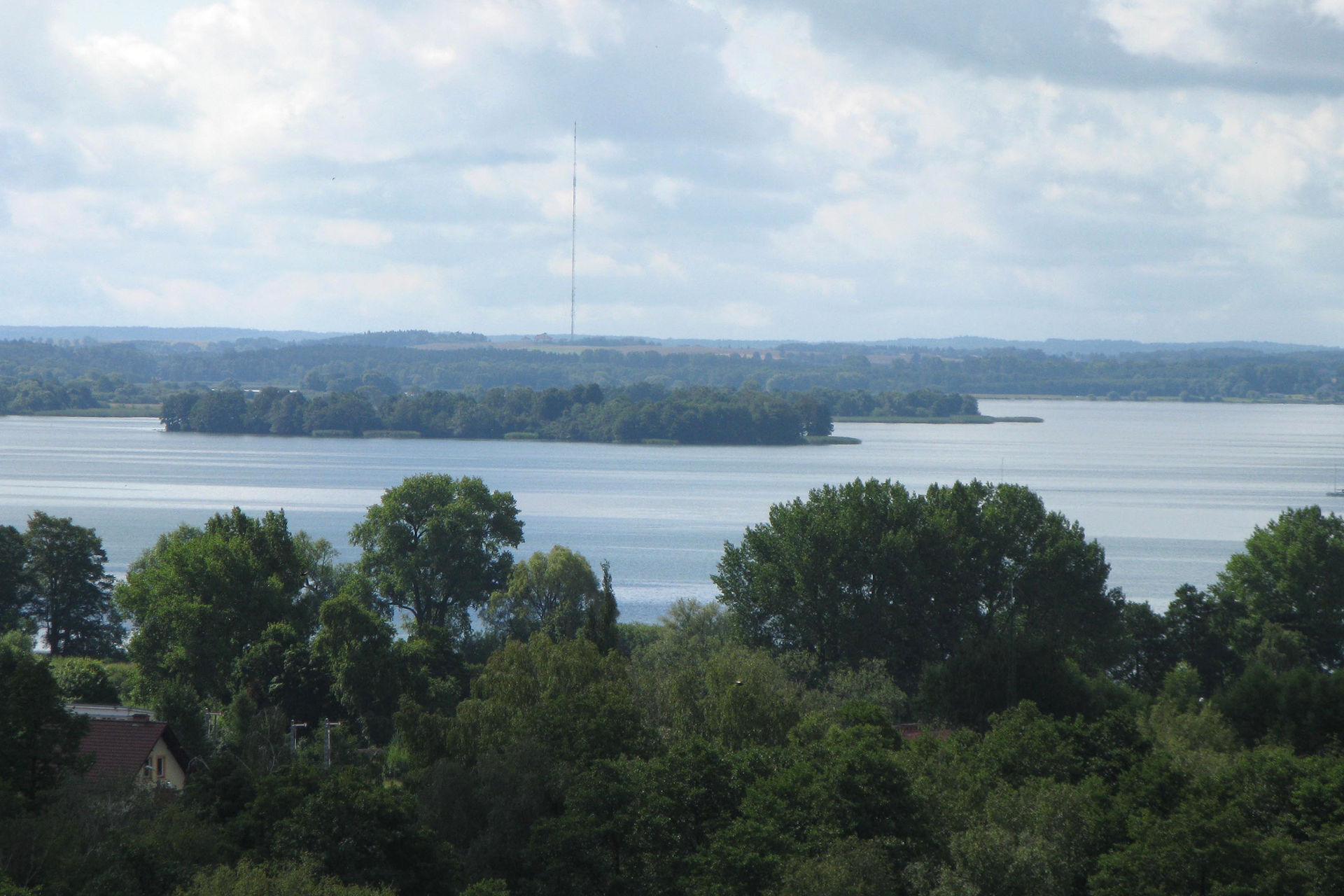
Fotografia prezentuje rozległe polodowcowe jezioro Niegocin, powstałe na skutek wędrówki olbrzymiego lodowca. Na jeziorze znajdują się wyspy porośnięte drzewami liściastymi. Jezioro z przodu i od tyłu również otaczają lasy. Po prawej oraz po lewej stronie nie widać końca jeziora.
Niegocin Lake - post-glacial lake
Source: Margoz, http://commons.wikimedia.org, licencja: CC BY-SA 4.0.
RMNcjz2zzi9En
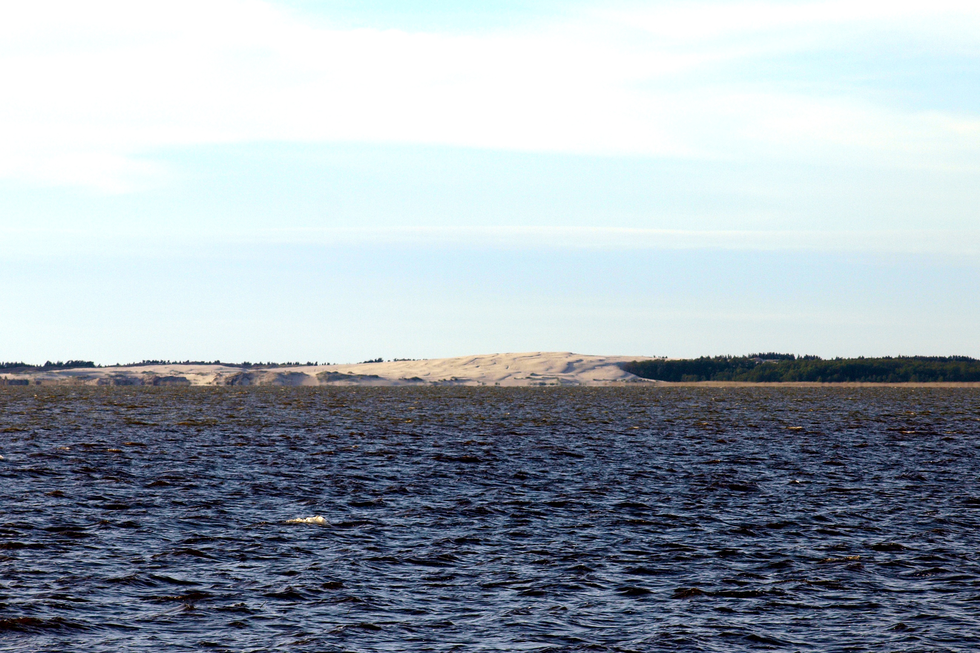
Fotografia przedstawia przybrzeżne jezioro Łebsko, powstałe na skutek odcięcia zatoki przez osady naniesione prądem morskim. Na pierwszym planie woda, na drugim wyskoki piaszczysty brzeg, po prawej stronie drzewa.
Łebsko Lake - coastal lake
Source: Tomasz Górny (Nemo5576), (http://fotopolska.eu), licencja: CC BY-SA 3.0.
R1bPsbtl7raep
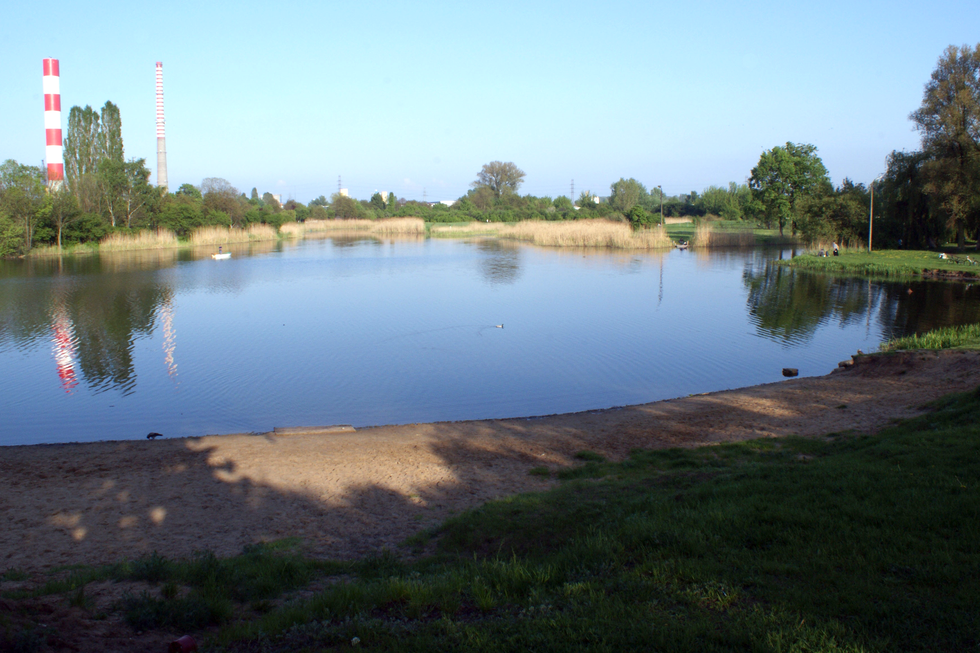
Fotografia prezentuje niewielkie Jeziorko Czerniakowskie, jezioro zakolowe powstałe ze starorzecza. Na pierwszym planie piaszczysty brzeg jeziora. Po lewej stronie za jeziorem widać kominy elektrociepłowni.
Czerniakowskie lake - winding lake
Source: CLI, http://commons.wikimedia.org, licencja: CC BY-SA 4.0.
WetlandswetlandsWetlands are formed in places where water comes from precipitation or rivers, and its excess does not flow away. Small wetlands prevail throughout Poland, although in some places, e.g. in the north‑east of Poland, they occupy large areas. The wetlands area is boggy and therefore difficult to access for people. However, it plays a huge role in nature – it is the living environment of many plants and animals.
Throughout Poland there are also rivers and smaller streams. They are a source of drinking water and water for industry and agriculture. Larger rivers can be used as transport routes.
RrgjPXs5gta7s
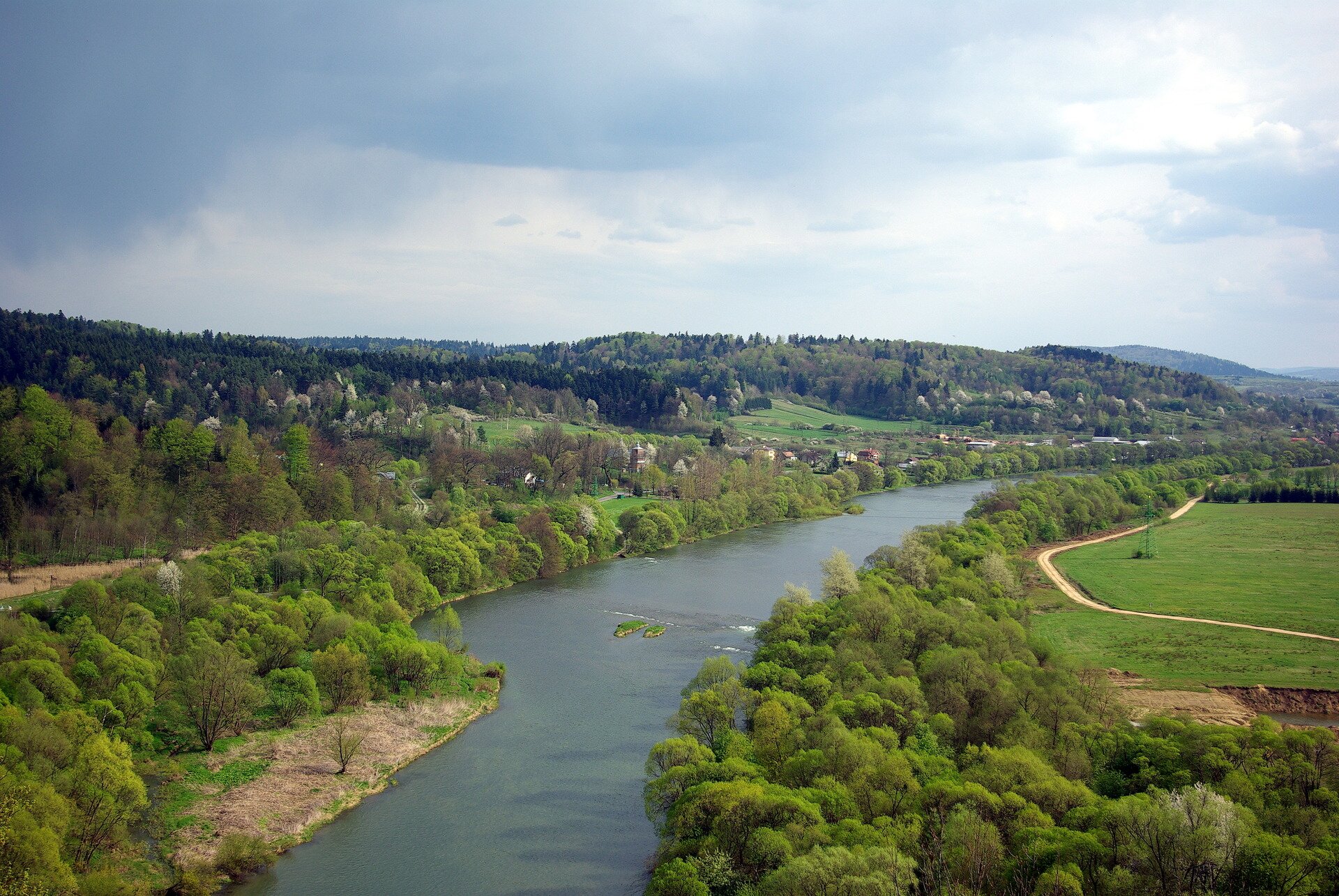
Fotografia prezentuje rzekę w jej środkowym biegu. Koryto rzeki dosyć szerokie, proste, po obu stronach koryta widoczne liczne drzewa i krzewy.
River
Source: Lowdown, http://commons.wikimedia.org, licencja: CC BY-SA 3.0.
Important!
Wetlands are seemingly completely unsuitable for any human activity. You can not build houses or roads there, grow plants or raise animals (even fish). It is not possible to swim in wetlands and the water is not suitable for drinking. However, care should be taken to preserve them as they are a great protection against floods. They can collect large amounts of water, for example, after heavy rainfall.
RN3c0wcBsu4G1
Schemat przedstawia podział zbiorników wodnych na naturalne i sztuczne. Do każdego z przykładów dołączono ilustrację opis. Zbiorniki wodne naturalne:
1. Lake Łebsko - The lake is a natural, inland water reservoir. Part of its bottom is devoid of vegetation, because no light reaches there-Fotografia przedstawia przybrzeżne jezioro Łebsko, powstałe na skutek odcięcia zatoki przez osady naniesione prądem morskim,
2. Wetlands- Wetlands form in places where water comes from precipitation or rivers, and its excess does not drain away- Zdjęcie przedstawia mokradła. Widać teren zalany płytką wodą.Spod wody wystają fragmenty podłoża oraz trawy i inne rośliny. W wodzie brodzą ptaki, inne siedzą na podłożu niezalanym przez wodę,
Zbiorniki wodne sztuczne:
3. Dam reservoir - The dam reservoir is formed in river valleys after partitioning them with a dam- Fotografia prezentuje jeden ze stawów milickich. Widoczny rozległy zbiornik z licznymi trzcinowiskami,
4. Pond - Fish pond, they are built for fish farming.- Fotografia przedstawia tamę wodną,
5. Gliwicki Canal - Canal - artificial watercourse- Fotografia prezentuje Kanał Gliwicki. Widać, prosty bieg kanału wypełnionego wodą. Nad kanałem rosną drzewa i krzewy.
Schemat przedstawia podział zbiorników wodnych na naturalne i sztuczne. Do każdego z przykładów dołączono ilustrację opis. Zbiorniki wodne naturalne:
1. Lake Łebsko - The lake is a natural, inland water reservoir. Part of its bottom is devoid of vegetation, because no light reaches there-Fotografia przedstawia przybrzeżne jezioro Łebsko, powstałe na skutek odcięcia zatoki przez osady naniesione prądem morskim,
2. Wetlands- Wetlands form in places where water comes from precipitation or rivers, and its excess does not drain away- Zdjęcie przedstawia mokradła. Widać teren zalany płytką wodą.Spod wody wystają fragmenty podłoża oraz trawy i inne rośliny. W wodzie brodzą ptaki, inne siedzą na podłożu niezalanym przez wodę,
Zbiorniki wodne sztuczne:
3. Dam reservoir - The dam reservoir is formed in river valleys after partitioning them with a dam- Fotografia prezentuje jeden ze stawów milickich. Widoczny rozległy zbiornik z licznymi trzcinowiskami,
4. Pond - Fish pond, they are built for fish farming.- Fotografia przedstawia tamę wodną,
5. Gliwicki Canal - Canal - artificial watercourse- Fotografia prezentuje Kanał Gliwicki. Widać, prosty bieg kanału wypełnionego wodą. Nad kanałem rosną drzewa i krzewy.
Water reservoirs
Source: Ed Dunens, Jacek Nitkiewicz, Lestat (Jan Mehlich), Mariusz Marczak, Tomasz Górny (Nemo5576), GroMar Sp. z o.o., licencja: CC BY-SA 3.0.
Artificial water reservoirs and canals
People create artificial water reservoirs, which have different functions. The largest are usually dam reservoirs, that is, those that arise in river valleys after partitioning them with a dam. You can collect water in them to provide people with drinking water. In addition, water is needed in the reservoirs for agriculture and industry and is necessary to power turbines in hydroelectric power plants, that is for energy production. Flood reservoirs, on the other hand, help to prevent sudden swells in rivers. Artificial water reservoirs are also created in excavations of opencast mines and abandoned quarries. Often fish ponds are also built for fish farming. Artificial ponds are the living environment of many organisms, eg birds and insects. Also, people are happy to rest in such places, swimming or fishing.
People also produce canalscanalcanals, they are, artificial watercourses. They are built to allow navigation or the flow of water between rivers or lakes. They are also created to drain wetlands.
RHpyB1syWdPgU
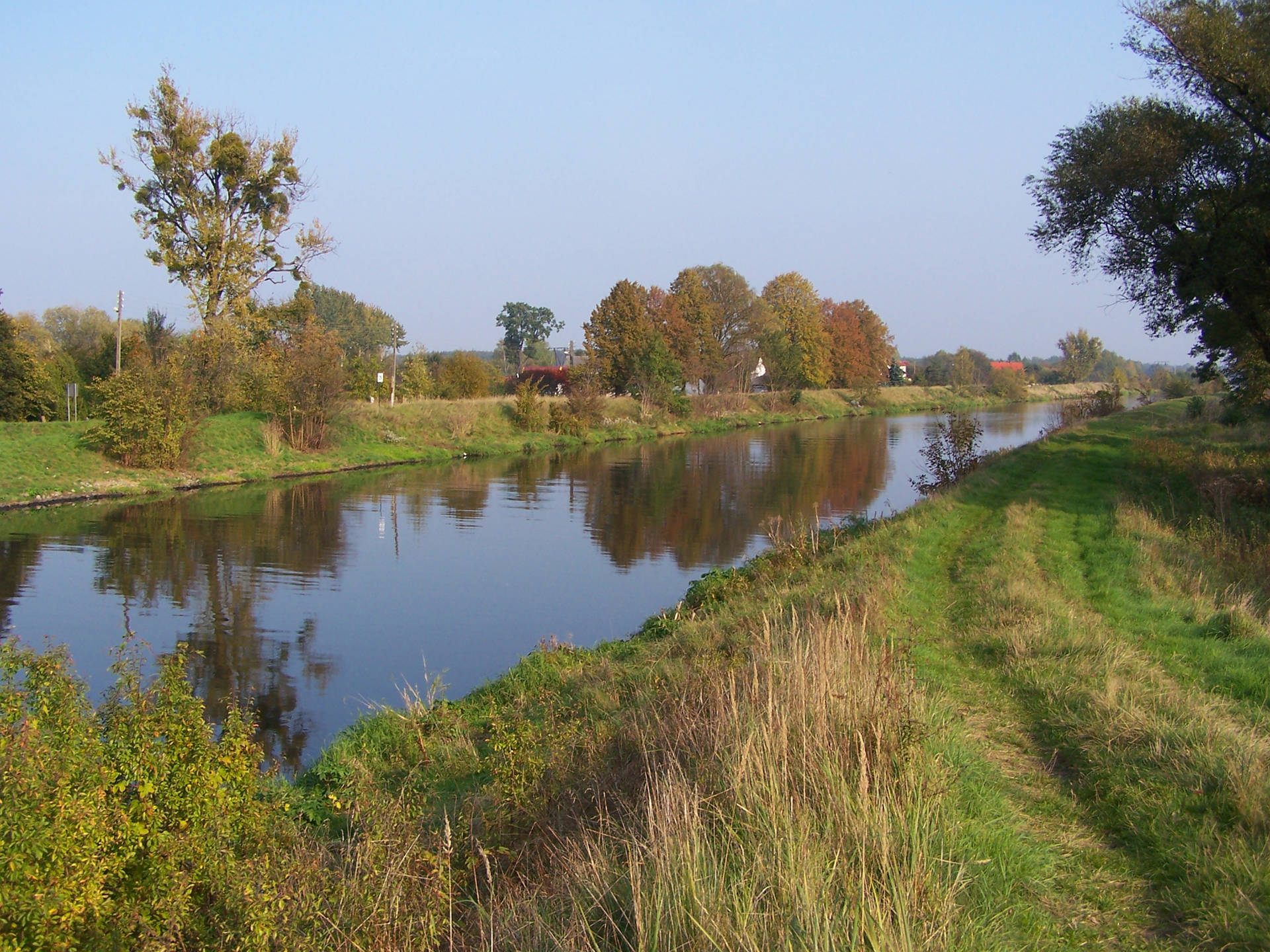
Fotografia prezentuje Kanał Gliwicki. Widać, prosty bieg kanału wypełnionego wodą. Nad kanałem rosną drzewa i krzewy.
Canal
Source: Lestat (Jan Mehlich), http://commons.wikimedia.org, licencja: CC BY-SA 3.0.
R1IDriK4pzdcd
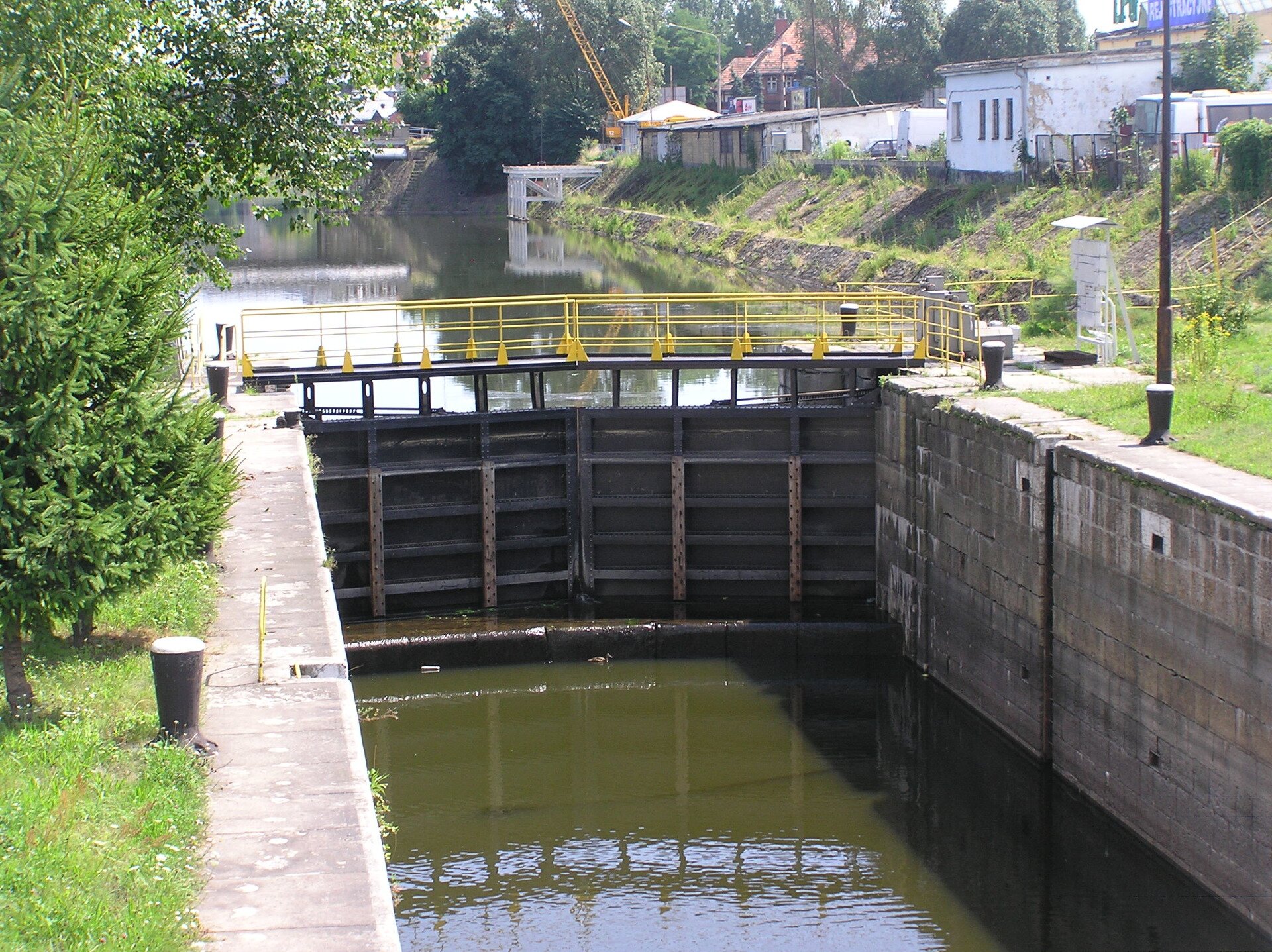
Fotografia prezentuje śluzę na kanale łączącym dwa zbiorniki o różnym poziomie wody. Śluza skład się z wrót, które zamykają się na kanale, zatrzymując przepływ wody.
Lock
Source: Joee, http://commons.wikimedia.org, licencja: CC BY 3.0.
R1Xg5g9QQojgK
Exercise 1
Ćwiczenie opisz mokradło.
Ćwiczenie opisz mokradło.
Source: Ed Dunens, Jacek Nitkiewicz, Lestat (Jan Mehlich), licencja: CC BY-SA 3.0.
Summary
Water reservoirs include lakes and ponds.
Artificial water reservoirs perform many natural functions and, moreover, play an important role in human activity.
Rivers and canals are very important in inland navigation.
Keywords
lake, pond, water reservoir
R1JaXGiA44WXO
Exercise 2
Match the pairs: English words with Polish definition. wetlands Możliwe odpowiedzi: 1. naturalne zagłębienie terenu wypełnione wodą; zbiorniki zbudowane w wyniku działalności człowieka nazywamy sztucznymi, 2. naturalne, pozbawione bezpośredniego kontaktu z morzem, wypełnione wodą zagłębienie terenu, 3. wybudowany przez człowieka ciek pełniący funkcje żeglugowe albo umożliwiający transport wody dla różnych celów, 4. zbiornik wodny (mniejszy i płytszy od jeziora), którego dno całkowicie porośnięte jest roślinnością, 5. obszar utworzony w naturalnym zagłębieniu terenu z utrzymującą się nadmierną ilością wody lake Możliwe odpowiedzi: 1. naturalne zagłębienie terenu wypełnione wodą; zbiorniki zbudowane w wyniku działalności człowieka nazywamy sztucznymi, 2. naturalne, pozbawione bezpośredniego kontaktu z morzem, wypełnione wodą zagłębienie terenu, 3. wybudowany przez człowieka ciek pełniący funkcje żeglugowe albo umożliwiający transport wody dla różnych celów, 4. zbiornik wodny (mniejszy i płytszy od jeziora), którego dno całkowicie porośnięte jest roślinnością, 5. obszar utworzony w naturalnym zagłębieniu terenu z utrzymującą się nadmierną ilością wody canal Możliwe odpowiedzi: 1. naturalne zagłębienie terenu wypełnione wodą; zbiorniki zbudowane w wyniku działalności człowieka nazywamy sztucznymi, 2. naturalne, pozbawione bezpośredniego kontaktu z morzem, wypełnione wodą zagłębienie terenu, 3. wybudowany przez człowieka ciek pełniący funkcje żeglugowe albo umożliwiający transport wody dla różnych celów, 4. zbiornik wodny (mniejszy i płytszy od jeziora), którego dno całkowicie porośnięte jest roślinnością, 5. obszar utworzony w naturalnym zagłębieniu terenu z utrzymującą się nadmierną ilością wody pond Możliwe odpowiedzi: 1. naturalne zagłębienie terenu wypełnione wodą; zbiorniki zbudowane w wyniku działalności człowieka nazywamy sztucznymi, 2. naturalne, pozbawione bezpośredniego kontaktu z morzem, wypełnione wodą zagłębienie terenu, 3. wybudowany przez człowieka ciek pełniący funkcje żeglugowe albo umożliwiający transport wody dla różnych celów, 4. zbiornik wodny (mniejszy i płytszy od jeziora), którego dno całkowicie porośnięte jest roślinnością, 5. obszar utworzony w naturalnym zagłębieniu terenu z utrzymującą się nadmierną ilością wody reservoir Możliwe odpowiedzi: 1. naturalne zagłębienie terenu wypełnione wodą; zbiorniki zbudowane w wyniku działalności człowieka nazywamy sztucznymi, 2. naturalne, pozbawione bezpośredniego kontaktu z morzem, wypełnione wodą zagłębienie terenu, 3. wybudowany przez człowieka ciek pełniący funkcje żeglugowe albo umożliwiający transport wody dla różnych celów, 4. zbiornik wodny (mniejszy i płytszy od jeziora), którego dno całkowicie porośnięte jest roślinnością, 5. obszar utworzony w naturalnym zagłębieniu terenu z utrzymującą się nadmierną ilością wody
Match the pairs: English words with Polish definition. wetlands Możliwe odpowiedzi: 1. naturalne zagłębienie terenu wypełnione wodą; zbiorniki zbudowane w wyniku działalności człowieka nazywamy sztucznymi, 2. naturalne, pozbawione bezpośredniego kontaktu z morzem, wypełnione wodą zagłębienie terenu, 3. wybudowany przez człowieka ciek pełniący funkcje żeglugowe albo umożliwiający transport wody dla różnych celów, 4. zbiornik wodny (mniejszy i płytszy od jeziora), którego dno całkowicie porośnięte jest roślinnością, 5. obszar utworzony w naturalnym zagłębieniu terenu z utrzymującą się nadmierną ilością wody lake Możliwe odpowiedzi: 1. naturalne zagłębienie terenu wypełnione wodą; zbiorniki zbudowane w wyniku działalności człowieka nazywamy sztucznymi, 2. naturalne, pozbawione bezpośredniego kontaktu z morzem, wypełnione wodą zagłębienie terenu, 3. wybudowany przez człowieka ciek pełniący funkcje żeglugowe albo umożliwiający transport wody dla różnych celów, 4. zbiornik wodny (mniejszy i płytszy od jeziora), którego dno całkowicie porośnięte jest roślinnością, 5. obszar utworzony w naturalnym zagłębieniu terenu z utrzymującą się nadmierną ilością wody canal Możliwe odpowiedzi: 1. naturalne zagłębienie terenu wypełnione wodą; zbiorniki zbudowane w wyniku działalności człowieka nazywamy sztucznymi, 2. naturalne, pozbawione bezpośredniego kontaktu z morzem, wypełnione wodą zagłębienie terenu, 3. wybudowany przez człowieka ciek pełniący funkcje żeglugowe albo umożliwiający transport wody dla różnych celów, 4. zbiornik wodny (mniejszy i płytszy od jeziora), którego dno całkowicie porośnięte jest roślinnością, 5. obszar utworzony w naturalnym zagłębieniu terenu z utrzymującą się nadmierną ilością wody pond Możliwe odpowiedzi: 1. naturalne zagłębienie terenu wypełnione wodą; zbiorniki zbudowane w wyniku działalności człowieka nazywamy sztucznymi, 2. naturalne, pozbawione bezpośredniego kontaktu z morzem, wypełnione wodą zagłębienie terenu, 3. wybudowany przez człowieka ciek pełniący funkcje żeglugowe albo umożliwiający transport wody dla różnych celów, 4. zbiornik wodny (mniejszy i płytszy od jeziora), którego dno całkowicie porośnięte jest roślinnością, 5. obszar utworzony w naturalnym zagłębieniu terenu z utrzymującą się nadmierną ilością wody reservoir Możliwe odpowiedzi: 1. naturalne zagłębienie terenu wypełnione wodą; zbiorniki zbudowane w wyniku działalności człowieka nazywamy sztucznymi, 2. naturalne, pozbawione bezpośredniego kontaktu z morzem, wypełnione wodą zagłębienie terenu, 3. wybudowany przez człowieka ciek pełniący funkcje żeglugowe albo umożliwiający transport wody dla różnych celów, 4. zbiornik wodny (mniejszy i płytszy od jeziora), którego dno całkowicie porośnięte jest roślinnością, 5. obszar utworzony w naturalnym zagłębieniu terenu z utrzymującą się nadmierną ilością wody
Match the pairs: English words with Polish definition.
naturalne, pozbawione bezpośredniego kontaktu z morzem, wypełnione wodą zagłębienie terenu, obszar utworzony w naturalnym zagłębieniu terenu z utrzymującą się nadmierną ilością wody, zbiornik wodny (mniejszy i płytszy od jeziora), którego dno całkowicie porośnięte jest roślinnością, wybudowany przez człowieka ciek pełniący funkcje żeglugowe albo umożliwiający transport wody dla różnych celów, naturalne zagłębienie terenu wypełnione wodą; zbiorniki zbudowane w wyniku działalności człowieka nazywamy sztucznymi