Seed plants
that there are fruit‑producing plants in your local area
that many plants grow from seeds.
show the elements which make up a seed;
divide plants into gymnosperms and angiosperms;
explain the role of flowers and fruits in the development of seed plants.
What makes the seed plants different?
Seed plants are those that produce flowers and seeds. The seeds contain an embryo – a miniature of the new plant. In seeds, there is usually a supply of embryonic food. Both parts are covered with a seed coatseed coat.
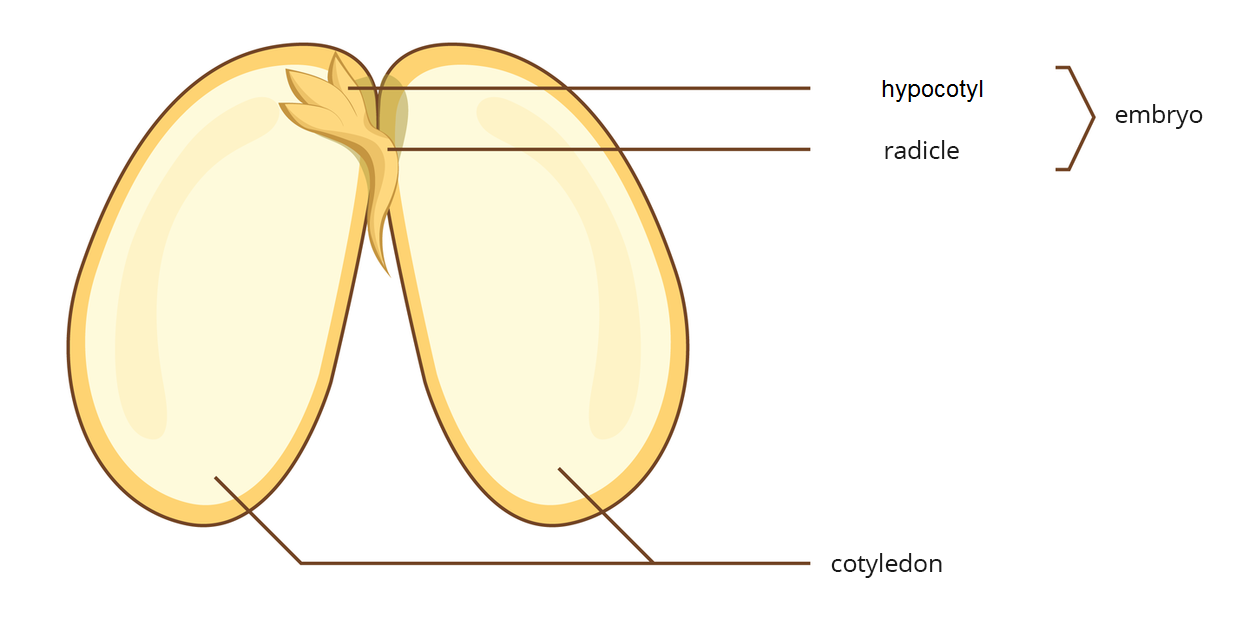
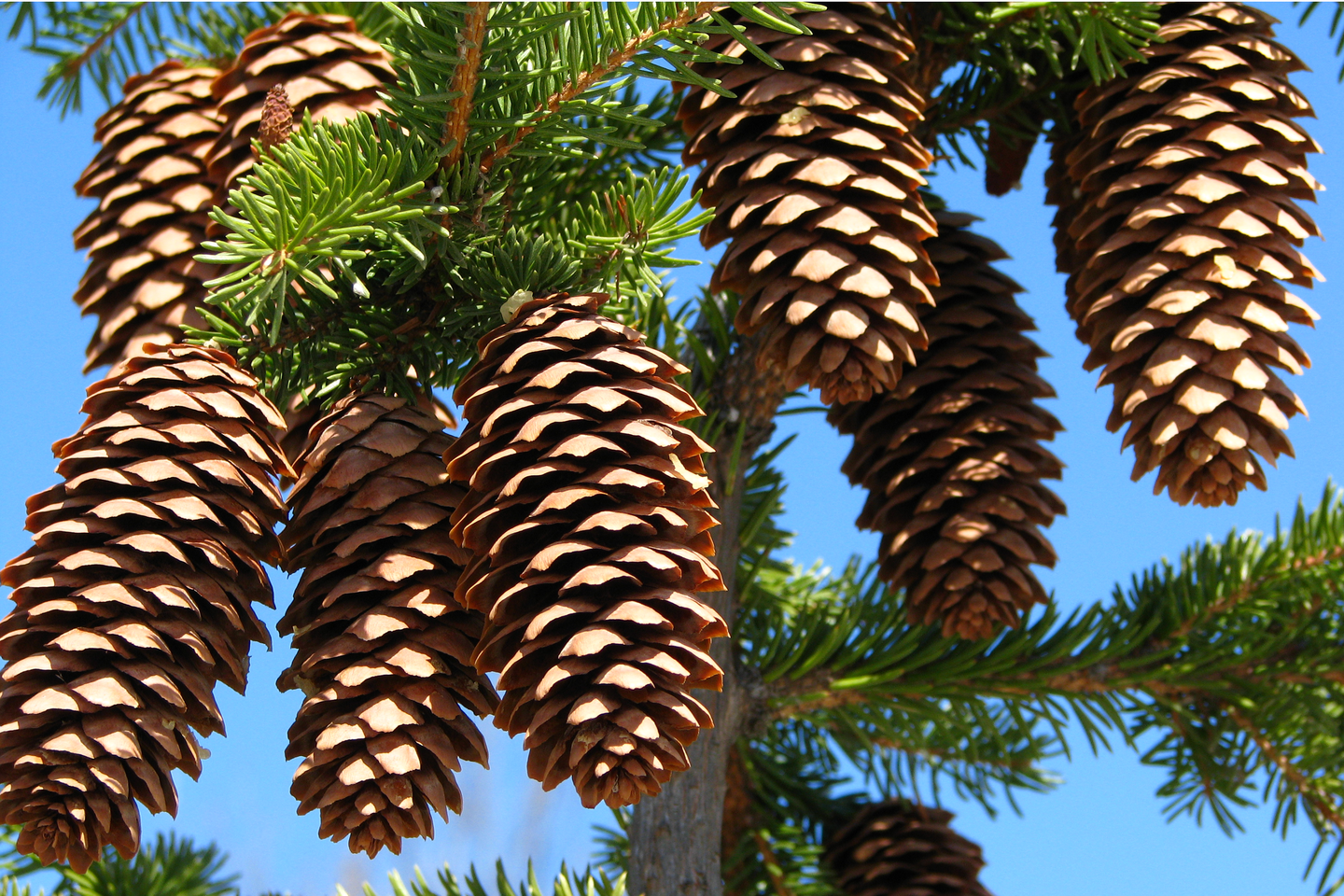
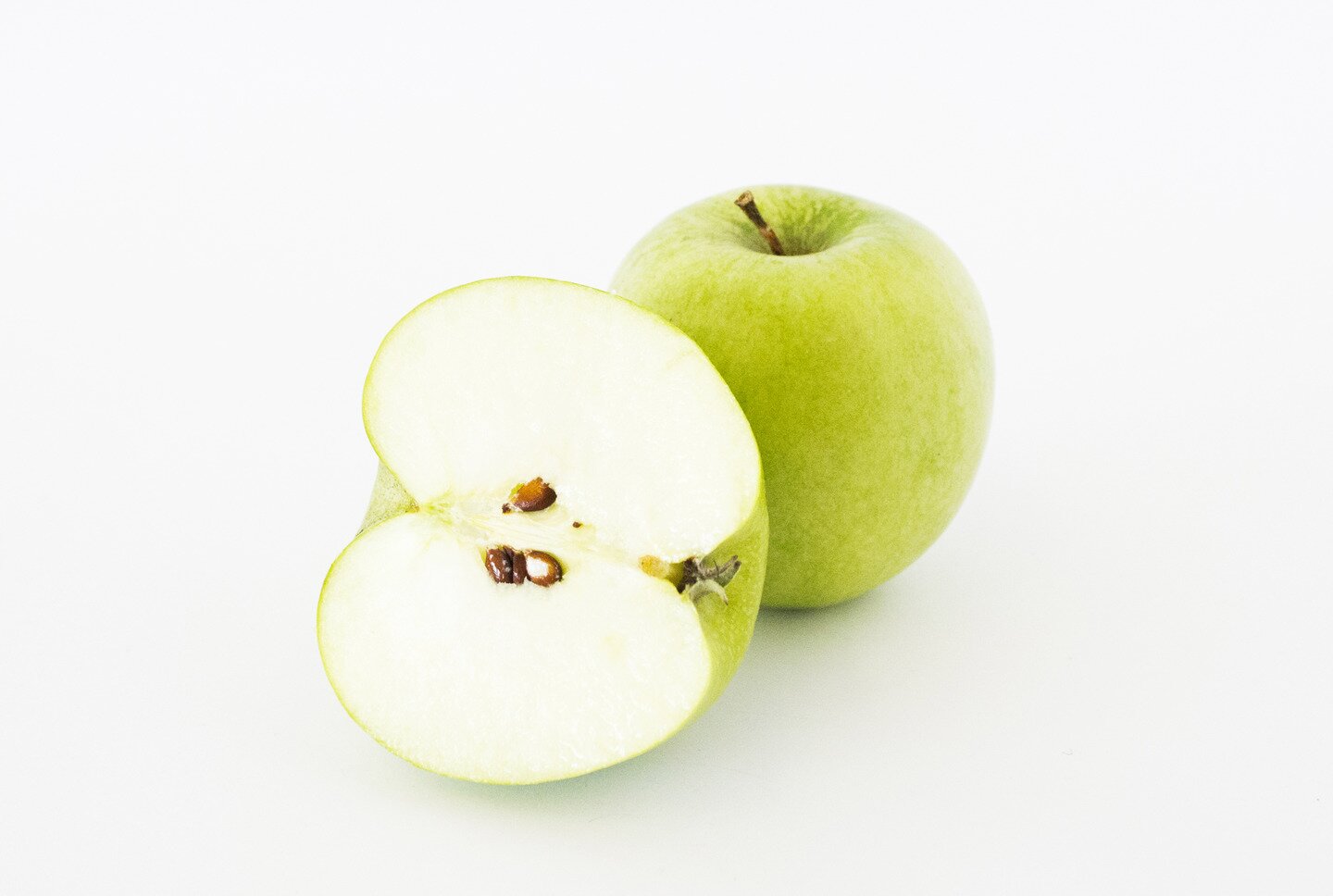
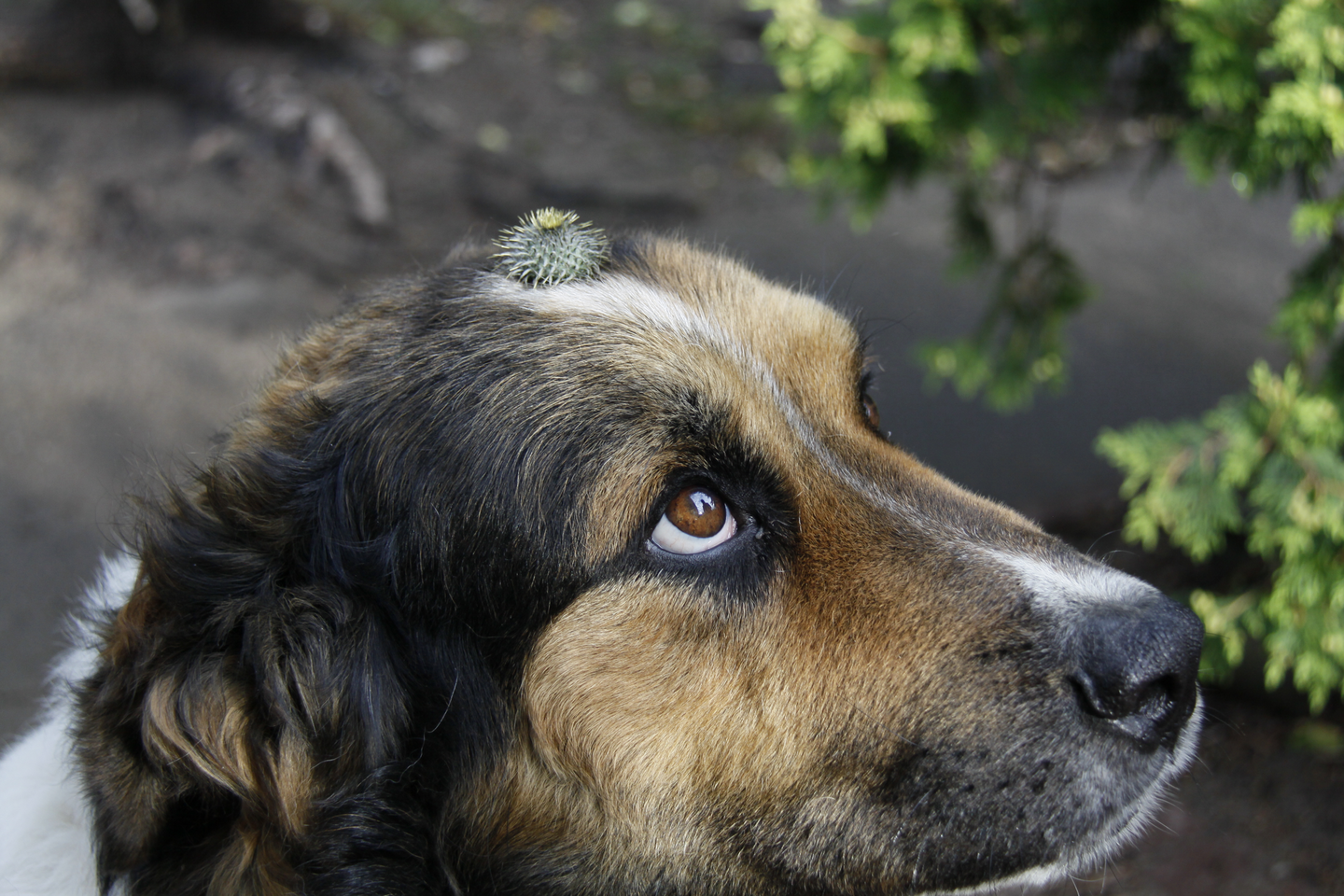
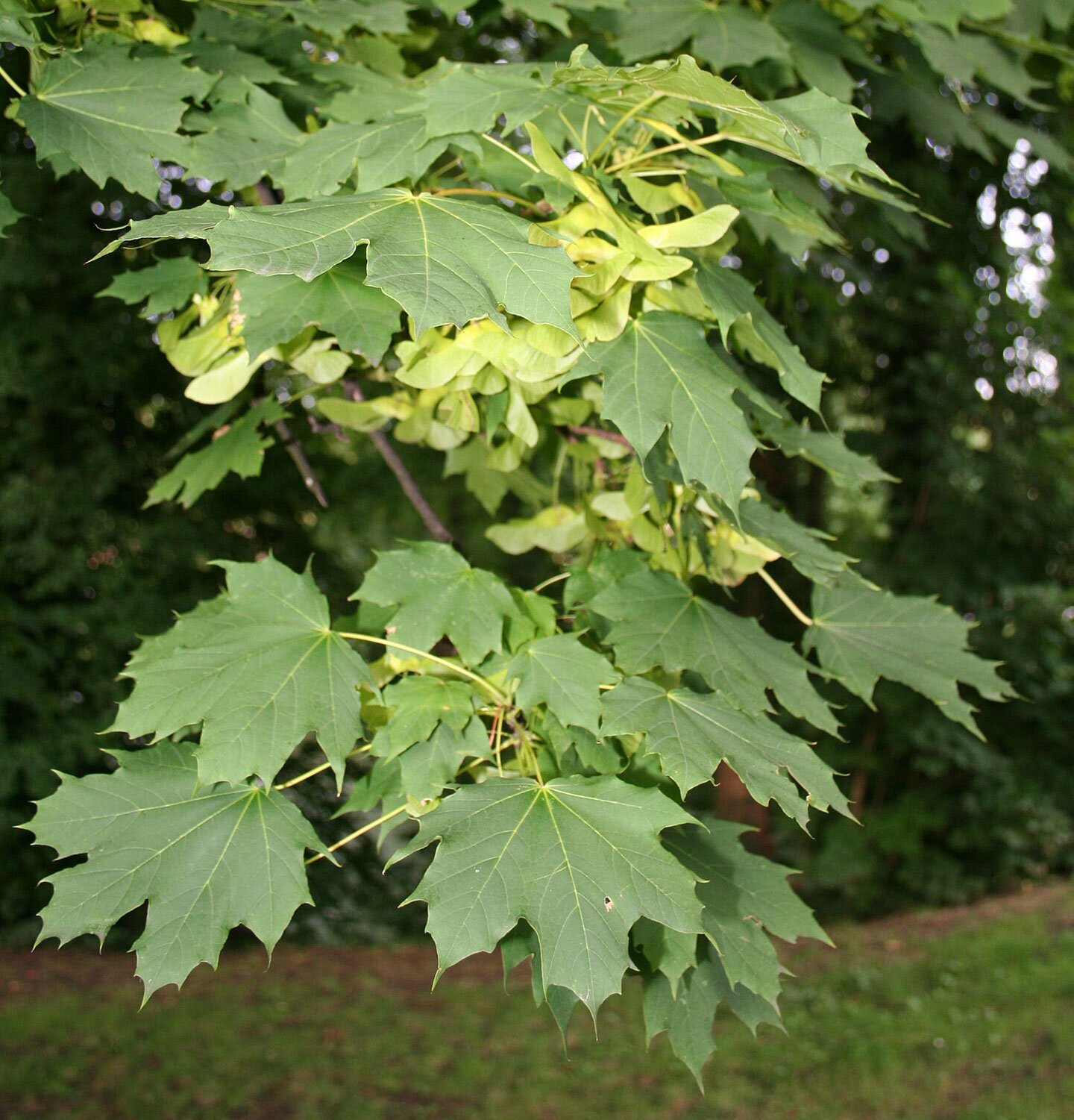
Seed plants are divided into two large groups: gymnospermsgymnosperms and angiospermsangiosperms. Gymnosperms seeds lie exposed on the scales of cones. On the other hand, angiosperms produce fruit in which seeds are hidden. The fruit protects the seeds and makes them easier to spread. If the fruit is fleshy, it encourages animals to eat it. Along with expelled food residues, animals spread seeds that are not digestible. Some species of plants produce dry and light fruit which spread in the wind (e.g. maple fruit). Other species produce spikes, hair with hooks or burrs (eg burdock, or thistle) to also be spread by animals.
Coniferous and deciduous plants
Examples of gymnosperms are conifers and shrubs. Currently, several hundred species of these plants are known on Earth. Among the trees growing in Poland, there are mainly pine, spruce, fir and larch. Yews and junipers are the best‑known shrubs.
A much larger group of seed plants living on Earth, including Poland, are angiosperms. At the moment, about 250,000 species have been distinguished. They include the majority of trees and shrubs and herbaceous plants.
Summary
Seed plants produce seeds.
In plants, gymnosperms produce seeds, but they do not produce fruit.
Angiosperms produce fruits in which seeds are found.
Among the gymnosperms, mostly coniferous trees and shrubs are found.
The angiosperms are mostly deciduous trees, shrubs and herbaceous plants.
In the area around your home or school, choose three examples of gymnosperms and angiosperms. Examine them and explain the similarities and differences>
Keywords
seed, gymnosperms, angiosperms
Match the pairs: English words with Polish definition.
rośliny z grupy nasiennych rozmnażające się za pomocą nasion pokrytych owocnią, część owocu otaczająca nasiono, powstająca z elementu słupka, rośliny z grupy nasiennych rozmnażające się za pomocą nasion pozbawionych dodatkowych warstw ochronnych, zewnętrzny element budowy nasiona roślin nasiennych zabezpieczający zarodek i liścienie
| seed coat | |
| pericarp | |
| gymnosperms | |
| angiosperms |
Glossary
łupina nasienna – zewnętrzny element budowy nasiona roślin nasiennych zabezpieczający zarodek i liścienie
rośliny nagonasienne – rośliny z grupy nasiennych rozmnażające się za pomocą nasion pozbawionych dodatkowych warstw ochronnych
rośliny okrytonasienne – rośliny z grupy nasiennych rozmnażające się za pomocą nasion pokrytych owocnią