The Solar SystemSolar SystemSolar System consists of the Sun and everything that orbits around it, including planets, moons, asteroids, comets and meteoroids.
The planets in the Solar System are often considered in two groups – the Inner Solar System and the Outer Solar System.
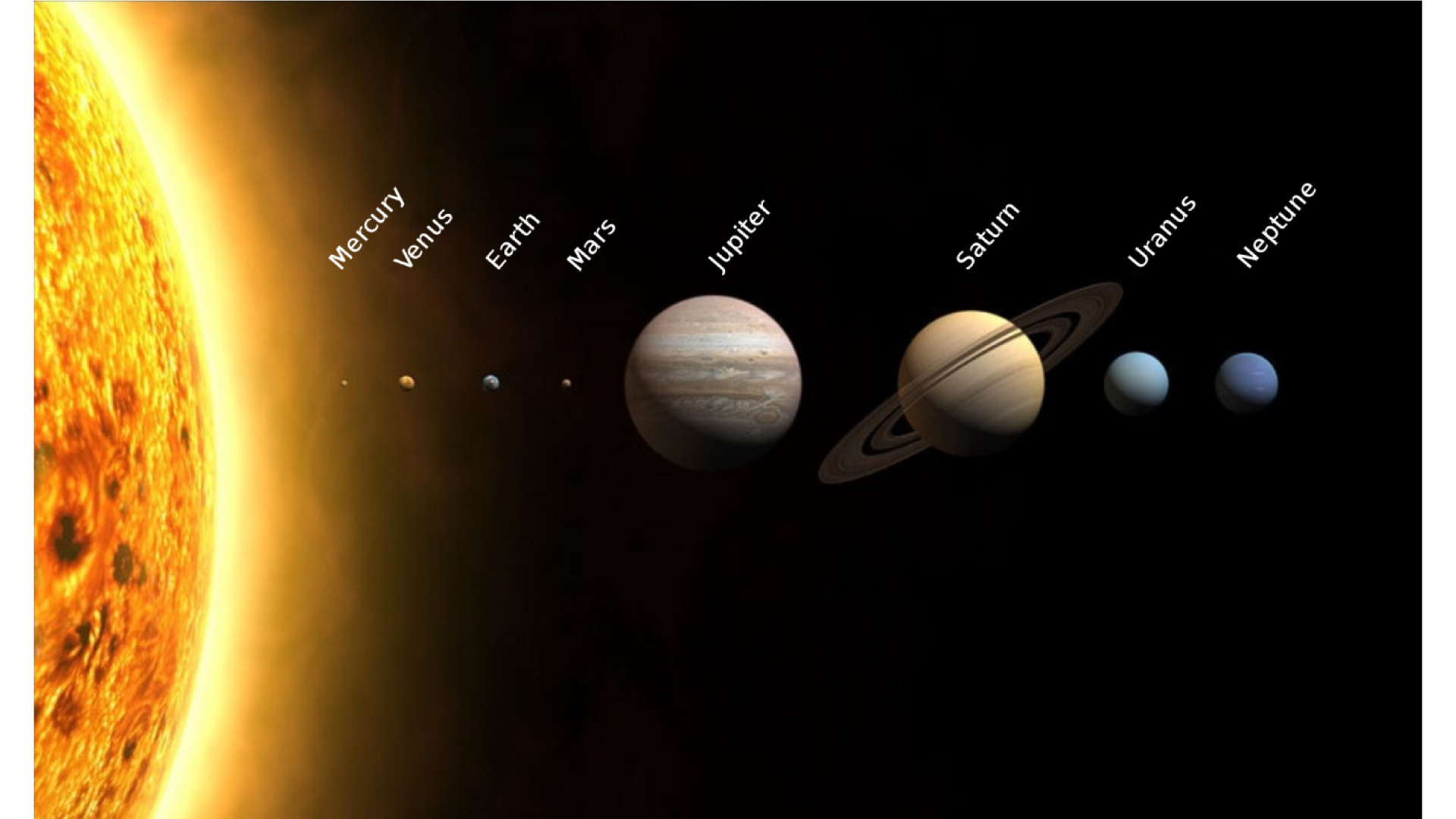
The planets: Mercury, Venus, Earth, Mars lie in the Inner System, closer to the Sun. These terrestrial planets are relatively small, dense and rocky while the outer planets are further away, larger and built up mostly of gas.
The Inner and Outer System is separated by an asteroid belt.
Planets orbit the Sun in paths called ellipses, with the Sun slightly off‑centre of each ellipse.
Orbital eccentricity of an astronomical object
Definition: Orbital eccentricity of an astronomical object
The orbital eccentricityeccentricity eccentricity of an astronomical object is a parameter that determines the amount by which its orbit around another body deviates from a perfect circle. A value of 0 is a circular orbit, values between 0 and 1 form an elliptic orbit, 1 is a parabolic orbit, and greater than 1 is a hyperbola.
REcj3Cmgnbo3Y
Na rysunku ukazana jest od lewej część tarczy słonecznej oraz osiem planet. Każda planeta opatrzona jest nazwą: Mercury, Venus, Earth, Mars, Jupiter, Saturn, Uranus, Neptune.
The Sun is a star and the largest object of the Solar SystemSolar SystemSolar System. It contains 99,86% of the Solar System’s mass. It is the source of energy, mostly radiated in form of electromagnetic radiation. The energy emitted by the Sun is a result of nuclear fusion of hydrogen into helium, which takes place in the Sun’s core where the temperature reaches about 15000000 K.
It is the smallest of the planets and the closest to the Sun. The temperatures on the planet’s surface can reach up to 450ºC during the day and fall down to -170ºC in the night due to its extremely thin atmosphere. The planet has no natural satellites.
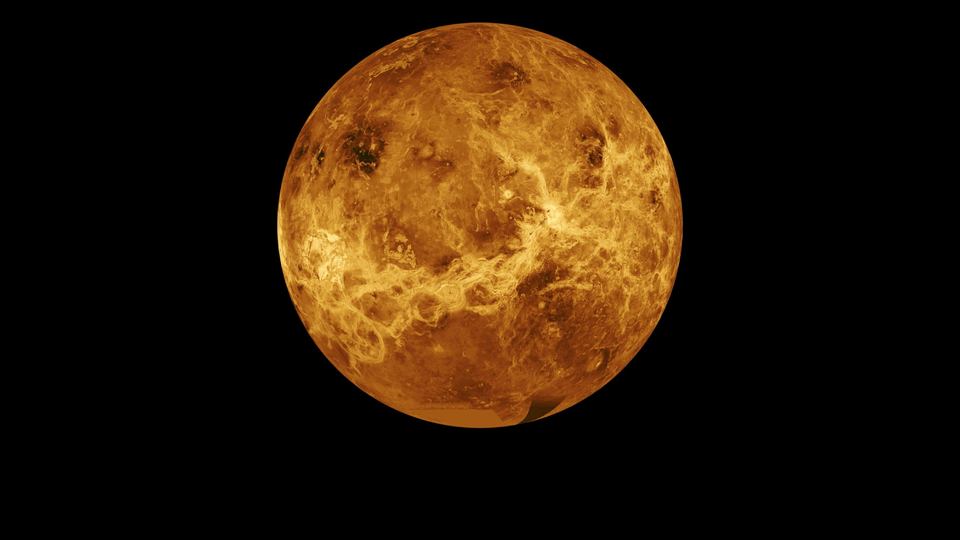
Venus has similar size to the Earth. The atmosphere there is ninety times denser as that on the Earth. It is the hottest of the planets - the temperatures reach up to 465ºC. Venus rotates around its axis in the opposite direction than most planets.
Earth is the largest and densest of the inner planets. It has one natural satellite, the Moon. Our planet is the only place where life is known to exist. The atmosphere is different from those of the other planets.
Mars is smaller than Earth and Venus. The atmosphere on this planet is inhospitable for human life. Its reddish colour comes from iron oxide contained in its soil. Mars has two tiny natural satellites: Deimos and Phobos.
The asteroid belt occupies the orbit between Mars and Jupiter. The asteroids are called small Solar SystemSolar SystemSolar System bodies which means that they are neither a planet, nor a dwarf planet, nor a natural satellite. The size of an asteroid ranges from a few meters to hundred kilometers. If their diameter is smaller than one meter, then they are called meteoroids. The asteroid belt contains enormous number of such objects.
Jupiter is the largest planet in the Solar System and consists of gases that transform into a liquid state in the lower atmosphere. It has four large and many smaller satellites. The confirmed number of Jupiter’s satellites is 79. Jupiter has visible colourful belts caused by strong winds in the planet's upper atmosphere.
Saturn is the second largest planet in the Solar System. It is a gas giant made up mostly of hydrogen and helium surrounded by rings made up of small rocks and ice particles. Saturn has 62 satellites.
Uranus is the lightest of the planets in the Outer System. It has 27 satellites. Uranus orbits the Sun almost on its side because its axis of its spin is very strongly tilted, over ninety degrees to the ecliptic.
Neptune is the planet whose existence has been determined using mathematical calculations. This planet was first observed in 1846. It is smaller than Uranus but has a greater mass. Neptune has 14 known satellites.
Watch the slideshow and observe how different planets look like.
R19FMv0kSYsqN
Prezentacja multimedialna przedstawia planety w Układzie Słonecznym. Instrukcja obsługi z poziomu klawiatury: 1. Uruchomienie aplikacji - ENTER, 2. Na każdym ze slajdów czytany jest automatycznie tekst alternatywny po polsku, 3. Przy pierwszym uruchomieniu na pierwszym slajdzie, czytanie tekstu po angielsku - TAB, 4. Przejście między slajdami: do następnego slajdu - TAB, do poprzedniego slajdu - TAB + SHIFT, 5. Przejście do czytania napisu po angielsku - strzałka w górę + strzałka w dół (czyta tekst po angielsku widoczny na slajdzie).
Prezentacja multimedialna przedstawia planety w Układzie Słonecznym. Instrukcja obsługi z poziomu klawiatury: 1. Uruchomienie aplikacji - ENTER, 2. Na każdym ze slajdów czytany jest automatycznie tekst alternatywny po polsku, 3. Przy pierwszym uruchomieniu na pierwszym slajdzie, czytanie tekstu po angielsku - TAB, 4. Przejście między slajdami: do następnego slajdu - TAB, do poprzedniego slajdu - TAB + SHIFT, 5. Przejście do czytania napisu po angielsku - strzałka w górę + strzałka w dół (czyta tekst po angielsku widoczny na slajdzie).
The units expressed in kilometers are useful for measuring distances on the Earth, but they are not very convenient for distances throughout the Solar SystemSolar SystemSolar System. Therefore a special unit was introduced.
The average distance between the centre of the Earth and the centre of the Sun is called Astronomical Unitastronomical unitAstronomical Unit (1 AU). This distance is about 150000000 km (exact value is 149597870700 m).
R79UNHjxxIAGj
Ilustracja interaktywna przedstawia schematycznie Słońce opisane numerem 1 i Ziemię opisaną numerem 2. Linią przerywaną zaznaczona jest odległość między ich środkami. Odległość ta opisana jest numerem 3. Na ilustracji widoczne są numery, a na nich podpisy. 1. Sun {audio}, 2. Earth {audio}, 3. astronomical unit (shortly AU) is 150000000 km and corresponds to the distance between the centre of the Sun and the centre of the Earth {audio}.
Ilustracja interaktywna przedstawia schematycznie Słońce opisane numerem 1 i Ziemię opisaną numerem 2. Linią przerywaną zaznaczona jest odległość między ich środkami. Odległość ta opisana jest numerem 3. Na ilustracji widoczne są numery, a na nich podpisy. 1. Sun {audio}, 2. Earth {audio}, 3. astronomical unit (shortly AU) is 150000000 km and corresponds to the distance between the centre of the Sun and the centre of the Earth {audio}.
If we want to look beyond the Solar System, the larger unit is necessary. The light‑yearlight‑yearlight‑year (ly) is the distance which light can travel in one year. The nearest star (after the Sun) is Alpha Centauri, which is 4,37 light‑years away from the Earth. It means that light from this star reaching the human eye left its source 4,37 years ago.
The Solar SystemSolar SystemSolar System consists of the Sun and everything that orbits around it, including planets, moons, asteroids, comets and meteoroids. - The average distance between the centre of the Earth and the centre of the Sun is called Astronomical Unitastronomical unitAstronomical Unit (1 AU). This unit is commonly used to describe the distances in the Solar System.
Exercises
RWjA75acgAwSq
Exercise 1
Wersja alternatywna ćwiczenia: Determine which sentences are true. Możliwe odpowiedzi: 1. Saturn is the largest planet in the Solar System., 2. The Sun produces heat and light in nuclear fission., 3. Earth is the densest among the planets in the Solar System., 4. Terrestrial planets are rocky., 5. There are nine planets in the Solar System.
Wersja alternatywna ćwiczenia: Determine which sentences are true. Możliwe odpowiedzi: 1. Saturn is the largest planet in the Solar System., 2. The Sun produces heat and light in nuclear fission., 3. Earth is the densest among the planets in the Solar System., 4. Terrestrial planets are rocky., 5. There are nine planets in the Solar System.
Determine which sentences are true.
Saturn is the largest planet in the Solar System.
The Sun produces heat and light in nuclear fission.
Earth is the densest among the planets in the Solar System.
Terrestrial planets are rocky.
There are nine planets in the Solar System.
Zapoznaj się z treścią abstraktu i wymyśl trzy pytania na kartkówkę.
Zapoznaj się z treścią abstraktu i wymyśl trzy pytania na kartkówkę.
Exercise 2
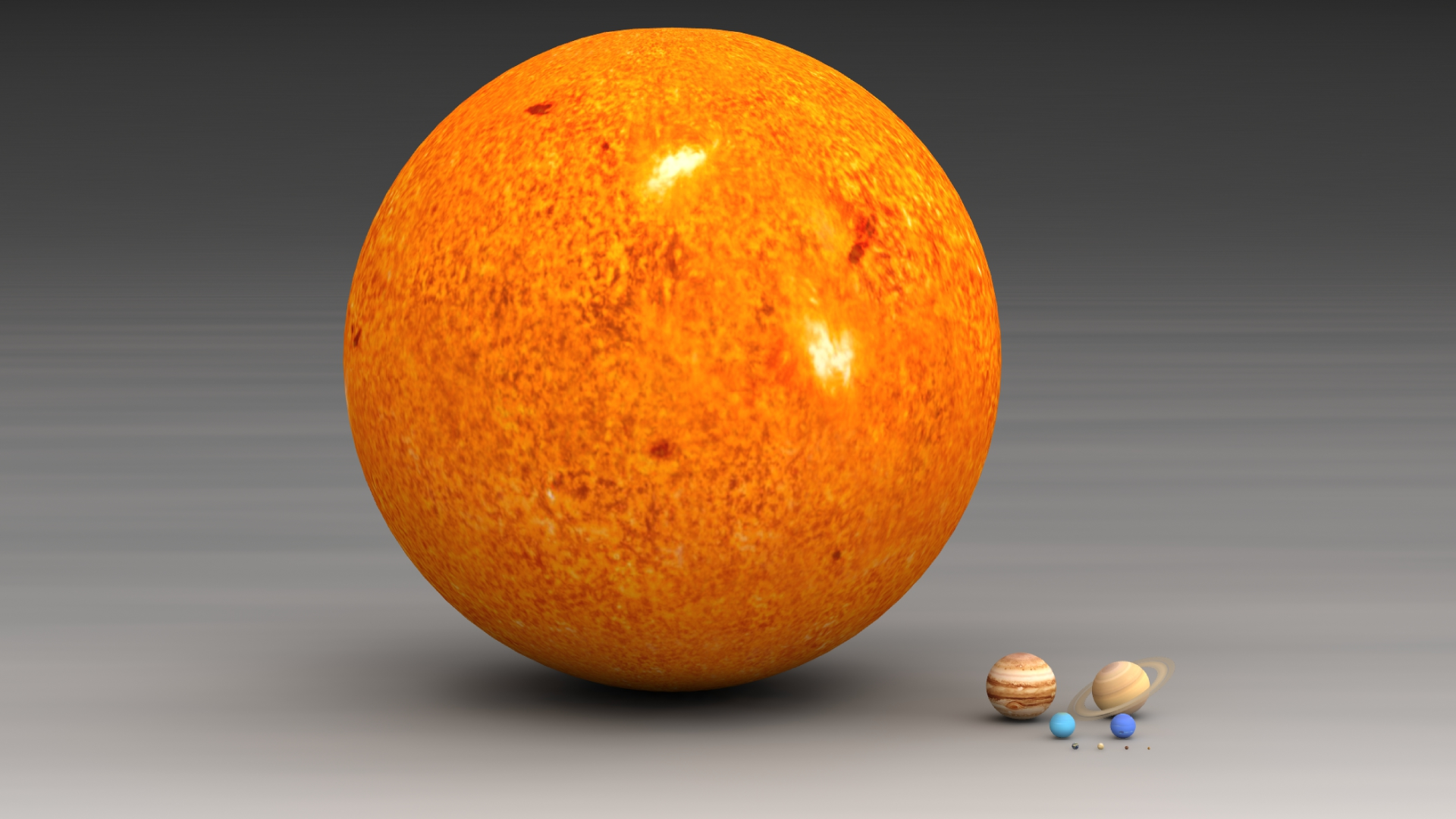
Compare the diameters of the Sun and the planets and draw them in an appropriate scale using the diameter at the equator.
R1N68UWARCS5i1
Zdjęcie przestawia modele Słońca i planet wykonane w nieznanej skali z zachowaniem proporcji. Słońce symbolizowane jest przez pomarańczową kulę, Jowisz i Saturn mają na swojej powierzchni charakterystyczne pasy, a Saturn dodatkowo widoczne są charakterystyczne pierścienie. Kule symbolizujące Uran i Neptun mają niebieski kolor. Planety wewnętrzne są odpowiednio małe i trudno rozróżnić ich cechy.
Source: GroMar, licencja: CC BY 3.0.
Exercise 3
Describe in English what objects belong to the Solar System.
RNhh2Gh6XAZWN
Exercise 4
Wersja alternatywna ćwiczenia: Indicate which pairs of expressions or words are translated correctly. Możliwe odpowiedzi: 1. Układ Słoneczny - Solar System, 2. galaktyka - galaxy, 3. okrążenie - eccentricity , 4. obrót - rotation, 5. rok świetlny - light-year, 6. ekscentryczność - revolution
Wersja alternatywna ćwiczenia: Indicate which pairs of expressions or words are translated correctly. Możliwe odpowiedzi: 1. Układ Słoneczny - Solar System, 2. galaktyka - galaxy, 3. okrążenie - eccentricity , 4. obrót - rotation, 5. rok świetlny - light-year, 6. ekscentryczność - revolution
Indicate which pairs of expressions or words are translated correctly.
Układ Słoneczny - Solar System
galaktyka - galaxy
okrążenie - eccentricity
obrót - rotation
rok świetlny - light-year
ekscentryczność - revolution
zadanie
Source: GroMar, licencja: CC BY 3.0.
R1MhnYZTjpCl81
Interaktywna gra, polegająca na łączeniu wyrazów w pary w ciągu jednej minuty. Czas zaczyna upływać wraz z rozpoczęciem gry. Jeden ruch to odkrywanie najpierw jednej potem drugiej karty z wyrazem. Każdy wyraz jest odczytywany. Kolejny ruch to odkrywanie trzeciej i czwartej karty. W ten sposób odsłuchasz wszystkie wyrazy. Nawigacja z poziomu klawiatury za pomocą strzałek, odsłuchiwanie wyrazów enterem lub spacją. Znajdź wszystkie pary wyrazów.
Interaktywna gra, polegająca na łączeniu wyrazów w pary w ciągu jednej minuty. Czas zaczyna upływać wraz z rozpoczęciem gry. Jeden ruch to odkrywanie najpierw jednej potem drugiej karty z wyrazem. Każdy wyraz jest odczytywany. Kolejny ruch to odkrywanie trzeciej i czwartej karty. W ten sposób odsłuchasz wszystkie wyrazy. Nawigacja z poziomu klawiatury za pomocą strzałek, odsłuchiwanie wyrazów enterem lub spacją. Znajdź wszystkie pary wyrazów.
Match Polish terms with their English equivalents.
light-year
galaktyka
galaxy
jednostka astronomiczna
ekscentryczność
Solar System
eccentricity
Układ Słoneczny
astronomical unit
rok świetlny
Source: Zespół autorski Politechniki Łódzkiej, licencja: CC BY 3.0.