Sprawdź się
Show exercises:
Exercise 1
Źródło: GroMar Sp. z o.o., licencja: CC BY-SA 3.0.
Exercise 1
Click the white dots in the pictures below and type in the names of artistic tools.
1.
Źródło: dostępny w internecie: www.pixabay.com [dostęp 23.03.2022], domena publiczna.
2.
Źródło: GroMar Sp. z o.o., licencja: CC BY-SA 3.0.
Exercise 2
Study the short texts below and choose the correct answer.
Źródło: GroMar Sp. z o.o., licencja: CC BY-SA 3.0.
Źródło: GroMar Sp. z o.o., licencja: CC BY-SA 3.0.
Źródło: GroMar Sp. z o.o., licencja: CC BY-SA 3.0.
Źródło: GroMar Sp. z o.o., licencja: CC BY-SA 3.0.
Źródło: GroMar Sp. z o.o., licencja: CC BY-SA 3.0.
Exercise 2
Listen to each recording and choose the correct answer.
Źródło: GroMar Sp. z o.o., licencja: CC BY-SA 3.0.
Źródło: GroMar Sp. z o.o., licencja: CC BY-SA 3.0.
Źródło: GroMar Sp. z o.o., licencja: CC BY-SA 3.0.
Źródło: GroMar Sp. z o.o., licencja: CC BY-SA 3.0.
Źródło: GroMar Sp. z o.o., licencja: CC BY-SA 3.0.
Exercise 3
2. He painted the portrait using 1. realism, 2. brushes, 3. foreshortening, 4. canvas, 5. texture, 6. still life, 7. accurate rather than symbolism.
3. Before you start the process of painting, you need to prepare 1. realism, 2. brushes, 3. foreshortening, 4. canvas, 5. texture, 6. still life, 7. accurate and some painting tools.
4. Her depiction of everyday city life is very 1. realism, 2. brushes, 3. foreshortening, 4. canvas, 5. texture, 6. still life, 7. accurate.
5. When you touch it, it’s clear that the 1. realism, 2. brushes, 3. foreshortening, 4. canvas, 5. texture, 6. still life, 7. accurate of this paper is totally different.
6. Do you need specialist 1. realism, 2. brushes, 3. foreshortening, 4. canvas, 5. texture, 6. still life, 7. accurate to achieve such blending of colours?
7. My favourite type of art is 1. realism, 2. brushes, 3. foreshortening, 4. canvas, 5. texture, 6. still life, 7. accurate, both flower and object arrangements.
Źródło: GroMar Sp. z o.o., licencja: CC BY-SA 3.0.
Źródło: GroMar Sp. z o.o., licencja: CC BY-SA 3.0.
Exercise 4
a) would prefer to use acrylic paints.
b) prefer acrylic ones.
c) would rather paint with acrylics.
2. (Czy jesteś miłośnikiem/miłośniczką) Impressionists’ paintings?
a) Are you an aficionado of
b) Do you like
c) Do you know about
3. (Gdzie jest najbliższa galeria sztuki?) I’d like to see their exhibition offer.
a) Are we nearly at the art gallery?
b) Where is the nearest art gallery?
c) Is there an art gallery near here?
4. This painting (został namalowany przez) Leonardo da Vinci.
a) is a painting of
b) was by a painter
c) was painted by
5. He used the foreshortening technique, (co dodało głębi) to the painting.
a) what he added was depth
b) which added depth
c) which had additional depth
Źródło: GroMar Sp. z o.o., licencja: CC BY-SA 3.0.
Exercise 5
a) easel
b) carving
c) depth
d) still life
2. Which words belong to the same category?
a) crayons
b) exhibits
c) coloured pencils
d) etchings
3. Which activities are done by a painter?
a) curating
b) depicting
c) foreshortening
d) splattering
4. Which words refer to objects typically seen in a gallery?
a) carvings
b) landscapes
c) charcoal
d) texture
5. Which words mean types of paints?
a) watercolours
b) sketches
c) sprays
d) tempera
6. Which words refer to materials on which you can paint or draw?
a) fresco
b) canvas
c) palette
d) bristol
7. Which words refer to people?
a) tempera
b) old masters
c) art curator
d) art lover
Źródło: GroMar Sp. z o.o., licencja: CC BY-SA 3.0.
Exercise 6
Źródło: GroMar Sp. z o.o., licencja: CC BY-SA 3.0.
Exercise 7
Źródło: GroMar Sp. z o.o., licencja: CC BY-SA 3.0.
Exercise 7
Describe the picture using 5–6 sentences.
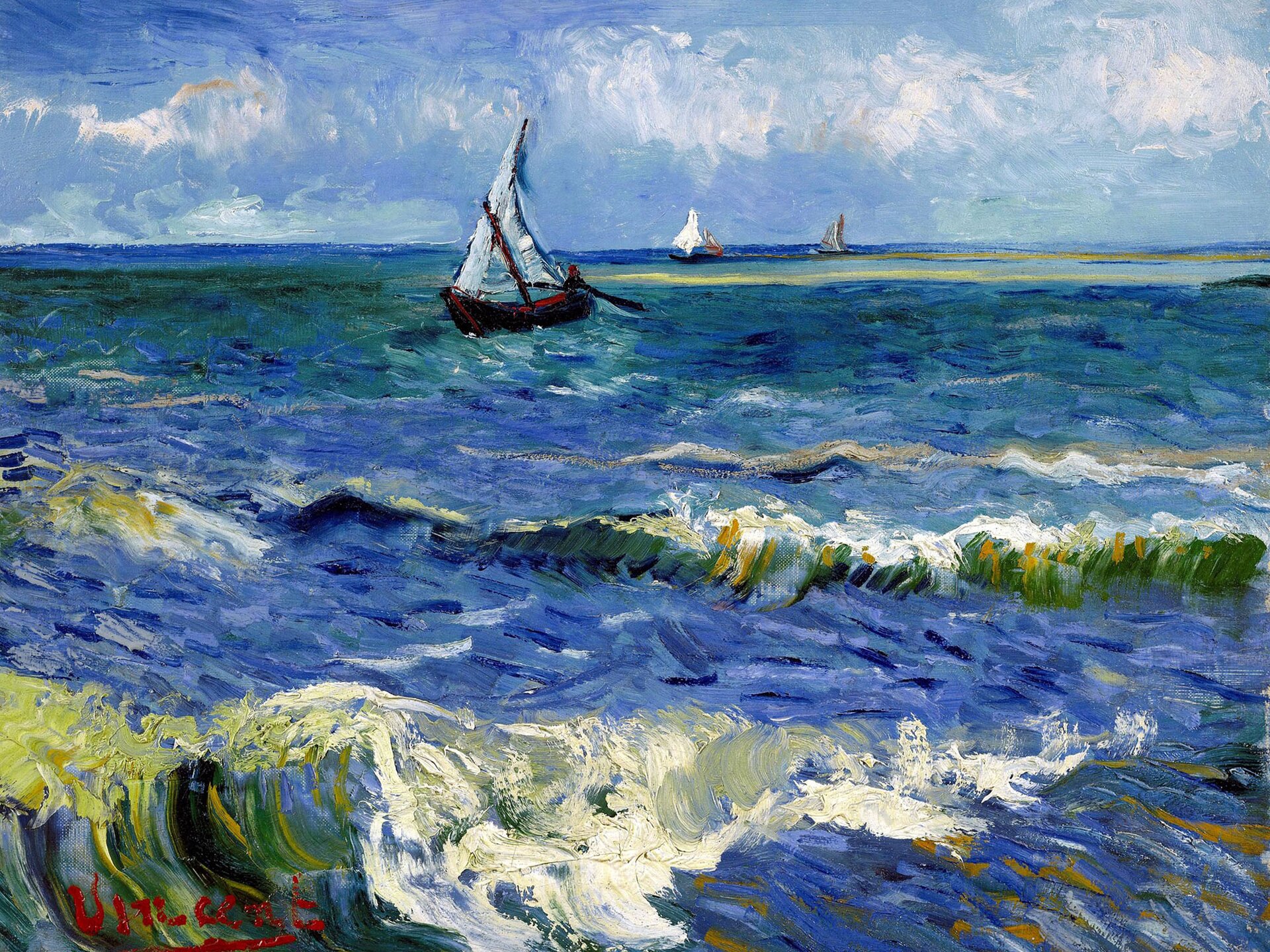
Źródło: dostępny w internecie: www.unsplash.com [dostęp 23.03.2022], domena publiczna.
Źródło: GroMar Sp. z o.o., licencja: CC BY-SA 3.0.
Exercise 8
Recently, you went to an art gallery, where you saw an interesting exhibition. Write an e‑mail to your English friend and:
explain the circumstances of your visit;
describe what you saw and what you liked most there;
explain how you benefited from the visit;
give your recommendation of the place.
Start with:
Dear Paul,
Thanks for your last email about your trip to Edinburgh. Today, I will tell you about a place I visited a week ago.
And finish with:
I’ve got to finish now. Keep in touch!
XYZ
Źródło: GroMar Sp. z o.o., licencja: CC BY-SA 3.0.