1
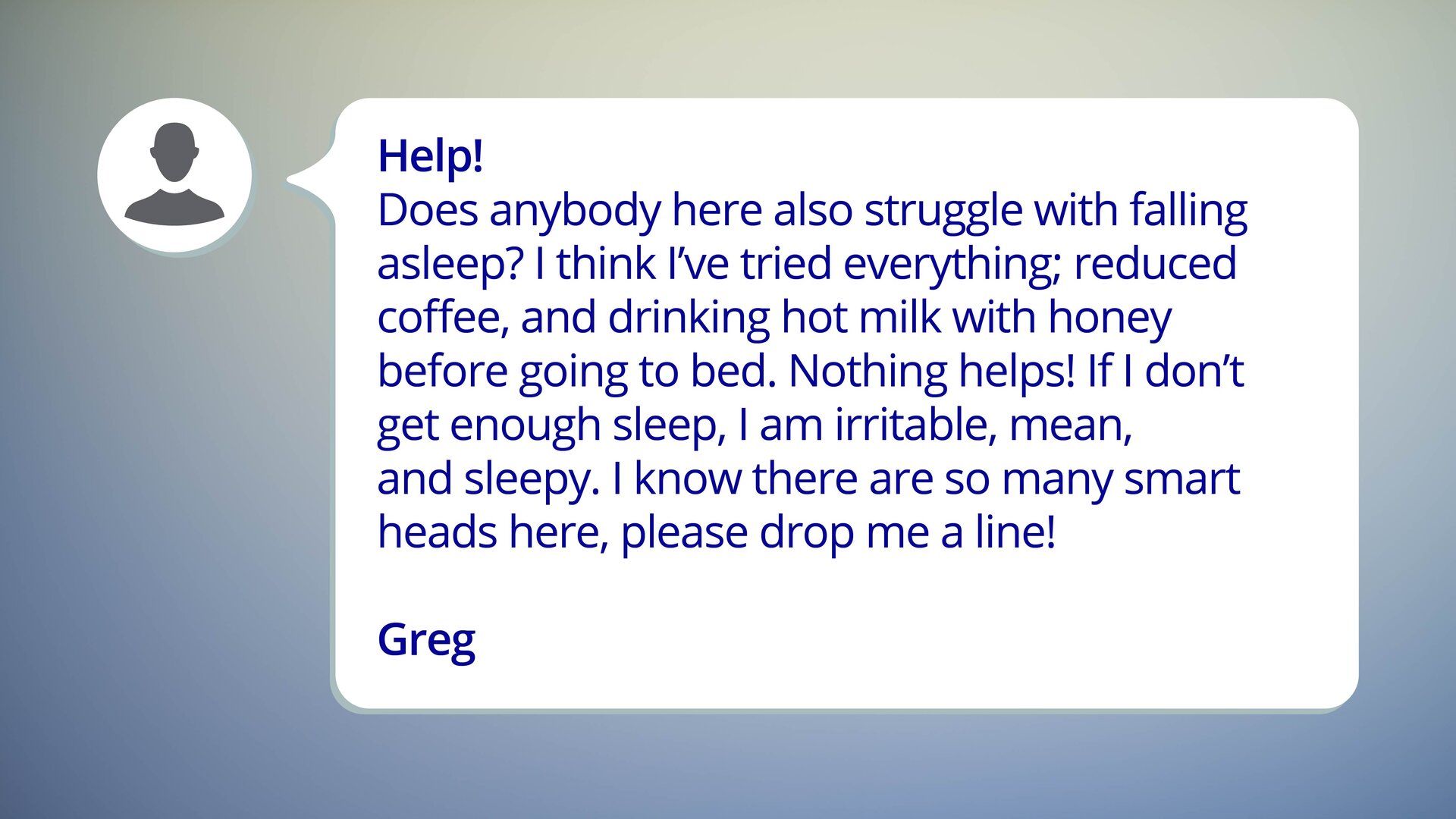
Show exercises:
11
Exercise 1
Rm3rZhZhQLO4B
Odpowiedz na pytania lub uzupełnij tekst. 1. To make a huge effort to overcome or achieve something., 2. To feel a strong desire to do something., 3. A regular, repeated pattern., 4. The practice of keeping yourself and the things around you clean, in order to prevent illness and disease., 5. Making something smaller or less in amount., 6. Relating to the mind., 7. The use of specific foods that improve health.
Źródło: GroMar Sp. z o.o., licencja: CC BY-SA 3.0.
1
Exercise 2
R1b3BV0R8tDfp
Drag and drop the elements to match expressions describing the same symptom of SAD. craving sweets and salty foods Możliwe odpowiedzi: 1. problems with focus, 2. being depressed, 3. feeling tired all the time, 4. wanting foods high in salt and sugar, 5. insufficient amounts of a hormone, 6. sleeping too much or too little sleep disorder Możliwe odpowiedzi: 1. problems with focus, 2. being depressed, 3. feeling tired all the time, 4. wanting foods high in salt and sugar, 5. insufficient amounts of a hormone, 6. sleeping too much or too little feeling low-spirited Możliwe odpowiedzi: 1. problems with focus, 2. being depressed, 3. feeling tired all the time, 4. wanting foods high in salt and sugar, 5. insufficient amounts of a hormone, 6. sleeping too much or too little lack of concentration Możliwe odpowiedzi: 1. problems with focus, 2. being depressed, 3. feeling tired all the time, 4. wanting foods high in salt and sugar, 5. insufficient amounts of a hormone, 6. sleeping too much or too little little energy Możliwe odpowiedzi: 1. problems with focus, 2. being depressed, 3. feeling tired all the time, 4. wanting foods high in salt and sugar, 5. insufficient amounts of a hormone, 6. sleeping too much or too little low level of serotonin Możliwe odpowiedzi: 1. problems with focus, 2. being depressed, 3. feeling tired all the time, 4. wanting foods high in salt and sugar, 5. insufficient amounts of a hormone, 6. sleeping too much or too little
Źródło: GroMar Sp. z o.o., licencja: CC BY-SA 3.0.
2
Exercise 3
R10SRBvlDTDS9
Based on the newly learnt words, fill in missing prepositions. 1. The reduction     Tu uzupełnij     sunlight leads to a change in serotonin levels, which may ruin your circadian rhythm. 2. People who are more exposed     Tu uzupełnij     the sun tend to suffer less from SAD. 3. If you struggle     Tu uzupełnij     falling asleep, you should try taking a hot bath to relax. 4. Remember that foods high     Tu uzupełnij     vitamins and protein give you energy. 5. It is recommended by doctors to deliver a portion     Tu uzupełnij     vitamin D in fall and winter seasons. 6. Some patients try investing     Tu uzupełnij     a lightbox which is a natural light simulator.
Źródło: GroMar Sp. z o.o., licencja: CC BY-SA 3.0.
2
Exercise 4

Drag the words to create sentences connected with Seasonal Affective Disorder.

R12UMX3qAMI2i
Źródło: GroMar Sp. z o.o., licencja: CC BY-SA 3.0.
2
Exercise 4
R1bS2GA5L2EGS
Drag the words to put them in the correct order to create sentences connected with Seasonal Affective Disorder. 1. 1. is associated, 2. the fall and winter, 3. A variation, 4. and, 5. in mood, 6. onset, 7. onset, 8. spring summer, 9. with1. is associated, 2. the fall and winter, 3. A variation, 4. and, 5. in mood, 6. onset, 7. onset, 8. spring summer, 9. with1. is associated, 2. the fall and winter, 3. A variation, 4. and, 5. in mood, 6. onset, 7. onset, 8. spring summer, 9. with1. is associated, 2. the fall and winter, 3. A variation, 4. and, 5. in mood, 6. onset, 7. onset, 8. spring summer, 9. with1. is associated, 2. the fall and winter, 3. A variation, 4. and, 5. in mood, 6. onset, 7. onset, 8. spring summer, 9. with1. is associated, 2. the fall and winter, 3. A variation, 4. and, 5. in mood, 6. onset, 7. onset, 8. spring summer, 9. with1. is associated, 2. the fall and winter, 3. A variation, 4. and, 5. in mood, 6. onset, 7. onset, 8. spring summer, 9. with1. is associated, 2. the fall and winter, 3. A variation, 4. and, 5. in mood, 6. onset, 7. onset, 8. spring summer, 9. with1. is associated, 2. the fall and winter, 3. A variation, 4. and, 5. in mood, 6. onset, 7. onset, 8. spring summer, 9. with.
Źródło: GroMar Sp. z o.o., licencja: CC BY-SA 3.0.
R3fIBoeqEOLDk
2. 1. rhythm, 2. the, 3. of sunlight, 4. influences, 5. circadian, 6. The reduction1. rhythm, 2. the, 3. of sunlight, 4. influences, 5. circadian, 6. The reduction1. rhythm, 2. the, 3. of sunlight, 4. influences, 5. circadian, 6. The reduction1. rhythm, 2. the, 3. of sunlight, 4. influences, 5. circadian, 6. The reduction1. rhythm, 2. the, 3. of sunlight, 4. influences, 5. circadian, 6. The reduction1. rhythm, 2. the, 3. of sunlight, 4. influences, 5. circadian, 6. The reduction.
Źródło: GroMar Sp. z o.o., licencja: CC BY-SA 3.0.
RAQK8N2ecY3c0
3. 1. quality, 2. serotonin, 3. and, 4. the, 5. Melatonin, 6. govern, 7. sleep1. quality, 2. serotonin, 3. and, 4. the, 5. Melatonin, 6. govern, 7. sleep1. quality, 2. serotonin, 3. and, 4. the, 5. Melatonin, 6. govern, 7. sleep1. quality, 2. serotonin, 3. and, 4. the, 5. Melatonin, 6. govern, 7. sleep1. quality, 2. serotonin, 3. and, 4. the, 5. Melatonin, 6. govern, 7. sleep1. quality, 2. serotonin, 3. and, 4. the, 5. Melatonin, 6. govern, 7. sleep1. quality, 2. serotonin, 3. and, 4. the, 5. Melatonin, 6. govern, 7. sleep.
Źródło: GroMar Sp. z o.o., licencja: CC BY-SA 3.0.
R1KIXN1M40R6I
4. 1. yourself, 2. If you, 3. concentration, 4. expose, 5. to, 6. should, 7. sunlight, 8. you, 9. lack1. yourself, 2. If you, 3. concentration, 4. expose, 5. to, 6. should, 7. sunlight, 8. you, 9. lack1. yourself, 2. If you, 3. concentration, 4. expose, 5. to, 6. should, 7. sunlight, 8. you, 9. lack,1. yourself, 2. If you, 3. concentration, 4. expose, 5. to, 6. should, 7. sunlight, 8. you, 9. lack1. yourself, 2. If you, 3. concentration, 4. expose, 5. to, 6. should, 7. sunlight, 8. you, 9. lack1. yourself, 2. If you, 3. concentration, 4. expose, 5. to, 6. should, 7. sunlight, 8. you, 9. lack1. yourself, 2. If you, 3. concentration, 4. expose, 5. to, 6. should, 7. sunlight, 8. you, 9. lack1. yourself, 2. If you, 3. concentration, 4. expose, 5. to, 6. should, 7. sunlight, 8. you, 9. lack1. yourself, 2. If you, 3. concentration, 4. expose, 5. to, 6. should, 7. sunlight, 8. you, 9. lack.
Źródło: GroMar Sp. z o.o., licencja: CC BY-SA 3.0.
RKKqBmJ0MJ8W8
5. 1. in, 2. help, 3. Omega-3, 4. fats, 5. for, 6. beat, 7. sweets, 8. a craving, 9. Foods high1. in, 2. help, 3. Omega-3, 4. fats, 5. for, 6. beat, 7. sweets, 8. a craving, 9. Foods high1. in, 2. help, 3. Omega-3, 4. fats, 5. for, 6. beat, 7. sweets, 8. a craving, 9. Foods high1. in, 2. help, 3. Omega-3, 4. fats, 5. for, 6. beat, 7. sweets, 8. a craving, 9. Foods high1. in, 2. help, 3. Omega-3, 4. fats, 5. for, 6. beat, 7. sweets, 8. a craving, 9. Foods high1. in, 2. help, 3. Omega-3, 4. fats, 5. for, 6. beat, 7. sweets, 8. a craving, 9. Foods high1. in, 2. help, 3. Omega-3, 4. fats, 5. for, 6. beat, 7. sweets, 8. a craving, 9. Foods high1. in, 2. help, 3. Omega-3, 4. fats, 5. for, 6. beat, 7. sweets, 8. a craving, 9. Foods high1. in, 2. help, 3. Omega-3, 4. fats, 5. for, 6. beat, 7. sweets, 8. a craving, 9. Foods high.
Źródło: GroMar Sp. z o.o., licencja: CC BY-SA 3.0.
R1Y8Ew6EYrvsR
6. 1. ten percent, 2. Almost, 3. from, 4. issues, 5. health, 6. mental, 7. of the population, 8. suffers1. ten percent, 2. Almost, 3. from, 4. issues, 5. health, 6. mental, 7. of the population, 8. suffers1. ten percent, 2. Almost, 3. from, 4. issues, 5. health, 6. mental, 7. of the population, 8. suffers1. ten percent, 2. Almost, 3. from, 4. issues, 5. health, 6. mental, 7. of the population, 8. suffers1. ten percent, 2. Almost, 3. from, 4. issues, 5. health, 6. mental, 7. of the population, 8. suffers1. ten percent, 2. Almost, 3. from, 4. issues, 5. health, 6. mental, 7. of the population, 8. suffers1. ten percent, 2. Almost, 3. from, 4. issues, 5. health, 6. mental, 7. of the population, 8. suffers1. ten percent, 2. Almost, 3. from, 4. issues, 5. health, 6. mental, 7. of the population, 8. suffers.
Źródło: GroMar Sp. z o.o., licencja: CC BY-SA 3.0.
2
Exercise 5
R1S0RfhCeRY79
Use the words in brackets to form new ones that fit the gaps. 1. Many people lack     Tu uzupełnij (concentrate)     when they don’t get enough sleep. 2. Tu uzupełnij (season)     mood variations usually relate to the fall winter onset and spring summer onset. 3. To battle mood     Tu uzupełnij (order)     sometimes you need to call a professional for help. 4. Psychologists have     Tu uzupełnij (extense)     experience in working with SAD syndrome patients. 5. When you feel a bit down, try not to avoid social     Tu uzupełnij (action)     as being with other people helps beat SAD. 6. Some people find     Tu uzupełnij (meditate)     helpful in the way they control their breath and concentrate on tasks.
Źródło: GroMar Sp. z o.o., licencja: CC BY-SA 3.0.
3
Exercise 6
R1UVVwnqh5scw
Based on the knowledge from the material, translate the fragments in brackets into English. 1. If you     (borykasz się z obniżonym nastrojem) Tu uzupełnij,     try to talk to your friends or family members. 2. People     (którym brakuje skupienia) Tu uzupełnij     are advised to eat healthy food and keep a sleep schedule. 3. If you     (masz zachciankę na słodycze) Tu uzupełnij,     eat some oats with fruit. 4. Don’t hesitate to     (zgłosić się po pomoc specjalisty) Tu uzupełnij     when your mood swings last for a couple of weeks. 5. Young people with low mood often     (unikają kontaktów społecznych) Tu uzupełnij. 6. If someone around you struggles with     (problemami ze zdrowiem psychicznym) Tu uzupełnij,     you should comfort them and show you care for them.
Źródło: GroMar Sp. z o.o., licencja: CC BY-SA 3.0.
3
Exercise 7

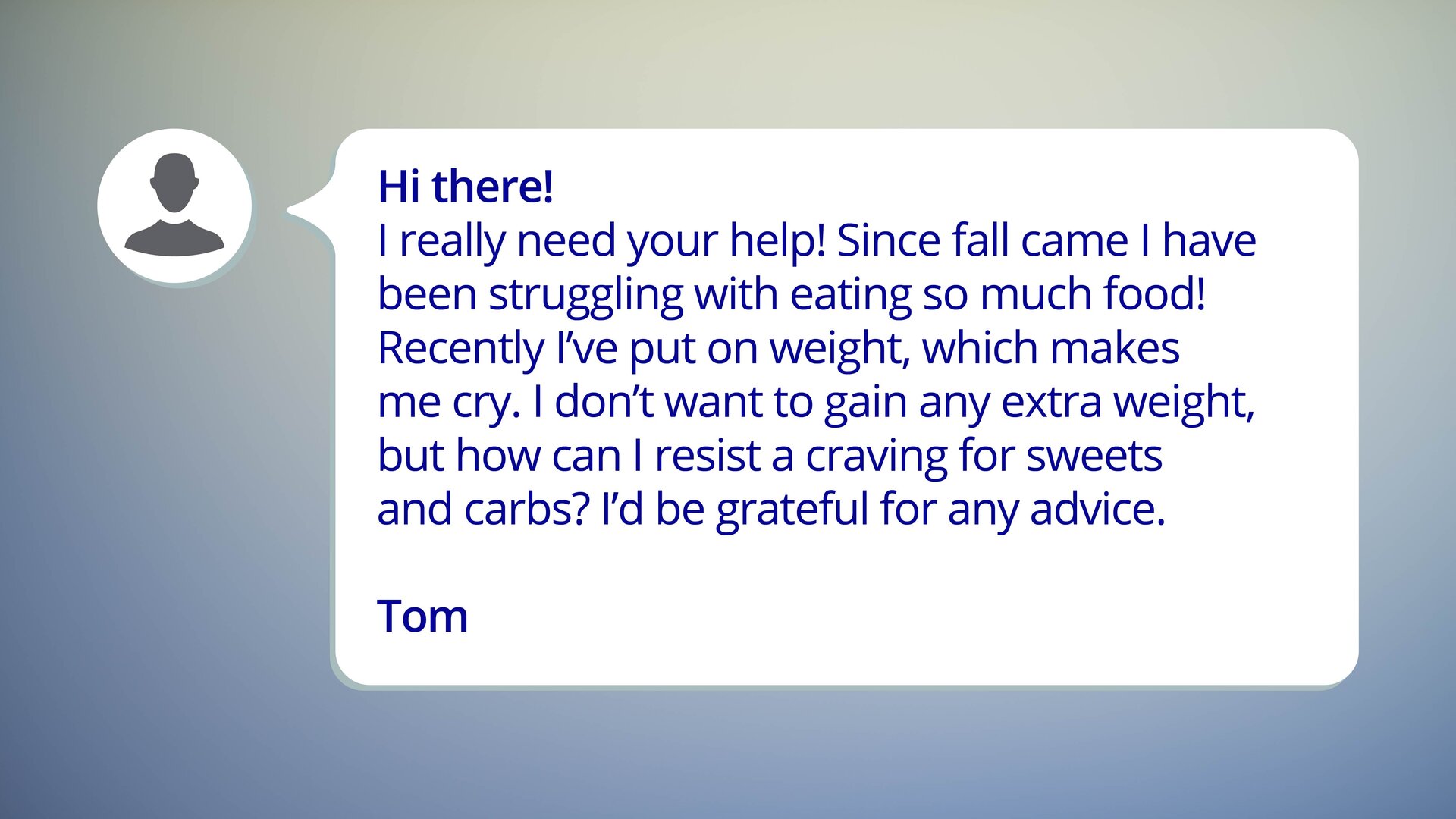
Based on the information from this material, write advice for each of the persons below.
RCnaeajBgrZpQ
Źródło: GroMar Sp. z o.o., licencja: CC BY-SA 3.0.
Show hintazurewhite
Show answerazurewhite
R1b0V3UXjOi7d
Źródło: GroMar Sp. z o.o., licencja: CC BY-SA 3.0.
Show hintazurewhite
Show answerazurewhite
RdhWoOVATgfKq
Źródło: GroMar Sp. z o.o., licencja: CC BY-SA 3.0.
3
Exercise 7

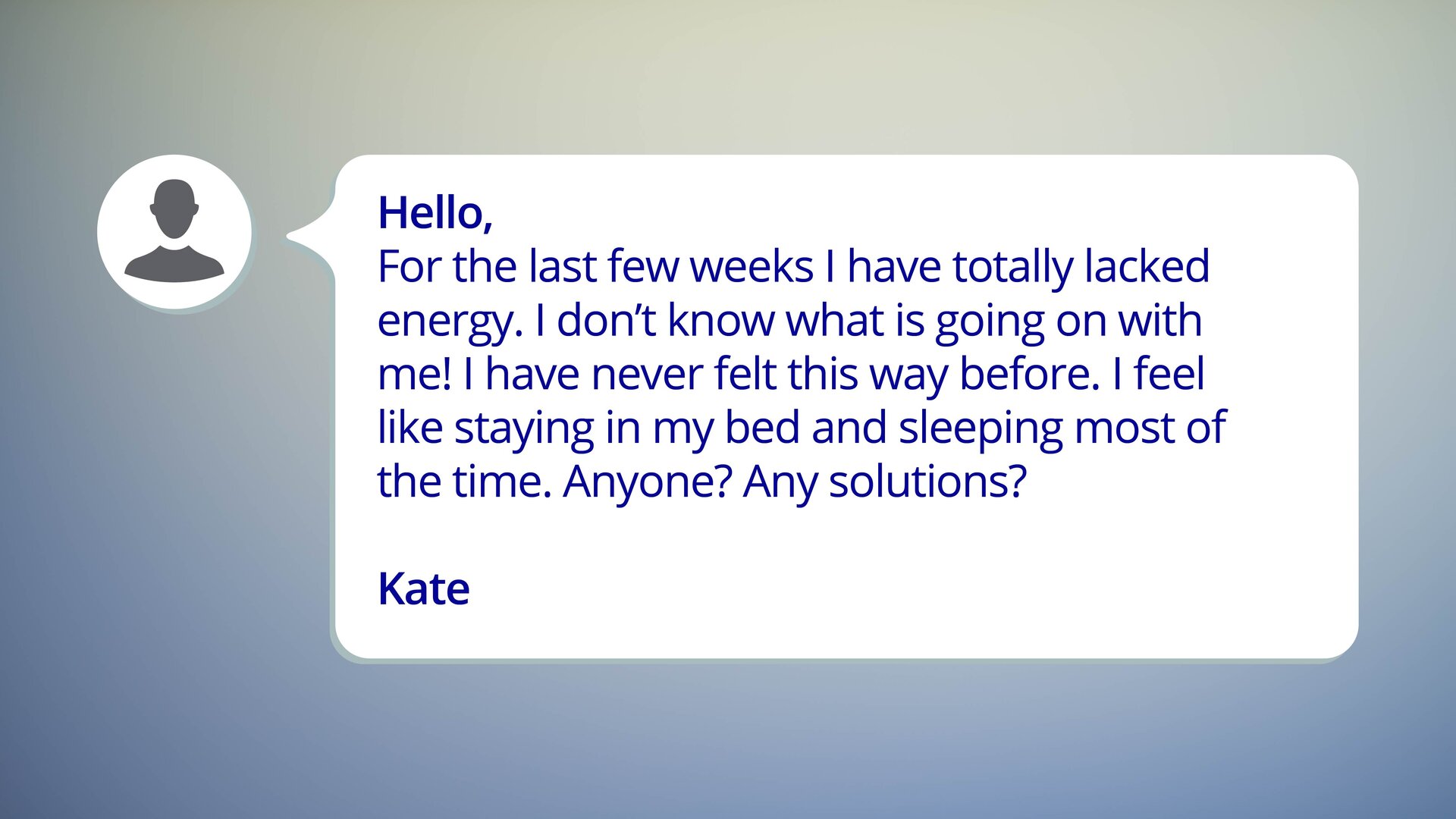
Based on the information from this material, write advice for each of the persons below.
Rt1HE3YQ9jSDB
Help! I eat too much!
Pomocy! Za dużo jem!
Źródło: Maciej Tomaszewski, domena publiczna.
R1IrJstcGE0uP
(Uzupełnij).
Źródło: GroMar Sp. z o.o., licencja: CC BY-SA 3.0.
Show hintazurewhite
Show answerazurewhite
ROCVsNSnMj0ZS
I’m so tired! 
Jestem tak zmęczona!
Źródło: Maciej Tomaszewski, domena publiczna.
RA1jIuPQ6cZyH
(Uzupełnij).
Źródło: GroMar Sp. z o.o., licencja: CC BY-SA 3.0.
Show hintazurewhite
Show answerazurewhite
RnAHceihqVmMB
I can’t fall asleep…
Nie mogę zasnąć…
Źródło: Maciej Tomaszewski, domena publiczna.
RIpZTAFhH8if7
(Uzupełnij).
Źródło: GroMar Sp. z o.o., licencja: CC BY-SA 3.0.
Show hintazurewhite
Show answerazurewhite
3
Exercise 8

Recently your school organised a lecture with a psychologist, who told the students about Seasonal Affective Disorder, in short SAD. You enjoyed the lecture and decided to write to your friend in England about it. In your email (100–150 words):

  • enumerate the most common symptoms of SAD;

  • explain what solutions are available while fighting SAD;

  • name one method that helps you overcome hard times;

  • explain why you liked this lecture.

Start this way:

Dear Sam,

How are you? I hope you are fine. Recently, I attended a meeting with a psychologist who gave us a lecture about Seasonal Affective Disorder, in short SAD. I found it very helpful.

Finish this way:

Have you heard of SAD? What do you do when you’ve got worse days?

Write back soon.

XYZ

Exam tipazurewhite
RZwQvj2X7OvDR
(Uzupełnij).
Źródło: GroMar Sp. z o.o., licencja: CC BY-SA 3.0.