Sprawdź się
Match the words with their definitions.
Połącz wyrazy z ich definicjami.
Arrange the letters in order to create the names of the products you see in the pictures
Przyjrzyj się ilustracjom i ułóż litery tak, aby powstały właściwe wyrazy.
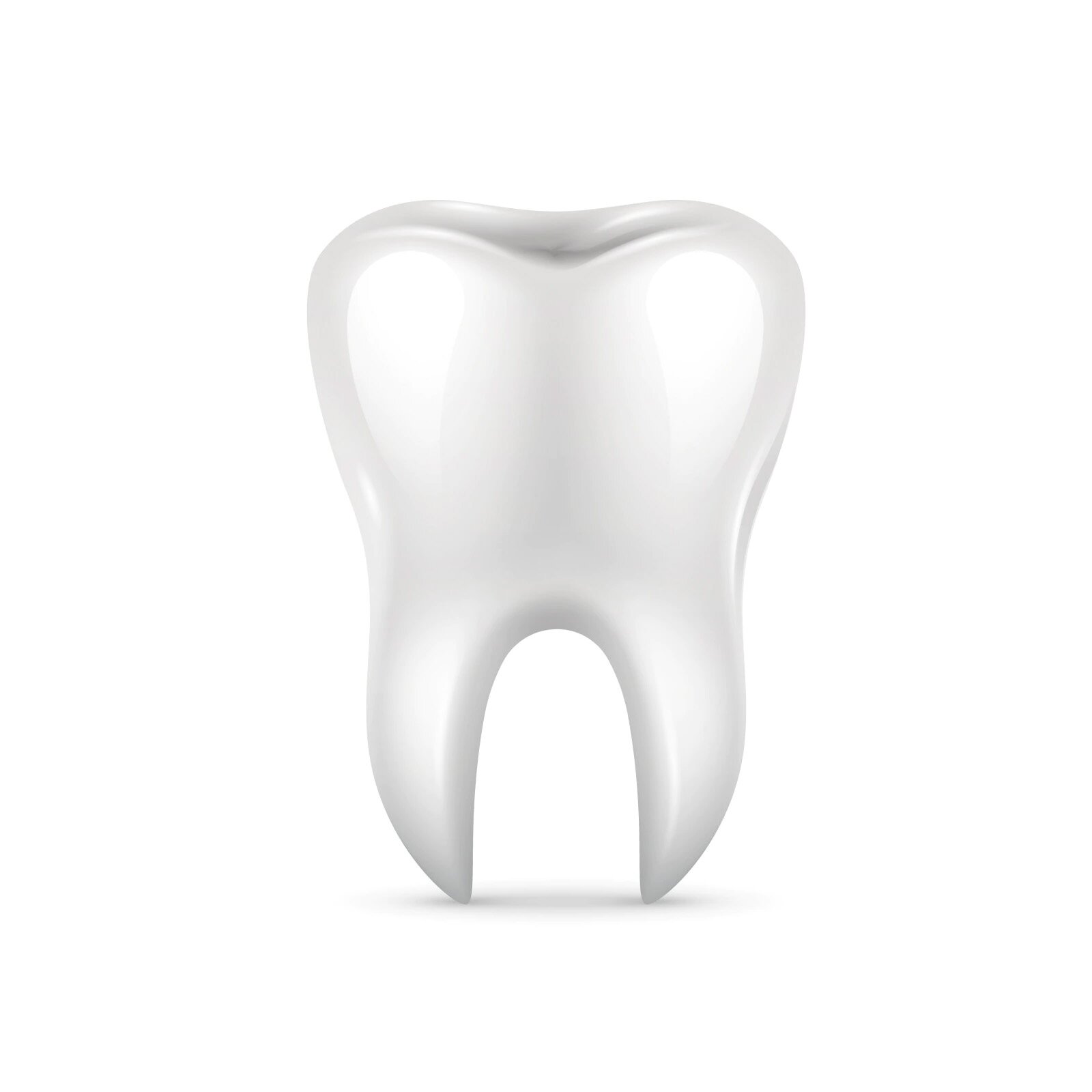
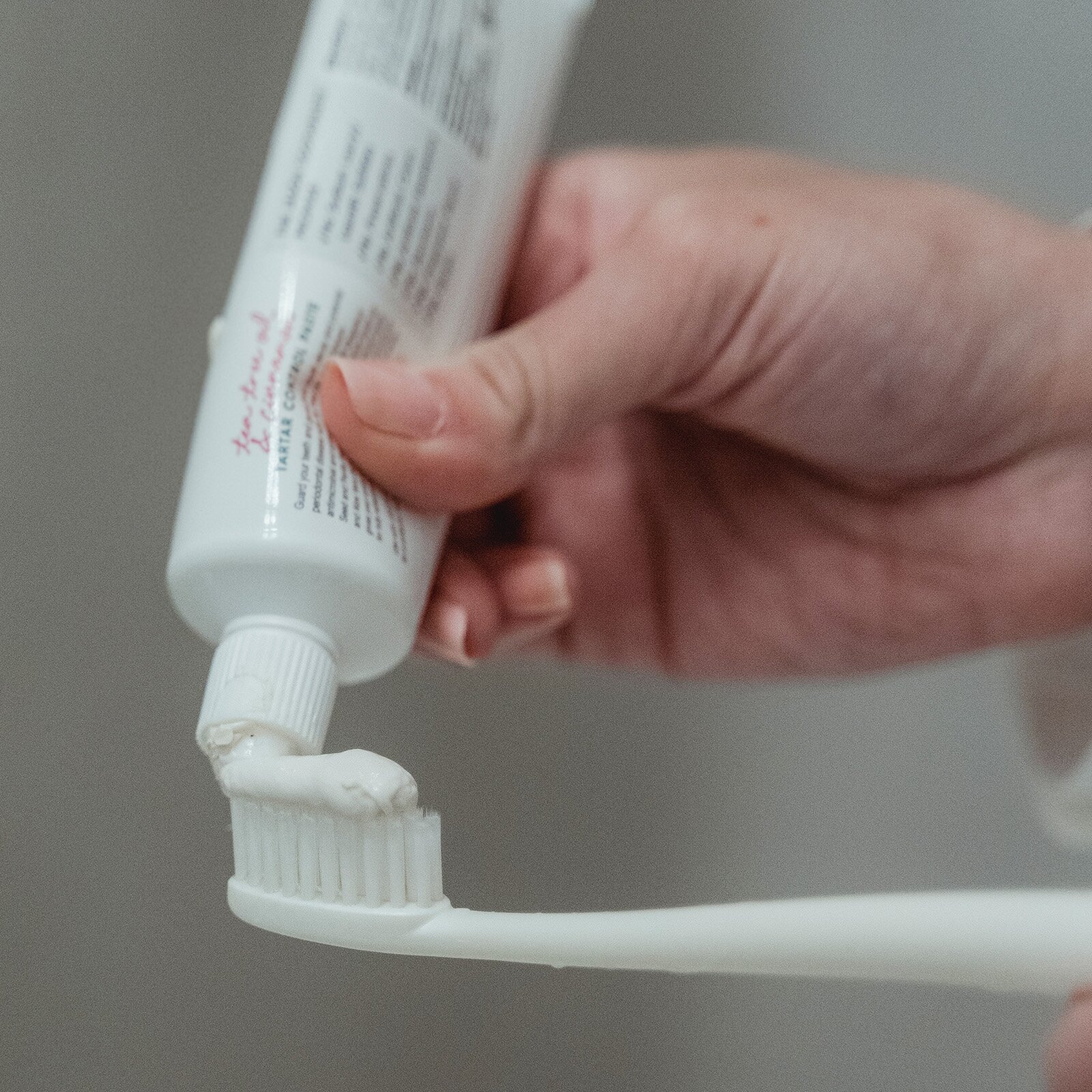
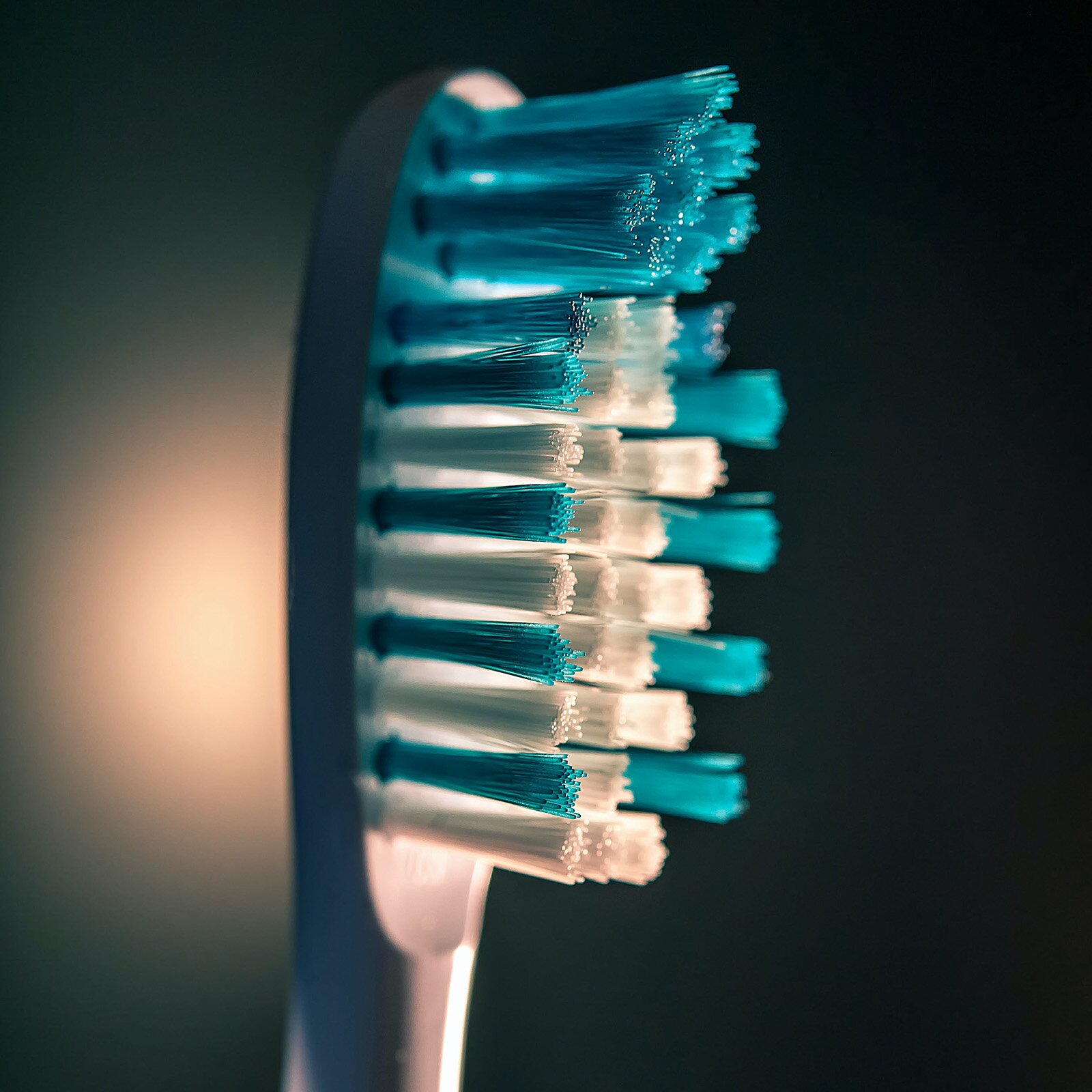
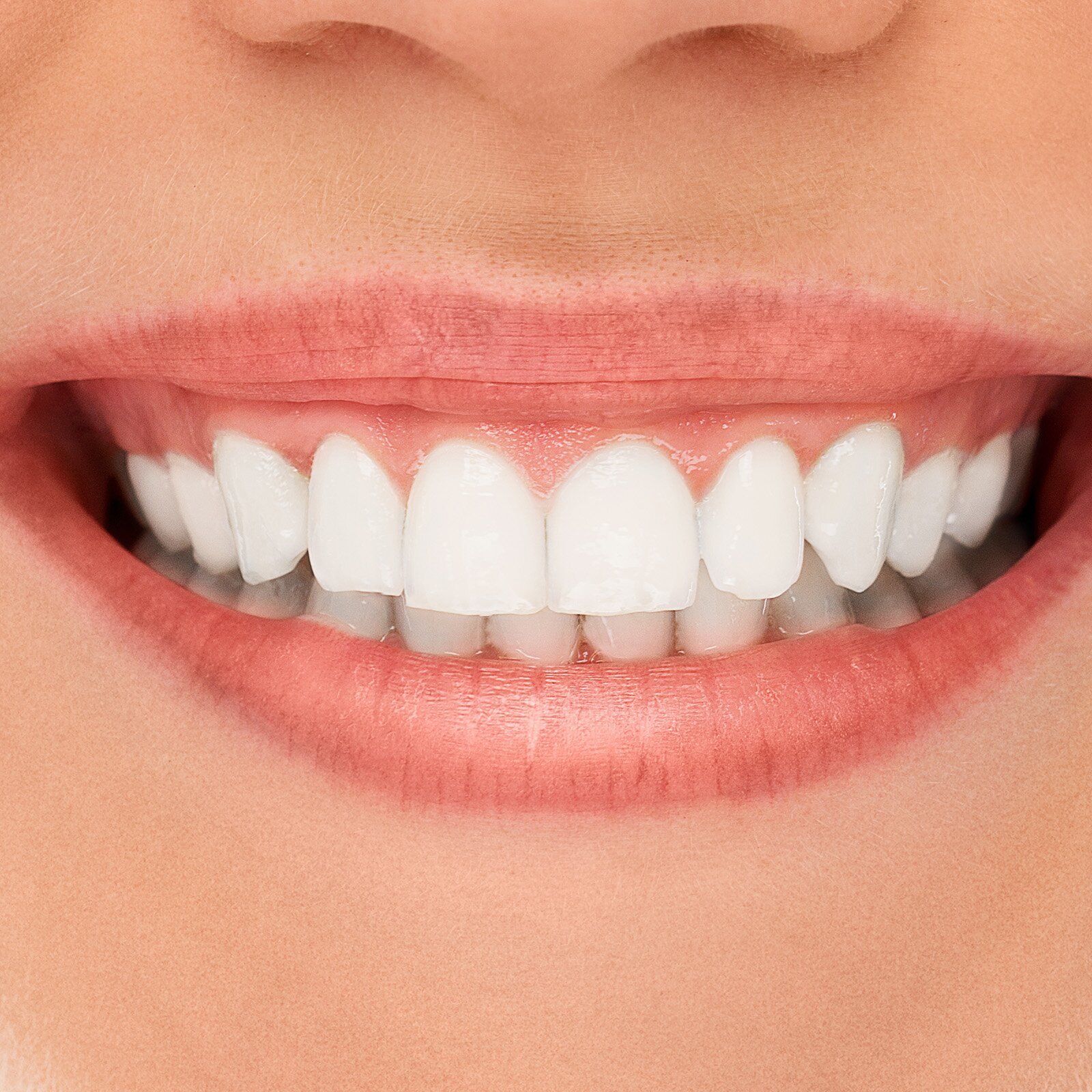
Study the sentences. Drag the word and drop in the correct place.
Zapoznaj się ze zdaniami. Przeciągnij wyraz w odpowiednie miejsce.
Play the recording and match the sentences.
Odtwórz nagranie i dopasuj zdania.
Complete the crossword.
Rozwiąż krzyżówkę.
Look at the pictures and do the crossword.
Popatrz na obrazki i rozwiąż krzyżówkę.
Drag the words to fill in the gaps.
Przeciągnij wyrazy w odpowiednie luki.
2. My toothbrush is pink and 1. soft, 2. teeth, 3. toothpaste, 4. toothache, 5. healthy.
3. I’ve got strawberry 1. soft, 2. teeth, 3. toothpaste, 4. toothache, 5. healthy, my favourite.
4. Sugar is bad for the 1. soft, 2. teeth, 3. toothpaste, 4. toothache, 5. healthy.
5. You should go to the dentist when you have a 1. soft, 2. teeth, 3. toothpaste, 4. toothache, 5. healthy.
Translate the missing words to complete the gaps in the text below.
Przetłumacz wyrażenia podane w nawiasach i uzupełnij luki w poniższym tekście.
Study the text below. From the words given, choose those that best fit gaps 6.1–6.3. Drag the right letter (A–F) next to the gap number. Three words don’t fit into any gap.
Zapoznaj się z tekstem. Spośród podanych wyrazów wybierz te, które najlepiej pasują do luk 1–3.
Przeciągnij odpowiednią literę (A–F) i umieść ją obok numeru danej luki. Uwaga! Trzy wyrazy nie będą ci potrzebne.
B. regularly
C. every day
D. once a week
E. soft
F. healthy
Hello, my name is Dorothy and I am a dentist. I keep your teeth 6.1.1. B, 2. A, 3. F, 4. D, 5. E, 6. C. You come to me when you have a toothache. But you should visit me 6.2 1. B, 2. A, 3. F, 4. D, 5. E, 6. C. It’s the best to come twice a year. You should also brush your teeth twice a day. And don’t eat too many sweets! Sugar and 6.3 1. B, 2. A, 3. F, 4. D, 5. E, 6. C are bad for your teeth!
Answer the questions about you and the dentist with one sentence.
Odpowiedz na każde pytanie jednym zdaniem.
What do you do to have healthy teeth?
How often do you go to the dentist?
Your English friend is afraid of going to the dentist. Write an email in which you:
tell him/her about your dentist;
explain him/her why he/she should visit the dentist;
inform what is good for the teeth.
Sign as XYZ.
Your reply should be between 50–120 words.
Twój przyjaciel/ twoja przyjaciółka z Anglii boi się wizyty u dentysty. Napisz e‑mail, w którym:
opowiesz mu/jej o swoim dentyście/ swojej dentystce;
wyjaśnisz mu/jej, dlaczego powinien/powinna pójść do dentysty;
poinformujesz, co jest zdrowe dla zębów.
Twoja odpowiedź powinna składać się z 50–120 wyrazów.
Napisz swoją wypowiedź w języku angielskim. Podpisz się jako XYZ.
Rozwiń swoją wypowiedź w każdym z trzech podpunktów, tak aby osoba nieznająca polecenia w języku polskim uzyskała wszystkie wskazane w nim informacje. Pamiętaj, że długość wypowiedzi powinna wynosić od 50 do 120 wyrazów. Napisz każdy z realizowanych podpunktów w oddzielnym akapicie. W ten sposób będziesz wiedzieć, czy na pewno dany podpunkt został przez ciebie wystarczająco rozwinięty (nie licząc wyrazów podanych na początku wypowiedzi).