Sprawdź się
Show exercises:
Exercise 1
Źródło: GroMar Sp. z o.o., licencja: CC BY-SA 3.0.
Exercise 2
Źródło: GroMar Sp. z o.o., licencja: CC BY-SA 3.0.
Exercise 3
Źródło: GroMar Sp. z o.o., licencja: CC BY-SA 3.0.
Exercise 4
- I hope we will … without a doctor till tomorrow.
This experience will teach you how to … your money.
a) control
b) manage
c) survive
- I love how your sunglasses … the sunlight in this photo.
When we learnt about the crash, we all … on the fate of the lost explorers.
a) reflected
b) mirrored
c) speculated
- I think you completely … the point.
He told me he had … his flight back home.
a) misunderstood
b) caught
c) missed
- Careful! There’s a … in the ground.
It’s so much cheaper when you can … costs.
a) crack
b) split
c) share
- She drove slowly and carefully, as she was … of the poor road conditions.
In today’s turbulent times, everybody should be politically …
a) aware
b) mindful
c) involved
Źródło: GroMar Sp. z o.o., licencja: CC BY-SA 3.0.
Exercise 5
- It took us four hours Tu uzupełnij(aby dotrzeć do miejsca przeznaczenia).
- While travelling, it is important to Tu uzupełnij (ufać swojemu przeczuciu), but it will also help you in everyday life.
- I suffer from Tu uzupełnij (chorobę lokomocyjną), so travelling by bus or by boat is a nightmare for me.
- As the museum was Tu uzupełnij (w niewielkiej odległości) from our hotel, we decided to go there Tu uzupełnij (pieszo).
- Tu uzupełnij (Podróżowanie koleją) is what I like most, I just love listening to the rhythmical rattle of the train.
- When she decided on a solo journey to Spain, it meant Tu uzupełnij (wyjście ze strefy komfortu) and doing something extraordinary.
- We never fight during our trips together because we have Tu uzupełnij (podobne podejście do) travelling.
- Travelling teaches you good planning but also Tu uzupełnij (zarządzania swoimi finansami) wisely.
Źródło: GroMar Sp. z o.o., licencja: CC BY-SA 3.0.
Exercise 6
a) buddy
b) backpacker
c) hitchhiker
d) companion
2. Which words have something to do with thinking?
a) asset
b) bear in mind
c) reflect
d) consider
3. Which expressions mean the same?
a) travel by air
b) travel by rail
c) travel by sea
d) travel by train
4. Which ways of travelling involve using a road vehicle?
a) hitchhike
b) travel by bus
c) travel by boat
d) travel by coach
5. Which of the words refer to places?
a) itinerary
b) departure lounge
c) taxi rank
d) destination
6. Which adjectives are often seen on information boards at airports?
a) air-conditioned
b) delayed
c) immersed
d) cancelled
7. Which adjectives have a positive meaning?
a) approachable
b) intimidated
c) glorious
d) delayed
Źródło: GroMar Sp. z o.o., licencja: CC BY-SA 3.0.
Exercise 7
Write the answer (4‑6 sentences) to the question below.
Why do some people choose to travel alone while others prefer to travel with friends?
Źródło: GroMar Sp. z o.o., licencja: CC BY-SA 3.0.
Exercise 7
Describe the picture in 4–6 sentences.
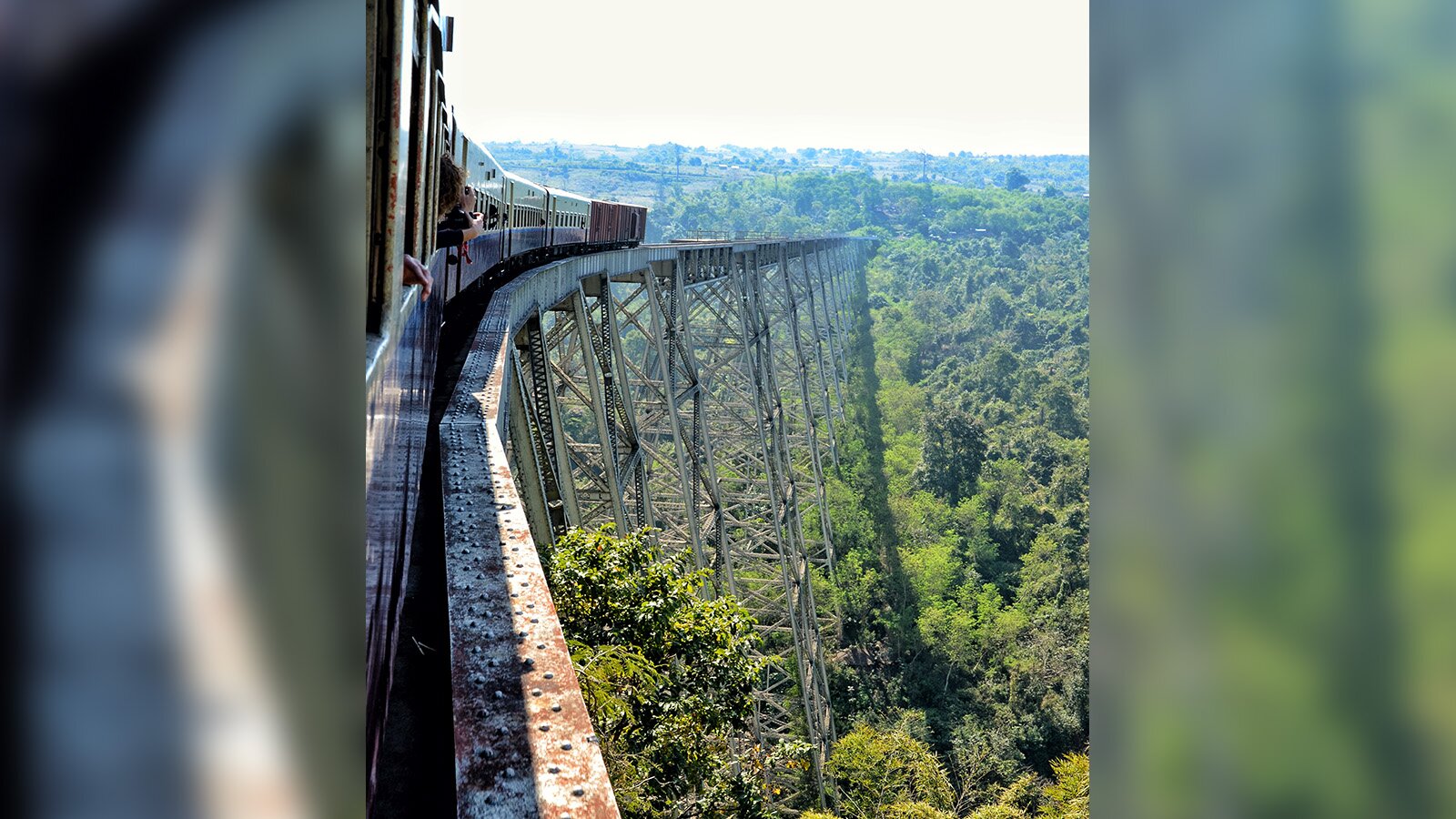
Źródło: dostępny w internecie: www.unsplash.com [dostęp 26.01.2022], domena publiczna.
Źródło: GroMar Sp. z o.o., licencja: CC BY-SA 3.0.
Exercise 8
You are planning to go on a tour of Europe with a group of friends. Write an email to them (100–150 words) and:
invite your friends to join you;
explain what your plans are;
give details about planned means of transport and accommodation;
ask your friends to inform you about their decision.
Źródło: GroMar Sp. z o.o., licencja: CC BY-SA 3.0.