Stem
plants have a tissue structure;
the root absorbs water from the soil together with mineral salts;
the stem mediates the exchange of substances between roots and above‑ground organs.
describe basic functions of the stem;
distinguish different types of stems;
present the function of modified stems.
Stem functions
The stemstem is an element of the shoot, above‑ground organ of the vascular plant. It combines roots with leaves, flowers and fruits. The stems transport water and mineral salts collected by the roots and organic compounds produced in the leaves during photosynthesis. These substances reach all parts of the plant via the conducting tissues located in the stem and its branches. The stem keeps leaves, flowers and fruits in the right position. The leaves on the stems are arranged in such a way as to absorb as much light as possible. Flowers and fruits are often formed on the tops of the stems. Thanks to this, pollen and mature seeds of plants pollinated and spread by the wind can be transferred to larger distances than if they were produced close to the ground. In many of the angiosperm plants, the stem is used for asexual (vegetative) reproduction. This means that (in appropriate conditions) its fragment can produce roots and transform into an independent plant. The stems also act as storage organs. Plants of various species accumulate in them nutrients or water, enabling survival in difficult conditions.
Demonstration of water flow in a plant.
three glasses,
water,
scissors,
a few white flowers of the same species (carnations, daisies, roses or freesias),
food dyes.
Fill the glasses halfway with water.
Add the blue dye to one, red to the second, and green to the third to make the colours intense.
Put a few flowers in each glass.
Cut the flower stems diagonally, keeping them under water so that the air does not get into them.
Leave the flowers in the coloured water for two days.
If there are tissues specialized in water conduction in the plant, the flowers should change their colour when exposed to the dye in the water.
External structure of the stem
Stems can take many forms, from powerful tree trunks, through thin stems of vines, to underground tubers. This is due to the diversity of conditions in which plants live and the length of their lives. Regardless of the shape and function of the stem, we find nodesnodes, internodesinternodes and budsbuds. At the top of the stem there is an apical bud, in which a shoot apical meristem is hidden by the budding leaves. Thanks to the meristematic tissue present in it, the plant grows to length. Below the apical bud from axils grow the axillary buds (named also lateral buds). They may contain initials of flowers (flower buds) or shoots (shoot buds). As it grows the main shoot from the flower buds develop flowers and from the shoot buds, shoot branches. Leaf buds which contain leaf initials produce leaf. The bud seating areas are called nodes. Leafless sections between them are internodes. The number and length of internodes determines the height of the plant.
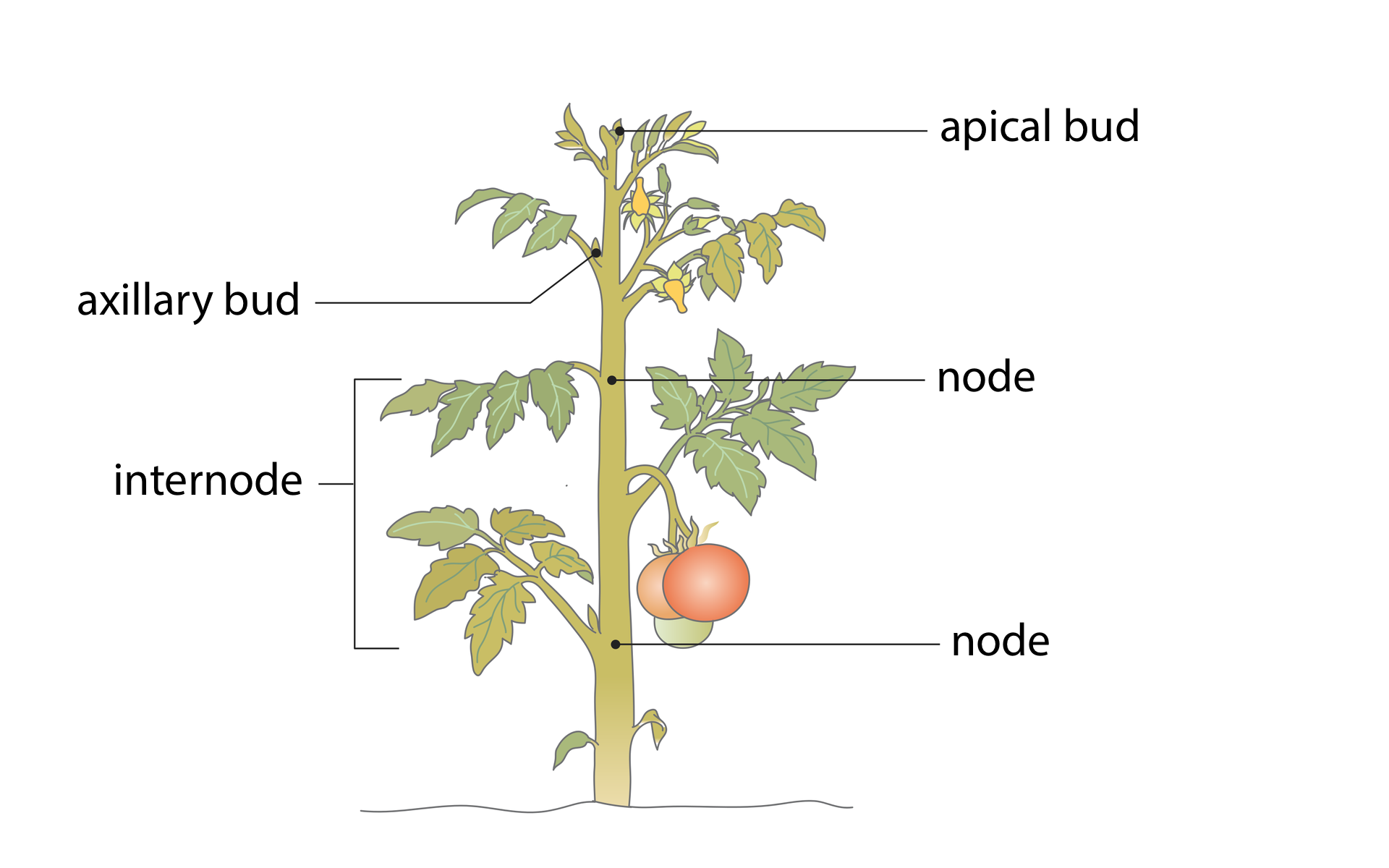
Identify and name the parts of the stem shown in the illustration.
Types of stems
The great variety of stem and stem structure in seed plants results from the various functions that these organs perform. Due to the structure and durability of the stems, herbaceous stems and woody stems are distinguished.
Herbaceous stem are delicate and flaccid, as they contain little supporting tissues. Under their thin woody stem there is parenchyma with chloroplasts giving them a green color. These stems grow mainly in length, their growth in thickness is insignificant. They are unstable and die for the winter. We meet them in many plants, such as poppy field, wheat, bean, astra, daisy.
Trees and shrubs have woody stems. Thanks to the secondary increase in thickness from year to year, these stems increase their circumference and take the form of massive stems. They have strongly developed wood - the vascular part of the conducting tissue. From the outside they are covered with a cork forming a bark. Such a construction ensures plants longevity and resistance to adverse environmental conditions.
Plants most often have raised stems that rise straight up. They are allowed by the presence of reinforcing tissue and wood elements of the conductive tissue. Some plants produce slender and long stalks that crawl on the ground. Stalk - mainly refers to elongated stems, e.g. grass blades (grass‑stalk). It is used to describe the stalk that attaches the leaf blade to the stem (leafstalk, petiole) and fragments of the stalk that support flowers (flower stalk, pedicel). From such stems, apart from the leaves, the adventitious roots may also grow, which the plant attaches to the substrate. Other plants have winding stems that climb towards the light, wrapping around the supports or attaching themselves to them with the help of tendrils or pulvillus.
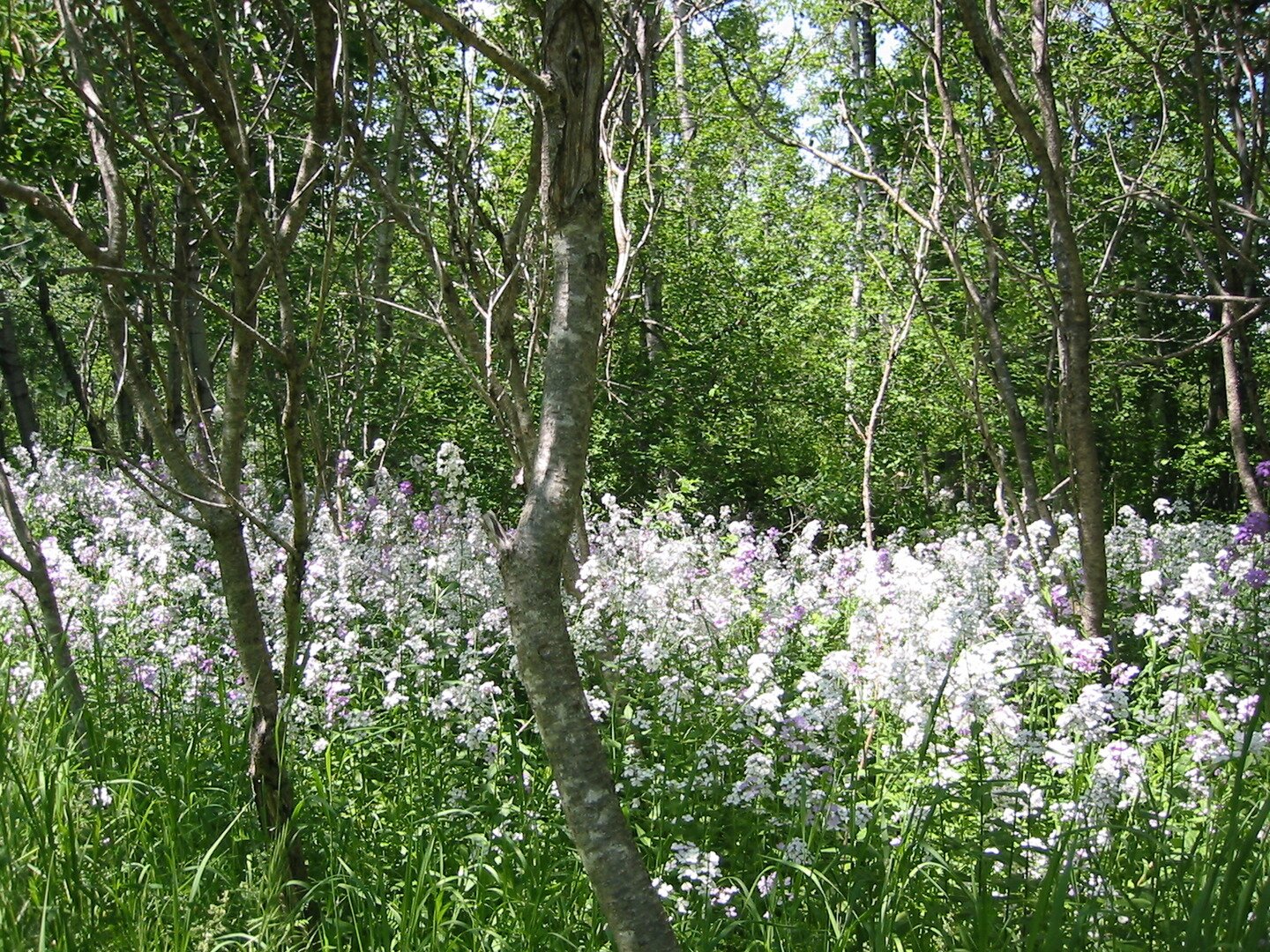
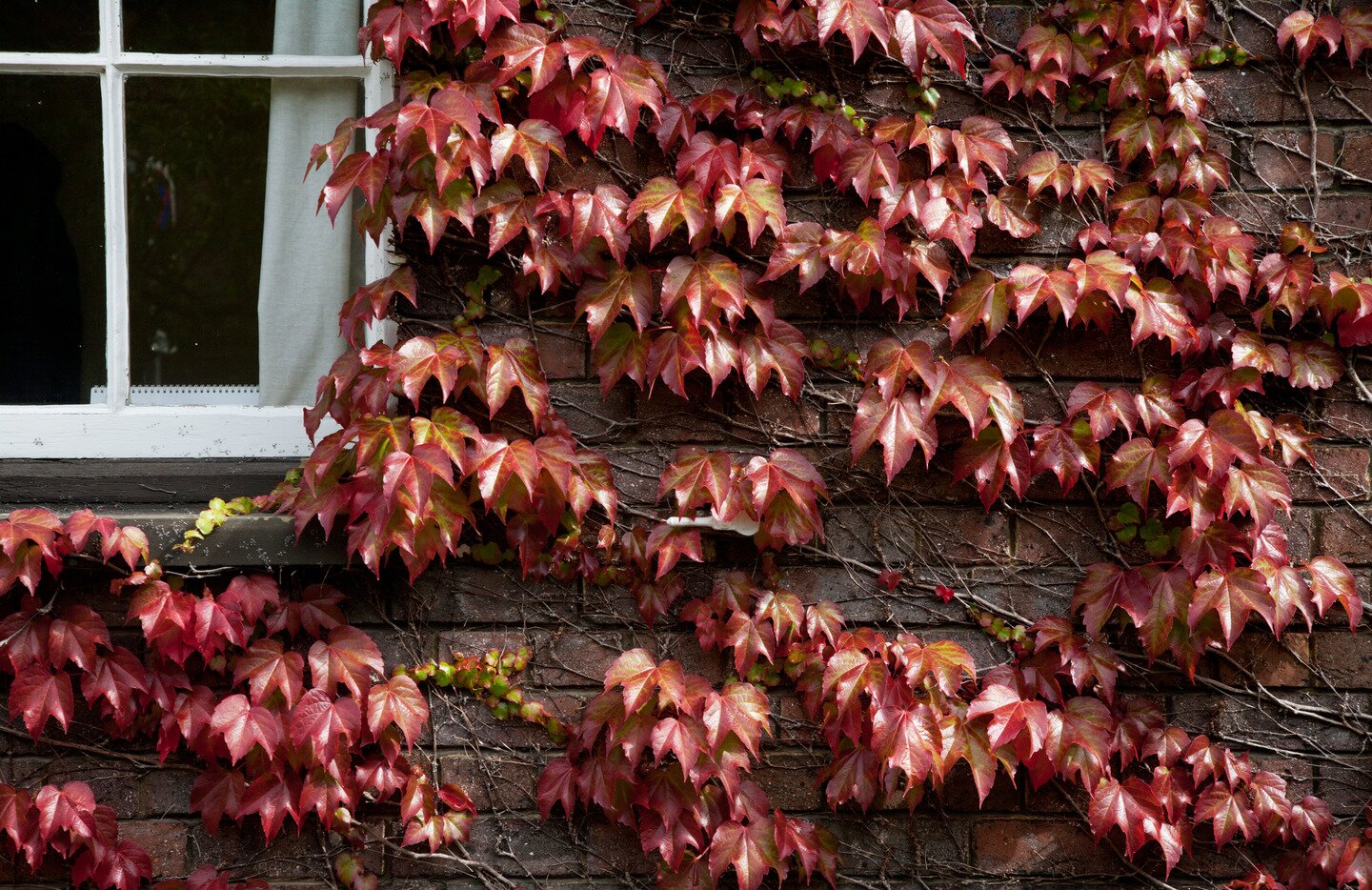
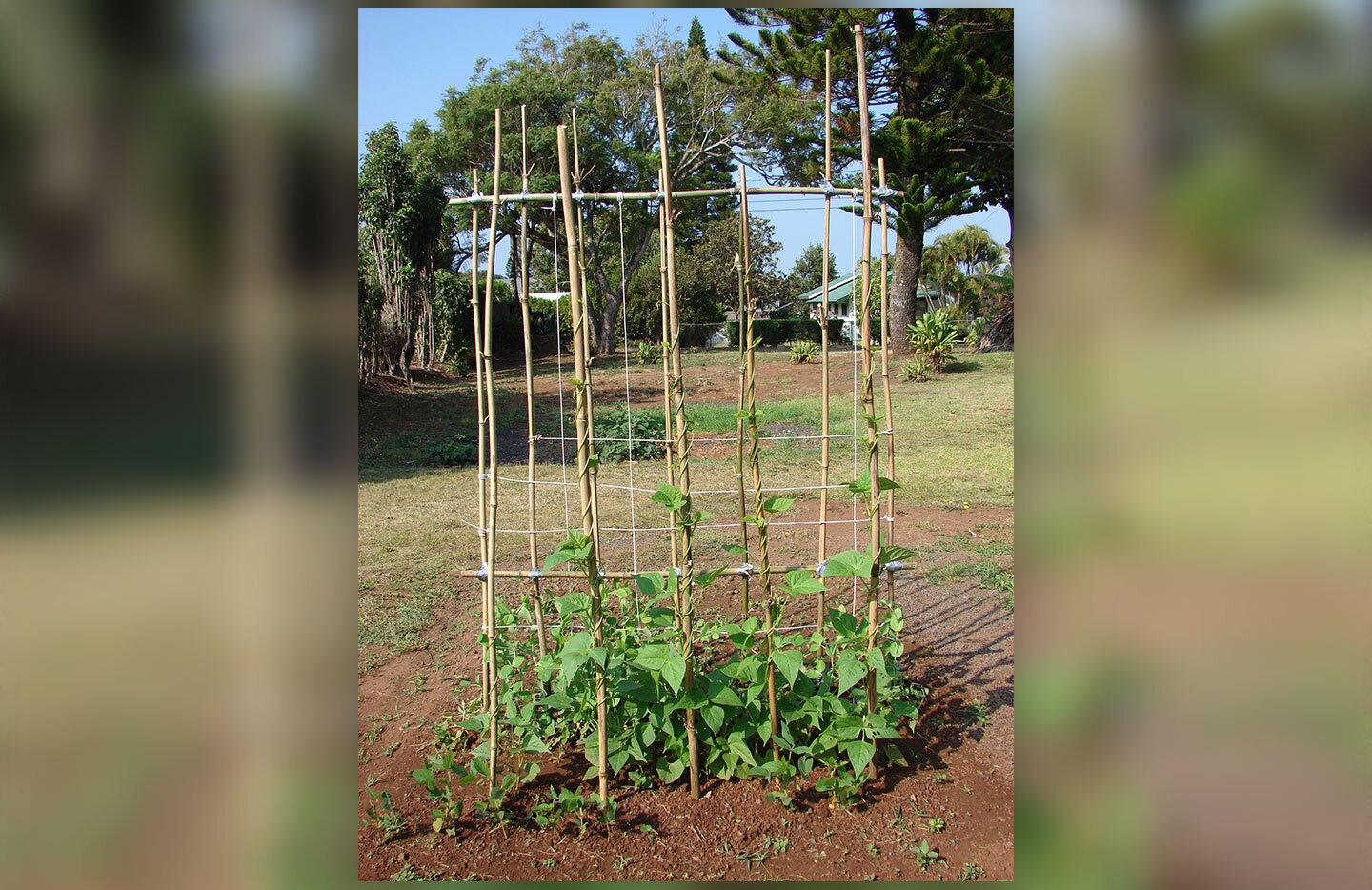
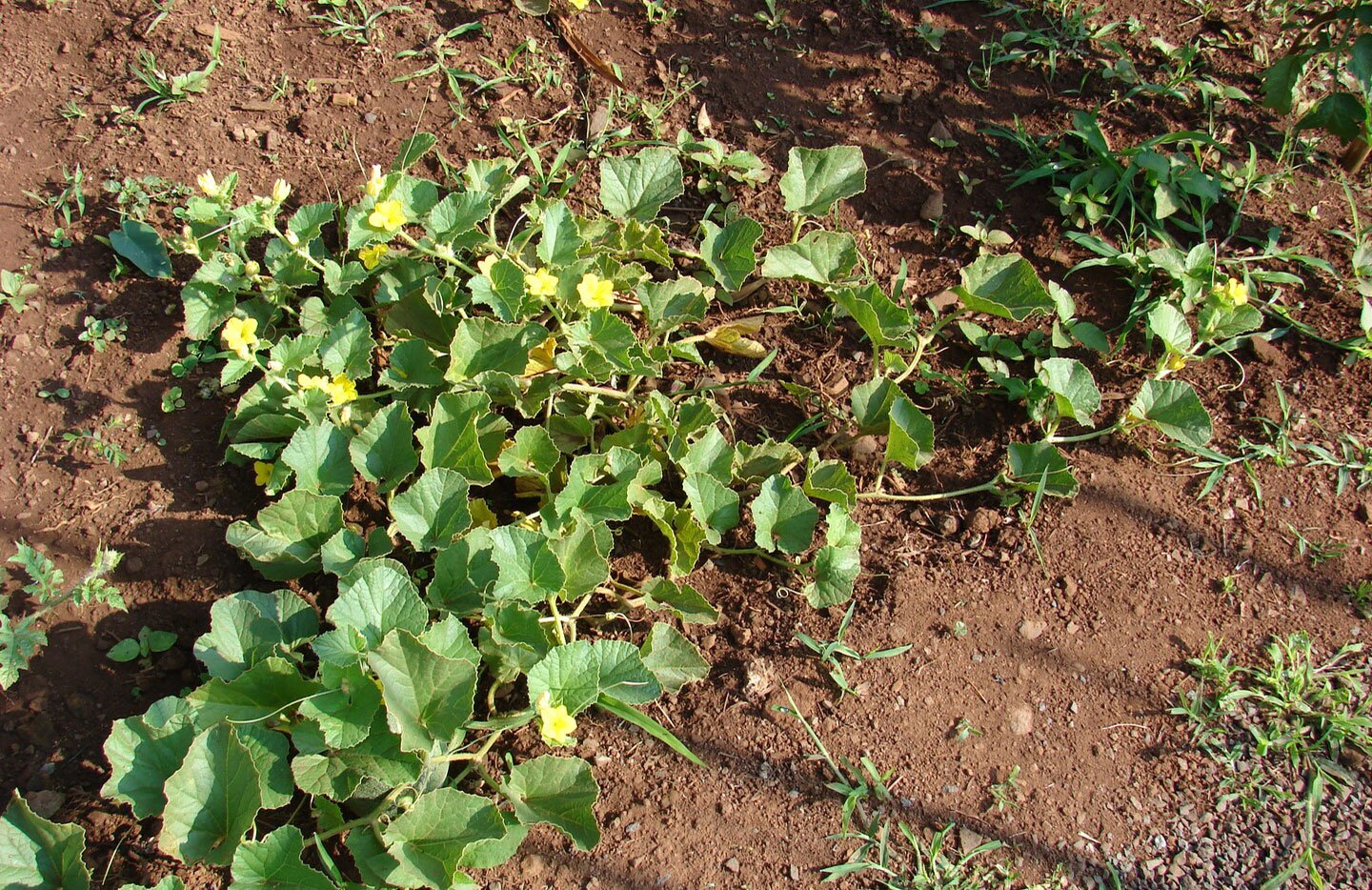
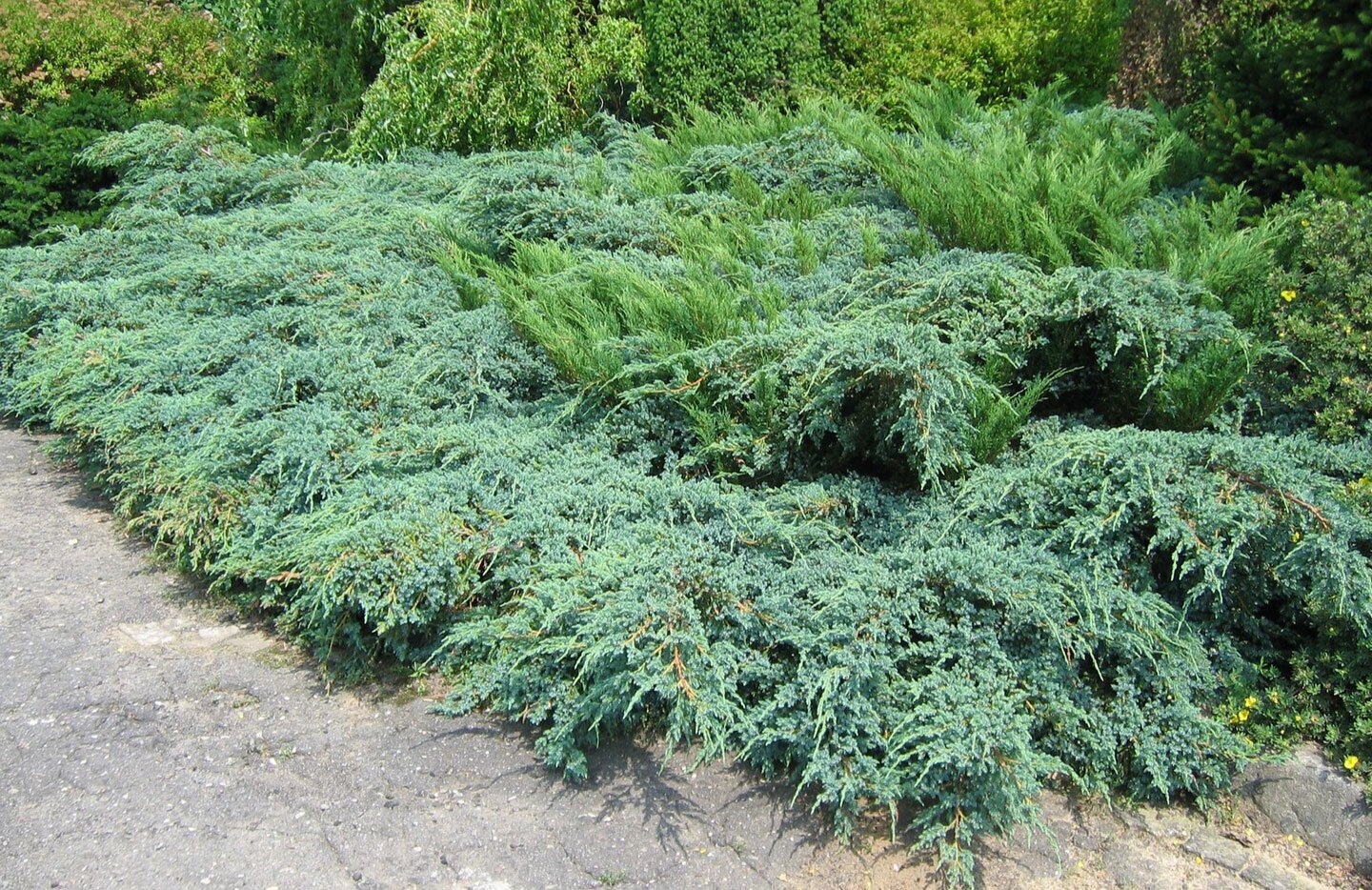
Identification of stem adaptation to fulfil life functions.
lupine or tomato stems,
grass or bamboo stems,
bindweed or ivy stems,
potato or kohlrabi bulbs,
couch grass or iris rhizome,
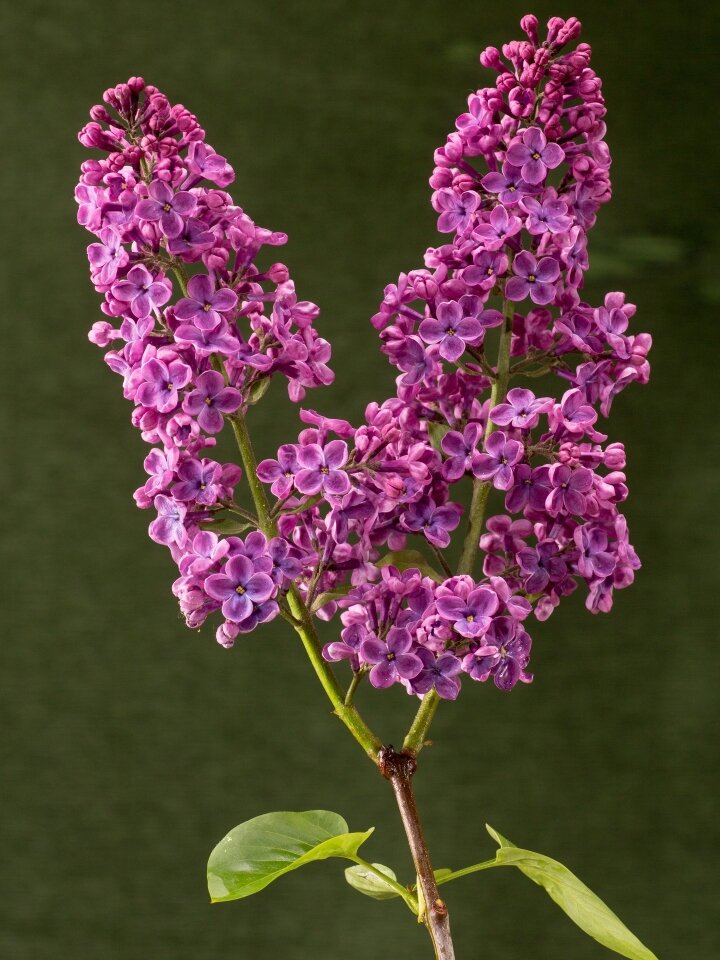
branches of robinia (acacia), lilac or jasmine, forsythia or a different deciduous shrub.
Look at the prepared plant stems; pay attention to their colour, shape, thickness and length.
Observe what the surface of the stem looks like.
Divide the stems into herbaceous and woody ones.
Indicate which of the stems have storage functions.
Distinguish plants whose stems are long and winding.
Distinguish underground and above‑ground stems.
Indicate those structural features of the observed stems that allow them to perform other functions than mechanical and conductive.
Diversification of stem structure of different plants indicates that they are adapted to the environment in many different ways.
Stem modifications
Stems, and often whole shoots, can have unusual shapes. This is the result of adaptation to perform different functions depending on the conditions of the environment in which they live.
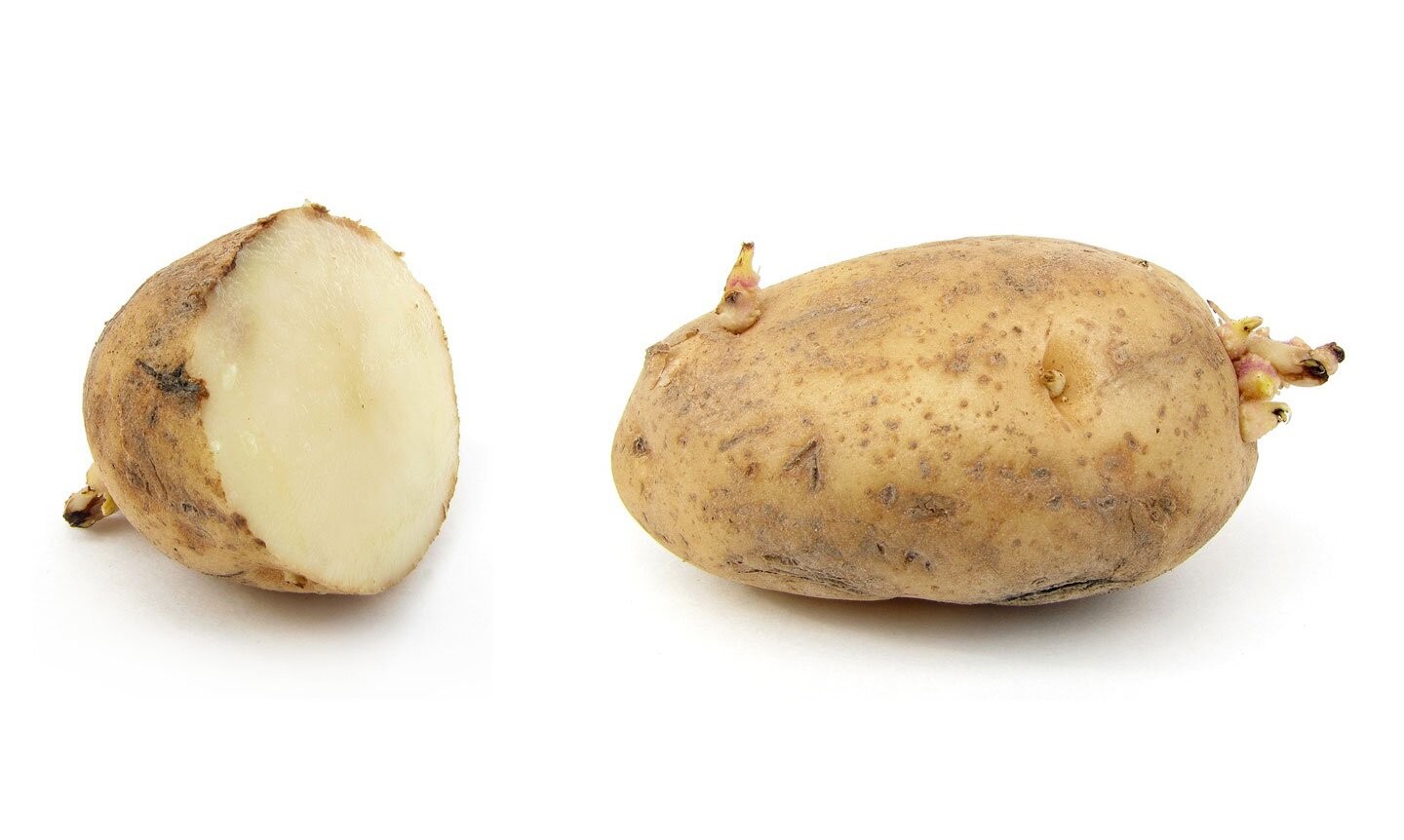
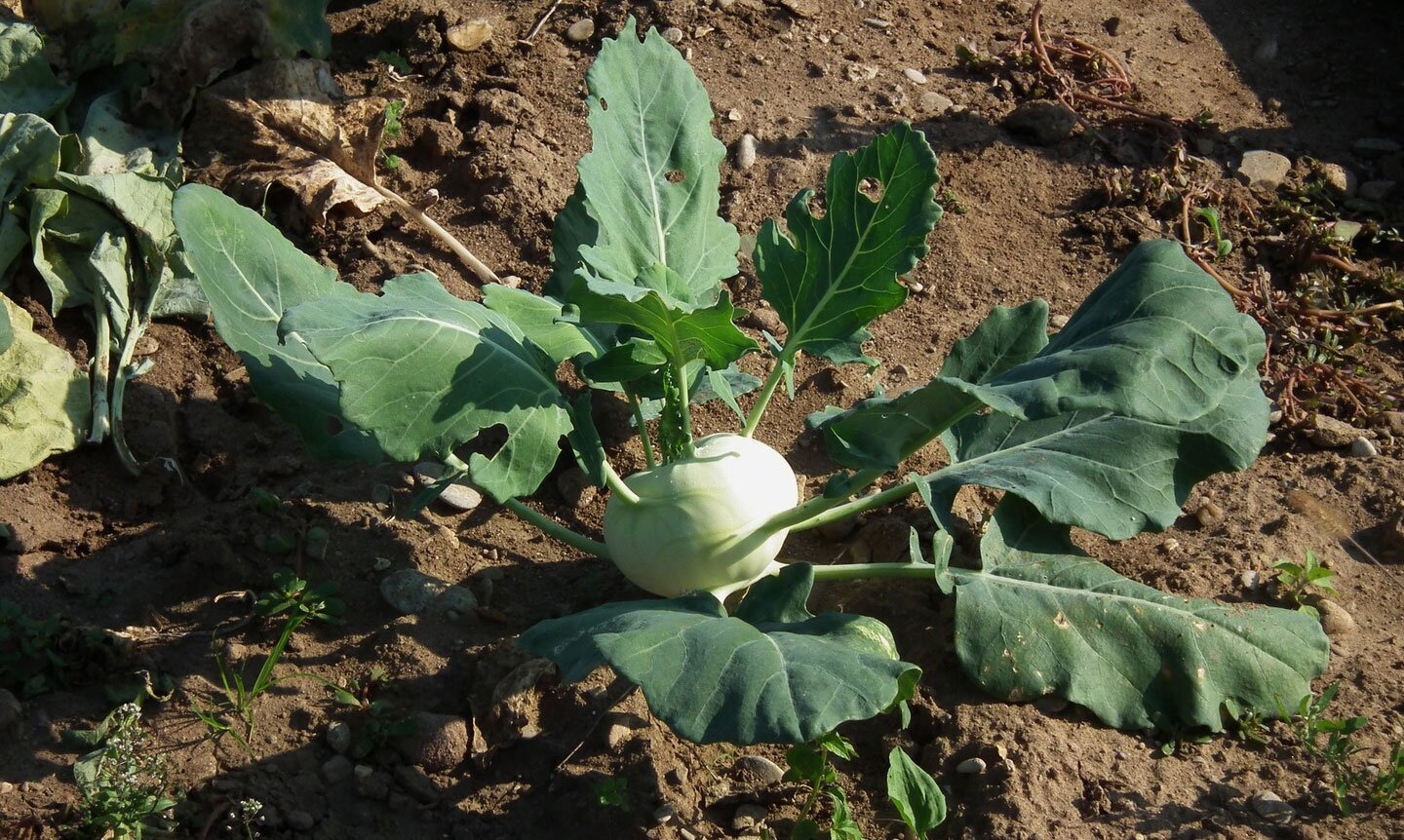
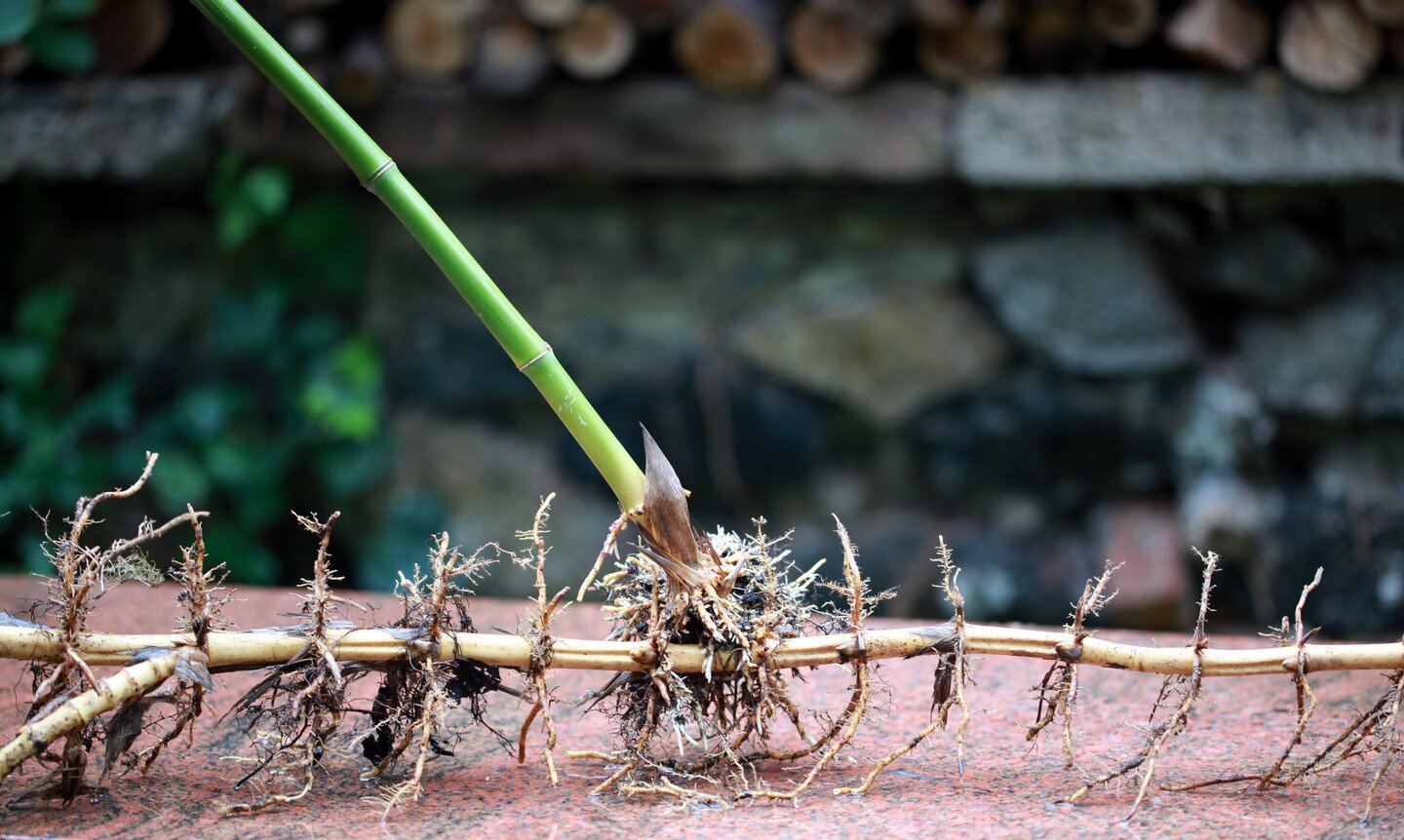
Modified stems are, for example:
tubers, strongly shortened and thickened underground shoots, filled mainly with granula parenchyma tissue; they are also used for asexual reproduction; on the tubers there are buds from which aerial shoots grow under favorable conditions; tuber producing plants include perennialsperennials: potato, Jerusalem artichokes;
runners, elongated stems of plants creeping on the earth's surface; after the stem plant has died or separated from it, it becomes an independent plant; the main function of runners is therefore asexual reproduction; examples of plants that produce runners are: strawberries, wild strawberries, root bugling;
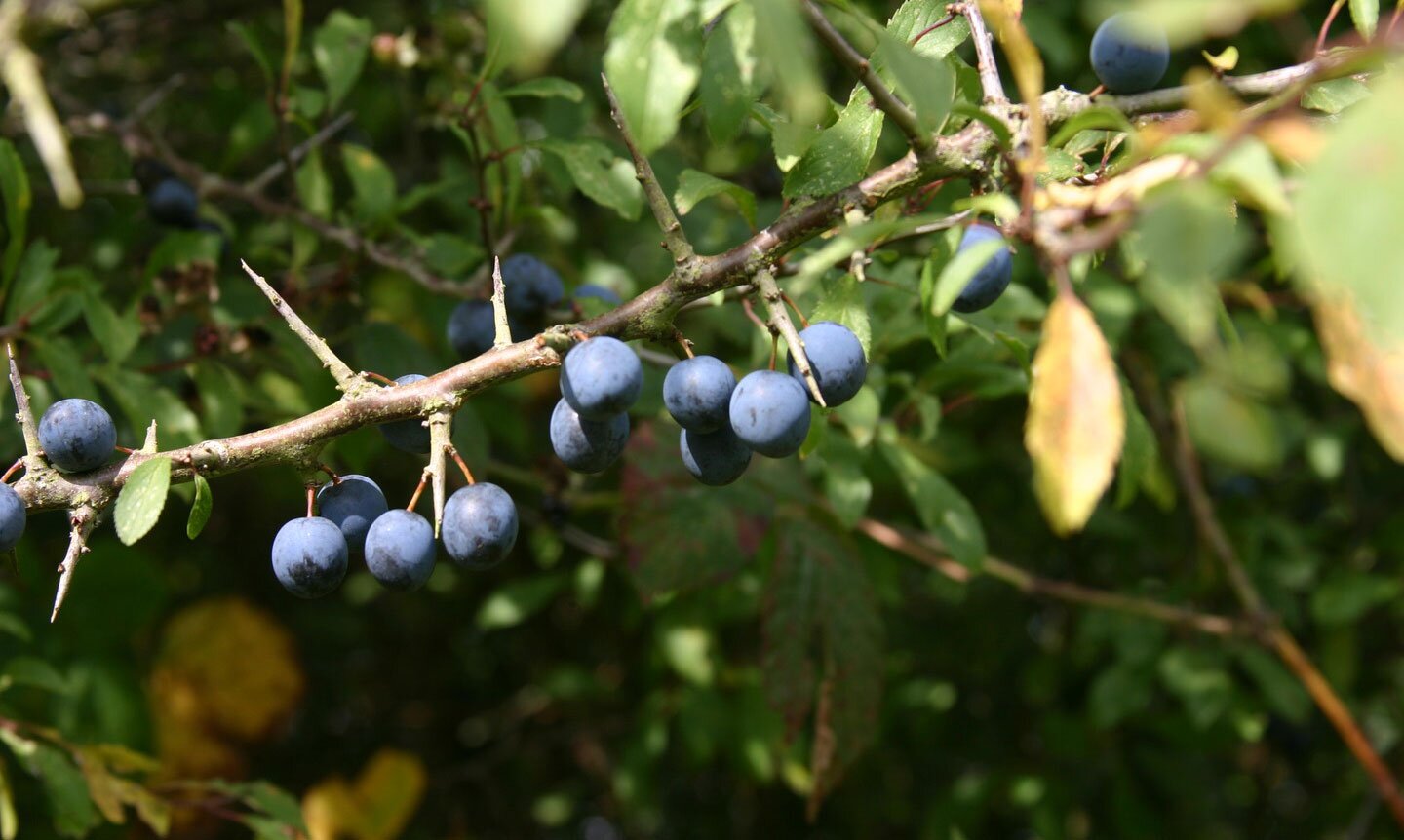
thorny shoots, short, sharp tips and strongly ligaments that are side shoots of the plant; have their own conductive beam that connects them to the main shoot - for this reason it is difficult to break them off the plant; thorns protect plants from being eaten by herbivorous animals, they are characteristic of plants inhabiting typically dry environments, they occur in sloe, locust;
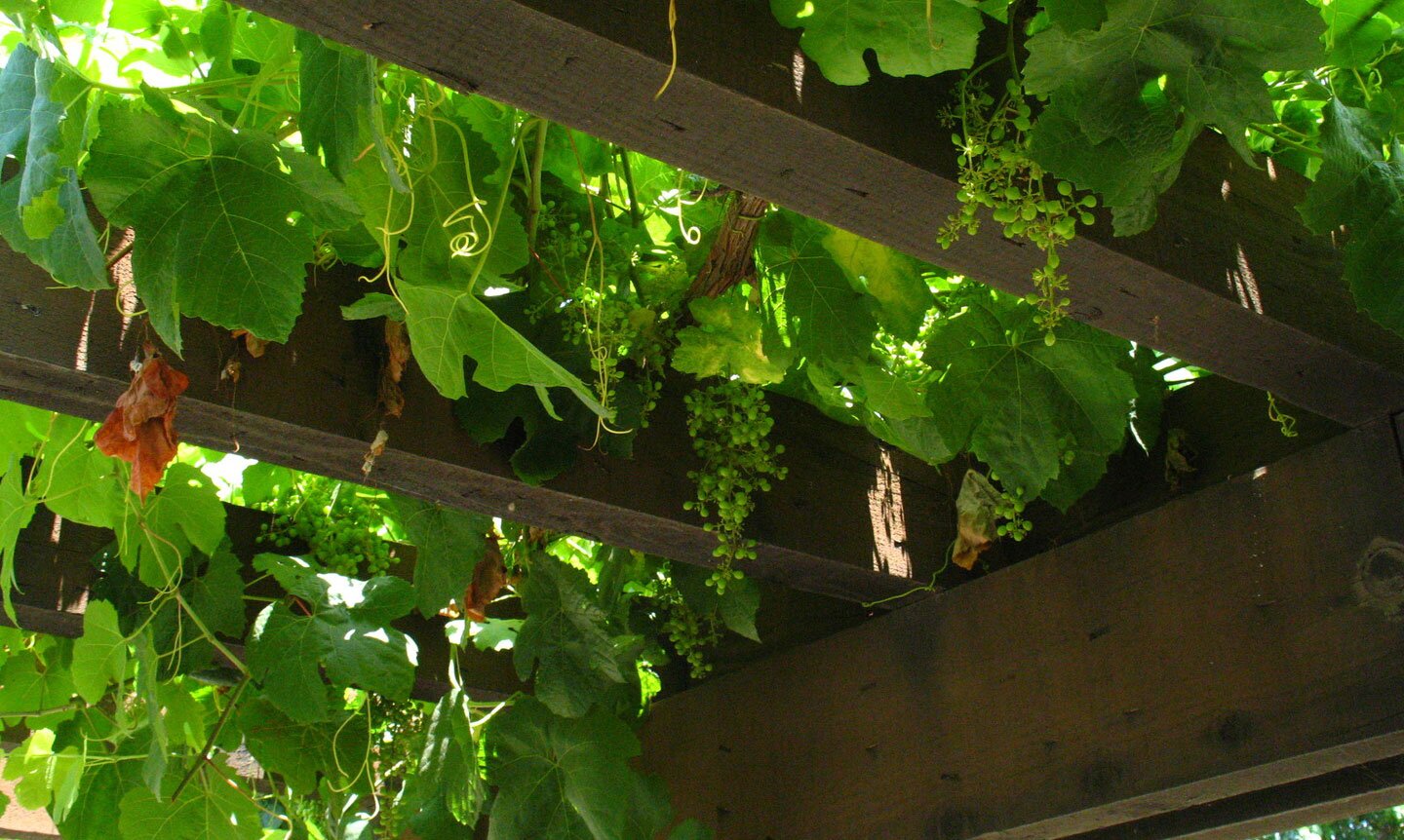
shoot whiskers, stems on which residual leaves and flowers may occur; these thin and flaccid clinging organs, which, when touched, wrap around the support, are found, for example, in vines.
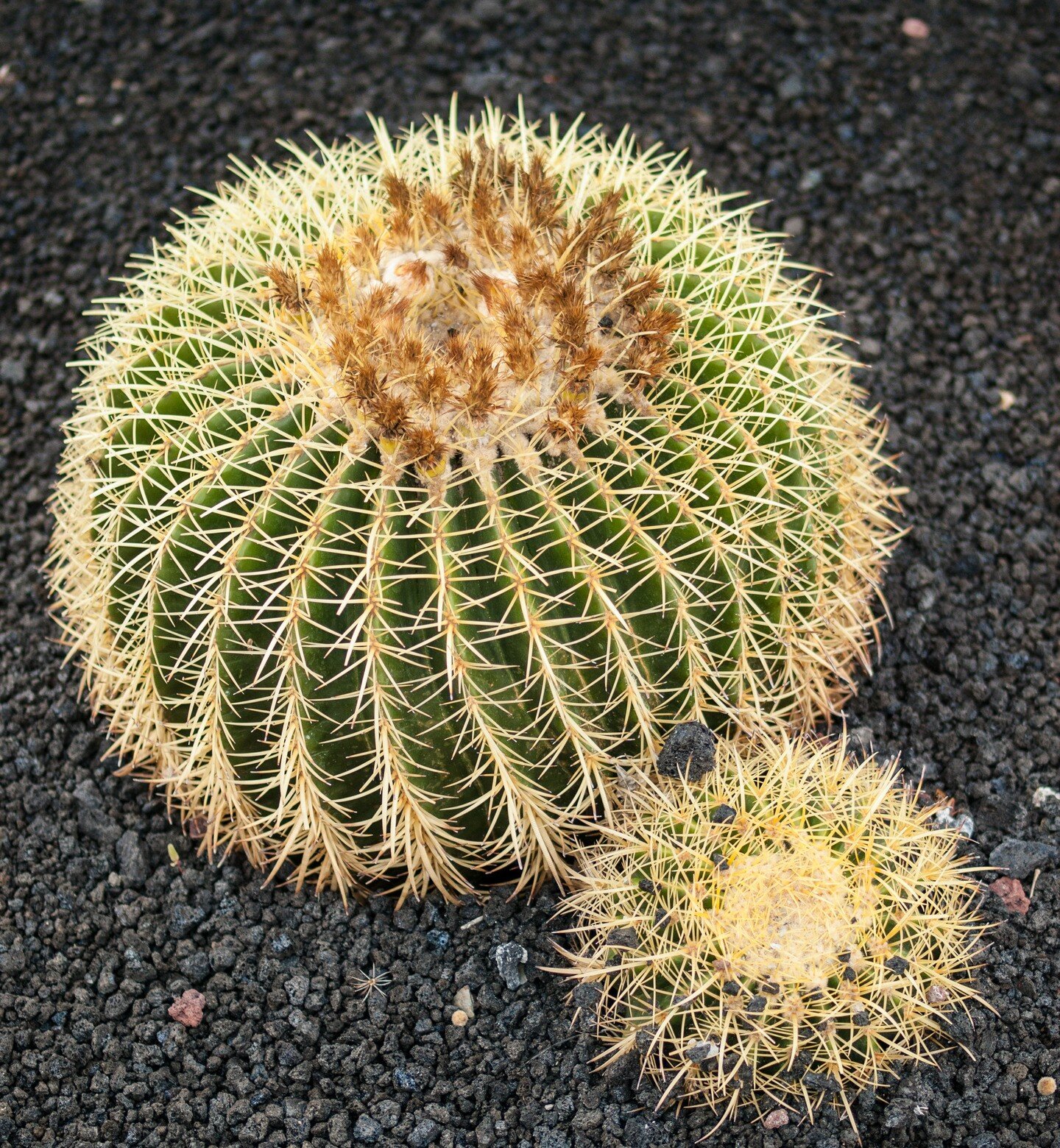
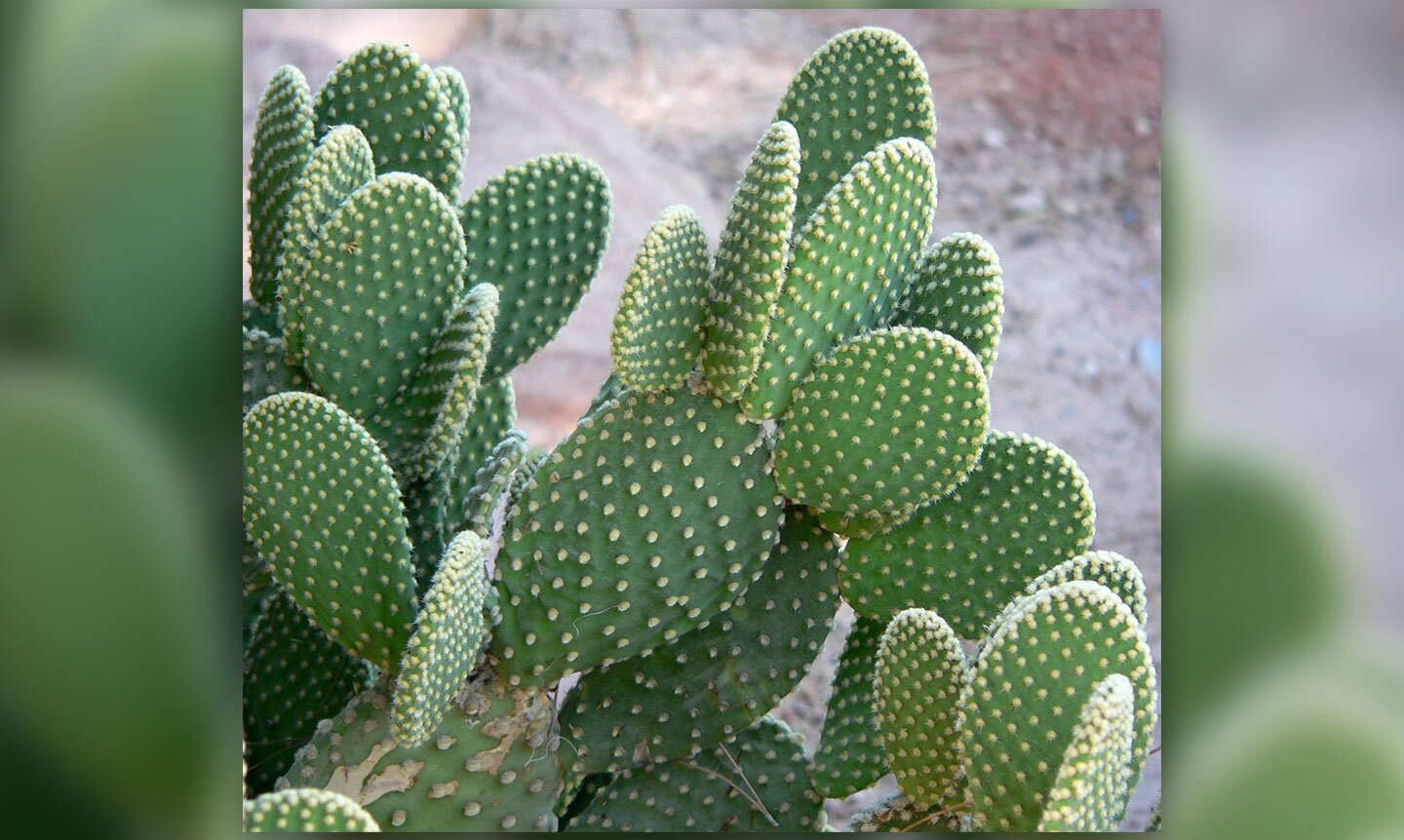
cladods, green, flat stems of hygrophobes, which have taken assimilation functions, because their leaves have disappeared or have been reduced, in cacti, e.g. opuntia, the stems have become like leaves, and these have turned into thorns, the green stem plays a double role: runs photosynthesis and collects water in the parenchyma aquifer.
Complete the sentence. In the growing point there is meristem, thanks to which the plant grows in...
- length.
- thickness.
- width.
Mark the examples of plants that have green stems
- poppy
- wheat
- beans
- daisy
- heather
- lingonberry
- lilac
Match the examples of the plants with the different types of stem modifications:
blackthorn, false acacia, potato, Jerusalem artichoke, sweet potato, grapevine, Virginia creeper, cactus, prickly pear, wild strawberry, strawberry
| tuber | |
| runners | |
| thorns | |
| tendrils | |
| phylloclades |
Summary
The stem and the leaves form the above‑ground part of the plant called the shoot.
The stem holds the leaves, flowers and fruits, and it is responsible for the transport of substances and asexual reproduction. It can also have storage and assimilation functions.
Differences in the structure of plant stems are related to the functions performed by these organs.
Name basic functions of the stem;
Describe what plant functions can modified stems have. Give examples of such plants.
Keywords
stem, wood, shoot
Glossary
bylina – roślina zielna, która żyje dłużej niż dwa sezony wegetacyjne; posiada zwykle spichrzowe podziemne pędy, w postaci których spędza zimę
łodyga – organ rośliny, na którym znajdują się liście, kwiaty i owoce; przewodzi wodę z solami mineralnymi z korzeni do liści i substancje pokarmowe z liści do korzeni; pełni rolę spichrzową; służy do rozmnażania wegetatywnego
międzywęźla – długie odcinki pędu między jego węzłami
pąk – zawiązek pędu, liścia lub kwiatu zlokalizowany na szczycie pędu lub w kątach liści
węzły – miejsca pędu, z których wyrastają liście