The Age of Reason (or ‘an enlightened Europe’)
you will discuss the most important historic events of European EnlightenmentEnlightenment
you will explain the origins of the era’s name
you will indicate the advantages and disadvantages of enlightened absolutism
you will discuss attitudes towards God in the Enlightenment and to understand the differences between them (theismtheism, atheismatheism, deismdeism)
Before the lesson
Search for any information on the French Revolution and its motto: Liberty, equalityequality, fraternityfraternity!
An Introduction to European Enlightenment
The Enlightenment followed the Baroque period. France is considered the motherland of the Enlightenment, where as early as in the 17th century (political, social, artistic) ideas emerged, which spread across Western Europe. The cultural centre of gravity shifted to the river Loire, thus forcing Italy to cease being Europe’s cultural hub.
Enumerate your associations with the word enlightened.

The name enlightenment suggests that darkness prevailed beforehand. It also suggests that those who lived in the darkness could not „see” the real light. It finally suggests that the Europeans were doomed to such a fate in the Baroque period. So what does enlightenment mean? Immanuel Kant was one of the greatest philosophers from the Enlightenment who defined it.
Read Kant's answer to the question – What is Enlightenment? – and explain what immaturityimmaturity means according to him. Search for synonyms that could replace this word.
Odpowiedź na pytanie: Czym jest Oświecenie?Oświecenie to wyjście człowieka z zawinionej przez niego niedojrzałości. Niedojrzałość jest nieumiejętnością w posługiwaniu się własnym rozumem bez przewodnictwa innych. Niedojrzałość ta jest zawiniona przez człowieka, jeśli jej powód tkwi nie w braku rozumu, ale zdecydowania i odwagi, by swym rozumem posługiwać się bez zwierzchnictwa innych. Sapere aude! Odważ się posługiwać własnym rozumem! – oto maksyma oświecenia.
Source: Immanuel Kant, Odpowiedź na pytanie: Czym jest Oświecenie?, [w:] tegoż, Rozprawy z filozofii historii, tłum. Tomasz Kupś, Kęty 2005.
Before the name enlightenment was eventually established, people from those times described the era in various ways, e.g. the age of reason.
A trend that originated in France, it engulfed almost the entire continent. It was also in France where the model of power known as – enlightened absolutism prevailed, which turned out to be of paramount importance in that era. It was a state systemsystem, where a king (emperor) ruled single‑handedly over the administration of the state, but at the same time granted certain liberties to the society, e.g. religious tolerance. The centralisation of power was accompanied by the expansion of the state apparatus, which fell under the authority of a ruler.
In pairs, discuss the advantages and disadvantages of enlightened absolutism.

A Letter Concerning Toleration, published in 1689, by English philosopher John Locke heralded the era. Tolerance is one of the most important values of the Enlightenment. Locke claimed that forcing religion upon the people is pointless since nobody can truly believe when ordered to do so.
Three different attitudes towards God's existence emerged in the Enlightenment. Study them by reading the information in the following picture.
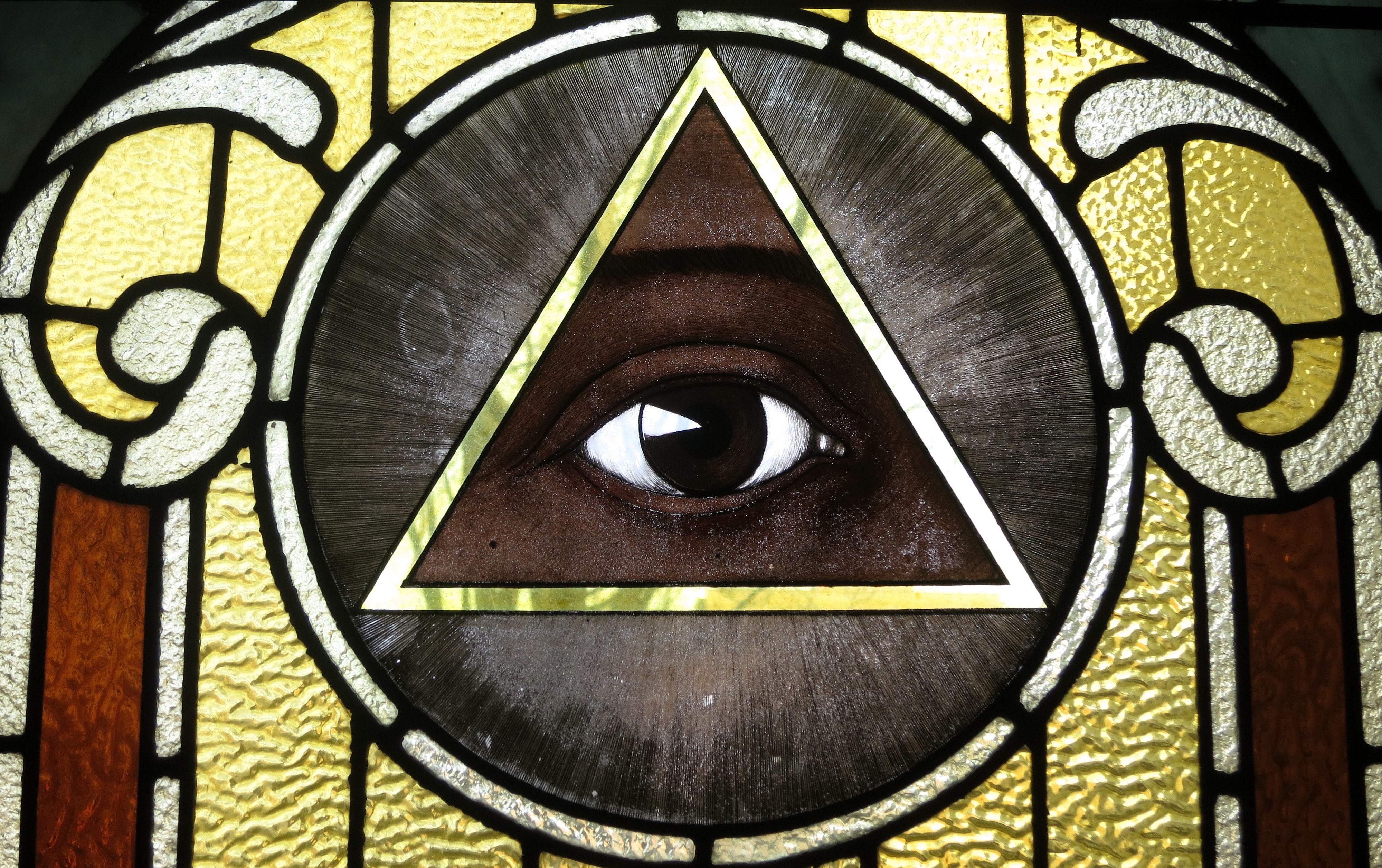
1. Deism A belief that God's existence can be proved by reason. God created the world but does not intervene in people's fate. Based on that, the world would be a mechanism constructed by God, operating according to certain rules. However, the fact that God does not intervene in its creation has its consequences in its failure to justify the existence of the Church "officials".
2. Atheism A belief that only material reality exists, thus any faith in non-material reality must be rejected – as scientifically unjustified. In such case religion would be a mere creation answering people's fears and hopes.
3. Theism A belief in gods or God and their intervention in the fate of the world and its people; intervention in the form of punishments or rewards for a decent life on Earth. This belief is connected with the indispensability of religious systems, where a specialised group (the clergy) explains the truths of faith.
Match the hypothetical statements of various representatives of individual attitudes with their names.
God in a church? Do you think that a watch maker expects glory from the cogs he has made?, Please don’t say that. God exists, but expects nothing from me – he just created our reality and has no desire to take care of it., There is no sin, it is merely a figment of your imagination and only the matter that surrounds us exists. Can you see anything like a sin there? Please understand that you imagined it, just like you imagined God!, Don’t play with him. He sent us his prophets, and they said that whomever doesn’t worship him in a temple is a sinner!, Where is your proof? Look through this magnifying glass! Can you see God? No! So now look through the microscope. Can you see God? No! The conclusion is simple: God is just an irrational figment of your imagination., Remember - God is fair and will reward those who worship him., Why aren’t you going to church? God sees everything and you will be punished at the Final Judgement!
| The theist: | |
|---|---|
| The deist: | |
| The atheist: |
One of the subjects of John Locke’s works was tolerance. Discuss whether tolerance is indispensable for a country's development. Justify your opinion.
On the Internet, find and listen to „the Marseillaise” (the Marseillaise – La Marseillaise – Polish subtitles), a song, which gained immense popularity during the French Revolution, and is currently the national anthemnational anthem of France. Write any personal impressions that the song evokes. Discuss them with your deskmate.
Listen to the abstract recording to review the material and new vocabulary. Then do the vocabulary exercise. Match the pairs: English and Polish words.
równość, ustrój, oświecenie, dojrzałość, braterstwo, hymn
| national anthem | |
| fraternity | |
| maturity | |
| equality | |
| system | |
| enlightenment |
Keywords
tolerance, libertinismlibertinism, atheism, deism, theism, enlightenment
Glossary
libertynizm, ruch społeczno polityczny działający głównie we francji przełomu XVII i XVIII w. Polegał on na odrzuceniu wielu norm moralnych, religijnych i obyczajowych oraz krytycznym podejściu do kwestii tradycyjnej moralności i religii.
ateizm, pogląd odrzucający wiarę w Boga.
deizm, pogląd filozoficzny, według którego Bóg stworzył świat materialny i rządzące nim prawa, ale nie ma wpływu na jego działanie.
teizm, pogląd uznający istnienie Boga.
oświecenie
oświecony absolutyzm, system polityczny, w którym monarcha miał zapewnić poddanym sprawiedliwy porządek prawny, opiekę i bezpieczeństwo. Władca przyznaje rządzonym pewne przywileje, pozostając jednocześnie władcą absolutnym.
ustrój
dojrzałość
niedojrzałość
równość
braterstwo
hymn