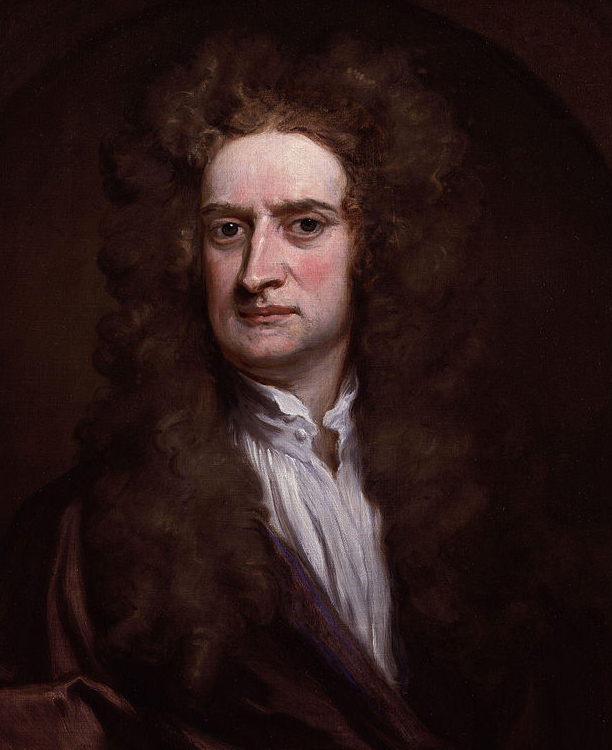
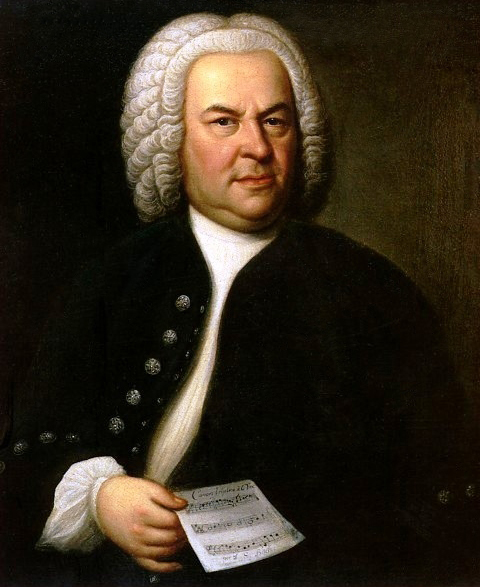
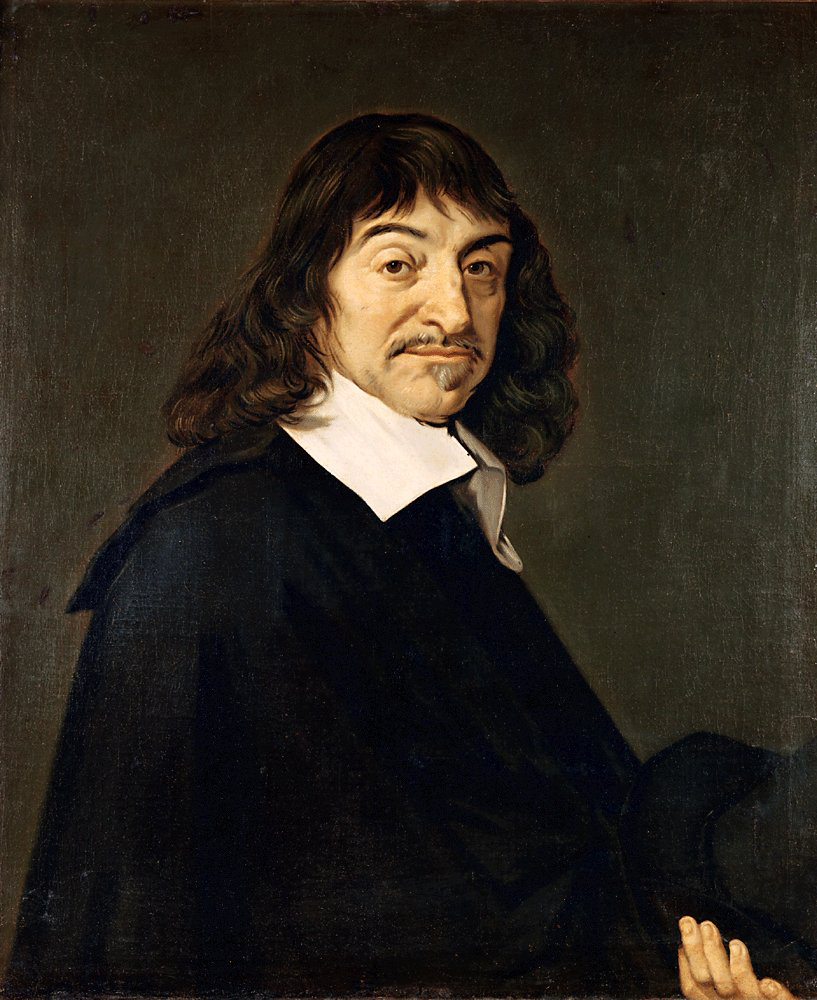
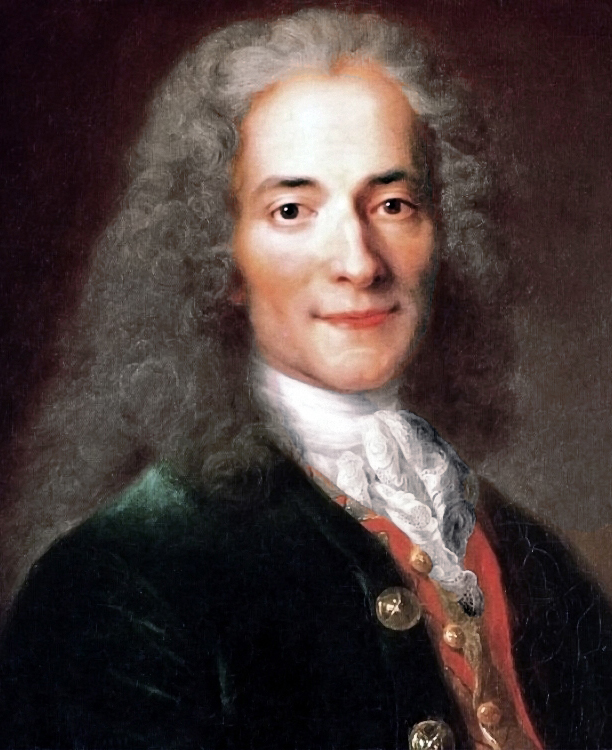
In the 18th century, Europe experienced a rapid growth of science and technology. Therefore, the period is referred to as the century of science and the era is called the Enlightenment. A number of scientific discoveries took place, e.g. the law of universal gravitation was established and a scientific classification of animals and plants created. The fundamental aim of the intellectual society was to form a “modern man”. A great achievement was to perceive a child as a personality, which can or even has to be formed. The most prominent work indicating such needs was a novel by Jean Jacques Rousseau entitled „Emile; or On Education”. Real grammar schools began to appear, where contemporary languages, mathematics, history and literature of the home country were taught, as well as the basics of science eventually. The so‑called Academies of Chivalry were very popular, dedicated to noble young people, which were to prepare them for the functions they were to perform in society. Collegium Nobilium or the Corps of Cadets were known in Poland. The theatre, and especially the opera, played a significant role in the Enlightenment. This was the first era when music was of a prominent importance. Italian composers dominated: Antonio Vivaldi, Alessandro Scarlatti and others. However, they were relatively quickly replaced by artists from Germany: Georg Friedrich Händel, Johann Sebastian Bach and finally Wolfgang Amadeus Mozart.
R8whXr39izMhD
Exercise 1
In the biography of a musician, we can find information referring to their concerts and performances as well as dynasties and courts. Indicate the following sentences that are true. Możliwe odpowiedzi: 1. At the beginning of the 18th century, a musician depended solely on court sponsorship., 2. Public events were organised in places other than the court or church., 3. Fame could be acquired through public performances and concerts., 4. At the beginning of the 18th century a musician depended solely on church sponsorship., 5. "Grand tours" were organised to present own works in various centres.
In the biography of a musician, we can find information referring to their concerts and performances as well as dynasties and courts. Indicate the following sentences that are true. Możliwe odpowiedzi: 1. At the beginning of the 18th century, a musician depended solely on court sponsorship., 2. Public events were organised in places other than the court or church., 3. Fame could be acquired through public performances and concerts., 4. At the beginning of the 18th century a musician depended solely on church sponsorship., 5. "Grand tours" were organised to present own works in various centres.
In the biography of a musician, we can find information referring to their concerts and performances as well as dynasties and courts. Indicate the following sentences that are true.
At the beginning of the 18th century, a musician depended solely on court sponsorship.
Public events were organised in places other than the court or church.
Fame could be acquired through public performances and concerts.
At the beginning of the 18th century a musician depended solely on church sponsorship.
"Grand tours" were organised to present own works in various centres.
Task 1
Listen to the recording. Check how people from the 18th century introduced Jean Jacques Rousseau’s ideas into life.
Beggar and philanrtropy. The problem of poverty in Polish public opinion in 1815-1863
RsTrqfNwgWwSZ1
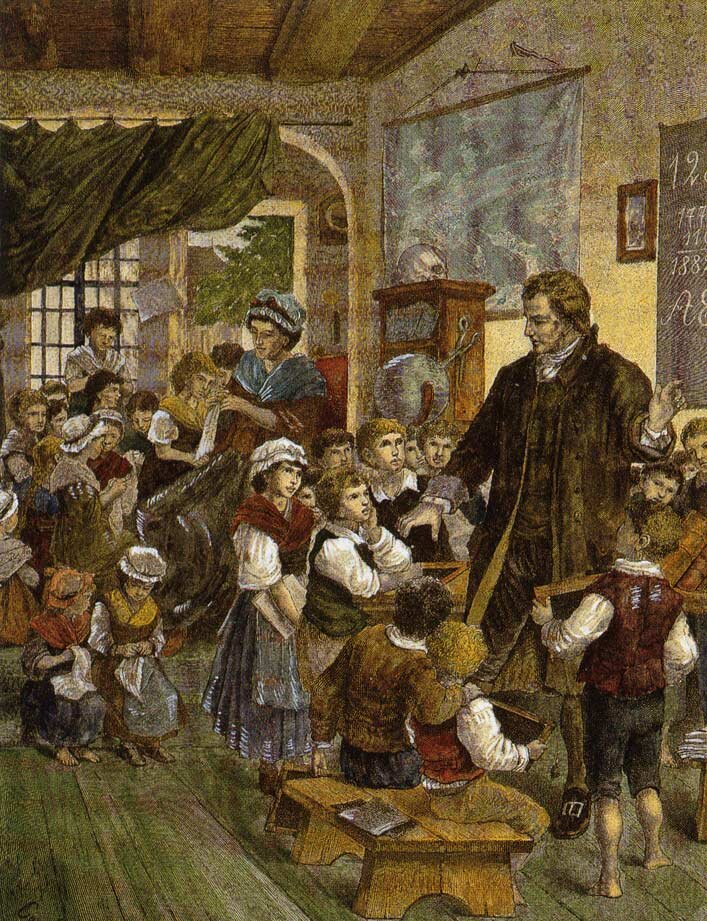
Ilustracja przedstawia Johanna Heinricha Pestalozzi z żoną Anną w szkole. Otoczeni są dziećmi.
Johann Heinrich Pestalozzi in a school with his wife Anna.
Source: domena publiczna.
According to Jean Jacques Rousseau, the objective of education was to ensure the freedom of education and to respect the autonomy of a child. In Emile, he claimed the supremacy of educational ideas in teaching. Such ways of thinking were introduced by Johann Heinrich Pestalozzi, a Swiss writer and educator. He is referred to as “the father of the folk school”, i.e. dedicated to children from rural areas. It all began in 1774 when Pestalozzi commenced his famous educational experiment with children in a new school opened especially for that occasion in Neuhof, and later in Stanz, Burgdorf and Yverdon. Democrat by belief, fascinated by Rousseau’s works and his ideas of natural upbringing, Pestalozzi dedicated his entire life to indigenous, neglected and orphaned children. He forged his ideas into practice – he created the methods of early education from scratch. His greatest success was the fact that he combined them with the environment in line with the principle that “life educates”.
RwaoGIYYqjL131
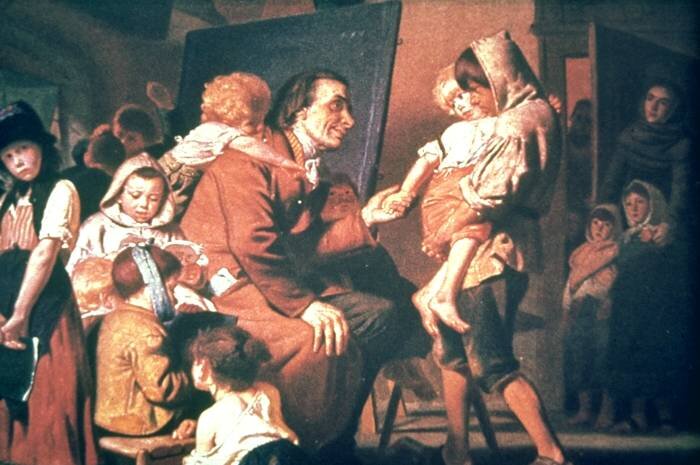
Ilustracja przedstawia Pestalozziego w otoczeniu biednych sierot.
Pestalozzi surrounded by poor orphans.
Source: domena publiczna.
„Long years I lived surrounded by more than fifty beggar children. In poverty I shared my bread with them, I lived like a beggar – he talked about his activity – in order to learn how to make beggars live like men”. He combined the teaching of reading, writing and mathematics with practical skills. Children worked in a field or in a garden, they ran households, sewed and spun. Pestalozzi was convinced that education must be adapted to the spontaneous development of a man. However, unlike Rousseau, he believed that education should assist an individual in transiting from a “natural” state to social life. He had his own idea with that regard. He paid a great deal of attention to intellectual education, which was to develop the cognitive abilities of a child and allow them to think independently. Physical work was an important supplement in education - but had to be adapted to their capabilities. As he said “if you give a child food during school hours for his entire existence and being, as you do it when he plays, then your child will be invigorated during school hours just the same as when he plays”. These are the philanthropic ideas of the Enlightenment era that underpin the foundations of schools which we nowadays call elementary schools.
marchewa2 Source: [w:] M. Piotrowska-Marchewa, Beggar and philanrtropy. The problem of poverty in Polish public opinion in 1815-1863, Toruń 2004.
R1MQZ0vo0i4K9
Exercise 2
Przypomnij sobie tytuł abstraktu, wysłuchaj nagrania i spróbuj zaproponować własny temat dla dzisiejszej lekcji.
Przypomnij sobie tytuł abstraktu, wysłuchaj nagrania i spróbuj zaproponować własny temat dla dzisiejszej lekcji.
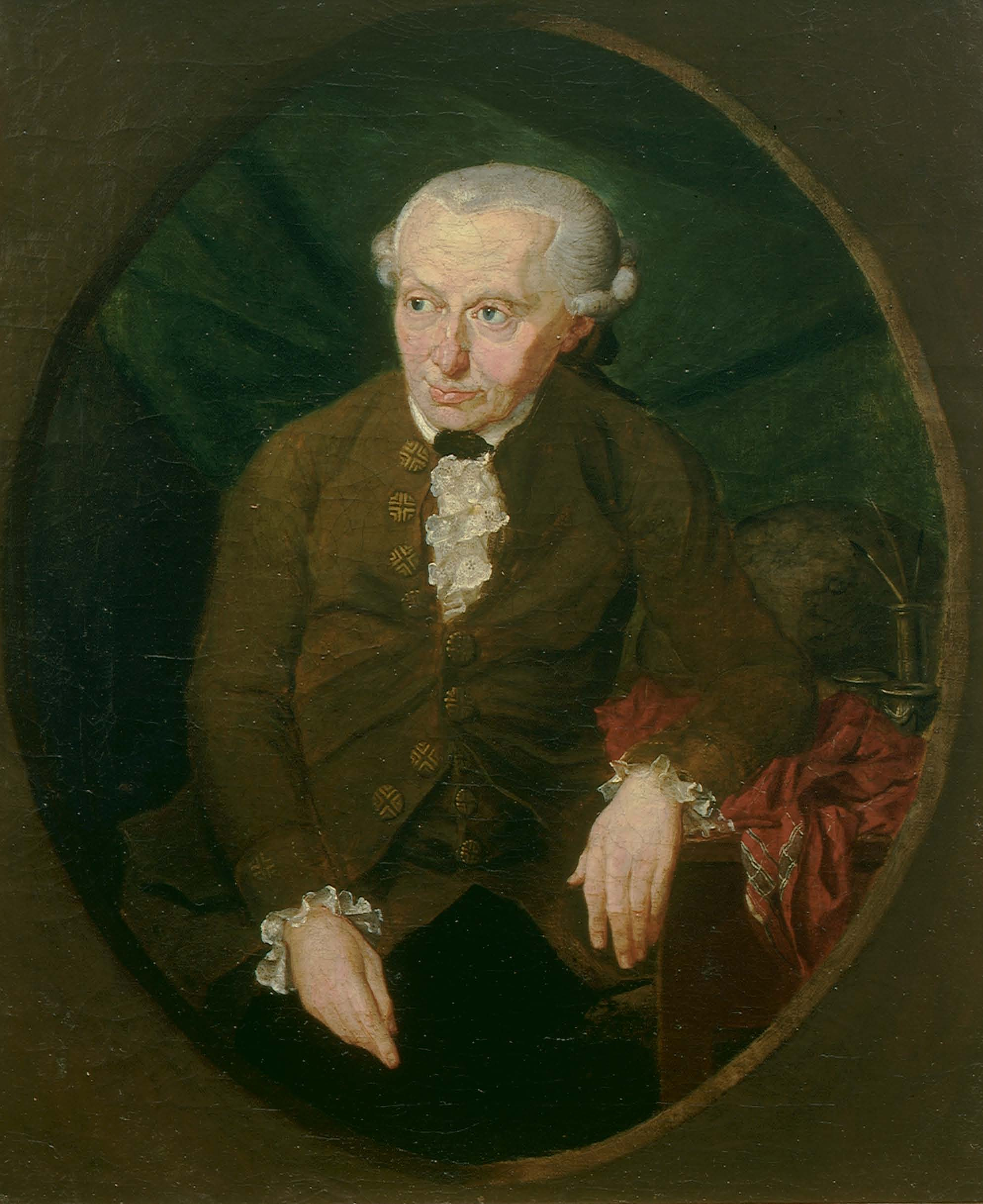
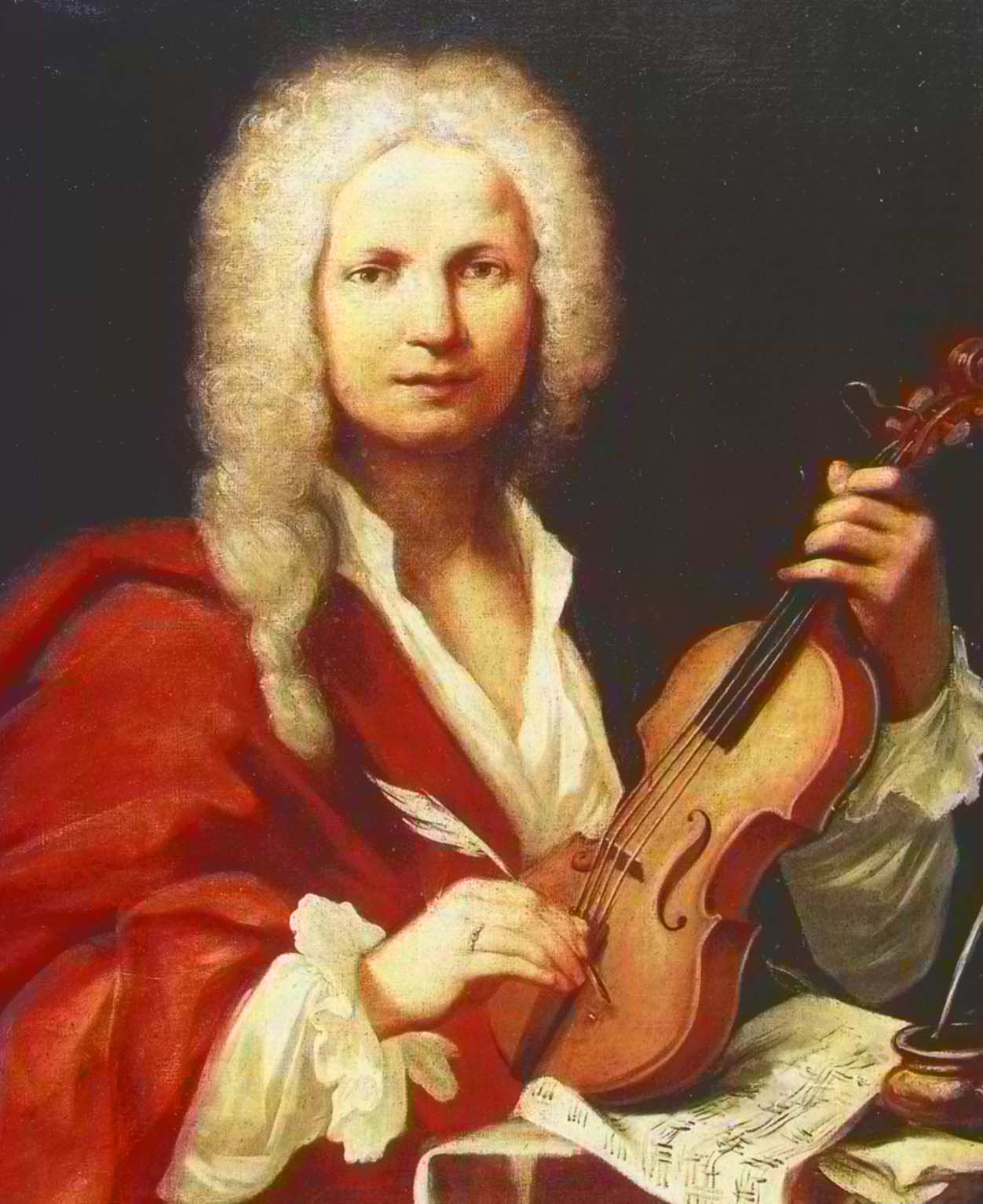
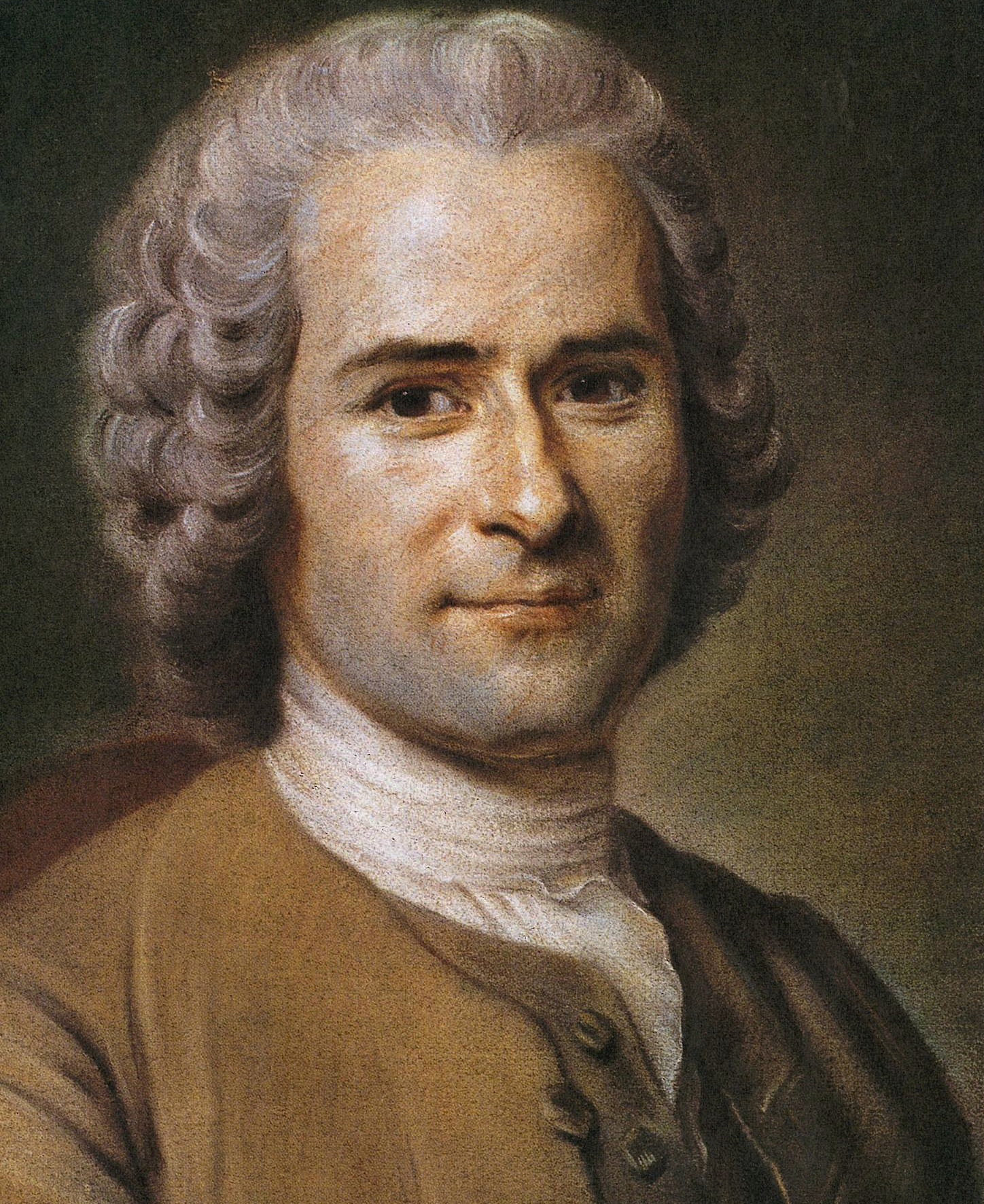
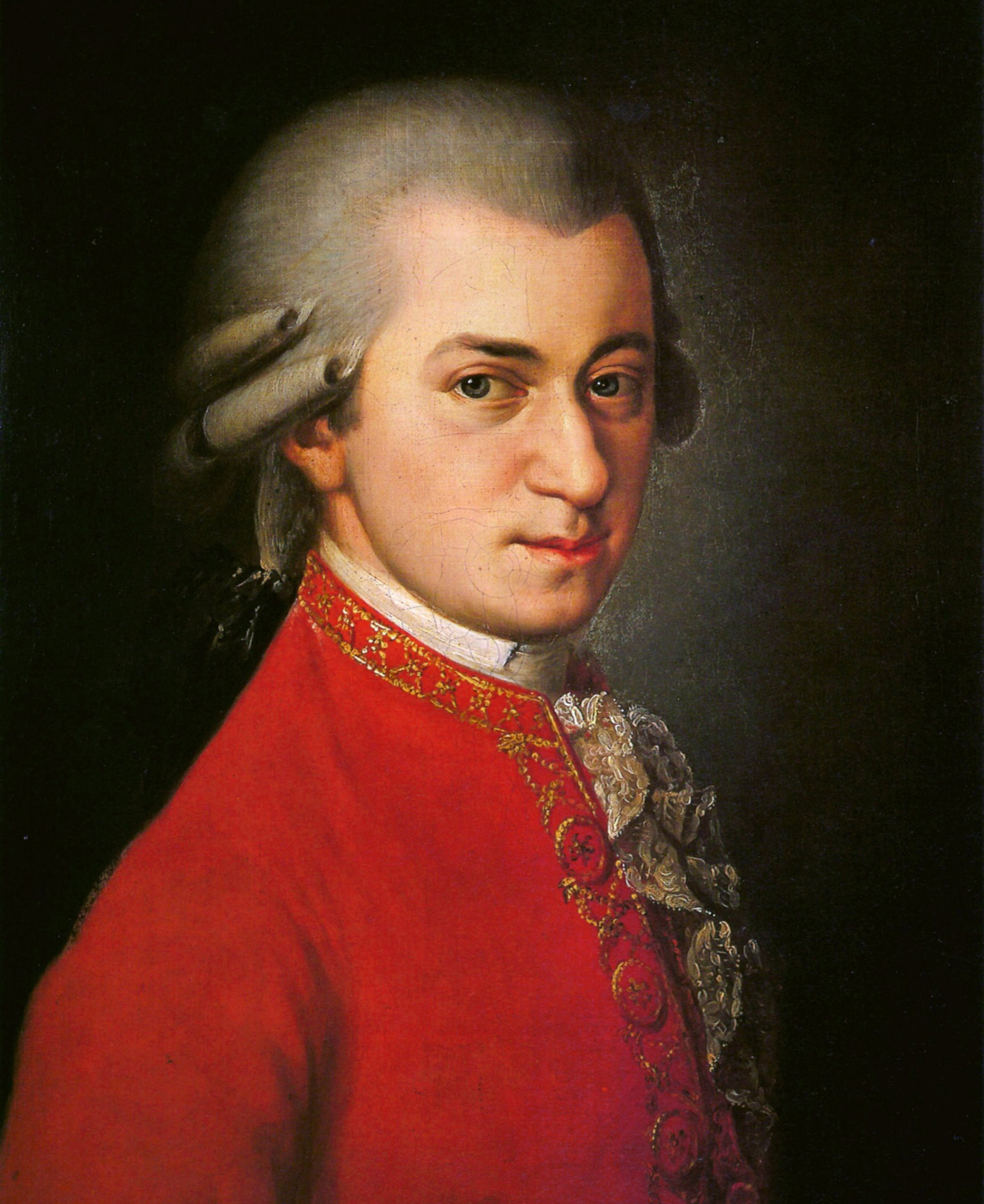
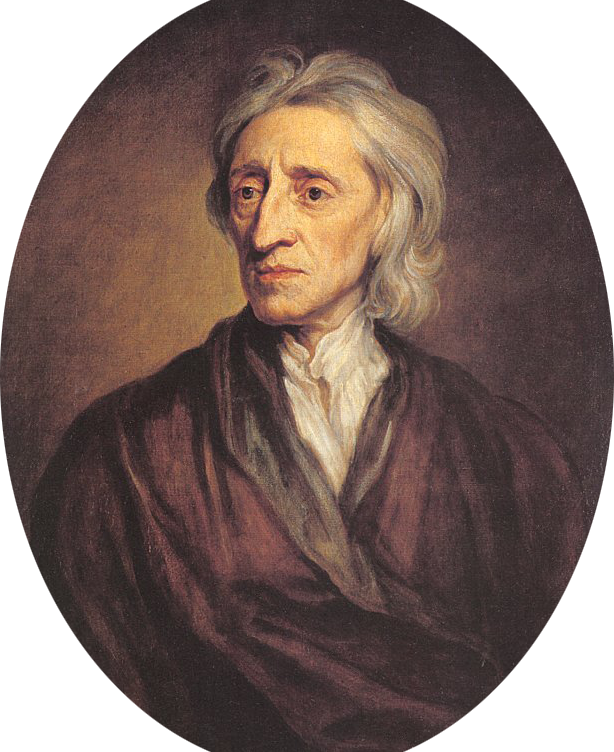
Match the names of the prominent creators and thinkers of the Enlightenment era to their images.
Masoneria – etyczny ruch ponadnarodowy i wchodzące w jego skład zamknięte stowarzyszenia (tj. posiadające utajniony skład osobowy, ale jawne zasady i programy organizacji), mające na celu duchowe doskonalenie jednostki, zbratanie wszystkich ludzi i walkę z przesądami. Występuje przeciwko nierówności prawnej, nietolerancji, szowinizmowi i stosowaniu przemocy w stosunkach międzyludzkich. W miarę możliwości finansowych świadczy pomoc na rzecz organizacji dobroczynnych, instytucji oświatowych oraz prowadzonych przez nie badań naukowych; inaczej: wolnomularstwo.
Metresa – w społeczeństwach, w których małżeństwa zawierano z powodów ekonomicznych czy też politycznych, metresy spełniały rolę dobrowolnie wybranej, nieumówionej partnerki, nie tylko w życiu seksualnym
Synkretyzm – połączenie różnych, często rozbieżnych i sprzecznych poglądów; wyznawanie zasad lub wierzeń obejmujących odległe od siebie elementy pozornie lub rzeczywiście wzajemnie sprzecznych
grande tour – typ podróży w jaką wyruszali młodzi arystokraci i intelektualiści europejscy, w celu dokształcenia się, zdobycia wiedzy o świecie i kulturze