The immune system
blood supplies essential substances to the cells of the body;
the body's cells can recognize and fight foreign bodies;
the body is exposed to daily attacks by bacteria and viruses.
explain what is the similarity between the composition of blood and lymph;
discuss elements that make up the lymphatic system;
describe the role of the organs of the lymphatic system;
discuss cells and organs of the immune system.
Lymph
Even the thinnest blood capillaries can not reach all the cells of the body. Consequently, tissue fluid mediates between the cells and the blood – lymphlymph. It arises as a result of filtration of components of blood plasma from the blood into the space between the cells of the body. Lymph consists of water, mineral salts, proteins, fats and white blood cells. It allows the transfer of nutrients to cells as well as some unnecessary metabolic products to the blood vessels. Takes part in gas exchange between cells and blood vessels. The major part of the lymph returns to the blood vessels. The rest is collected from the inter‑cellular spaces through the capillaries of the lymphatic system. Lymph supports and complements the transport function of blood.
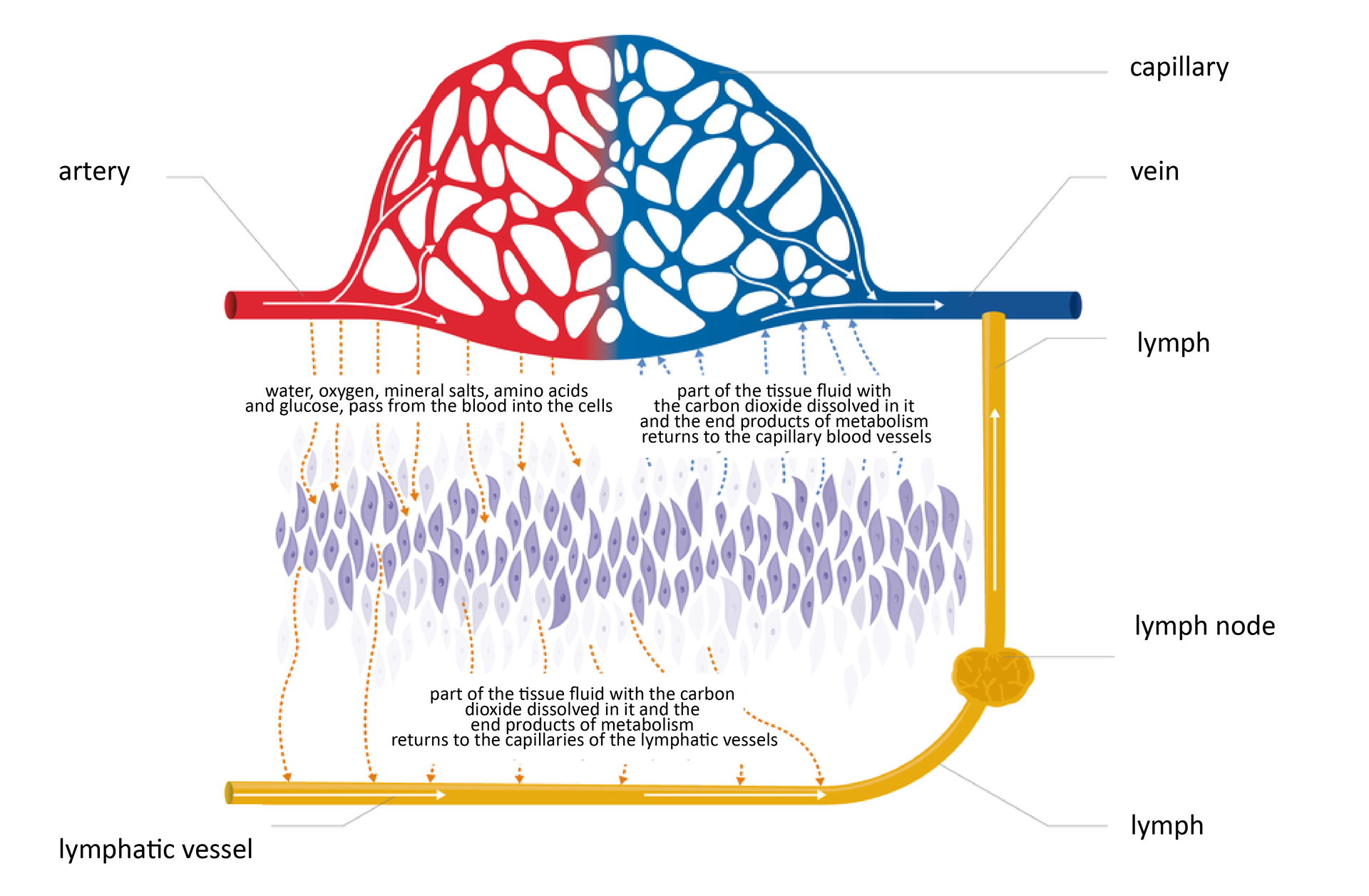
List the blood components that are not part of the lymph. Explain why they do not penetrate into it.
The organs of the lymphatic system and their role
The lymphatic system forms such organs as the: spleen, thymus, lymphatic vessels, papules and lymph nodes, and immune cells and the substances produced by them.
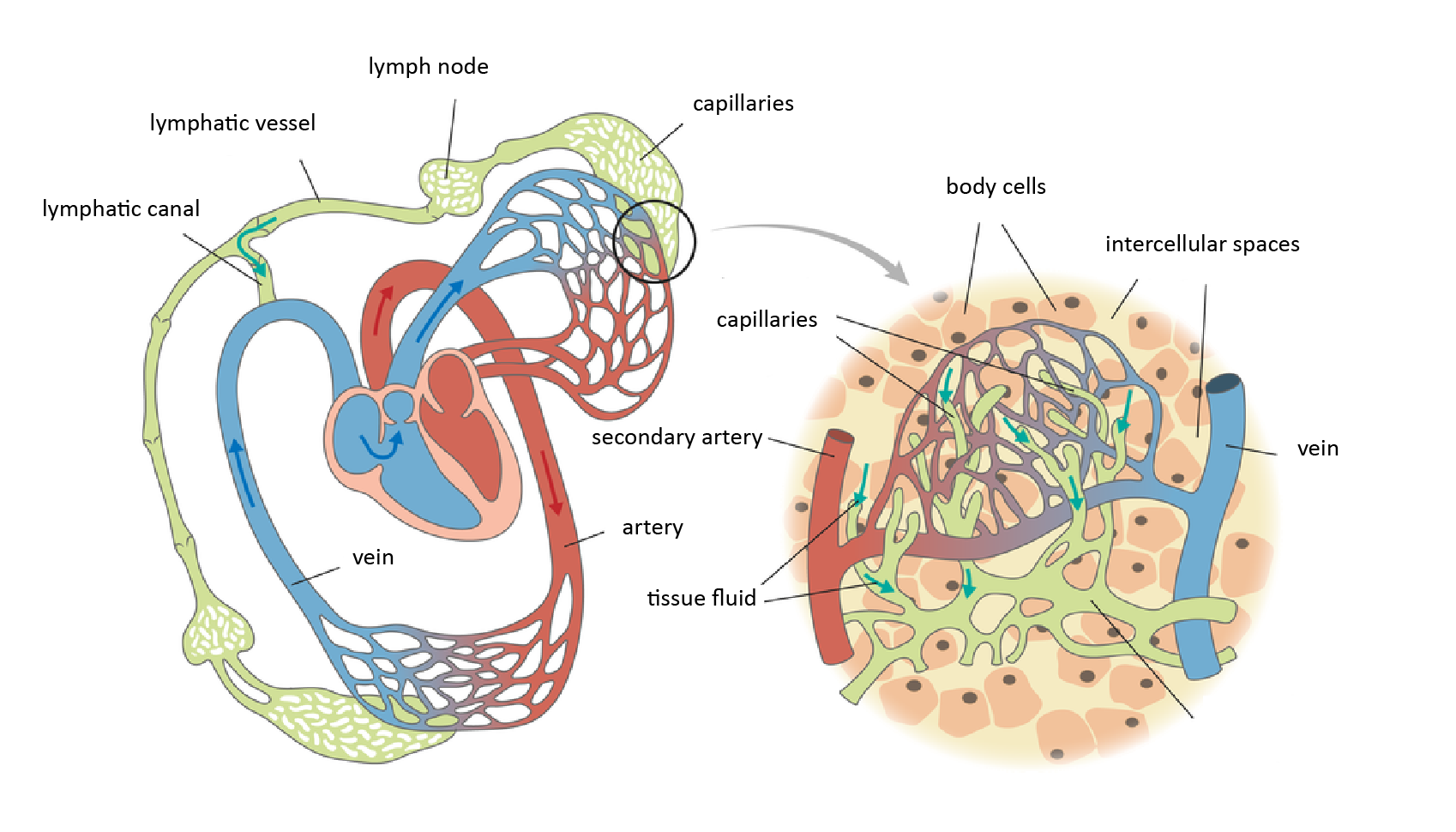
The lymphatic system accompanies the blood system and works closely with it. In contrast, it is open. In the open system, the fluid is in vessels and fills the spaces between the cells. Lymphatic capillaries collecting tissue fluid from the inter‑cellular spaces are dead‑end branches.They merge into larger lymphatic vessels (lymphatic ducts) and eventually drain lymph into veins. Lymphatic vessels, like veins, transport fluid under low pressure, have thin walls and are equipped with valves. The lymphatic movement is forced by muscle cells of the walls of the lymph vessels and the muscles of organs located near these vessels. The lymph flows through the vessels through the lymph nodeslymph nodes. They clean the lymph, catching foreign bodies from it. When more microorganisms appear in the system, the lymph nodes are enlarged. The immune cells present there eat alien bodies.
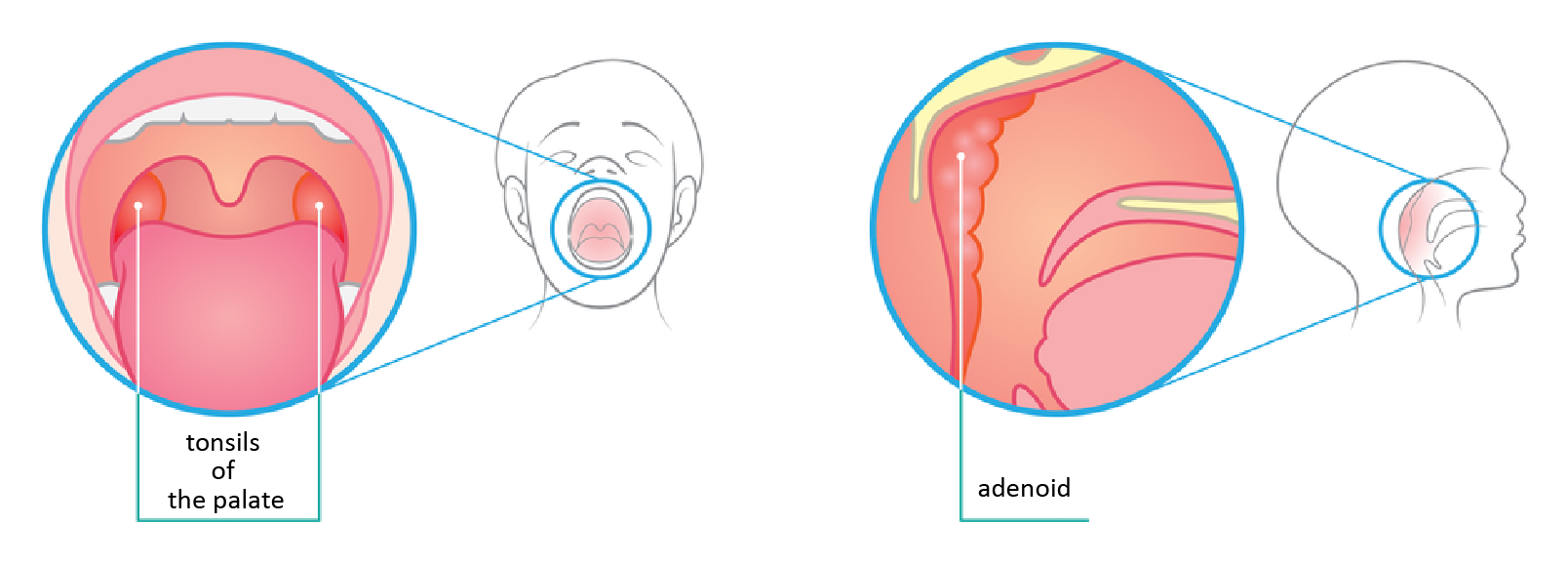
The largest organ of the lymphatic system is the spleenspleen. Here, white blood cells multiply, and erythrocytes and thrombocytes die. In the chest is the thymusthymus, in which white blood cells mature, among them T lymphocytes (here they acquire the ability to recognize foreign bodies). After age 18, this gland gradually disappears, filling with fat cells.
Cells and molecules of the immune system
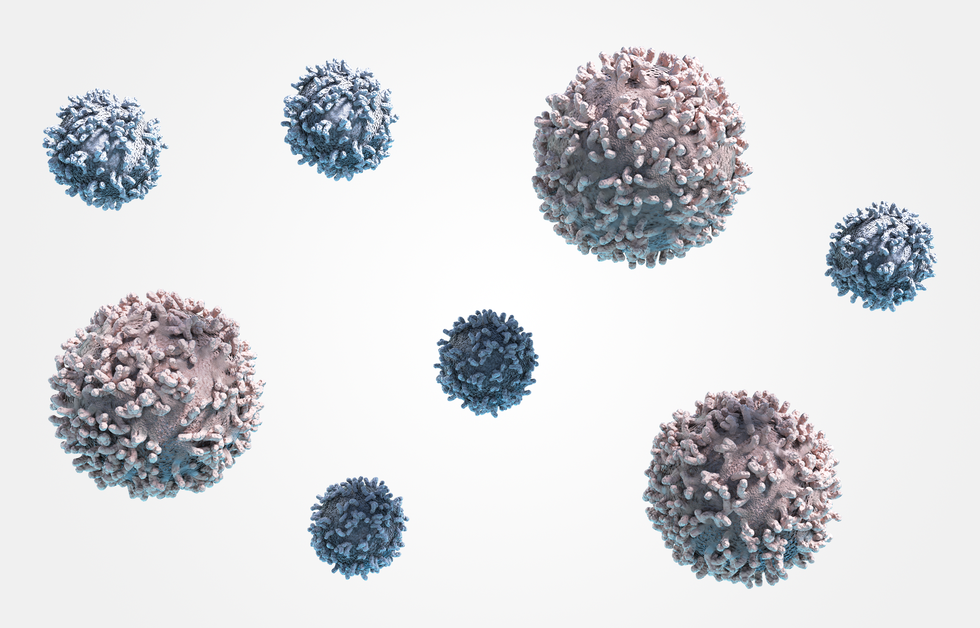
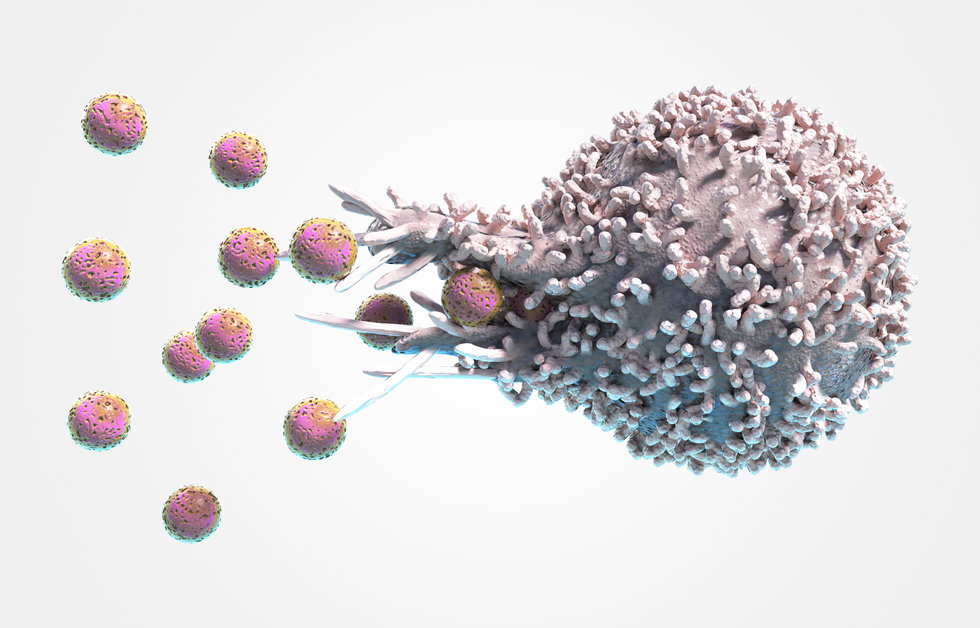
We owe the body's immunity to white blood cells. There are several types of leukocytes. Bone marrow and lymphatic system result in white blood cells that develop into macrophages and lymphocytes. They participate in the body's immune responses by combating pathogens entering the body. MacrophagesMacrophages they are the largest white blood cells. They have the ability to move through to infected places. They absorb and destroy bacteria, produce substances that inhibit the multiplication of viruses and the development of cancer cells.
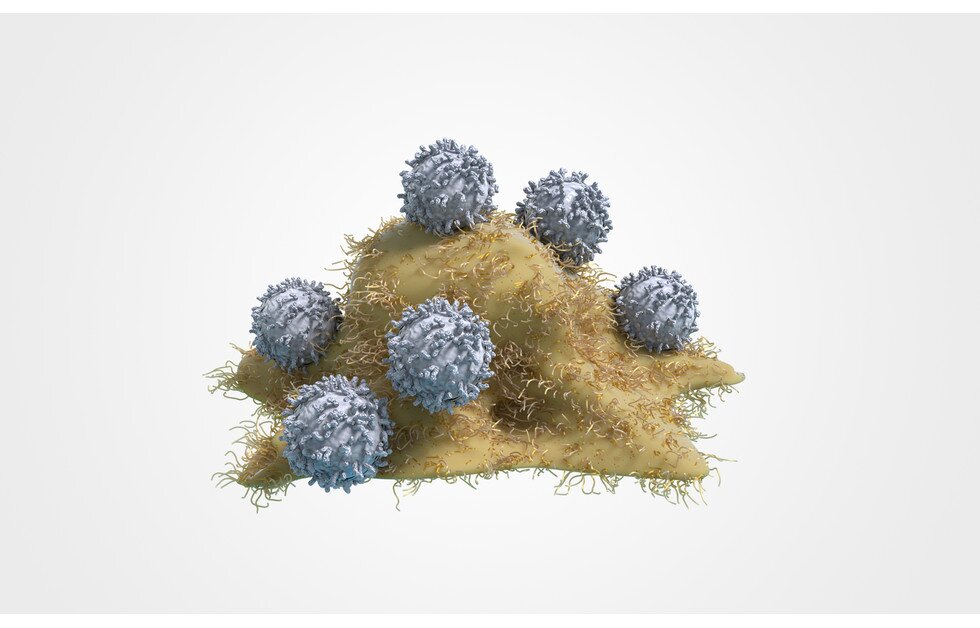
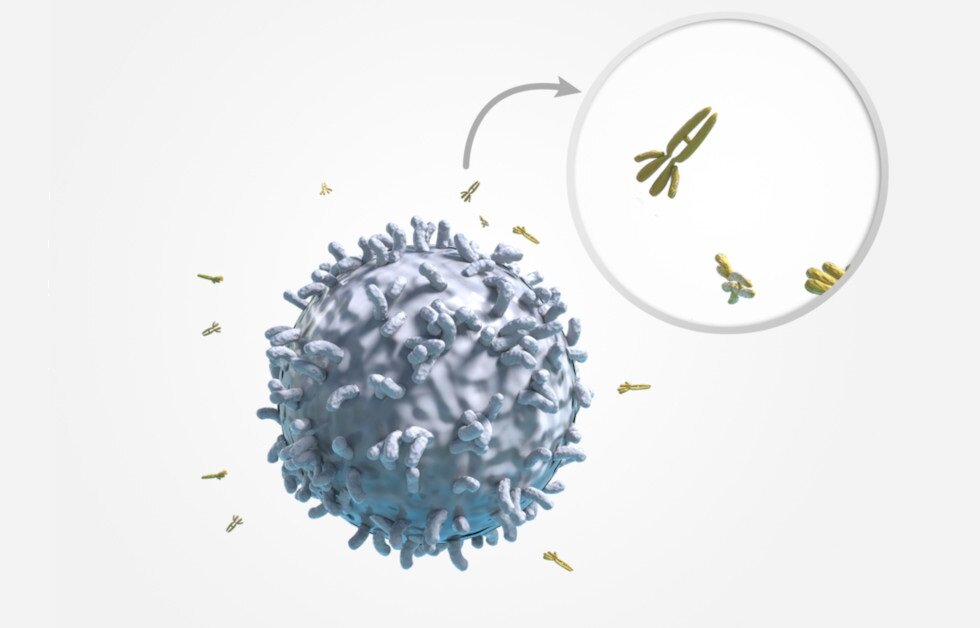
Lymphocytes are formed in the bone marrow. Some of them stay here, mature and acquire the ability to fight pathogenic agents. They are B lymphocytesB lymphocytes, that go to the blood and produce antibodiesantibodies recognizing and destroying foreign bodies. Rest of the lymphocytes are T lymphocytesT lymphocytes goes from the bone marrow to the thymus. There, it matures and acquires the ability to recognize an intruder, destroy infected cells and cancer cells. T‑lymphocytes also produce substances that stimulate other defense cells of the system to function. Mature B and T lymphocytes circulate in the lymph and peripheral blood.
Organize the structures, starting from the top in such a way that their order illustrates the path of the lymph that goes towards the heart.
- intercellular spaces
- thoracic duct
- heart
- capillaries
- larger lymphatic vessels
Assign concepts and descriptions to the appropriate group.
transport of respiratory gases, heart, spleen, vessels are dead‑end branches to intercellular spaces, blood, lymph nodes, lymph, closed vessel system
| circulatory system | |
|---|---|
| lymphatic system |
Summary
The lymphatic system forms such organs as the: spleen, thymus, lymphatic vessels, papules and lymph nodes, and immune cells and the substances produced by them.
Lymph vessels have a similar structure to veins and capillaries.
Lymph is a blood filtrate.
The organs of the lymphatic system, cells and antibodies are responsible for the immune response of the body.
macrophages and T and B lymphocytes specialize in the destruction of pathogens.
Keywords
lymph, thymus, spleen, lymphatic system
Glossary
grasica – narząd układu limfatycznego i dokrewnego, w którym dojrzewają limfocyty T
limfa – przesącz osocza krwi, który z przestrzeni międzykomórkowych dostał się do naczyń limfatycznych
limfocyty B – komórki układu odpornościowego; powstają w szpiku kostnym, dojrzewają w różnych narządach limfatycznych obwodowych z wyjątkiem grasicy. Wytwarzają przeciwciała
limfocyty T – komórki układu odpornościowego; dojrzewają w grasicy; są zdolne do rozpoznawania ciał obcych i niszczenia zainfekowanych komórek
makrofagi – największe komórki krwi; są zdolne do pełzakowatego ruchu i pochłaniania drobnoustrojów chorobotwórczych
przeciwciała – białka produkowane przez limfocyty B, mające zdolność łączenia się z ciałem obcym (antygenem) i niszczenia go
śledziona – największy narząd układu limfatycznego, w którym powstają limfocyty, giną erytrocyty i trombocyty
węzły chłonne – narządy limfatyczne, w których są wychwytywane i niszczone czynniki chorobotwórcze znajdujące się w limfie