The nature of taiga
the relationship between the climate and the organisms that inhabit a given region;
the climatic conditions existing in taiga.
to describe how plants have adapted to the climate of the taiga;
to recognize several species of coniferous trees;
to recognize selected animals living in the taiga.
Taiga plants
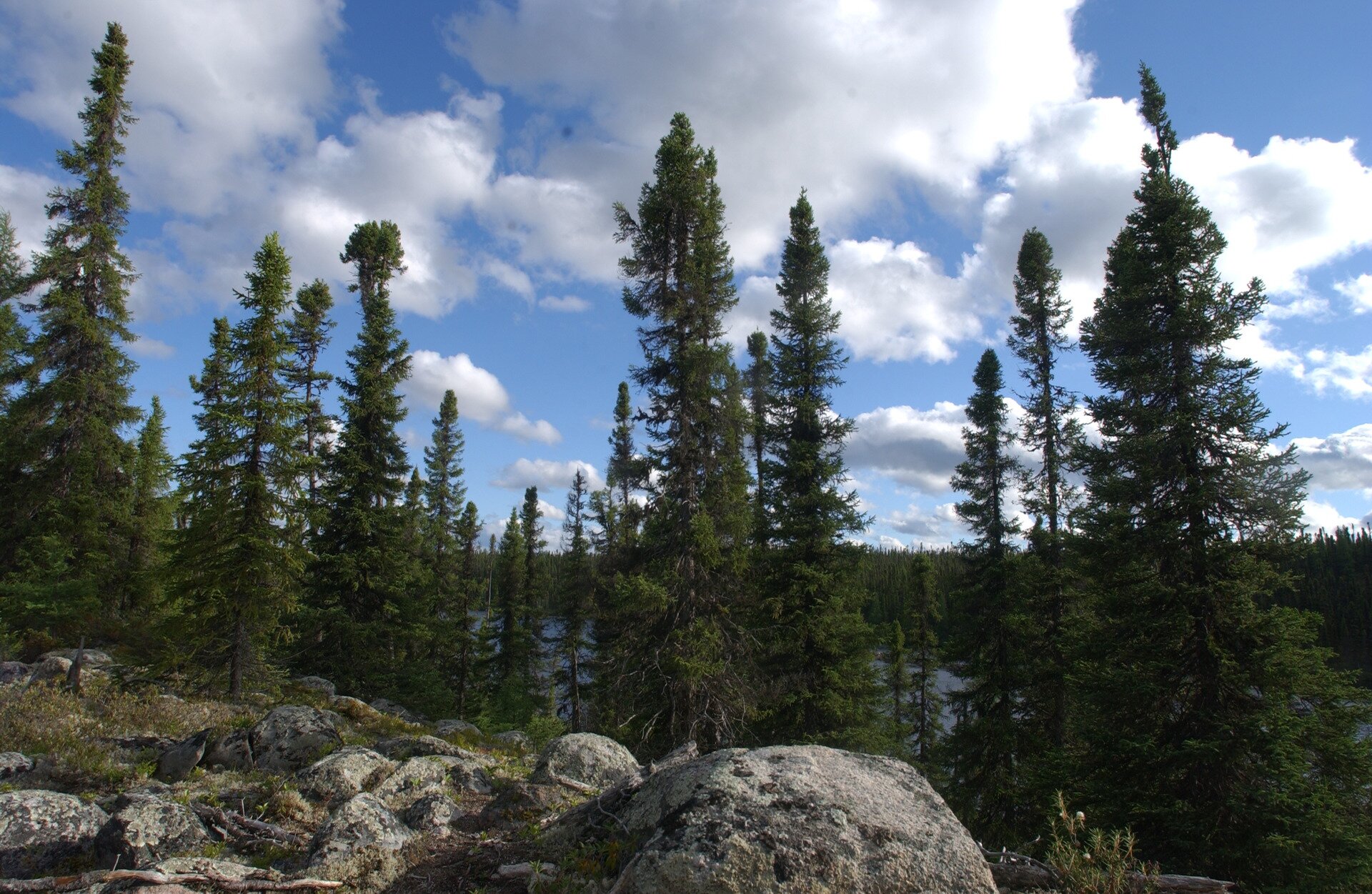
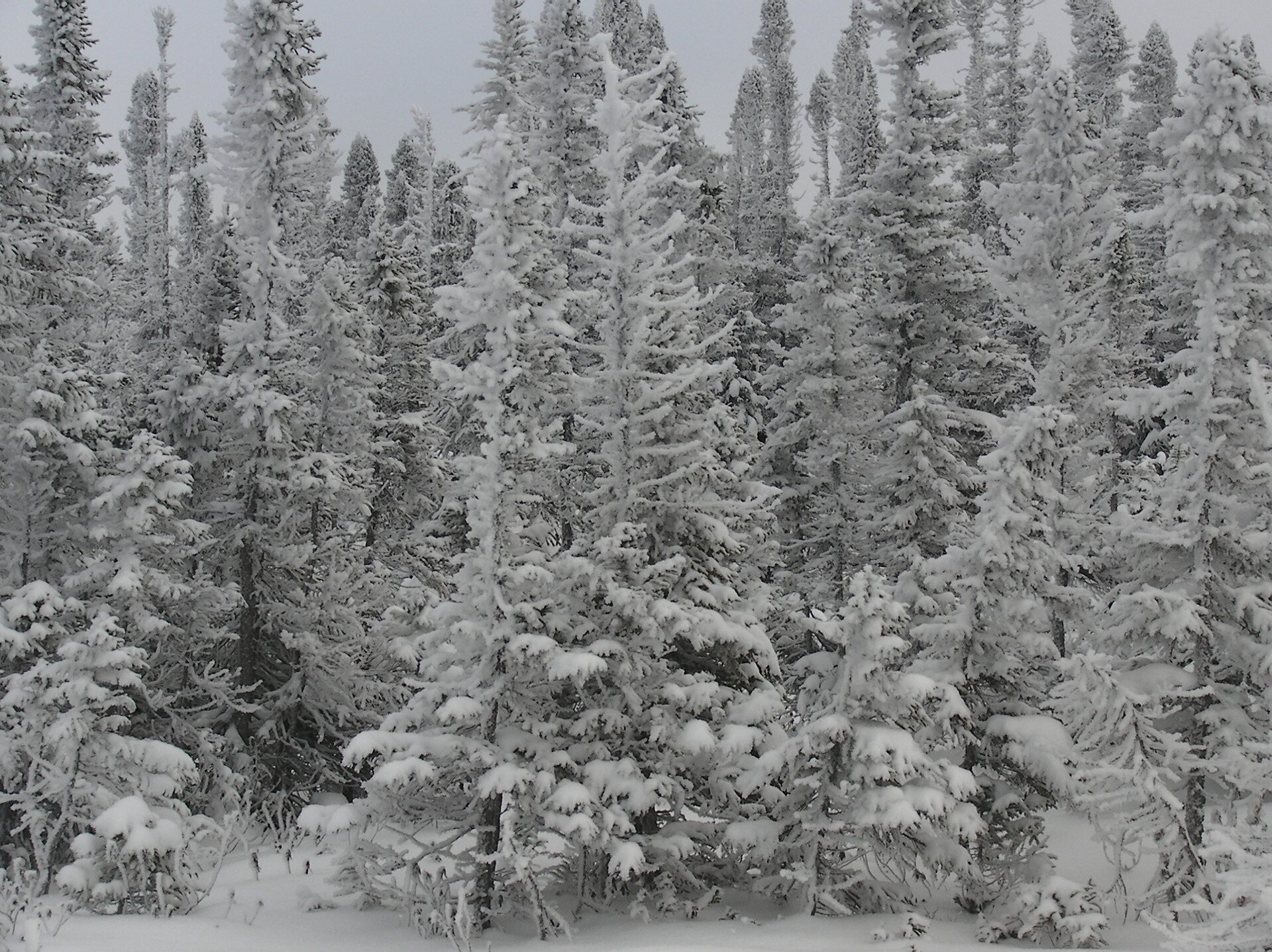
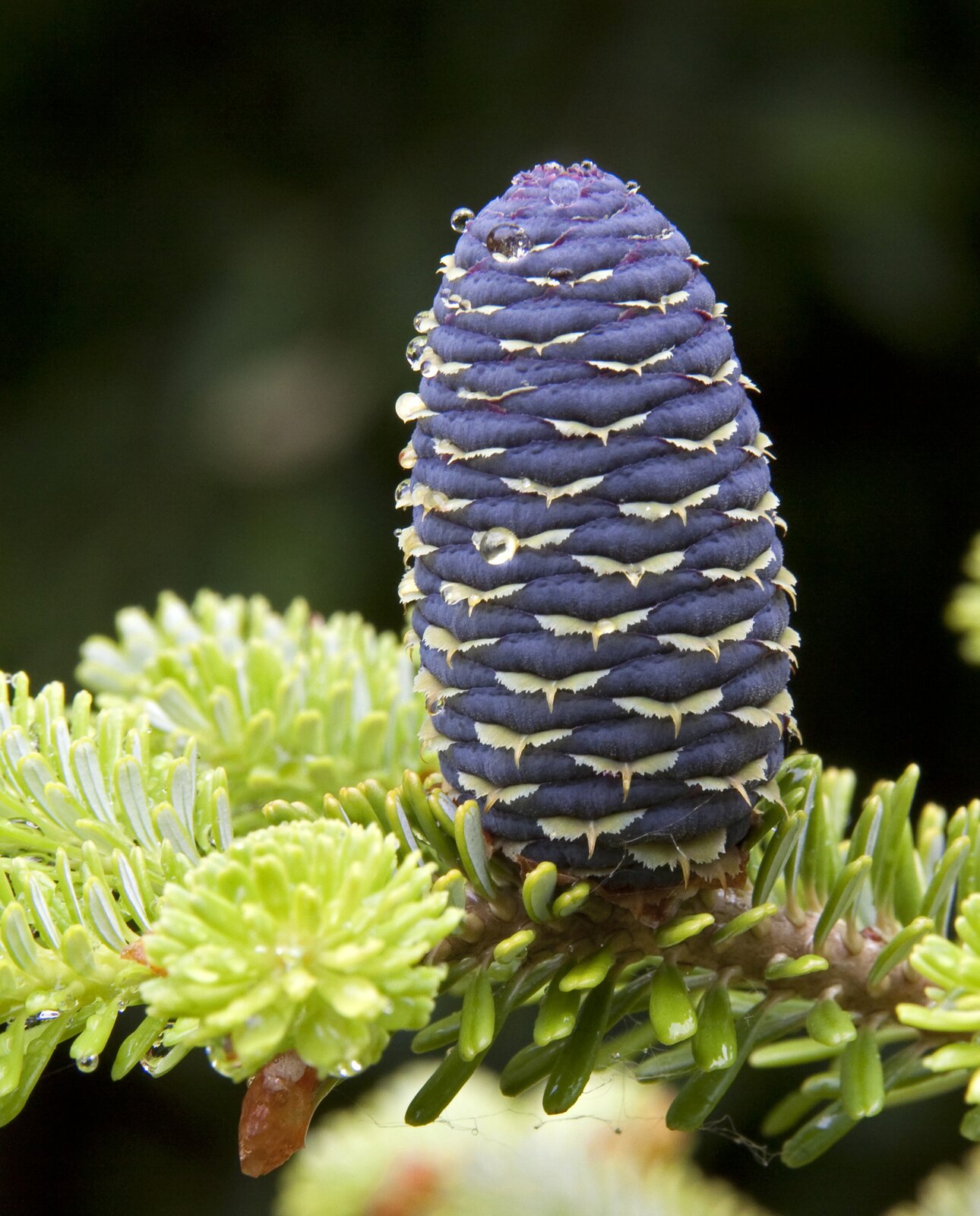
TaigaTaiga is associated with endless coniferous forests. Indeed, typical taiga plants include spruce, larch and pine trees. The leaves of coniferous trees resemble needles. The small surface prevents an excessive loss of water. The needles are covered by a layer of impermeable wax. It protects them from the damaging effect of severe frost and from the loss of water during the long winter. The wood of coniferous trees contains resin ducts. They secrete a sticky resin which does not freeze in the cold, protecting trunks and branches against low temperatures. The trees are usually tall and slender and have compact crowns with short branches. Such a „Christmas tree” shape protects branches of trees from breaking after a heavy snowfall, because snow slides off them. In addition, tall trees with narrow crowns capture more sunlight when the sun is low over the horizon.
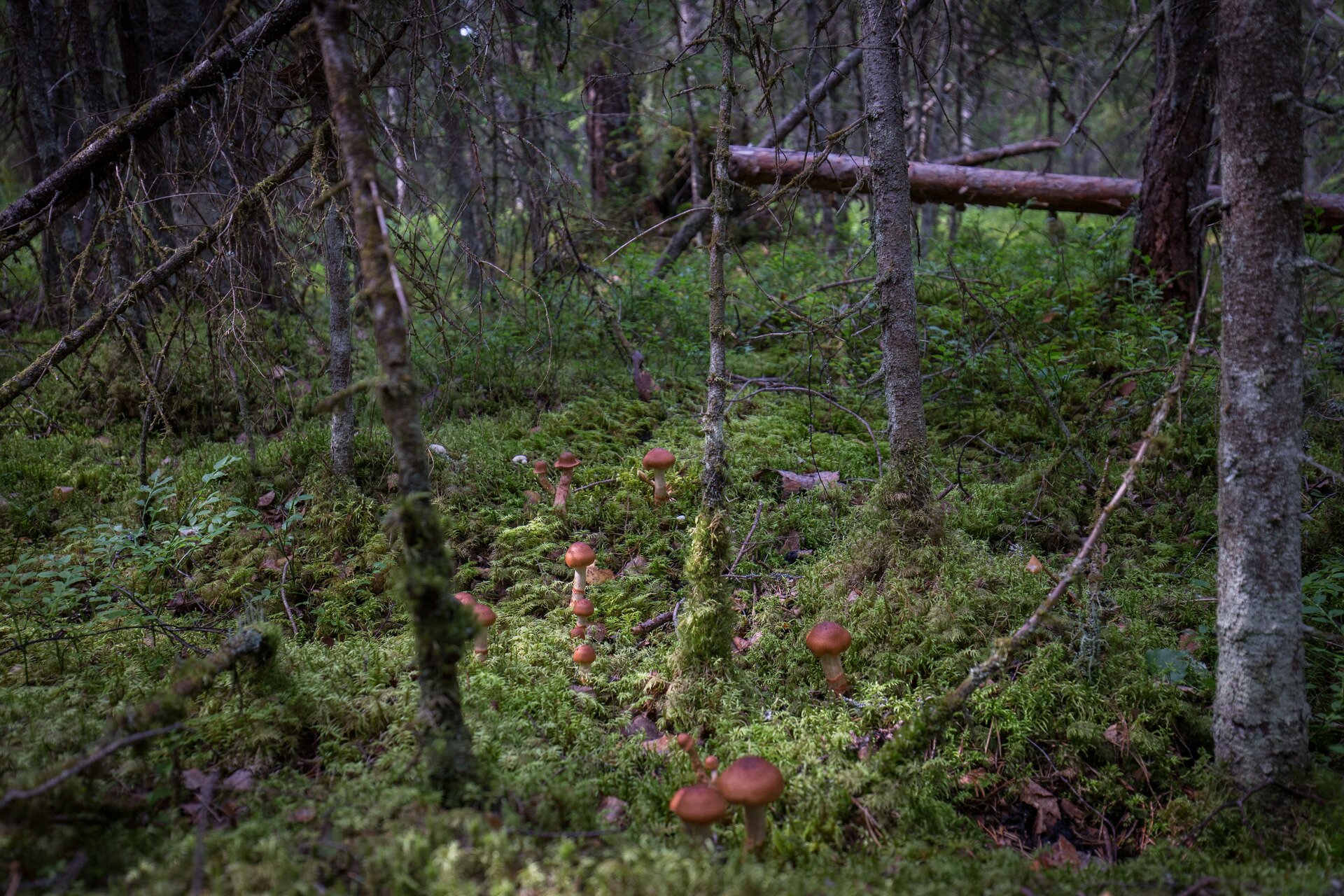
In the taiga, there are few shrubs, mostly coniferous junipers. In some areas, there are also frost‑resistant forest raspberries or currants. In contrast, the forest ground cover layer is very rich, due to plentiful light among rare trees and permanent access to water. In summer, there is more than enough of water in the ground. The most commonly‑occurring species include mosses and heather. Lingonberries and cranberries occur frequently, too. An important component of the forest groundcover are mushrooms which grow well in moist soils.

Larch trees, as well as small‑leaved trees such as birch, poplar, willow and alder trees, which are scarce in the taiga, shed leaves to withstand the long winter. In spring, they have to produce foliage fairly quickly, because they only have several months to complete their life cycle before another winter comes.
Taiga animals
Taiga is mainly overgrown by evergreen plants. Even deciduous shrubs are evergreen. Many plants produce fruit that remains on stems throughout the winter. As a result, herbivores have access to food throughout the year. Apart from fruit, they eat leaves, seeds and snow‑covered mosses and lichens. In summer, all plants turn green, bloom and produce fruit very rapidly. Plant food is plentiful then.
In spring, insects hatch in enormous numbers, finding favourable conditions on vast wetlandswetlands. Invertebrates provide a source of food for many fishes and other animals. The southern part of the taiga is home to a small number of amphibians and snakes, including vipers and grass snakes. They are active just for a few months and then they hibernate for a long time during winter. There are numerous birds, because the forests provide them with good conditions, enabling them to find food, shelter and safe places for building nests. The most noteworthy among the numerous bird species are capercaillies, black grouses, owls, tits and bohemian waxwings. They are hunted by predators such as, for example, hawks and sparrowhawks. In the taiga, there are also many mammals, including large species such as elks, deer and reindeer, and smaller species, such as white hares, squirrels and many rodents. Other taiga predators include: tigers and bears, and smaller predators such as wolves, lynxes, foxes, wolverines and badgers, as well as small weasels and stoats.
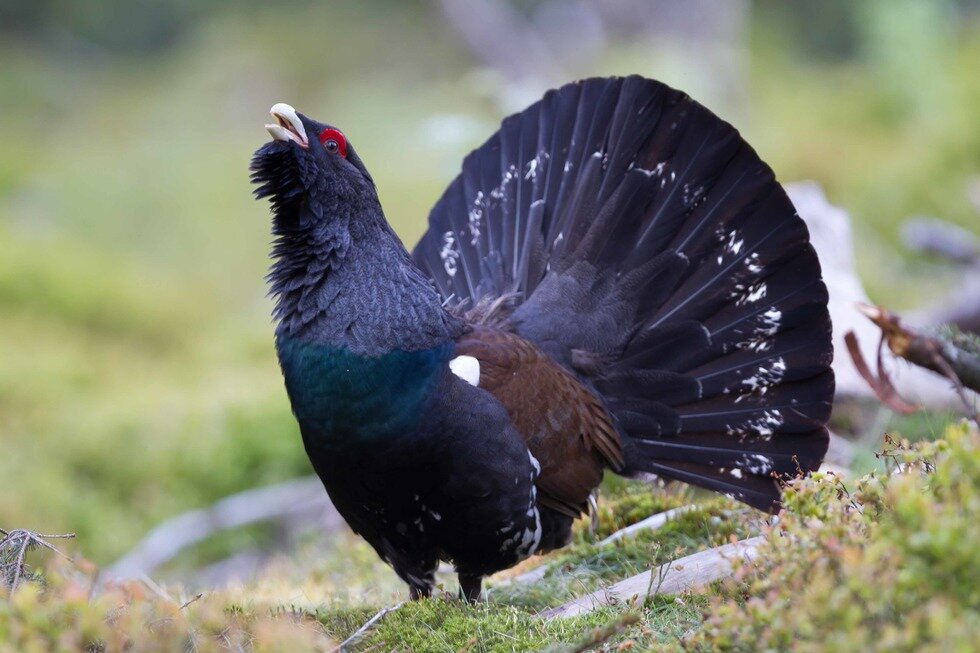
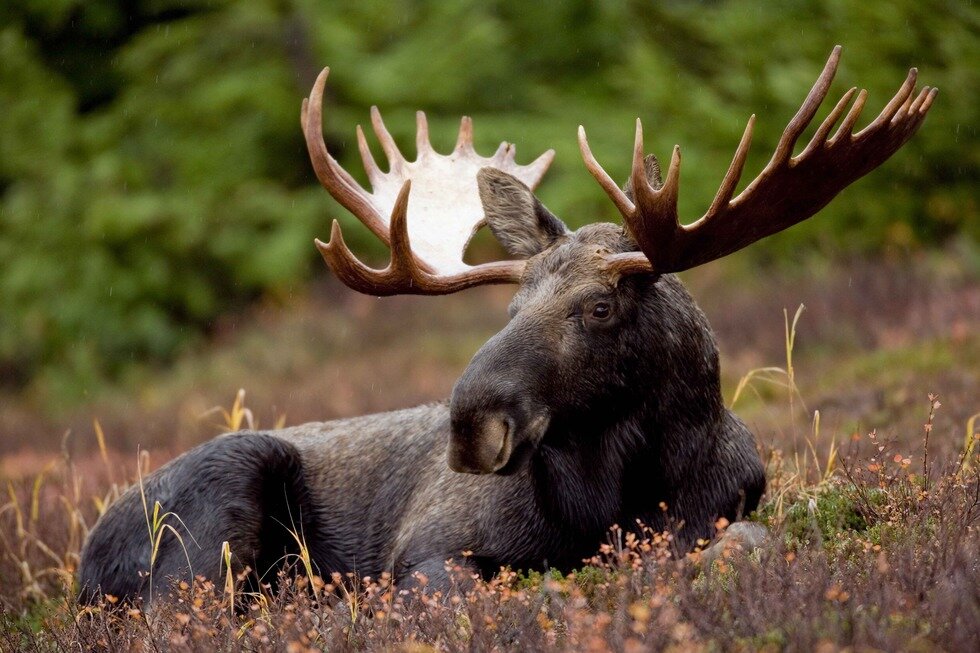
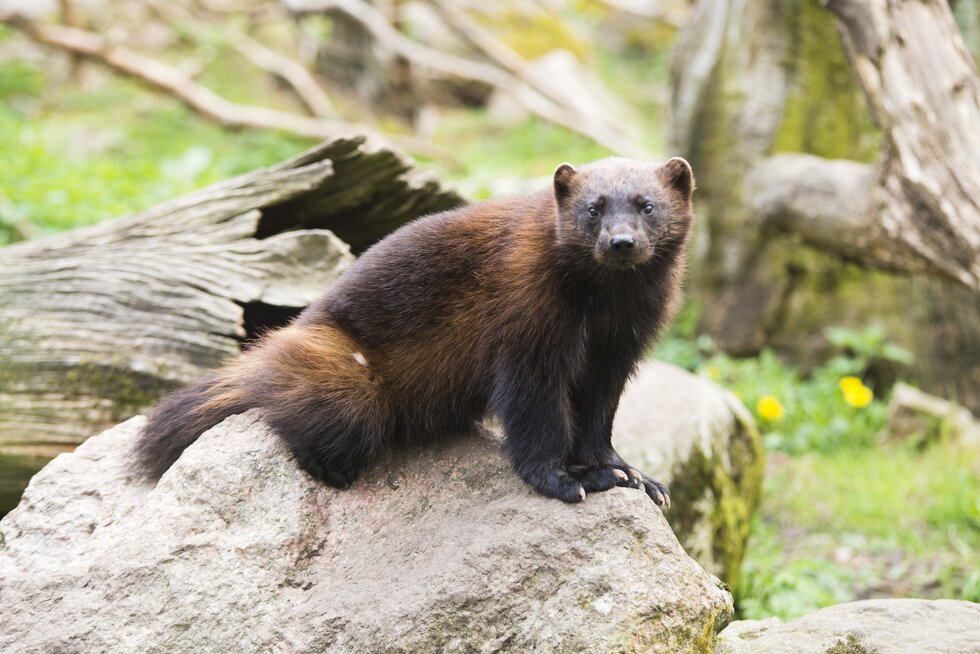
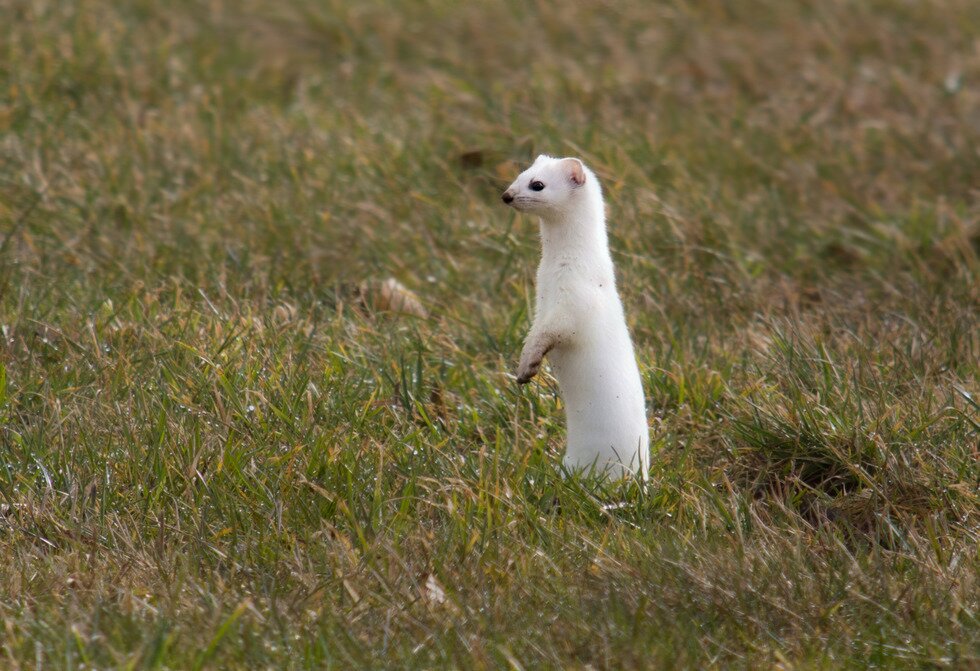
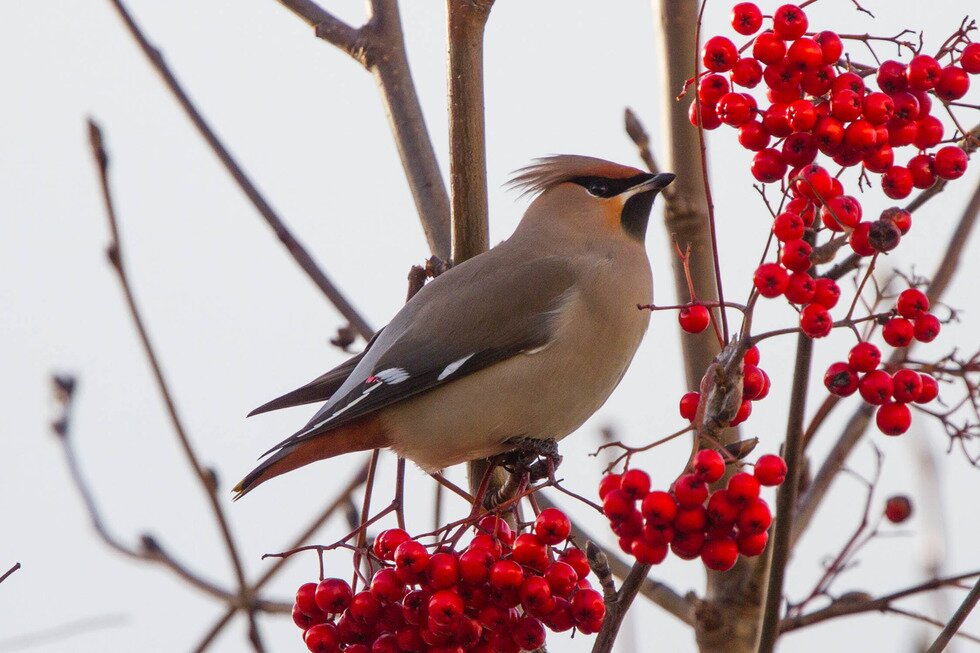
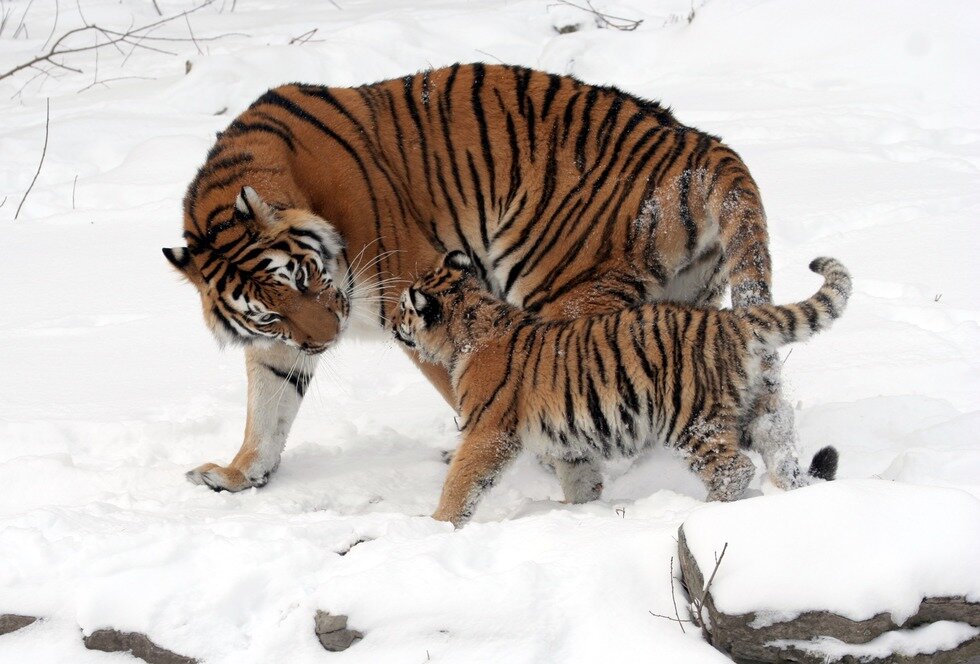
Intensive hunting, poaching and forest logging has brought some taiga animals on the brink of extinction. Taiga forests may seem enormous, but many taiga animals need large areas to live in. Therefore, forest clearing may harm them, even when it seems that it is not extensive.
Decide if the statements concerning the adaptations of taiga trees to frosty and snowy winters are true or false.
| True | False | |
| Coniferous trees do not exhibit any special adaptations to frosty winters. | □ | □ |
| The shape of crowns of taiga trees protects them from breaking under the weight of snow and hard rime. | □ | □ |
| Taiga trees accumulate water in leaves and trunks for winter. | □ | □ |
| The wax covering the needles of coniferous trees protects them from frost and prevents water loss. | □ | □ |
Choose a phrase which describes how frogs and bears survive winters.
- migration to warmer regions
- increased activity to keep warm
- gathering food supplies under snow
- falling into a winter sleep
- eating needles of coniferous trees in winter
Summary
In the taiga, there are fewer species of plants and animals than in the previously discussed zones.
The taiga is mainly dominated by tall coniferous trees, with less numerous shrubs, but very many groundcover plants.
In summer, a lot of insects and other invertebrates appear in the taiga.
The taiga is inhabited by numerous species of birds and mammals, but there are few amphibians and reptiles.
Keywords
taiga, coniferous trees, juniper, heath, wetland, wolverine, stoat
Glossary
mokradło – obszar utworzony w naturalnym zagłębieniu terenu z utrzymującą się nadmierną ilością wody
tajga – zwana także borealnym lasem iglastym; zespół ekosystemów o zbliżonych warunkach klimatycznych, podobnej strukturze przestrzennej oraz zbliżonej florze i faunie- zwany biomem- występujący w klimacie umiarkowanym chłodnym, dla którego charakterystyczne są długie okresy mroźnych zim oraz niska roczna suma opadów (400‑600 mm); typowa dla tego biomu formacja roślinna to las iglasty