The scandalers are coming
you will present the main trends of the art of the 20th‑century
you will explain the differences between modernismmodernism and postmodernismpostmodernism
you will discuss examples of works of art belonging to specific trends
Before the lesson

Film dostępny na portalu epodreczniki.pl
animacja Oxford debate
How did the art change in the 20th‑century
The modern artmodern art undergoes constant changes and its image is still not specified. In the 1990s, the world entered into the digital age. New technologies and the Internet revolutionized also the visual sphere. Major changes affecting the civilisation make artists look at the world critically. Many of them use media scandals. Their works provoke important questions about the state of the modern human and oftentimes break cultural taboos. At the same time, they are subject to the laws of the free market – controversialcontroversial works or artistic events and prominent exhibitions become “products”.
In pairs, talk about your experience related to the modern art. Where did this experience take place? Was it a gallery, museum, cinema? Whose works of art do you know?
Match terms with their definitions. These terms will be useful during the class.
trend in art, literature and philosophy at the end of 20th century, being the criticism of the modern civilization based on the idea of rational and unified order existing in the world, trend in Polish art of 1990s, which includes artistic phenomena critically commenting on social, political, economic and other issues which occured after the political transformation of 1989, trend in the modern art consisting in creation of compositions from ordinary objects, imitating the style of advertisements, comics etc.
| postmodernism | |
| pop-art | |
| critical art |
Modernism, which dates back to the mid‑19 century, covers works of art, as well as artistic trends and attitudes. The essential characteristics of modernism were the avant‑garde replacements of the old with the new, the dominance of experimentation and the continuous extending of the boundaries (new forms, new representations and new media). As the high and elite art, modernism laid the foundations of the use of the hermetic language of abstractionabstraction.
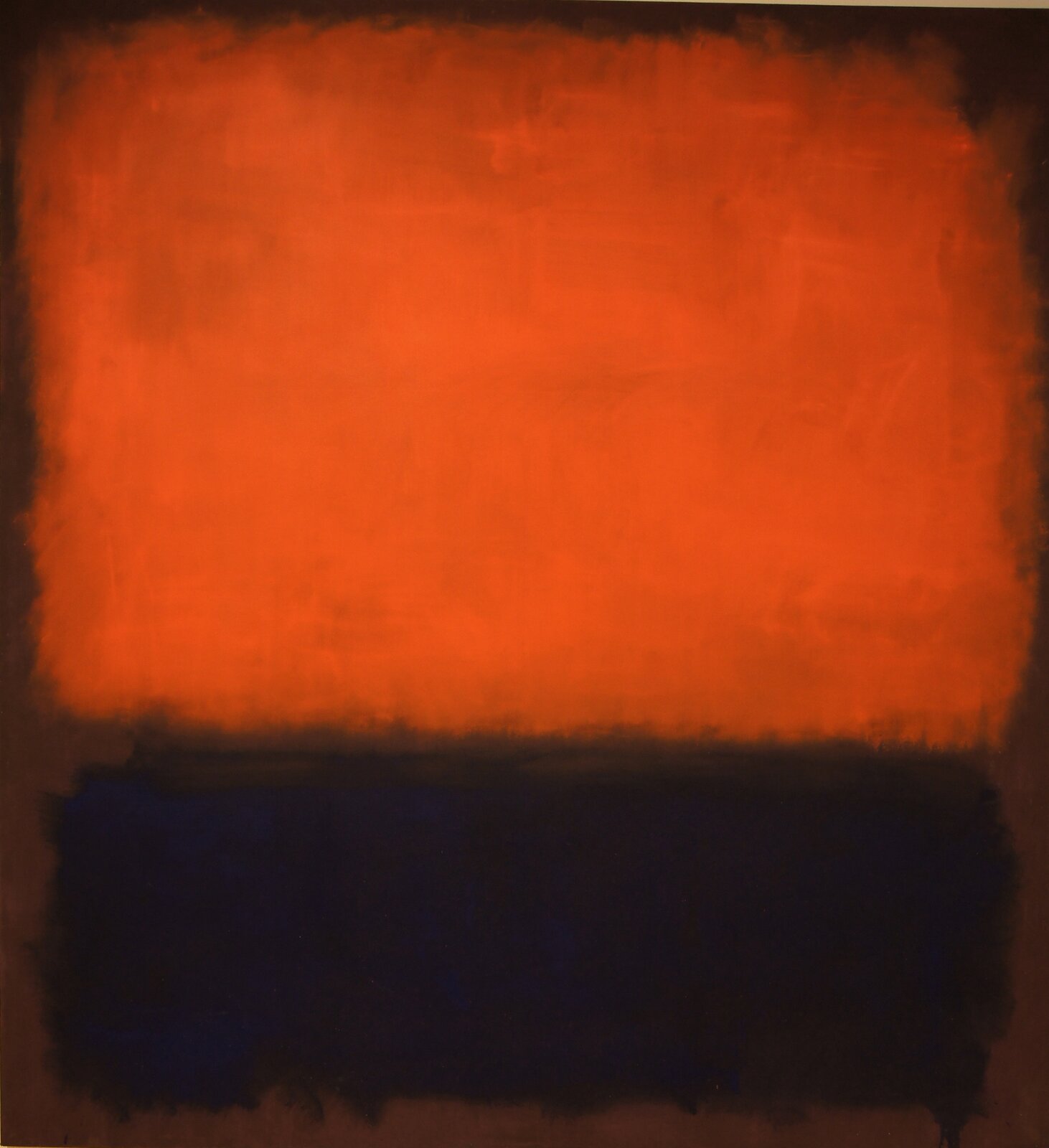
However, this vast variety of forms and new means of expression determined the entire nature of the art of the first half of 20th century. Modernist artists tried to create unique works of art, balancing the profound theoretical thought with the solid experience. It was chiefly the European or South American art, evolving in large urban centres, elite art schools, exhibited in modern galleries and created mostly by men.
Paintings of Mark Rothko and Franz Kline – representatives of the abstract expressionismexpressionism – are examples of modernist works of art. These painters, concentrating on colour and patches (Rothko) or lines and gestures (Kline), expressed subtle feelings or simply free expression. The paintings are anti‑narrativeanti‑narrative and affect only through the form: plane, colour and simplified shapes.
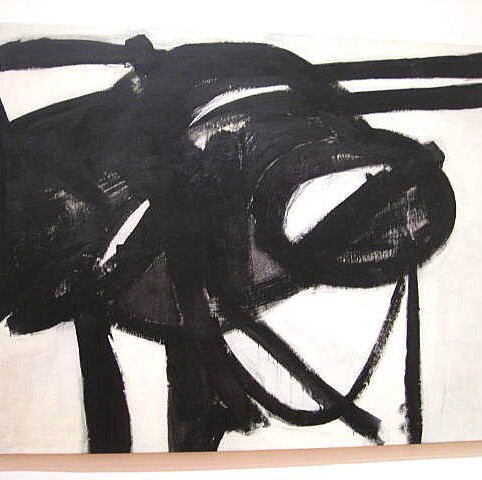
Both US artists, one representing the color field painting (Rothko), and the other – the so‑called calligraphy painting, belonged to a generation which entered the international world of art after 1945. At that time, Paris ceased to be the artistic centre and was replaced by New York – a dynamic capital city of the New Art World.
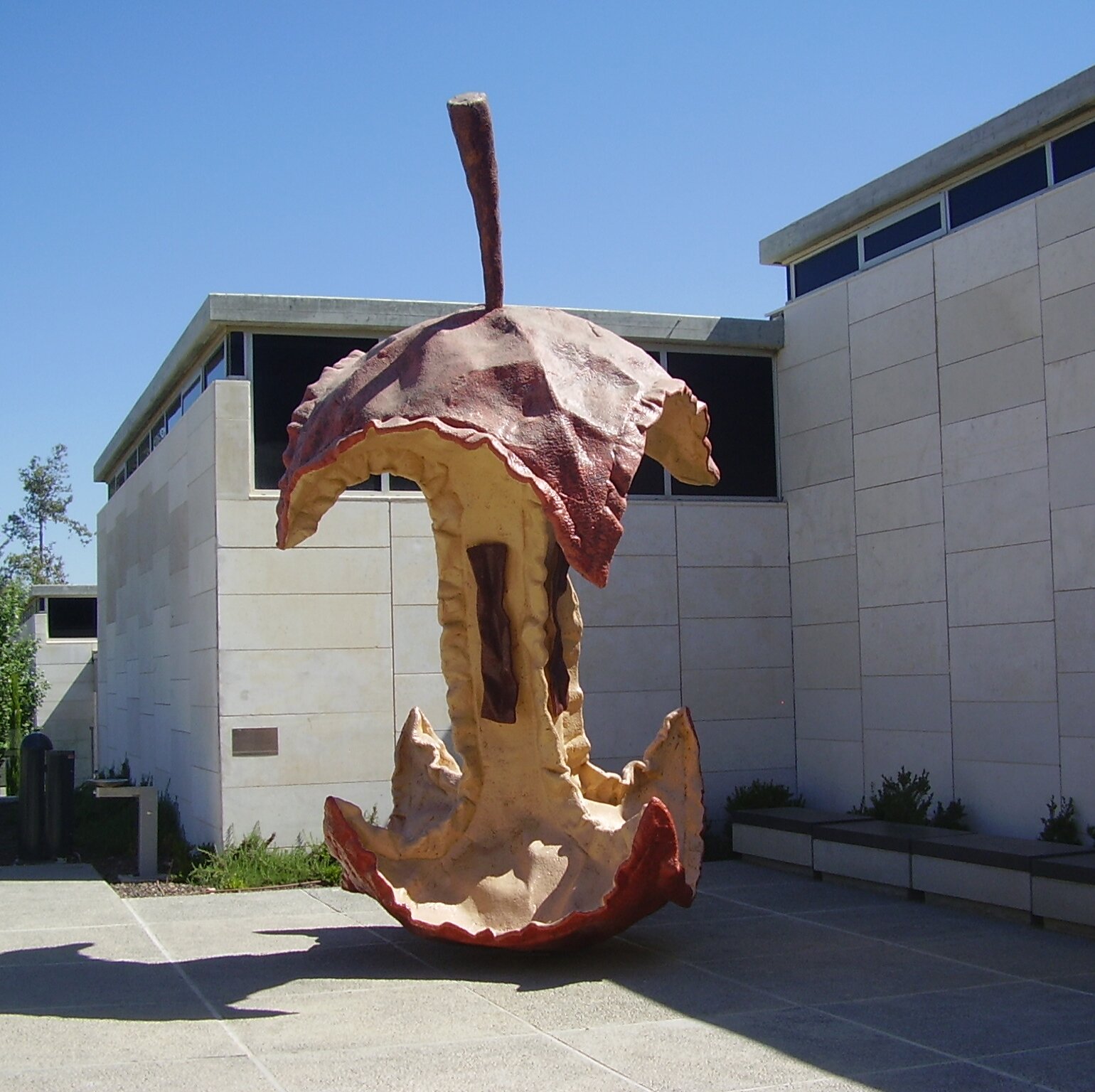
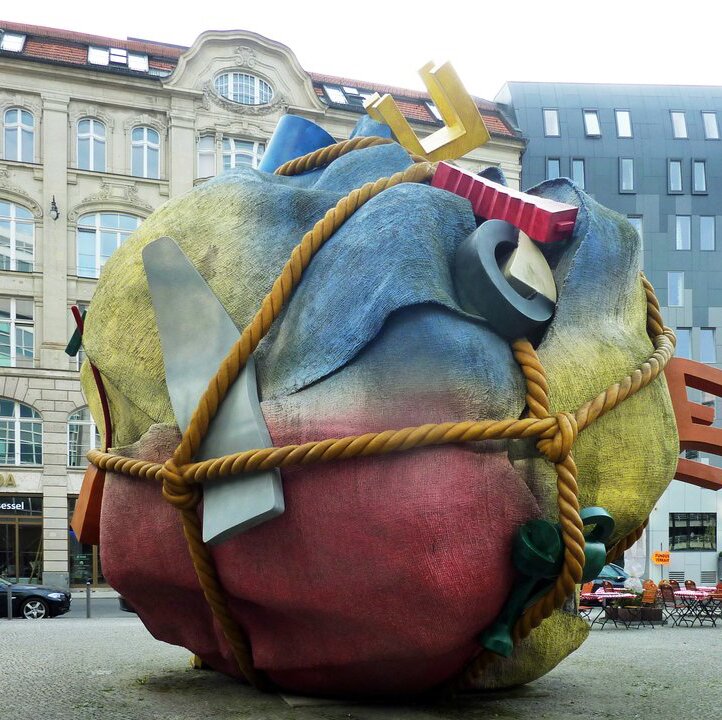
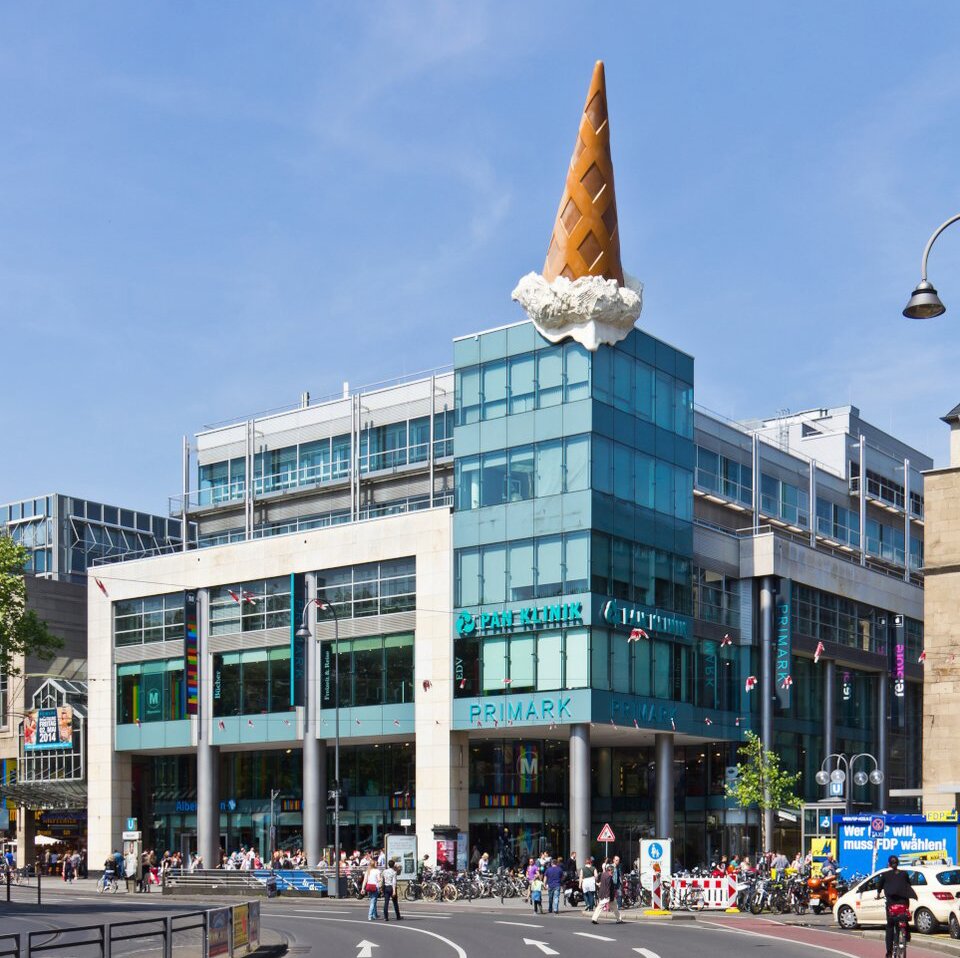
Pop‑art sculpture gave up the canon of the genre, shifted away from both the classical topics and materials clay, wood, stone or bronze casting). Artists reached for cheap, modern materials: plasterplaster, plastic and rubber foamrubber foam. Narrowing of the topics and the use of elements of everyday life introduced to sculpting an element of irony, taking away its serious and artistic tone.
Read the text written by Tony Horne regarding postmodernism and note down the main assumptions of this trend in the art.
Słownik pojęć kultury postmodernistycznej. Mody, kulty, fascynacjeNajbardziej bezpośrednią formą kontaktu z tzw. sztuką postmodernistyczną było dla większości ludzi zetknięcie się z noszącym tę nazwę stylem w architekturze, który pojawił się na początku lat osiemdziesiątych. Tendencja ta, występująca także w grafice użytkowej i wzornictwie, polegała na łączeniu historycznych odwołań – zwłaszcza klasycznych, „egipsko‑babilońskich” – i nowoczesności, co dawało w efekcie żartobliwe pastisze, często ornamentowane kiczowatymi ozdobami w pastelowej lub opartej na kolorach zasadniczych tonacji, bez wyraźnego rozróżnienia między wnętrzem a otwartą przestrzenią – czego przykładem są np. drzewa w atrium, rury i przewody na zewnętrznej elewacji, ulica przechodząca przez wnętrze sklepu, itp. [...] Twórcą terminu „postmodernizm” był amerykański krytyk marksista Frederic Jameson, który po raz pierwszy użył go w 1964 roku. Z czasem zaczęto nim określać cały zespół pojęć, które zdawały się reprezentować nową fazę w rozwoju kultury Zachodu; wszelkie prawdy i wartości stały się względne, a bariery między kulturą „wysoką” i kulturą masową, między sztuką a konsumeryzmem, a także pomiędzy różnymi artystycznymi gatunkami zanikały. W świecie postmodernizmu pojęcia linearnej historii, stałego postępu i opozycji awangarda – tradycja bądź realność –wyobrażenie nie miały już zastosowania. W rezultacie zapanował chaos konkurujących stylów i odwołań, transmitowanych przez wolnorynkowy system konsumerystyczny, kreujący dla własnych celów własną rzeczywistość.
Source: Tony Horne, Słownik pojęć kultury postmodernistycznej. Mody, kulty, fascynacje, Warszawa 1995, s. 262–263: Postmodernizm.
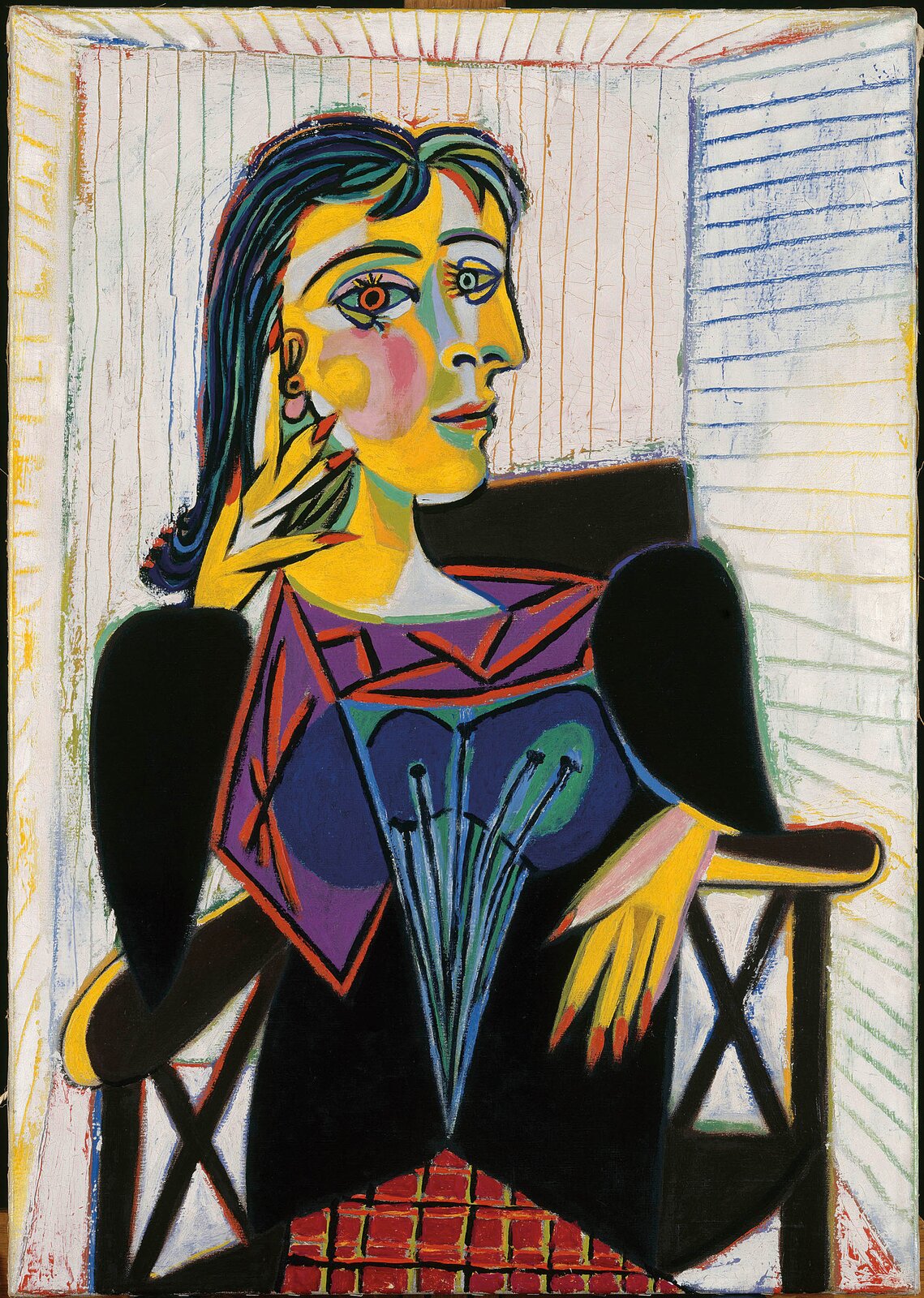
The installationinstallation of Elen Wetmore is a perfect example of a postmodern work of art. With the use of video and computer editing, the artist presented a process of “reconstructionreconstruction” of her portrait, referring, at the same time, to analytical cubist works and famous portrayals of Dora Maar, a painter, photographer, poet, model and lover of Picasso. Using a modern technique, the artist spatialised a classic easel painting. She also became a porte‑parole of Dora Maar and other women marginalised by the world of art. Characteristic features of postmodern art are the introduction of feminist issues, quotes from another work of art and reference to tradition (cubism and surrealism). In the film Visiting Dora Maar, the artist tries to “reinvent” herself from scattered, elusive phantoms of pictures and paintings.
Match descriptions to the provided artistic trends in the modern art.
domination of modernity, relativity of all truths and values, avant-garde experiments with the form, blending of artistic genres, dismissing the academic tradition, cult of originality, use of the language of abstraction, division into the “high” and mass art, mixing styles and traditions, use of irony, parody and pastiche, destruction of cultural hierarchy, interest in the mass media
| modernism | |
|---|---|
| postmodernism |
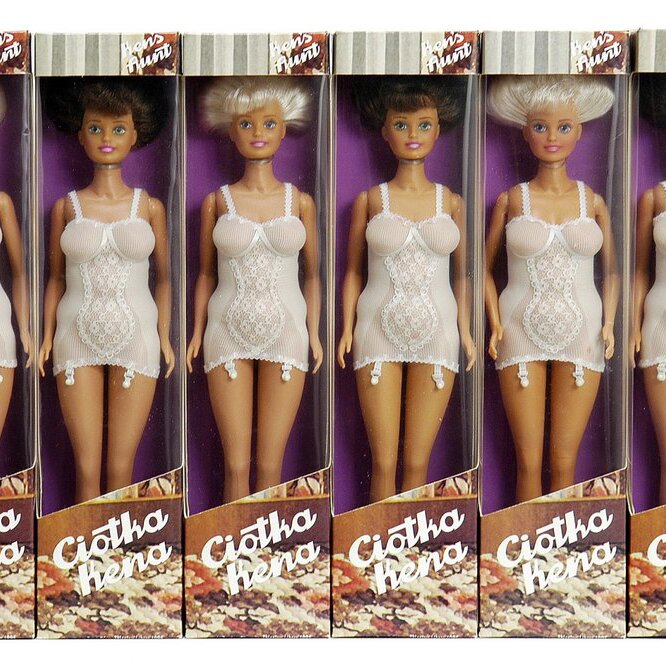
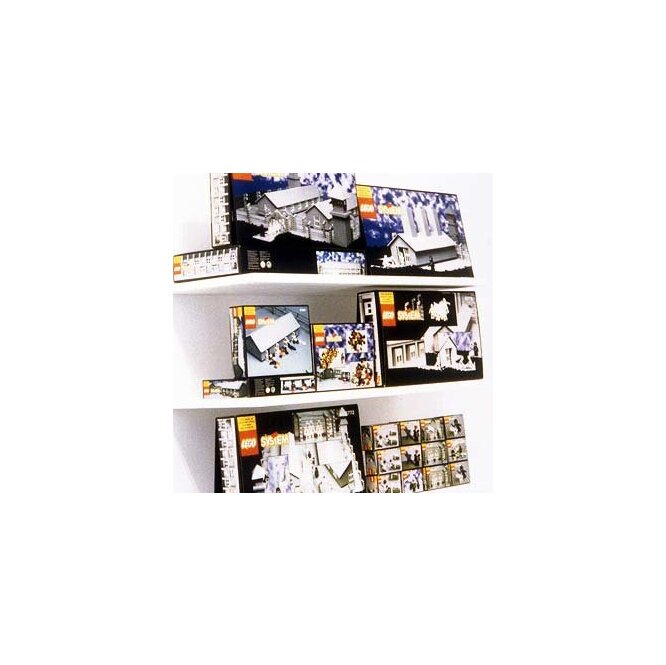
Prepare a question for your friend, thanks to which he will check his knowledge about critical art
Question: ...
- ...
- ...
- ...
- ...
- ...
Keywords
critical art, modernism, postmodernism, pop‑art
Glossary
sztuka krytyczna
modernizm
postmodernizm
sztuka współczesna
instalacja
wideo‑art
sztuka wizualna
kontrowersja
abstrakcja
ekspresjonizm
antynarracyjność
płaszczyzna
kicz
fetysz
kolaż
konsumpcjonizm
sztuka popularna
gips
pianka gumowa
rekonstrukcja
parodia
pastisz