The Social and Political Crises of the Polish People’s Republic
what were the characteristics of the 1956 thaw in Poland;
who was Władysław Gomułka and what was the “small stabilization”;
what were the forms, reasons and consequences of the protests in 1956, 1968, 1970, 1976;
how did the anti‑Communist opposition of the Polish People’s Republic take shape;
what were the celebrations of the Millenium of Poland’s Baptism and how did the authorities attempt to fight and compete against them.
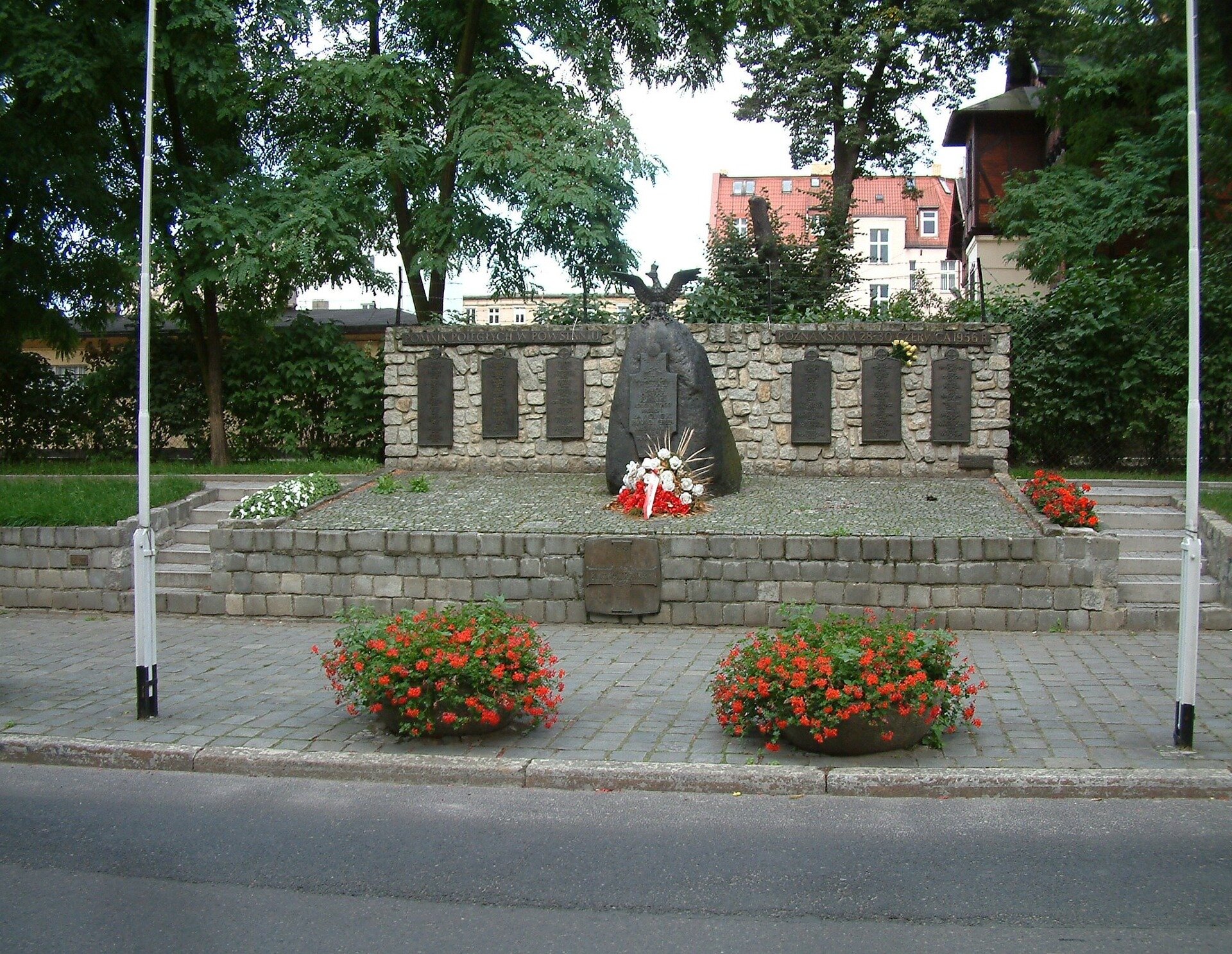
The death of Joseph Stalin in 1953 and the speech of his successor, Nikita Khruschev during the 20th Congress of the Communist Party of the Soviet Union, launched a slow thawthaw in the entire Eastern Bloc. The first serious social and political protest took place in June 1956, in Poznań. The workers of Joseph Stalin’s Metal Industries came forward with slogans demanding the improvement of their material situation and liberalization of public life. The lack of any reaction to the postulates on the authorities’ part led to the escalation of the events, which was eventually quelled with the use of armed forces. Riots that would go on for a few days ensued; their death toll stood at over 70, and the authorities had to send in 11 thousand soldiers and 260 tanks to suppress the events.
It was in the summer of 1956 that changes took place in the Polish United Workers’ Party and its highest structures of power. The death of Bierut and the criticism of Stalinism enabled Władysław Gomułka’s return to power in October. A brief period of liberalization known as the “small stabilizationsmall stabilization” began. Changes took place in agriculture and in the military (the removal of the Soviet officers); the censorship was lightened, and the relations between the state and the Church were normalized (e.g. the release of Cardinal Wyszyński from internment). 250 thousand Polish expatriates returnedreturned from the East. Unfortunately, this period ended very quickly. The censorship tightened its grip again, the fight against the Church became exacerbated (in connection with the celebrations of the Millenium of the Baptism of Poland), agriculture stagnated.
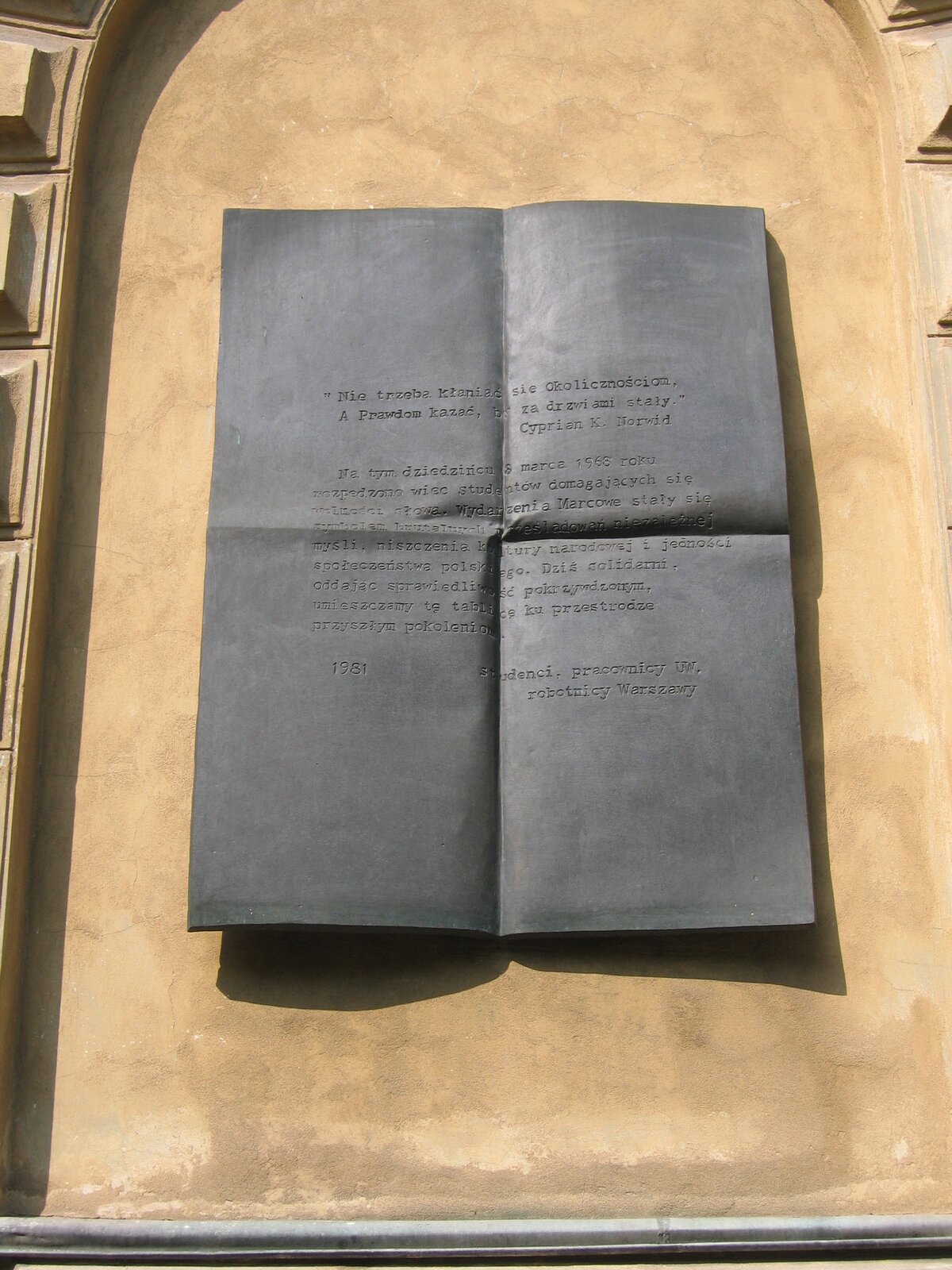
Another crisis was merely a matter of time. It began in 1968. While the workers were the driving force behind the June 1956 protests, this time the events were set in motion by students and members of the intelligentsia. They were caused by internal party conflict, disappointment with Gomułka’s rule, as well as the situation on the international stage (the Six‑Day War between Israel and the Arabs). The Poles with Jewish roots became the scapegoat. The grand‑scale antisemiticantisemitic campaign, connected with the brutal suppression of the intelligentsia’s protests against the censorship (the ban on performances of Mickiewicz’s “Fortefathers’ Eve”) led to the authorities removing unruly students and professors from their universities, as well as forcing over 20 thousand Poles with Jewish roots to emigrate.
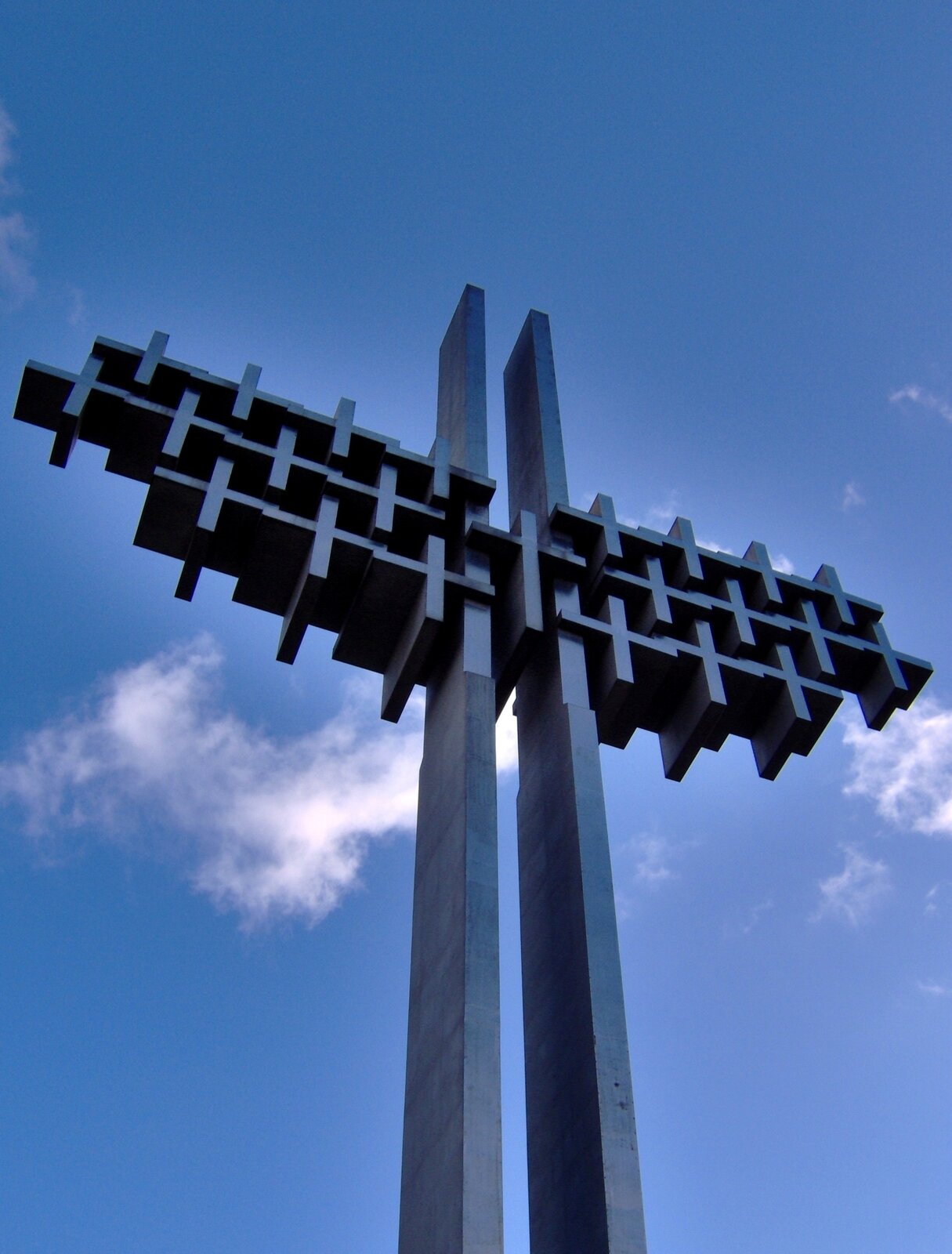
The worsening economic situation led to a dramatic rise of alimentary product prices in December 1970. The wave of protests that erupted (mainly on the Baltic Coast) was, once again, a surprise to the authorities. The streets of Gdańsk witnessed a battle of the citizens against the militia and the ZOMO (Motorized Reserves of the Citizens' Militia)ZOMO (Motorized Reserves of the Citizens' Militia). The battles left many wounded and killed.
Those events led to Edward Gierek being appointed for the office of First Secretary. He managed to take control of the situation, and his loans improved the state of the economy. The construction of the “second Poland” began. Many new places of work (such as the FSO passenger car factory in Tychy) and public benefit facilities (the Children's Memorial Health Institute) were created, and the store shelves, for the first time, were supplied full of products. The Polish culture (cinema) and sports (World Championships and Olympic Games) triumphed worldwide as well. This led to quick development of the Polish economy and the improvement of the citizens’ lives, but also to the “overheating” of the trade, and the crisis caused by the need to repay foreign debt. In order to counteract the situation, the food prices were raised. This caused almost 100 working places to join the strikes in June 1976. This time, too, the protesters were subjected to repression. They were removed from work, and the most active ones were arrested. Those events marked the beginning of the birth of anti‑Communist opposition, and, for the first time, collaboration between the working class and the intelligentsia. In 1976, the KOR (Workers’ Defense Commitee)KOR (Workers’ Defense Commitee) was born, and the ROPCiO (Movement for Defense of Human and Civic Rights)ROPCiO (Movement for Defense of Human and Civic Rights) was created one year later. Those factors combined became the catalyst for change, starting the process of the formation of overt democratic organizations that would oppose the authorities.
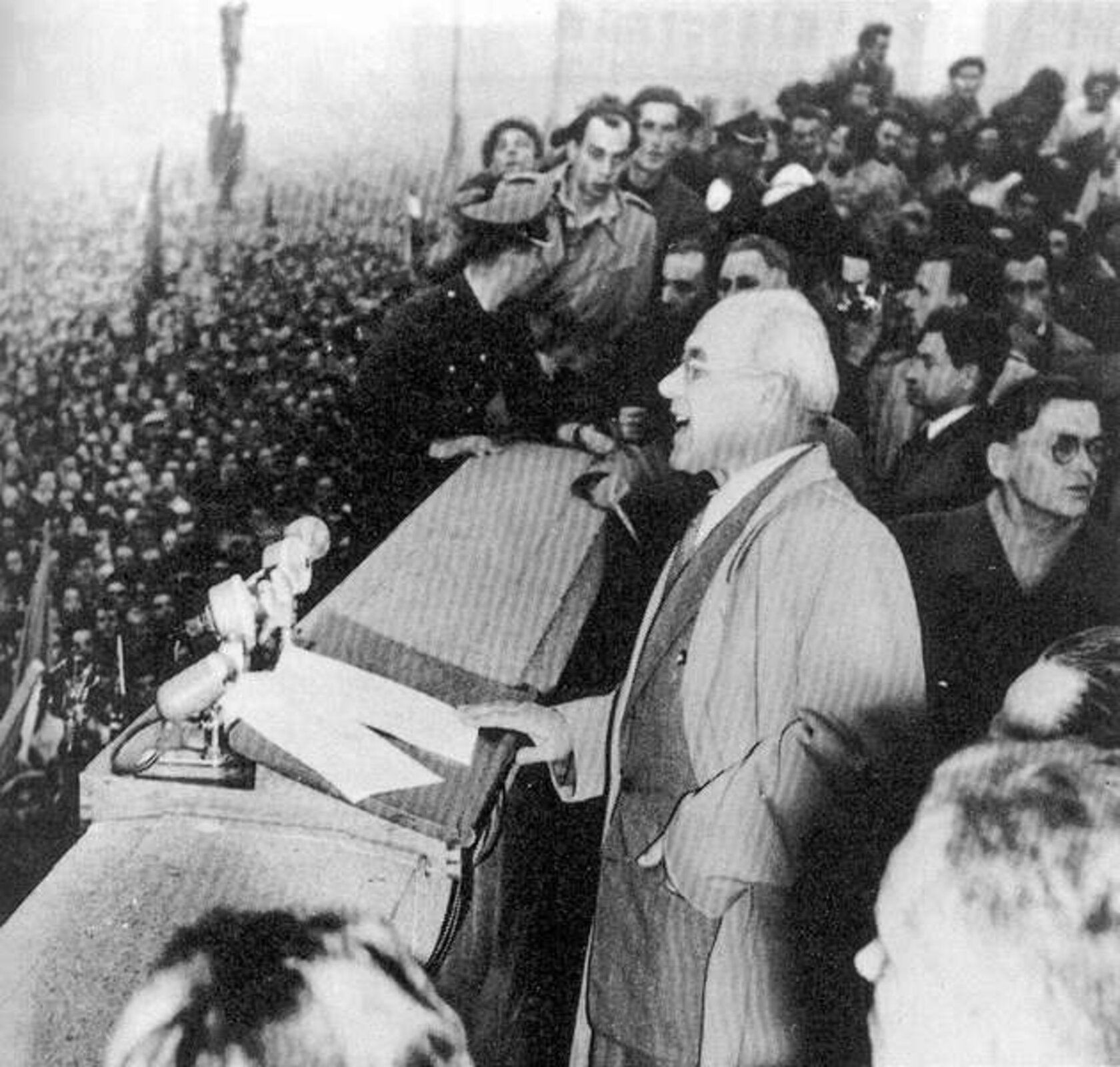
What was saying the presence of such crowds during the meeting with Gomułka?
Match the terms with their definitions.
the commonly-used term for the rule of Władysław Gomułka, which brought the liberalization and stabilization of social life, ending mass repression and indoctrination., cards/coupons entitling the owner to purchase goods. In the Polish People’s Republic, they did not substitute money – they merely limited one’s capacity to buy certain goods to strictly determined amounts. They are present during wartime, after it, and during market shortages., state-owned agricultural farms existing between 1949 and 1993., the resentment, hostility, prejudice, and discrimination directed against Jews and people with Jewish roots. An extreme case of it was the Nazi ideology, which aimed to completely exterminate the Jewish nation., a common term used to describe the period of lightening or ceasing political repressions and widespread terror in countries ruled by Communist parties. Most commonly, it is used to refer to the thaw of 1956., units of the militia created in 1956 in order to bring order to workers’ strikes and social protests, as well as assist the people during natural disasters. For the whole existence of the Polish People’s Republic, they had a bad reputation., an organization made up of volunteers from either a certain workplace or profession, aiming to defend their colleagues’ socio-economic interests., a political movement born at the end of the nineteenth century, with Theodor Herzl acknowledged as its founder. It advocated Jewish settlement in Palestine and the creation of the Jewish state.
| Thaw | |
| ZOMO (Motorized Reserves of the Citizens' Militia) | |
| Small stabilization | |
| Zionism | |
| Antisemitism | |
| State Agricultural Farm (PGR) | |
| Ration stamps | |
| Trade union |
Keywords
Thaw, ZOMO (Motorized Reserves of the Citizens' Militia), repatriation, Zionism, antisemitism, State Agricultural Farm (PGR), ration stamps, trade union
Glossary
Odwilż – potoczne określenie okresu złagodzenia lub zaprzestania represji politycznych i powszechnego terroru w krajach rządzących przez partie komunistyczne. Najczęściej określenie to związane jest z odwilżą 1956 r.
Klub Krzywego Koła – nazwa klubu dyskusyjnego mającego charakter krytyczny wobec władzy komunistycznej, działającego w Warszawie w latach 1955‑1962.
ZOMO (Zmotoryzowane Odwody Milicji Obywatelskiej) – oddziały milicji powołane w 1956 r., których celem było zaprowadzanie porządku w sytuacjach strajków i wystąpień społecznych, a także pomoc ludności w czasie klęsk żywiołowych. Przez cały okres PRL cieszyły się złą sławą.
Repatriacja – dosłownie powrót do ojczyzny; przesiedlanie do kraju obywateli, którzy na skutek zmiany granic lub działań wojennych znaleźli się poza jego terytorium. W Polsce Ludowej określano tak również mieszkańców Kresów Wschodnich.
Mała stabilizacja – potoczna nazwa pierwszych lat rządów Władysława Gomułki określająca liberalizację i stabilizację życia społecznego, wycofanie się z masowych represji i indoktrynacji.
List 34 – list protestacyjny polskich intelektualistów przeciw działaniom cenzury wystosowany do premiera PRL w marcu 1964. Nazwa odwołuje się do liczby osób, które się pod nim podpisały.
Syjonizm – ruch polityczny powstały pod koniec XIX w. za którego twórcę uznaje się Theodora Herzla. Propagował osiedlanie się Żydów w Palestynie, gdzie mieli stworzyć własne państwo.
Antysemityzm – niechęć, wrogość, uprzedzenia i dyskryminacja Żydów i osób żydowskiego pochodzenia. Skrajnym przykładem antysemityzmu była ideologia nazistowska dążąca do całkowitego eksterminacji narodu żydowskiego.
Aktyw robotniczy – termin określający bojówki partyjne, używane do tłumienia protestów inteligencji. W jego skład najczęściej wchodzili członkowie PZPR dużych zakładów pracy, często wspierane przez ubranych po cywilnemu żołnierzy.
Państwowe Gospodarstwo Rolne (PGR) – gospodarstwa rolne istniejące w Polsce w latach 1949‑1993 i należące do państwa.
Kartki – bony/kupony uprawniające do nabywania towarów. W PRL‑u nie zastępowały one pieniędzy, wprowadzały ograniczenia w kupnie pewnych produktów do ściśle określonej ilości towaru. Występują w gospodarkach okresu wojny i powojennym oraz w czasie niedoborów na rynku.
Komitet Obrony Robotników (KOR) – organizacja opozycyjna działająca w latach 1976‑1977 sprzeciwiająca się polityce represji władz PRL wobec uczestników protestów z czerwca 1976 r.
Ruch Obrony Praw Człowieka i Obywatela (ROPCiO) – organizacja antykomunistyczna i niepodległościowa powołana w 1977 r. W chwili powstania liczył 80‑120 osób, a jego celem było wymuszenie na władzy ratyfikowania Międzynarodowych Paktów Praw Człowieka i Obywatela.
Związek Zawodowy – dobrowolna organizacja zrzeszająca grupę ludzi jakiegoś zakładu pracy (np. robotników) lub zawodu, której celem jest obrona ich interesów społeczno‑ekonomicznych.