Is it possible to determine the sum formula of a chemical compound based on the valence of its elements?
If we know the valence of two elements, which together form a chemical compound, then in practically every case we can determine the total formula of this compound. We do not need to know what kind of bonds exist in a relationship. In many cases, the obtained sum formula is true and well describes the composition of the molecule or the smallest set of repeating ions in the ionic compound. Determining the order of symbols in the summation formula can be a problem. It does not matter if the compound is formed by metal and non‑metal. Then, in the sum formula, we first write the metal symbol, and then, to the right, we insert the symbol of the second element.
One of the simpler ways of defining summary models can be found in the examples.
Task 1
Watch the presentation „Determining the sum formula of potassium oxide based on the valence of elements”.
R1AecBkx8O9vx
Pierwsza strona prezentacji. Na niebieskim tle wyświetla się tytuł: Określenie wzoru sumy tlenku potasu na podstawie wartościowości pierwiastków. Determining the sum formula of potassium oxide based on the valence of elements.
Source: GroMar Sp. z o.o., licencja: CC BY-SA 3.0.
RcF4SI6q610cV
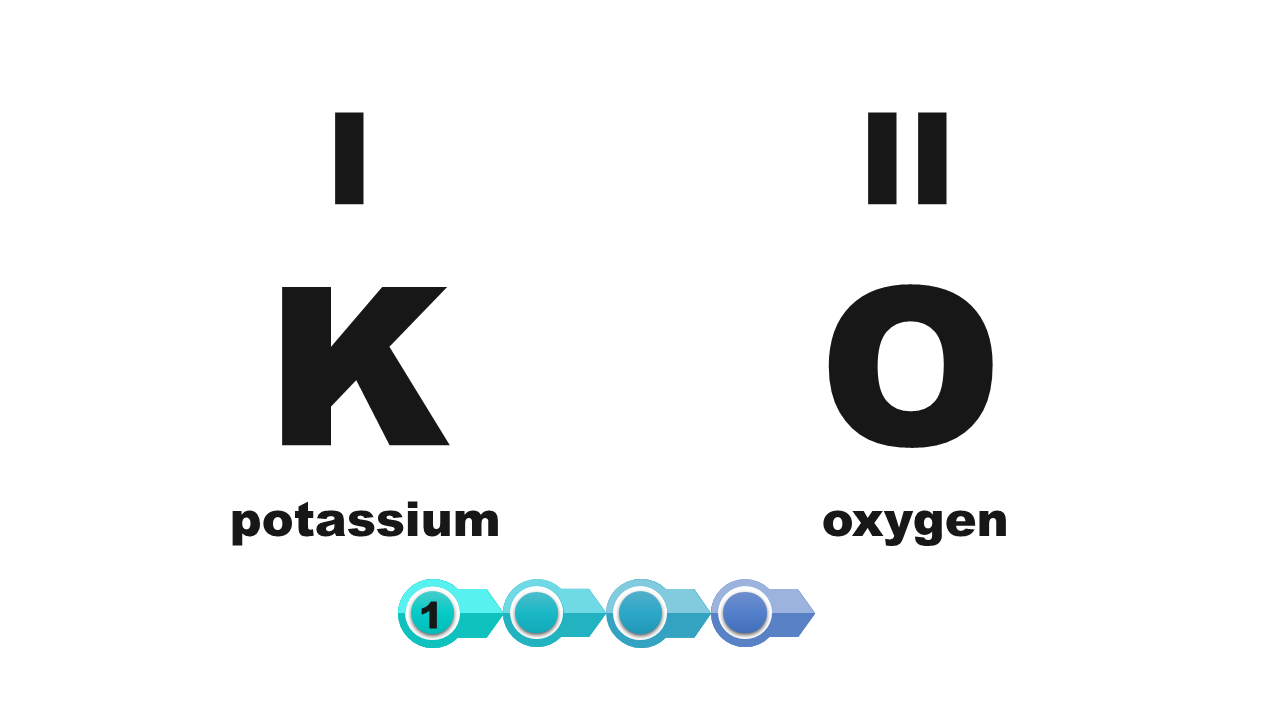
Grafika przedstawia symbole atomów potasu i tlenu oraz zapisane nad symbolami wartościowości liczbami rzymskimi. Jeden nad symbolem potasu, dwa nad symbolem tlenu
How to determine the total formula of potassium oxide based on the valence of elements? Let's start with indicating the valence of potassium and oxygen. Let's write them with Roman numerals. Values are always noted above, that is, the symbol of the chemical element. Potassium is in the first group of the periodic table, so in chemical compounds it is always monovalent. Oxygen in chemical compounds is always divalent.
Source: GroMar Sp. z o.o., licencja: CC BY-SA 3.0.
R1WvPEoBoo1xj
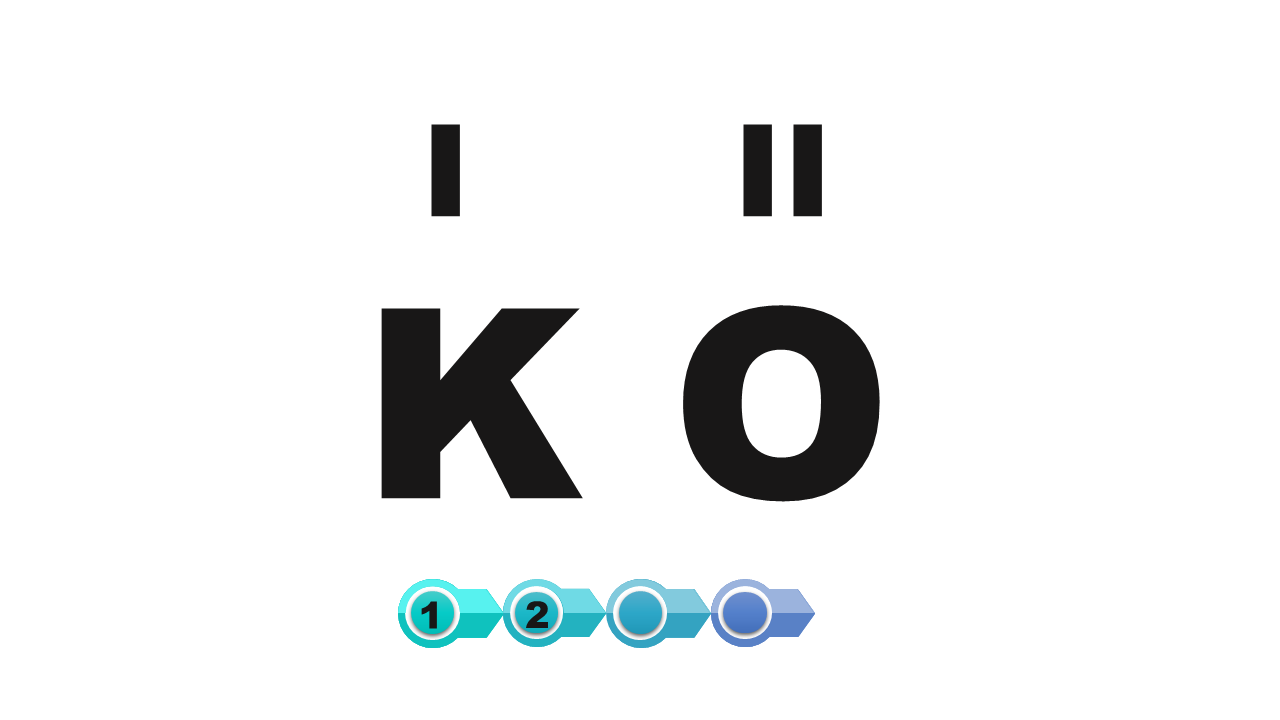
Grafika przedstawia dalsze kroki w kierunku utworzenia wzoru sumarycznego na podstawie wartościowości atomów.
Now we write symbols of elements next to each other, and above them their valences. In the case of potassium oxide, in the first place we will store potassium and oxygen in the second place.
Source: GroMar Sp. z o.o., licencja: CC BY-SA 3.0.
RXjYiudL8L6Bd
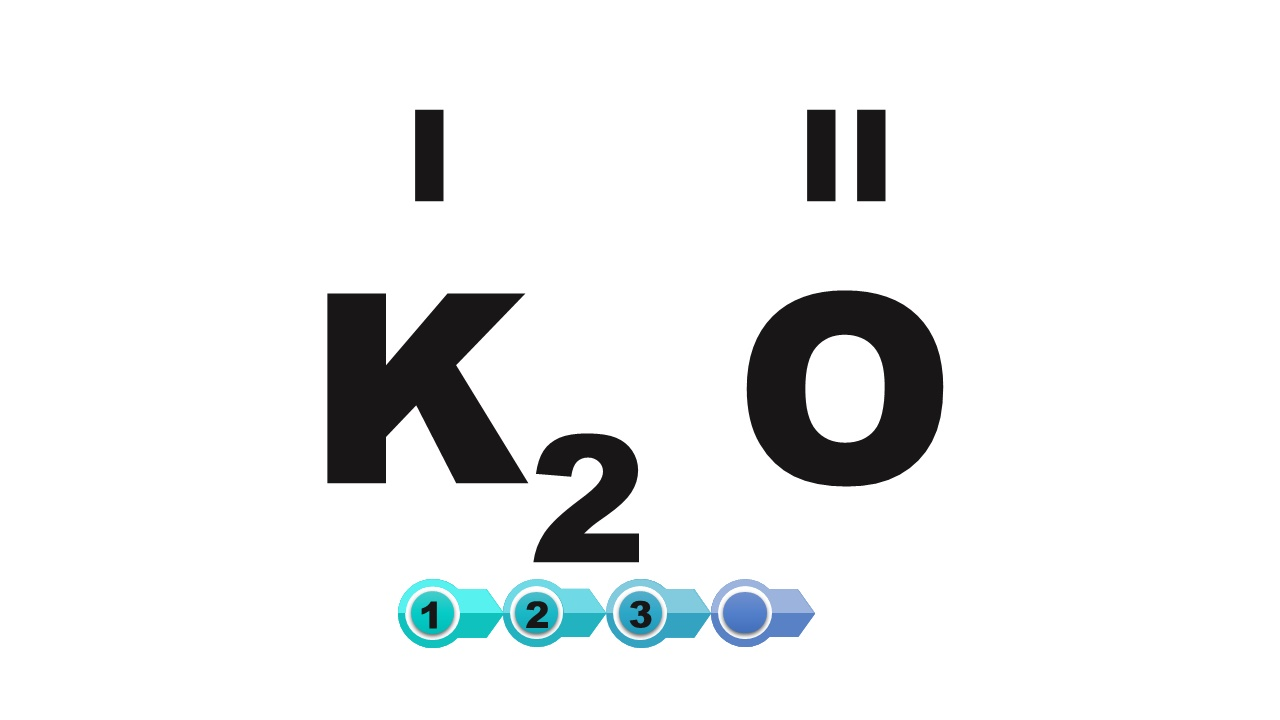
Grafika przedstawia utworzony wzór tlenku potasu ka dwa o.
We now calculate stoichiometric indices. We cross-check the valences so that they form stoichiometric indexes. We do not store the stoichiometric index of 1 in chemical formulas.
Source: GroMar Sp. z o.o., licencja: CC BY-SA 3.0.
RtifjyqCnUDDJ
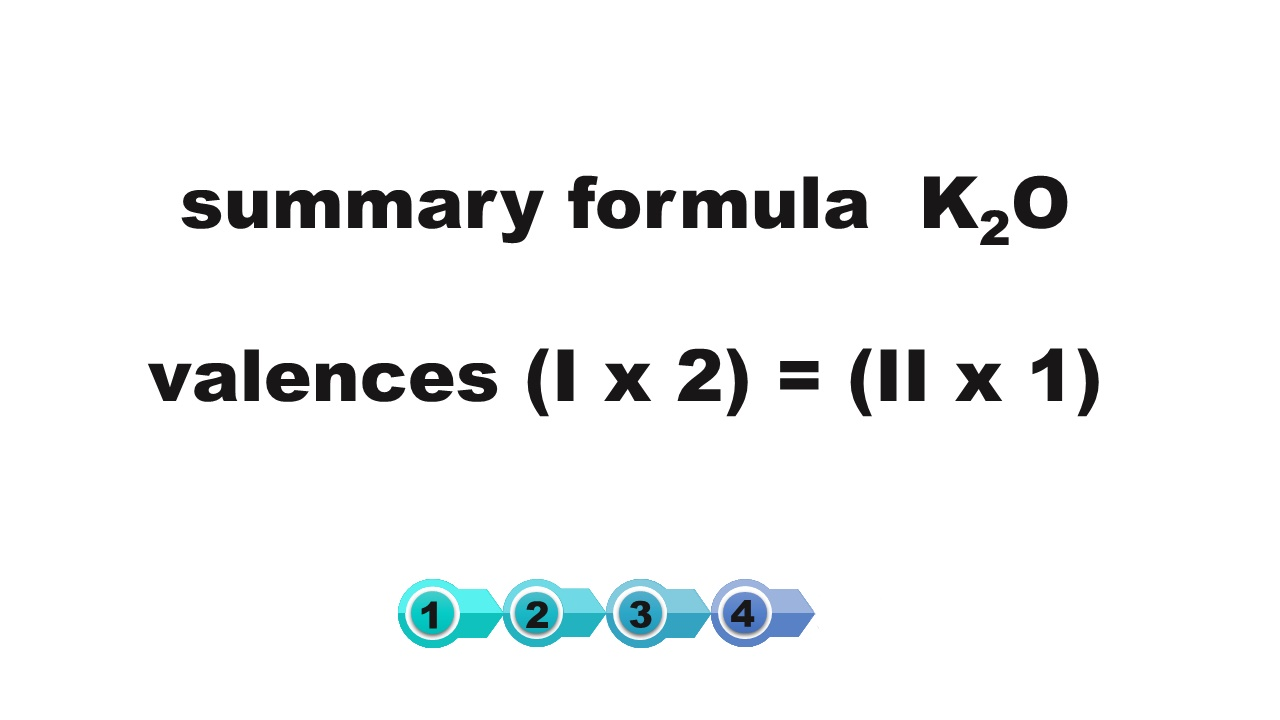
Grafika pokazuje ostateczny wzór sumaryczny (summary formula) dla tlenku potasu ka dwa o. Wartościowość (valences) w nawiasie jeden razy dwa równa się dwa razy jeden.
We write the total formula.
Source: GroMar Sp. z o.o., licencja: CC BY-SA 3.0.
Watch the presentation „Determining the sum formula of sulfur trioxide based on the valence of elements”.
RhoQe03XslFOr
Pierwsza strona prezentacji. Na niebieskim tle wyświetla się tytuł: Określenie wzoru sumarycznego trójtlenku siarki na podstawie wartościowości pierwiastków. Determining the sum formula of sulfur trioxide based on the valence of elements.
Source: GroMar Sp. z o.o., licencja: CC BY-SA 3.0.
R1Wrlxzjc58a8
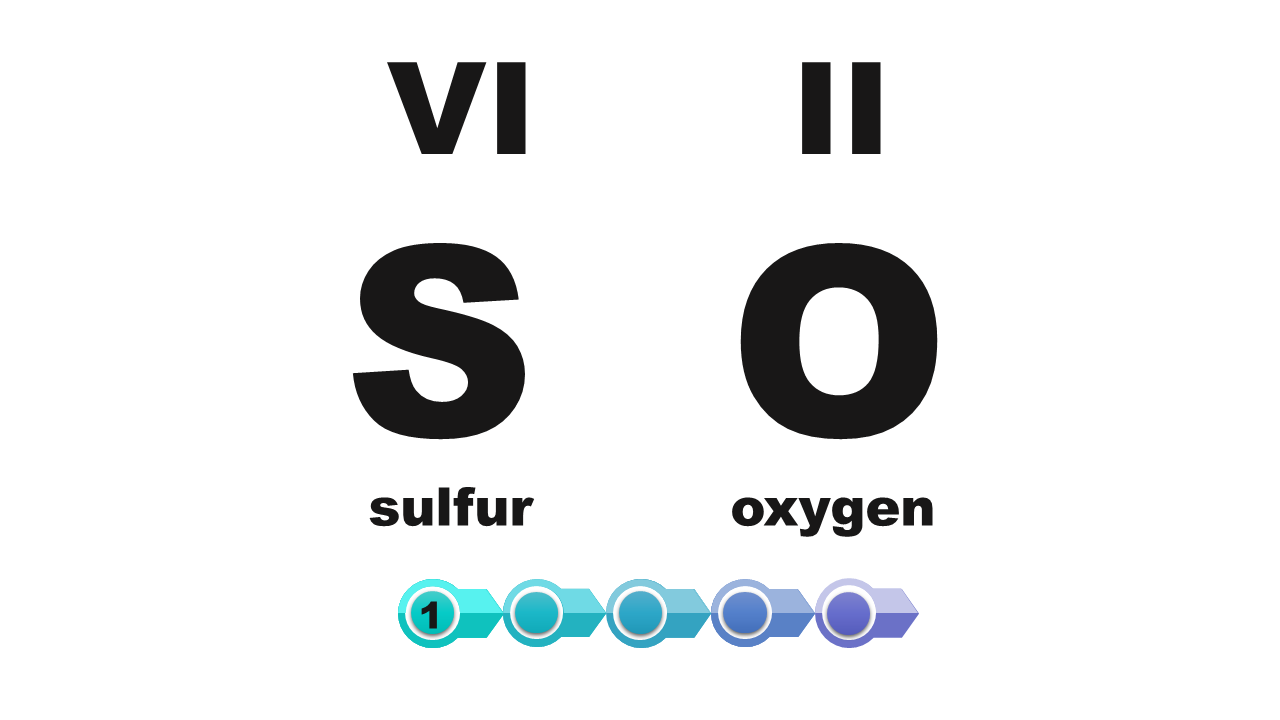
Grafika pokazuje symbole atomów dwóch pierwiastków: siarki (sulfur) opisanej jako es oraz tlenu (oxygen) opisanego jako o oraz ich wartościowości umieszczone liczbami rzymskimi nad symbolem siarki sześć, nad symbolem tlenu dwa.
How to determine the total formula of sulfur trioxide? First determine the valency of sulfur and oxygen. Record them with Roman numerals above the chemical element symbol.The valency of sulfur can be read from the systematic name of sulfur trioxide – sulfur in this compound is hexavalent. Oxygen in chemical compounds is always divalent.
Source: GroMar Sp. z o.o., licencja: CC BY-SA 3.0.
R1GRcYapP2tez
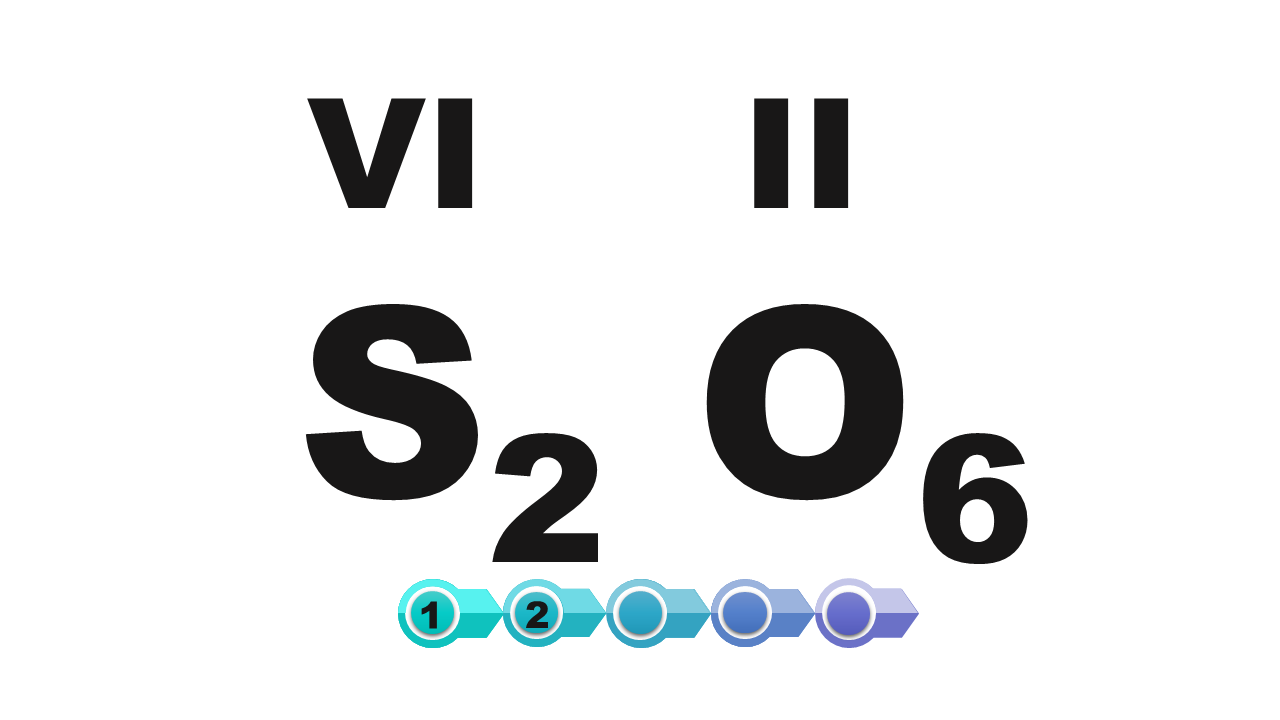
Grafika pokazuje dwa pierwiastki: siarkę (sulfur) opisany jako es oraz tlen (oxygen). Tworzą wzór es dwa o sześć.
Now write the symbols of the elements next to each other, and over them their valences. In accordance with the rule of saving symbols in chemical formula, first save the sulfur, then oxygen. Now rewrite the valences so that they form stoichiometric indices.
Source: GroMar Sp. z o.o., licencja: CC BY-SA 3.0.
ROISIg9fQ3FS6
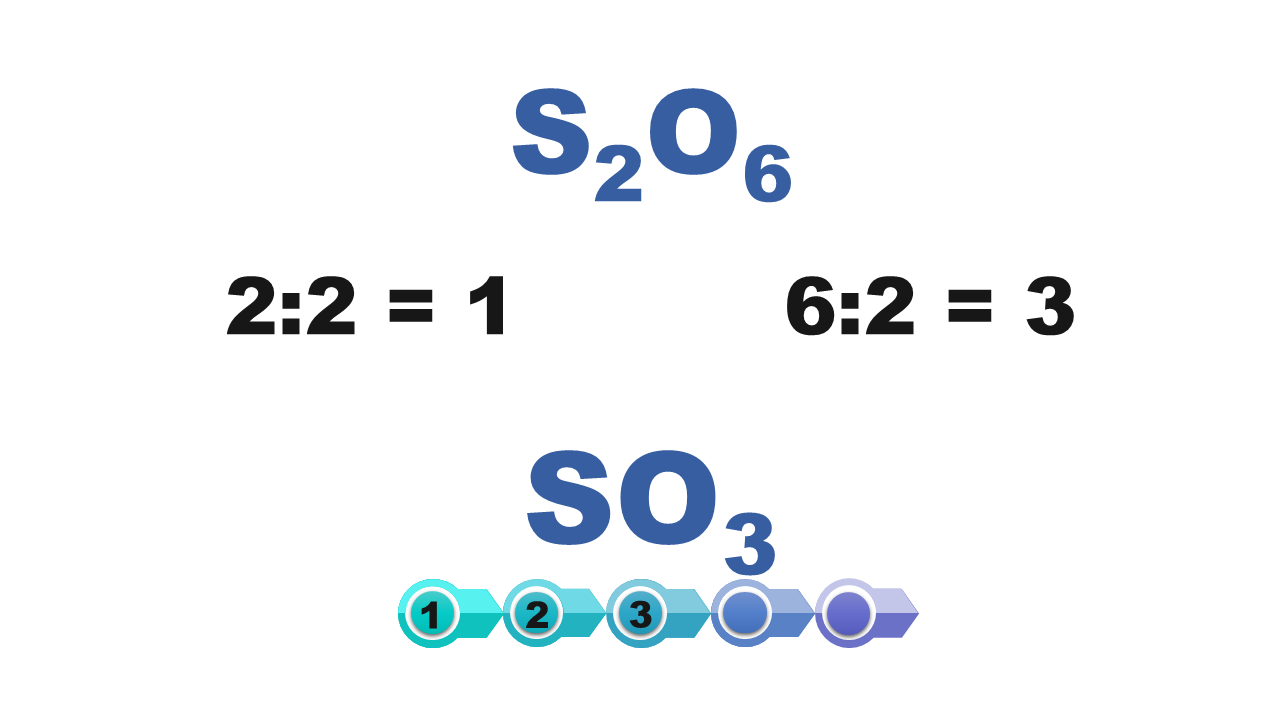
Grafika pokazuje wzór chemiczny es dwa o sześć pod nim dwa działania: dwa podzielić przez dwa równa się jeden oraz sześć podzielić przez dwa równa się trzy. Pod nimi kolejny wzór chemiczny es o trzy.
Shorten the stoichiometric indexes, dividing them by the largest common divisor, in this case by 2.
Source: GroMar Sp. z o.o., licencja: CC BY-SA 3.0.
R1T6VBnlOtgHe
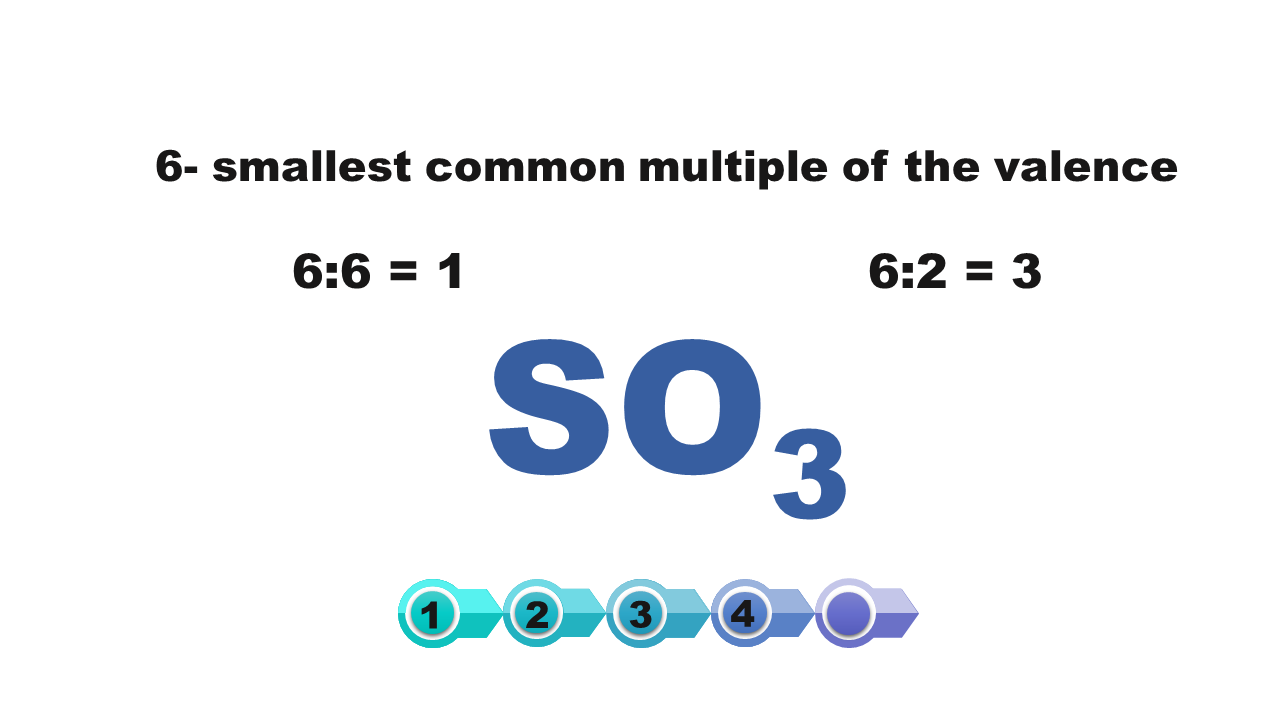
Grafika pokazuje drugą metodę policzenia wartościowości dla tlenku siarki es o trzy. Liczba sześć jest określona jako najmniejsza wspólna wielokrotność wartościowości. Dwa działania: sześć podzielić przez sześć równa się jeden oraz sześć podzielić przez dwa równa się trzy.
The second method is to determine the smallest common multiple of the valence of chemical elements forming sulfur trioxide. If you divide the smallest common multiple by valency, you will calculate the number of atoms.
Source: GroMar Sp. z o.o., licencja: CC BY-SA 3.0.
R1BwNi99Tu9Gr
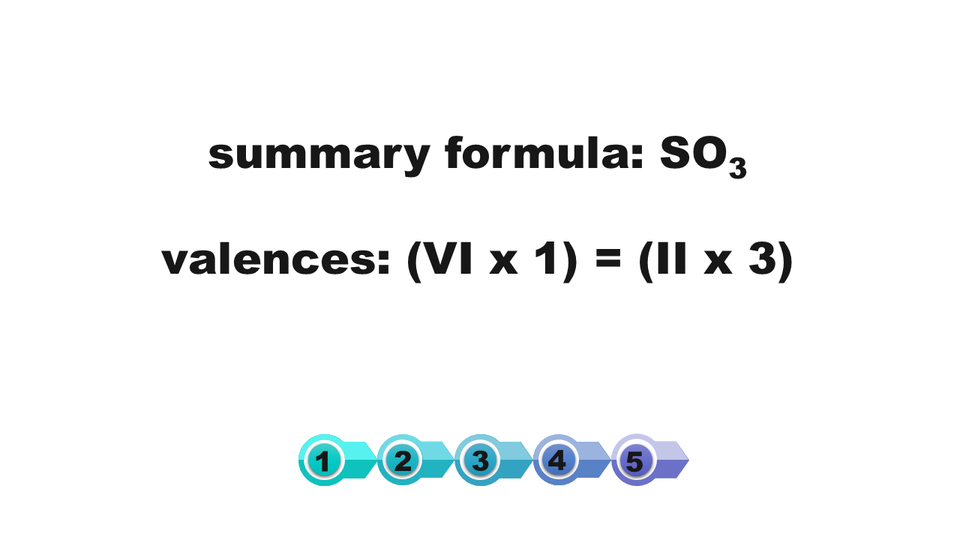
Grafika pokazuje jak zapisać końcową postać wzoru dla tlenku siarki sześć. Wzór ma postać es o trzy. Wartościowość (valence) w nawiasie sześć razy jeden równa się w nawiasie dwa razy trzy.
Write a summary formula now.
Source: GroMar Sp. z o.o., licencja: CC BY-SA 3.0.
Writing the valence of elements The valence of elements can be described in words, e.g. „carbon has a valence of four”. Another way is to use chemical abbreviations. At the symbol of the root, its valence is written in brackets, eg carbon with a valence of four is (IV) or carbon(IV). It must be remembered that there should be no space (spaces) between the symbol and the parenthesis.
Chemical elements
Symbols set with valences
The formula after transferring the valence
Number – the largest common divisor
The final molecular formula of compound
carbon(IV) and oxygen(II)
2
copper(II) and sulfur(II)
2
nitrogen(V) and oxygen(II)
lack
calcium(II) and chlorine(I)
lack
iron(III) and sulfur(II)
lack
manganese(VII) and oxygen(II)
lack
R1OjnMyNd1Mdq
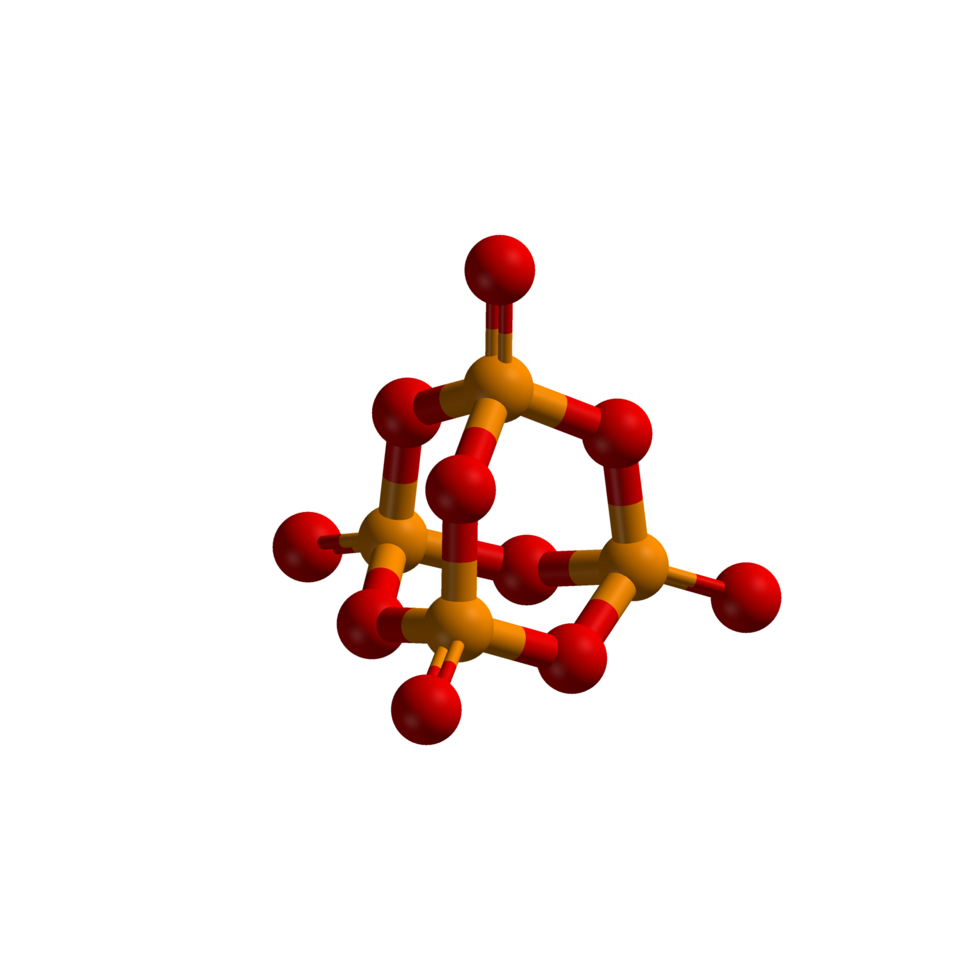
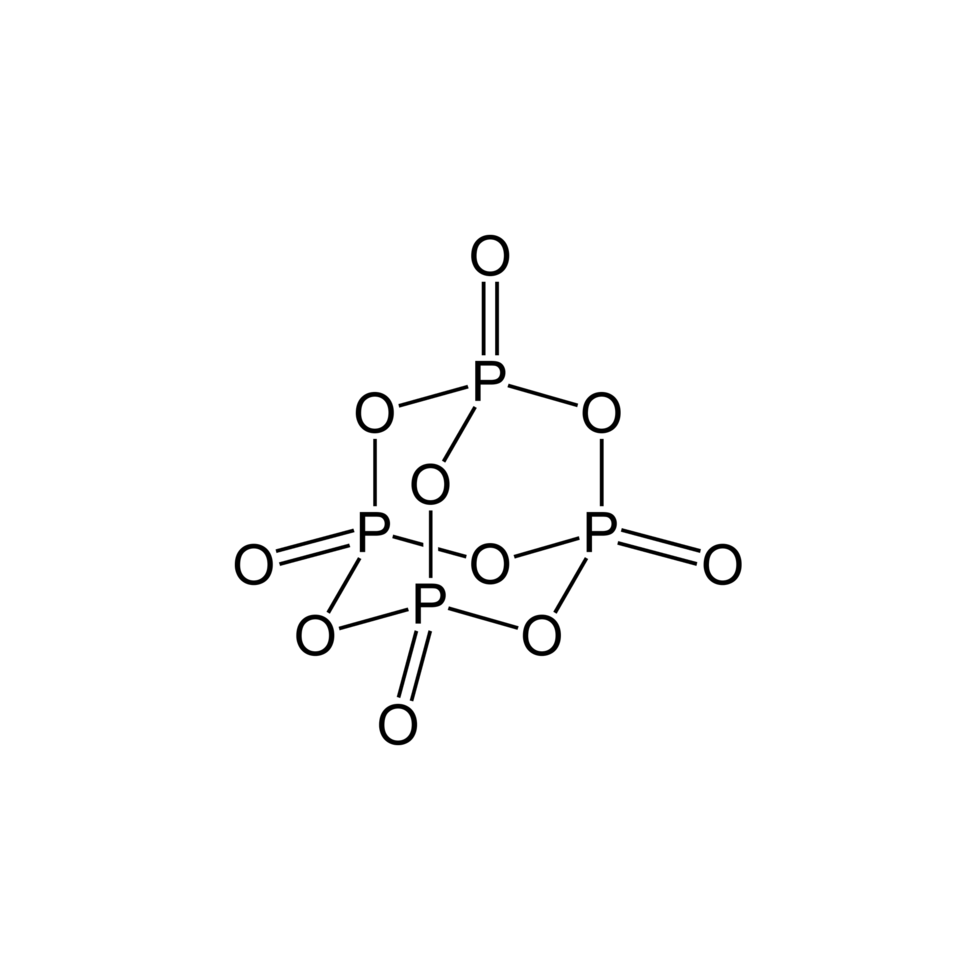
Ilustracja budowy cząsteczki dekatlenku tetra fosforu w postaci wzoru strukturalnego o wyglądzie bazowanym na modelu zaprezentowanym na ilustracji poprzedniej. Każdy atom fosforu jest połączony z czterema atomami tlenu ułożonymi w narożach tetraedru. Trzy z czterech atomów tlenu łączą się jednocześnie z drugim atomem fosforu.
Model of phosphorus oxide molecule
Source: Benjah-bmm27, domena publiczna.
RDspR9mwmeYS5
Model cząsteczki dekatlenku tetrafosforu składającego się z czterech kulek żółtych symbolizujących atomy fosforu i dziesięciu czerwonych symbolizujących atomy tlenu. Każdy atom fosforu jest połączony z czterema atomami tlenu ułozonymi w narożach tetraedru. Trzy z czterech atomów tlenu łączą się jednocześnie z drugim atomem fosforu.
Structural formula of the tetraphosporus decaoxide molecule
Source: Benjah-bmm27, domena publiczna.
How do we determine the valence of one of the elements in a two‑element compound?
In the two‑element compound (formed by two elements) one can determine the valence of one element if you know the valence of the other.
If no stoichiometric indexes are present in the compound formula (or in rare cases are equal), elements that form a given compound have the same valence. In the compounds you are currently learning (oxides, chlorides, sulphides), oxygen has two (II), one (I) chlorine and two (II) sulfur.
For example, in a compound of the formula , in which the oxygen valence is two (II), copper has identical valence(II). In sodium chloride sodium and chlorine have the same valence – one (I). In other cases, appropriate transformations and calculations should be made. We will get to know the simplest way from the example.
Determination of calcium valency in a compound of the formula CaClIndeks dolny 22, where the valence of chlorine is one (I)
We behave in the opposite way than when determining patterns. This time we transfer the stoichiometric factors „crosswise” over the symbols of elements.
Re2P643Oz6OxW
Na ilustracji znajduje się wzór sumaryczny chlorku wapnia c a ce el dwa. Współczynniki stechiometryczne przenoszone są na krzyż w górę nad symbole sąsiadujących we wzorze symboli atomów, co ilustrują niebieskie ukośne strzałki.
After transferring the index values, we write using Roman numerals:
RuVf3CJNOy9Gm
Na ilustracji znajduje się wzór sumaryczny chlorku wapnia c a ce el dwa. Nad symbolami atomów pierwiastków składowych widoczne są wyróżnione czerwonym kolorem liczby rzymskie informujące i wartościowościach tychże atomów. Nad symbolem wapnia jest to liczba dwa, natomiast nad symbolem chloru - jeden.
We check whether the numbers saved above the symbol of the element with known valency are consistent with the content of the task. In our case, this is because chlorine has a valence of one (I). Then the number written above the symbol of the second element determines its valence. For calcium, it is equal to two (II).
We give the answer:
Calcium valency in a compound of the formula CaClIndeks dolny 22 it is two (II).
R10NOQWRIzFFN
Exercise 1
Indicate the answer with the appropriate valences of the chemical elements Możliwe odpowiedzi: 1. eS – jeden; O - dwa, 2. eS – dwa; O - jeden, 3. eS – cztery; O - dwa, 4. eS – dwa; O - cztery
Indicate the answer with the appropriate valences of the chemical elements Możliwe odpowiedzi: 1. eS – jeden; O - dwa, 2. eS – dwa; O - jeden, 3. eS – cztery; O - dwa, 4. eS – dwa; O - cztery
Indicate the answer with the appropriate valences of the chemical elements –
S – I; O - II
S – II; O - I
S – IV; O - II
S – II; O - IV
R153F0YrCbBzq
Exercise 2
Indicate the answer showing the correct sum formula of the chemical compound whose elements take the following valencies: nitrogen - V; oxygen - II. Możliwe odpowiedzi: 1. en pięć o dwa, 2. en cztery o dziesięć 3. en dwa o pięć, 4. en dziesięć o cztery
Indicate the answer showing the correct sum formula of the chemical compound whose elements take the following valencies: nitrogen - V; oxygen - II. Możliwe odpowiedzi: 1. en pięć o dwa, 2. en cztery o dziesięć 3. en dwa o pięć, 4. en dziesięć o cztery
Indicate the answer showing the correct sum formula of the chemical compound whose elements take the following valencies: nitrogen - V; oxygen - II.
RTssmcpduOfsd
Create a multiple-choice test based on today's lesson. Then exchange your questions with a friend or classmate.
Create a multiple-choice test based on today's lesson. Then exchange your questions with a friend or classmate.
Create a multiple-choice test based on today's lesson. Then exchange your questions with a friend or classmate.
Question: ...
...
...
...
...
Summary
On the basis of the periodic table, you can determine the maximum valence with respect to hydrogen and oxygen for elements from groups 1 and 2 and 13, 14, 15, 16 and 17.
The elements in the group 1 of the periodic table in created compounds have a valence equal to one, from group 2. they have a valence two.
Valence of oxygen in oxides is two. On the basis of this information and the formula of the compound, the valence of the second element in the connections with oxygen can be determined.
The names of oxides give the valence of the element, which in chemical compounds may have different valences.
RlspyqWlYZiZi1
Grafika przedstawiająca tablicę szkolną, na której znajdują się zdania do dokończenia. How was this lesson? Did you like it? Finish selected sentences. It was easy for me (uzupełnij), It was difficult for me (uzupełnij), Today I learned (uzupełnij), I understood that (uzupełnij), It surprised me (uzupełnij)
Grafika przedstawiająca tablicę szkolną, na której znajdują się zdania do dokończenia. How was this lesson? Did you like it? Finish selected sentences. It was easy for me (uzupełnij), It was difficult for me (uzupełnij), Today I learned (uzupełnij), I understood that (uzupełnij), It surprised me (uzupełnij)
Source: GroMar Sp. z o.o., licencja: CC BY-SA 3.0.
wzór strukturalny – wzór, który odzwierciedla sposób połączenia atomów w cząsteczce; na jego podstawie można określić liczbę, rodzaj atomów oraz ich wartościowość