The Warsaw Uprising
what was the Operation TempestOperation Tempest and how did the Warsaw UprisingUprising proceed.
Approaching from the East, the Red ArmyRed Army entered the pre‑war Polish territories in 1944. Thus, a military operation (Operation Tempest) was prepared in order to initiate local uprisings and liberate Poland from the German occupation. It was meant as a move to show the approaching Russians that the territories they were on had their owners already – the Poles – and their own authorities, represented by the government‑in‑exile.
Unfortunately, the attempts to coordinate joint operations between the Polish Home ArmyHome Army and the Red Army usually ended with the arrests of the Poles. Such situations took place repeatedly, both after the liberation of Vilnius and the capture of Lviv. It clearly demonstrated Stalin’s attitude towards the Polish government‑in‑exile and their representatives in the occupied country. The situation was further accentuated by the creation of the Polish Committee of National LiberationPolish Committee of National Liberation in July 1944 as a competing authority.
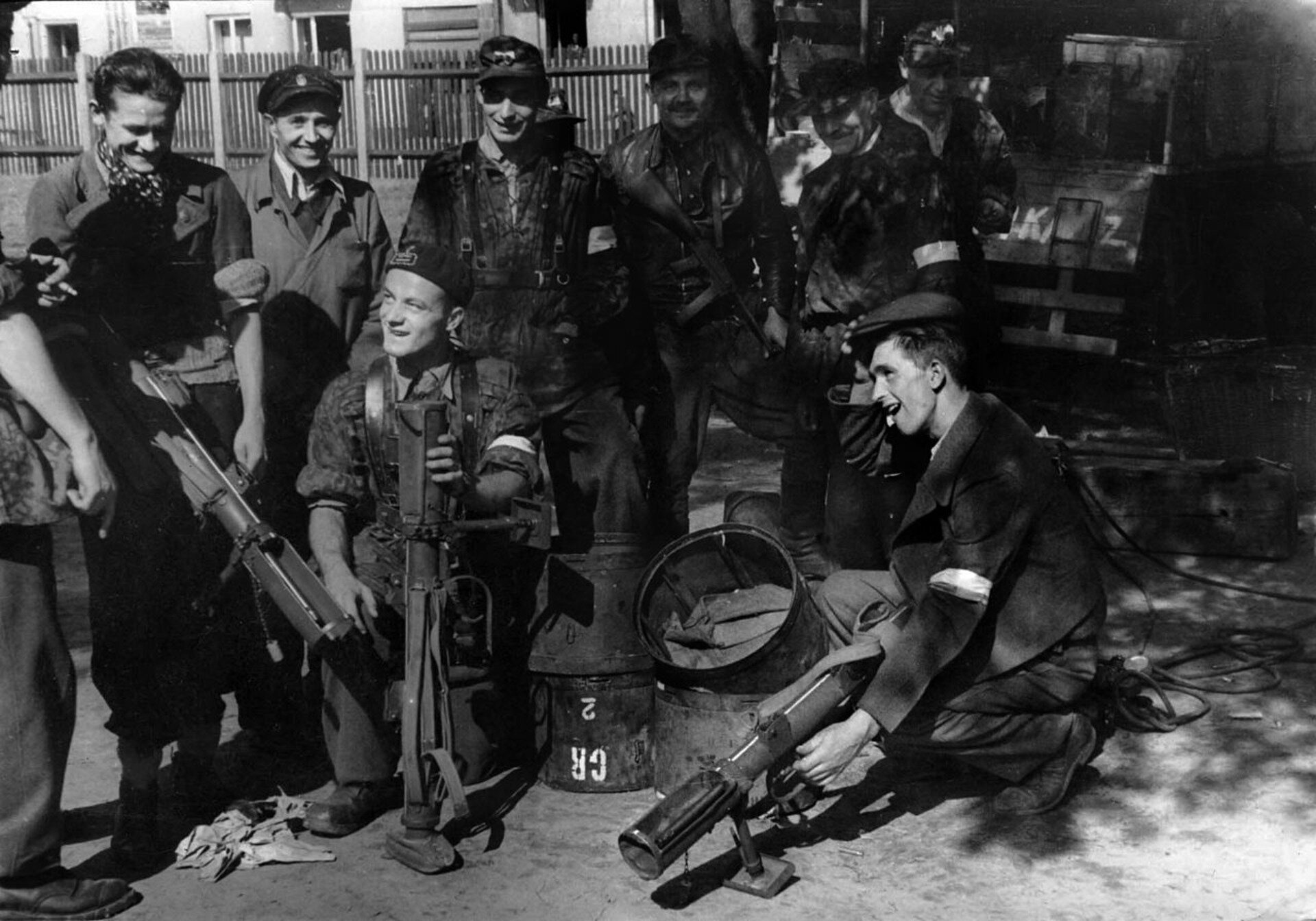
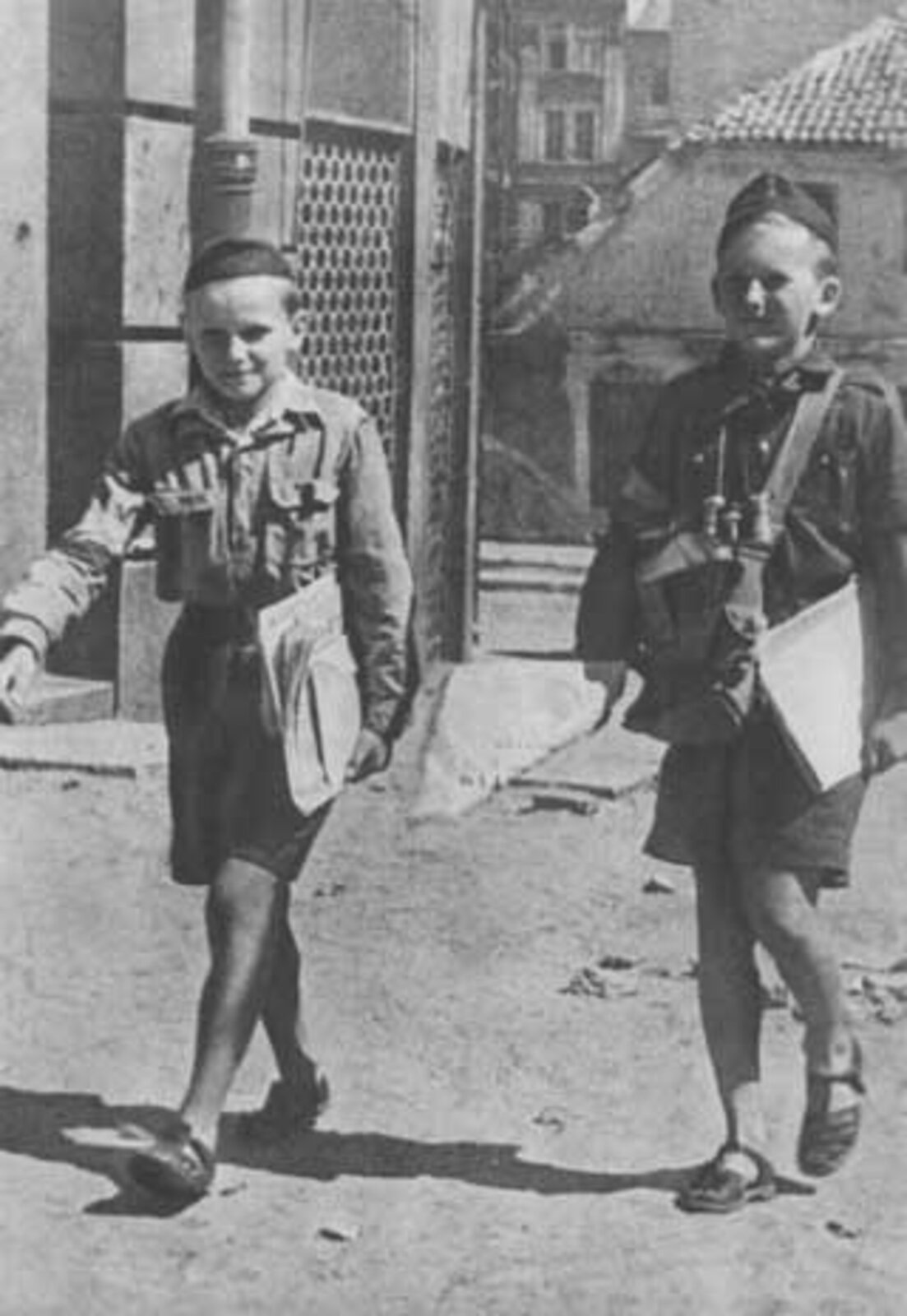
However, the Red Army, approaching the outskirts of Warsaw, rekindled the hopes for the quick liberation of the capital. In that situation, the Government Delegate at Home, Stanisław Jankowski, and the Home Army Commander, General Tadeusz Bór Komorowski, decided to start an armed uprising in the city. It began on 1 August at 5 PM (the W HourW Hour). The insurgents counted on the Red Army’s quick arrival, hoping that it would support them in the fight against the Germans. However, Stalin halted the offensive. Despite the success in the first days of the battles, e.g. the capture of the majority of the Śródmieście district, including the Powiśle and Old Town areas, as well as parts of the Mokotów, Wola and Ochota districts, the insurgents’ plans had to be quickly revised. After a few days of fighting, it became clear that the Soviet help would not arrive. The Poles were forced to fight alone a more numerous, better‑armed and better‑trained enemy. The Germans not only fought against the Home Army soldiers, but also murdered civilians (for example during the Wola massacre, where between 40 and 60 thousand people were killed). Battles took place in Wola, the Old Town, and Czerniaków. The insurgents’ efforts were extensive, and, apart from the soldiers, women and children took part in them as runners, sanitary workers and sappers. The uprising lasted 63 days and ended with the total defeat of the Home Army. About 10,000 insurgents and 150,000‑200,000 civilians died in a hopeless fight. The Germans expelled the surviving people and teared down the city. The capital of Poland ceased to exist.
Take a look at the photograph. Say, what emotions accompany the people depicted in it? What do these emotions demonstrate?
Find out how old the youngest insurgents were. Use different sources.
Match the terms with their definitions.
the Armed Forces in Poland; the secret armed forces of the Polish Underground State during World War II, active in the occupied territories of Poland. They were subordinate to the Commander-in-Chief. Their first commander was General Stefan Grot-Rowecki. It was active between 14 February 1942 and 19 January 1945 and had up to 350k members under oath (in 1944)., the cryptonym for the time of the beginning of the Warsaw Uprising, scheduled for Tuesday, 1 August 1944 for 5 PM., the armed forces of Soviet Russia between 1918 and 1946., the word used to describe the Eastern territories of Poland in the interwar period; they are presently part of Ukraine, Belarus and Lithuania., a military operation organized by the Home Army against the German military in the last days of the occupation, before the Red Army entered the Polish territories. It began in January 1944; its main objective was to show the Soviet authorities that the liberated territories belonged to the Poles., an armed outbreak of the people against the authorities or occupational authorities. Most commonly, the objective of an uprising is to regain independence, or to unite the area within its reach with another country., the temporary, puppet executive organ of Poland created in 1944 and dominated by the Communists. It worked under the control of Stalin.
| Operation Tempest | |
| Red Army | |
| Home Army (AK) | |
| Polish Committee of National Liberation (PKWN) | |
| Kresy | |
| Uprising | |
| W Hour |
Keywords
Red Army, Home Army (AK), Kresy, Uprising, W Hour
Glossary
Akcja „Burza” – operacja militarna zorganizowana przez Armię Krajową przeciwko niemieckiemu wojsku w ostatnich dniach okupacji, tuż przed wkroczeniem na ziemie polskie Armii Czerwonej. Rozpoczęła się w styczniu 1944 r. i jej głównym celem było pokazanie władzy radzieckiej, że na wyzwolonych terenach gospodarzami są Polacy.
Armia Czerwona – siły zbrojne Rosji Radzieckiej w latach 1918‑1946.
Armia Krajowa (AK) – Siły Zbrojne w Kraju; tajne siły zbrojne Polskiego Państwa Podziemnego w czasie II wojny światowej działające na okupowanych ziemiach Rzeczypospolitej Polskiej. Były podporządkowane Naczelnemu Wodzowi. Pierwszym dowódcą został gen. Stefan Grot‑Rowecki. Działała od 14 lutego 1942 do 19 stycznia 1945 r. a liczba zaprzysiężonych członków sięgała 350 tys. (w 1944 r.).
Nagranie dostępne na portalu epodreczniki.pl
Nagranie słówka: Polish Committee of National Liberation (PKWN)
Polski Komitet Wyzwolenia Narodowego (PKWN) – marionetkowy i tymczasowy organ władzy wykonawczej Rzeczypospolitej Polski utworzony w 1944 r. utworzony i zdominowany przez komunistów. Działał pod ścisłą kontrolą Stalina.
Kresy Wschodnie – określenie wschodnich terenów Rzeczypospolitej w okresie międzywojennym, stanowiących dzisiaj ziemie należące do Ukrainy, Białorusi i Litwy.
Powstanie – zbrojne wystąpienie ludności przeciwko władzy lub władzy okupacyjnej. Najczęściej celem powstania jest odzyskanie niepodległości lub przyłączenie jego obszaru do innego państwa.
Godzina W – kryptonim daty wybuchu powstania warszawskiego wyznaczonego na wtorek 1 sierpnia 1944 r. na godz. 17:00.