The Ways of Philosophy
you will get to know the principles of the Positivist philosophy
you will discuss the views of the greatest philosophers of Positivism
you will explain the terms: utilitarianismutilitarianism, empirismempirism, emancipationemancipation, atomismatomism, evolutionevolution, liberalismliberalism
Remember the philosophical principles of the Romanticism era.
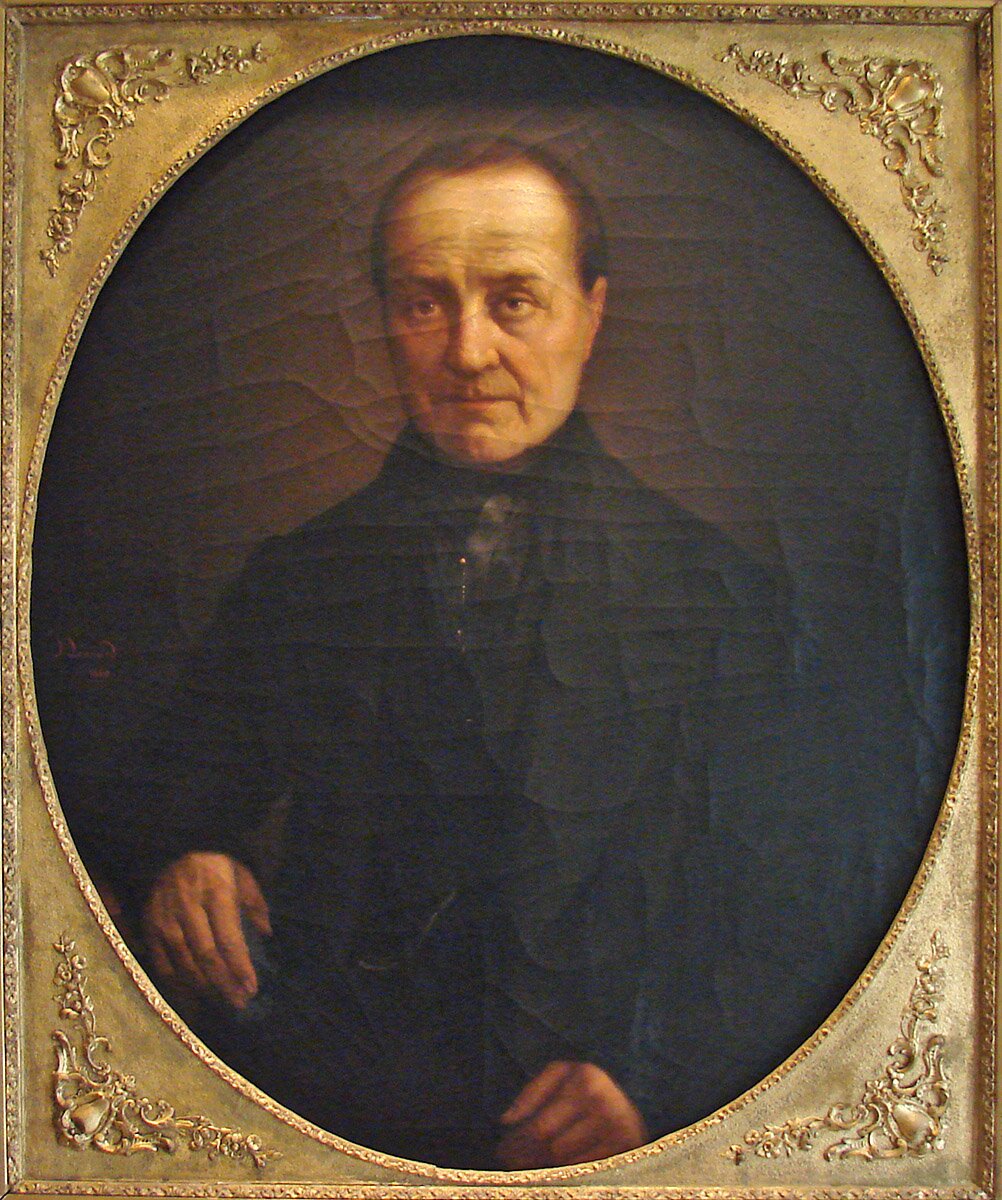
The Positivist philosophy came into being in the 40s of the nineteenth century thanks to the Frenchman Auguste Comte and the Englishman John Stuart Mill. Positivism bloomed between 1860 and 1880, supported by the writings of English Herbert Spencer and Frenchman Hippolyte Taine. The development of Positivism was accompanied by the development of exact sciences (such as the invention of the steam engine or the telegraph) and natural sciences (e.g. the works of Charles Darwin: “On the Origin of Species” and „The Descent of Man”). Those sciences had a strong influence on philosophy and on the humanities. Poland had no real Positivist philosophy to speak of; it did, however, play a great role as the era’s typical way of thinking, evaluating phenomena, predicting future outcomes, and formulating programmes.
Read the excerpt of Auguste Comte’s writing. Pay attention to the stages of the development of philosophical thought described by the philosopher.
Metoda pozytywna w szesnastu wykładachISTOTA I ZNACZENIE METODY POZYTYWNEJ
[…] każda dziedzina naszej wiedzy przechodzi kolejno przez trzy stadia teoretyczne: stadium teologiczne albo fikcyjne, stadium metafizyczne albo abstrakcyjne, stadium naukowe albo pozytywne. Innymi słowy, umysł ludzki posługuje się kolejno w każdym swym badaniu trzema metodami filozofowania, które różnią się między sobą, a nawet przeciwstawiają się sobie: zrazu metodą teologiczną, w dalszym ciągu metodą metafizyczną i wreszcie metodą pozytywną. Pierwsza jest punktem wyjścia inteligencji, trzecia jej stanem stałym i ostatecznym; przeznaczeniem drugiej jest służyć za przejście.
W stadium teologicznym umysł ludzki, skierowując swe badania na wewnętrzną naturę rzeczy, na pierwsze przyczyny i przyczyny celowe wszystkich oddziaływań, którym podlega, jednym słowem, dążąc do poznania absolutnego, przedstawia sobie zjawiska, jako będące wytworem działania czynników nadprzyrodzonych, mniej lub bardziej licznych, których interwencja tłumaczy wszystkie pozorne anomalie wszechświata.
W stadium metafizycznym, które jest jedynie modyfikacją pierwszego, czynniki nadprzyrodzone są zastąpione przez siły abstrakcyjne, czyli byty, które mają przysługiwać rozmaitym przedmiotom występującym w świecie i uważanym za zdolne do wywoływania wszystkich dostrzeżonych zjawisk: wyjaśnianie tych zjawisk polega wówczas na wyznaczaniu dla każdego odpowiedniego bytu.
W stadium pozytywnym, wreszcie, uznajemy za niemożliwe uzyskiwanie pojęć absolutnych; wyrzekamy się badania pochodzenia i przeznaczenia wszechświata oraz poznawania wewnętrznych przyczyn zjawisk; usiłujemy natomiast wykrywać ich prawa, to znaczy ich stosunki, następstwa i podobieństwa, posługując się łącznie rozumowaniem i obserwacją. Tłumaczenie faktów staje się jedynie ustalaniem związków pomiędzy poszczególnymi zjawiskami i pewnymi faktami ogólnymi, których ilość dzięki postępowi nauk dąży do zmniejszania się.
System teologiczny osiągnął najwyższą doskonałość wówczas, gdy zastąpił różnorodne czynności licznych niezależnych od siebie bóstw przez opatrznościowe działanie jedynej istoty.
Ostatni wyraz systemu metafizycznego stanowi koncepcja zastępująca różnorodne byty przez jeden tylko byt ogólny, naturę, uważaną za źródło wszystkich zjawisk.
Doskonałość systemu pozytywnego stanowiłoby przedstawienie wszystkich zjawisk jako poszczególnych przypadków jednego, ogólnego faktu, takiego, jak fakt ciążenia powszechnego.
Ewolucja ta może być zresztą potwierdzona przez rozwój osobniczej inteligencji. [...] Czyż każdy z nas nie przypomina sobie tego, że w dzieciństwie był teologiem, w młodości –metafizykiem, a w wieku dojrzałym – fizykiem?
[…] W swym stanie pierwotnym umysł ludzki nie mógł myśleć w taki sposób. Z jednej strony każda pozytywna teoria musi się opierać na obserwacjach; z drugiej – umysł nasz potrzebuje teorii, aby móc się oddać obserwacjom. Jeśli zjawisk nie powiążemy z pewnymi zasadami, to nie będziemy mogli łączyć naszych obserwacji, a nawet nie zdołamy ich zapamiętać. Obecnie będę mógł z łatwością określić naturę filozofii pozytywnej. Filozofia ta uważa wszystkie zjawiska za podporządkowane niezmiennym prawom. Za daremne uznaje poszukiwanie przyczyn czy to pierwszych, czy celowych. W wyjaśnieniach pozytywnych nie wskazuje się na przyczyny tworzące zjawiska, analizuje się okoliczności, w jakich się wytwarzają, i łączy się je, jedne z drugimi, stosunkiem następstwa i podobieństwa.Source: Auguste Comte, Metoda pozytywna w szesnastu wykładach.
Take a brief test regarding the philosophical observations of Comte. Mark the correct words or expressions.
In the text below, the synonym of the word “positive” is: {correct}{logical}{#scientific}{real}
Point to the correct order in which human thought developed:
{theological stage, positive stage, metaphysical stage}.
{theological stage, psychological stage, positive stage}.
{theological stage, positive stage, psychological stage}.
{#theological stage, metaphysical stage, positive stage}.
In the theological stage:
{the human mind achieved perfection}
{#the human mind had the potential to ask questions}
{the human mind looked for connections between fact and phenomena}
{the development ended}.
The Positivist philosophy asked about: {reasons}{aims}{#connections}{essence}.
At the positive stage, it could not be determined: {#whether God existed or not}{what processes caused minerals to form}{what was the law of gravity}{what was the influence of the Moon on Earth}.
Read about the most important Positivism philosophers.
Are you familiar with the main philosophical views of Positivism? Test your knowledge!
An ideology stating that the highest value is liberty., The view stating that nothing subject to development is immutable; it is subject to changes., A philosophical view stating that the highest form of good is one’s or society’s usefulness., A doctrine stating that knowledge is obtained through experience and sensual stimuli., The liberation and endowing with full rights of a person or a social group., The assumption that the world consists of indivisible elements called atoms (in the modern times: elementary particles) Those elements remain in constant movement; their concentration makes things come into being, and their falling apart causes things to die.
| ultilitarianism | |
| empirism | |
| liberalism | |
| emancipation | |
| atomism | |
| evolution |
Keywords
positivism, philosophy, utilitarianism, empirism, emancipation, atomism, evolution, liberalism
Glossary
utylitaryzm
empiryzm
emancypacja
atomizm
ewolucja
liberalizm
teologiczny
metafizyczny
perfekcja
prawo grawitacji