The world before the great geographical discoveries
what people thought about traveling in medieval times;
what was the knowledge about the world at the turn of medieval times and modernity;
who was Marco Polo;
how and why people used to travel in old times;
what were the inventions and achievements of non‑European civilizations.
In antiquity and the Middle Ages, Europeans knew only three continents: Europe, Africa and Asia. Navigation devicesNavigation devices had not been invented yet, so sailors were afraid to go to high sea for fear of falling into the abyss. The dominant opinion was that the Earth was flat. Only a few merchants went to the Far East. One of them was the Italian Marco Polo (he lived in the 13th century). He visited and described India, China and Japan, where old and wonderful civilizations developed independently. In the 15th century, the first exploratory sea expeditions were organized by the rulers of Portugal. Thanks to the expeditions of travelers, the geographical horizon of Europeans begun to widen.
Analyze the table and then do the exercise.
Average speed of traveling by land | ||
Means of transport | Speed in km/h | Daily distance |
On foot | 3–4 | 20–25 km |
By cart | 4–6 | 25–30 km |
On horseback | 7–9 | 30–40 km |
Drag and drop the items to the correct place.
30-40, 3-4, 280, 60-70, 15-18
A walker could walk ............ kilometers within an hour. Riding on horseback was much faster. The rider traveled even ............ kilometers a day. The quickest way to travel was by stagecoach, which could travel ............ kilometers per hour, and even ............ kilometers per day. From Poland to India it is about 7 thousand kilometers in a straight line. If the cart were to travel at 25 kilometers per day, it would take ............ days to travel to India.
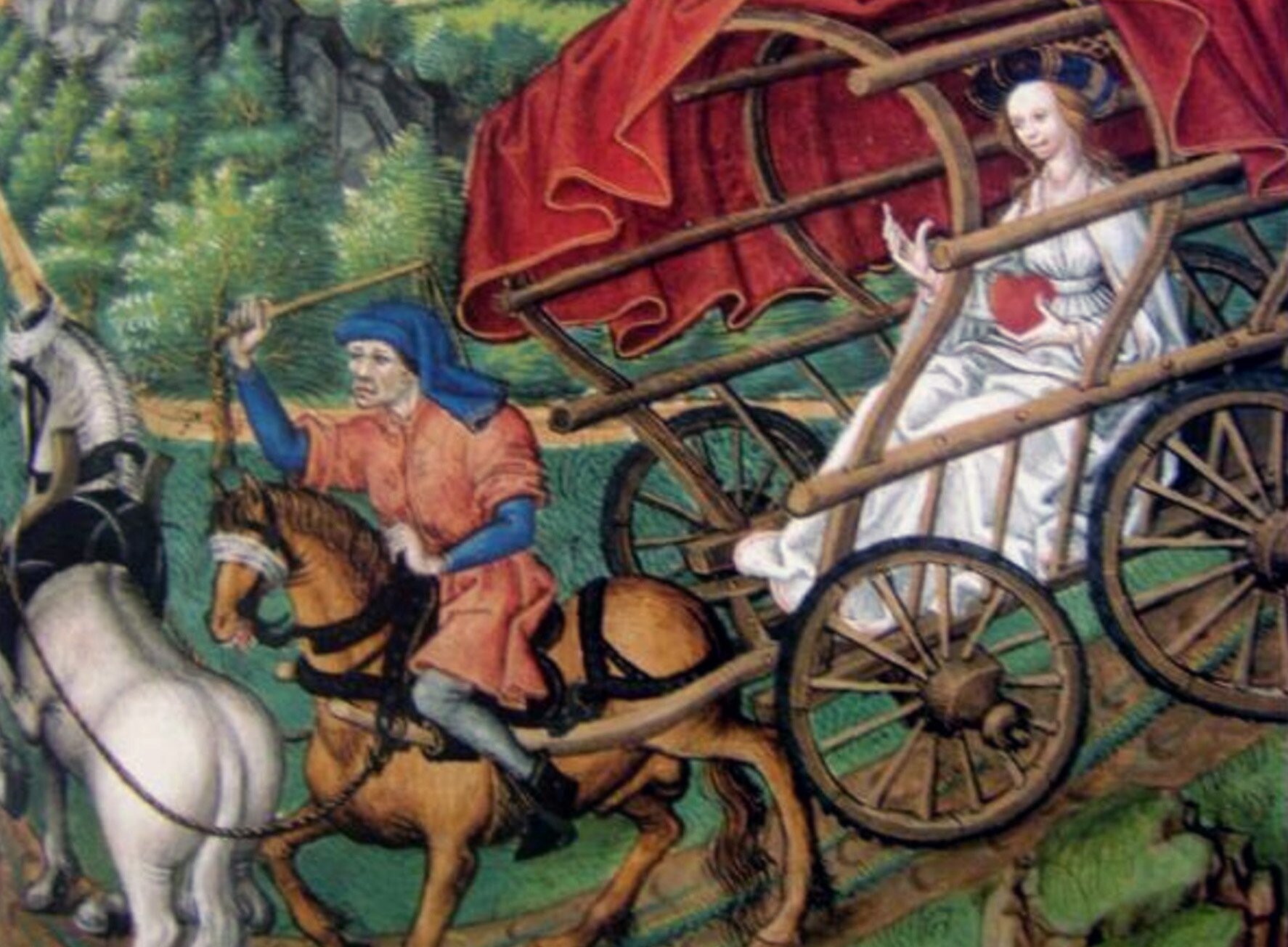
Mark the following sentences as true or false.
Journey by cart was uncomfortable., In winter, travelers were troubled by frost., Travelers quickly covered the distance., Wooden wheels easily broke and had to be replaced frequently., Roads were even and wide., A cart with wooden wheels jumped on bumps.
| true | |
|---|---|
| false |
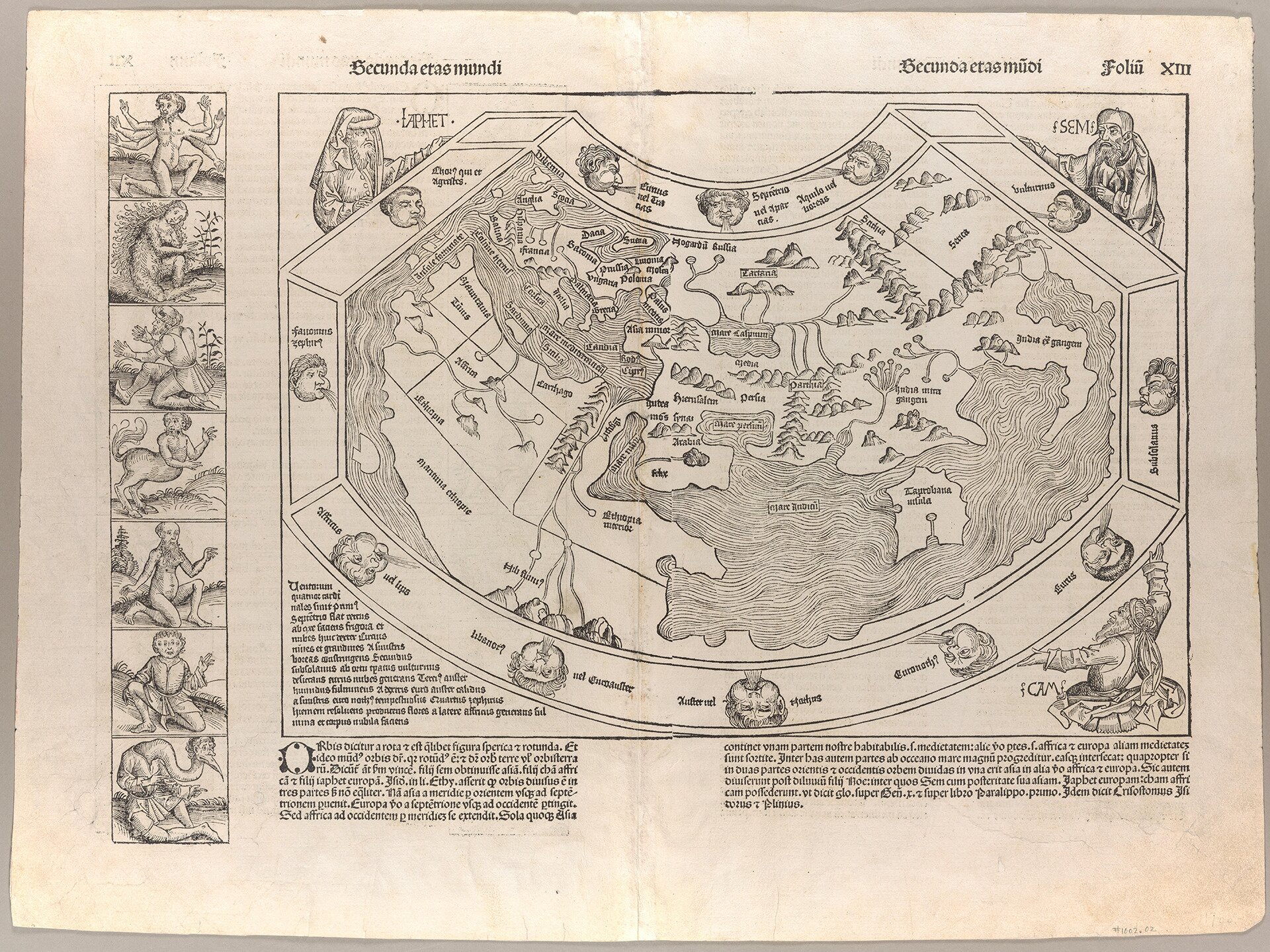
Show areas known to Europeans in the 15th century.
- North America
- India
- China
- North Africa
- The Holy Land
- South America
- South Africa
- Australia
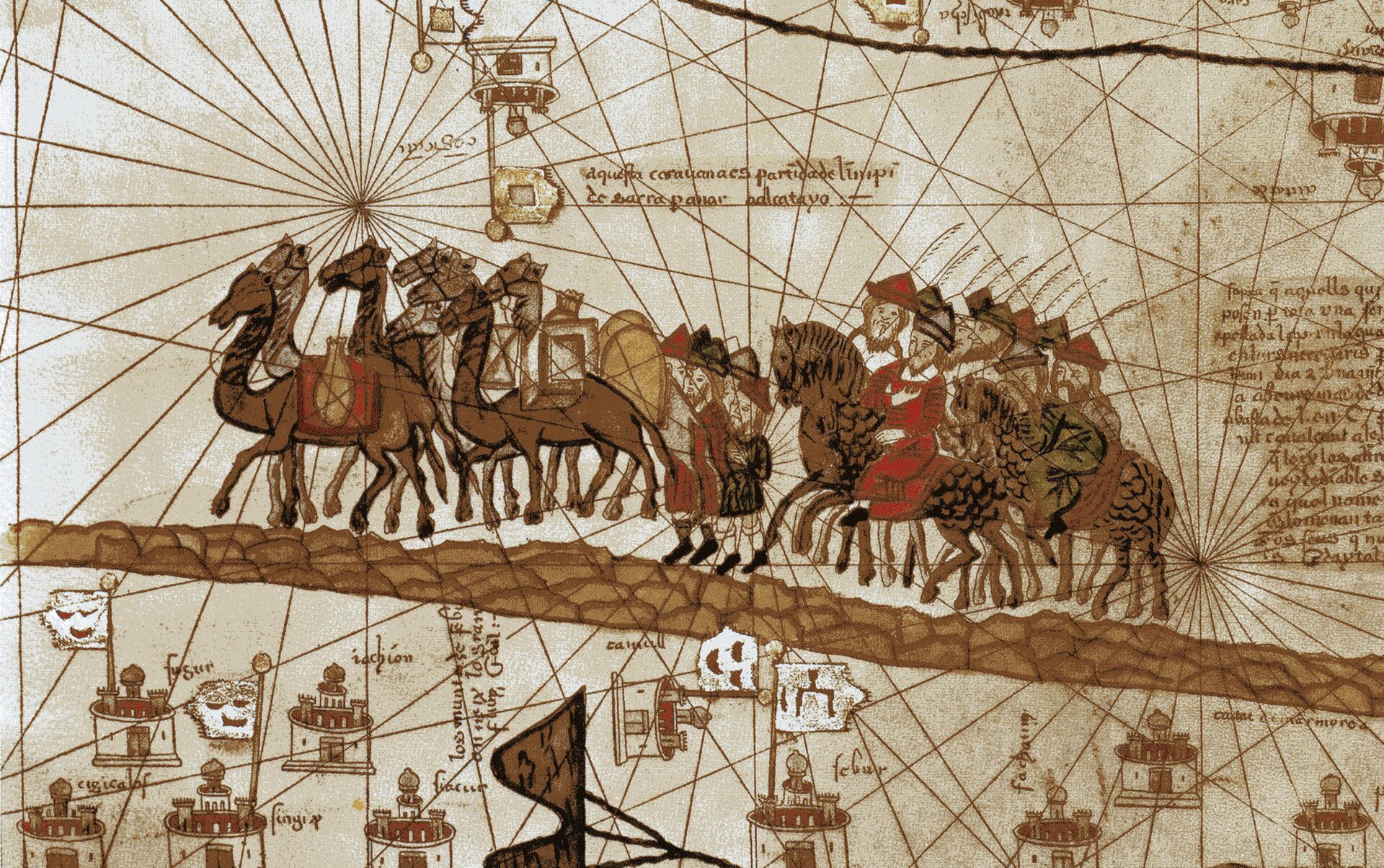
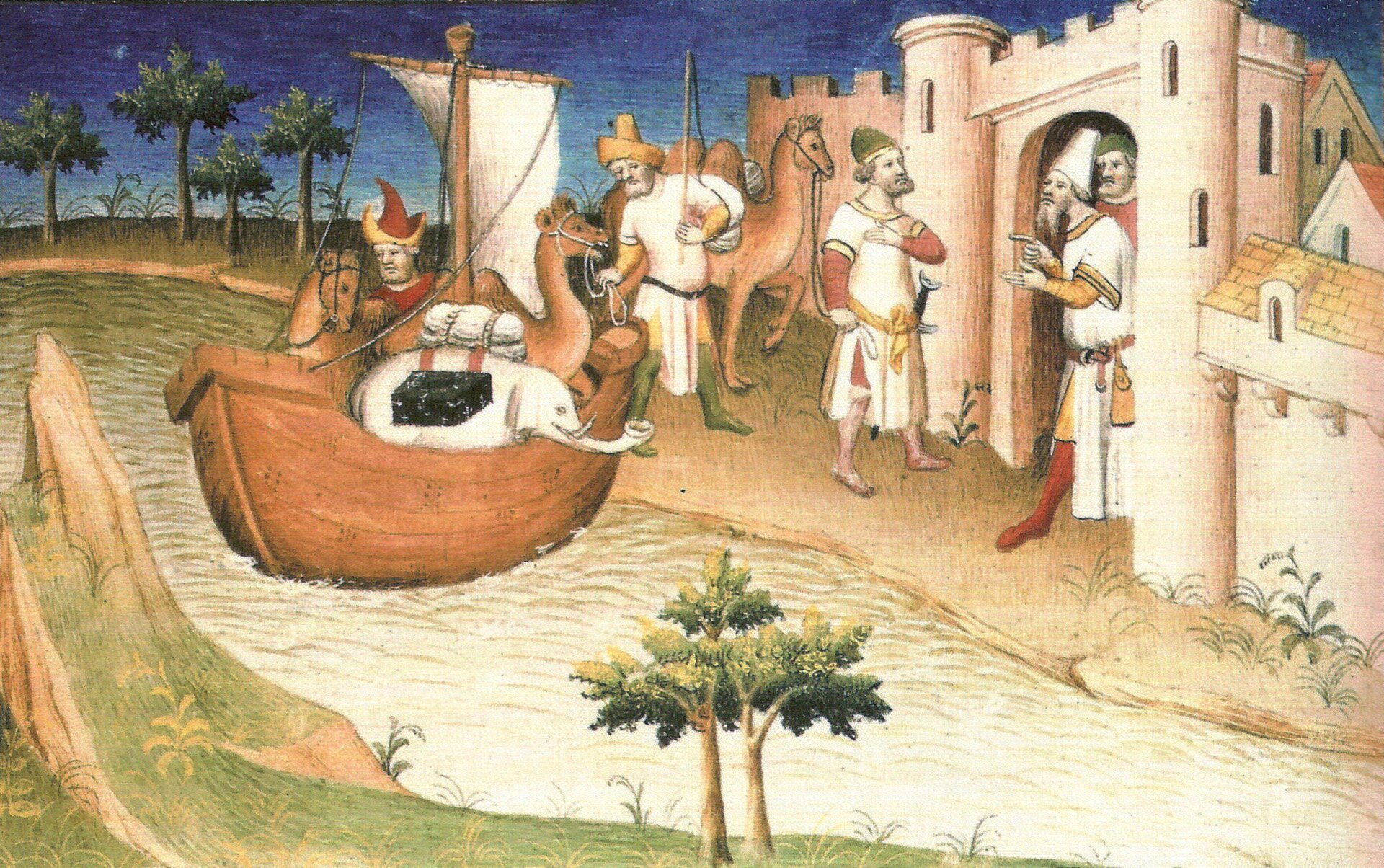
Divide the statements into true and false ones. Marco Polo traveled...
by sea., by land., by cart., alone., in a caravan., on camels.
| true | |
|---|---|
| false |
Learn more about the great travel of Benedict of Poland to Mongolia.
Tick the correct statements.
- In the Middle Ages people traveled a lot.
- The sea voyage was the most expensive and the toughest one.
- Roads and bridges were common and numerous on medieval roads.
- In the Middle Ages people knew all 7 continents.
- In the Middle Ages, for safety reasons, sailors did not sail too far from the shores.
- Jerusalem was considered to be the center of the world.
- The Polish traveler Benedict of Poland and his friars arrived in Asia earlier than Marco Polo.
- Marco Polo came from Italy and visited China, India and other countries during his expeditions.
- A caravan is a group of animals grazing on an African savannah.
- Among other things, Arabic numerals and paper came to Europe from Asia.
Complete the sentences with the words listed below.
Asia, navigation devices, Africa, China, merchants
Medieval sailors were afraid to move away from the shore because they did not know ..................................... People in the Middle Ages knew about the existence of three continents: Europe, Asia and ..................................... The inhabitants of Europe were told about distant countries by .................................... crossing trade routes of distant continents. Marco Polo reached .................................... during his journey. He provided Europeans with a lot of valuable information on Asian countries, including: ...................................., Japan and India.
Keywords
geographical discoveries, Marco Polo, renaissance
Glossary
wilk morski – potoczne określenie starego, doświadczonego marynarza.
szlak handlowy – droga lub sieć dróg łącząca ośrodki handlu i produkcji wykorzystywana przez kupców i handlarzy.
karawana – grupa kupców, która ze względów bezpieczeństwa porusza się razem wraz ze zwierzętami jucznymi.
szach – termin pochodzący z języka perskiego oznaczający władcę imperium, króla. Używany był w Persji oraz innych krajach azjatyckich.
chan – tytuł władców u dawnych ludów mongolskich i tureckich.
mauzoleum – wielki, monumentalny grobowiec najczęściej z licznymi zdobieniami i ornamentami
przyrządy nawigacyjne – urządzenia służące do sprawnego poruszania się w nieznanym terenie, pokazujące położenie względem Ziemi i kierunek ruchu pojazdu lub osoby.