Time of kingdoms – Europe in the 14th and 15th centuries
what the Great Interregnum was in the Reich, as well as its consequences;
the significance of the announcement of the Golden BullGolden Bull by Charles IV, Holy Roman Emperor;
what the course of the Hundred Years’ War was, and what consequences it had;
what the process called the ReconquistaReconquista contributed to on the Iberian Peninsula;
what threat existed in the late 14th century in Europe;
what the collapse of Constantinople in 1453 led to.
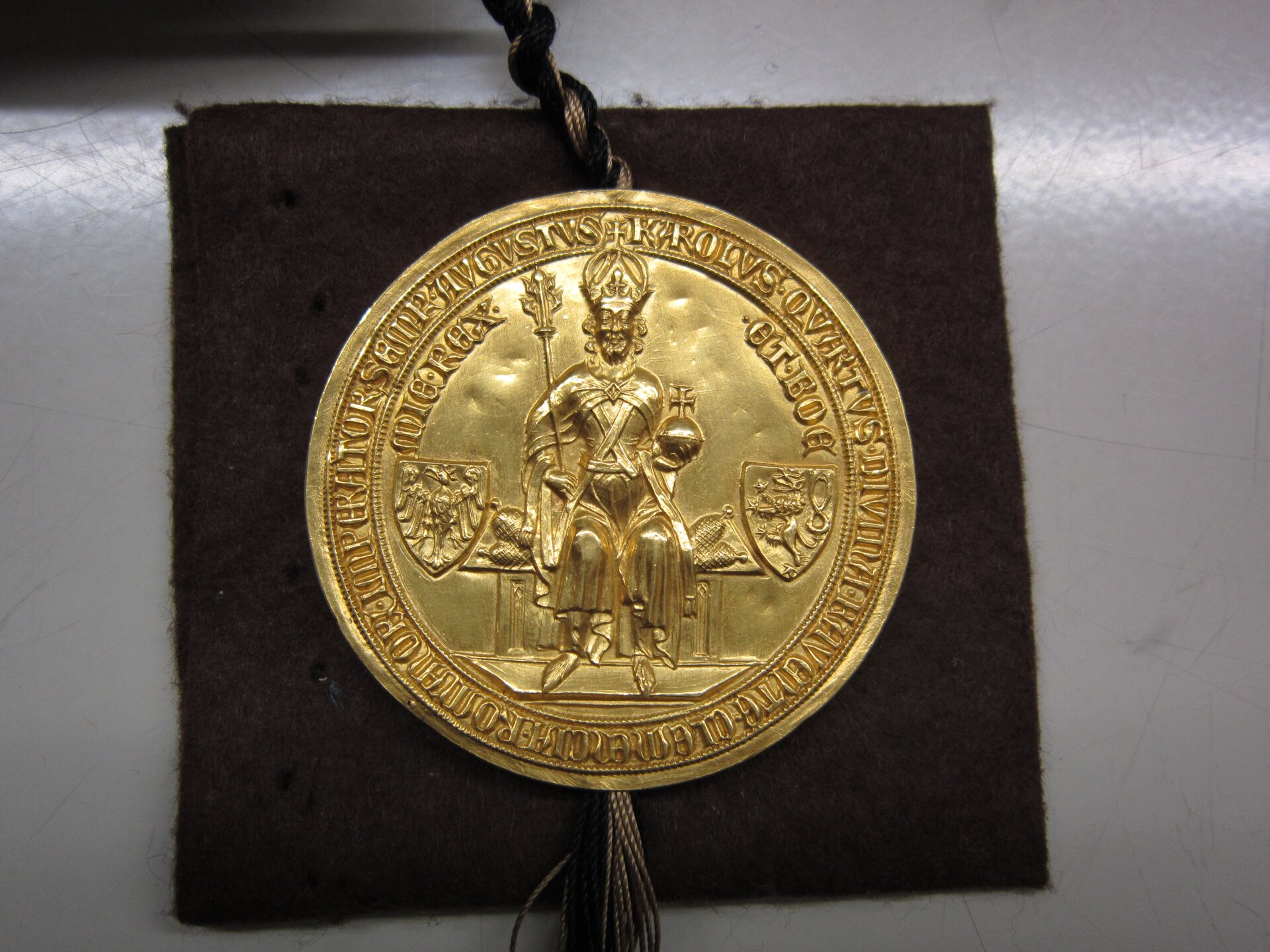
The many years of conflicts over primacy in the medieval world between subsequent popes and emperors led to a loss of the authority of imperial dignity in the 13th century. Frederick Barbarossa and Frederick II tried to rebuild this position by reforming the model of exercising power. Unfortunately, these attempts failed, and there was a period of fragmentation and empowerment of dukes in the German lands. The most outstanding ruler of that period was Charles IV (Holy Roman Emperor), who came from Bohemia. In 1356, in a special privilege – the Golden BullGolden Bull – he defined the legal form of the Reich and the role of the electorselectors in its functioning. After his death, the Habsburgs returned to the German throne and took power for the next centuries.
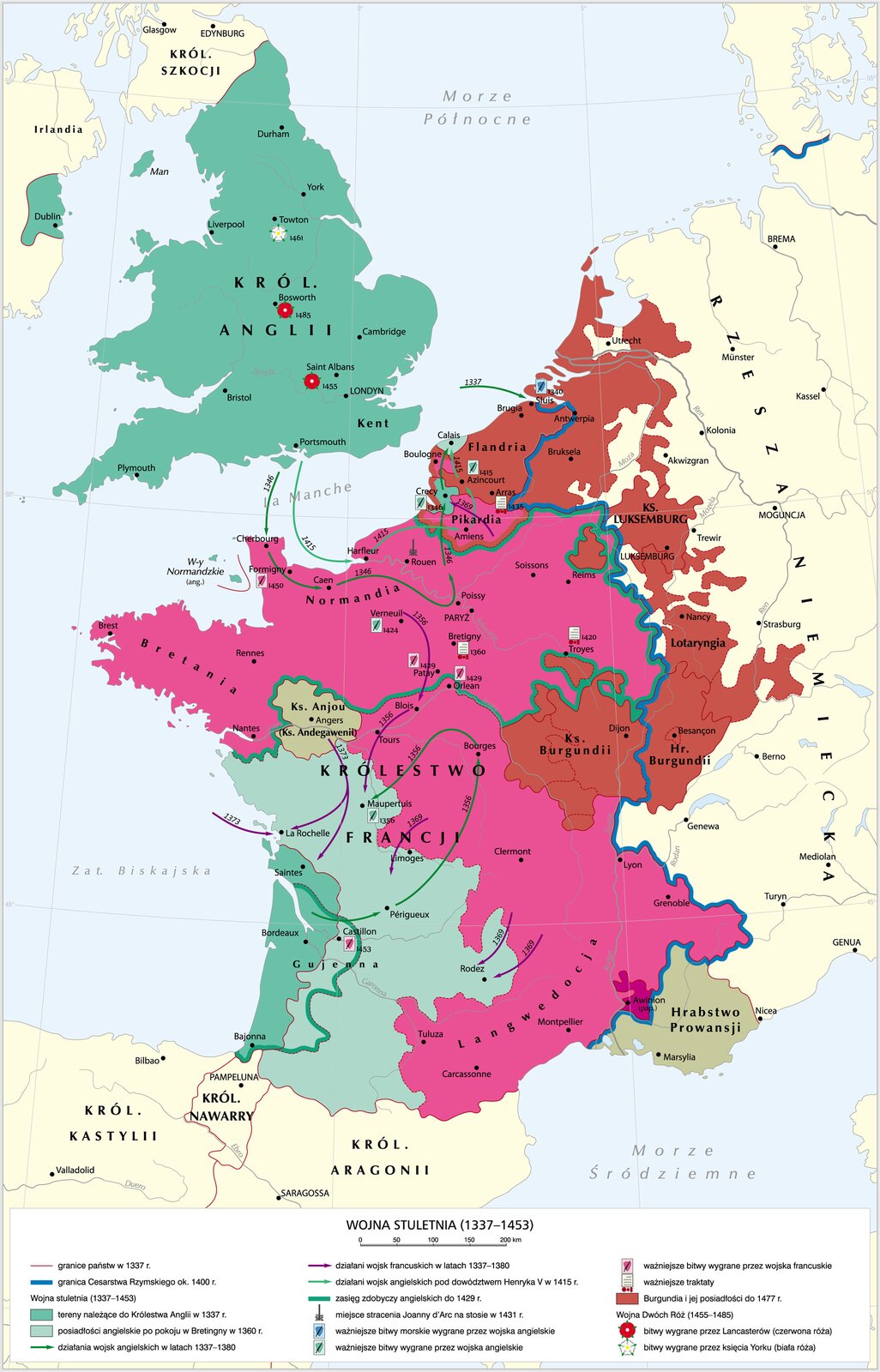
The event that had the greatest impact on the situation in the last centuries of the Middle Ages was the French‑English conflict called the Hundred Years’ War (1337–1453). It resulted from a dispute over succession to the last ruler of the Capetian dynasty – Charles IV. The power in France was assumed by Philip VI of Valois, whose succession was challenged by the king of England, Edward III, who was more closely related to the last of the Capetians. He expressed his obedience to the French ruler, which contributed to the escalation of the conflict. The struggles in the territory of France went on for 116 years in total. The turning point of the war was the appearance of the charismatic Joan of Arc. An uprising broke out in the areas occupied by the enemy. In the end, the English were forced out of the continent, leaving only the city of Calais in their hands in 1453. One of the consequences of the long war was the development of a feeling, in the French people, of belonging to a single nation.
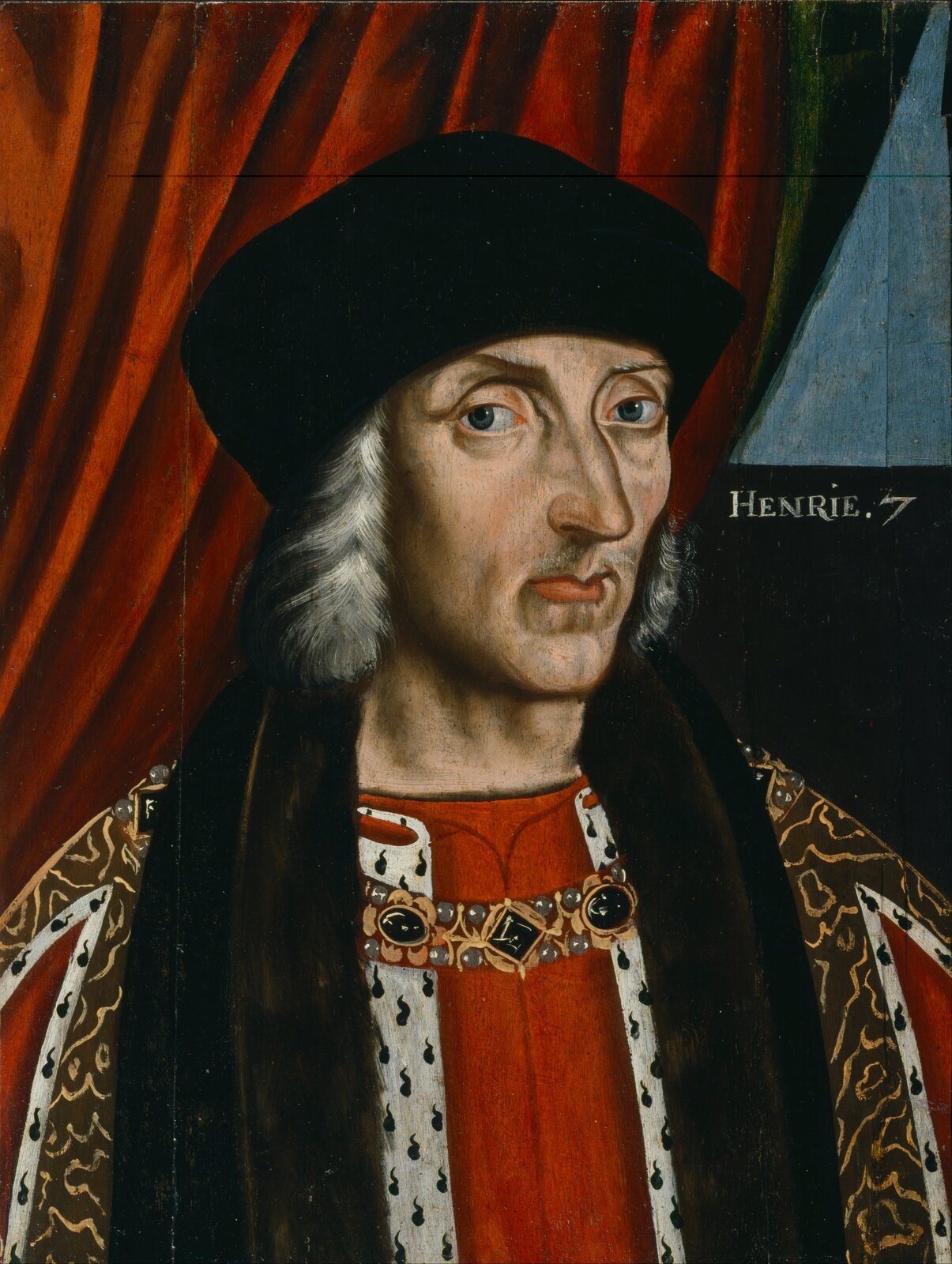
The situation in England was different from that in France. It plunged into long civil wars (1455–1485) known as the Wars of the Roses. They were caused by the rivalry for the English throne between two magnate families – the House of Lancaster (who had a red rose in their coat of arms), and the House of York (a white rose). It was not until the heir of both the Lancasters and Yorks, Henry VII of England, took the throne, that the fighting ended.
The 15th century also saw the escalation of the ReconquistaReconquista. Muslims were able to resist the attacks of the Christians as long as the former remained politically united. Divisions among them led to the victories of the rulers of the kingdoms of León, Castile, and Aragon. They expanded their dominions and began the process of uniting them. The best expression of this was the marriage of Isabella I of Castile to Ferdinand II of Aragon in 1469. Together, they conquered the Emirate of Granada (1492) forcing Muslims out of the peninsula, and, looking for profits, they provided patronage for sea expeditions seeking a way to India.
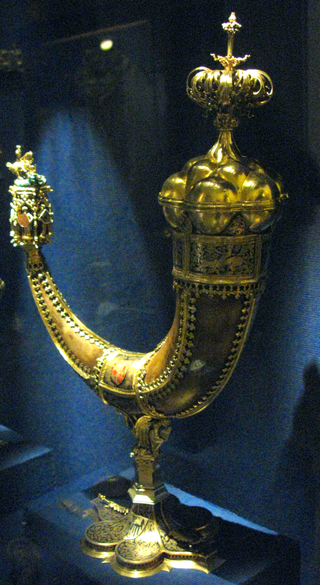
The removal of Muslims from the Iberian Peninsula did not end their presence in Europe at all. The Ottoman Turks appeared at the southeastern end of the continent. They arrived in the Balkans as early as in the 14th century, but their expansion was halted as a result of the Mongolian attack on their lands. Less than a few decades later, not only did the Turks strengthen their rule in the Balkans, but also, by conquering Constantinople after a long siege in 1453, created, in the south of Europe, a new threat for European countries.
Read the biographical entry about Charles IV, and choose the right ending for the sentence: The coat of arms of the Kingdom of Bohemia was placed on the seal because...
- Bohemia was the largest country of the Empire.
- Charles IV was the king of Bohemia.
- The Czechs were the most important part of the imperial army.
Analyze the illustration of the Battle of Crécy, from the Jean Froissart Chronicle and the details of this battle. What mistakes did the French make, that cost them this defeat?
During the siege of Constantinople, the Turks used artillery to a very large extent. Read the excerpt from the description of the conquest of the city, and look at the restored so‑called Walls of Constantinople which surrounded the capital of the Empire in the Middle Ages. Try to point out what caused the fall of the city.
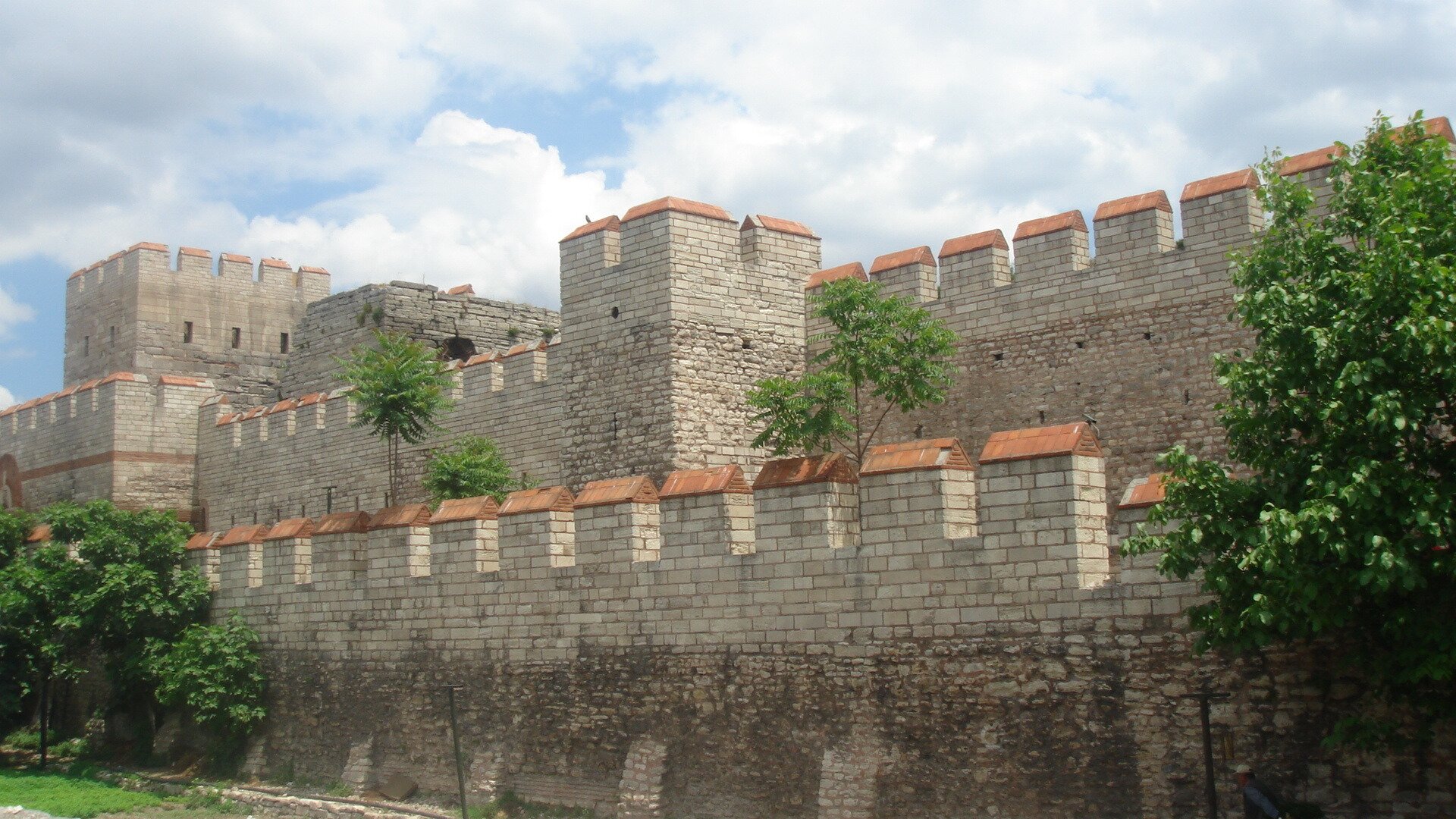
[Cesarz] wraz z Janem Giustiniano bronił zburzonej części murów, walcząc na ich przedpolu na czele 3000 Greków i Włochów [...]. Turcy zachęcani przez sułtana do walki, znieśli mnóstwo drabin do wspinania się na mury [...], lecz atak ich powstrzymywali oblężeni. [...] Cesarz i jego żołnierze [...] opierali się wrogom ze wszystkich sił [...] gdy jednak walczyli zawzięcie, ażeby Turkom uniemożliwić utorowanie sobie drogi do miasta przez zniszczoną część murów, nieprzyjaciel, za wolą Boga, z innej strony wtargnął do miasta. Pięćdziesięciu bowiem wojowników tureckich spostrzegłszy pewną furtkę otwartą, wtargnęło przez nią, a wdarłszy się na mury [pozabijali obrońców].
Constantinople fell in 1453 because of...
- too many defenders who suffered from hunger and were too weak to fight.
- excessively high walls, which made it impossible for the defenders to move their troops quickly.
- too few defenders, who could not defend the entire perimeter of the walls at the same time.
Choose the correct sentences.
- The last representative of the House of Luxembourg on the German throne was Sigismund of Luxembourg.
- During the time of the Great Interregnum in Germany, no one held royal power.
- The Hundred Years’ War lasted 116 years in reality.
- The Golden Bull issued by Charles IV, Holy Roman Emperor, contained legal provisions for magnates, knights, and townspeople.
- In 1346, the English army of Edward III defeated the French army of Philip VI in the Battle of Crécy.
- The fall of Constantinople in 1492 became one of the dates considered to be the end of the epoch of the Middle Ages.
- Finally, the war ended in 1453 in the victory of the French.
- In the lost Battle of Poitiers in 1356, the king of France, John the Good, was killed.
- The consequence of the Hundred Years’ War were the civil wars in England, the so-called ‘Wars of the Roses’.
- Reconquista was the fight against the Ottoman Turks to save Byzantium.
Keywords
Elector, crusades, Golden Bull
Glossary
Wojna Dwóch Róż – wojna domowa, tocząca się w Anglii w latach 1455‑1485, między rodami Lancasterów (mających w herbie czerwoną różę) oraz Yorków (różę białą). Uważana jest za swoiste przedłużenie wojny stuletniej.
Wojna stuletnia – nazwa serii konfliktów, które z przerwami przez 116 lat w XIV i XV wieku toczyły się między Anglią i Francją.
Elektor – wybrani książęta i duchowni Rzeszy Niemieckiej, którzy posiadali uprawnienia do wyboru cesarza.
Złota Bulla – złota pieczęć z wizerunkiem monarchy, która znajdowała się przy najważniejszych wydanych przez niego dokumentach. Z czasem zaczęto tak określać każdy ważny dokument opatrzony taką pieczęcią.
Sobór – zebranie biskupów Kościoła katolickiego pod przewodnictwem papieża mające na celu ustanowienie nowych praw kościelnych i uregulowanie doktryny wiary.
Husytyzm – ruch o charakterze religijnym, społecznym i narodowym w Czechach zapoczątkowany w XV w. przez Jana Husa.
Krucjaty – średniowieczne wypraw zbrojne ogłaszane najczęściej przez papieży i prowadzone przeciwko innowiercom (muzułmanom, heretykom, ale i katolikom) oraz poganom. Ich głównym celem miała być obrona miejsc świętych i chrystianizacja.
Rekonkwista – termin określający walkę chrześcijan z muzułmanami (między VIII‑XV w.) zamieszkującymi Półwysep Iberyjski, której celem było odzyskanie ziem spod ich panowania.
Kalif – tytuł następców Mahometa, będących przywódcami religijnymi i państwowymi muzułmanów.
Emir – w państwie arabskim zarządca prowincji powoływany przez kalifa.