Traveling, writing and reading
you will recognise genres bordering on literature and journalism
you will discuss the work of a journalist
you will discuss the types of reportagesreportages
Literature is commonly associated with making things up, fiction. For many readers the truth is of greatest importance. Experienced readers know well that literature is not only about telling trivial stories, but literary works often relate to important matters and real issues. One can say that literature is the kind of fiction that can depict the world and men.
The literature of the first half the 20th century was dominated by modernistic fictionality and creativity. On the other hand, the second half of the 20th century saw the rise of nonfiction and documentaries. For various reasons, writers were interested in depicting the reality. The proportions between facts and fiction swayed towards the truth in texts bordering on literature and journalism. Ryszard Kapuściński figures among the masters of the reportage.
Recall the features of the genres bordering on literature and journalism. Match the names of the genres and their definitions.
biography, journal, diary, reportage, column
| Literary genre bordering on journalism, non-fiction and belles-lettres based on directly collected authentic materials | |
| Short journalistic, literary or popular science work in a light, witty form, sometimes tackling important issues | |
| An account of a life of a real-life person which may be scientific, literary or popularising by nature | |
| Dated notes concerning recent events, sometimes published in a form of a literary work | |
| A story about past events written by their participant or witness |
Ryszard Kapuściński
1932–2007
A reporter, publicist, photographer, poet, one of the most worldly‑recognised Polish writers. For a very long time, Kapuściński – as a correspondent of the Polish Press Agency – travelled through Asia, Africa and South America. He witnessed the biggest political and military conflicts. His books were oftentimes read as parables of human lives. The most important books of the author are: The Polish Bush (Busz po polsku) (1962), The Soccer War (Wojna futbolowa) (1978), The Emperor: Downfall of an Autocrat (Cesarz) (1978), Shah of Shahs (Szachinszach) (1982), Imperium (1993), The Shadow of the Sun (Heban) (1998) or Travels with Herodotus (Podróże z Herodotem) (2004).
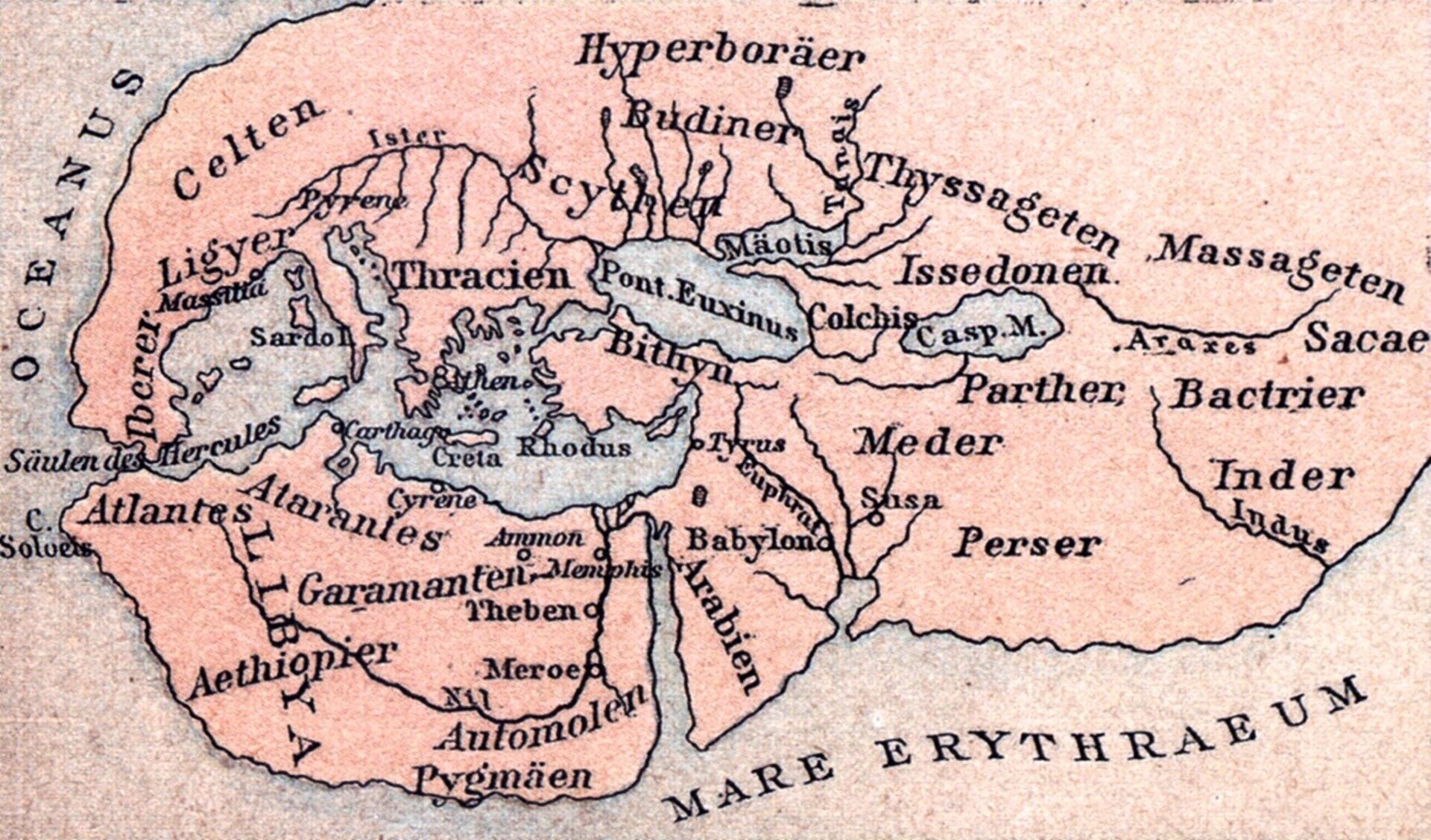
Travels with Herodotus are a collection of reportages from travels through Africa and Asia. As always, the writer documents the observed reality with utmost attention, although does so in a particular way because he believes that it is not possible to interpret the world in a completely objective manner. The author of Travels with Herodotus was certain that a writer during his or her work becomes unavoidably entangled in subjectivism and valuation of the depicted reality.
This book by Kapuściński combines three activities of a reporter: travelling, writing and reading. It is necessary to realise that Travels with Herodotus were influenced by The Histories written by Herodotus. The Polish writer quotes and comments the writings of the ancient author. Herodotus was not chosen by Kapuściński by coincidence. The philosophy of the ancient writer was a good excuse for him to take his own writing technique into consideration. Moreover, Herodotus was a thinker that inspired the Polish writer in many other areas.
Read a passage from Travels with Herodotus and follow the instructions below the text.
Podróże z HerodotemRuch. Podróż. Tak, książka Herodota powstała właśnie z podróży, to pierwszy wielki reportaż w literaturze światowej. Jej autor ma reporterską intuicję, reporterskie oko i ucho. Jest niestrudzony, musi płynąć po morzu, przemierzać step, zagłębiać się w pustynię – zdaje nam z tego sprawę. Zdumiewa nas swoją wytrwałością, nigdy nie skarży się na zmęczenie, nic go nie zniechęca, ani razu nie mówi, że się czegoś boi. Co nim kieruje, kiedy nieustraszony i niestrudzony rzuca się w swoją wielką przygodę? Myślę, że pełna optymizmu wiara, którą my, współcześni, już dawno utraciliśmy: że świat jest możliwy do opisania. Herodot wciągnął mnie od początku. Często zaglądałem do jego książki, powracałem do niej, do jej postaci, opisywanych scen, dziesiątków opowiadań, niezliczonych dygresji. Coraz to próbowałem wejść w ten świat, rozeznać się w nim, oswoić. […]
Jeżeli nawet latami nie sięgałem do Dziejów, pamiętam o ich autorze. Był postacią kiedyś realną i rzeczywistą, potem na dwa tysiąclecia zapomnianą, a dziś, po tylu wiekach, dla mnie przynajmniej – znowu żywą. Obdarzyłem ją teraz wyglądem i cechami, jakie chciałem jej nadać. Był to już mój Herodot, a przez to, że mój – szczególnie mi bliski, taki, z którym miałem wspólny język i mogłem porozumieć się w pół słowa. Wyobrażałem sobie, że przychodzi, kiedy jestem nad brzegiem morza, odkłada laskę, wytrzepuje z sandałów piasek i od razu zaczyna rozmowę. Pewnie należy do tych gadułów, którzy polują na słuchaczy, muszą mieć słuchaczy, bez nich usychają, nie potrafią żyć. Są to natury niestrudzonych i wiecznie podekscytowanych pośredników – gdzieś coś widzą, coś słyszą i zaraz muszą to przekazać innym, nie są w stanie nawet na moment zatrzymać tego dla siebie. W tym upatrują swoją misję, to jest ich pasją. Pójść, pojechać, dowiedzieć się i natychmiast rozgłosić światu! Jednakże takich zapaleńców nie rodzi się wielu. Przeciętny człowiek nie jest specjalnie ciekaw świata. Ot, żyje, musi jakoś się z tym faktem uporać, im będzie go to kosztowało mniej wysiłku – tym lepiej. A przecież poznawanie świata zakłada wysiłek, i to wielki, pochłaniający człowieka. Większość ludzi raczej rozwija w sobie zdolności przeciwne, zdolność, aby patrząc – nie widzieć, aby słuchając – nie słyszeć. Więc kiedy pojawia się ktoś taki jak Herodot – człowiek owładnięty żądzą, bzikiem, manią poznania, a jeszcze obdarzony rozumem i talentem pisarskim – to fakt taki przechodzi od razu do historii świata! Jedno cechuje podobnych osobników – to nienasycone istoty jamochłonne, struktury‑gąbki, które wszystko łatwo wchłaniają i równie łatwo się z tym rozstają. Niczego nie zatrzymują w sobie na długo, a jako że natura nie znosi próżni, ciągle trzeba im czegoś nowego, ciągle muszą coś chłonąć, uzupełniać, mnożyć, powiększać. Umysł Herodota nie jest w stanie zatrzymać się na jednym wydarzeniu czy na jednym kraju. Coś go ciągle nosi, coś niespokojnie popędza. Fakt, który dziś odkrył i ustalił, już go jutro nie pasjonuje, już musi iść (jechać) gdzie indziej, dalej. Ludzie tacy, pożyteczni dla innych, są w gruncie rzeczy nieszczęśliwi, ponieważ tak naprawdę są bardzo samotni. […] Tak na dobre do niczego się nie przywiązują, nie zapuszczają głęboko korzeni. Ich empatia jest szczera, ale powierzchowna. Pytanie, który ze znanych krajów najbardziej im się podoba, wprawia ich w zakłopotanie – nie wiedzą, co odpowiedzieć. Który? W jakiś sposób – wszystkie, w każdym jest coś ciekawego. Do którego kraju chcieliby jeszcze wrócić? Znowu zakłopotanie – nigdy nie zadawali sobie takich pytań. Na pewno chcieliby wrócić na drogę, na szlak. Być znowu w drodze – oto, co im się marzy.Source: Ryszard Kapuściński, Podróże z Herodotem, Kraków 2004, s. 252–253.
Whose traits are listed by Ryszard Kapuściński – Herodotus’, his own or all reporters’? Explain your choice.
List the traits that – according to Kapuściński – are possessed by an ordinary person. How does Ryszard Kapuściński justify such behaviour of the majority of people?
Explain where the loneliness of people like Herodotus – reporters, travellers – comes from. Provide a quote from Kapuściński’s text which most accurately reflects their problem.
Reportage is not a uniform genre. Try to divide it according to the criteria provided below. Move the examples to the correct place.
literary reportage (creative function dominates; it is a record of experiences, for example from a travel), film reportage, travel reportage, journalistic reportage (informative function dominates; it is an account of an event), court reportage, audio reportage (radio), war reportage, press reportage, TV reportage, sports reportage
| Place and manner of publishing | |
|---|---|
| Manner of depiction of the topic | |
| Subject |
Find information about well‑known Polish reporters in available sources. Complete the information below. You can also add other well‑known reporters.
Find any reportage in available sources of information. Define its type. Check if it possesses the features listed below. Find proper fragments to support your decision.
authenticity of the depicted events
contains factual data (names and surnames of the protagonists, names of places, numerical data etc.)
serves an informative function (explains, reports)
serves an expressive function (contains judgments, presents experiences)
serves a convincing function (persuades, shapes attitudes)
contains a wide range of styles and linguistic variations
Keywords
reportage, travel, journalism, reporter
Glossary
reportaż
gatunek publicystyczny
przypowieść
reporter
świadek
przekonać
starożytny