to define how power is separated in a democraticdemocracydemocratic state;
to describe what the functions of the Sejm, the Senate, the President, the Government and the Council of MinistersCouncil of MinistersCouncil of Ministers are;
to indicate what the bodies of legislaturelegislaturelegislature, executiveexecutiveexecutive and judiciaryjudiciaryjudiciary are;
to explain what the fourth power is;
to answer why it is essential to have a separation of powersseparation of powersseparation of powers and independent mass media.
The Republic of Poland is a democratic state with a republican system of government. The People is the sovereign. It elects its representatives to the ParliamentParliamentParliament (the Sejm and the Senate) in free and general elections. The Parliament is the legislature, or it makes laws by enacting legislation and adopting resolutions. The executive branch is the President of the Republic of Poland and the Government (Council of Ministers) headed by the Prime Minister. The Government is based on a parliamentary majority and is accountable to the Sejm. That is why Poland is said to have a parliamentary cabinet system. The courts and the tribunals are the judiciary. Judges are independent and cannot be removed from office. The President of the Republic of Poland is the head of state. The ConstitutionConstitutionConstitution of the Republic of Poland of 1997 is the most important legal act (fundamental law) governing the political system of Poland.
Task 1
Read the text carefully and answer the following questions: What branches of power are identified by Montesquieu? What is the role of each branch? What threats did he see in non‑separation of powers into those three branches?
MontesquieuThe Spirit of the Laws
R1aCFHFnCrBNA1
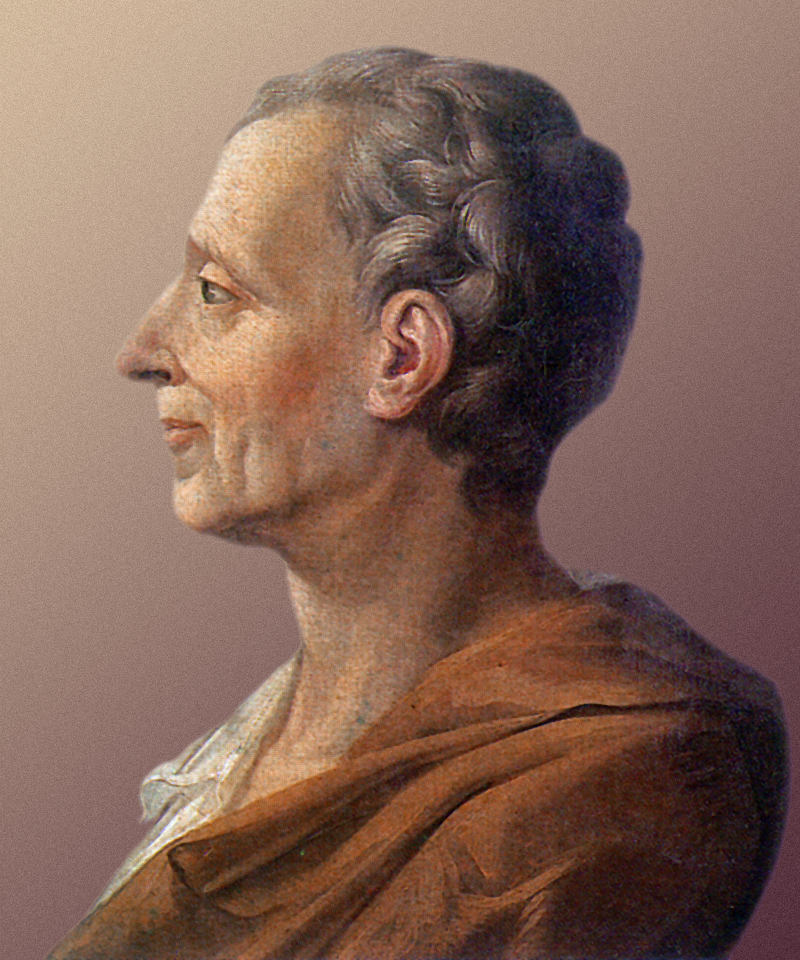
Obraz przedstawiający portret Monteskiusza.
Montesquieu
Source: 1728, oil on canvas, licencja: CC 0.
In every government there are three sorts of power […].
By virtue of the first, the prince or magistrate enacts temporary or perpetual laws, and amends or abrogates those that have been already enacted.
By the second, he makes peace or war, sends or receives embassies, establishes the public security, and provides against invasions.
By the third, he punishes criminals, or determines the disputes that arise between individuals.
The latter we shall call the judiciary power, and the other, simply, the executive power of the state. [...] When the legislative and executive powers are united in the same person, or in the same body of magistrates, there can be no liberty; because apprehensions may arise, lest the same monarch or senate should enact tyrannical laws, to execute them in a tyrannical manner.
Again, there is no liberty if the judiciary power be not separated from the legislative and executive. Were it joined with the legislative, the life and liberty of the subject would be exposed to arbitrary control; for the judge would be then the legislator. Were it joined to the executive power, the judge might behave with violence and oppression. [...]
monteskiusz Source: Montesquieu, The Spirit of the Laws.
RiLYE5BjWljoY
Exercise 1
What branch is the Sejm and the Senate, or the Parliament? Możliwe odpowiedzi: 1. legislature, 2. judiciary, 3. executive
What branch is the Sejm and the Senate, or the Parliament? Możliwe odpowiedzi: 1. legislature, 2. judiciary, 3. executive
What branch is the Sejm and the Senate, or the Parliament?
legislature
judiciary
executive
RoyoupKIYLjk7
Exercise 2
What branch is the Council of Ministers, or the Government? Możliwe odpowiedzi: 1. legislature, 2. judiciary, 3. executive
What branch is the Council of Ministers, or the Government? Możliwe odpowiedzi: 1. legislature, 2. judiciary, 3. executive
What branch is the Council of Ministers, or the Government?
legislature
judiciary
executive
R1SKmX1peyisn
Exercise 3
What power are the courts and tribunals? Możliwe odpowiedzi: 1. legislature, 2. judiciary, 3. executive
What power are the courts and tribunals? Możliwe odpowiedzi: 1. legislature, 2. judiciary, 3. executive
What power are the courts and tribunals?
legislature
judiciary
executive
Task 2
Fotografia barwna przedstawiająca informacje na temat komnaty sejmowej. 1. there is a flag and the emblem of Poland in the Sejm's plenary chamber2. since Poland's accession to the European Union, the EU flag has also been a feature of the plenary chamber3. the seat of the Marshal (Speaker) of the Sejm, who presides over debates4. the Government benches; those are the seats of the members of the Government5. the Sejm lectern; MPs deliver their speeches from here6. seats for other MPs, who sit according to their party affiliation7. places for the audience and journalists
Fotografia barwna przedstawiająca informacje na temat komnaty sejmowej. 1. there is a flag and the emblem of Poland in the Sejm's plenary chamber2. since Poland's accession to the European Union, the EU flag has also been a feature of the plenary chamber3. the seat of the Marshal (Speaker) of the Sejm, who presides over debates4. the Government benches; those are the seats of the members of the Government5. the Sejm lectern; MPs deliver their speeches from here6. seats for other MPs, who sit according to their party affiliation7. places for the audience and journalists
Look at the photograph and learn more about the Sejm chamber.
RZmgUlqNnbCa91
Fotografia barwna przedstawiająca informacje na temat komnaty sejmowej.
Fotografia barwna przedstawiająca informacje na temat komnaty sejmowej.
R1BkTicnxUOOC1
Exercise 4
Imagine you are the Prime Minister. Assign the individual tasks to the appropriate Ministers. Some of the tasks may be suitable for two Ministries to work on. Ensure order and security during football matches Możliwe odpowiedzi: 1. Ministry of Foreign Affairs, 2. Ministry of Sports and Tourism, 3. Ministry of Finance, 4. Ministry of Health, 5. Ministry of National Defence, 6. Ministry of Finance, 7. Ministry of Internal Affairs and Administration, 8. Ministry of National Education, 9. Ministry of Sports and Tourism, 10. Ministry of Sports and Tourism Launch a public tender for the purchase of combat aircraft Możliwe odpowiedzi: 1. Ministry of Foreign Affairs, 2. Ministry of Sports and Tourism, 3. Ministry of Finance, 4. Ministry of Health, 5. Ministry of National Defence, 6. Ministry of Finance, 7. Ministry of Internal Affairs and Administration, 8. Ministry of National Education, 9. Ministry of Sports and Tourism, 10. Ministry of Sports and Tourism Send an ambassador to Turkey Możliwe odpowiedzi: 1. Ministry of Foreign Affairs, 2. Ministry of Sports and Tourism, 3. Ministry of Finance, 4. Ministry of Health, 5. Ministry of National Defence, 6. Ministry of Finance, 7. Ministry of Internal Affairs and Administration, 8. Ministry of National Education, 9. Ministry of Sports and Tourism, 10. Ministry of Sports and Tourism Set the rules for sale of prescription drugs Możliwe odpowiedzi: 1. Ministry of Foreign Affairs, 2. Ministry of Sports and Tourism, 3. Ministry of Finance, 4. Ministry of Health, 5. Ministry of National Defence, 6. Ministry of Finance, 7. Ministry of Internal Affairs and Administration, 8. Ministry of National Education, 9. Ministry of Sports and Tourism, 10. Ministry of Sports and Tourism Develop tax form templates Możliwe odpowiedzi: 1. Ministry of Foreign Affairs, 2. Ministry of Sports and Tourism, 3. Ministry of Finance, 4. Ministry of Health, 5. Ministry of National Defence, 6. Ministry of Finance, 7. Ministry of Internal Affairs and Administration, 8. Ministry of National Education, 9. Ministry of Sports and Tourism, 10. Ministry of Sports and Tourism Develop a roadmap to prepare a bid for 2024 Olympic Games Możliwe odpowiedzi: 1. Ministry of Foreign Affairs, 2. Ministry of Sports and Tourism, 3. Ministry of Finance, 4. Ministry of Health, 5. Ministry of National Defence, 6. Ministry of Finance, 7. Ministry of Internal Affairs and Administration, 8. Ministry of National Education, 9. Ministry of Sports and Tourism, 10. Ministry of Sports and Tourism Change the History curriculum for schools Możliwe odpowiedzi: 1. Ministry of Foreign Affairs, 2. Ministry of Sports and Tourism, 3. Ministry of Finance, 4. Ministry of Health, 5. Ministry of National Defence, 6. Ministry of Finance, 7. Ministry of Internal Affairs and Administration, 8. Ministry of National Education, 9. Ministry of Sports and Tourism, 10. Ministry of Sports and Tourism Develop the rules for payment of scholarships to the most outstanding athletes Możliwe odpowiedzi: 1. Ministry of Foreign Affairs, 2. Ministry of Sports and Tourism, 3. Ministry of Finance, 4. Ministry of Health, 5. Ministry of National Defence, 6. Ministry of Finance, 7. Ministry of Internal Affairs and Administration, 8. Ministry of National Education, 9. Ministry of Sports and Tourism, 10. Ministry of Sports and Tourism
Imagine you are the Prime Minister. Assign the individual tasks to the appropriate Ministers. Some of the tasks may be suitable for two Ministries to work on. Ensure order and security during football matches Możliwe odpowiedzi: 1. Ministry of Foreign Affairs, 2. Ministry of Sports and Tourism, 3. Ministry of Finance, 4. Ministry of Health, 5. Ministry of National Defence, 6. Ministry of Finance, 7. Ministry of Internal Affairs and Administration, 8. Ministry of National Education, 9. Ministry of Sports and Tourism, 10. Ministry of Sports and Tourism Launch a public tender for the purchase of combat aircraft Możliwe odpowiedzi: 1. Ministry of Foreign Affairs, 2. Ministry of Sports and Tourism, 3. Ministry of Finance, 4. Ministry of Health, 5. Ministry of National Defence, 6. Ministry of Finance, 7. Ministry of Internal Affairs and Administration, 8. Ministry of National Education, 9. Ministry of Sports and Tourism, 10. Ministry of Sports and Tourism Send an ambassador to Turkey Możliwe odpowiedzi: 1. Ministry of Foreign Affairs, 2. Ministry of Sports and Tourism, 3. Ministry of Finance, 4. Ministry of Health, 5. Ministry of National Defence, 6. Ministry of Finance, 7. Ministry of Internal Affairs and Administration, 8. Ministry of National Education, 9. Ministry of Sports and Tourism, 10. Ministry of Sports and Tourism Set the rules for sale of prescription drugs Możliwe odpowiedzi: 1. Ministry of Foreign Affairs, 2. Ministry of Sports and Tourism, 3. Ministry of Finance, 4. Ministry of Health, 5. Ministry of National Defence, 6. Ministry of Finance, 7. Ministry of Internal Affairs and Administration, 8. Ministry of National Education, 9. Ministry of Sports and Tourism, 10. Ministry of Sports and Tourism Develop tax form templates Możliwe odpowiedzi: 1. Ministry of Foreign Affairs, 2. Ministry of Sports and Tourism, 3. Ministry of Finance, 4. Ministry of Health, 5. Ministry of National Defence, 6. Ministry of Finance, 7. Ministry of Internal Affairs and Administration, 8. Ministry of National Education, 9. Ministry of Sports and Tourism, 10. Ministry of Sports and Tourism Develop a roadmap to prepare a bid for 2024 Olympic Games Możliwe odpowiedzi: 1. Ministry of Foreign Affairs, 2. Ministry of Sports and Tourism, 3. Ministry of Finance, 4. Ministry of Health, 5. Ministry of National Defence, 6. Ministry of Finance, 7. Ministry of Internal Affairs and Administration, 8. Ministry of National Education, 9. Ministry of Sports and Tourism, 10. Ministry of Sports and Tourism Change the History curriculum for schools Możliwe odpowiedzi: 1. Ministry of Foreign Affairs, 2. Ministry of Sports and Tourism, 3. Ministry of Finance, 4. Ministry of Health, 5. Ministry of National Defence, 6. Ministry of Finance, 7. Ministry of Internal Affairs and Administration, 8. Ministry of National Education, 9. Ministry of Sports and Tourism, 10. Ministry of Sports and Tourism Develop the rules for payment of scholarships to the most outstanding athletes Możliwe odpowiedzi: 1. Ministry of Foreign Affairs, 2. Ministry of Sports and Tourism, 3. Ministry of Finance, 4. Ministry of Health, 5. Ministry of National Defence, 6. Ministry of Finance, 7. Ministry of Internal Affairs and Administration, 8. Ministry of National Education, 9. Ministry of Sports and Tourism, 10. Ministry of Sports and Tourism
Imagine you are the Prime Minister. Assign the individual tasks to the appropriate Ministers. Some of the tasks may be suitable for two Ministries to work on.
Ministry of Foreign Affairs, Ministry of Sports and Tourism, Ministry of Finance, Ministry of National Defence, Ministry of Internal Affairs and Administration, Ministry of Sports and Tourism, Ministry of National Education, Ministry of Finance, Ministry of Health, Ministry of Sports and Tourism
Ensure order and security during football matches
Launch a public tender for the purchase of combat aircraft
Send an ambassador to Turkey
Set the rules for sale of prescription drugs
Develop tax form templates
Develop a roadmap to prepare a bid for 2024 Olympic Games
Change the History curriculum for schools
Develop the rules for payment of scholarships to the most outstanding athletes
Task 3
Read the information about the National Assembly and look at the interactive image.
Fotografia barwna przedstawiająca informacje na temat Zgromadzenia Narodowego. 1. National Assembly. A constitutional body consisting of deputies and senators meeting together.Pursuant to Article 144 of the Constitution of the Republic of Poland, the National Assembly is summoned in four cases: to take an oath from the new elected President; or to declare the President unfit to serve; or to bring an indictment against the President; or to hear a presidential address to the Assembly.2. Presidium of the Sejm. This is the supreme executive body composed of the Marshal (Speaker) and Vice‑Marshals (Deputy Speakers) of the Sejm.The tasks of the Presidium include, among others, scheduling the work for the Sejm and handling legal matters involving MPs.The seats of the Presidium of the Sejm are taken by the Marshals (Speakers) of the Sejm and of the Senate, on equal terms, for the National Assembly.3. Sejm Meeting Hall. The National Assembly usually sits in the Meeting Hall of the Sejm of the Republic of Poland. This is the largest room in the Sejm complex. All 460 MPs and all 100 senators of a term may attend its sitting. Such session is public and often broadcast by television. In most cases, the President of the Republic of Poland and some senior public officials such as the presidents of the Tribunals and the head of the Supreme Audit Office are also in attendance during a National Assembly sitting.4. President of the Republic of Poland. The President's attendance is not restricted to the National Assembly or the joint sitting of the Sejm and the Senate. The President may attend sittings of the Sejm as he or she chooses by taking the designated seat in the presidential box on the gallery in the Sejm Meeting Hall. However, the Prezydent does not take part in the 5. Not always a National Assembly. Not all joint sittings of the Sejm and the Senate qualify as the National Assembly. Such a meeting is convened by the Marshals (Speakers) of the Sejm and of the Senate together under special circumstances, e.g. to celebrate important anniversaries or events or during a visit of a foreign head of state. One such example is the sitting of June 1999, when MPs and senators were addressed by Pope John Paul II.
Fotografia barwna przedstawiająca informacje na temat Zgromadzenia Narodowego. 1. National Assembly. A constitutional body consisting of deputies and senators meeting together.Pursuant to Article 144 of the Constitution of the Republic of Poland, the National Assembly is summoned in four cases: to take an oath from the new elected President; or to declare the President unfit to serve; or to bring an indictment against the President; or to hear a presidential address to the Assembly.2. Presidium of the Sejm. This is the supreme executive body composed of the Marshal (Speaker) and Vice‑Marshals (Deputy Speakers) of the Sejm.The tasks of the Presidium include, among others, scheduling the work for the Sejm and handling legal matters involving MPs.The seats of the Presidium of the Sejm are taken by the Marshals (Speakers) of the Sejm and of the Senate, on equal terms, for the National Assembly.3. Sejm Meeting Hall. The National Assembly usually sits in the Meeting Hall of the Sejm of the Republic of Poland. This is the largest room in the Sejm complex. All 460 MPs and all 100 senators of a term may attend its sitting. Such session is public and often broadcast by television. In most cases, the President of the Republic of Poland and some senior public officials such as the presidents of the Tribunals and the head of the Supreme Audit Office are also in attendance during a National Assembly sitting.4. President of the Republic of Poland. The President's attendance is not restricted to the National Assembly or the joint sitting of the Sejm and the Senate. The President may attend sittings of the Sejm as he or she chooses by taking the designated seat in the presidential box on the gallery in the Sejm Meeting Hall. However, the Prezydent does not take part in the 5. Not always a National Assembly. Not all joint sittings of the Sejm and the Senate qualify as the National Assembly. Such a meeting is convened by the Marshals (Speakers) of the Sejm and of the Senate together under special circumstances, e.g. to celebrate important anniversaries or events or during a visit of a foreign head of state. One such example is the sitting of June 1999, when MPs and senators were addressed by Pope John Paul II.
The National Assembly is the Sejm and the Senat of the Republic of Poland sitting together and presided over by the Marshal (Speaker) of the Sejm or by the Marshal (Speaker) of the Senate as the replacement of the former. It is convened by the Marshal of the Sejm and the attending MPs and senators have an equal status. The National Assembly is rarely convened and only for a specific purpose prescribed by the Constitution, e.g. to take a presidential oath or to listen to the President's address.
RSJ5mjE7Zsmgr1
Fotografia barwna przedstawiająca informacje na temat Zgromadzenia Narodowego.
Fotografia barwna przedstawiająca informacje na temat Zgromadzenia Narodowego.
R1bWtqUtUV6zB1
Exercise 5
Complete the blanks. 1. Montesquieu discerned three branches of government. These are the following: 1. independent tribunals, 2. legislature, executive and judiciary, 3. Supreme Court, 4. Free mass media, 5. President, 6. Lech Wałęsa, 7. Prime Minister, 8. Council of Ministers, 9. Parliament, 10. term, 11. carrying out current policies of the state, 12. Independent courts.
2. The Sejm and the Senate together form the 1. independent tribunals, 2. legislature, executive and judiciary, 3. Supreme Court, 4. Free mass media, 5. President, 6. Lech Wałęsa, 7. Prime Minister, 8. Council of Ministers, 9. Parliament, 10. term, 11. carrying out current policies of the state, 12. Independent courts.
3. The 1. independent tribunals, 2. legislature, executive and judiciary, 3. Supreme Court, 4. Free mass media, 5. President, 6. Lech Wałęsa, 7. Prime Minister, 8. Council of Ministers, 9. Parliament, 10. term, 11. carrying out current policies of the state, 12. Independent courts of the Parliament is 4 years and that of the President of the Republic of Poland is 5 years.
4. The Government is also called the 1. independent tribunals, 2. legislature, executive and judiciary, 3. Supreme Court, 4. Free mass media, 5. President, 6. Lech Wałęsa, 7. Prime Minister, 8. Council of Ministers, 9. Parliament, 10. term, 11. carrying out current policies of the state, 12. Independent courts. It is led by the 1. independent tribunals, 2. legislature, executive and judiciary, 3. Supreme Court, 4. Free mass media, 5. President, 6. Lech Wałęsa, 7. Prime Minister, 8. Council of Ministers, 9. Parliament, 10. term, 11. carrying out current policies of the state, 12. Independent courts, or the President of the Council of Ministers.
5. The main task of the Prime Minister and the Council of Ministers is 1. independent tribunals, 2. legislature, executive and judiciary, 3. Supreme Court, 4. Free mass media, 5. President, 6. Lech Wałęsa, 7. Prime Minister, 8. Council of Ministers, 9. Parliament, 10. term, 11. carrying out current policies of the state, 12. Independent courts.
6. The executive branch includes the 1. independent tribunals, 2. legislature, executive and judiciary, 3. Supreme Court, 4. Free mass media, 5. President, 6. Lech Wałęsa, 7. Prime Minister, 8. Council of Ministers, 9. Parliament, 10. term, 11. carrying out current policies of the state, 12. Independent courts, who is also the Commander-in-Chief of the Polish Armed Forces.
7. 1. independent tribunals, 2. legislature, executive and judiciary, 3. Supreme Court, 4. Free mass media, 5. President, 6. Lech Wałęsa, 7. Prime Minister, 8. Council of Ministers, 9. Parliament, 10. term, 11. carrying out current policies of the state, 12. Independent courts are commonly called the fourth estate or power as they keep the other three powers in check.
8. 1. independent tribunals, 2. legislature, executive and judiciary, 3. Supreme Court, 4. Free mass media, 5. President, 6. Lech Wałęsa, 7. Prime Minister, 8. Council of Ministers, 9. Parliament, 10. term, 11. carrying out current policies of the state, 12. Independent courts resolve disputes under the laws and 1. independent tribunals, 2. legislature, executive and judiciary, 3. Supreme Court, 4. Free mass media, 5. President, 6. Lech Wałęsa, 7. Prime Minister, 8. Council of Ministers, 9. Parliament, 10. term, 11. carrying out current policies of the state, 12. Independent courts resolve constitutional disputes.
9. The 1. independent tribunals, 2. legislature, executive and judiciary, 3. Supreme Court, 4. Free mass media, 5. President, 6. Lech Wałęsa, 7. Prime Minister, 8. Council of Ministers, 9. Parliament, 10. term, 11. carrying out current policies of the state, 12. Independent courts oversees the decision-making of common courts of law and military courts.
10. The first President elected in general and democratic elections was 1. independent tribunals, 2. legislature, executive and judiciary, 3. Supreme Court, 4. Free mass media, 5. President, 6. Lech Wałęsa, 7. Prime Minister, 8. Council of Ministers, 9. Parliament, 10. term, 11. carrying out current policies of the state, 12. Independent courts.
Complete the blanks. 1. Montesquieu discerned three branches of government. These are the following: 1. independent tribunals, 2. legislature, executive and judiciary, 3. Supreme Court, 4. Free mass media, 5. President, 6. Lech Wałęsa, 7. Prime Minister, 8. Council of Ministers, 9. Parliament, 10. term, 11. carrying out current policies of the state, 12. Independent courts.
2. The Sejm and the Senate together form the 1. independent tribunals, 2. legislature, executive and judiciary, 3. Supreme Court, 4. Free mass media, 5. President, 6. Lech Wałęsa, 7. Prime Minister, 8. Council of Ministers, 9. Parliament, 10. term, 11. carrying out current policies of the state, 12. Independent courts.
3. The 1. independent tribunals, 2. legislature, executive and judiciary, 3. Supreme Court, 4. Free mass media, 5. President, 6. Lech Wałęsa, 7. Prime Minister, 8. Council of Ministers, 9. Parliament, 10. term, 11. carrying out current policies of the state, 12. Independent courts of the Parliament is 4 years and that of the President of the Republic of Poland is 5 years.
4. The Government is also called the 1. independent tribunals, 2. legislature, executive and judiciary, 3. Supreme Court, 4. Free mass media, 5. President, 6. Lech Wałęsa, 7. Prime Minister, 8. Council of Ministers, 9. Parliament, 10. term, 11. carrying out current policies of the state, 12. Independent courts. It is led by the 1. independent tribunals, 2. legislature, executive and judiciary, 3. Supreme Court, 4. Free mass media, 5. President, 6. Lech Wałęsa, 7. Prime Minister, 8. Council of Ministers, 9. Parliament, 10. term, 11. carrying out current policies of the state, 12. Independent courts, or the President of the Council of Ministers.
5. The main task of the Prime Minister and the Council of Ministers is 1. independent tribunals, 2. legislature, executive and judiciary, 3. Supreme Court, 4. Free mass media, 5. President, 6. Lech Wałęsa, 7. Prime Minister, 8. Council of Ministers, 9. Parliament, 10. term, 11. carrying out current policies of the state, 12. Independent courts.
6. The executive branch includes the 1. independent tribunals, 2. legislature, executive and judiciary, 3. Supreme Court, 4. Free mass media, 5. President, 6. Lech Wałęsa, 7. Prime Minister, 8. Council of Ministers, 9. Parliament, 10. term, 11. carrying out current policies of the state, 12. Independent courts, who is also the Commander-in-Chief of the Polish Armed Forces.
7. 1. independent tribunals, 2. legislature, executive and judiciary, 3. Supreme Court, 4. Free mass media, 5. President, 6. Lech Wałęsa, 7. Prime Minister, 8. Council of Ministers, 9. Parliament, 10. term, 11. carrying out current policies of the state, 12. Independent courts are commonly called the fourth estate or power as they keep the other three powers in check.
8. 1. independent tribunals, 2. legislature, executive and judiciary, 3. Supreme Court, 4. Free mass media, 5. President, 6. Lech Wałęsa, 7. Prime Minister, 8. Council of Ministers, 9. Parliament, 10. term, 11. carrying out current policies of the state, 12. Independent courts resolve disputes under the laws and 1. independent tribunals, 2. legislature, executive and judiciary, 3. Supreme Court, 4. Free mass media, 5. President, 6. Lech Wałęsa, 7. Prime Minister, 8. Council of Ministers, 9. Parliament, 10. term, 11. carrying out current policies of the state, 12. Independent courts resolve constitutional disputes.
9. The 1. independent tribunals, 2. legislature, executive and judiciary, 3. Supreme Court, 4. Free mass media, 5. President, 6. Lech Wałęsa, 7. Prime Minister, 8. Council of Ministers, 9. Parliament, 10. term, 11. carrying out current policies of the state, 12. Independent courts oversees the decision-making of common courts of law and military courts.
10. The first President elected in general and democratic elections was 1. independent tribunals, 2. legislature, executive and judiciary, 3. Supreme Court, 4. Free mass media, 5. President, 6. Lech Wałęsa, 7. Prime Minister, 8. Council of Ministers, 9. Parliament, 10. term, 11. carrying out current policies of the state, 12. Independent courts.
Complete the blanks.
President, legislature, executive and judiciary, Council of Ministers, Free mass media, Lech Wałęsa, Parliament, Independent courts, Prime Minister, independent tribunals, Supreme Court, term, carrying out current policies of the state
1. Montesquieu discerned three branches of government. These are the following: .....................................................................................
2. The Sejm and the Senate together form the .....................................................................................
3. The .................................................................................... of the Parliament is 4 years and that of the President of the Republic of Poland is 5 years.
4. The Government is also called the ..................................................................................... It is led by the ...................................................................................., or the President of the Council of Ministers.
5. The main task of the Prime Minister and the Council of Ministers is .....................................................................................
6. The executive branch includes the ...................................................................................., who is also the Commander-in-Chief of the Polish Armed Forces.
7. .................................................................................... are commonly called the fourth estate or power as they keep the other three powers in check.
8. .................................................................................... resolve disputes under the laws and .................................................................................... resolve constitutional disputes.
9. The .................................................................................... oversees the decision-making of common courts of law and military courts.
10. The first President elected in general and democratic elections was .....................................................................................
Keywords
government, system of government in Poland, National Assembly, Sejm, Senate, democracy
Trójpodział władzy – oddzielenie od siebie władz: ustawodawczej,wykonawczej i sądowniczej, i powierzenie jej niezależnym od siebie instytucjom, w celu zapobiegania nadużyciom i łamaniu praw obywatelskich. Został zaproponowany i opisany przez Johna Locke’a i Monteskiusza.
Władza ustawodawcza – władza, której zadaniem jest tworzenie i ustanawiania obowiązującego prawa. W państwach demokratycznych rolę taką pełni parlament.
Władza wykonawcza – władza bezpośrednio zarządzająca sprawami państwa, realizująca jego zadania i prawa. W Polsce taką rolę pełni prezydent i rada ministrów.
Parlament – w państwach demokratycznych jest najważniejszym organem przedstawicielskim i organem władzy ustawodawczej. Może być jednoizbowy lub dwuizbowy, jak w Polsce (Sejm i Senat).
Konstytucja – inaczej zwana ustawą zasadniczą. Jest to akt prawny, który najczęściej jest najważniejszym i najwyższym dokumentem stanowiącym prawo z państwie.