Wildlife of the tundra
the climatic conditions present in the tundra zone;
that tall trees cannot grow in the tundra.
to describe how plant life in the tundra adapted to harsh climatic conditions;
to recognise selected plant life of the taiga;
to recognise selected animals living in the tundra;
to explain the reasons why animals inhabiting the tundra migrate.
Tundra vegetation
TundraTundra vegetation faces many obstacles that makes its life more challenging. The primary problem is low temperature. It’s cold for the greater part of the year. The remaining 2–4 months are not too warm as well. A problem for vegetation is also the permafrostpermafrost that prevents it from sprouting roots deep into the soil. Strong winds that break plants that protrude above the thin layer of snow also hinder plant growth.
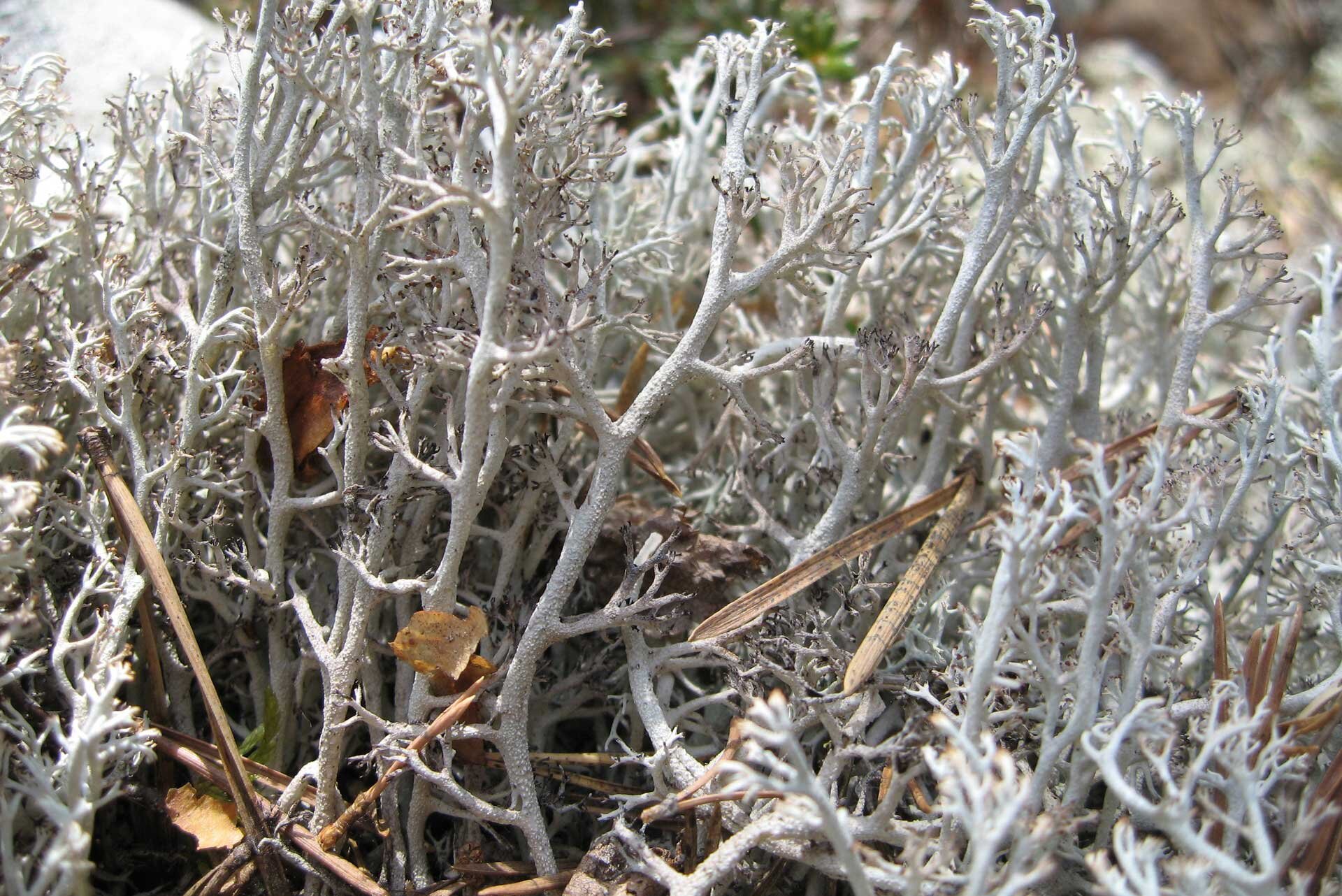
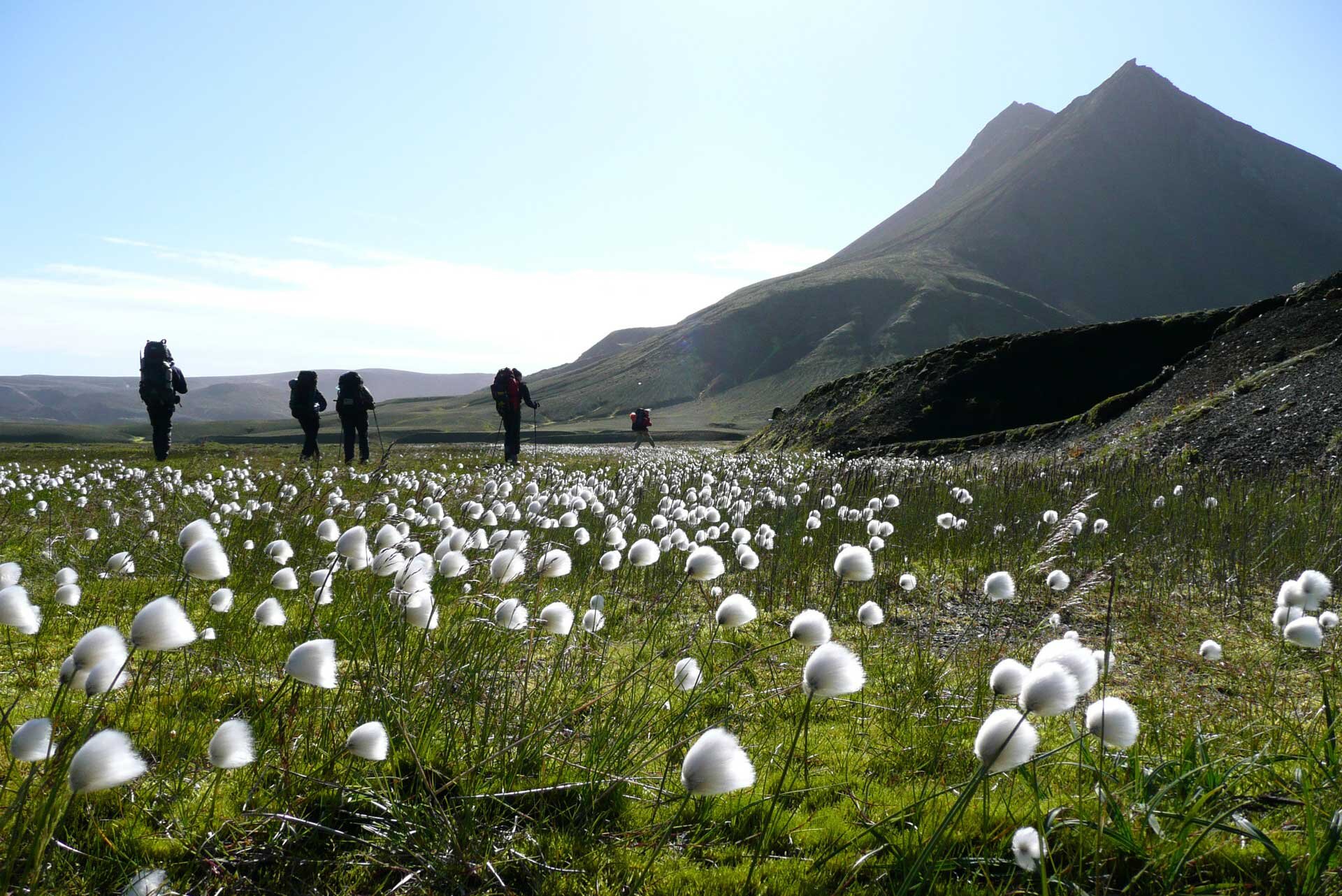
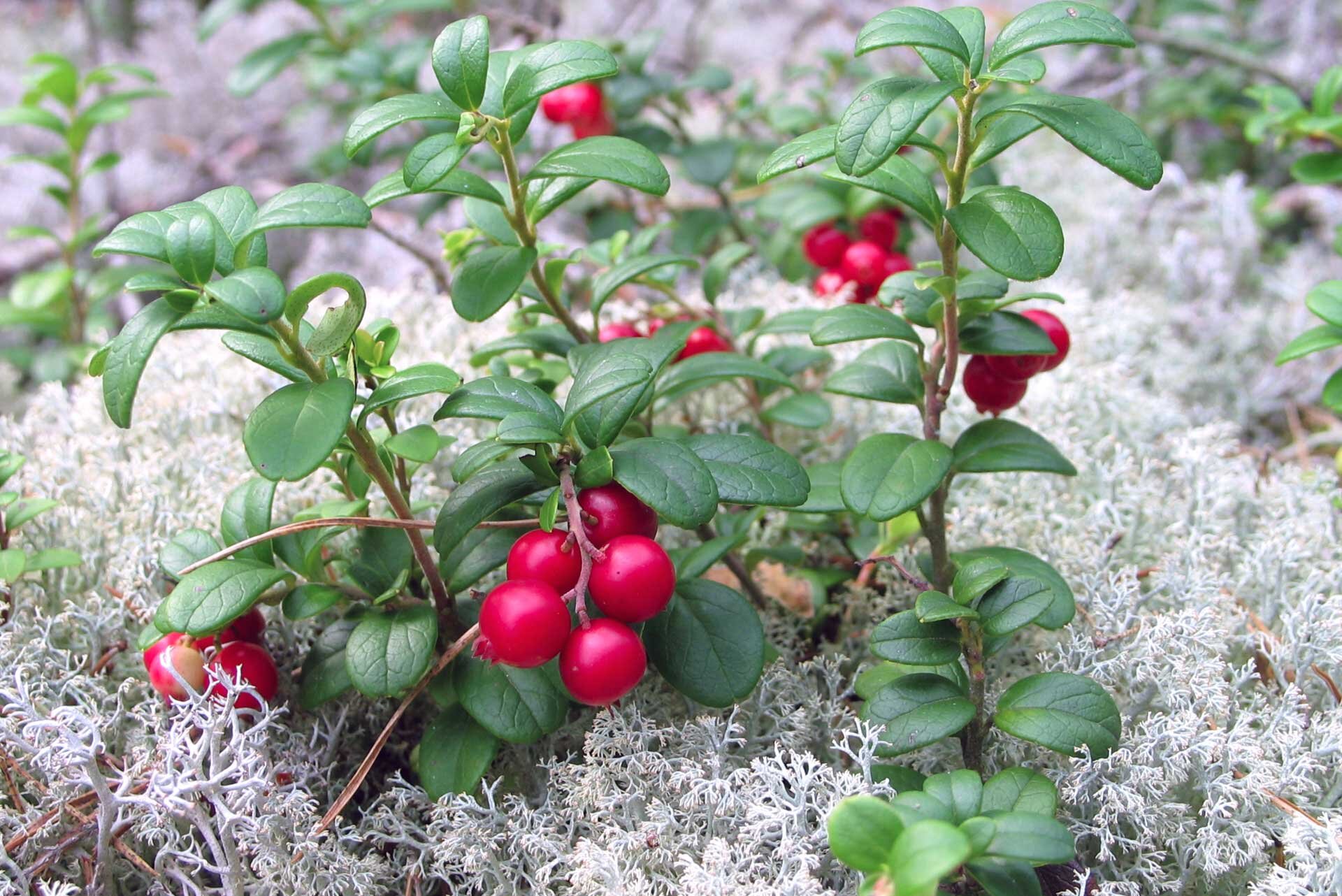
Mosses and lichenslichens manage fairly well in these conditions. A common species of lichen that can be found in the tundra is reindeer lichen. Grass and other flowering plants grow in the spring, including the beautiful cotton grass. Dwarf shrubs, represented by blueberries, raspberries and blackberries, grow slightly higher. In a short period of time, these plants can sprout leaves, bloom and produce fruit that mature before winter returns.
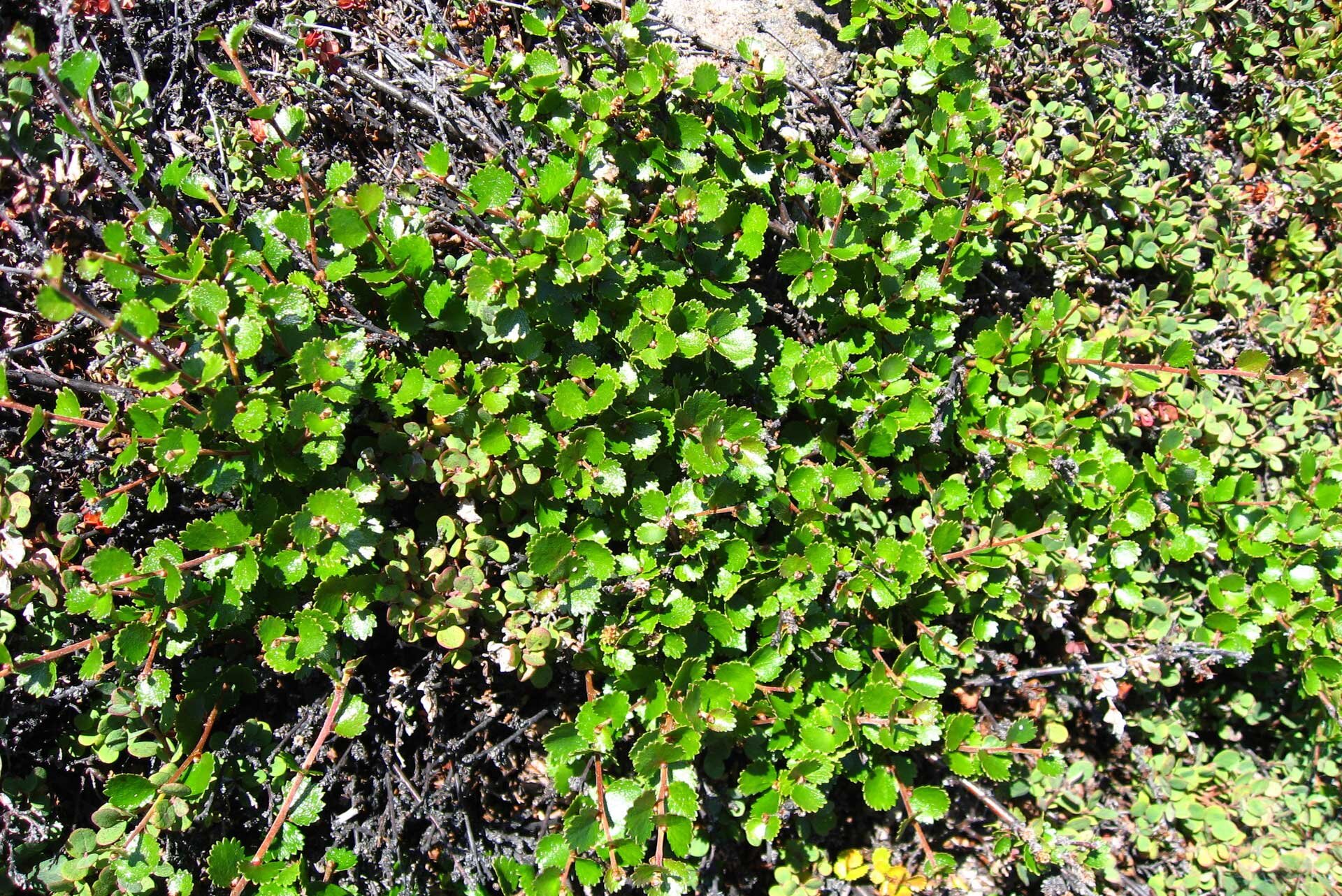
The largest plants in the tundra are dwarf trees. Their leaves and young shoots are usually covered with a delicate moss, which to a certain degree protects them against frost. Dwarf birch resembles a trailing bush with branches slightly longer than 1 metres, short and frail twigs, and small leaves. Dwarf willows also grow in the tundra, namely: arctic willow and downy willow.
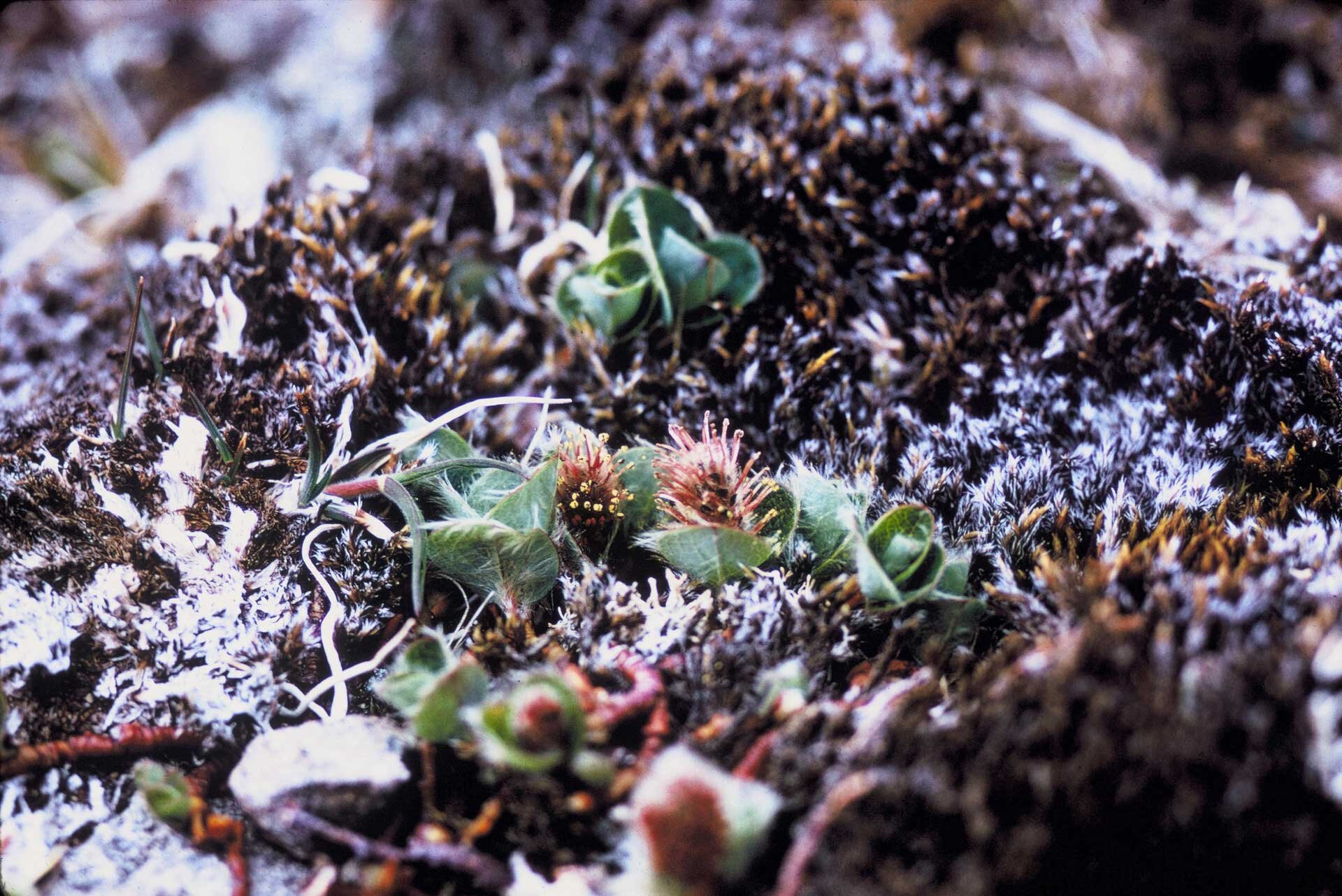
In the southern hemisphere, at latitudes where the tundra could exist, there are no large land masses. The wind is stronger (reaches even up to 200 km/h), therefore dwarf trees cannot be found there. Even they would not be able to survive in such conditions.
Animal life in the tundra
For several warm weeks, the life in the tundra suddenly awakes. Vegetation grows rapidly and developw, providing large quantities of food for herbivores. The winter is very long and cold, that’s why there are relatively few animal species living in the tundra.
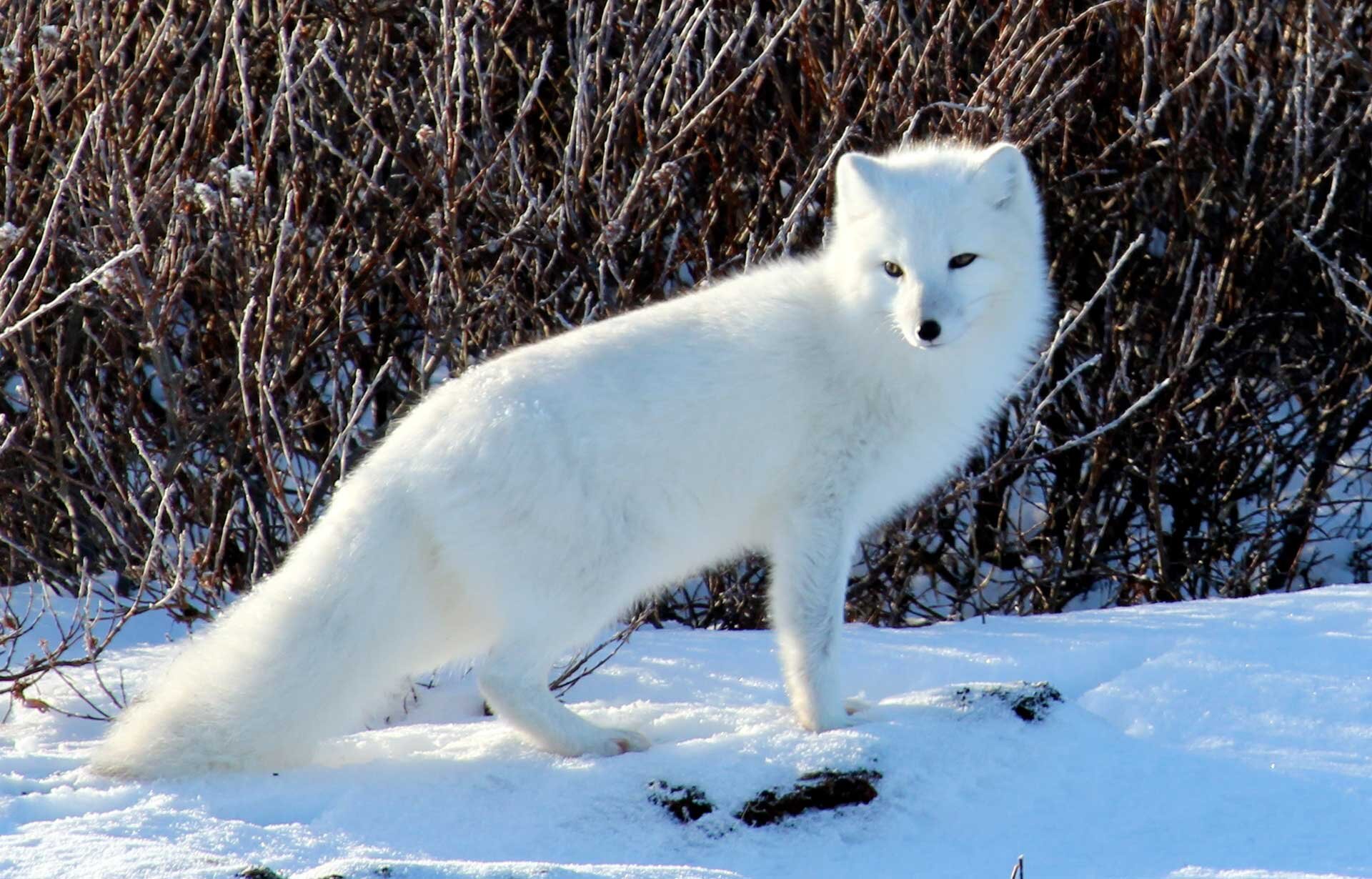
All mammals and birds have very thick furs or down feathers. The ones that move on land have large feet, so that they can walk on snow. For winter, many species change the colour of their feathers or fur to white or they are white throughout the entire year. Insects appear only during the summer period; they include mainly mosquitoes and flies. They are fed upon by birds and burdensome for other animals and humans.
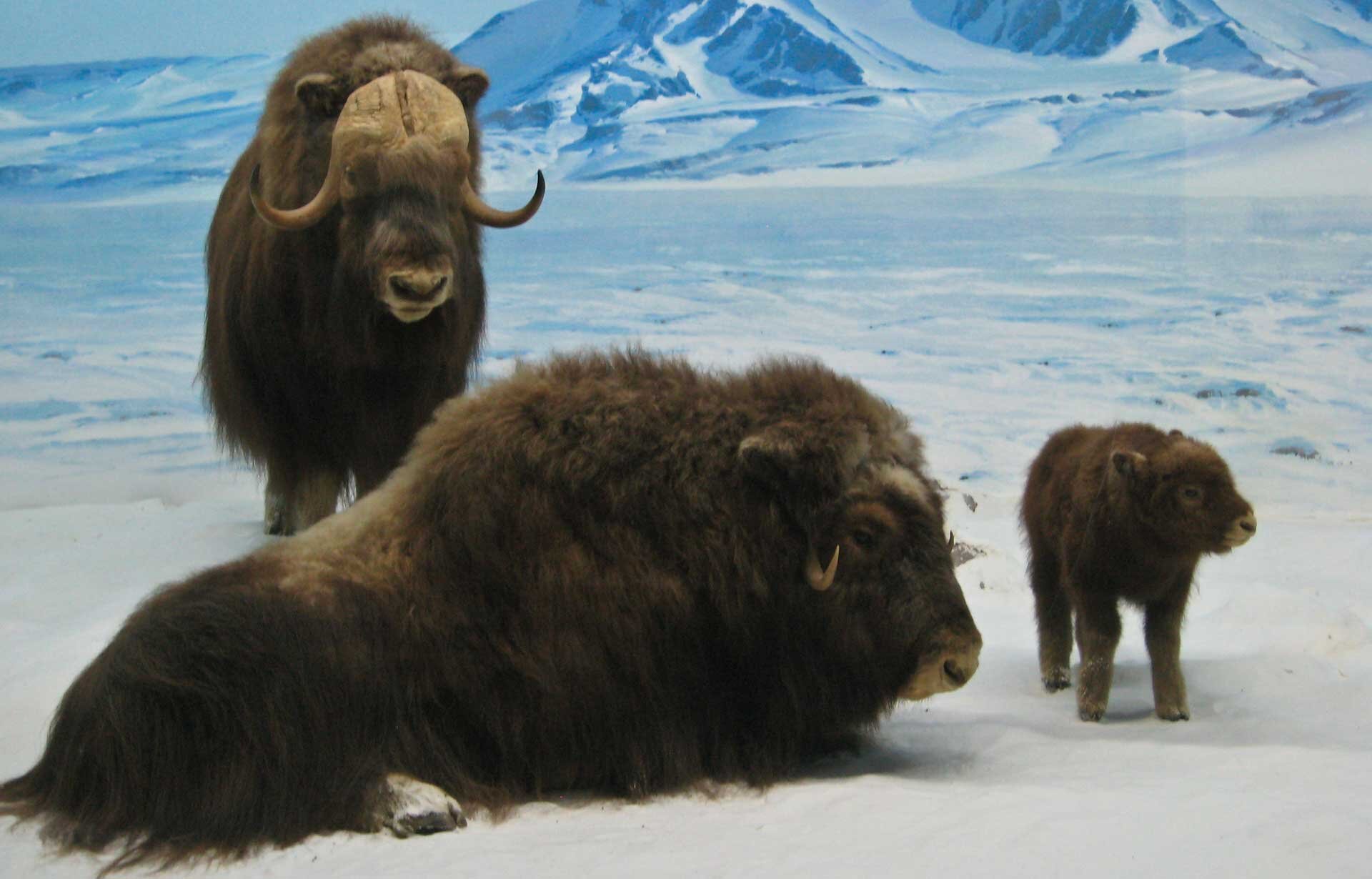
Vertebrates include a large number of insectivorous birds that migrate there only for the summer. There is also a large population of herbivorous animal, with the most numerous being small critters called lemmings. Sousliks, mountain hares and ptarmigans – herbivorous birds that in the summer make use of the abundance of food also feed on insects – also live there. Larger herbivores include raindeers and muskoxen from North America that were successfully introduced to the tundra in Europe and Asia.
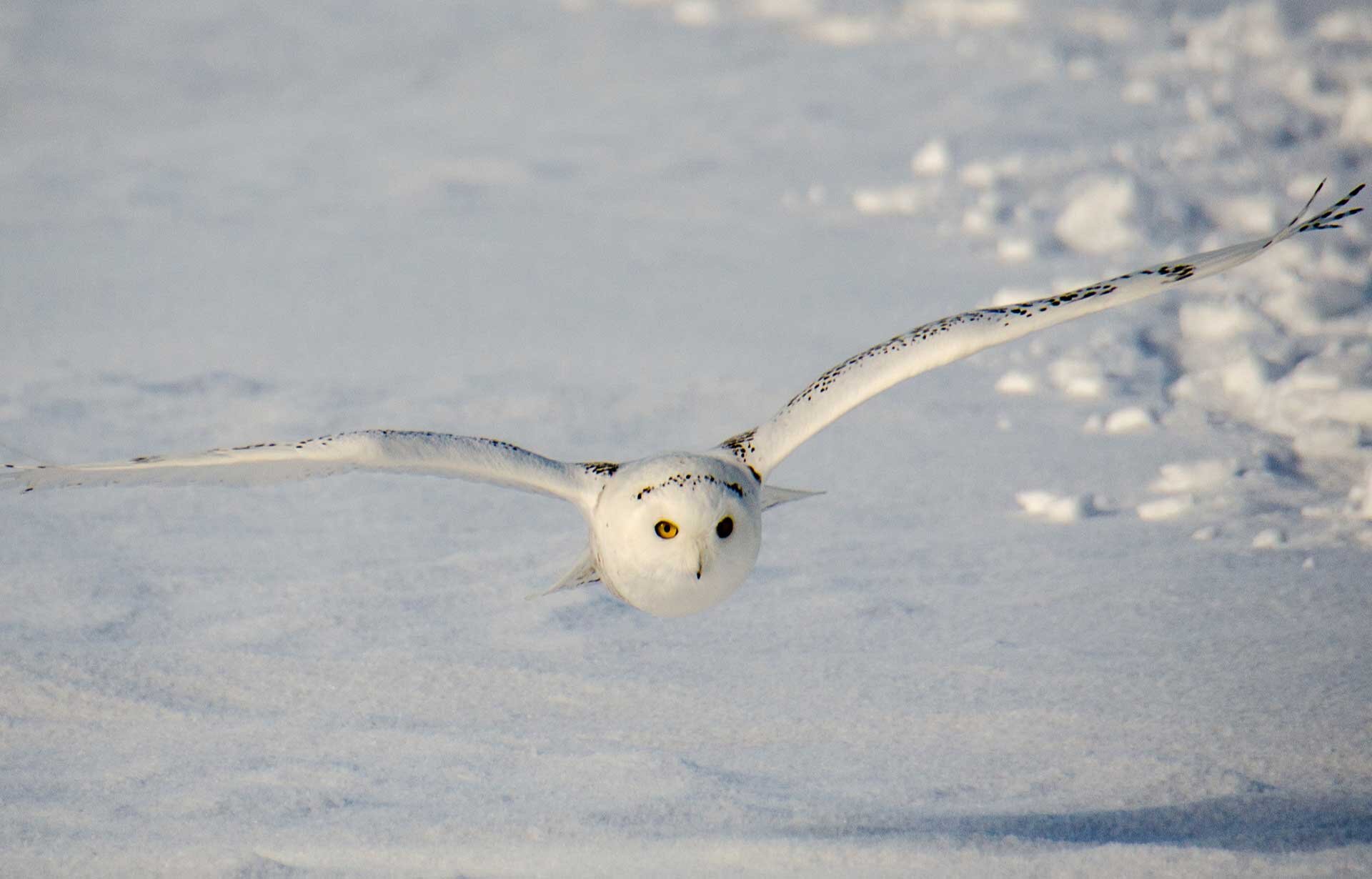
The tundra has an abundance of predators that feed mainly on lemmings, but also readily hunt birds and hares. Small predators include stoats, weasels and owls. Larger predatory birds include gyrfalcons, whereas large predatory mammals include Arctic foxes, wolves and polar bears that live on the border with the polar desert.
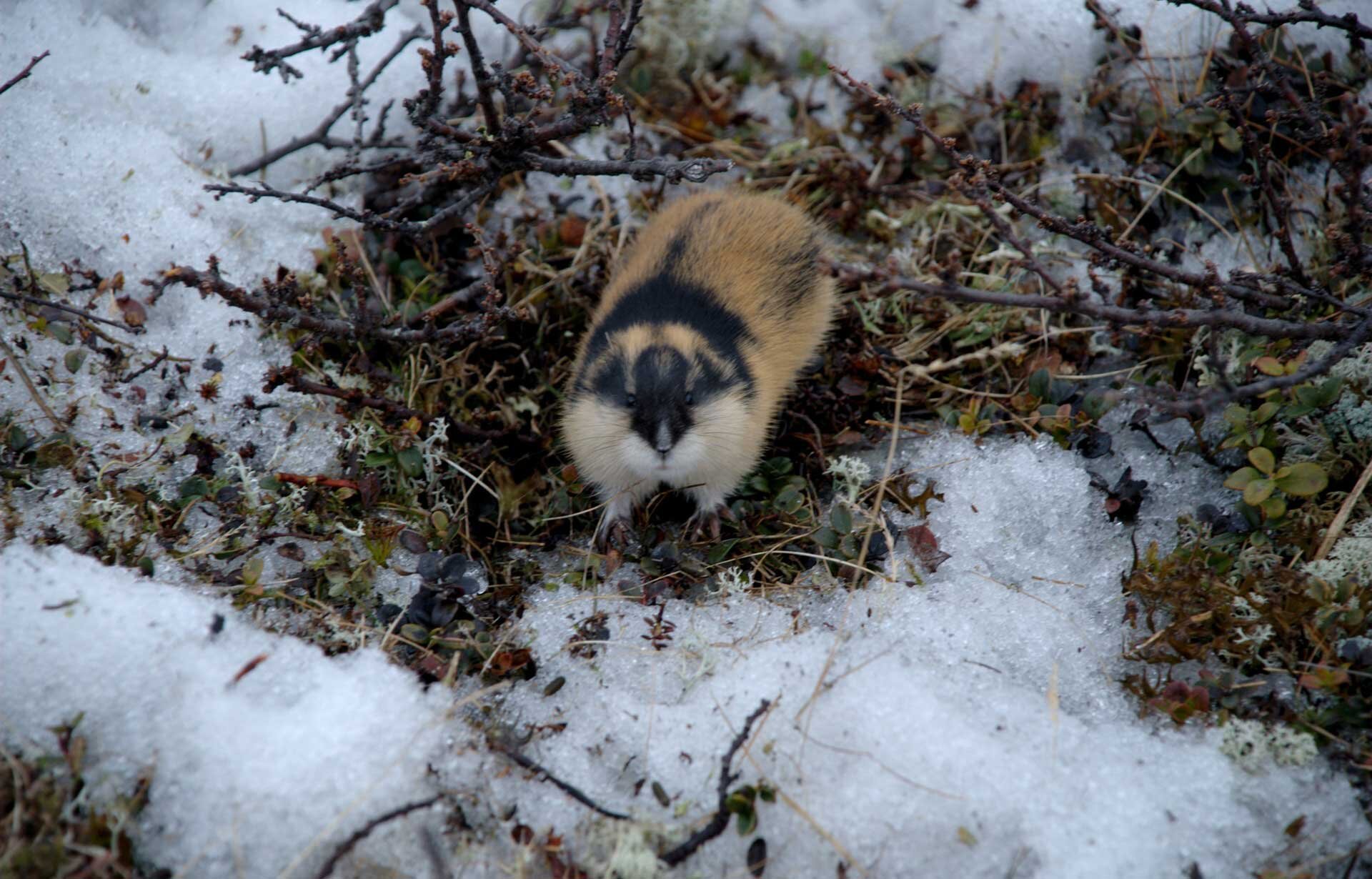
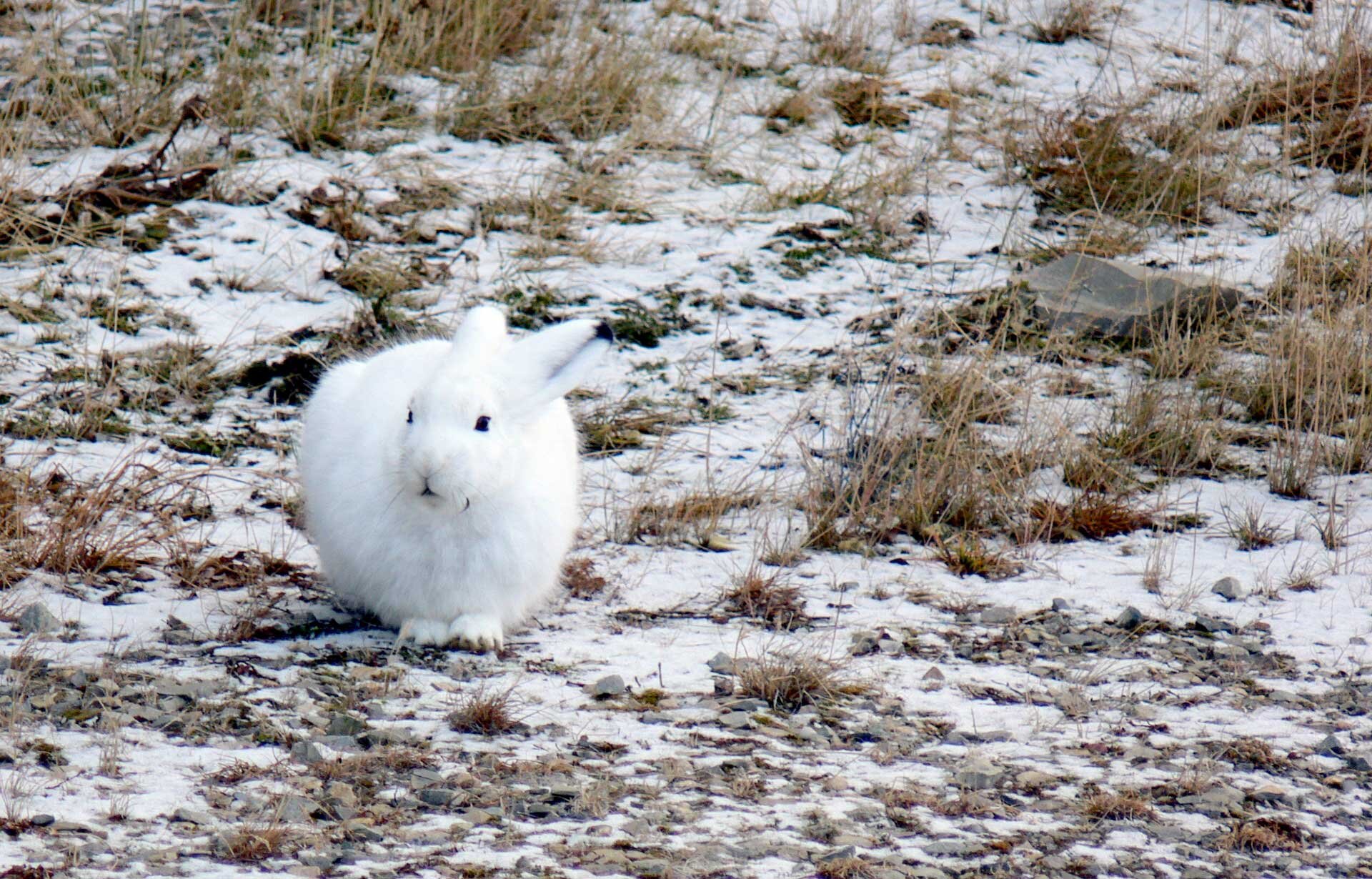
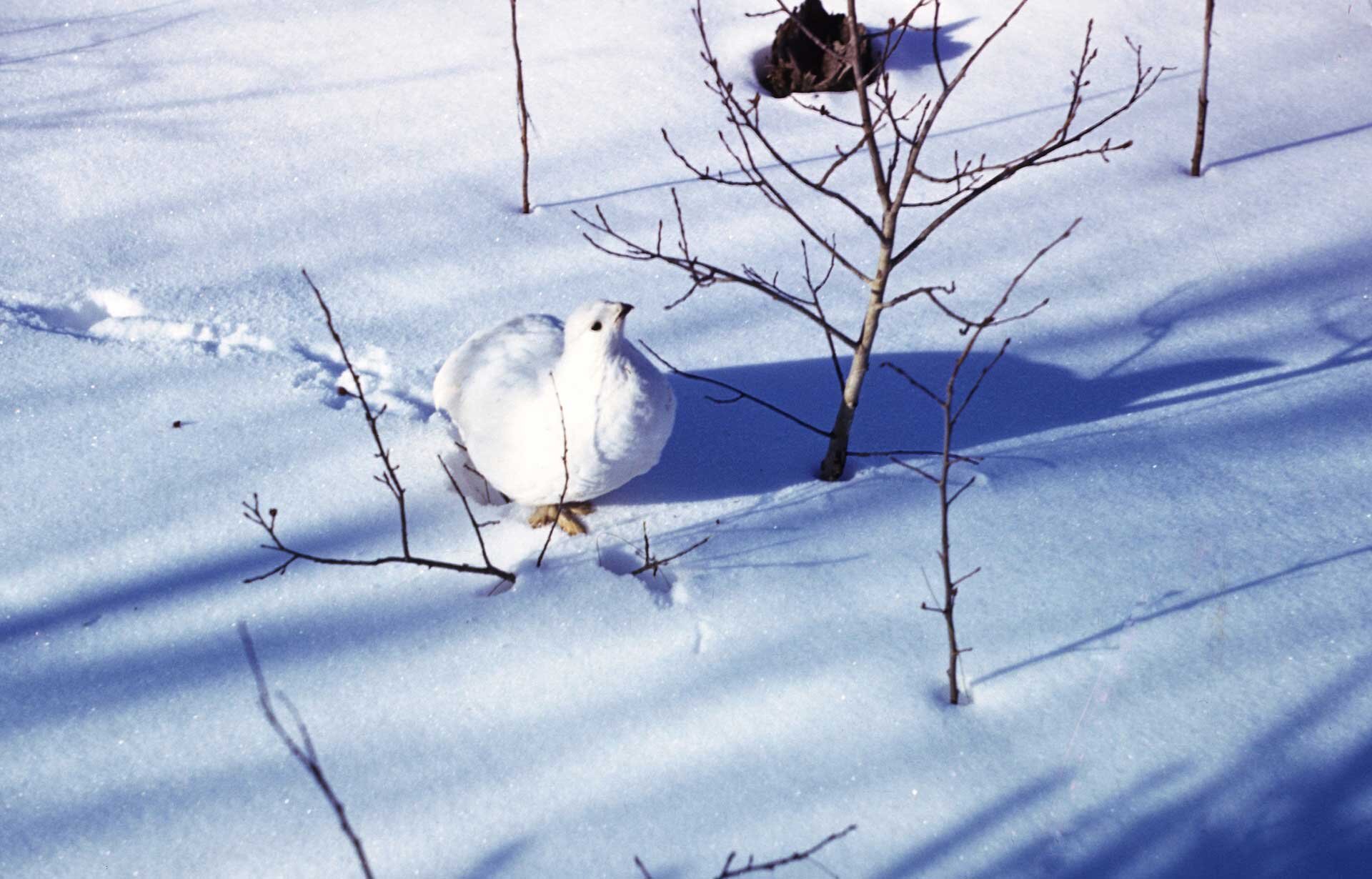
Indicate the names of trees that grow in the tundra.
- dwarf willow
- dwarf beech
- moss
- lingonberry
- dwarf lichen
Specify how animals have adapted to life in the tundra.
- Cammouflage.
- Lone lifestyle.
- Dense fur.
- Rapid growth.
Summary
Plants in the tundra are low, which protects them from being broken by the wind and low temperature.
Plants that grow in the tundra include herbaceous plants, small shrubs and dwarf trees.
Trees that grow in the tundra include dwarf birches and various dwarf willows.
In the summer, the tundra has a large population of insects. Many birds migrate to the tundra during that period for the breeding season.
Keywords
tundra, lichen, reindeer
Glossary
tundra – to formacja roślinna chrakterystyczna dla klimatu subpolarnego
wieczna zmarzlina – inaczej wieloletnia zmarzlina; zjawisko utrzymywania się powierzchni skorupy ziemskiej w temperaturze poniżej punktu zamarzania wody o każdej porze roku; obejmuje większość terytorium Alaski i północnej Kanady oraz Syberii
porosty – organizmy żywe złożone z grzybów i mikroskopijnych organizmów samożywnych; niektóre gatunki są odporne na niesprzyjające warunki atmosferyczne