bg‑azure

Big cities deal with many problems. It's not easy to solve them. In this section, you’re going to read a text about issues that citizens and local authorities have to face.

Duże miasta muszą sobie radzić z wieloma problemami. Nie jest łatwo je rozwiązać. W tej sekcji przeczytasz tekst dotyczący tego, z jakimi problemami mierzą się mieszkańcy i lokalne władze wielkich miast.
RZwcykVqyxqqA
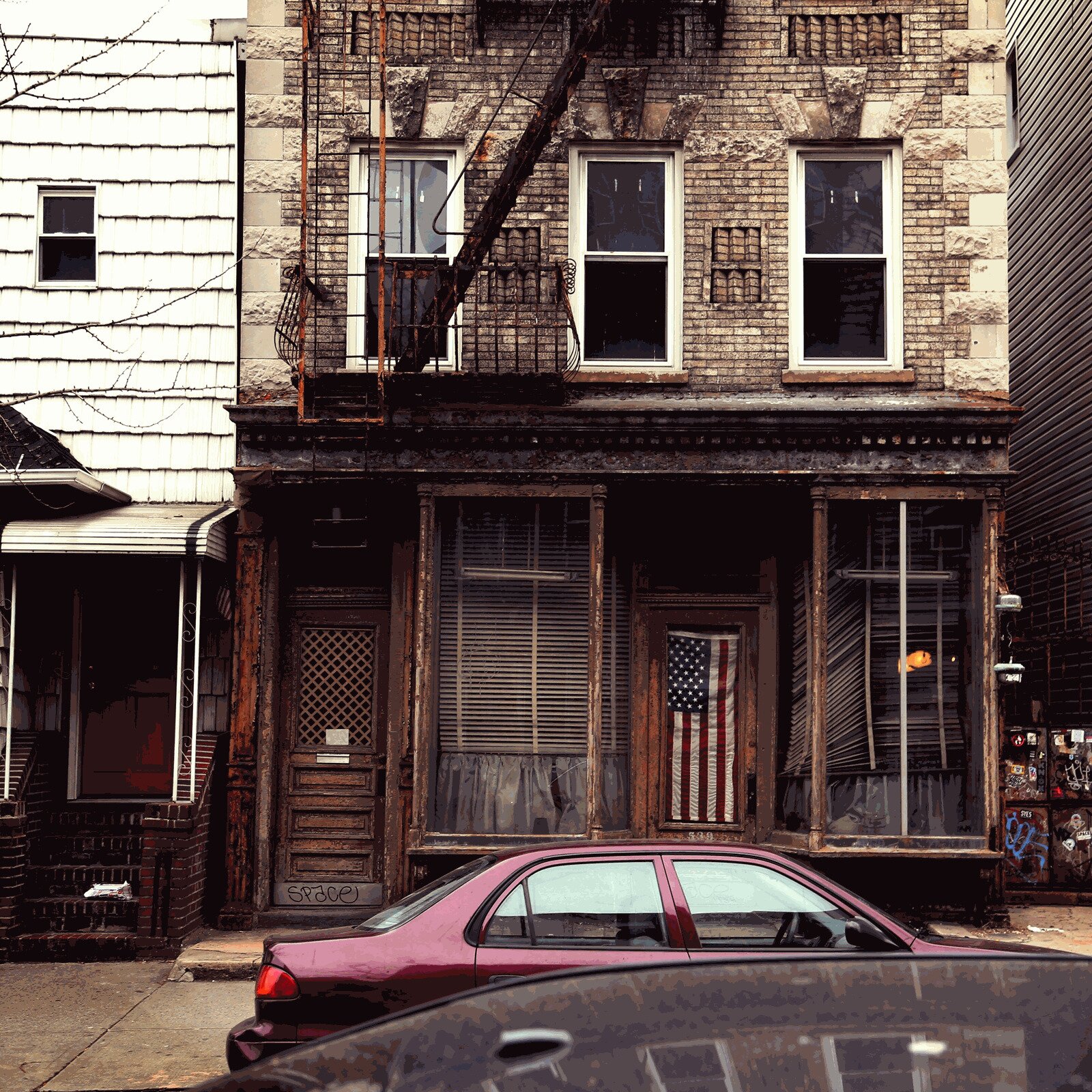
New York City has got many problems
Nowy Jork musi radzić sobie z wieloma problemami
Źródło: dostępny w internecie: www.unsplash.com [dostęp 21.10.2021], domena publiczna.
Exercise 1

Match the words with their Polish translations.

Połącz słowa z ich polskimi tłumaczeniami.

Rsw3jVKP1tvKu
homelessness Możliwe odpowiedzi: 1. when people have nowhere to live, 2. when too many people live in a city, 3. an act such as stealing, 4. this is what you pay for living in an apartment overcrowding Możliwe odpowiedzi: 1. when people have nowhere to live, 2. when too many people live in a city, 3. an act such as stealing, 4. this is what you pay for living in an apartment crime Możliwe odpowiedzi: 1. when people have nowhere to live, 2. when too many people live in a city, 3. an act such as stealing, 4. this is what you pay for living in an apartment rent Możliwe odpowiedzi: 1. when people have nowhere to live, 2. when too many people live in a city, 3. an act such as stealing, 4. this is what you pay for living in an apartment
Źródło: GroMar Sp. z o.o., licencja: CC BY-SA 3.0.

Read the text below and do the exercises.

Przeczytaj tekst poniżej i wykonaj ćwiczenia.

Problems of Life in a Big City
Anna Posyniak‑Dutka Problems of Life in a Big City

Living in a big city has many plusespluses [plus]pluses. There are schools, cinemas, shopping centres and exciting eventsevents [event]events. You can choose from many interesting places to hang out with friendshang out with friendshang out with friends. But big cities also have big problems. Do you know what challengeschallenges [challenge]challenges modern cities faceface (verb)face? Here are some of them.

The biggest cities in the world have huge populationspopulations [population]populations. Over 37 million people live in Tokyo. Nearly 22 million call Mexico City home. New York has a population of over 7 million inhabitantsinhabitants [inhabitant]inhabitants. All these people need places to live, work and shop. There is big competitioncompetitioncompetition and life can be very fast and stressful. Some people lose their jobslose their jobs [lose a job]lose their jobs. If they can’t find new ones, they may lose their houses and become homelessbecome homelessbecome homeless. Cities such as San Francisco or Los Angeles have huge populations of homeless people. It results in a big challenge for local authoritieslocal authoritieslocal authorities. It’s hard to help so many poor people.

Because big cities are so crowdedcrowdedcrowded, it can be hard to walk the streets when everybody is on their way to work or school. Driving a car can be even more challenging. It is very frustratingfrustratingfrustrating, but if you want to drive a car in a city like Paris or London, you have to be ready to spend a lot of time in traffic jamstraffic jams [traffic jam]traffic jams. Finding a parking spotparking spotparking spot can be a real nightmarenightmarenightmare! To solve this problemsolve this problem [solve a problem]solve this problem, some cities try to encourageencourageencourage people to use public transportpublic transportpublic transport more. But there are places where public transport is crowded too! In Japan so many people travel by the underground in the rush hourrush hoursin the rush hour, that there are special workers who help passengerspassengers [passenger]passengers get into the trains. They just push them in!

As a result ofas a result ofAs a result of lots of inhabitants, cars and buses cities have problems with pollutionpollutionpollution. People produce a lot of rubbishrubbishrubbish, while cars and buses make the air difficult to breathebreathebreathe. Visitors who come to New York often complaincomplaincomplain that the streets are dirty and smelly. In places like Dheli the air is sometimes so polluted with smog that it is not safe to come out of the house.

There are many more problems that big cities have to deal withdeal withdeal with. PovertypovertyPoverty often leads tolead toleads to crimecrimecrime. As a consequenceas a consequenceAs a consequence, cities become dangerous places and more and more peoplemore and more peoplemore and more people move to smaller towns or the countrysidethe countrysidethe countryside. Does it mean that big cities will become emptybecome emptybecome empty in the future?

1 Źródło: Anna Posyniak‑Dutka, licencja: CC BY-SA 3.0.
Exercise 2

Read the questions and choose the correct answers.

Przeczytaj pytania i wybierz poprawne odpowiedzi.

R9jNN0FykYHh9
  1. The overcrowding in New York City affects
    a) apartment prices.
    b) homeless people.
    c) the city council.
  2. Small apartments and high rents may cause
    a) depression.
    b) homelessness.
    c) violence.
  3. To help with overcrowding, the city council might
    a) leave their homes.
    b) monitor crime activities.
    c) be victims of crime.
  4. One of the causes of homelessness is
    a) living in a small apartment.
    b) turning to crime.
    c) losing one’s job.
  5. Homeless people are often at risk because they
    a) might die from the cold.
    b) might lose their jobs.
    c) might employ pest control.
Źródło: GroMar Sp. z o.o., licencja: CC BY-SA 3.0.
Exercise 3

Match the words to create expressions.

Połącz wyrazy aby utworzyć wyrażenia.

RAoUa25MAp4ri
Źródło: GroMar Sp. z o.o., licencja: CC BY-SA 3.0.
Exercise 4

Drag and drop the expressions in the correct sentences.

Przeciągnij wyrażenia do odpowiednich zdań.

RSqbH3PAoHVPh
Źródło: GroMar Sp. z o.o., licencja: CC BY-SA 3.0.
Exercise 5

Answer the question in 2‑3 sentences.

Odpowiedz na pytanie w 2‑3 zdaniach.

ROjg8ZlcK4OHK
(Uzupełnij).
Źródło: GroMar Sp. z o.o., licencja: CC BY-SA 3.0.
GRAMATYKA cause and effect (przyczyna i skutek)

W języku angielskim używamy określonych słów oraz wyrażeń, aby mówić o przyczynach i skutkach wydarzeń, przeżyć, czy zjawisk. Najczęściej posługujemy się słowami:

affect - wpłynąć na

Rent prices negatively affect New York inhabitants. - Ceny wynajmu wpływają negatywnie na mieszkańców Nowego Jorku.

as - jak / tak jak

As you can see, the apartment is in a poor condition. - Jak możesz zauważyć, mieszkanie jest w kiepskim stanie.

as a consequence - w konsekwencji

As a consequence of overcrowding, many people feel unhappy. - W konsekwencji przeludnienia, wiele ludzi jest nieszczęśliwych.

as a result - w rezultacie

Crime may also increase as a result. - W wyniku tego, może też wzrosnąć przestępczość.

be caused by - być spowodowanym przez

Homelessness may be caused by losing a job. - Bezdomność może być spowodowana utratą pracy.

because - ponieważ

I don’t live in New York City because it’s expensive. - Nie mieszkam w Nowym Jorku, ponieważ to bardzo drogie miasto.

because of - przez coś / ze względu na coś

It cannot be because of overcrowding. - To nie może być z powodu przeludnienia.

cause - spowodować

High rents may cause people to move out. - Wysokie ceny wynajmu mogą spowodować, że ludzie się wyprowadzą.

due to - z powodu czegoś / ze względu na coś

I can’t find a job due to overcrowding. - Nie mogę znaleźć pracy z powodu przeludnienia.

effect - skutek

This is an effect of your actions. - To jest skutek twojego zachowania.

lead to - prowadzić do

Homelessness may lead to diseases. - Bezdomność może prowadzić do chorób.

result in - kończyć się na / doprowadzić do

Overcrowding can result in higher crime rates. - Przeludnienie może doprowadzić do wzrostu przestępczości.

thanks to - dzięki komuś / czemuś

The change can happen thanks to the work of the city council. - Zmiany mogą nastąpić dzięki pracy rady miejskiej.

R6VfmN8rTD58N
Exercise 6
Źródło: GroMar Sp. z o.o., licencja: CC BY-SA 3.0.

Słownik

as a consequence
as a consequence

/ əz ə ˈkɑːn.sə.kwəns /

RqGGhDQggTtQu1
Nagranie dźwiękowe

w konsekwencji

Rw0YOWZZrOPb71
Nagranie dźwiękowe
as a result of
as a result of

/ əz ə rɪˈzʌlt əv /

RZBmSayTrlelk1
Nagranie dźwiękowe

w rezultacie

R18lA1C5mL8id1
Nagranie dźwiękowe
assist those in need

/əˈsɪst ðəʊz ɪn niːd/

R1eCoPgeSRKMk1
Nagranie dźwiękowe

pomagać potrzebującym

R1biFEPSxJ8tL1
Nagranie dźwiękowe
become empty
become empty

/ bɪˈkʌm ˈemp.ti /

R1VY6rLyuFdrs1
Nagranie dźwiękowe

opustoszeć

R1W5z3ZtOhU1j1
Nagranie dźwiękowe
become homeless
become homeless

/ bɪˈkʌm ˈhoʊm.ləs /

R5VkTn6lG4efm1
Nagranie dźwiękowe

stać się bezdomnym/bezdomną

R4d13MilD2q8Z1
Nagranie dźwiękowe
breathe
breathe

/ briːð /

RC7fLgN1CkctH1
Nagranie dźwiękowe

oddychać

RuaeReqlqfBMp1
Nagranie dźwiękowe
challenges [challenge]

/ˈtʃæl.ɪndʒ/ /ˈtʃæl.ɪndʒ/

R1e3tRSagtsNI1
Nagranie dźwiękowe

wyzwania [wyzwanie]

Rf2l1oj4gRXSG1
Nagranie dźwiękowe
competition
competition

/ˌkɑːm.pəˈtɪʃ.ən/

R1aaIPkb7g6Ry1
Nagranie dźwiękowe

konkurencja

RG7LbJkXPr9BS1
Nagranie dźwiękowe
complain
complain

/ kəmˈpleɪn /

RT9kd2Aizzodw1
Nagranie dźwiękowe

narzekać

R1TJ9vz5p3kaE1
Nagranie dźwiękowe
crime
crime

/ kraɪm/

RB0VflYdSjHQx1
Nagranie dźwiękowe

przestępczość

R12wCw1ayeJe31
Nagranie dźwiękowe
crowded
crowded

/ ˈkraʊ.dɪd /

ReJlFSUc0vVV21
Nagranie dźwiękowe

zatłoczony/zatłoczona

RUGK5X9h9ieXN1
Nagranie dźwiękowe
deal with
deal with

/ diːl wɪð /

RCTrAne8ge0TM1
Nagranie dźwiękowe

radzić sobie z

RCrdbgYhVWG0K1
Nagranie dźwiękowe
encourage
encourage

/ ɪnˈkɝː.ɪdʒ /

Ri88jkXQbZ2jG1
Nagranie dźwiękowe

zachęcać

R1ecyiGRLx33p1
Nagranie dźwiękowe
events [event]
events [event]

/ ɪˈvents / ɪˈvent /

RJTaq40Rh70QK1
Nagranie dźwiękowe

wydarzenia [wydarzenie]

Ryc1HJYOo63YA1
Nagranie dźwiękowe
face (verb)
face (verb)

/ feɪs /

R8FUpMEAiGJRz1
Nagranie dźwiękowe

stawić czoło

R1aGRAlv1DRPa1
Nagranie dźwiękowe
frustrating
frustrating

/ ˈfrʌs.treɪ.t̬ɪŋ /

R1SlLZOQeiADQ1
Nagranie dźwiękowe

frustrujący/frustrująca

RpYNHfBXovAZo1
Nagranie dźwiękowe
hang out with friends

/ hæŋ aʊt wɪð frendz /

R18acvmvKpttg1
Nagranie dźwiękowe

spędzać czas z przyjaciółmi

R637dHvaxGsdZ1
Nagranie dźwiękowe
inhabitants [inhabitant]

/ ɪnˈhæb.ɪ.tənts / /ɪnˈhæb.ɪ.tənt/

RcJ8MTLp6bQl81
Nagranie dźwiękowe

mieszkańcy [mieszkaniec]

RgKde1wdf5qBM1
Nagranie dźwiękowe
lead to
lead to

/ liːd tuː /

R1MfRS7MYv0Xu1
Nagranie dźwiękowe

prowadzić do

R1Bcko4VS54vi1
Nagranie dźwiękowe
local authorities
local authorities

/ ˈloʊ.kəl əˈthetaɔːritiz /

RWJ0Bs6k31DBV1
Nagranie dźwiękowe

władze lokalne

R8b71kHWxyc4Z1
Nagranie dźwiękowe
lose their jobs [lose a job]

/ luːz ðer dʒɑːbz /

RNilnVrpdE1ai1
Nagranie dźwiękowe

stracić swoje prace [stracić pracę]

R1bK5FK0p9IXj1
Nagranie dźwiękowe
more and more people

/ mɔːr ənd mɔːr ˈpiː.pəl /

R1bZBcTmDBUCd1
Nagranie dźwiękowe

coraz więcej ludzi

R6TmcshCWSSLA1
Nagranie dźwiękowe
nightmare
nightmare

/ ˈnaɪt.mer /

RtKZbd46DpfCj1
Nagranie dźwiękowe

koszmar

R705Qz6tk88py1
Nagranie dźwiękowe
overcrowded
overcrowded

/ˌəʊ.vəˈkraʊ.dɪd/

RxoRbVlZrk5oe1
Nagranie dźwiękowe

zatłoczony

R1V2hu1Hbd4AT1
Nagranie dźwiękowe
parking spot
parking spot

/ ˈpɑːr.kɪŋ spɑːt /

R1E4haMCx6rBH1
Nagranie dźwiękowe

miejsce parkingowe

R10BqBo2WfZBe1
Nagranie dźwiękowe
passengers [passenger]

/ ˈpæs.ən.dʒɚz / /ˈpæs.ən.dʒɚ /

RbkjWCdnObUEl1
Nagranie dźwiękowe

pasażerowie/pasażerki [pasażer/pasażerka]

RLlRjRIjpVYeb1
Nagranie dźwiękowe
pluses [plus]
pluses [plus]

/ plʌsiz / /plʌs /

R1Df99y0VwKQG1
Nagranie dźwiękowe

plusy, zalety [plus, zaleta]

RYzzBbKXQzExN1
Nagranie dźwiękowe
pollution
pollution

/ pəˈluː.ʃən /

R1BaLeXxeu6NV1
Nagranie dźwiękowe

zanieczyszczenia

R8vfYvWNREgDR1
Nagranie dźwiękowe
populations [population]

/ ˌpɑpjəˈleɪʃəns/ / ˌpɑpjəˈleɪʃən /

Riut1AeDvmo531
Nagranie dźwiękowe

populacje [populacja]

R1RHkmMJ7FVFc1
Nagranie dźwiękowe
poverty
poverty

/ ˈpɑː.vɚ.t̬i /

Rd7S5mo33wRA71
Nagranie dźwiękowe

bieda

R1bZdrr7RY2ph1
Nagranie dźwiękowe
public transport
public transport

/ˈpʌb.lɪk ˈtræn.spɔːrt /

R11QeQFtlvUuI1
Nagranie dźwiękowe

transport publiczny

R11ZSXZaY5fnR1
Nagranie dźwiękowe
rubbish
rubbish

/ ˈrʌb.ɪʃ /

REWfHTr6ONOT51
Nagranie dźwiękowe

śmieci

ROzMBWHg1Rpuc1
Nagranie dźwiękowe
rush hours
rush hours

/ rʌʃ aʊrs /

Rgnmbjrx7HXF91
Nagranie dźwiękowe

godziny szczytu

R1cQKsgUGzvEV1
Nagranie dźwiękowe
solve this problem [solve a problem]

/ sɑːlv ðɪs prɑː.bləm / /  sɑːlv eɪ prɑː.bləm /

Rz8ogFvBQGzmU1
Nagranie dźwiękowe

rozwiązać ten problem [rozwiązać problem]

RGWKOXzaD6FpZ1
Nagranie dźwiękowe
the countryside
the countryside

/ ðə ˈkʌn.tri.saɪd /

RrhJq8jAsweoE1
Nagranie dźwiękowe

wieś, tereny wiejskie

R1XdLOITgd6Gt1
Nagranie dźwiękowe
traffic jams [traffic jam]

/ ˈtræf.ɪk dʒæm /

R1BaCzgxwPl1d1
Nagranie dźwiękowe

korki uliczne [korek uliczny]

R10eLW94u3OiH1
Nagranie dźwiękowe

Źródło: GroMar Sp. z o.o., licencja: CC BY‑SA 3.0

RWn2KGA91rW06
(Uzupełnij).
Źródło: GroMar Sp. z o.o., licencja: CC BY-SA 3.0.