Fish
how we can group the organisms living on Earth.
what the basic life functions of organisms are;
that selected animals can be recognised on the basis of their internal structure;
to identify how fish are adapted to live in the water;
to recognise selected species of fish which live in Poland and the Baltic Sea;
to give examples of marine fish living in the Baltic Sea.
Characteristics of fish
Fish breathe using gillsgills, which absorb oxygen dissolved in the water. A fish directs water through its open mouth to the gills. In the gills, which are well supplied with blood, oxygen from the water enters the blood. Fish have sense organs: sight, hearing and a specific sensory organ called the lateral line, which registers the movement of the water.
The flesh of marine fish contains many substances which are beneficial for human health, including large quantities of vitamins A and D. In order to maintain good health and a slim figure, it is beneficial to eat a little less meat from land animals and replace it with fish.
Fish diversity
Over 40 thousand species of fish have been described in the world so far, and presumably many more are waiting to be discovered. In Poland's inland waters and in the coastal waters of the Baltic Sea around 120 species of fish have been confirmed so far. Certain species are less well known, as there are few of them, or they are not caught. Others we know well – because they are delicious.
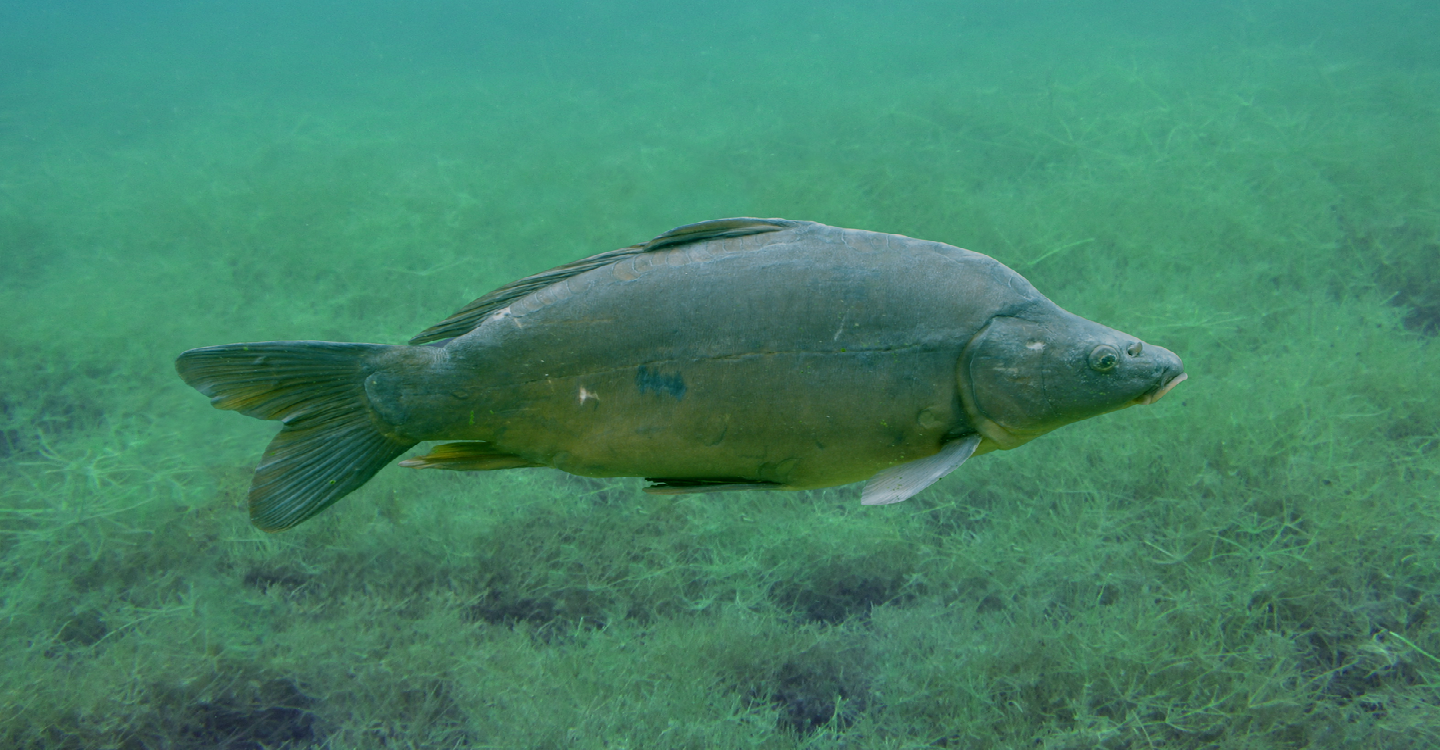
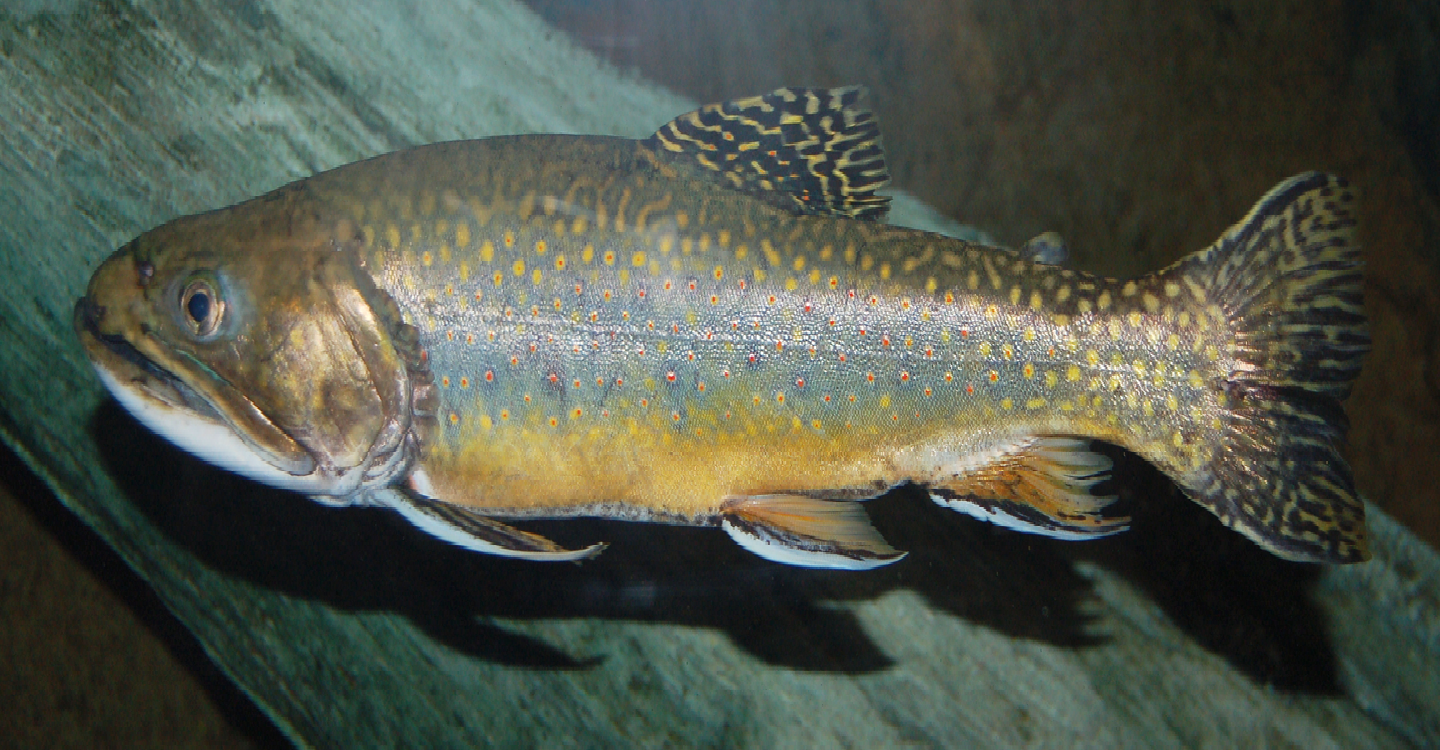
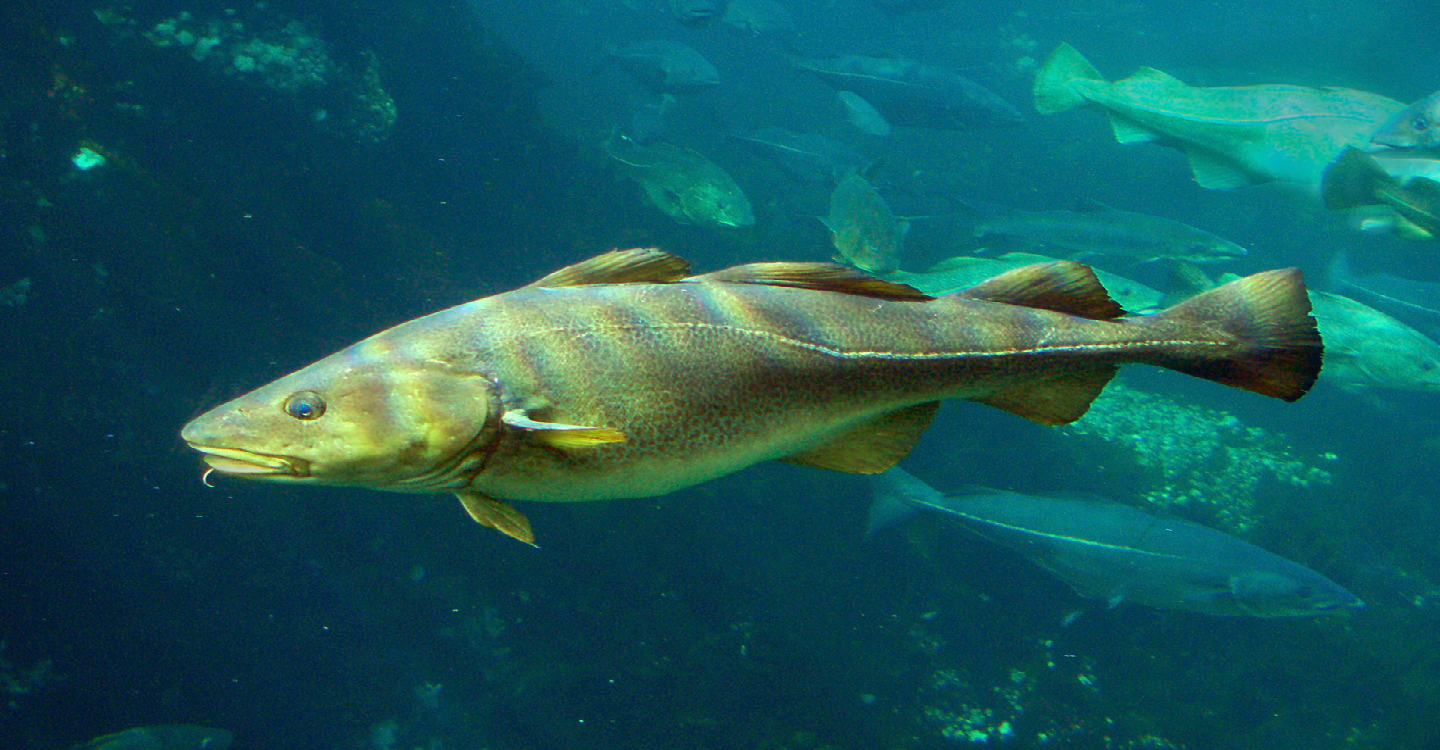
We can count the following among the best‑known species of freshwater fish living in Polish waters: common carp, crucian carp and trout. The most frequently mentioned among marine fish are herring, sprat, cod and mackerel and flatfish (flounder and the European flounder).
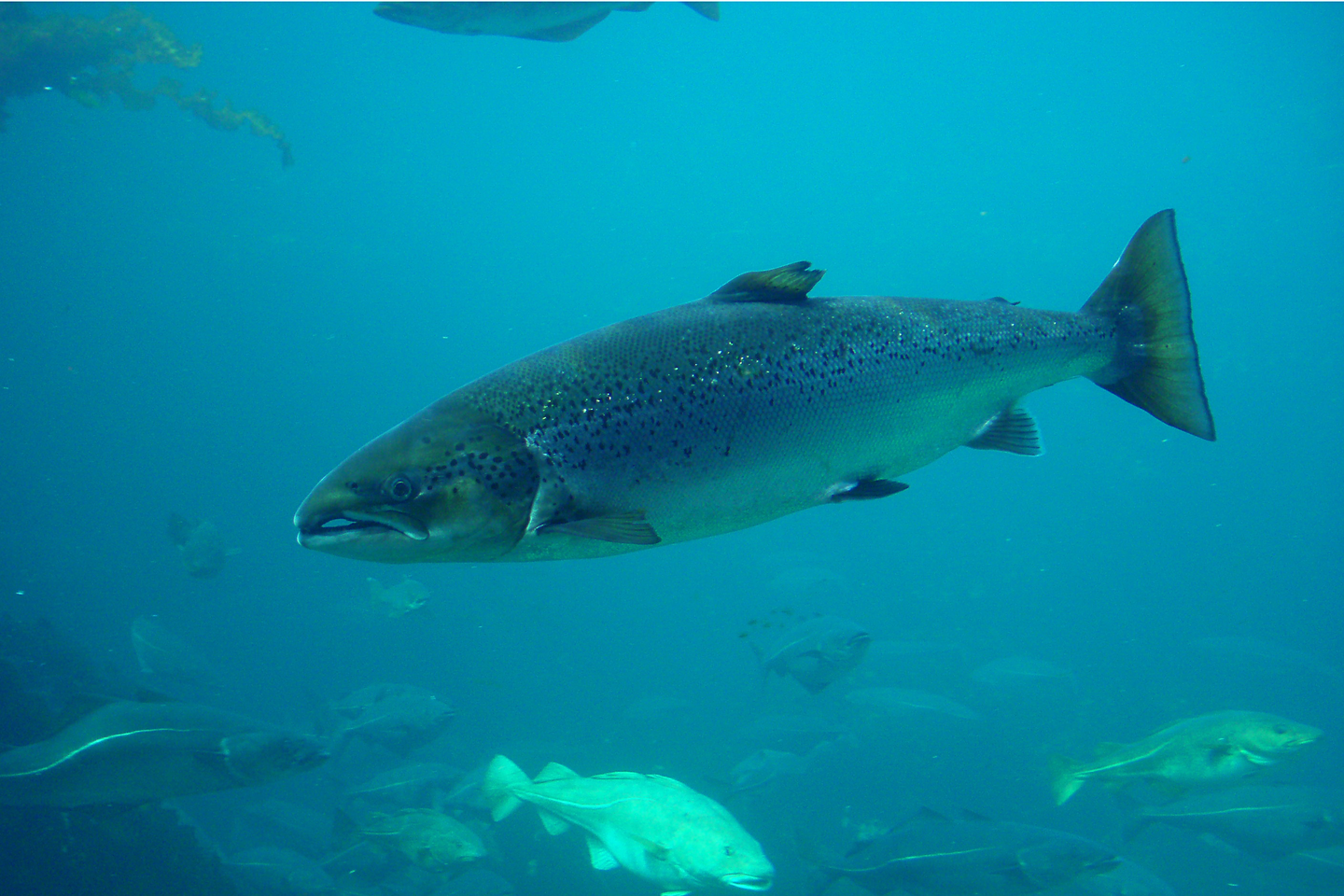
Certain fish live in freshwater and saltwater during different stages of their lives. For example, salmon live in the sea, but to spawn, they swim up certain rivers. Salmon hatch from spawnspawn laid at the bottom of caldwater streams. The young salmon spend their first two or three years in rivers, and then swim to the sea where they grow and mature over the next few years. Adult salmon seek out the river in which they grew up and return to its headwaters to spawn. After laying their spawn, they die.
During the course of an eel's life, it lives in both seas and inland waters. Eel larvae hatch in the Sargasso Sea after the death of their parents. They grow and migrate along with the ocean current towards the mouths of rivers. After 2‑3 years, they enter lakes and rivers where they spend the next few to a dozen years. Only then do they migrate in the opposite direction. They swim along with the flow of the river to the sea, and then to the Atlantic Ocean and on to the Sargasso Sea, to lay their spawn and die.
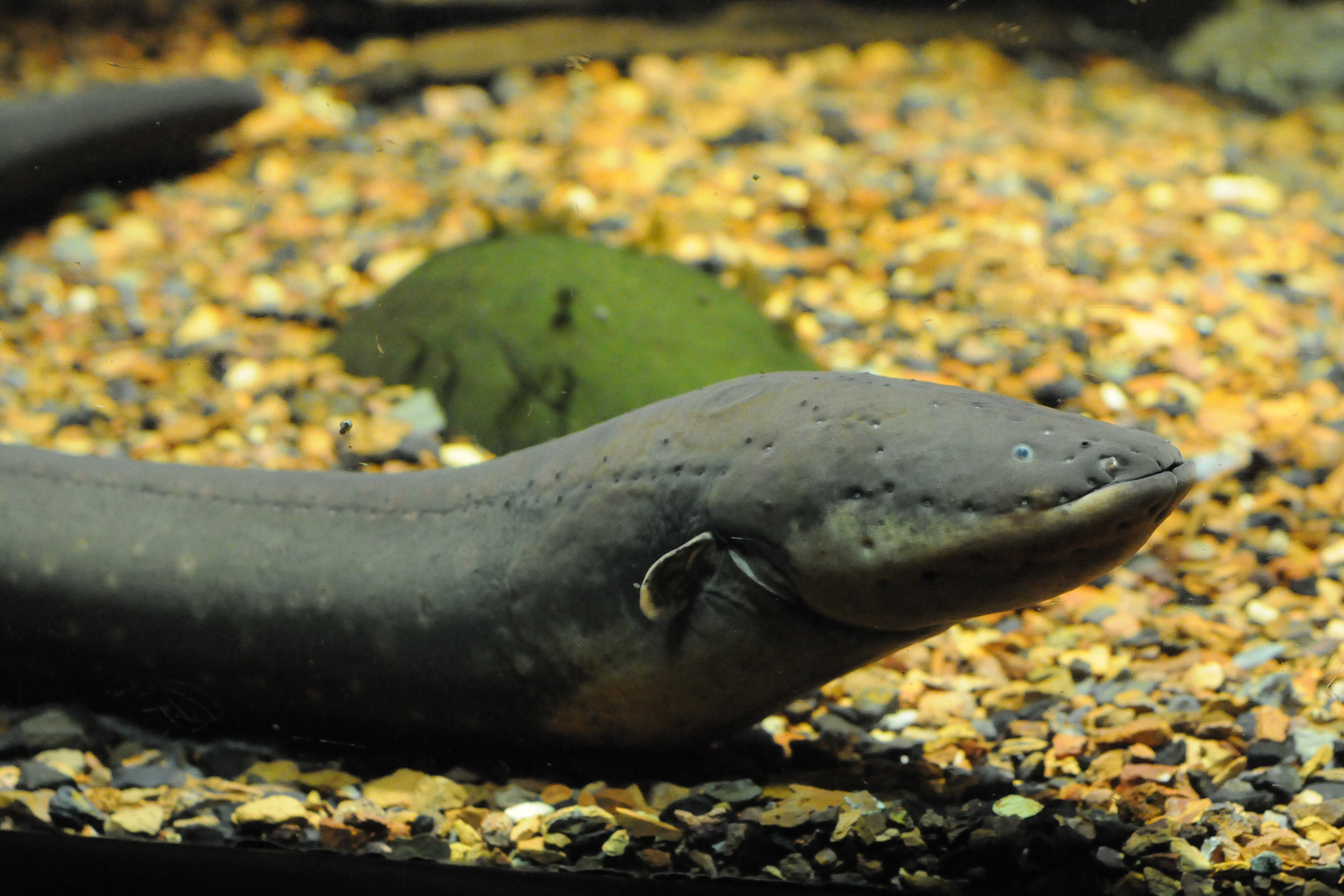
Overfishing of the most frequently bought species of fish has reached such a scale, that these fish are in danger of extinction. It has become essential to introduce protection periods, minimum sizes of fish caught and permissible fishing limits.
Summary
The ways that fish are adapted to life in the water are, among others, gills, fins and a streamlined body shape.
Fish can be categorised into freshwater and marine species; some of them can function alternately in both of these environments.
Look for information about two species of fish living in Polish inland waters and two species of Baltic fish, which are protected. Note what environment they live in – whether they need clean water, or they can tolerate polluted water. Identify the reasons why they are protected.
Keywords
a freshwater fish, a saltwater fish, a guppy
Match the pairs: English words with Polish definition.
forma rozrodu; młody organizm rozwija się w jaju, z którego wylęga się jeszcze w ciele samicy, narządy oddechowe występujące u zwierząt wodnych (ryb, larw płazów i wielu bezkręgowców); pobierają tlen rozpuszczony w wodzie, okres godowy ryb, kiedy ryby łączą się w pary i składają jaja (ikrę), komórki jajowe ryb
| ovoviviparity | |
| spawning season | |
| gills | |
| spawn |
Glossary
jajożyworodność – forma rozrodu; młody organizm rozwija się w jaju, z którego wylęga się jeszcze w ciele samicy
tarło –okres godowy ryb, kiedy ryby łączą się w pary i składają jaja (ikrę)
skrzela – narządy oddechowe występujące u zwierząt wodnych (ryb, larw płazów i wielu bezkręgowców); pobierają tlen rozpuszczony w wodzie
ikra – komórki jajowe ryb