Przeczytaj
The illustration below is an example of an electronic holiday card that Americans send to their loved ones on Labor Day. Europeans do not have such a tradition. In this section, you are going to explore the history of this holiday. But first, ask yourself: under what circumstances was this festival established? How is it celebrated in your country? By analyzing the postcard, deduce how it is celebrated in the USA.
Poniższa ilustracja to przykład elektronicznej kartki świątecznej, jaką Amerykanie wysyłają bliskim z okazji Święta Pracy. Europejczycy nie mają takiej tradycji. W tej sekcji przeczytasz o historii tego święta. Najpierw jednak zastanów się: W jakich okolicznościach ustanowiono to święto? Jak się je obchodzi w twoim kraju? Analizując pocztówkę, wydedukuj, jak obchodzone jest w USA.
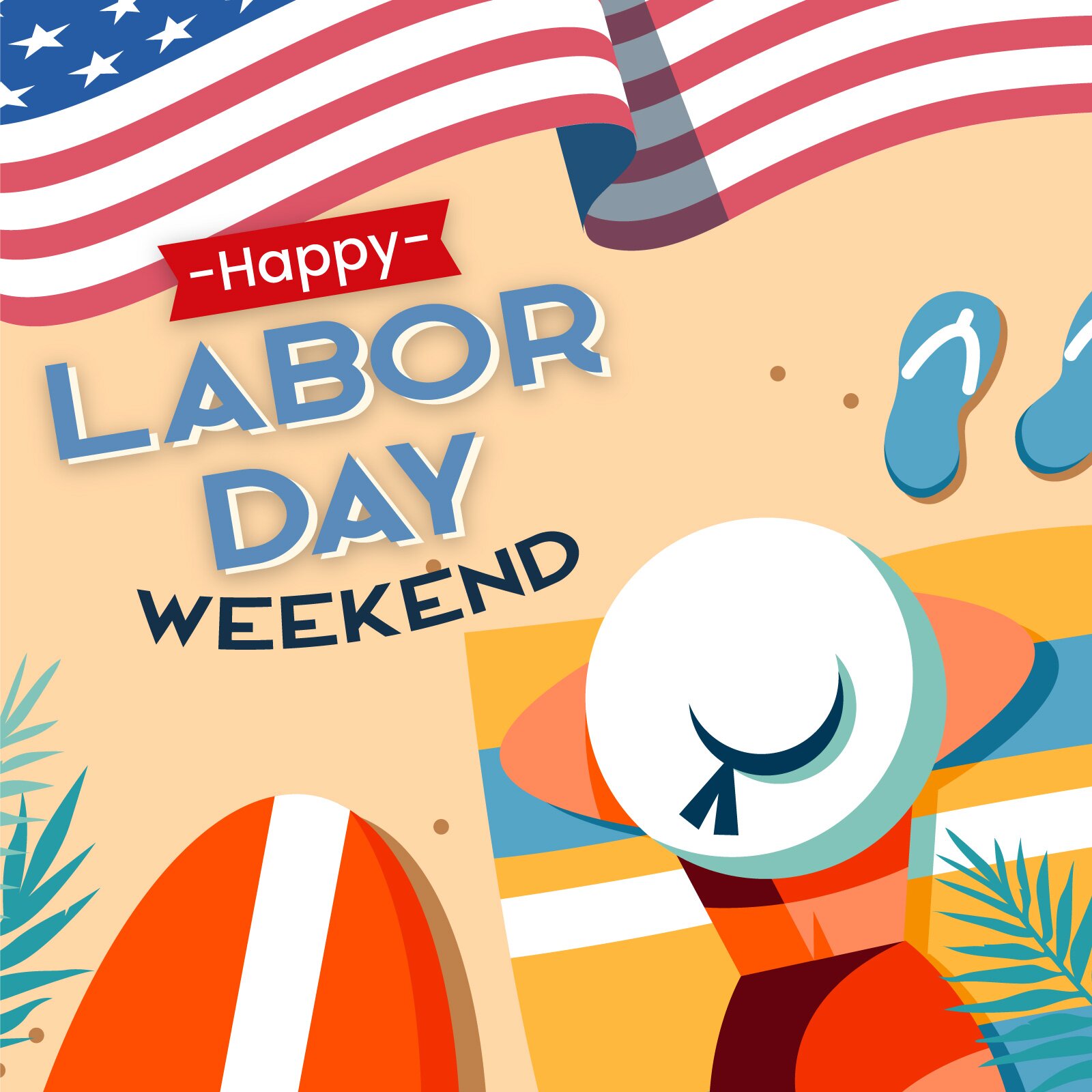
In 3‑5 sentences describe how you think Americans celebrate Labor Day. Use the following words: barbecue, decorate, flags, parade, fireworks.
Complete the puzzle and find out what is one of the most typical activities of the American people on Labor Day. What do you expect? Then, answer the question.
Study the text and do the exercises below.
HISTORY OF LABOR DAY IN THE U.S.A
Everyone in the United States loves the Labor DayLabor Day weekend and it’s impossible to overlookoverlook it as people both travel and celebratecelebrate it in every part of the country. For students and teachers who had the summerhad the summer offoff, it’s the last days of freedom. And for those who worked through the summer, it’s a long weekend that allows them to take a breath and maybe get awayget away for a few days before the colder days of fall arrive.
B
Although today it’s mostly associated with fun and relaxing with friends and loved ones, its originsorigins go back to the times when those who worked the hardest had neither time nor reason to celebrate. The amazing advancementsadvancements of the 1800s in technology and the way goodsgoods were produced and transported increasedincreased the need for workers. With hardly any laws to protect them (the first act that passedpassed in 1802 left many issues unsolvedunsolved), workers sufferedsuffered as much as they worked.
C
Most of them seemed to always be working. During the industrial revolutionindustrial revolution, for an average American it was twelve hours a day, seven days a week, hardly making enough to get byget by. This meant that whole families had to seek employmentemployment to make ends meetmake ends meet and age didn’t matter to employersemployers. InsufficientInsufficient legislationlegislation prohibiting child laborlabor caused children as young as 5 to work in factories or even minesmines, where their wageswages were much lower than those of adults. Additionally, they had hardly any breaks, toilets, or water.
D
People needed help, protection, and understanding of their situation, but it took time. Although in 1794 shoemakers formed a Federal Society in Philadelphia, the first organisation that could be considered a workers’ unionunion, it wasn’t until the mid 19th century that labor unions really started to pop uppop up all over the United States. They organized protests and riotsriots and demandeddemanded changes. In 1882, on September 5th, ten thousand of them marchedmarched through the streets of New York City in what became the first Labor Day paradeparade.
E
Among the organizers of that particular march was Peter McGuire from the American Federation of Labor, who supposedlysupposedly wanted this day to become a holiday for the hard‑working classes. Some say, however, that it was Mathew Maguire from the Central Labor Union who suggested establishingestablishing such a holiday. Whoever it was, it didn’t happen immediately, so protests and strikesstrikes continued and intensified. It took twelve years for the Congress to create the legislation, finally signed by President Grover Cleveland, thus making it an official holiday to honorhonor those who work so hard.
Źródło: Joanna Sobierska‑Paczesny, licencja: CC BY-SA 3.0.
Brytyjski i amerykański angielski – różnice w pisowni.
Te dwie odmiany angielskiego różnią się między sobą m.in. pisownią niektórych wyrazów. W tekście powyżej występują wyrazy labor i honor, które zapisane są w amerykańskim angielskim. Brytyjczycy zapisaliby je jako labour i honour. Poniżej jeszcze kilka przykładów podobnych wyrazów.
Brytyjski angielski | Amerykański angielski | Polski |
|---|---|---|
behaviour | behavior | zachowanie |
colour | color | kolor |
neighbour | neighbor | sąsiad/sąsiadka |
saviour | savior | wybawca/wybawczyni |
Słownik
/ ədˈvɑːnsmənts / / ədˈvɑːnsmənt /
postępy [postęp]
/ ˈselɪbreɪt /
świętować
/ dɪˈmɑːndɪd / / dɪˈmɑːnd /
żądali [żądać]
/ ɪmˈploɪəz / / ɪmˈploɪə /
pracodawcy [pracodawca/pracodawczyni]
/ ɪmˈploɪmənt /
zatrudnienie
/ ɪˈstæblɪʃɪŋ /
ustanowienie
/ ˈget əˈweɪ /
wyjechać na wakacje
/ ˈget baɪ /
przeżyć, wiązać koniec z końcem
/ ɡʊdz /
produkty, dobra
/ həd ðə ˈsʌmər ɒf / / həv ðə ˈsʌmər ɒf /
mieli wakacje [mieć wakacje]
/ ˈɒnə /
uhonorować
/ ɪnˈkriːst / / ɪnˈkriːs /
podniosło [podnosić]
/ ɪnˈdʌstrɪəl ˌrevəˈluːʃn̩ /
rewolucja przemysłowa
/ ˌɪnsəˈfɪʃnt /
niewystarczające
/ ˈleɪbə /
praca
/ ˈleɪbə ˈdeɪ /
Święto Pracy
/ ˌledʒɪsˈleɪʃn̩ /
legislacja, ustawodawstwo
/ ˈmeɪk endz miːt /
wiązać koniec z końcem
/ mɑːtʃt / / mɑːtʃ /
maszerowali [maszerować]
/ maɪnz / / maɪn /
kopalnie [kopalnia]
/ ˈɒrɪdʒɪnz / / ˈɒrɪdʒɪn /
początki [początek]
/ ˌəʊvəˈlʊk /
przeoczyć
/ pəˈreɪd /
parada
/ pɑːst / / pɑːs /
uchwalone, ustanowione [uchwalić, ustanowić]
/ pɒp ʌp /
pojawić się
/ ˈraɪəts / / ˈraɪət /
zamieszki
/ straɪks / / straɪk /
strajki [strajk]
/ ˈsʌfəd / / ˈsʌfə /
cierpieli [cierpieć]
/ səˈpəʊzədli /
rzekomo
/ ˈjuːnɪən /
związek
/ ʌnˈsɒlvd /
nierozwiązany
/ ˈweɪdʒɪz / / weɪdʒ /
płace [płaca]
Źródło: GroMar Sp. z o.o., licencja: CC BY‑SA 3.0