Przeczytaj
The picture below shows a court document detectives often work with. You are going to read a text about Agatha Christie – the world’s most famous author of detective novels.
Na zdjęciu widzimy dokument sądowy, z którym często mają styczność detektywi. Za chwilę przeczytasz tekst o Agacie Christie – najsłynniejszej na świecie autorce powieści kryminalnych.
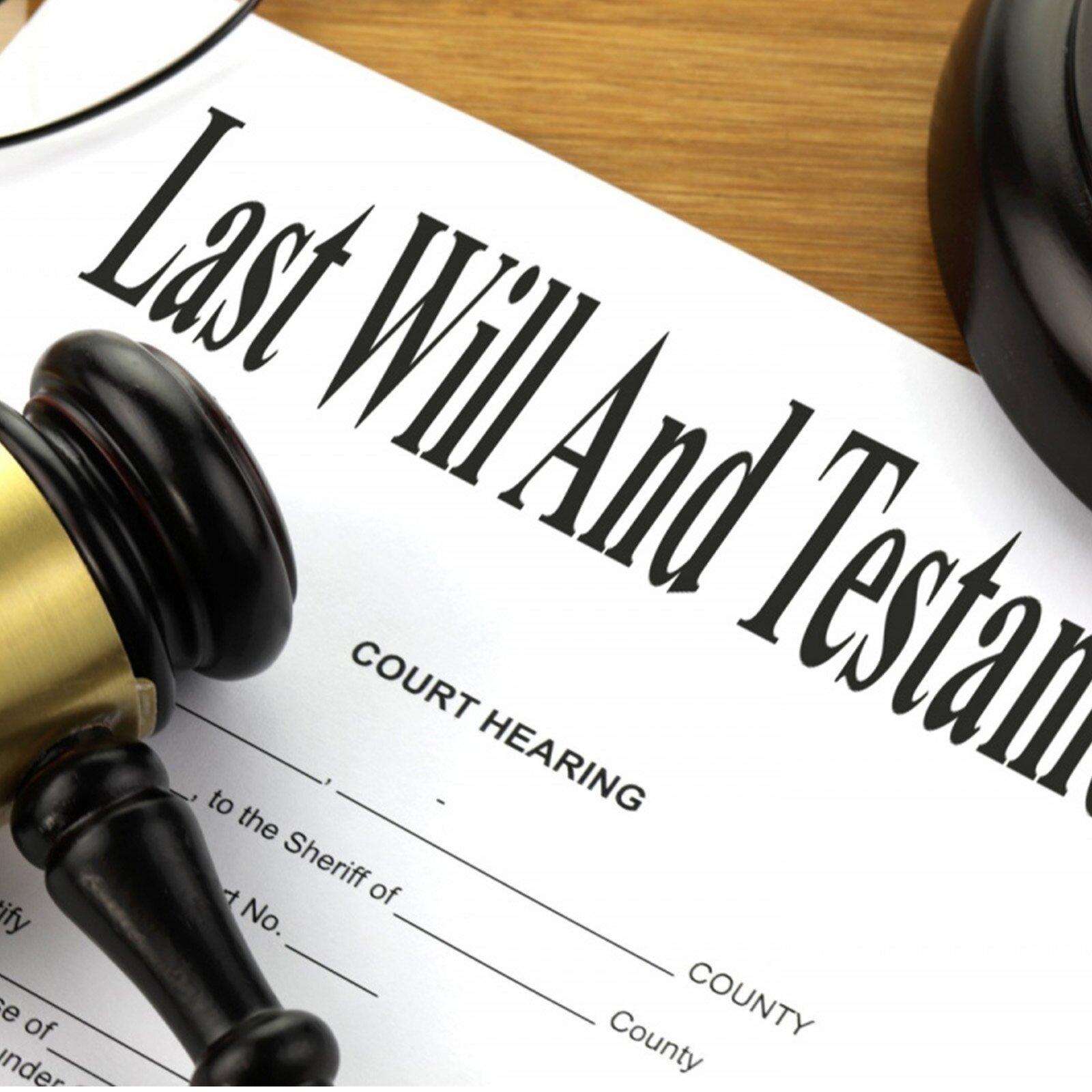
Drag the following phrases to match them with translations.
Przeciągnij wyrażenia, łącząc je z tłumaczeniami.
Read the text about the Queen of Crime and learn the secret behind the undying popularity of her mysteries. Then do the exercises below.
Przeczytaj tekst o królowej kryminału, żeby poznać sekret niegasnącej popularności jej książek. Następnie wykonaj poniższe ćwiczenia.
The Queen of Crime(1)
Do you know an author whose books have been just a bit less popular than the Bible and the works of Shakespeare? Well, it’s the English novelistnovelist Agatha Christie!
Although the Queen of Crime, as she is called, passed awaypassed away almost half a century ago, she still remainsremains the best‑selling author of all time. Her books have sold over a billion copies in the English language and a billion in translation.
Born in an English seaside resort of Torquay in 1890, the novelist has been read by the old and young alike and the popularity of her books doesn’t seem to be decliningdeclining. Her books are detective novelsdetective novels with a mysterymystery to solvesolve. In each of them, there is a mysterious murdermurder and a murderermurderer to be discovered. The readers have a unique opportunity to run the investigationrun the investigation in their heads alongside the eccentric detective. They have to discover “who has done it” and this very phrase gave birth to a whole genregenre of novels called whodunitswhodunits.
(2)
Christie’s intriguing and methodic style of writing lets us follow the plotplot, analyse the suspectssuspects’ behaviour, dismiss the alibisdismiss the alibis and discover some unexpected secrets of the victimvictim. And when we are pretty sure who committedcommitted the crime, the skilledskilled writer confusesconfuses us with an unexpected plot twistplot twist! Here lies the secretlies the secret of the enduringenduring popularity of Christie’s novels. We all love being detectives! Speaking of detectives, the most famous detective created by Agatha Christie is Hercule Poirot, a peculiarpeculiar gentleman from Belgium with a twisted moustache.
Christie herself talked of her whodunits as something between “a crossword puzzle and a hunthunt in which you can pursue the trailpursue the trail sitting comfortably at home in your armchair.” What is more, you get many hours of entertainment because there are so many mysteries to solve!
(3)
Christie was an extremely prolificprolific writer. She wrote 66 detective novels and 14 short story collections, as well as the world’s longest‑running play – The Mousetrap.
Let us have a look at her life and work from a different perspective.
6 years: If you want to read an Agatha Christie novel every single month, it will take you six years.
3–4 months: This is how long on averageon average Agatha Christie needed to write one book.
11 years: Agatha Christie's name appeared in print for the first time when she was just 11 years old. It was a poem about trams published in a London newspaper.
15 years: Although she was a fast and a prolific writer, it took Agatha Christie 15 years to write her autobiography. The book was published posthumouslyposthumously, and contains many intriguing facts about her life.
5 years: Agatha Christie taught herself to read by the age of five.
3 years: Agatha Christie spent only three years of her life working in a pharmacypharmacy during the First World War but her vast knowledgevast knowledge of poisonspoisons is clearly visible in some of the best of her books.
(4)
Year 2020 marked 100 years since the publication of Agatha Christie’s first novel, entitled The Mysterious Affair at Styles. Agatha’s sister Madge challenged her to write a story, and so she did. The novel is setis set at the beautiful Styles Court in the English countryside. UnsurprisinglyUnsurprisingly, a murder is discovered, and a Belgian detective Hercule Poirot is invited to investigate.
(5)
Although written in the last century, Christie’s mystery novels don’t get old. On the contraryOn the contrary, they keep up with the timeskeep up with the times and have been developed into a variety of… digital games. You can play your way through the mysteries, taking on the role of detective.
Christie’s works adapted into video games include the following titles And Then There Were None, Murder on the Orient Express, Death on the Nile, Dead Man’s Folly and 4.50 From Paddington.
It looks like the Queen of Crime is truly timelesstimeless!
Źródło: Anna Lech, [na podstawie:] https://www.agathachristie.com/ [dostęp 22.06.2023], https://www.gutenberg.org/ebooks/863 [dostęp 22.06.2023], licencja: CC BY-SA 3.0.
Read the text quickly and match the headings to paragraph sections 1–5.
Szybko przeczytaj tekst i dopasuj odpowiedni nagłówek do każdej jego części (1–5).
Read the text again and decide if the following sentences are true or false.
Ponownie przeczytaj tekst i zdecyduj, czy podane zdania są prawdziwe, czy fałszywe.
Type the missing words in the correct places.
Wpisz brakujące wyrazy w puste miejsca.
Słownik
/ kəˈmɪtɪd / / kəˈmɪt /
popełnił/popełniła [popełnić]
/ kənˈfjuːzɪz / / kənˈfjuːz /
zmylił/zmyliła [zmylić]
/ dɪˈklaɪnɪŋ / / dɪˈklaɪn /
malejący/malejąca [maleć]
/ dɪˈtektɪv ˈnɒvl̩z / / dɪˈtektɪv ˈnɒvl̩ /
powieści detektywistyczne [powieść detektywistyczna]
/ dɪzˈmɪs ði ˈæləbaɪz /
odrzucać alibi
/ ɪnˈdjʊərɪŋ /
trwały/trwała
/ ˈʒɑːnrə /
gatunek literacki
/ hʌnt /
polowanie
/ ɪz set / / bi set /
rozgrywa się [rozgrywać się]
/ kiːp ˈʌp wɪð ðə ˈtaɪmz /
idą z duchem czasu [iść z duchem czasu]
/ laɪz ðə ˈsiːkrɪt /
tkwi sekret
/ ˈlɒŋɡɪst ˈrʌnɪŋ ˈpleɪ /
najdłużej grana sztuka
/ ˈmɜːdə /
morderstwo
/ ˈmɜːdərə /
morderca/morderczyni
/ ˈmɪstəri /
zagadka
/ ˈnɒvəlɪst /
powieściopisarz/powieściopisarka
/ ˈɒn ˈævərɪdʒ /
średnio
/ ˈɒn ðə kənˈtreəri /
wręcz przeciwnie
/ pɑːst əˈweɪ / / pɑːs əˈweɪ /
zmarła/zmarły [umrzeć]
/ pɪˈkjuːlɪə /
dziwaczny/dziwaczna
/ ˈfɑːməsi /
apteka
/ plɒt /
fabuła
/ plɒt twɪst /
zwrot akcji
/ ˈpɔɪzn̩z / / ˈpɔɪzn̩ /
trucizny [trucizna]
/ ˈpɒstjʊməsli /
pośmiertnie
/ prəˈlɪfɪk /
płodny/płodna
/ pəˈsjuː ðə treɪl /
podążać tropem
/ rɪˈmeɪnz / / rɪˈmeɪn /
pozostaje [pozostawać]
/ ˈrʌn ði ɪnˌvestɪˈɡeɪʃn̩ /
prowadzić dochodzenie
/ skɪld /
wprawny/wprawna
/ sɒlv /
rozwiązać problem, zagadkę
/ səˈspekt / / səˈspektz /
podejrzany/podejrzana [podejrzani]
/ ˈtaɪmləs /
ponadczasowy/ponadczasowa
/ vɑːst ˈnɒlɪdʒ /
szeroka wiedza
/ ˈvɪktɪm /
ofiara
/ ˌhuːˈdʌnɪt /
kryminał
Źródło: GroMar Sp. z o.o., licencja: CC BY‑SA 3.0