Przeczytaj
Tropical rainforests occupy large areas around the equator, on all continents. They are very beautiful and fascinating places to visit, although they can also be dangerous. To stay safe in a rainforest, you should know a few things about it. You are going to read a text about rainforests written by a boy who lives in the Philippines.
Tropikalne lasy deszczowe zajmują duże obszary na wszystkich kontynentach wokół równika. Są to piękne i fascynujące, warte odwiedzenia miejsca, choć przebywanie tam może być również niebezpieczne. Aby zadbać o bezpieczeństwo w lesie tropikalnym, musisz wiedzieć o nim kilka rzeczy. Przeczytaj tekst o tropikalnych lasach deszczowych napisany przez chłopca mieszkającego na Filipinach.
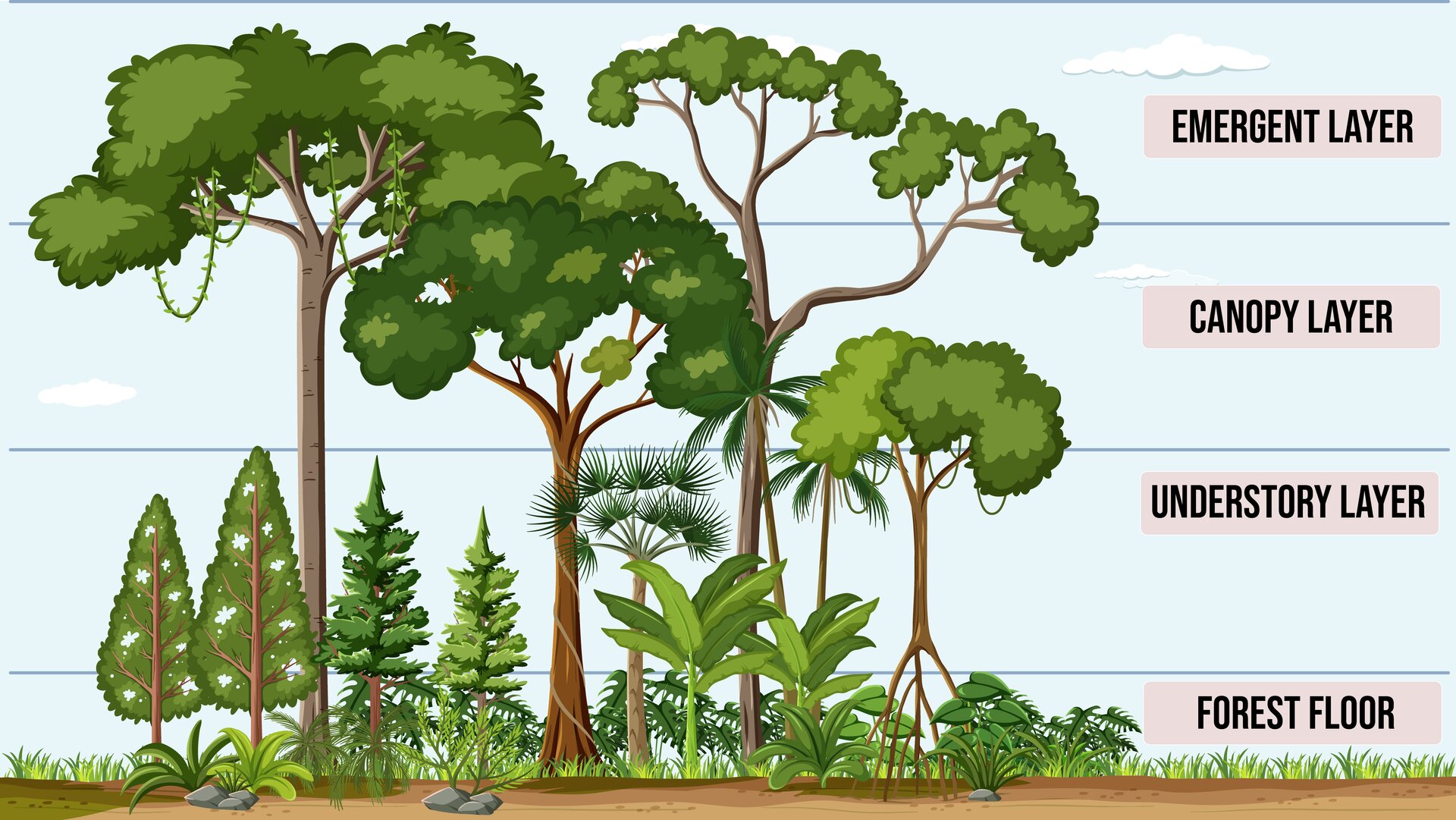
Match the following words with their translations.
Połącz poniższe wyrazy z ich tłumaczeniami.
Drag the words to match them with the pictures.
Przeciągnij wyrazy, żeby połączyć je z ilustracjami.
Read the text about the rainforest and do the exercises.
Przeczytaj tekst o lesie tropikalnym i wykonaj ćwiczenia.
Living Near the Rainforest is FascinatingMy name is Joshua and I am 13 years old. I live in a village on Luzon Island. Luzon is in the Philippines, a country in Southeast Asia. Our island is almost completely covered by rainforestrainforest. A rainforest is a thickthick forest found in many areas around the equatoraround the equator. It is home tois home to many animals and plants, some of which are still unknown to science. In 2014 and 2015, researchersresearchers found 381 new species in the rainforest. Sometimes, we visit the rainforest with my younger brother. It is a great place to be in as long as you know enough about how to stay safe. For example, you mustn’t touch some of the plants as they may be poisonouspoisonous. Also, some insects and animals may be dangerous to humans. After all, it is their natural habitathabitat, not ours, and we are only visitors here. The trees form a green canopycanopy, so there is very little sunlightlittle sunlight in some parts of the rainforest below. The canopy layerlayer is where most animal and plant speciesspecies live, and where 90% of the sunlight goes. It’s usually at the height of 15‑30 metres above the ground. It is not, however, the highest part of the rainforest. Over the canopy, more than 30 metres above the ground, the tallest trees form the emergent layeremergent layer. Some of them can be as tall as 50 metres! The middle layer of the forest, just under the canopy, from 2 to 15 metres above the ground, is called the understoryunderstory. It consists of leafyleafy bushesbushes, small trees, saplingssaplings, and vinesvines. The plants that grow here usually have large leaves. This helps them catch as much light as possible, as the understory layer only gets 5% of the rainforest’s sunlight. The forest floorforest floor is a very dark, dampdamp, and hot place. This lowest layer only gets 2% of the sunlight. It can be 2 metres tall and it is here that you will find some of the biggest animals living in the forest. My brother and I often take photos of interesting parts of the rainforest. We then share them with friends at school. Sometimes, our teacher discusses the photos we take in our biology class. That always makes me so proud! I would really like to become a scientist in the future and explore all the interesting facts about the wildlife of the rainforest or work to protect the species living there.
Źródło: Marcin Legeżyński, licencja: CC BY-SA 3.0.
Read the text and choose the correct answer.
Przeczytaj tekst, a następnie wybierz prawidłową odpowiedź.
a) are found in most areas of the world.
b) have 381 species living in them.
c) cover Luzon island.
2. The emergent layer
a) is the highest level of the rainforest.
b) is at the maximum height of 30 metres.
c) get only very little sunlight.
3. The canopy
a) is the lowest level of the rainforest.
b) is where the biggest animals live.
c) is where the most animals and plants live.
4. The understory
a) only gets 2% of sunlight.
b) is where plants have big leaves.
c) is the lowest level of the rainforest.
5. The forest floor
a) is where no animals live.
b) is full of sunlight.
c) is at the maximum height of 2 metres.
Read the text again and decide if the following sentences are true or false.
Przeczytaj tekst ponownie, a następnie zdecyduj, czy podane zdania są prawdziwe, czy fałszywe.
- Scientists don’t know all the species living in the rainforest yet. TRUEFALSE
- Joshua doesn’t often visit the forest as it is dangerous. TRUEFALSE
- Animals in the rainforest can be dangerous, but plants are safe to explore. TRUEFALSE
- Plants have to struggle to get enough light as some layers of the forest have cut it off. TRUEFALSE
- Joshua would like to become a teacher in the future to discuss the rainforest with students. TRUEFALSE
Read the text again and drag the words to fill in the gaps.
Przeczytaj tekst ponownie, a następnie przeciągnij wyrazy w odpowiednie luki.
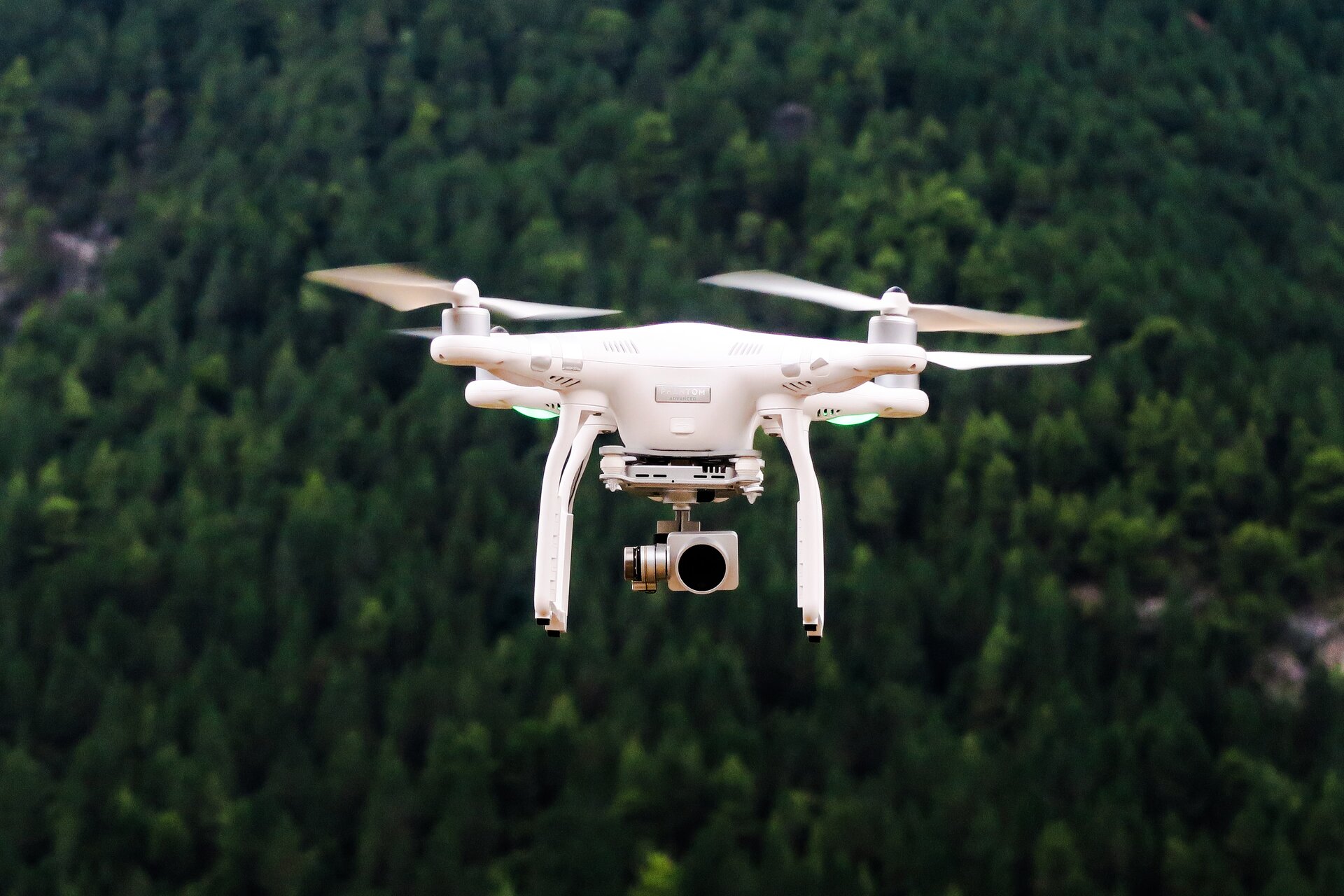
You can fly a real drone through the rainforest in the Philippines to take interesting pictures. You will navigate the drone remotely, from your country, over the internet. Read the text above. Then, prepare a flight plan for the drone using the information from the text. You must focus on how high you are going to fly your drone (altitude), what the lighting conditions for the drone camera are going to be, and what you can photograph. Drag the words to fill in the gaps in the flight plan.
Możesz przelecieć prawdziwym dronem przez las tropikalny na Filipinach, aby zrobić ciekawe zdjęcia. Będziesz nawigować dronem zdalnie, ze swojego kraju, przez internet. Przeczytaj powyższy tekst jeszcze raz. Następnie przygotuj plan lotu dla drona, korzystając z informacji zawartych w tekście. Musisz skupić się na tym, jak wysoko będziesz lecieć dronem, jakie będą warunki oświetleniowe dla jego kamery i co możesz w danych warunkach sfotografować. Przeciągnij wyrazy, aby uzpełnić luki w planie lotu.
Słownik
/ əˈraʊnd ði ɪˈkweɪtə /
wokół równika
/ ˈbʊʃɪz / / bʊʃ /
krzewy [krzew]
/ ˈkænəpi /
warstwa koron drzew
/ dæmp /
wilgotny/wilgotna
/ ɪˈmɜːdʒənt ˈleɪə /
warstwa drzew olbrzymich
/ ˈfɒrɪst flɔː /
warstwa lasu przy gruncie
/ ˈhæbɪtæt /
miejsce występowania
/ ɪz həʊm tuː / / bi həʊm tuː /
jest domem dla [być domem dla]
/ ˈleɪə /
warstwa (piętro lasu)
/ ˈliːfi /
liściaste [liściasty/liściasta]
/ ˈlɪtl̩ ˈsʌnlaɪt /
mało światła słonecznego
/ ˈpɔɪzənəs /
trujące [trujący/trująca]
/ ˈreɪnfɒrɪst /
las deszczowy, wilgotny las równikowy
/ rɪˈsɜːtʃəz / / rɪˈsɜːtʃə /
badacze/badaczki [badacz/badaczka]
/ ˈsæplɪŋz / / ˈsæpl̩ɪŋ /
młode drzewka [młode drzewko]
/ ˈspiːʃiːz /
gatunki [gatunek]
/ thetaɪk /
gruby/gruba/gęsty/gęsta
/ ˈəndərˌstɔːi /
warstwa pośrednia
/ vaɪnz / / vaɪn /
pnącza [pnącze]
Źródło: GroMar Sp. z o.o., licencja: CC BY‑SA 3.0