A Strange End To the War. The Year 1918
to list the political and military events that took place near the end of World War One;
to describe the consequences of the October Revolution for Russia and Europe;
to characterize the international circumstances of the Polish couses and the Polish state‑forming endeavors during the war.
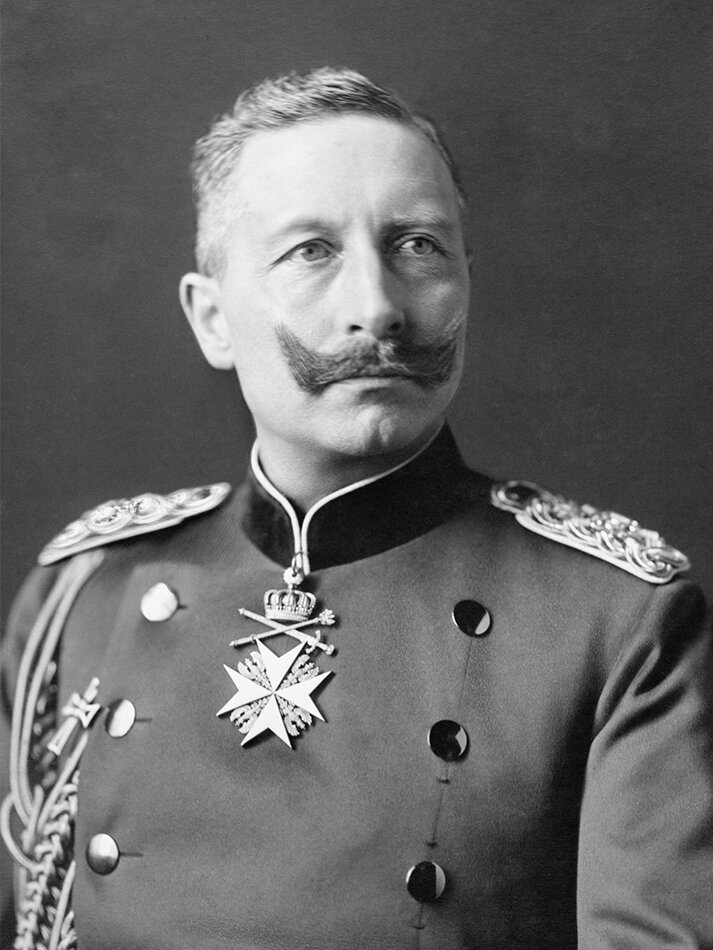
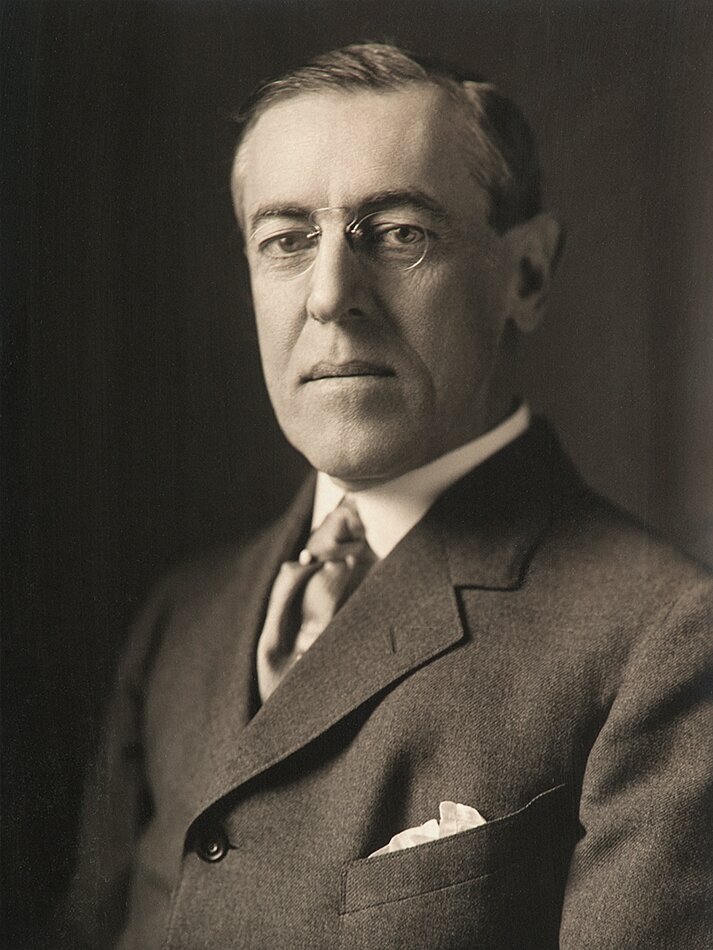
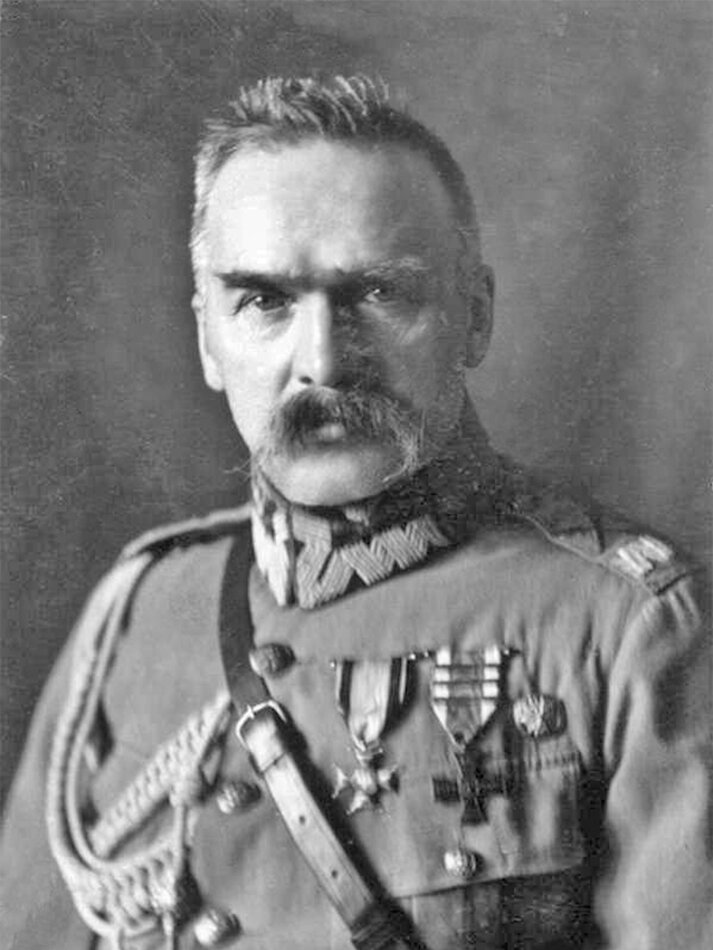
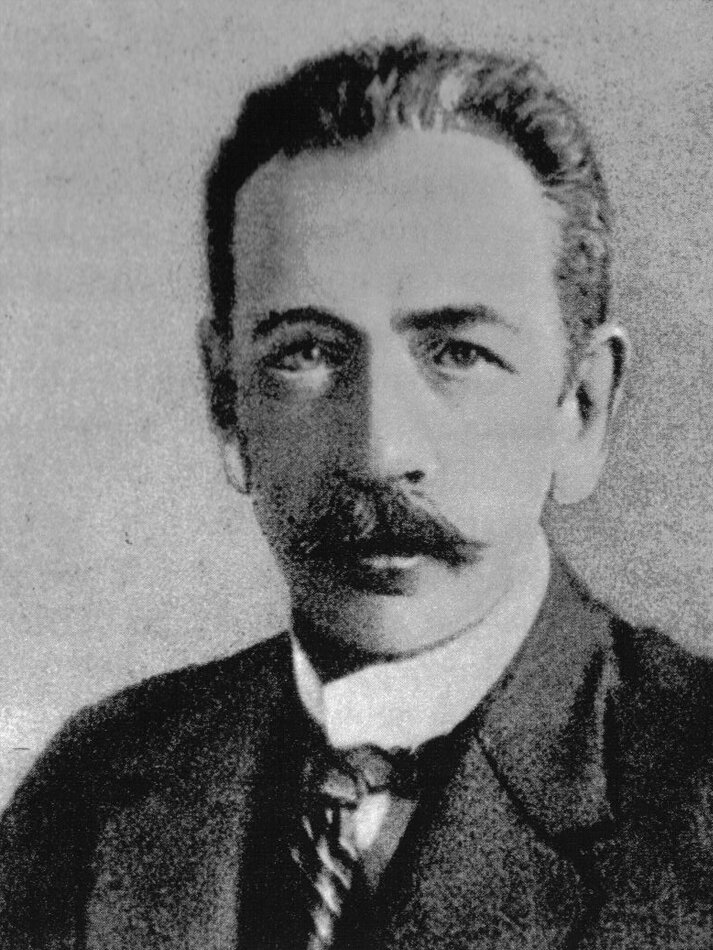
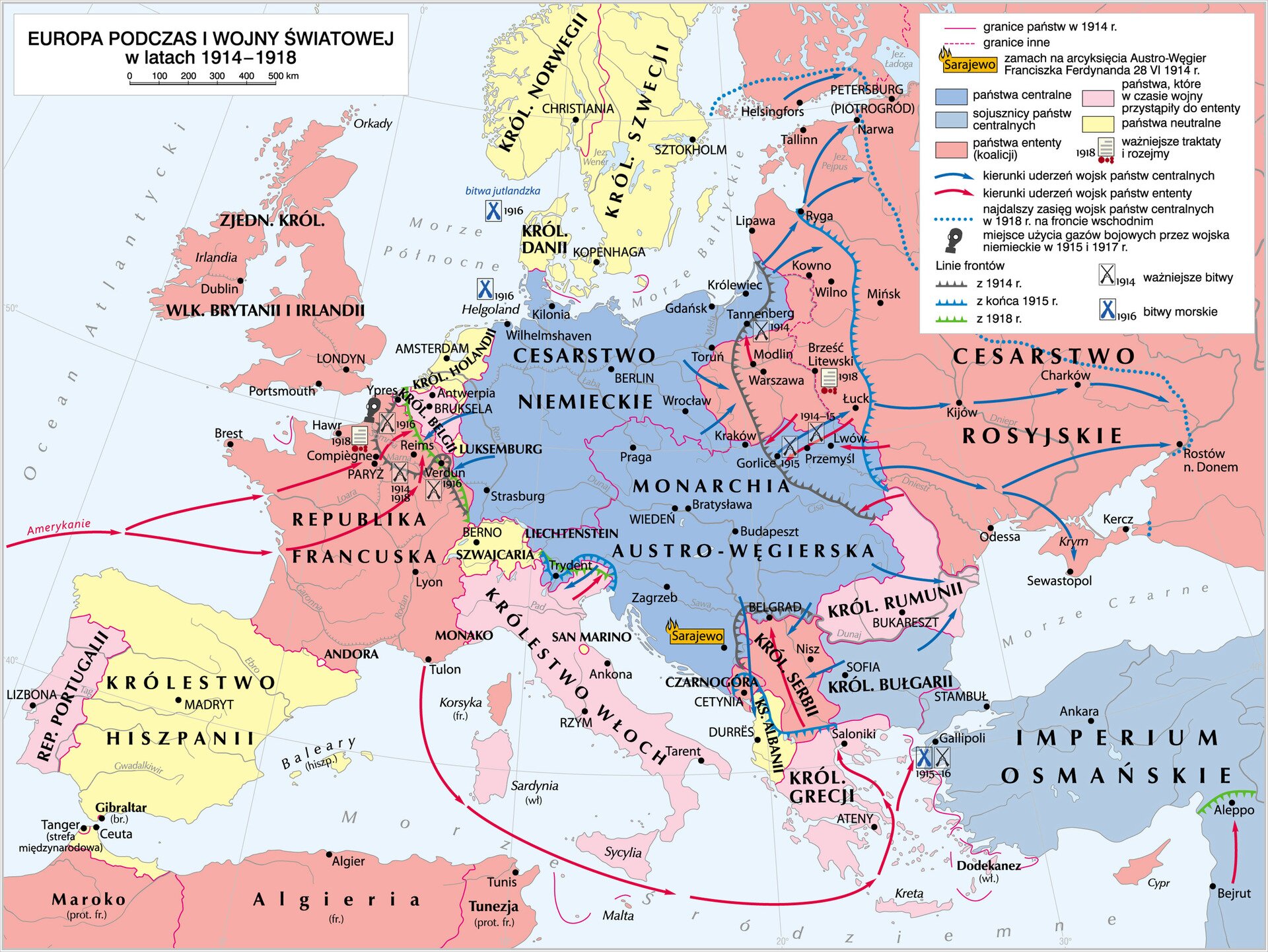
In 1918, Germany saw a rise of revolutionary attitudes and worker strikes. In July, the Entente managed to stop the Germans at the Marne for the second time. Its forces managed to break the resistance of Bulgaria as well, and in October, the Ottoman Empire surrendered. On 9 November 1918, German Emperor Wilhelm II abdicated under the pressure of the people’s rebellion. On 11 November, the representatives of the newly‑created Weimar Republic signed the armistice of Compiégne, ending the Great War. On 8 January 1918 President Woodrow Wilson repeated his stance on the Polish cause in his famous address to the Congress, envisaging the creation of an independent Polish state. On 3 June 1918, the states of the Entente made the Declaration of Versailles, acknowledging Poland’s right to independence. In the last month of the war, the Poles’ great advantage was the fact that they possessed Polish structures of power in the Kingdom of Poland. On 7 October 1918, taking advantage of the chaos of the war, the Regency CouncilRegency Council issued a manifesto to the Polish nation on the assumption of the principle of the independence of Poland. After Józef Piłsudski’s return from Magdeburg on 11 November, the Regency CouncilRegency Council granted him authority over the forming Polish military. On 14 November, Piłsudski created a new government under the direction of the leftist politician, Jędrzej Moraczewski. On 28 November 1918, the Polish women were granted elective rights, later confirmed by the Constitution of the Republic of Poland. In Russia, after having dispersed the Constituent Assembly in January of 1918, the Bolsheviks took measures aiming to create an one‑party dictatorship. The power in the state was taken over by the Russian Communist Party (Bolsheviks) (abbreviated in English as RCPb). The old tsarist generals (“whites”) took a stand against the Bolsheviks. Thus began a civil war that would last until 1922.
Listen to the short lecture, then complete the task below.
On 8 January 1918, President Woodrow Wilson repeated his stance on the Polish cause in his famous address to the Congress. The address consisted of 14 points, in which he delineated his vision of the post‑war world order. Point 13 predicted the creation of an independent Polish state. A few months later, on 3 June 1918, the Entente states announced the Declaration of Versailles, unanimously acknowledging Poland’s right to independence. Meanwhile, the political situation changed, altering the conditions under which the Poles continued their endeavors to regain independence. After the Treaty of Brest‑LitovskTreaty of Brest‑Litovsk between Soviet RussiaSoviet Russia and Germany, the Poles started placing their hopes of independence in the West exclusively.
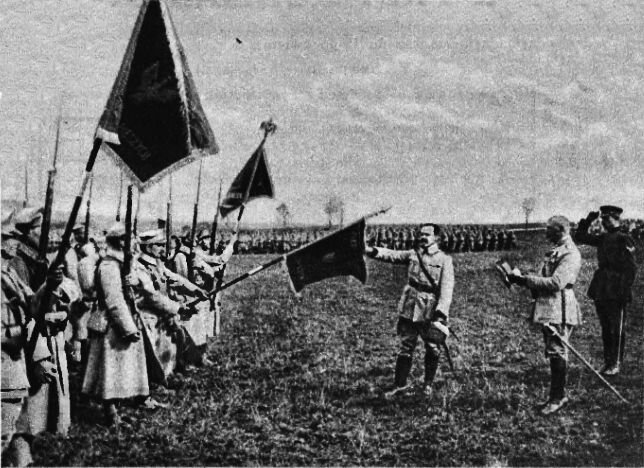
Almost ten months had passed since the oath crisis and Piłsudski’s arrest – both of which had undermined the sense of remaining on the Central States’ side. The signing of the German‑Ukrainian pact of February 1918 dealt a blow to the Polish interests. The passing of the Chełm Land to the Ukrainian state that was being created under German protectorate as a result of this agreement spurred sudden Polish protests. Many thousands of Poles demonstrated in the streets of the Kingdom of Poland. Kucharzewski’s government resigned. The Polish Auxiliary Corps (former Second Brigade of the Polish Legions), hitherto fighting on Austria’s side, attacked the Austrians and, after having breached the Ukrainian front, escaped to France. Its commander, Józef Haller, was named Commander of the army that was being created there (known as the Blue ArmyBlue Army) in October. A month before, in September 1918, the Polish National Commitee of Paris signed an agreement with the French government, granting all Polish forces the status of an autonomous army allied with the Entente. Owing to this, after the end of the war, Poland officially became a side in it.
The Poles were aware that, should the Central States be defeated, taking over the majority of Galicia (excluding its Eastern portion) and the Kingdom of Poland would be relatively easy. The situation of the rest of the territories was different; they could only be regained by way of further armed conflict. Greater Poland and Silesia would require fighting Germany, and the Stolen Lands in the East – the Bolsheviks and the nations formed in the far reaches of the former Polish‑Lithuanian Commonwealth. In March 1918, in accordance with the German vision of Mitteleuropa, new states came into being: Lithuania, then Ukraine. Soon, it would turn out that it was only the defeat of Germany in the West that prevented the secret German plan of absorbing the Western territories of the Kingdom of Poland into the Reich, thus extending the Prussian Partition, treated by the Germans as an integral part of the German state, from being set in motion.
In the last month of the war, a significant advantage of the Poles was the fact that they possessed Polish structures of power in the Kingdom. On 7 October 1918, taking advantage of the chaos of the war, the Regency CouncilRegency Council issued a manifesto to the Polish nation on the assumption of the principle of the independence of Poland. Soon after, it legally abolished the occupational authorities and stripped the German general‑governor Beseler of authority over the military. The Kingdom of Poland became independent. The Germans could not afford to react. The inclusion of Galicia into the nascent Polish state was supported by the Polish deputies in Vienna – after the Treaty of Brest‑Litovsk, further belonging to the Austrian monarchy made no sense, even despite the belated gestures of the new Austrian Emperor, Charles I. All that was left was to disarm the Austrian soldiers (the authority over the region was in the Polish hands already), and Western Galicia could join the new, independent Poland.
Match the advantages the Poles had at the end of the war with their respective groups.
the presence of Polish structures of power in the Kingdom of Poland, the creation of Ignacy Paderewski’s government, Józef Piłsudski’s return from Magdeburg, stripping the German general-governor Beseler of authority over the military, the creation of Haller’s army in France, the agreement with the French government to grant all Polish armed forces the status of an independent army allied with the Entente, the decision of the Polish deputies in Vienna to include Galicia into the independent Polish state, Germany’s defeat in the West of Europe
| Political advantages | |
|---|---|
| Military advantages |
Who is depicted in the illustration above? Search for information on his activities.
- Józef Piłsudski
- Józef Haller
- Kazimierz Sosnkowski
Keywords
Treaty of Brest‑Litovsk, Blue Army, Government of Ignacy DaszyńskiGovernment of Ignacy Daszyński
Glossary
Czternaście punktów Wilsona – słynne orędzie do Kongresu, wygłoszone przez prezydenta Wilsona w dniu 8 stycznia 1918 roku, złożone z czternastu punktów, w których zreferował on swoją wizję urządzenia powojennego świata. Punkt 13. orędzia przewidywał utworzenie niepodległego państwa polskiego.
Układ brzeski – traktat pokojowy podpisany w Brześciu 3 marca 1918, między Cesarstwem Niemieckim i Austro‑Węgrami oraz ich sojusznikami: Królestwem Bułgarii i Imperium Osmańskim (Trójprzymierze) a Rosją Sowiecką; także: układ niemiecko‑ukraiński z lutego 1918.
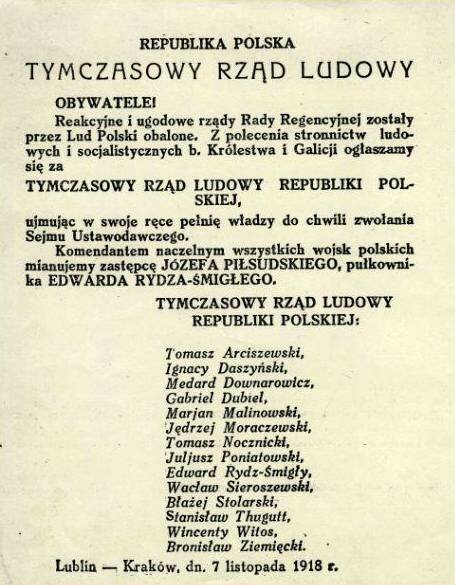
Rząd lubelski – powołany 6/7 listopada w Lublinie Tymczasowy Rząd Ludowy Republiki Polskiej, z Ignacym Daszyńskim na czele. Opierał się na politycznych siłach PPS, PPSD oraz ugrupowań ludowych.
Błękitna Armia – polska siła zbrojna, utworzona we Francji w czerwcu 1918 r, na mocy dekretu prezydenta Francji R. Poincarégo; znajdowała się pod dowództwem Józefa Hallera; w jej szeregach walczyli Polacy zwerbowani w armii francuskiej, ochotnicy z USA, Brazylii, z rosyjskiego korpusu ekspedycyjnego walczącego we Francji oraz jeńcy z armii państw centralnych; uznana jako „jedyna, samodzielna, sojusznicza i współwalcząca armia polska”
Rada Regencyjna – najwyższa władza (tymczasowa) w Królestwie Polskim, utworzona we wrześniu 1917 przez Niemcy i Austro‑Węgry i od nich zależna;
Rosja Sowiecka – potoczna nazwa państwa rosyjskiego, w okresie od rewolucji październikowej 1917 do utworzenia ZSRS w grudniu 1922
zawieszenie broni na froncie zachodnim – po tym, gdy latem armie ententy przeszły do działań zaczepnych, odrzucając Niemców z północnej Francji i zachodniej Belgii; 11 listoipada 1918 Niemcy podpisały pod Compiègne zawieszenie broni z państwami sprzymierzonymi.