Environmental issues being a consequence of packaging use
what plastics are;
what polymerisation and polycondensation are;
what materials are used to produce packaging; which of them are biodegradable and which are particularly burdensome for the environment.
to classify plastics depending on their properties (thermoplastics and hardening plastics) and to classify given packaging;
to point out hazards related to gases generated as a result of PVC incineration and to discuss them;
to justify the need to manage waste from various packaging;
to write down chemical equations the result of which are plastics such as PP, PVC, PS, PMMA;
to discuss different waste management methods.
Nagranie dostępne na portalu epodreczniki.pl
Nagranie audio przedstawiające problemy ekologiczne poruszone w lekcji takie jak marnotrastwo zasobów.
Waste types
WasteWaste is an inseparable part of human life and economic activity. Their quantity and variety are constantly increasing along with development of our civilisation. It is estimated that about 145 million tonnes of waste are generated annually in Poland. Municipal wasteMunicipal waste accounts for 12 millions. It could be used to construct a pyramid with a base side of 1000 m and height of 190 m (for comparison, the largest Egyptian pyramid – the Pyramid of Cheops, with a base side of 230 m – is 140 m tall). A statistical inhabitant of our country throws about 300 kg of municipal waste into the container during the year. Packaging and clothing constitute a significant part of this waste.
The most important criteria for the division of waste
The most important criteria for the division of waste.
Source
- municipal
- industrial
- agricultural
Chemical composition
- organic
- mineral
State of matter
- solid
- liquid
Origin of the raw material
- natural
- artificial
- synthetic
Health impact
- toxic
- non-toxic
Envoirmental impact
- biodegradable
- non-biodegradable
Possibility to use
- recyclable material
- non-recyclable material
Scope
- local
- regional
- global
Plastics
Plastics are one of the most versatile and multifunctional materials used in global economy. They constitute about 15% of weight and 70% of volume of all waste generated. They have become the basis of modern life, and they are mostly used to produce packaging.

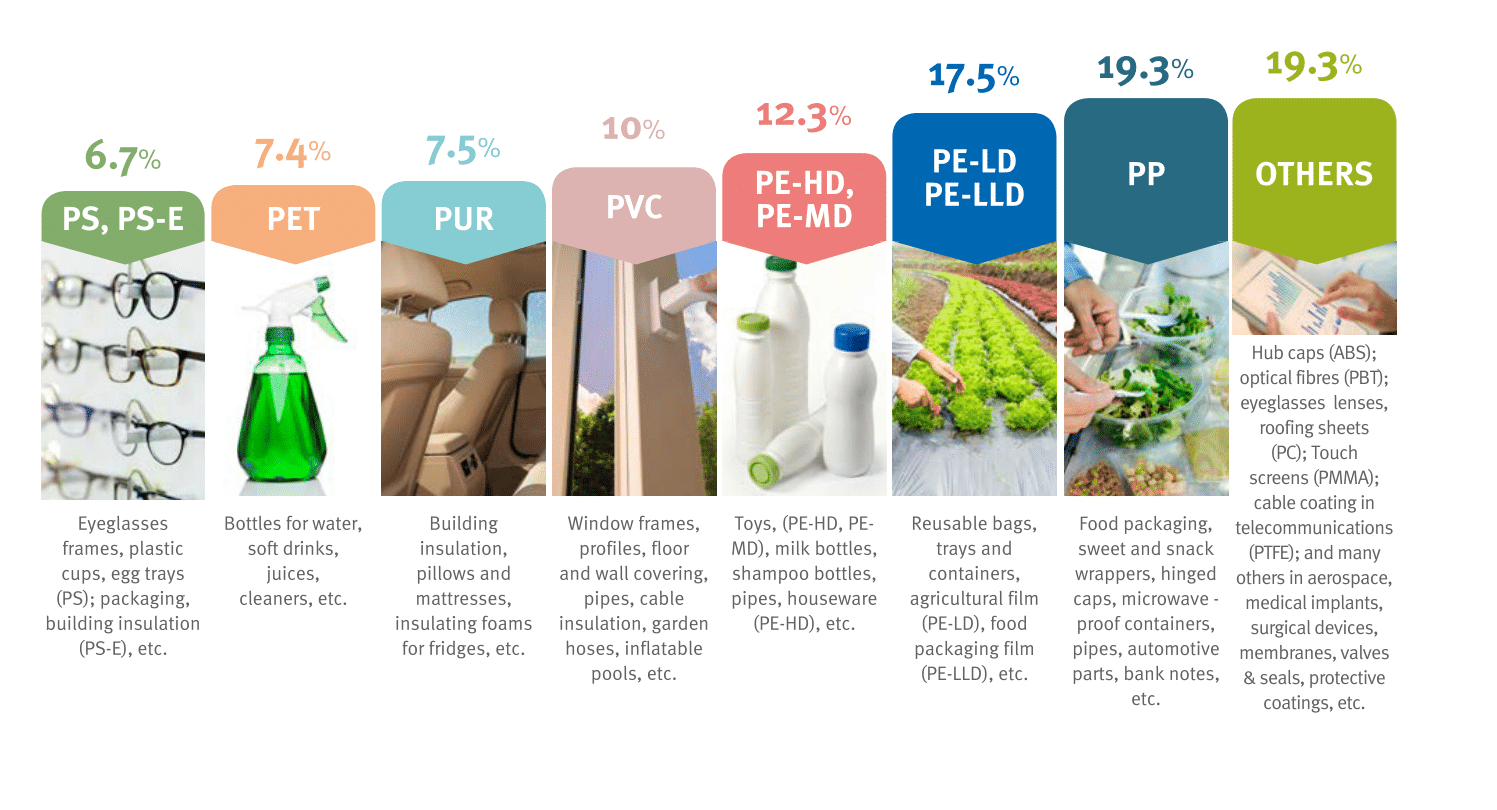
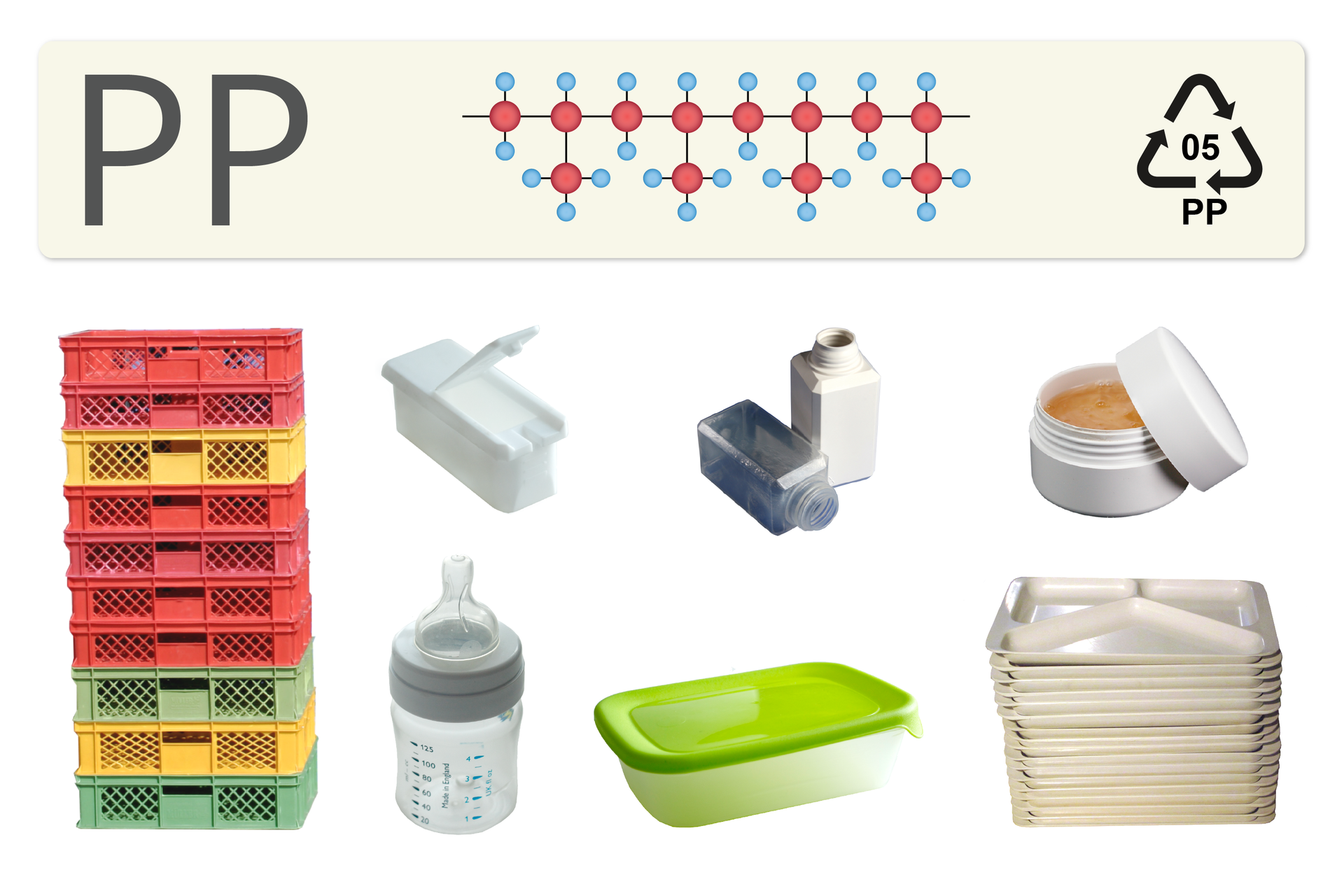
The following materials are used to produce packaging: polyethylene, polyethylene terephthalate, polypropylene, polystyrene, polyvinyl chloride, polymethyl methacrylate. Polypropylene exhibits similar properties as polyethylene and is likewise obtained as a result of polymerisation:
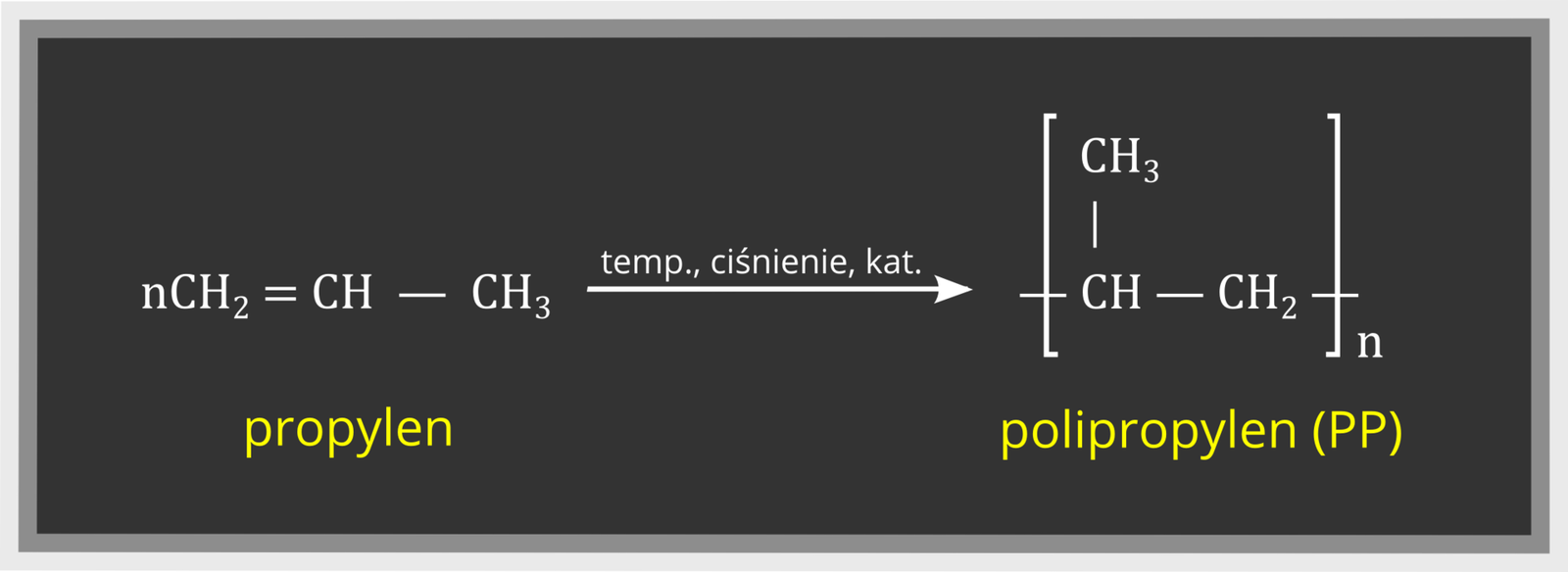
1. propylene
2. temperature, pressure, catalyst
3. polypropylene (PP)
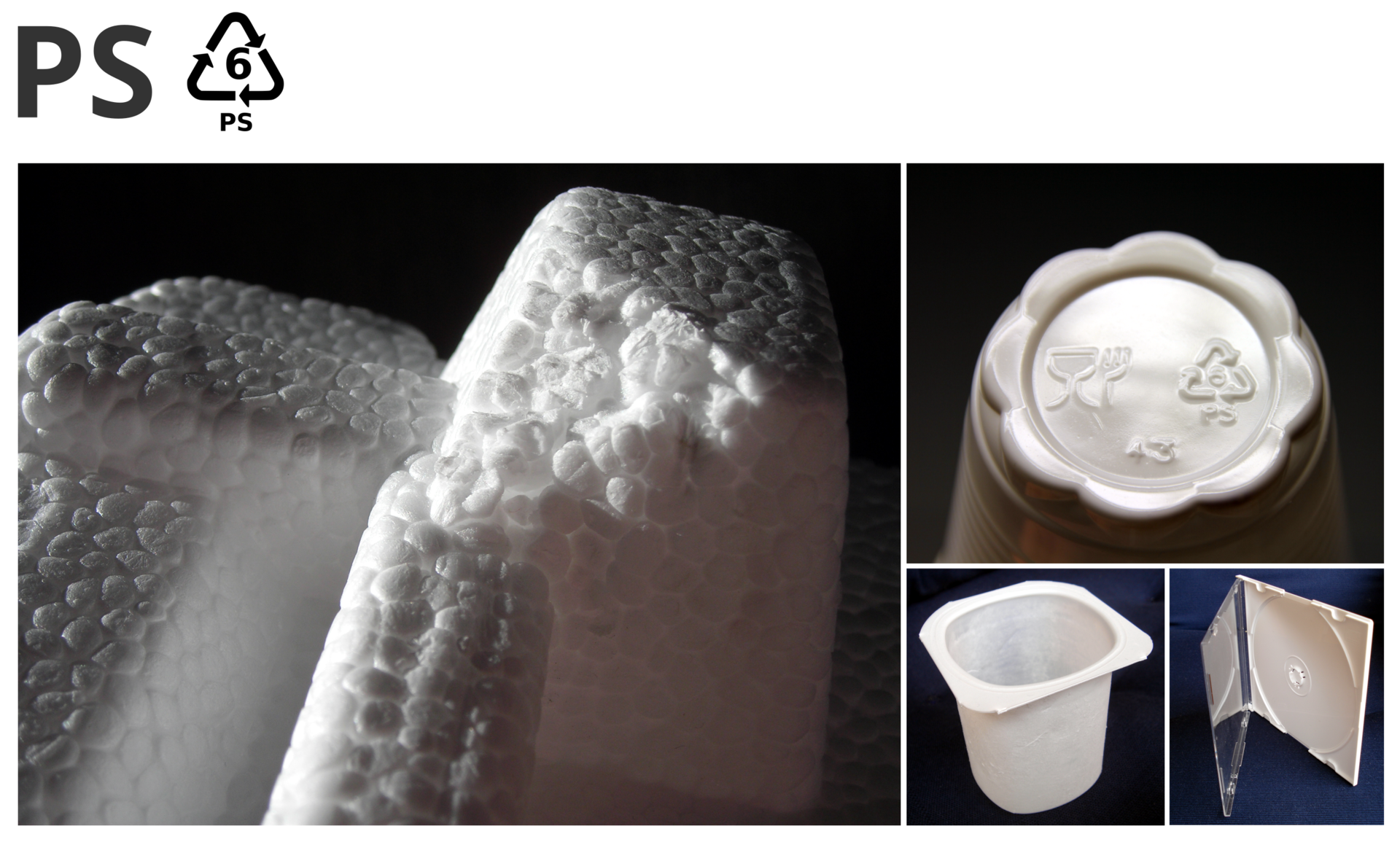
Polystyrene is another type of polymer:
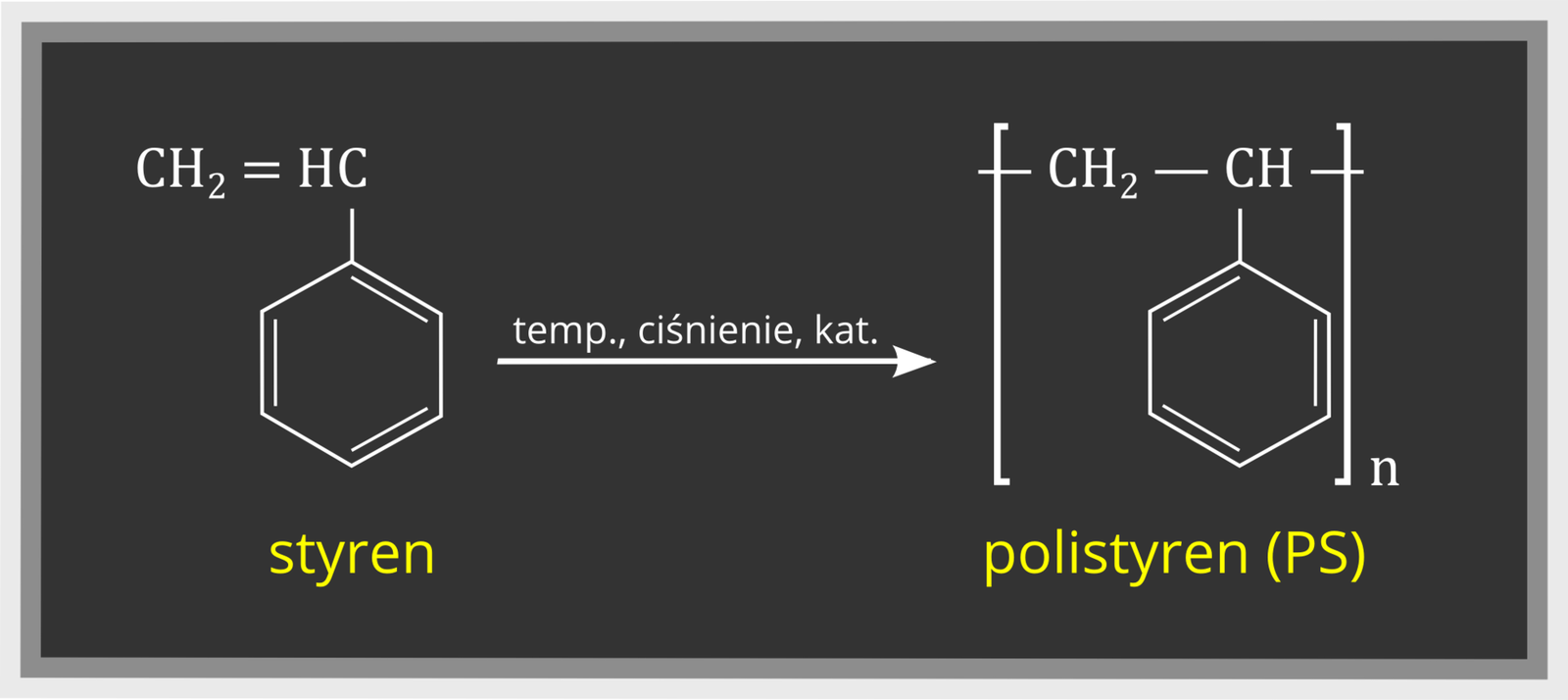
1. styrene
2. temperature, pressure, catalyst
3. polystyrene (PS)
In everyday life we often encounter foamed polystyrene, the so‑called styrofoam.
Formulate a research question and hypothesis before carrying out the experiment. Write down your observations and conclusions.
Film dostępny na portalu epodreczniki.pl
Nagranie filmowe przedstawiające eksperyment pokazujący własciwości styropianu. Pierwsze doświadczenie ukazuje palnośc styropianu do którego są wykorzystane takie narzędzia jak burner, metal tongs, styrofoam.Styropian spala się całkowicie przy czym uwalnia słodki zapach, nastepne doswiadczenie polega na sprawdzeniu w jakim rozpuszczalniku styropian zmieni swoja postać: acetate rozpuszcza, acetone rozpuszcza, carbon tetrachloromethane rozpuszcza, sulfuric(VI) nie rozpuszcza.
How can you reduce the amount of styrofoam waste?
Styrofoam can be burned or dissolved in some solvents.
styrofoam sample,
tripod,
burner,
metal pliers,
test tube with ethyl acetate,
test tube with acetone,
test tube with tetrachloromethane,
test tube with concentrated ,
test tube with concentrated .
Place a sample of styrofoam into the flame of the burner, holding it in metal pliers.
Observe if styrofoam ignites immediately or starts to melt. Pay your attention to colour of the flame, odour generated during the process. Look if the flame is smoky and still there when you remove the sample from the flame.
Then put styrofoam samples into the test tubes with: ethyl acetate (nail polish remover), acetone (solvent used by beauticians), tetrachloromethane (extinguisher in carbon‑tetrachloride extinguishers), concentrated sulphuric acid and concentrated sodium base solution.
Observe what is happening.
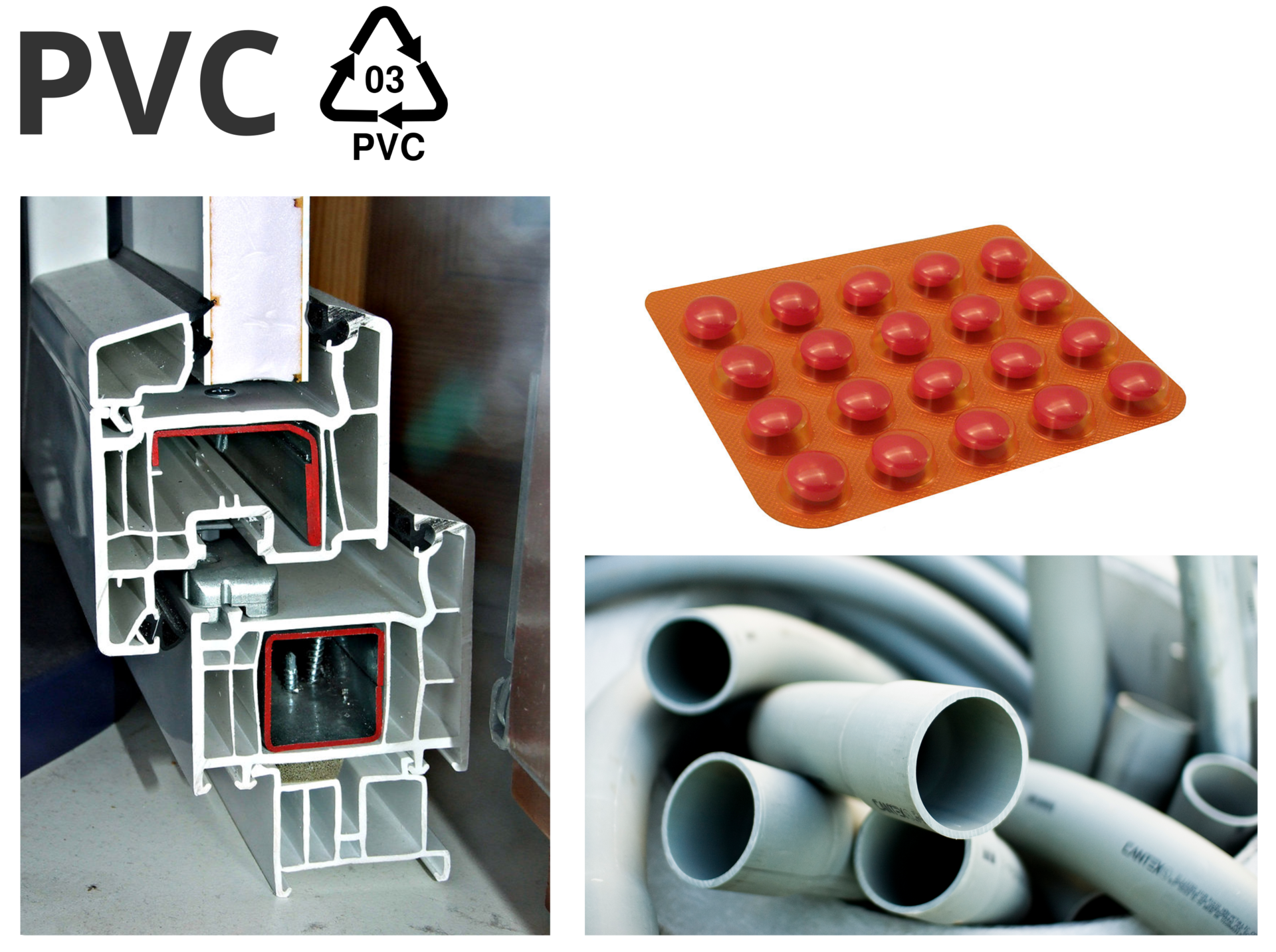
Polyvinyl chloride is a material systematically withdrawn from the production of food packaging for ecological reasons, but it is still very popular in other branches. It is formed as a result of the polymerisation of chloroethene (vinyl chloride) which is a carcinogenic compound:
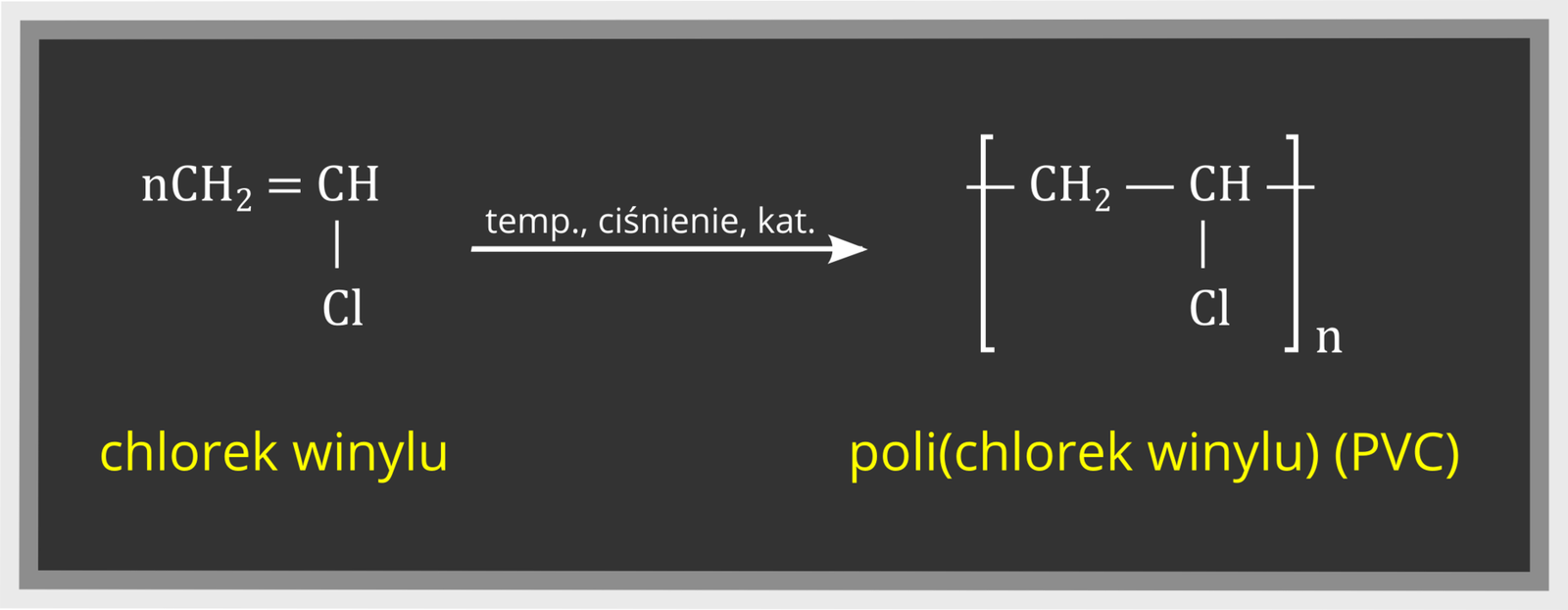
1. vinyl chloride
2. temperature, pressure, catalyst
3. polyvinyl chloride (PVC)
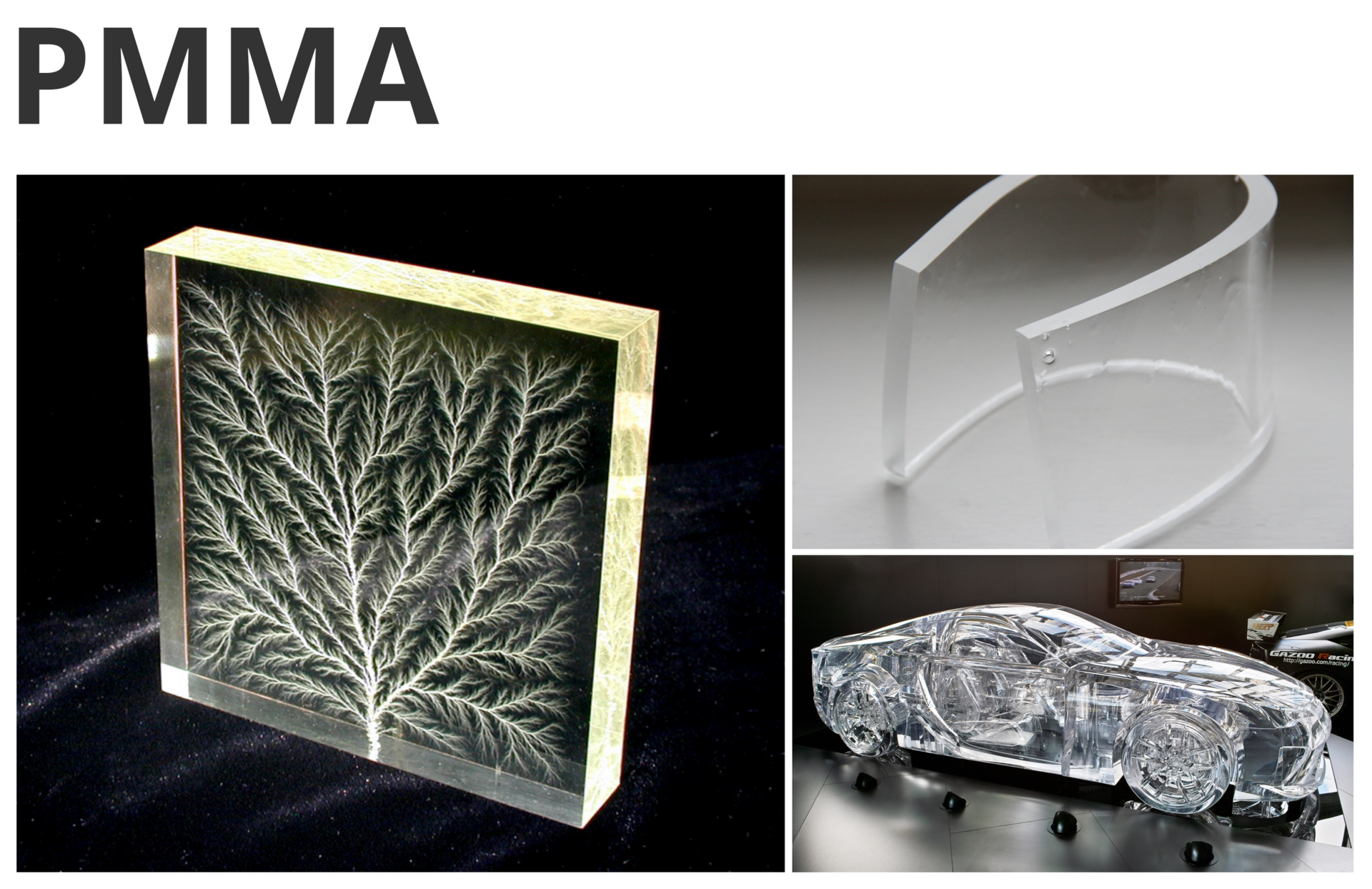
Polymethyl methacrylate, often called acrylic glass or Plexiglas, is less frequently used to manufacture packaging:
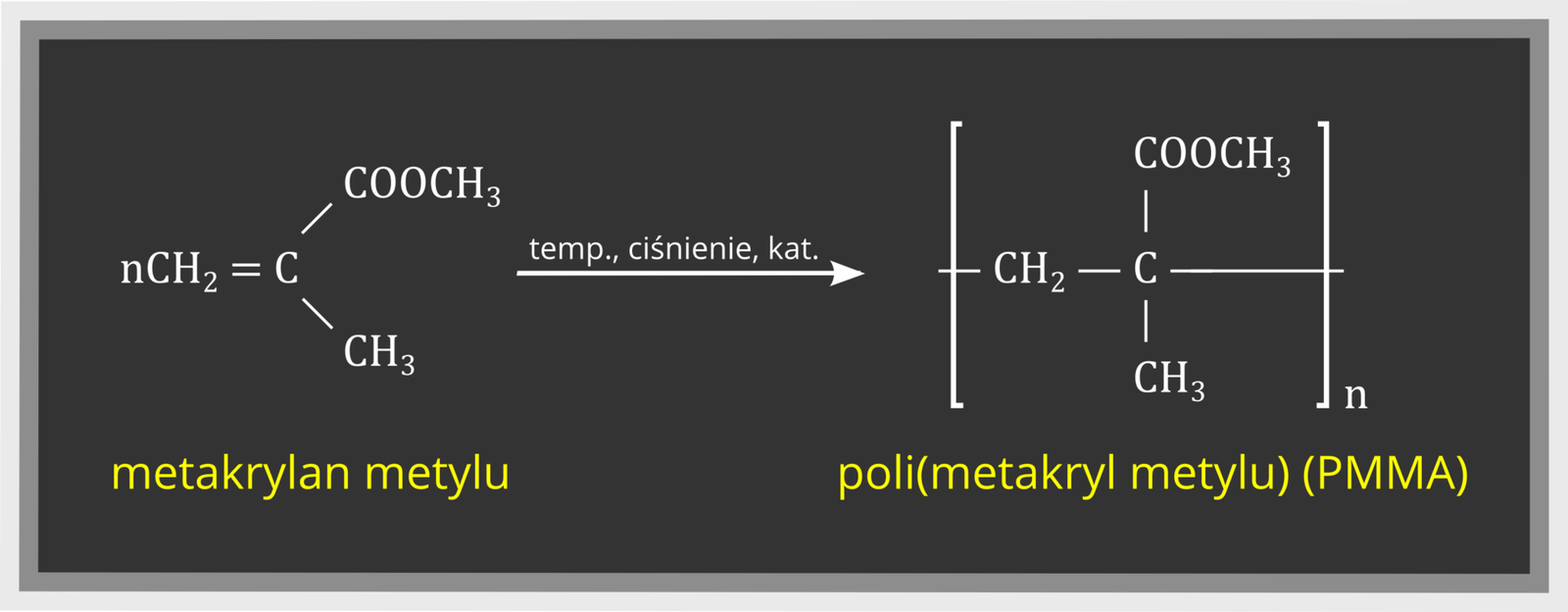
1. methyl methacrylate
2. temperature, pressure, catalyst
3. polymethyl methacrylate (PMMA)
The first plastics – parkesine – was obtained in 1862. Although a lot of time had passed since that time, at every step we realize that we cannot live without plastics.
Mark true statements.
- Polymethyl methacrylate is a product of polycondensation.
- Polymerisation takes place at high temperature and pressure and in presence of a catalyst.
- Polyvinyl chloride is a product of chloroethene polymerisation.
- Hardening plastics are rigid materials that do not change their shape when they are warmed up.
- Thermoplasticity does not allow for multiple processing and use of thermoplastics.
Summary
Waste is produced from used and unnecessary materials and items as a result of human existence and economic activity. Municipal waste is the one generated at households.
Packaging accounts for the largest percentage of municipal waste.
Plastic waste constitutes the largest type of waste in terms of its volume.
Keywords
waste, municipal waste
Glossary
odpady – niepotrzebne lub zużyte przedmioty i materiały, wytworzone w wyniku działalności przemysłowej, gospodarczej i bytowania człowieka, nieprzydatne w miejscu i w czasie, w którym powstały
odpady komunalne – odpady wytwarzane w gospodarstwach domowych