Przeczytaj
The picture below shows different ways in which we can protect our health. Read the text to find out how preventive healthcare can help you prevent some diseases in life.
Poniższe zdjęcie przedstawia różne przedmioty pomagające nam chronić zdrowie. Przeczytaj tekst, aby dowiedzieć się, w jaki sposób profilaktyka zdrowotna może pomóc w zapobieganiu niektórym chorobom.
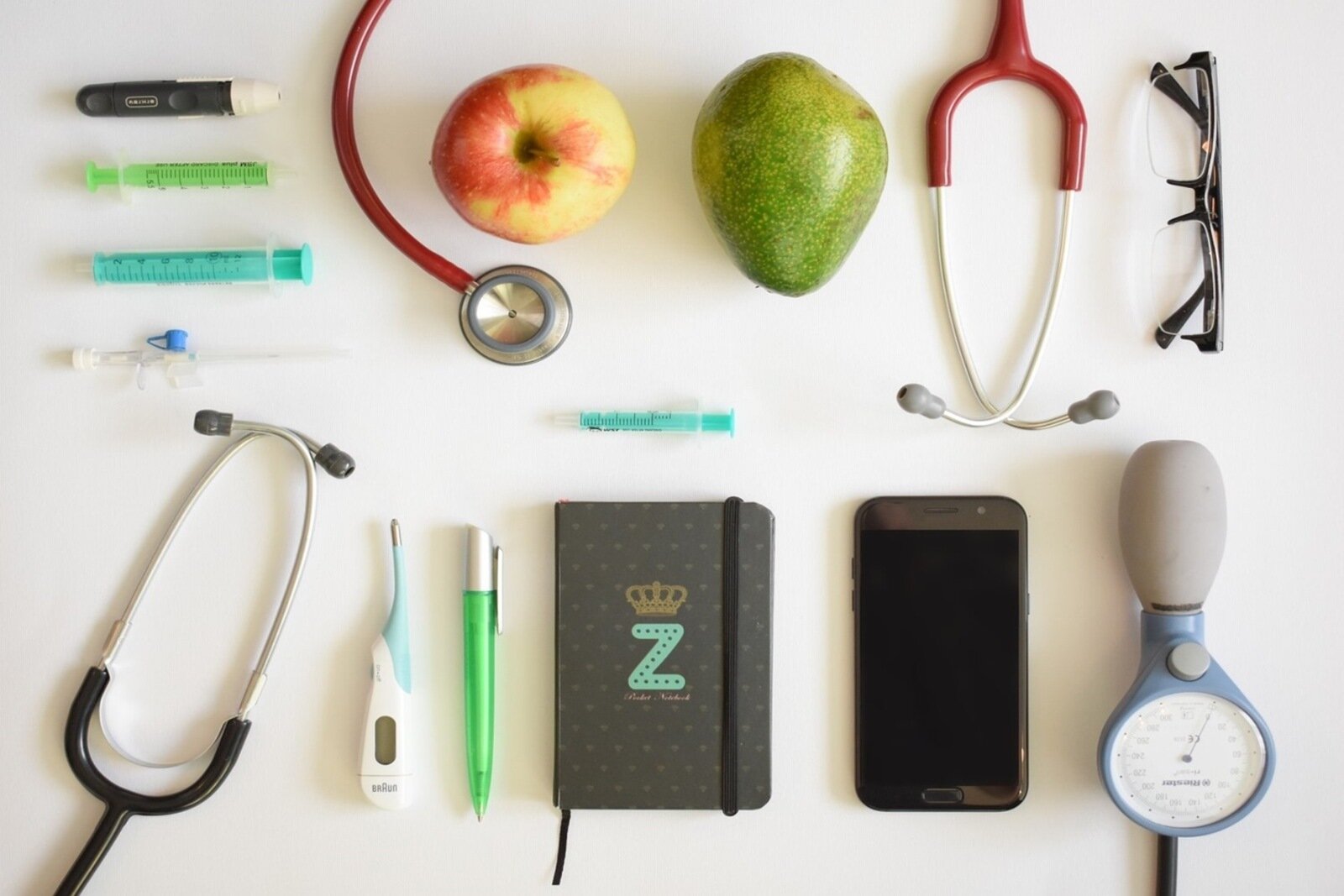
Read the text to learn more about what you can do to have a healthy life. Do you think you already have a healthy lifestyle?
The aim of the text is to: a) talk about the importance of money in the healthcare system.
b) encourage you to reflect on the importance of health.
c) criticise the poor condition of medical care.
Health Is WealthWe tend to live longer thanks to advancesadvances in medical research. However, as in the proverb “health is not valued until sickness comeshealth is not valued until sickness comes”, millions of people die of diseases which could have been prevented. According to the WHO findingsfindings, out of 55 million people who died in 2011, two thirds were victims of non‑communicable diseasesnon‑communicable diseases. In comparison, in 2000, the number was 60%. That’s why preventive healthcarepreventive healthcare is gaining so much importance in counteractingcounteracting the rise of preventable diseasespreventable diseases and, as a result, contributing to fewer deaths.
“Prevention is better than curePrevention is better than cure” says an old proverb from around the 1500s. Preventive health care, also known as prophylaxisprophylaxis, is a set of measures takenmeasures taken to prevent diseases rather than treat them. Its main idea is to try and avoid the occurrenceoccurrence of a disease before it’s too serious to be treated and it becomes life‑threateninglife‑threatening. It’s not only aimed at preventing you from getting chronically illchronically ill, but also at saving you from future expenses of medical treatment. That’s why it’s important that preventive healthcare is introduced well ahead of time and good habits are developed.
It will probably never be possible to manage and control all the health problems that people suffer from but, by taking preventivepreventive measures, you can eliminate or reduce some risk factorsrisk factors. It doesn’t mean that you have to change your life drastically, but it may involve small changes and developing healthy habitsdeveloping healthy habits. In fact, preventive healthcare includes different measures taken on different levels. It starts with parents who can protect their babies by providing them with immunisationimmunisation against diseases. The next level is regular screeningsscreenings and testing to identify genetic disorders or predispositionspredispositions based on, among all, blood tests. Last but not least are regular check‑upscheck‑ups even if you’re not feeling sick, and leading a healthy and well‑balancedwell‑balanced lifestyle.
Preventive healthcare also includes proper health promotionhealth promotion and education. It should start as early as kindergarten. Children should learn about good dietary habitsdietary habits and elements of nutritious dietnutritious diet. Older children and teenagers should have a chance to take part in talks and discussions about strategies that they can employ in their everyday lives, such as avoiding unhealthy substance abuseabuse, such as tobacco products, alcohol, energy drinks or designer drugs.designer drugs. Regular exercise not only helps you to build up muscles and enduranceendurance, but also prevents obesityobesity which is the main cause of hypertensionhypertension, cardiovascular diseasescardiovascular diseases or diabetesdiabetes.
Adopting a healthy lifestyleAdopting a healthy lifestyle is not just a matter of fashion, but a conscious decisionconscious decision to take responsibility fortake responsibility for your own life. The sooner you realise it and take action, the healthier you will be. Maybe you’re not thinking about it now, because you’re young, but “health is wealthhealth is wealth” in a number of ways. When you’re healthy you have the energy to do things and you enjoy life, and your life can be richer. You also don’t spend ridiculous amounts of money on medical care, which can ruin you financially in the long run. Think about it!
Źródło: Dorota Giżyńska , licencja: CC BY-SA 3.0.
2. The main aim of preventive healthcare is to prevent people from getting ill. TRUE FALSE.
3. Preventive healthcare always includes making big changes in your life. TRUE FALSE.
4. Exercising is not only about keeping fit, but also about reducing the risk of developing diseases. TRUE FALSE.
5. The aim of the text is to make young people aware of the importance of taking steps to have enough money in the future. TRUE FALSE.
2. A set of measures taken to prevent diseases is called immunisation prophylaxis screening.
3. You can now eliminate or reduce predispositions check-ups risk factors thanks to a well-balanced lifestyle.
4. You can start changing your lifestyle by introducing good dietary nutritious life-threatening habits.
5. You can prevent the endurance occurrence conscious of a disease by having regular check-ups.
6. Preventive healthcare includes avoiding unhealthy substance obesity diabetes abuse.
7. It’s important that you take decision responsibility measures for your own life.
8. Everyone should remember the saing “prevention is better than immunisation hypertension cure.”
a) blood system.
b) mental health.
c) designer drugs.
2. When you are chronically ill, you
a) have short-term health problems.
b) have long-term health problems.
c) have problems with health from time to time. 3. When you develop healthy habits, you:
a) abuse them.
b) avoid them.
c) adopt them.
4. If you take a conscious decision, you:
a) think about it.
b) don’t think about it.
c) think it’s ridiculous.
5. If you try to counteract something, you:
a) abuse it.
b) prevent it.
c) adopt it.
6. A non-communicable disease is
a) a disease that is very infectious.
b) a disease that attacks every person.
c) not transmitted from one person to another.
Answer the questions with 2–3 sentences.
Do you think you have a well‑balanced lifestyle? Why/why not?
How do you understand the words “Prevention is better than cure”?
Are people your age worried about health? Why/why not?
Słownik
/ əˈbjuːs /
nadużywanie
/ əˈdɒptɪŋ ə ˈhelthetai ˈlaɪfstaɪl / / əˈdɒpt ə ˈhelthetai ˈlaɪfstaɪl /
wdrażanie zdrowego trybu życia [wdrażać zdrowy tryb życia]
/ ədˈvɑːnsɪz / / ədˈvɑːns /
postępy [postęp]
/ ˌkɑːdiəʊˈvæskjələ dɪˈziːzɪz / / ˌkɑːdiəʊˈvæskjələ dɪˈziːz /
choroby układu krążenia [choroba układu krążenia]
/ ˈtʃek ʌps / / ˈtʃek ʌp /
wizyty kontrolne [wizyta kontrolna]
/ ˈkrɒnɪkl̩i ɪl /
przewlekle chory/chora
/ ˈkɒnʃəs dɪˈsɪʒn̩ /
świadoma decyzja
/ ˌkaʊntəˈræktɪŋ / / ˌkaʊntəˈrækt /
zapobieganie [zapobiegać]
/ dɪˈzaɪnə ˈdrʌɡz / / dɪˈzaɪnə ˈdrʌɡ /
dopalacze [dopalacz]
/ dɪˈveləpɪŋ ˈhelthetai ˈhæbɪts / / dɪˈveləp ˈhelthetai ˈhæbɪts /
kształtowanie zdrowych nawyków [kształtować zdrowe nawyki]
/ ˌdaɪəˈbiːtɪz /
cukrzyca
/ ˈdaɪətəri ˈhæbɪts /
nawyki dietetyczne
/ ɪnˈdjʊərəns /
wytrzymałość
/ ˈfaɪndɪŋz / / ˈfaɪndɪŋ /
tu: wyniki badań [wynik badań]
/ heltheta ɪz nɒt ˈvæljuːd ʌnˈtɪl ˈsɪknəs ˈkʌmz /
powiedzenie: zdrowie docenia się wtedy, gdy je się straci
/ heltheta ɪz weltheta /
powiedzenie: zdrowie to podstawa, grunt to zdrowie
/ heltheta prəˈməʊʃn̩ /
promocja zdrowia
/ ˌhaɪpəˈtenʃn̩ /
nadciśnienie
/ ˌɪmjunaɪˈzeɪʃn /
szczepienie
/ ˈlaɪf thetaretnɪŋ /
zagrażający/zagrażająca życiu
/ ˈmeʒəz ˈteɪkən / / ˈteɪk ˈmeʒəz /
podejmowane środki zapobiegawcze [podejmować środki zapobiegawcze]
/ ˈnɒnkəˈmjuːnɪkəbl dɪˈziːzɪz / / ˈnɒnkəˈmjuːnɪkəbl dɪˈziːz /
chorób niezakaźnych [choroba niezakaźna]
/ njuːˈtrɪʃəs ˈdaɪət /
odżywcza dieta
/ əʊˈbiːsɪti /
otyłość
/ əˈkʌrəns /
wystąpienie, pojawienie się
/ ˌpriːdɪspəˈzɪʃn̩z / / ˌpriːdɪspəˈzɪʃn̩ /
predyspozycje [predyspozycja]
/ prɪˈventəbl̩ dɪˈziːzɪz / / prɪˈventəbl̩ dɪˈziːz /
choroby, którym można zapobiec [choroba, której można zapobiec]
/ prɪˈvenʃn̩ ɪz ˈbetə ðən kjʊə /
powiedzenie: lepiej zapobiegać niż leczyć
/ prɪˈventɪv /
zapobiegawcze
/ prɪˈventɪv ˈhelthetaˌker /
profilaktyka zdrowotna
/ ˌprɒfɪˈlæksɪs /
profilaktyka
/ rɪsk ˈfæktəz / / rɪsk ˈfæktə /
czynniki ryzyka [czynnik ryzyka]
/ ˈskriːnɪŋz / / ˈskriːnɪŋ /
tu: badania przesiewowe [badanie przesiewowe]
/ ˈteɪk rɪˌspɒnsəˈbɪlɪti fɔː /
brać odpowiedzialność za
/ wel ˈbælənst /
zrównoważony/zrównoważona
Źródło: GroMar Sp. z o.o., licencja: CC BY‑SA 3.0