Nagranie dźwiękowe dotyczące roślin, które uprawiamy
People not only breed animals, but also cultivate plants. Some can be cultivated for pleasure, others for their beautiful flowers of leaves. However, the most important are plants that provide sustinence (e.g. cereals, fruit shrubs and trees), oil (e.g. sunflower) and fibres used in the production of fabrics (linen, cotton).
R1DKANUw7xTRE
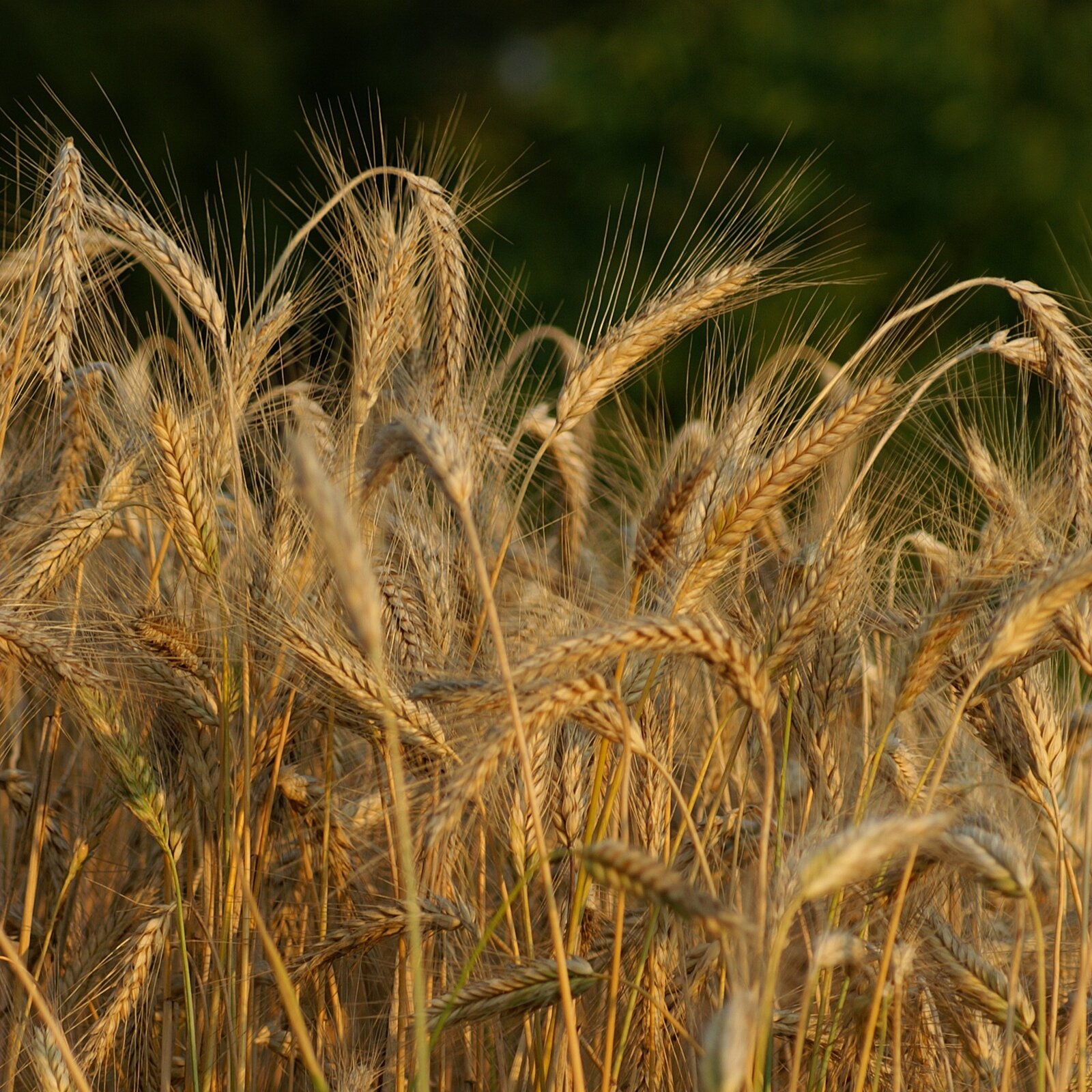
Fotografia barwna wykonana w słoneczny dzień prezentuje kłosy zbóż rosnących na polu.
Wheat. Wheat is one of the most important cereals grown in the world. Her kernels are made, among others wheat flour, which we use to produce bread, cakes and pasta
Source: Böhringer Friedrich, http://commons.wikimedia.org, licencja: CC BY-SA 2.5.
An important group of plants cultivated on fields are root cropsroot cropsroot crops. They are challenging to cultivate and need a large amount of water, but in exchange provide many nutrients. They include, among others, potatoes, beets, carrots, parsley and chicory.
As regards the human economy, oilseeds also play an important role. Their seeds contain large amounts of fats used in the production of cooking oil – a healthier alternative to animal fats. For several years now, it’s also been used in the production for biofuels.
Garden plants
Many of those who live outside rural areas cultivate plants, for example in allotments. Their owners have their own vegetables and fruit – they don’t have to buy them at the store for at least part of the year. Such gardes are also an additional and essential source of clean air in cities. The provide shelter to many animals, including birds. They are a place where people can rest, whereas the work they put in to cultivate plants gives them pleasure and keeps the in good health.
R1T4EMtuyq84U
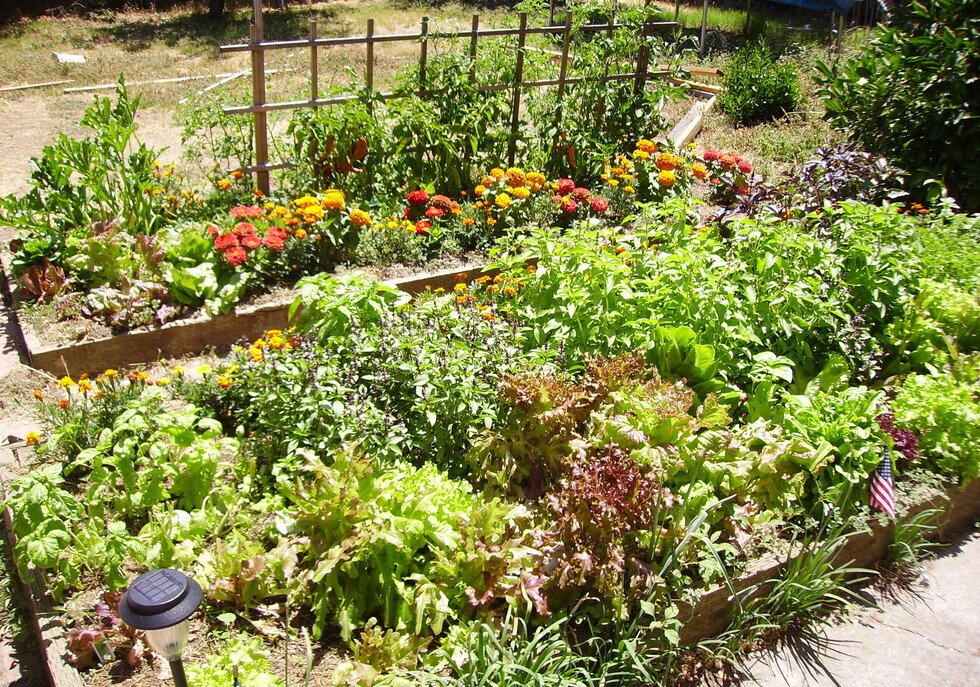
Fotografia prezentuje fragment ogródka działkowego z gęsto porośniętymi grządkami warzyw oraz kwiatów.
Allotments or home gardens are a very healthy way to spend free time
Source: Srl, http://commons.wikimedia.org, licencja: CC BY-SA 3.0.
An allotment must be maintained in a way that will be beneficial for the environment. Lets check what mistakes to avoid when maintaining one’s own garden.
RGUfTF4LOBOR2
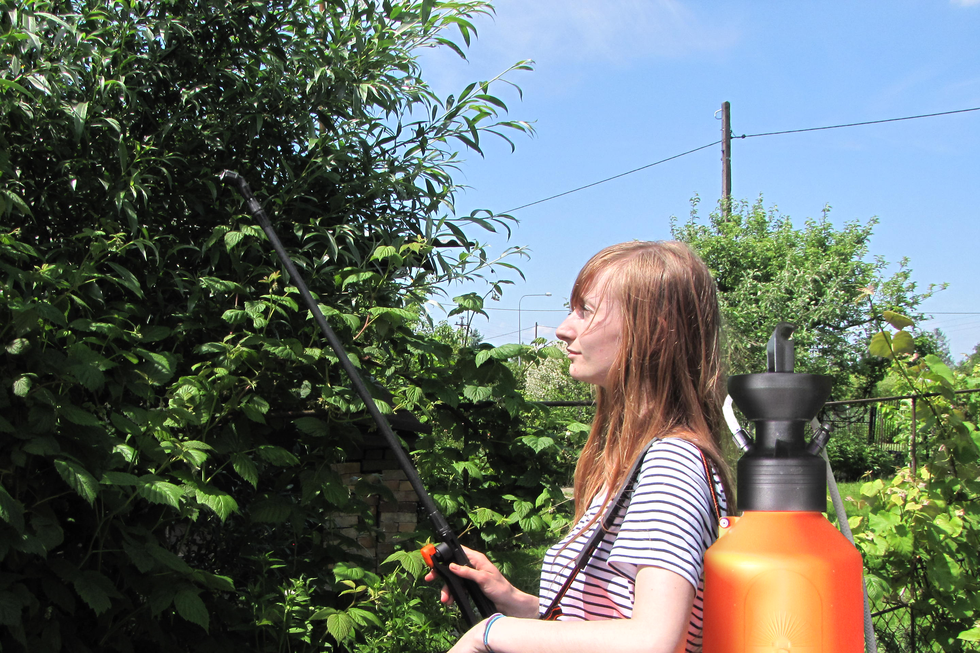
Fotografia prezentuje kobietę opryskującą drzewa w ogrodzie. Na plecach ma pomarańczowo-czarny opryskiwacz ciśnieniowy ręczny.
Excessive use of pesticides and weedicides poisons the soil. Weeding is best done by hand and pests can be eradicated using natural agents, e.g. produced from garlic. Garlic is poisonous to many insects and does not affect plants. In addition, it is not necessary to wear protective gear when spraying
Source: Tomorrow Sp. z o.o., licencja: CC BY 3.0.
RrviodKYwE1aK
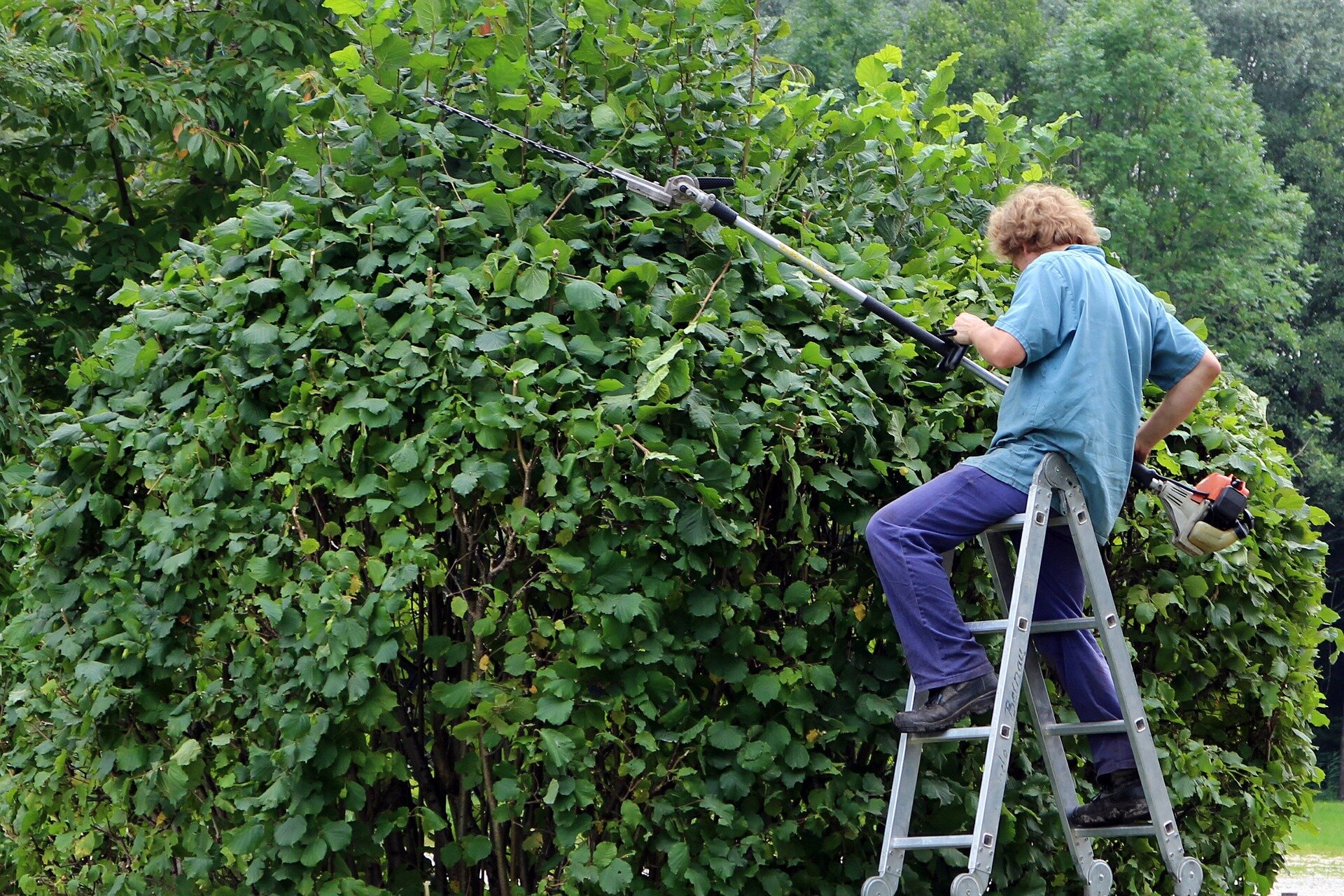
Zdjęcie przedstawiające mężczyznę przycinającego gałęzie bujnego, liściastego krzewu za pomocą piły ręcznej. Mężczyzna stoi na drabinie.
Some trees and shrubs sometimes need to have their branches cut down, but this should never be done in summer, a birds may have set up nests in those branches. It’s best to cut them in late autumn or early spring
Source: http://pixabay.com, licencja: CC 0.
House plants
Those who live in the city and don’t have their own home garden or allotment can try their hand at cultivating plants as well. All they need is a flowerpot, appropriate garden soil and seeds or seedlings of plants they have chosen. All that’s needed to know are the requirements of the chosen plant: in what type of soil it thrives, whether it likes places with a lot of sunlight or shade, and how often it needs to be watered. All this information can be found, for instance, on the seed package, online or in guidebooks on how to cultivate plants. If you take good care of your plants, they will repay you with a healthy appearance and beautiful flowers. They will also purify the air in your home.
Potted plants
Potted plants
R12xrOPhRxE7c
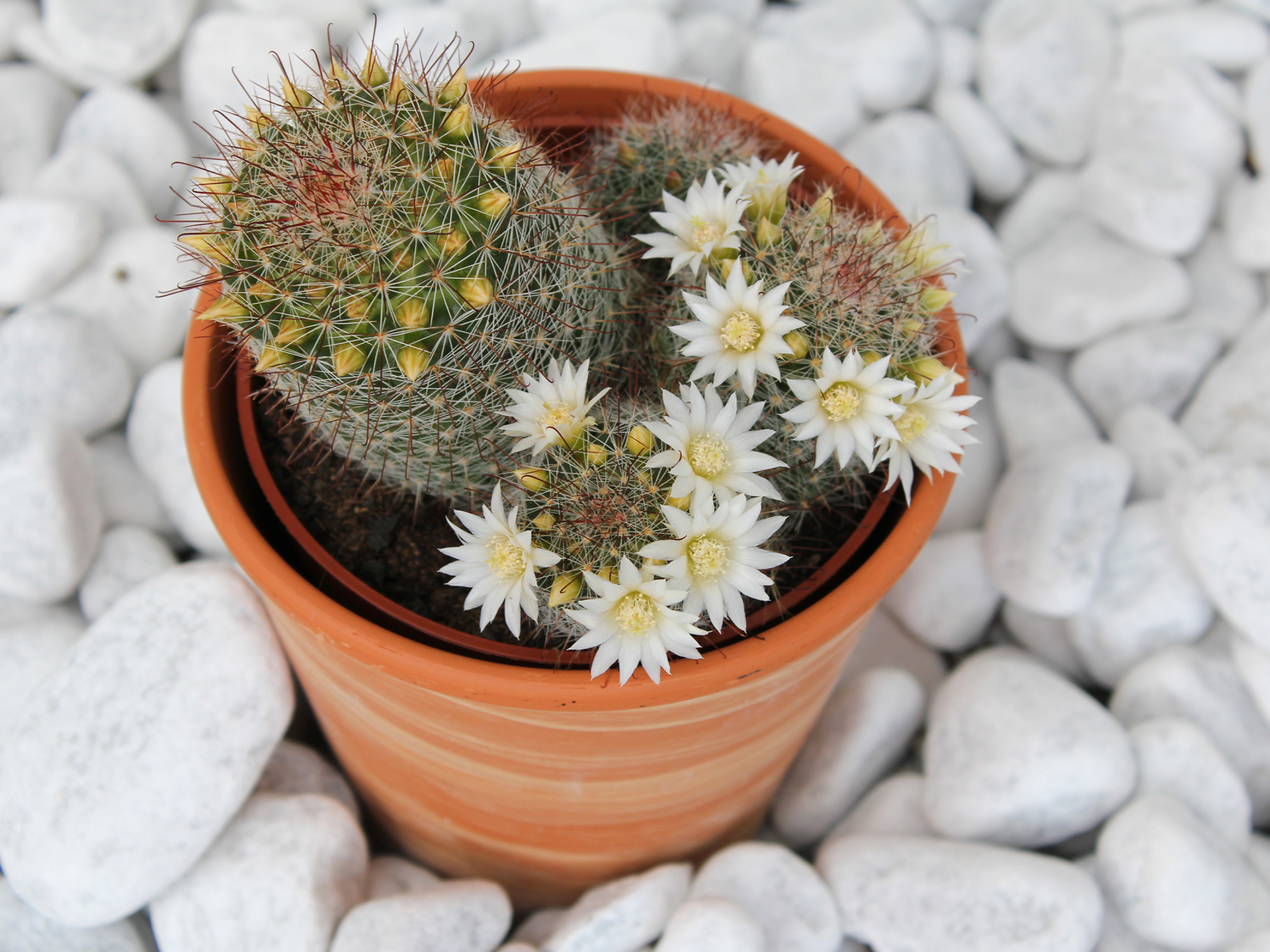
Fotografia prezentuje kwitnące na biało, małe kaktusy w doniczce. Doniczka ma kolor pomarańczowy i stoi na białych, drobnych kamieniach.
Cactus
Source: Daniel Zimmermann, www.flickr.com, licencja: CC BY 2.0.
RFTTKpQGWttw7
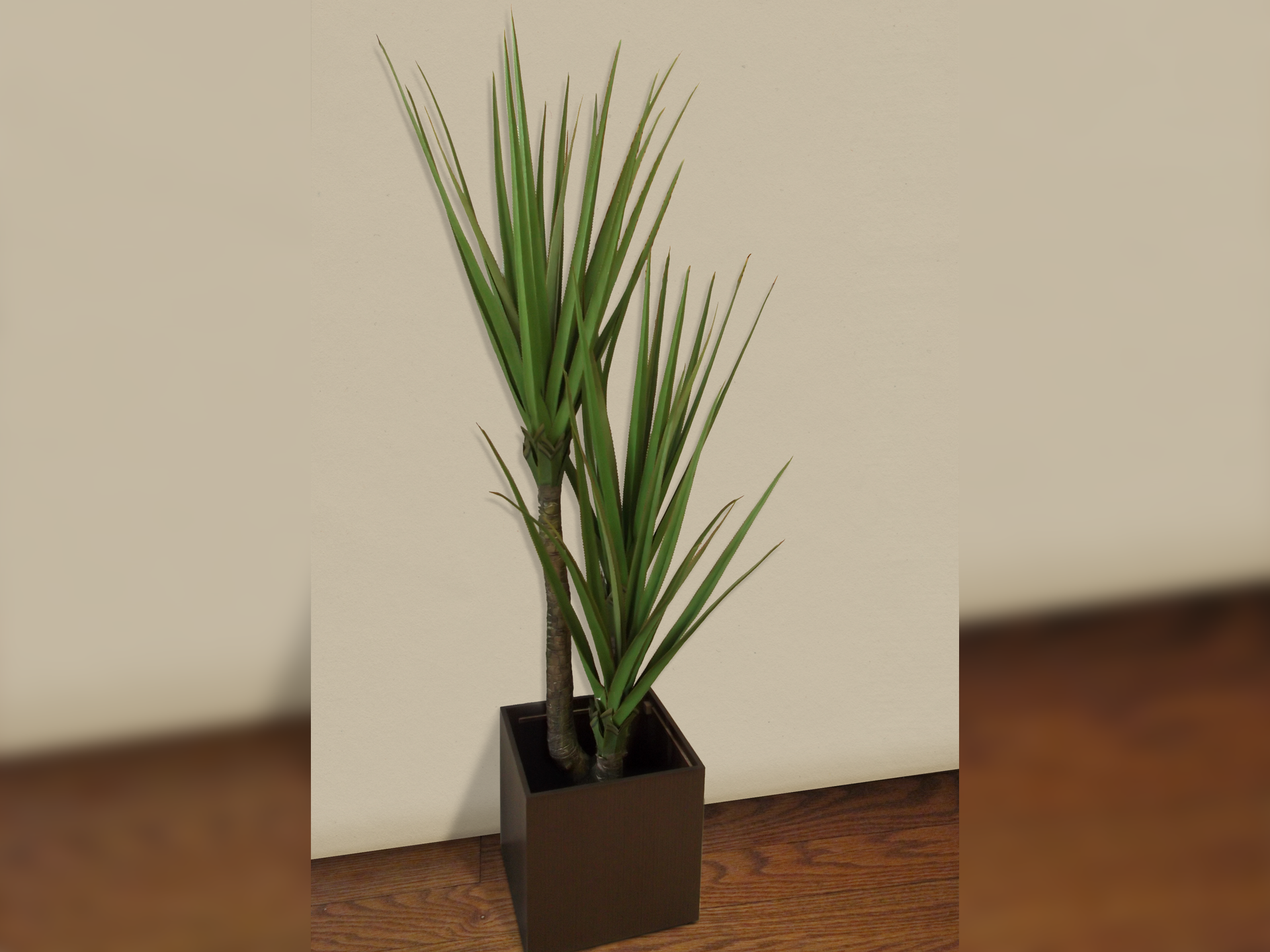
Fotografia prezentuje dracenę z długimi lancetowatymi liśćmi. Dracena stoi na drewnianej podłodze na tle białej ściany.
Dragon tree
Source: egan76, omorrow Sp. z o.o., rosepresentes, www.flickr.com, licencja: CC BY 2.0.
RZ2tfNymwSaWl
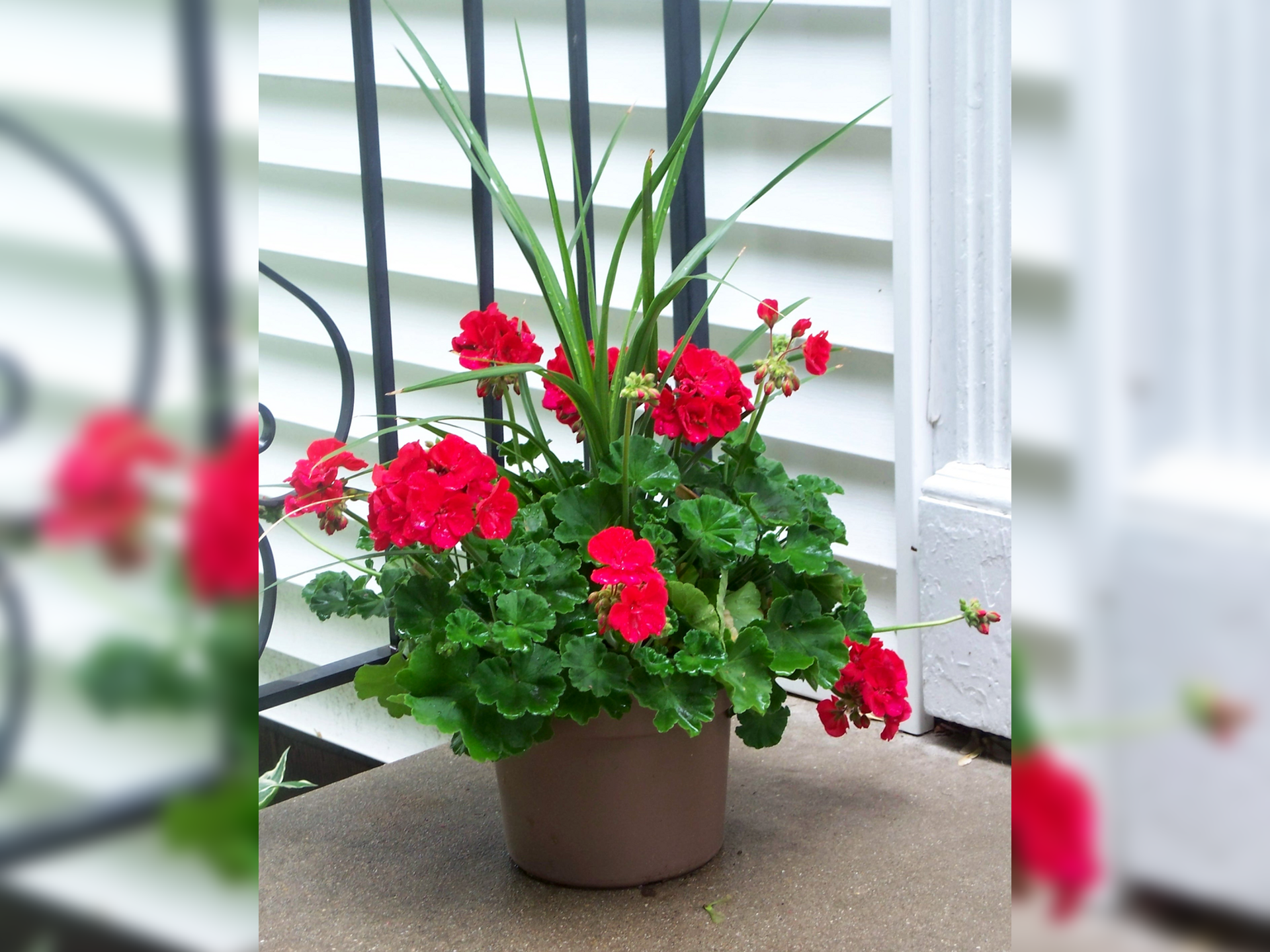
Fotografia barwna prezentuje pelargonię z czerwonymi kwiatami rosnącą w doniczce, która jest ustawiona na balkonie. Na drugim planie widać białą ścianę oraz niebieską balustradę.
Geranium
Source: CinCool, www.flickr.com, licencja: CC BY 2.0.
R1AFoPOo1BVtK
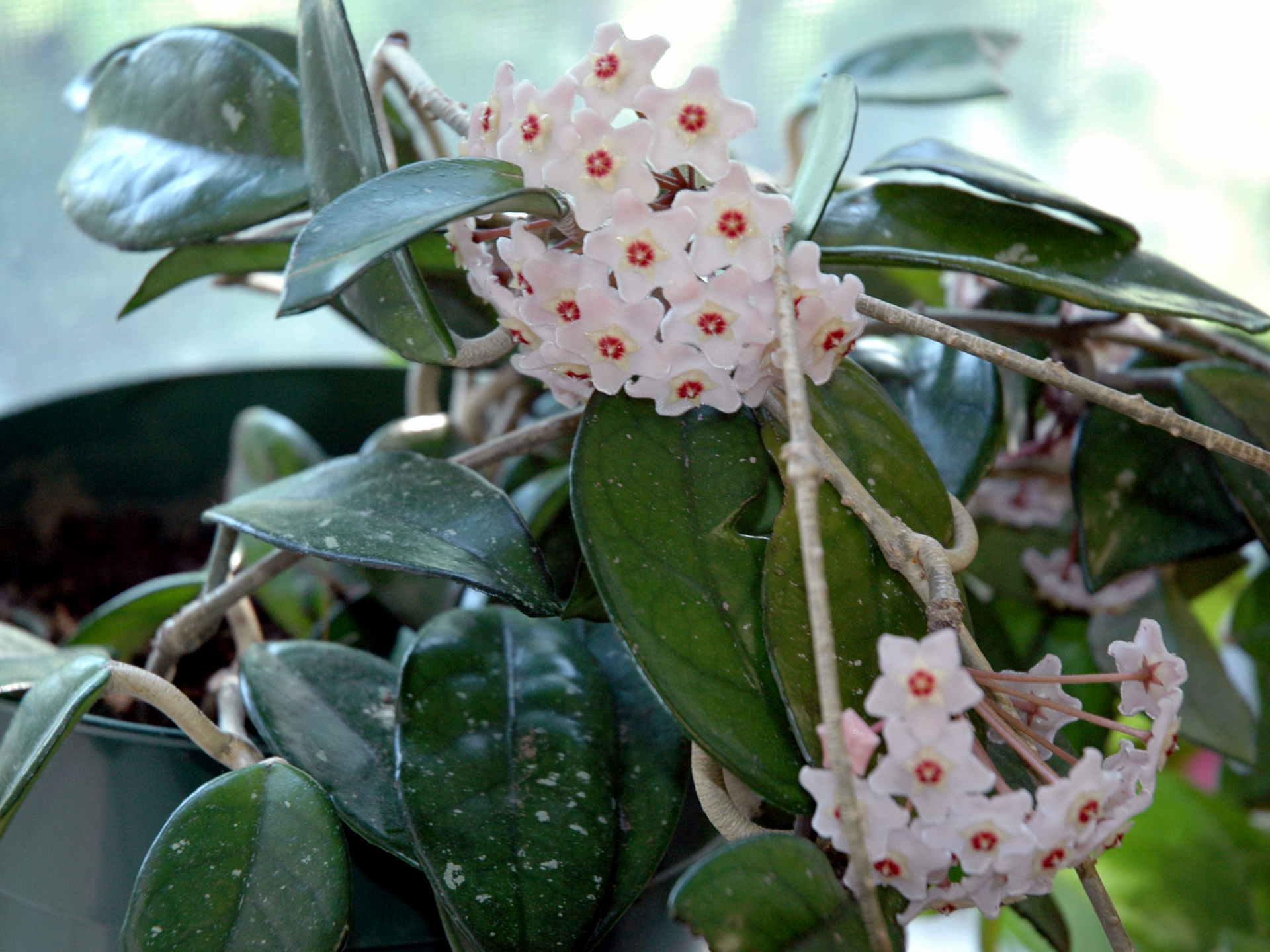
Fotografia barwna przedstawia białe kwiatostany hoi z czerwonymi środkami. Kwiat rośnie w zielonej doniczce.
Hoya
Source: Yvan leduc, http://commons.wikimedia.org, licencja: CC BY-SA 3.0.
R1HVOJaSRNxln
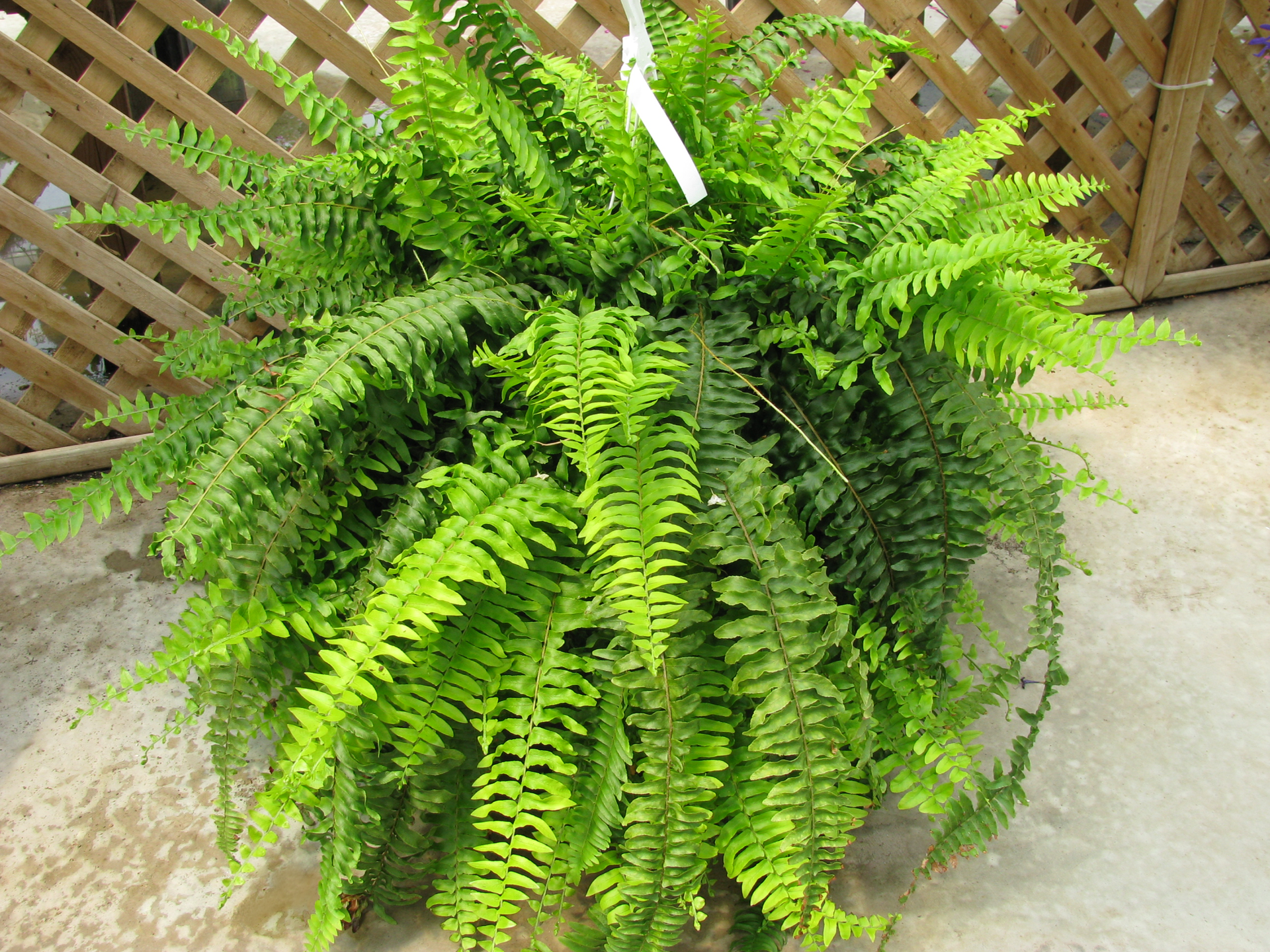
Fotografia barwna prezentuje paproć z pióropuszem zielonych liści. W tle ustawione jest drewniane ogrodzenie.
Fern
Source: GJFamily, www.flickr.com, licencja: CC BY 2.0.
R15YZGGge88cs
Fotografia przedstawia pelargonię o różowych kwiatkach i zielonych liściach. Pelargonia rośnie w niebieskiej kamiennej doniczce. Po lewej stronie doniczki wysypane drobne kamienie, po prawej metalowa kratka. Na fotografii są opisy:
1- najlepiej rośnie w pełnym słońcu lub w lekkim półcieniu
2- w doniczkach muszą mieć dużo miejsca do wzrostu
3- na dnie pojemników musi być warstwa żwiru
4- należy obficie podlewać
5- wymagają regularnego nawożenia
6- przed nastaniem przymrozków przenosimy je do jasnego pomieszczenia o temperaturze nie wyższej niż 14°C
Fotografia przedstawia pelargonię o różowych kwiatkach i zielonych liściach. Pelargonia rośnie w niebieskiej kamiennej doniczce. Po lewej stronie doniczki wysypane drobne kamienie, po prawej metalowa kratka. Na fotografii są opisy:
1- najlepiej rośnie w pełnym słońcu lub w lekkim półcieniu
2- w doniczkach muszą mieć dużo miejsca do wzrostu
3- na dnie pojemników musi być warstwa żwiru
4- należy obficie podlewać
5- wymagają regularnego nawożenia
6- przed nastaniem przymrozków przenosimy je do jasnego pomieszczenia o temperaturze nie wyższej niż 14°C
Geraniums – conditions for cultivation
Source: GroMar Sp. z o.o., licencja: CC BY-SA 3.0.
Transplanting plants
Plants cultivated in flowerpots use mineral soils absorbed from the soil. That’s why they need to be transplanted into larger pots each year. In addition, by transplanting a plant to a larger pot you’re giving it more space to develop roots. It’s quite easy to transplant plants.
Transplanting a potted plants
Transplanting a potted plants
ReRIJYCeZ4dVT
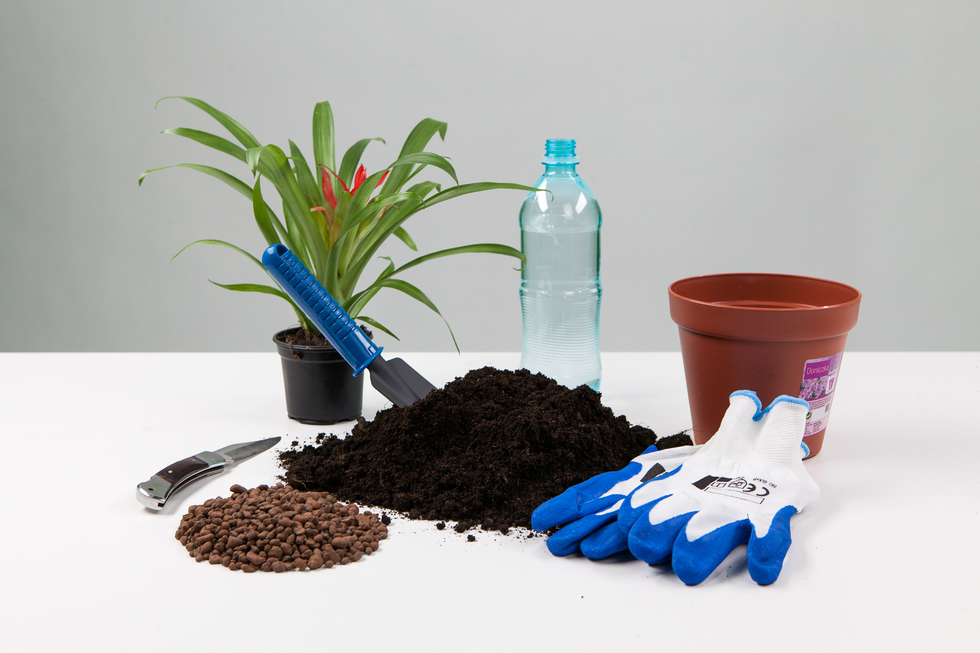
Fotografia przedstawia przybory potrzebne do przesadzania rośliny: żwir, ziemia, łopatka, nóż, rękawice, nowa doniczka, woda w butelce.
Prepare a pot with the plant that need to be transplanted, a new larger pot, appropriate garden soil, gloves, a small shovel and some gravel or small rocks
Source: Tomorrow Sp. z o.o., licencja: CC BY 3.0.
R10dH8TvwaT89
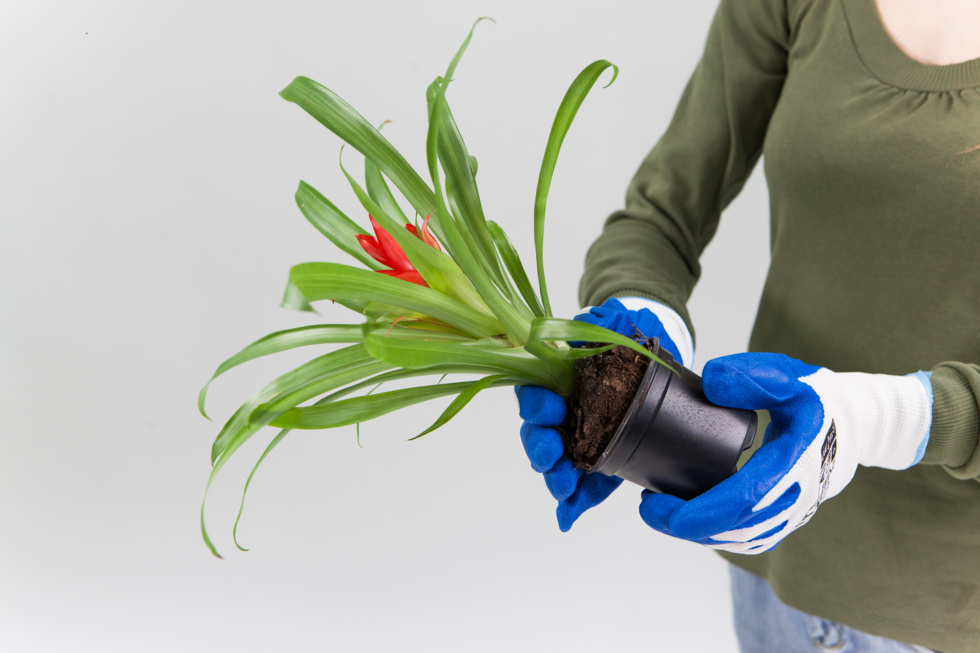
Fotografia przedstawia postać kobiety w niebieskich rękawiczkach, która wyjmuje roślinę z doniczki.
Try to carefully separate the soil from the pot. If the plant is hard to take out, you can try to pry the roots free with a knife – be careful not to damage them
Source: Tomorrow Sp. z o.o., licencja: CC BY 3.0.
Rxrr586yGZH2Q
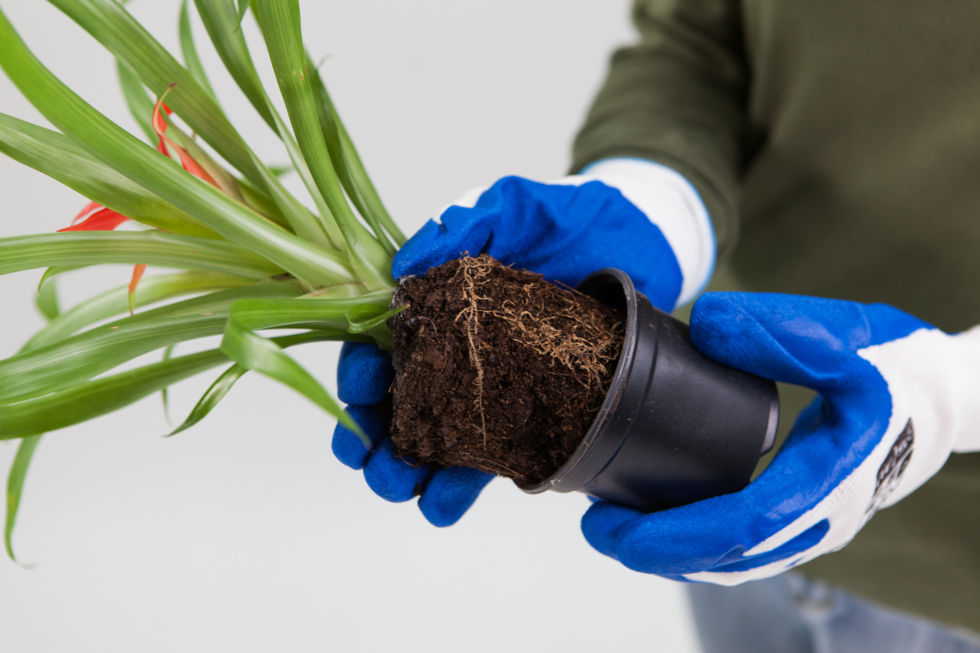
Fotografia przedstawia wyjętą roślinę z doniczki, trzymaną przez osobę w niebieskich rękawiczkach.
The roots of a plant that has not been re-potted for a long time are usually compact. They need to be loosened a little, so as to enable the plant to absorb water more effectively. It can be done, for example, by lightly tapping the roots against a surface or carefully clean them by hand
Source: Tomorrow Sp. z o.o., licencja: CC BY 3.0.
R13h3AXNwXIbC
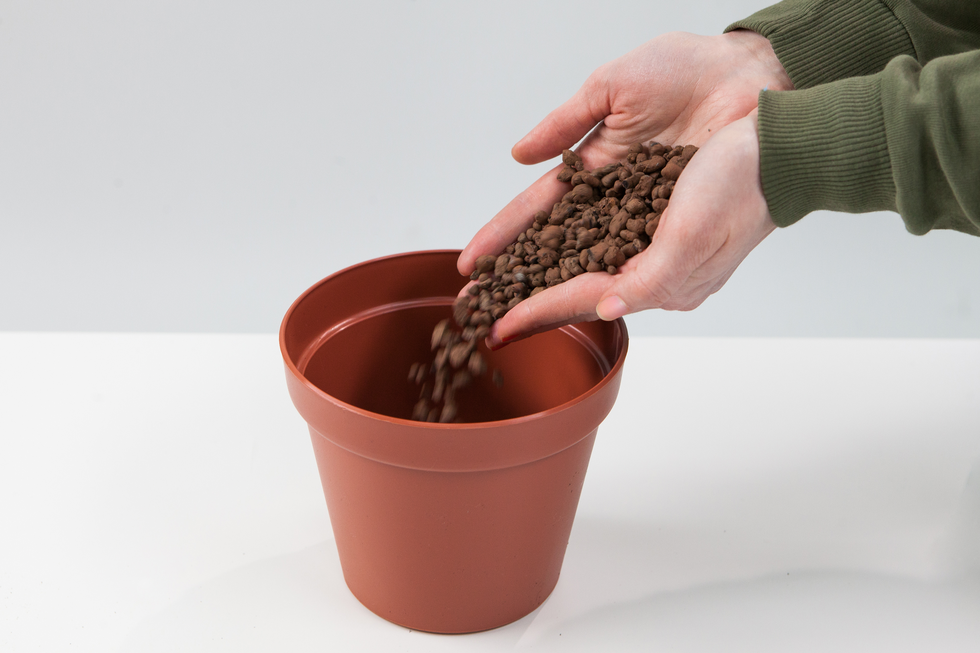
Fotografia przedstawia dłonie osoby, która nasypuje żwir do brązowej doniczki
Pour some gravel at the bottom of a new pot. This way excess water will not linger between roots, which could cause them to rot.
Source: Tomorrow Sp. z o.o., licencja: CC BY 3.0.
RBSts8ilsrt4S
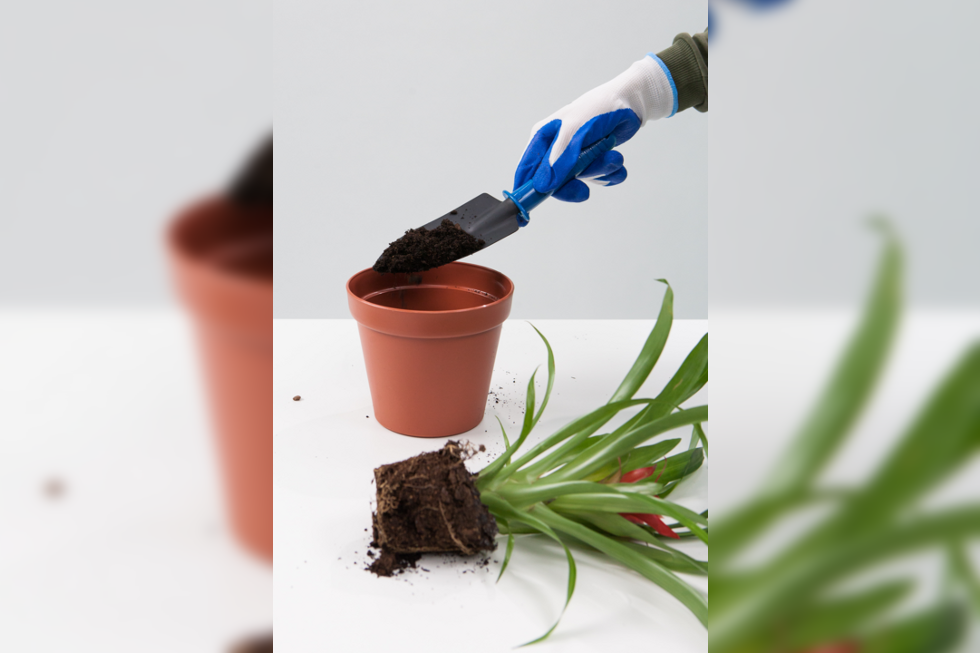
Fotografia przedstawia dłonie w rękawiczkach. Osoba nasypuje łopatką ziemię do doniczki.
Cover gravel with a think layer of soil
Source: Tomorrow Sp. z o.o., licencja: CC BY 3.0.
RsXnP48P1j7L4
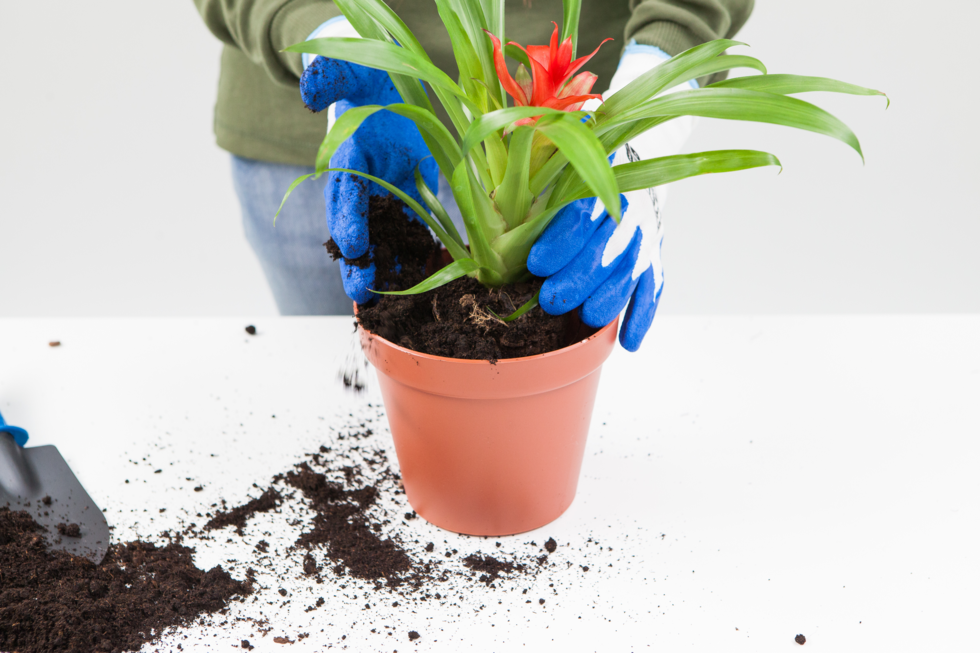
Fotografia przedstawia roślinę, która zostaje włożona do przygotowanej doniczki, a następnie zostaje dosypana ziemia.
Transfer the plant to a new pot. While holding the plant in one hand, fill the pot with soil
Source: Tomorrow Sp. z o.o., licencja: CC BY 3.0.
RRfxrC3t21WUX
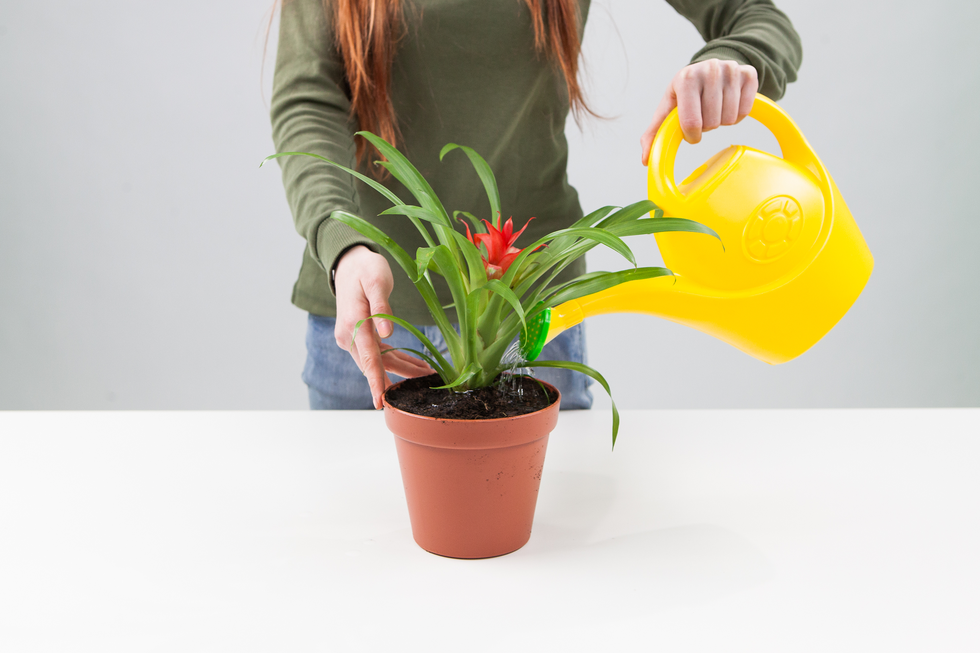
Fotografia przedstawia posadzoną roślinę w doniczce, która zostaje podlana przez kobietę.
At the end water the plant so that the soil is wet
Source: Tomorrow Sp. z o.o., licencja: CC BY 3.0.
RrXgqdxxIxBZe
Exercise 1
Ćwiczenie oceń, czy zdanie jest prawdziwe czy fałszywe. Specify whether the statement is true or false. All pot plants must be positioned in a place with access to sunlight. Możliwe odpowiedzi: True, False. Pot plants must be watered depending on their requirements and weather conditions. Możliwe odpowiedzi: True, False. Gravel at the bottom of the pot ensures that roots will not rot. Możliwe odpowiedzi: True, False
Ćwiczenie oceń, czy zdanie jest prawdziwe czy fałszywe. Specify whether the statement is true or false. All pot plants must be positioned in a place with access to sunlight. Możliwe odpowiedzi: True, False. Pot plants must be watered depending on their requirements and weather conditions. Możliwe odpowiedzi: True, False. Gravel at the bottom of the pot ensures that roots will not rot. Możliwe odpowiedzi: True, False
Specify whether the statement is true or false.
True
False
All pot plants must be positioned in a place with access to sunlight.
□
□
Pot plants must be watered depending on their requirements and weather conditions.
□
□
Gravel at the bottom of the pot ensures that roots will not rot.
□
□
RHRtJc7TJAcbn
Exercise 2
Ćwiczenie podaj, jak nazywają się rośliny, które wymagają okopywania w okresie wegetacji. Plants that should be regularly digged during cultivation, i.e. cover the root parts of the soil with the soil to grow more, are called... Możliwe odpowiedzi: 1. root crops, 2. cereals, 3. vegetables, 4. pot plants
Ćwiczenie podaj, jak nazywają się rośliny, które wymagają okopywania w okresie wegetacji. Plants that should be regularly digged during cultivation, i.e. cover the root parts of the soil with the soil to grow more, are called... Możliwe odpowiedzi: 1. root crops, 2. cereals, 3. vegetables, 4. pot plants
Plants that should be regularly digged during cultivation, i.e. cover the root parts of the soil with the soil to grow more, are called...
root crops
cereals
vegetables
pot plants
Summary
Plants are cultivated for pleasure and for business purposes.