Przeczytaj
Would you like to see zebras, rhinos or giraffes in the wilderness? Would you like to watch elephants playing in the water or sleeping lions? If your answer is yes, then a safari is for you! A safari is a trip during which you can watch animals in national parks and nature reserves in Africa. You will read about Sasha’s safari experiences. Would you like to go on a safari?
Czy miałbyś/miałabyś ochotę zobaczyć zebry, nosorożce lub żyrafy w naturalnym środowisku? Czy marzysz o tym, by podglądać słonie bawiące się w wodzie lub śpiące lwy? Jeśli tak, to safari jest czymś dla ciebie. Safari to podróż do Afryki polegająca na obserwowaniu zwierząt w tamtejszych parkach narodowych i rezerwatach przyrody. Przeczytasz tekst o doświadczeniach Sashy związanych z safari. Chciałbyś/chciałabyś pojechać na taką wyprawę?
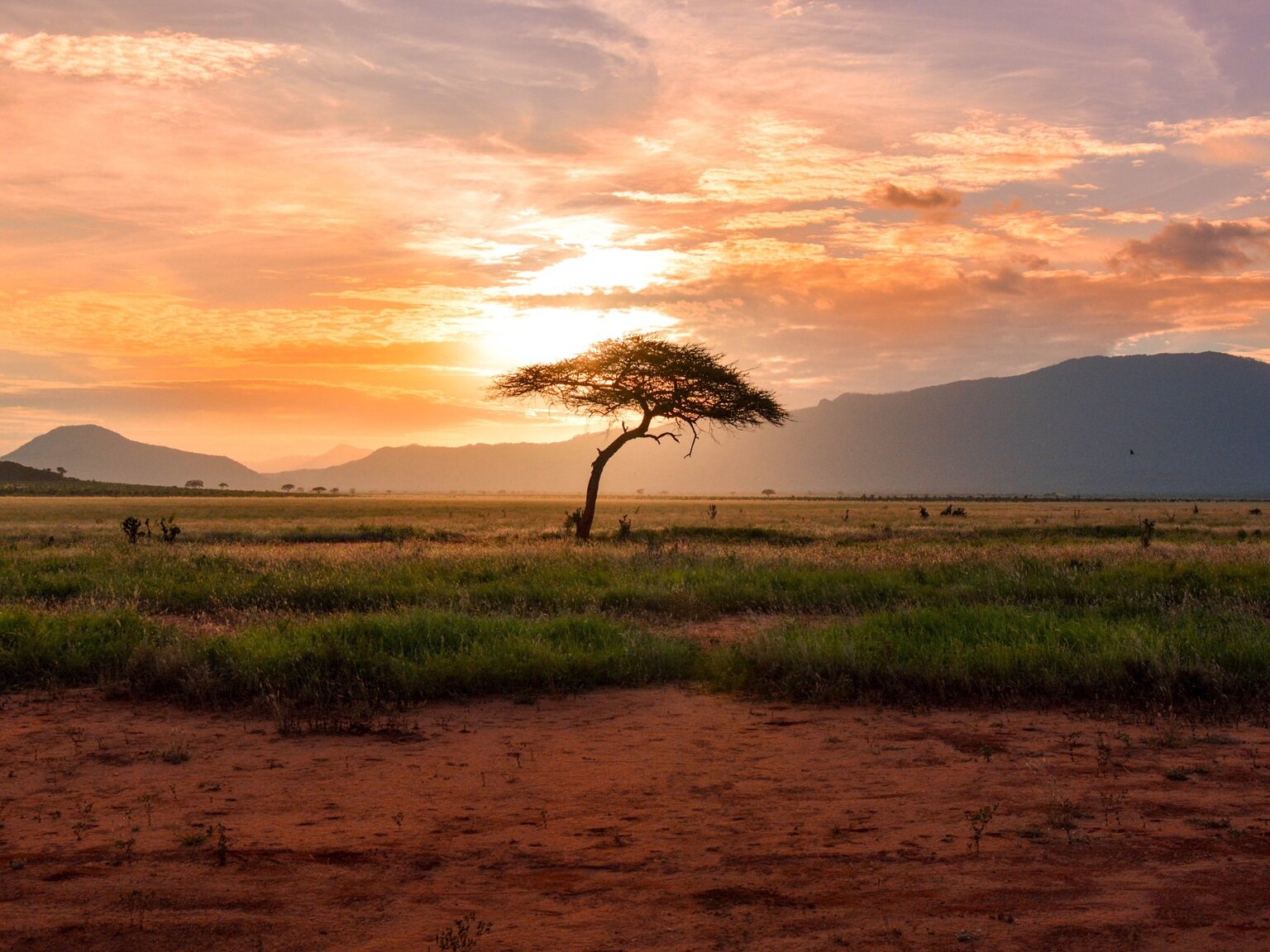
Match the names of the animals with the translations.
Połącz nazwy zwierząt z tłumaczeniami.
Look at the pictures and arrange the letters to create names of animals.
Przyjrzyj się ilustracjom i ułóż wymieszane litery, tak aby powstały nazwy zwierząt.
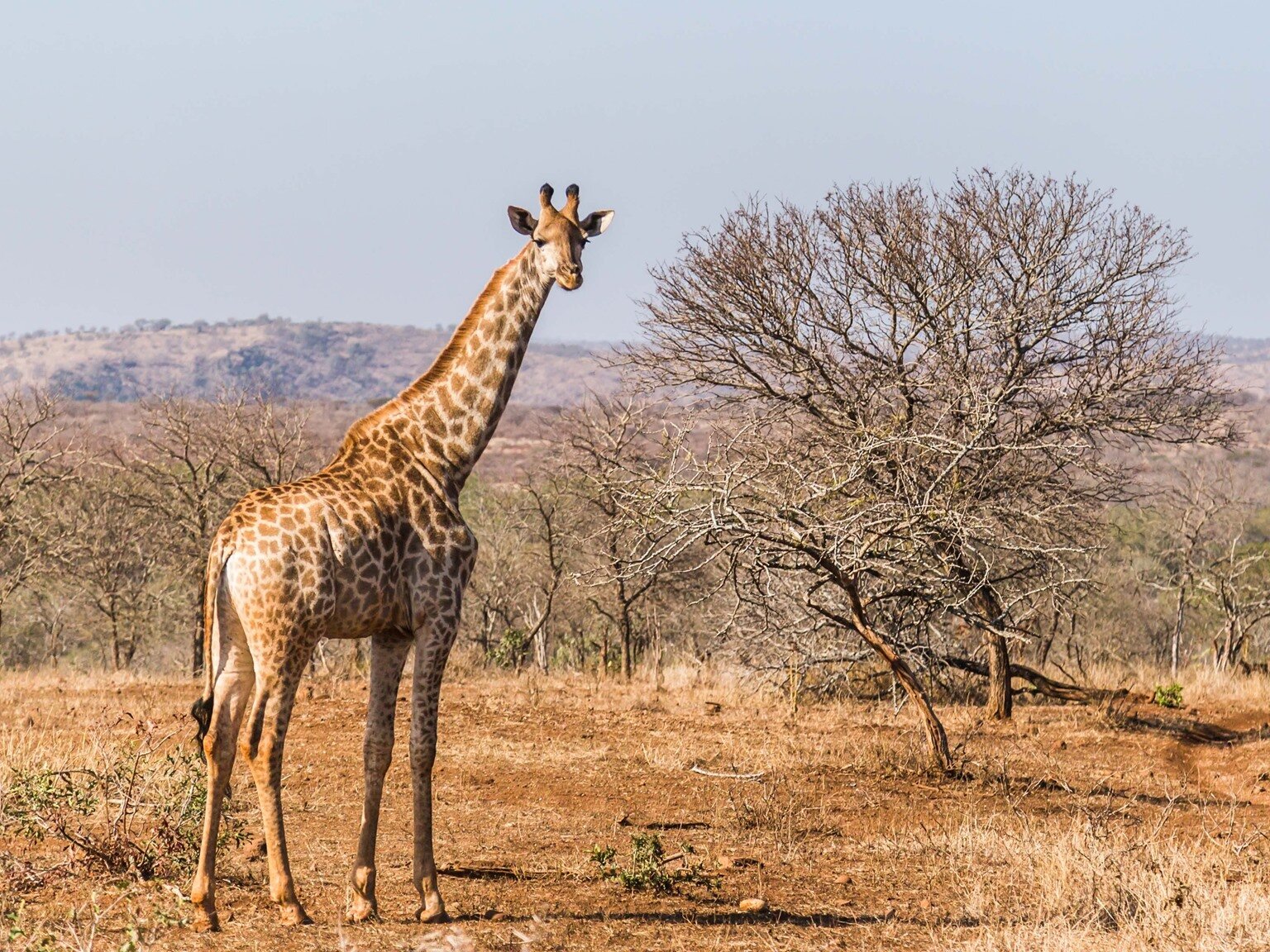
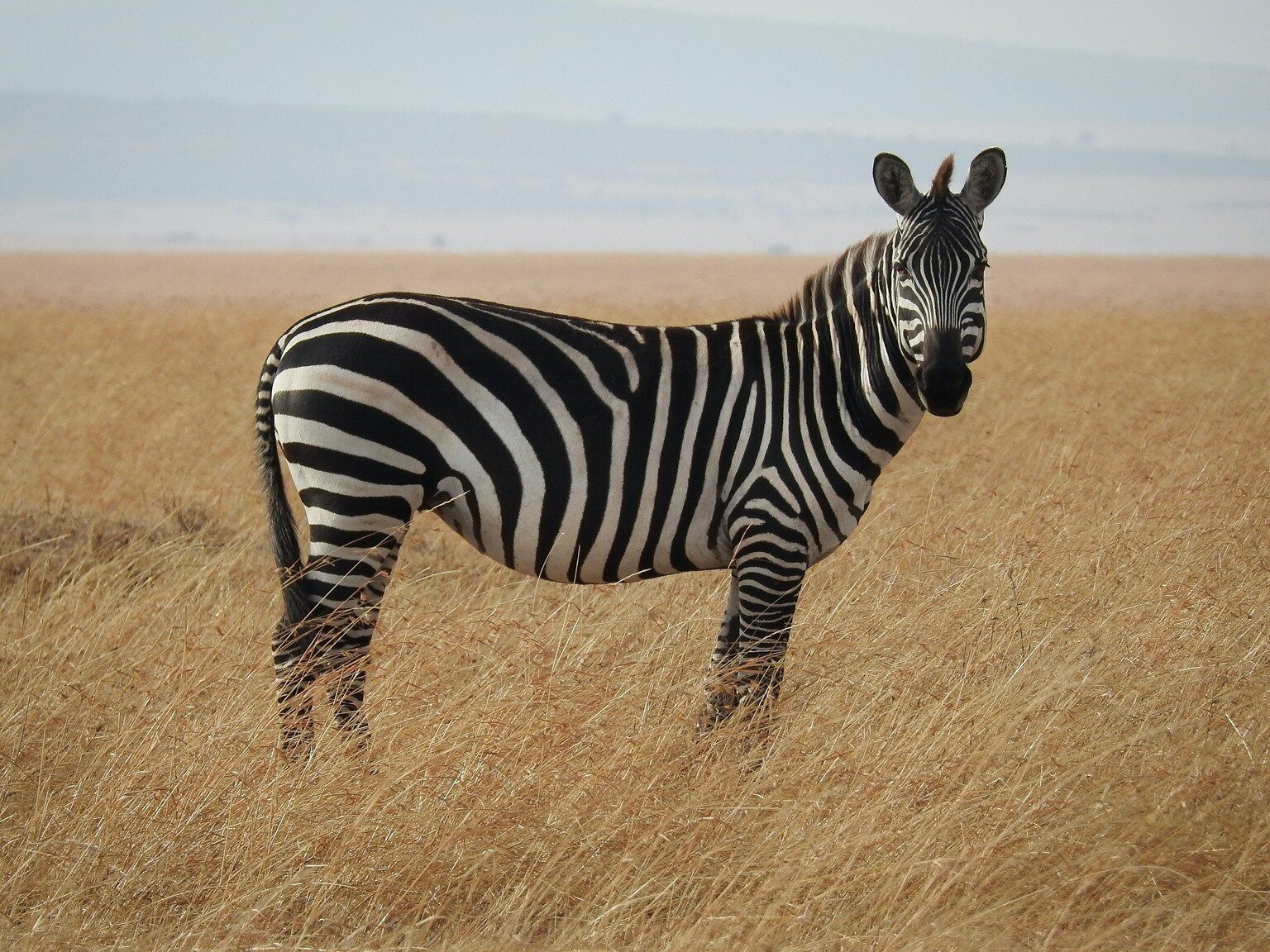
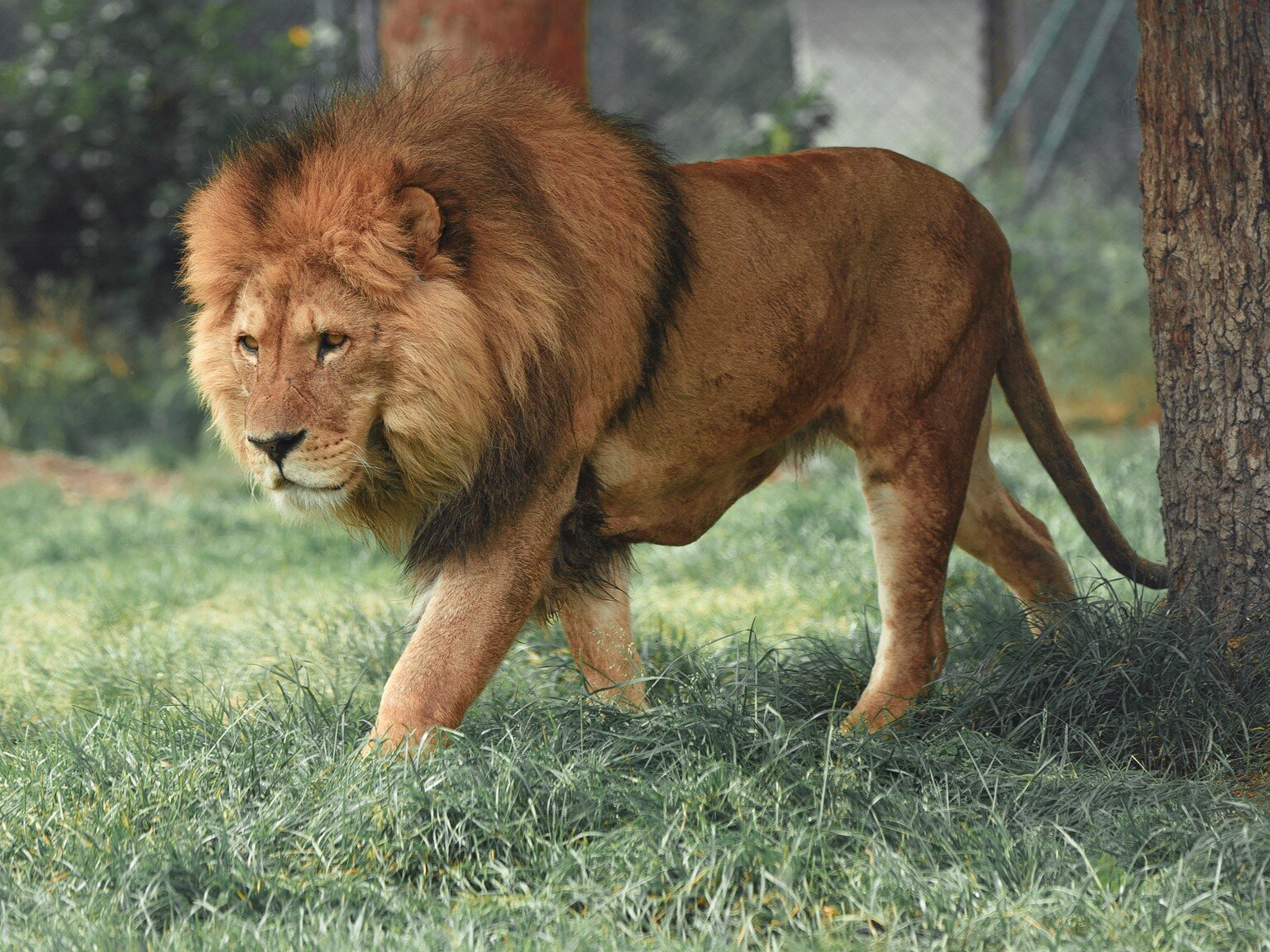
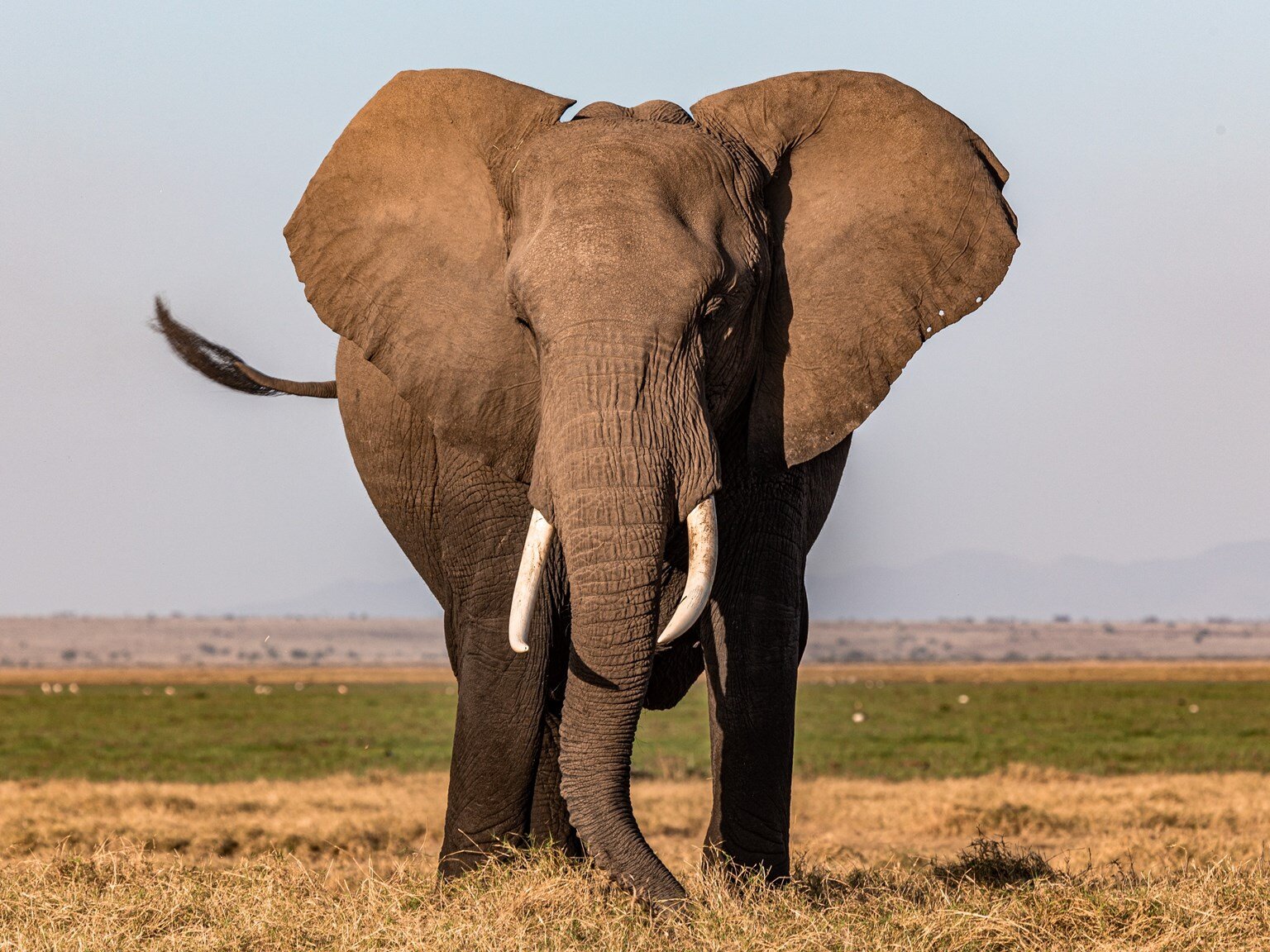
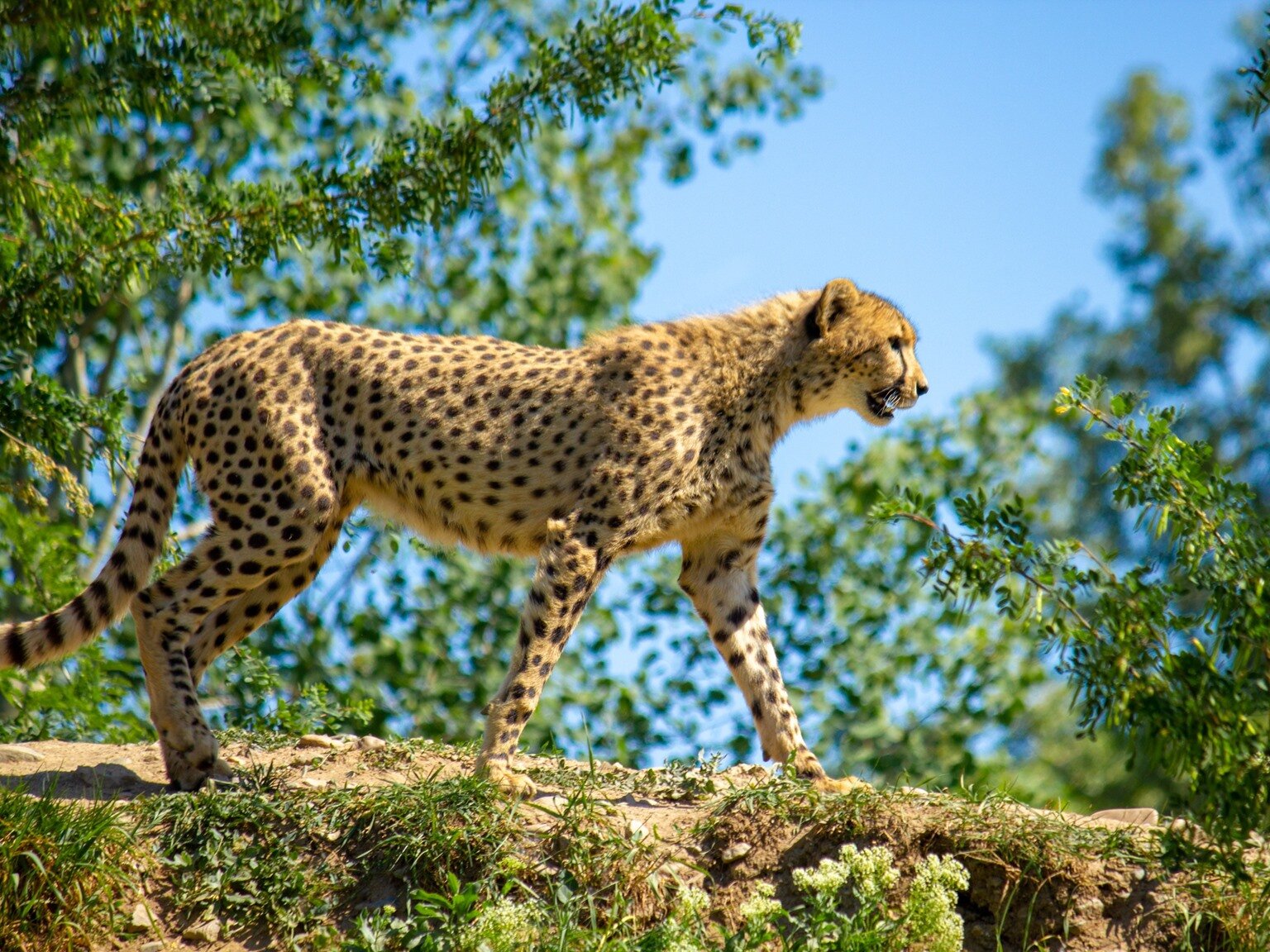
Read the text about Sasha’s journey to Tanzania to find out what she has already done and what she hasn’t done yet. Then do the exercises below.
Przeczytaj poniższy tekst o podróży Sashy do Tanzanii, aby sprawdzić, co dziewczynka już zrobiła, a czego jeszcze nie. Następnie wykonaj zamieszczone niżej ćwiczenia.
We Are Going on a SafariIt has always been my dream to visit Tanzania. It’s an African country and a very popular safari destinationsafari destination. My dream came true! I'm in Tanzania now. I have alreadyalready seen giraffes. They came to our hotel in the morning while we were having breakfast on the roof terrace. That was an amazing experienceexperience! Tomorrow, we are going on a safari to see wild animals in their natural environmentnatural environment. We have justjust met the safari guidesafari guide who told us about the plan. We are going to have a bush breakfastbush breakfast which is usually bacon, eggs and tomatoes in the open air.
The safari guide also told us about the Big Fivethe Big Five. These are the most difficult to see and quite dangerous African animals: lions, buffaloesbuffaloes, elephants, rhinosrhinos and leopards. Why not zebras? Because they are easy to see. An interesting fact about zebras is that they always travel with the wildebeestwildebeest. In that way, they can protect themselves from lions, cheetahs, and leopards, which attack and eat other animals. There is even a chance to see the great migrationthe great migration of animals. It's when zebras, wildebeest, and gazelles move in groups to find new water spotswater spots and new plants to eat. I can’t wait!
We’ve also had a meeting with a person who looks after the safari park. The man told us all about safetysafety during a safari. He instructed us on how to behave. The man warned us that we should not wear dark colours in order to keep the tsetse fliestsetse flies away. He also advised us to be quiet when we see elephants because we can easily scare them.
There’s one more thing. There are many national parksnational parks and nature reservesnature reserves in Tanzania. Animals need protection against people who kill them for their furfur, meat, and even teeth. There are also many endangered speciesendangered species, like chimpanzeeschimpanzees or cheetahs. That’s why safari parks have people who protect them!
Źródło: Ela Borowiec, licencja: CC BY-SA 3.0.
Read the text again and choose the correct answers.
Przeczytaj tekst ponownie i wskaż właściwe odpowiedzi.
lions, buffaloes, elephants
zebras, wildebeests, gazelles
chimpanzees, lions, cheetahs
lions, cheetahs, leopards
2. They are the endangered species
lions, buffaloes, elephants,
zebras, wildebeests, gazelles
chimpanzees, pangolins, cheetahs
lions, cheetahs, leopards
3. You can spot these animals while watching the Great Migration
lions, buffaloes, elephants
zebras, wildebeests, gazelles
chimpanzees, pangolins, cheetahs
lions, cheetahs, leopards
4. These animals eat plants
lions, buffaloes, elephants
zebras, wildebeests, gazelles
chimpanzees, pangolins, cheetahs
lions, cheetahs, leopards
5. These animals eat other animals
lions, buffaloes, elephants
zebras, wildebeests, gazelles
chimpanzees, pangolins, cheetahs
lions, cheetahs, leopards
Match the definitions to the right words.
Dopasuj definicje do właściwych wyrazów.
Read the text about safari again. Then write the missing words to complete the gaps in the text below.
Przeczytaj ponownie tekst o safari, a następnie uzupełnij wyrazami w języku polskim luki w poniższych zdaniach.
Imagine you are going on a safari. What animals would you like to see? Why? Write your answer in 2–3 sentences.
Wyobraź sobie, że jedziesz na safari. Jakie zwierzeta chciałbyś/chciałabyś zobaczyć? Dlaczego? Twoja odpowiedź powinna składać się z 2–3 zdań.
Read the sentences and choose have/haven’t or has/hasn’t.
Przeczytaj zdania i wybierz odpowiednią formę: have/haven’t lub has/hasn’t.
2. She haven’t hasn’t visited the nature reserve yet.
3. Have Has Mary bought the tickets yet?
4. My parents have has just seen the elephants.
5. Sue haven’t hasn’t gone on a safari yet.
6. Have Has we booked the safari yet?
Read the Present Perfect sentences and select the right words.
Przeczytaj zdania w czasie Present Perfect i wybierz właściwe wyrazy.
2. Have you neverever been on a safari?
3. I have neverever had a bush breakfast.
4. John hasn’t bought safari tickets yetjust.
5. We have justyet seen rhinos!
Answer the questions about your experiences.
Odpowiedz na pytania na podstawie twoich własnych doświadczeń.
Have you ever seen zebras?
Have you ever seen giraffes?
Have you ever been on a safari?
Słownik
/ ɔːlˈredi /
już
/ ˈbʌfələʊz / / ˈbʌfələʊ /
bawoły [bawół]
/ bʊʃ ˈbrekfəst /
śniadanie w buszu
/ ðə bɪg faɪv /
„wielka piątka”
/ ˌtʃɪmpænˈziːz / / ˌtʃɪmpænˈziː /
szympansy [szympans]
/ ɪnˈdeɪndʒəd ˈspiːʃiːz / / ɪnˈdeɪndʒəd ˈspiːʃiːz /
gatunki zagrożone wyginięciem [gatunek zagrożony wyginięciem]
/ ɪkˈspɪərɪəns /
doświadczenie
/ fɜː /
futro
/ ðə ˌgreɪt maɪˈɡreɪʃn̩ /
wielka migracja
/dʒʌst/
właśnie, dopiero co
/ ˈnæʃnəl pɑːks / / ˈnæʃnəl pɑːk /
parki narodowe [park narodowy]
/ ˈnætʃrəl ɪnˈvaɪərənmənt /
środowisko naturalne
/ ˈneɪtʃə rɪˈzɜːvz / / ˈneɪtʃə rɪˈzɜːv /
rezerwaty przyrody [rezerwat przyrody]
/ ˈraɪnəʊz / / ˈraɪnəʊ /
nosorożce [nosorożec]
/ səˈfɑːri ˌdestɪˈneɪʃn̩ /
cel safari
/ səˈfɑːri ɡaɪd /
przewodnik/przewodniczka po safari
/ ˈseɪfti /
bezpieczeństwo
/ ˈtsetsi flaɪz / / ˈtsetsi flaɪ /
muchy tse‑tse [mucha tse‑tse]
/ wɔːnd / / wɔːn /
ostrzegł/ostrzegła [ostrzegać]
/ ˈwɔ:tə spɒts / / ˈwɔ:tə spɒt /
miejsca z wodą [miejsce z wodą]
/ ˈwɪldɪbiːst / / ˈwɪldɪbiːst /
antylopy gnu [antylopa gnu]
Źródło: GroMar Sp. z o.o., licencja: CC BY‑SA 3.0