Przeczytaj
In times when the climate is changing, it is really important to use as little energy as we can. But can we do this when we build a house? Let's find out about zero energy houses and passive houses, and how they can help us use less energy.
W czasach, gdy klimat się zmienia, naprawdę ważne jest, aby zużywać jak najmniej energii.
Ale czy możemy to zrobić, gdy budujemy dom? Dowiedzmy się więcej o domach energooszczędnych i pasywnych oraz o tym, jak mogą nam pomóc zużywać mniej energii.
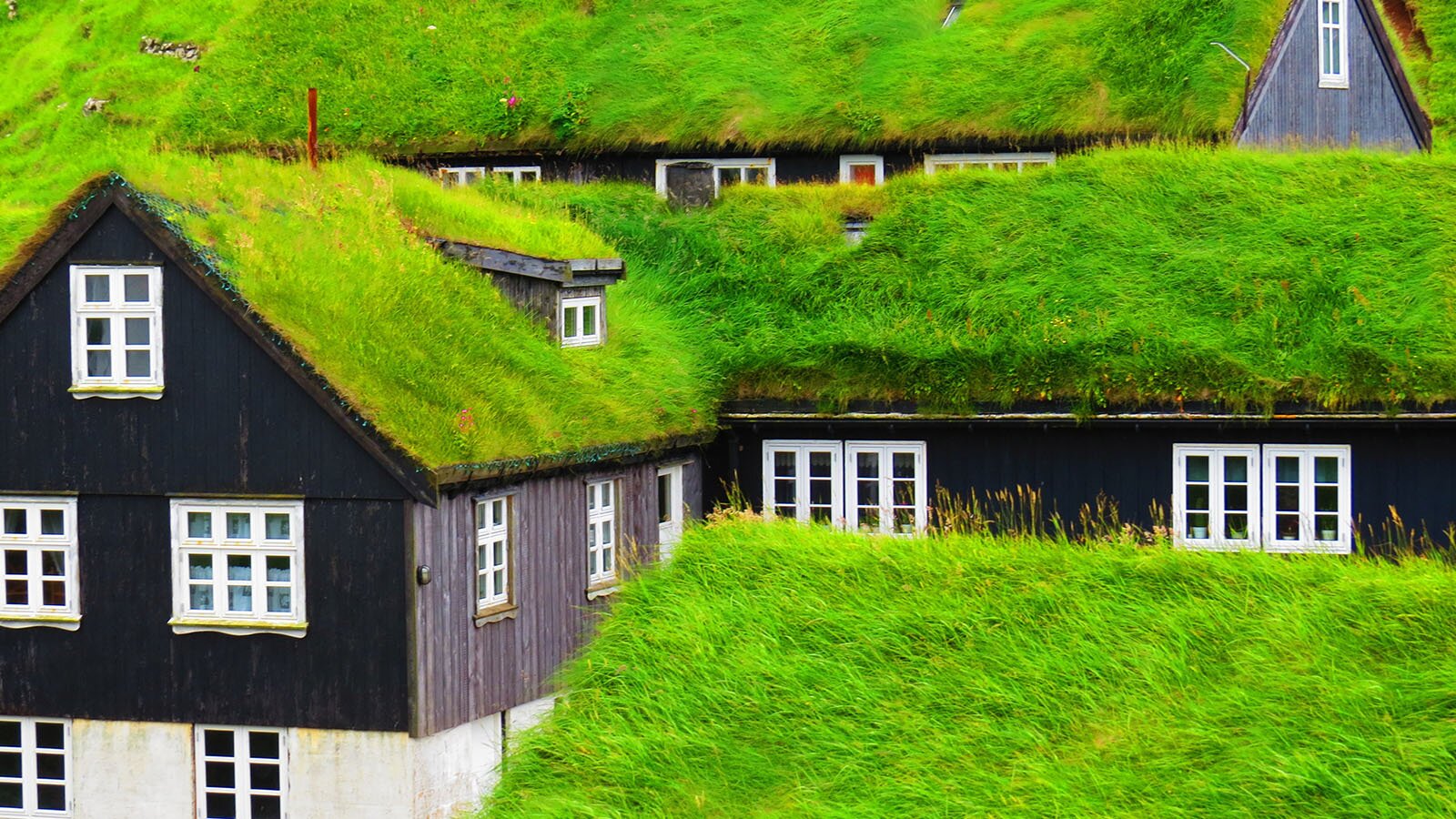
Have you ever heard about the 3R Concept? It’s an eco‑friendly idea, and the Rs stand for Reduce, Reuse, Recycle. What can you reduce, reuse or recycle in your everyday life to be more eco‑friendly? Give 1 example for each R.
Czy kiedykolwiek słyszałeś/słyszałaś o zasadzie 3R? Jest to pomysł przyjazny środowisku, a litery „R” oznaczają Reduce („redukuj”), Reuse („używaj ponownie”), Recycle („odzyskuj”). Co możesz zredukować, wykorzystać ponownie lub poddać recyklingowi w swoim codziennym życiu, aby być bardziej przyjaznym dla środowiska? Podaj po jednym przykładzie.
Reduce: ____________
Reuse: ____________
Recycle: ____________
Read the text below about different ways to reduce energy consumption in buildings and do the exercises below.
Przeczytaj tekst o różnych sposobach zmniejszania zużycia energii w budynkach i wykonaj poniższe ćwiczenia.
New EnergyIn times of climate changeclimate change, it is extremely important to use renewable energyrenewable energy sourcessources first of all and think of solutionssolutions that reduce energy consumptionreduce energy consumption as much as possible. Most buildings use a lot of energy every day: to keep the lights on, cool the air, heatheat water, and power electric devicesdevices. There are more and more green solutions that help us reduce energy consumption on an everyday basis. Thanks to solar panelssolar panels we can take the energy that comes from the sun, and green roofsgreen roofs which work as the cooling systemcooling system to keep down the temperature inside the house. Did you know that there are special kinds of buildings that can reduce the use of energy? Keep reading to find out more!
Zero Energy HouseZero Energy House
Is it possible to produce energy without any help? Yes, it is, especially in a zero‑energy house! It’s a building that is extremely energy‑efficientenergy‑efficient and saves 50%-70% more energy than a typical building. How is it possible? In this kind of building, renewable energy is produced on or around the building. Is it possible during the whole year? Not quite, and this is how it works. When the weather conditions are good and when it’s sunny, the renewable energy systems in the house covercover the building’s energy needsenergy needs. When the weather is worse, the building takes energy from the electrical gridelectrical grid. Thanks to such a solution, the building gives back as much energy as it takes!
Passive HousePassive House
This idea comes from 1991 when a physicist in Austria built the first “Passivhaus” (that’s the German name), which is an energy‑efficient building standardbuilding standard. A passive house needs 90% less energy than a typical building. You don’t need a heaterheater or air conditionerair conditioner, because the heat doesn’t go away. How is it possible? Thanks to eco‑friendlyeco‑friendly solutions that reduce carbon footprintcarbon footprint of a building, like good insulation materialsinsulation materials or good windows. In such a house, electricity bills are more affordableaffordable.
So, which one would be your type?
Źródło: Anna Olewińska-Byliniak, licencja: CC BY-SA 3.0.
What could be the alternative title to this text? Choose the correct answer.
Jaki mógłby być alternatywny tytuł do tego tekstu? Wybierz poprawną odpowiedź.
Read the text again and decide whether the sentences below are true or false.
Przeczytaj tekst jeszcze raz i zdecyduj, czy poniższe zdania są prawdziwe, czy fałszywe.
Match the words and phrases with their definitions.
Połącz wyrażenia z definicjami.
What’s the difference between a zero‑energy house and a passive house? Answer the question based on the text in 2–3 sentences.
Jaka jest różnica między budynkiem zeroenergetycznym a domem pasywnym? Odpowiedz w 2–3 zdaniach na podstawie tekstu.
Słownik
/ əˈfɔːdəbl̩ /
niedrogie, przystępne
/ ˈeə kənˈdɪʃənə /
klimatyzacja
/ ˌbɪldɪŋ ˈstændəd /
norma budowlana
/ ˈkɑ:bən ˈfʊtprɪnt /
ślad węglowy
/ ˈklaɪmət tʃeɪndʒ /
zmiana klimatu
/ kənˈdɪʃn̩z / / kənˈdɪʃn̩ /
warunki [warunek]
/ ˈku:lɪŋ ˈsɪstəm /
system chłodzenia
/ ˈkʌvə /
pokryć
/ dɪˈvaɪsɪz / / dɪˈvaɪs /
urządzenia [urządzenie]
/ ˈiːkəʊ ˈfrendli /
przyjazny/przyjazna środowisku
/ ɪˈlektrɪkl̩ ɡrɪd /
sieć elektryczna
/ ˈenədʒi niːdz /
zapotrzebowanie energetyczne
/ ˈɡriːn ruːfs / / ˈɡriːn ruːf /
zielone dachy [zielony dach]
/ hiːt /
grzać
/ ˈhiːtə /
grzejnik
/ ˈhiːtɪŋ ˈsɪstəm /
system grzewczy
/ ɪnsjəˈleɪʃᵊn məˈtɪəriəlz/ /ˌɪnsjəˈleɪʃᵊn məˈtɪəriəl/
materiały do docieplenia budynków [ materiał do docieplenia budynków]
/ ˈpæsɪv ˈhaʊs /
dom pasywny
/ rɪˈdjuːs ˈenədʒi kənˈsʌmpʃn̩ /
zmniejszyć zużycie energii
/ rɪˈnjuːəbl̩ ˈenədʒi /
energia odnawialna
/ ˌsəʊlə ˈpænl̩z / / ˌsəʊlə ˈpænl̩ /
panele słoneczne [panel słoneczny]
/ səˈluːʃn̩z / / səˈluːʃn̩ /
rozwiązania [rozwiązanie]
/ ˈsɔːsɪz / / ˈsɔːs /
źródła [źródło]
/ ˈzɪərəʊ ˈenədʒi ˈhaʊs /
dom zeroenergetyczny
Źródło: GroMar Sp. z o.o., licencja: CC BY‑SA 3.0