Before your public speaking performance...
you will use basic memory techniques
you will use these techniques
you will speak about the importance of dictiondiction in public speaking
you will prepare a speech
Our communicative image comprises a few components such as your voice, appearance, postureposture and body languagebody language. All of them are important in public events – discussions (debates, panels, negotiations), lectures, presentations and speeches.
Some of our presentations happen spontaneously, some are planned and prepared for hours, days, even weeks. In those cases, the moment of actual speaking needs to be preceded by text’s memorization. It’s the penultimate stage called memoria. To pass through it smoothly and efficiently, you will need to look into various techniques of memorization.
First and foremost, you need to divide the text into memorisable segments with a special attention to key information – they should be memorised firstly. We recommend creating associationsassociations with objects or events you are more familiar with. The simplest way to memorize, however, is repetition.
Remember that the speaker is not obliged to reproduce all that he/she planned to say. It’s completely fine to express some thoughts differently. When a fragment of your presentation slips your mind, try to say what you think differently and not to pounce for your notes immediately.

Film dostępny na portalu epodreczniki.pl
Postaraj się zapamiętać imiona w kolejności. Wymień imiona, które zapamiętałeś.
Discuss in class which names were the easiest to memorize and why. Did you use any memorization techniques?
Write the associations you have when reading the words:
| Words | Association |
|---|---|
| wednesday | |
| November | |
| radio | |
| rose | |
| fridge | |
| Gdańsk | |
| Brasil | |
| pasta | |
| drawer | |
| lizard |
Read the fragments of the article by Jolanta Chyłkiewicz and mark the statements below as true or false.
| True | False | |
| Flavonoids and anthocyanins help prevent Alzheimer's disease. | □ | □ |
| The consumption of avocado activates hippocampus. | □ | □ |
| Blue light can only be found in special light bulbs. | □ | □ |
| Spices help improve memory. | □ | □ |
| The consumption of herbs is not related to memory improvement. | □ | □ |
| Physically active elderly people can maintain their memory capacity on the same level they had a few decades ago. | □ | □ |
Popraw pamięćBen Pridmore potrafi zapamiętać w kolejności 930 cyfr w pięć minut. Aby osiągnąć taki imponujący wynik, trzykrotny laureat olimpiady World Memory Championships musiał – niczym sportowiec – dzień w dzień trenować tzw. mnemotechniki, czyli sposoby ułatwiające zapamiętywanie. Są one znane od dziesięcioleci i każdy może z nich korzystać. Tyle tylko że ich nauka wymaga wysiłku, a efekty nie zawsze są tak dobre, jakbyśmy oczekiwali. Dlatego naukowcy poszukują nowych sposobów na lepszą pamięć.
[...] Podczas jednego z eksperymentów naukowcy z belgijskiego Cyclotron Research Centre w Liège i brytyjskiego Surrey Sleep Research Center obserwowali na monitorze rezonansu magnetycznego reakcje mózgu ochotników na różne rodzaje światła. Podczas nauki badacze włączali światło zielone, fioletowe, żółte i niebieskie. Tylko przy niebieskim zaobserwowali wyraźne pobudzenie hipokampu, struktury najważniejszej dla pamięci, i ciała migdałowatego. Przeprowadzone później testy dowiodły, że pracujący przy takim świetle lepiej opanowali materiał. Niebieskie światło korzystnie wpływa na pamięć, bo jest przetwarzane poza drogą wzrokową, która prowadzi od fotoczułych komórek oka do kory wzrokowej. [...] A teraz najlepsza wiadomość. Do pobudzenia pamięci powinna wystarczyć krótka ekspozycja na błękitne światło – badani przebywali w nim zaledwie minutę, a ich pamięć się wyostrzyła. By poprawić np. efektywność pracy, wystarczy w biurowych pokojach oświetlonych zwykłą żarówką dodatkowo zapalić niebieską. Natomiast w ciągu dnia warto odsłonić okno, nie zaciągać żaluzji czy zasłon, bo dzienne światło składa się m.in. ze stymulującego pamięć światła błękitnego.
Chcąc poprawić pamięć, powinniśmy także zadbać o zawartość talerza. Lekarze od dawna przekonują, że zawarte w rybach i owocach morza kwasy omega 3 uelastyczniają osłonki neuronów i przyspieszają przewodzenie impulsów nerwowych. Najnowsze badania dowodzą jednak, że najlepsze są czarne jagody. Wystarczy pić dwie szklanki soku jagodowego dziennie, by cieszyć się doskonałą pamięcią do późnej starości – przekonuje dr Robert Krikorian z University of Cincinnati. [...] Jagody mogą nawet opóźniać rozwój choroby Alzheimera. To efekt działania flawonoidów i antocyjanów, których te owoce zawierają wyjątkowo dużo. [...] Jagody też pobudzają tworzenie nowych komórek w hipokampie. To drugi – po korze mózgowej – najważniejszy ośrodek pamięci. Jeśli ludzką pamięć porównać do komputerowej, to kora przypomina twardy dysk, na którym utrwalone są wszystkie informacje i wspomnienia, hipokamp zaś klawiaturę, za której pomocą zapisujemy wiadomości w korze i uzyskujemy dostęp do już zmagazynowanych w niej danych. W podobny sposób na hipokamp działa też magnez. Amerykański psychiatra Larry McCleary w książce Trening mózgu zaleca przyjmowanie 600 mg magnezu dziennie w tabletkach albo jedzenie wyjątkowo bogatego w ten pierwiastek awokado. Proponuje też używanie szałwii jako dodatku do dań [...]. Prócz szałwii dr McCleary na poprawę pamięci zaleca rozmaryn, kurkuminę, imbir i cynamon. Pamięć odświeża też uprawianie sportu. Wystarczy godzina ruchu dziennie, by już po pięciu tygodniach 40-, 50- czy 60‑latek równie łatwo zapamiętywał informacje jak kilka dekad wcześniej – wynika z badań Judy Cameron z uniwersytetu w Pittsburghu. Wtórują jej naukowcy z University of Illinois. Według nich ruch poprawia też pamięć u 20‑latków, a nawet u 10‑latków.Source: Jolanta Chyłkiewicz, Popraw pamięć [online], „Newsweek” 2010, dostępny w internecie: http://www.newsweek.pl/popraw-pamiec,67232,1,1.html [dostęp 24.10.2015 r.].
The preparation of both the content and the form is essential for a successful presentation. Those components are shaped during the work on the final shape of the speech - from choosing subject, unifying the thoughts, shaping its form to memorizing it. However, there are too few people giving enough attention to how they will speak.
Get acquainted with the essential instructions for public speaking.
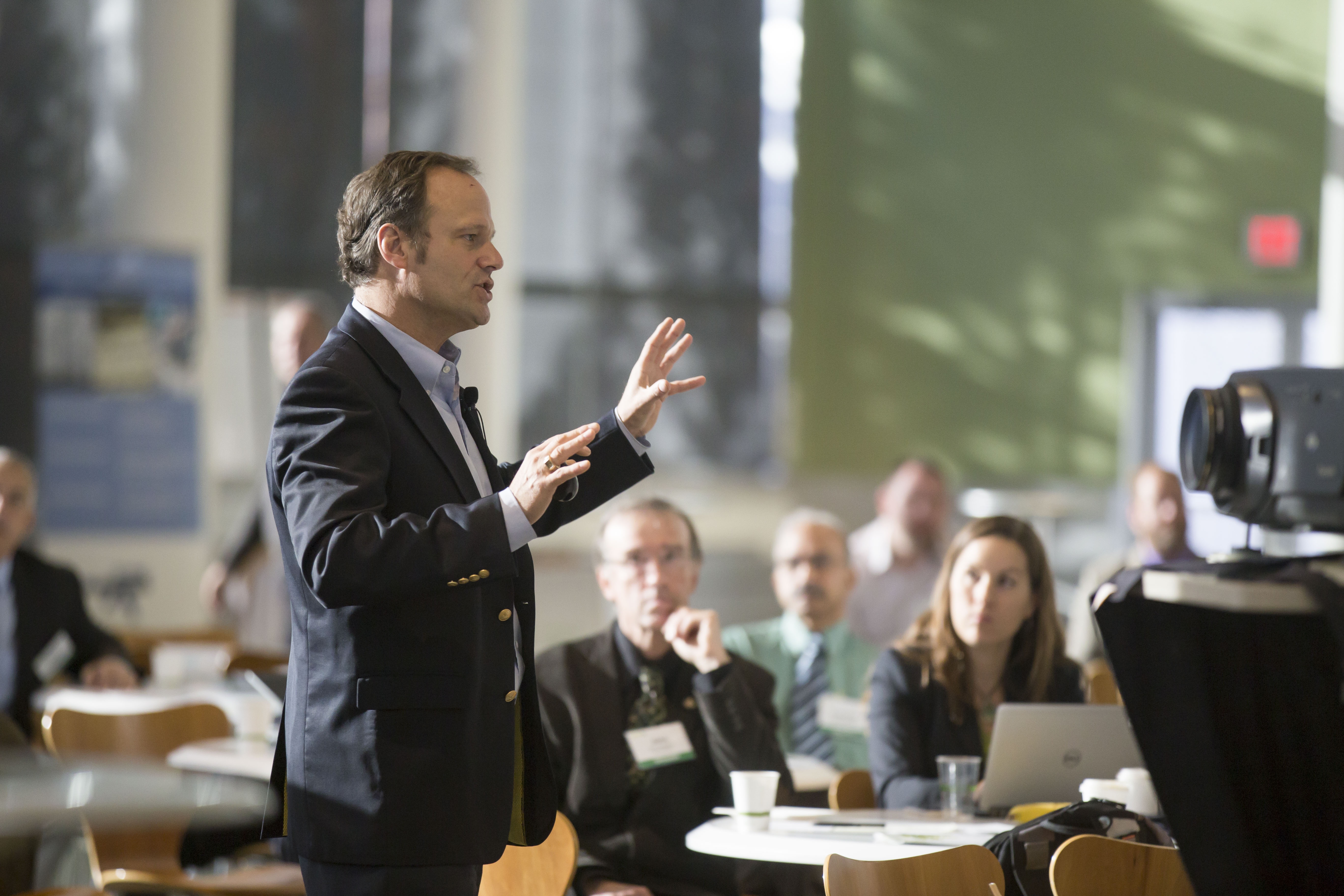
1. Irreproachable disction Diction can be practised with articulation exercises. It is essential to say your presentation out loud to smaller public. Let them be your mirror - you will see your mistakes in their reactions.
2. Right breath Professional speakers and those who use their voices on daily basis have mastered costo-abdomino-diaphragmatic breathing. This technique can help you protect your vocal organs, enhance the message and prevents getting out of breath.
3. Economic breath The most important exercises are ones extending the exheal phase. The point is to speak on one exheal as long as it is possible. You will tell the difference after a few weeks of practise.
4. Right voice modulation Comprises the speaking pace, phrasing, intonation, voice pitch and timbre.To prevent the monotony, the spekaer needs to vary his/her voice in pitch, tone and intensity.
5. Posture, gesturing and facial expression You need to find balance here - both excessive gesturing and the lack of it may work to the disadvantage of the speaker.
6. Neat appearance Well-fitting haircut and clean clothing (rather modest than fancy) makes you stand out - you, not your accessories.
7. Personal culture The speaker should address his/her audience respectfully and kindly.
8. Eye-contact with the audience The importance of the eye-contact is obvious for everyone who at least once tried to listen the lecturer looking at the ceiling or in his notes.
9. Stress control Stress is visible - closed posture, shaky voice and hectic moves don't work well with the speech. You need to know how to control your emotions and relax your body during the presentation.
Remember – the diction, exactly as the memory, is the matter of practise.
Here are a few sentences, the tongue twisters. Read them, paying particular attention to a good diction.
a) Betty Botter bought a bit of butter. The butter Betty Botter bought was a bit bitter and made her batter bitter. But a bit of better butter makes batter better. So Betty Botter bought a bit of better butter, making Betty Botter's bitter batter better.
b) Billy blew a blue bubble while bouncing on a bongo.
c) Peter Piper picked a peck of pickled peppers, a peck of pickled peppers Peter Piper picked. If Peter Piper picked a peck of pickled peppers, where's the peck of pickled peppers Peter Piper picked?
d) How much wood would a woodchuck chuck if a woodchuck could chuck wood? A woodchuck would chuck all the wood that he could if a woodchuck could chuck wood.
e) How many cars can a carpark park if a carpark could park cars? A carpark could park all the cars that it could if a carpark could park cars.
f) Six sick hicks nick six slick bricks with picks and sticks.
g) Sister Sue sells sea shells. She sells sea shells on shore. The shells she sells are sea shells she sees. Sure she sees shells she sells.
h) The sixth sick sheikh's sixth sheep's sick.
Match the pairs: English words with Polish definition.
narządy głosu, strategie pamięciowe, postawa, gestykulacja, barwa głosu, oddech, retoryka, mowa ciała, emisja głosu, logopedia, oratorstwo, kontakt wzrokowy, mimika
| rhetoric | |
| oratory | |
| timbre | |
| breath | |
| eye contact | |
| speech therapy | |
| posture | |
| body language | |
| gesturing | |
| facial expression | |
| vocal pedagogy | |
| vocal organs | |
| memory strategies |
Keywords
rhetoricrhetoric, art of memoryart of memory, oratoryoratory, diction
Glossary
retoryka
mnemotechnika
oratorstwo
dykcja
przemawianie
akcent
barwa głosu
intonacja
oddech
kontakt wzrokowy
artykulacja
logopedia
postawa
mowa ciała
gestykulacja
gest
modulacja
mimika
emisja głosu
narządy głosu
strategie pamięciowe
skojarzenia