Przeczytaj
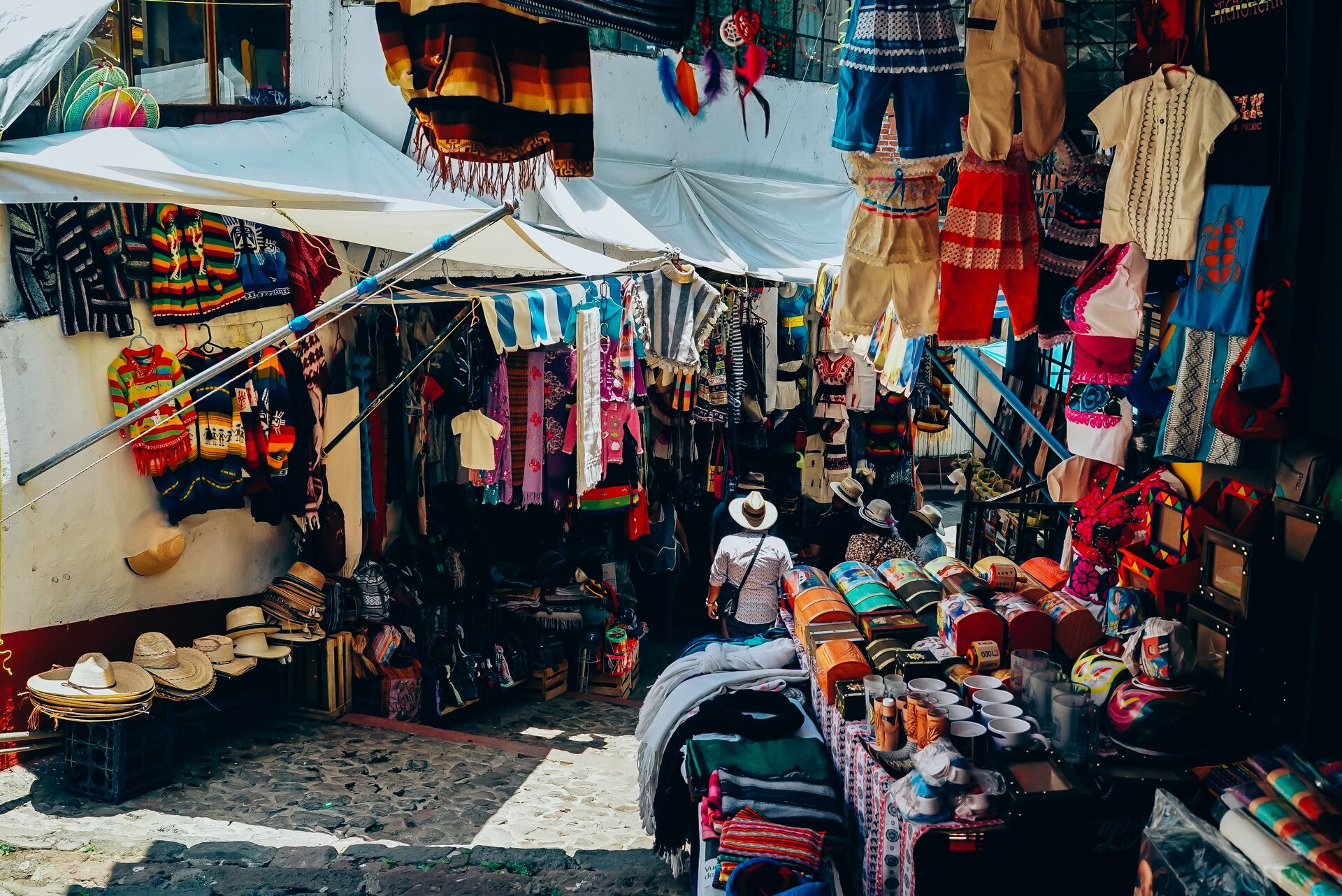
Do you like buying souvenirs? What do you usually bring home? In this section, you’re going to study a text about buying good souvenirs.
Czy lubisz kupować pamiątki? Co zazwyczaj przywozisz ze sobą do domu? W tej sekcji przeczytasz tekst o kupowaniu odpowiednich pamiątek.
Match the words to their translations.
Połącz wyrazy z ich tłumaczeniami.
Study the text about souvenirs and do the exercises.
Przeczytaj tekst o pamiątkach i wykonaj ćwiczenia.
What Souvenirs to Buy?Travelling is great. We enjoy the weather, tourist attractionstourist attractions and beautiful views. When it’s time to go home, we often buy souvenirssouvenirs. We want to rememberremember our holiday! What are good souvenirs to bring back homebring back home? And what are the things you shouldn’t buy? Read onRead on to find outfind out!
It’s important to buy things that lastlast. Many souvenirs are of poor qualitypoor quality. You have to throw them away after only a few months. That’s why it’s a good idea to get things that last for a long time. For example, if you travel to China, you can buy a teapotteapot. Chinese teapots are amazing.
Some souvenirs are not practicalpractical, but they look great or taste fantastic. For example, VeniceVenice (in Italy) is famous forfamous for its VenetianVenetian masks. Italians wear masks during the carnivalcarnival. They’re beautiful and make great souvenirs! Many countries are famous for their food. For example, if you travel to the NetherlandsNetherlands, it’s a good idea to buy cheese.
What are the souvenirs you shouldn’t bring home? Many tourists destroydestroy nature to take a souvenir home. For example, many tourists in EgyptEgypt try to take pieces of the coral reefcoral reef. The coral reefs are endangeredendangered. You cannot touch them! You also shouldn’t buy souvenirs that are easy to break or heavyheavy. Sometimes you can’t take them on a plane.
Now you’re ready to bring the best souvenirs back from your holiday!
Źródło: Zuzanna Kościuk, licencja: CC BY-SA 3.0.
Study the text again and decide if the following sentences are true or false.
Przeczytaj tekst ponownie, a następnie zdecyduj, czy podane zdania są prawdziwe, czy fałszywe.
Based on the information from the text, drag the words to fill in the gaps.
Na podstawie informacji z tekstu przeciągnij wyrazy w odpowiednie luki.
2. Some 1. carnival, 2. tourist attractions, 3. masks, 4. fragile, 5. heavy, 6. souvenirs don't last a long time.
3. Italians wear 1. carnival, 2. tourist attractions, 3. masks, 4. fragile, 5. heavy, 6. souvenirs during the 1. carnival, 2. tourist attractions, 3. masks, 4. fragile, 5. heavy, 6. souvenirs.
4. You shouldn't buy 1. carnival, 2. tourist attractions, 3. masks, 4. fragile, 5. heavy, 6. souvenirs souvenirs because they can break.
5. It's difficult to carry a 1. carnival, 2. tourist attractions, 3. masks, 4. fragile, 5. heavy, 6. souvenirs souvenir.
Give one‑sentence answers to the questions below.
Odpowiedz jednym zdaniem na każde z poniższych pytań.
Why do we throw away some souvenirs?
Chinese teapots are great souvenirs. Why?
You shouldn’t bring a piece of the coral reef home. Why?
Słownik
/ brɪŋ bæk hoʊm /
przywieźć do domu
/ ˈkɑːnɪvl̩ /
karnawał
/ ˈkɒrəl ˈri:f /
rafa koralowa
/ dɪˈstroɪ /
zniszczyć
/ ˈiːdʒɪpt /
Egipt
/ ɪnˈdeɪndʒəd /
zagrożone wyginięciem
/ ˈfeɪ.məs fə /
znany/znana z
/ faɪnd aʊt /
dowiedzieć się
/ ˈhevi /
ciężkie
/ lɑːst /
wytrzymać
/ ˈneðələndz /
Holandia
/ pɔː ˈkwɒlɪti /
słabej jakości
/ ˈpræk.tɪ.kəl /
praktyczny/praktyczna
/ riːd ˈɒn /
czytaj dalej [czytać dalej]
/ rɪˈmembə /
pamiętać
/ ˌsuːvəˈnɪəz / / ˌsuːvəˈnɪə /
pamiątki [pamiątka]
/ ˈtiːpɒt /
dzbanek do herbaty
/ ˈthetarəʊ əˈweɪ /
wyrzucić
/ ˈtɔːrɪst əˈtrækʃn̩z / / ˈtɔːrɪst əˈtrækʃn̩ /
atrakcje turystyczne [atrakcja turystyczna]
/ ˈjuːz /
używać
/ ˈvenɪs /
Wenecja
/ vəˈniːʃn̩ /
wenecki/wenecka