Species diversity
that the species diversity is one of the levels of biodiversity;
that the occurrence of species in given ecosystem depends on abiotic and biotic components, including the interference of human in ecosystems.
to provide examples of regions characterised by high and low species diversity;
to describe selected factors determining species diversity;
to explain the meaning of endemic species and relicts for the species diversity, and to give examples of them.
Number of species
According to the averaged calculations, our planet is inhabited by approx. 8.7 million of eukaryotic organisms species, including approx. 400 thousand of plant species and approx. 8 million of animal species, as well as 8–10 million of prokaryotes.
Species diversitySpecies diversity is specified in relation to a specific ecosystem or area. It is expressed by the total number of species occurring in this area, often provided per unit of area. The bigger this number is, the higher species diversity of the analysed area. The precise assessment of the number of species living in a given ecosystem is not possible.
For sure, the number of species of vertebrates can be estimated most precisely and easily. It is estimated that there are approx. 60 thousand species of vertebrates, half of which is fish species, almost 15 thousand – amphibians and reptiles, 10 thousand – birds, and mammals amount to only 5.5 thousand. The estimation of species diversity of insects (which are the most numerous taxon) constitutes the basic difficulty in precise assessment of the number of invertebrate species. The establishment of species diversity of bacteria or fungi is similarly difficult due to the size of the group.
The species diversity of land ecosystems is assessed on the basis of quantity of species of vascular plants in these ecosystems. Vascular plants are very well analysed, and the estimation of their number in a given area is easier than in case of other kingdoms. These organisms do not relocate and in most cases, they grow into sizes which make it possible to notice them without specialist apparatus.
Determine species diversity of a park nearby on the basis of number of tree species. For this purpose, specify the geographical location of a park, its surface area, altitude above sea level, and recognise tree species present in that park.
Endemic species
There are both common and rare species among the species living in a given area. Rare species are described as endemic speciesendemic species which means organisms the range of which is very limited, they are unique for a given area, and they are not present in natural environment in any other location. The examples of endemic species are as follows: Galapagos penguins living in Galapagos Islands, kangaroos from Australia, jaguars from Middle and South America, lemurs living in Madagascar and Comoros Islands. Plant endemic species are for example Echium species from Macaronesia, Australian Eucalyptus, Sequoia from North America and African Welwitschia. The number of endemic species in a given area is related to species diversity – in locations where there are many endemic species, also other species are numerous and diversified.
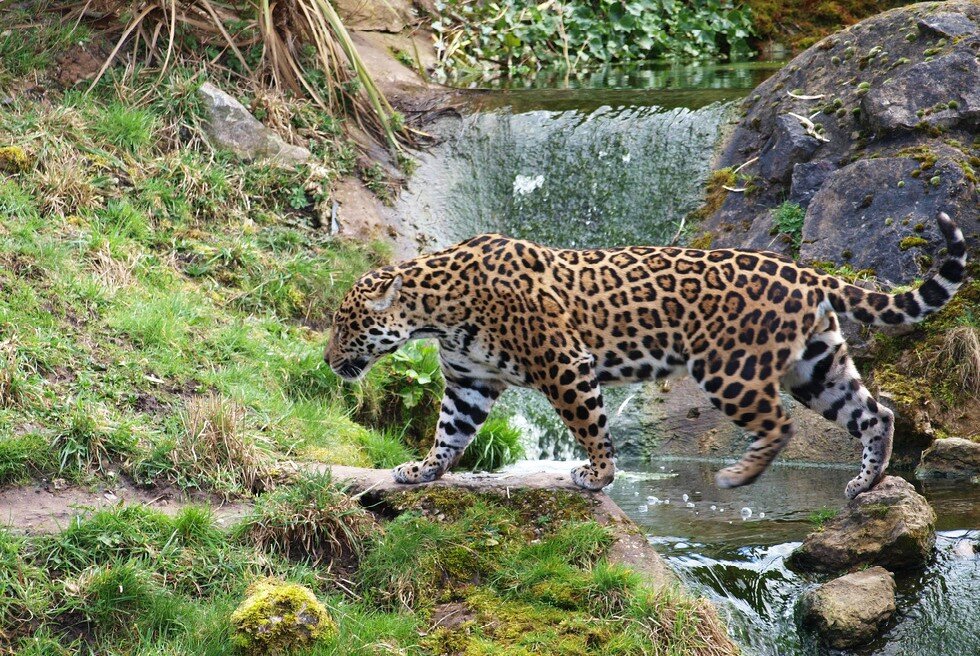
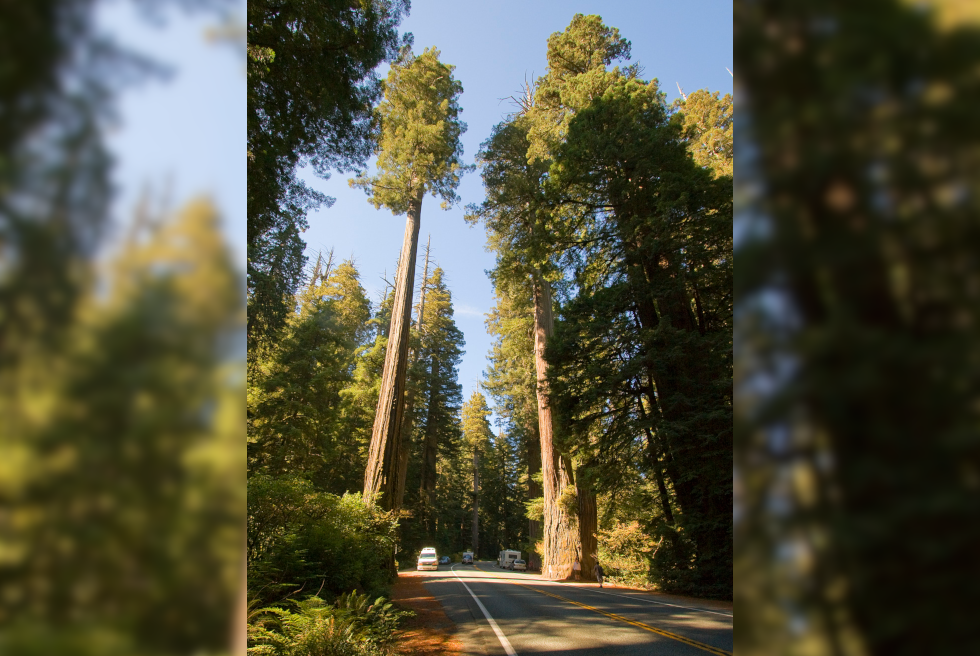
Endemic species usually occur in oceanic islands, especially those located in big distance from a continent, and in high mountains. Endemic species may be created due to the separation of a given population by a geographic barrier. As the effect of isolation (after some time, usually long time), the populations differ to such extent that they cannot cross, which means that they become separate species. The process of creating new species is called speciationspeciation.
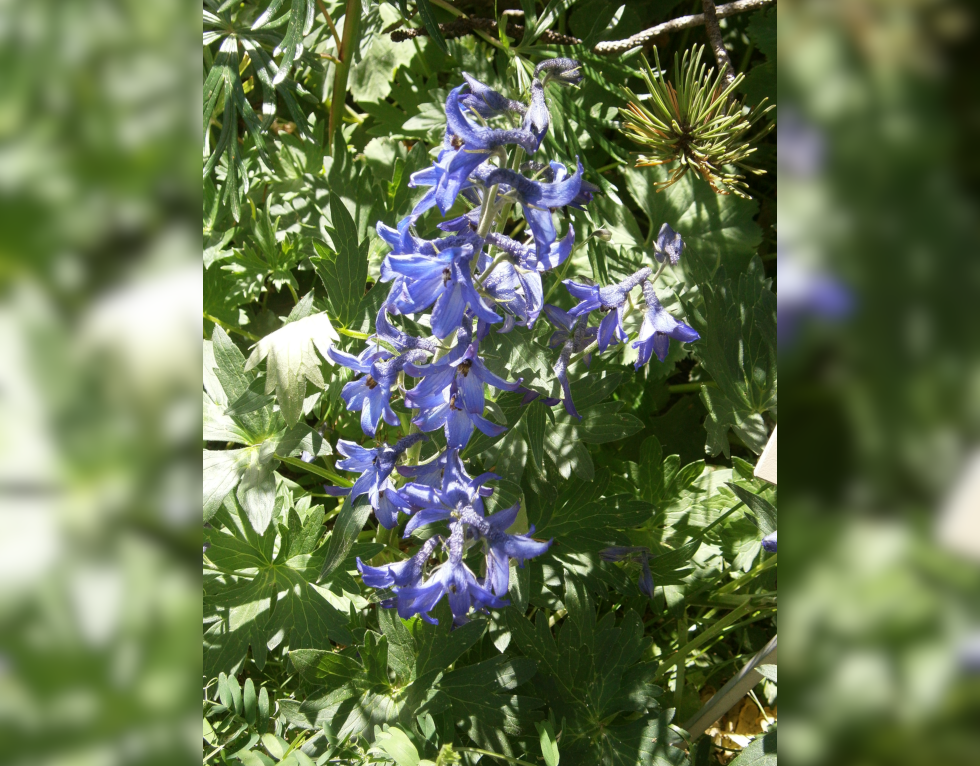
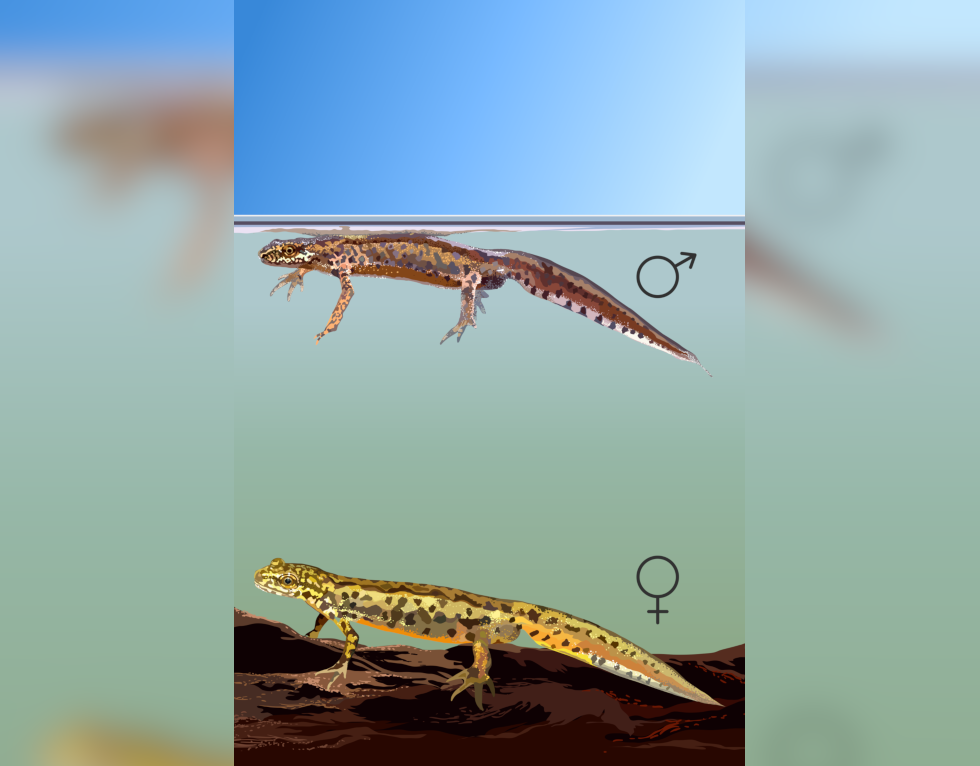
The number of endemic species in Poland is small. Endemic species are present in Tatra Mountains, Pienin Mountains and Sudetes, both in the territory of Poland and neighbouring countries (Slovakia and Czech Republic). Among plant species the following ones are endemic: Delphinium oxysepalum, Saxifraga wahlenbergii, and among animals these are: Carpathian newt and Tatra pine vole. There is no agreement in scientific environment whether the Tatra plants and animals listed above are separate species.
Relict species
The species which currently have small territory range which is a remnant of significantly wider range are called relictsrelicts. In the Polish flora, the postglacial relicts include, among others, dwarf birch (Betula nana), Dryas octopetala, downy willow (Salix lapponum), Linnaea borealis, snow saxifrage (Micranthes nivalis) – plants typical for mountainous areas. Relict species are relics of former geological epochs.
Factors determining species diversity
The following factors have significant influence on species diversity: climate, availability of water, and topographic relief. Vegetation zones on the Earth depend on climate of a given area, and that is why their arrangement, similarly to climatic zones, is based on parallels. It is due to the fact that plants need a specific temperature and humidity for their growth. The biggest number of species live in the zones with wet and warm climate, and the smallest number in a very dry and cold environment.
The lowest species diversity of plants is observed in the areas such as: hot deserts and polar deserts, and semi‑deserts, tundra, steppes. A huge richness of species is characteristic of tropical rainforest and in ecosystems of mountains. In Poland, the area with the biggest species diversity is Tatra Mountains.
The second factor, following the climate, which has an impact on species diversity of biosphere is topographical relief. There are significantly more species in the mountains than on the plains. It is connected with the diversity of conditions present in these areas, e.g. with huge variability of temperatures, humidity, exposure to sunlight and wind, as well as with the types of subsoil typical for specific parts of mountains.
Species diversity on islands depends on their surface area, distance from mainland and the diversity of habitat conditions. The bigger the island is, the more species live there. What is more, the further the island is located from the mainland, the more endemic species can be found there.
Match each of the terms below with its definition.
process of creating new species as a result of inability to crossbreed the individuals of isolated populations, species which used to have much wider geographical range in the past than now, dynamic system created by organisms connected by trophic relations with the environment inhabitet by them, rare species, not occuring in nature outside the area with limited range
| endemic species | |
| relict species | |
| ecosystem | |
| speciation |
Which of the following numbers is used for the estimation of species diversity of land ecosystems?
- number of insects
- number of vascular plants
- number of relict species
- number of endemic species
Summary
Both common and rare species constitute the species diversity of an ecosystem.
Species diversity of a given area depends on many environmental factors, such as: climate, topographical relief, availability of water, type of soil.
How was this lesson? Did you like it? Finish selected sentences.

Keywords
Species diversity, endemic species, speciation
Glossary
endemit – rzadki gatunek (rzadziej inny takson) o bardzo ograniczonym zasięgu występowania, unikatowy dla danego obszaru (miejsca lub regionu), niewystępujący naturalnie poza nim
relikt – gatunek, którego obecny wąski zasięg jest pozostałością znacznie szerszego, istniejącego w minionych epokach geologicznych; w Polsce reliktami polodowcowymi są: brzoza karłowata, dębik ośmiopłatkowy czy skalnica śnieżna
różnorodność gatunkowa – jeden z poziomów różnorodności biologicznej; liczba gatunków w danym ekosystemie lub na danym obszarze
specjacja – proces powstawania nowych gatunków wskutek niemożności krzyżowania się ze sobą osobnikówi izolowanych populacji