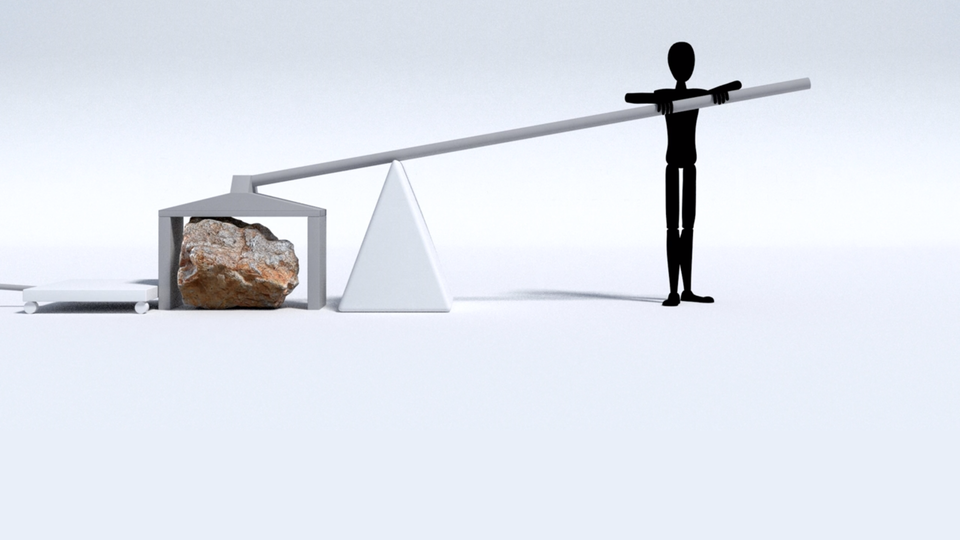
Open and watch the slideshow: „How to move a great stone?”.
RkZauorhUw7jI1
Pokaz multimedialny - jak przesunąć wielki kamień? Instrukcja obsługi z poziomu klawiatury: 1. Uruchomienie aplikacji - ENTER, 2. Na każdym ze slajdów czytany jest automatycznie tekst alternatywny po polsku, 3. Przy pierwszym uruchomieniu na pierwszym slajdzie, czytanie tekstu po angielsku - TAB, 4. Przejście między slajdami: do następnego slajdu - TAB, do poprzedniego slajdu - TAB + SHIFT, 5. Przejście do czytania napisu po angielsku - strzałka w górę + strzałka w dół (czyta tekst po angielsku widoczny na slajdzie).
Pokaz multimedialny - jak przesunąć wielki kamień? Instrukcja obsługi z poziomu klawiatury: 1. Uruchomienie aplikacji - ENTER, 2. Na każdym ze slajdów czytany jest automatycznie tekst alternatywny po polsku, 3. Przy pierwszym uruchomieniu na pierwszym slajdzie, czytanie tekstu po angielsku - TAB, 4. Przejście między slajdami: do następnego slajdu - TAB, do poprzedniego slajdu - TAB + SHIFT, 5. Przejście do czytania napisu po angielsku - strzałka w górę + strzałka w dół (czyta tekst po angielsku widoczny na slajdzie).
A double‑sided leverdouble‑sided leverdouble‑sided lever is a rigid rod supported at one point to which forces are applied on both sides of the fulcrum.
A double‑sided leverdouble‑sided leverdouble‑sided lever is in balance, if the product of force and force arm have the same value on both sides of the lever fulcrum.
FIndeks dolny 11 and FIndeks dolny 22 - the forces applied to the lever (perpendicular to it),
rIndeks dolny 11 and rIndeks dolny 22 - length of the arms of the applied forces.
Attach the dynamometer to one point of a one‑sided leverone‑sided leverone‑sided lever. Hang the same weights at different distances from the axis of rotation. What does the dynamometer indicate? When is the lever in balance?
Attach the dynamometer to one point of a one‑sided leverone‑sided leverone‑sided lever. Hang different weights at different distances from the axis of rotation. What does the dynamometer indicate? When is the lever in balance?
A one‑sided leverone‑sided leverone‑sided lever remains in balance, if the product of force and force arm has the same value on one side of the fulcrum of the lever.
FIndeks dolny 11 and FIndeks dolny 22 - the forces applied to the lever (perpendicular to it),
rIndeks dolny 11 and rIndeks dolny 22 - length of the arms of the applied forces.
A child with the weight of 20 kg sat down on one end of the swing, which is a two‑sided lever, whose length is 3 m, with its fulcrum in the middle. How far from the other end should a child weighing 30 kg sit, to make the swing remain in balance?
A wrench with a long lever is used to twist a large screw. The arm of the resistance force is smaller than the arm of the man's force applied to the wrench. To twist the screw, the man used the force of 20 N. Calculate the resistance force the screw worked with?
Give three examples of using one‑sided and double‑sided leversdouble‑sided leverdouble‑sided levers in everyday life.
Exercises
R1Sw9bcZlCkF3
Exercise 2
Wersja alternatywna ćwiczenia: Using a double-sided lever Peter lifted a weight of 1000 N to the height 0,1 m. While acting on the lever he used the force of 200 N. Choose which sentence is true. Możliwe odpowiedzi: 1. Peter moved the lever arm at the point where he applied force by 50 cm., 2. Peter did the work of 200 J., 3. The work of 100 J should be done without using a double-sided lever., 4. Compare the forces in two situations: with the use of a double-sided lever and without using. The force used by Peter was 5 times lesser in the first situation.
Wersja alternatywna ćwiczenia: Using a double-sided lever Peter lifted a weight of 1000 N to the height 0,1 m. While acting on the lever he used the force of 200 N. Choose which sentence is true. Możliwe odpowiedzi: 1. Peter moved the lever arm at the point where he applied force by 50 cm., 2. Peter did the work of 200 J., 3. The work of 100 J should be done without using a double-sided lever., 4. Compare the forces in two situations: with the use of a double-sided lever and without using. The force used by Peter was 5 times lesser in the first situation.
Using a double-sided lever Peter lifted a weight of 1000 N to the height 0,1 m. While acting on the lever he used the force of 200 N. Choose which sentence is true.
Peter moved the lever arm at the point where he applied force by 50 cm.
Peter did the work of 200 J.
The work of 100 J should be done without using a double-sided lever.
Compare the forces in two situations: with the use of a double-sided lever and without using. The force used by Peter was 5 times lesser in the first situation.
Exercise 3
Describe four everyday devices in which a double‑sided or one‑sided lever is used.
Is it possible to do less work using these devices than without them?
Examples of devices: double‑sided swing, wheelbarrow, secateurs, scissors, nutcracker ... etc.
No! This is contrary to the principle of energy conservation.
Exercise 4
Peter's father bought 200 kg of potatoes for winter. A rather dishonest supplier threw out four bags just outside the door of the house. Peter decided to help his dad and lifted the potatoes to the level of the balcony located 1 m above the ground. Suggest how this could be done using a single‑sided or a double‑sided lever! Write the instruction for Peter.
RfqWM2wGxNQMd
Exercise 5
Wersja alternatywna ćwiczenia: Indicate which pairs of expressions or words are translated correctly. Możliwe odpowiedzi: 1. dźwignia dwustronna - double-sided lever, 2. jednostronna - one sided, 3. dwustronna - double-sided, 4. ramię siły - arm of force, 5. równość pracy - simple machines, 6. maszyny proste - equality of work
Wersja alternatywna ćwiczenia: Indicate which pairs of expressions or words are translated correctly. Możliwe odpowiedzi: 1. dźwignia dwustronna - double-sided lever, 2. jednostronna - one sided, 3. dwustronna - double-sided, 4. ramię siły - arm of force, 5. równość pracy - simple machines, 6. maszyny proste - equality of work
Indicate which pairs of expressions or words are translated correctly.
dźwignia dwustronna - double-sided lever
jednostronna - one sided
dwustronna - double-sided
ramię siły - arm of force
równość pracy - simple machines
maszyny proste - equality of work
zadanie
Source: GroMar, licencja: CC BY 3.0.
RAQcCJnpM9eVH1
Interaktywna gra, polegająca na łączeniu wyrazów w pary w ciągu jednej minuty. Czas zaczyna upływać wraz z rozpoczęciem gry. Jeden ruch to odkrywanie najpierw jednej potem drugiej karty z wyrazem. Każdy wyraz jest odczytywany. Kolejny ruch to odkrywanie trzeciej i czwartej karty. W ten sposób odsłuchasz wszystkie wyrazy. Nawigacja z poziomu klawiatury za pomocą strzałek, odsłuchiwanie wyrazów enterem lub spacją. Znajdź wszystkie pary wyrazów.
Interaktywna gra, polegająca na łączeniu wyrazów w pary w ciągu jednej minuty. Czas zaczyna upływać wraz z rozpoczęciem gry. Jeden ruch to odkrywanie najpierw jednej potem drugiej karty z wyrazem. Każdy wyraz jest odczytywany. Kolejny ruch to odkrywanie trzeciej i czwartej karty. W ten sposób odsłuchasz wszystkie wyrazy. Nawigacja z poziomu klawiatury za pomocą strzałek, odsłuchiwanie wyrazów enterem lub spacją. Znajdź wszystkie pary wyrazów.
Match Polish terms with their English equivalents.
ramię siły
maszyny proste
dźwignia dwustronna
dźwignia jednostronna
simple machines
one-sided lever
two-sided lever
condition of balance
arm of strength
warunek równowagi
Source: Zespół autorski Politechniki Łódzkiej, licencja: CC BY 3.0.
double‑sided leverdouble‑sided leverdouble‑sided lever - to sztywny pręt podparty w jednym punkcie, do którego siły są przyłożone po obu stronach punktu podparcia
one‑sided leverone‑sided leverone‑sided lever - to sztywny pręt podparty w jednym punkcie, do którego siły są przyłożone po jednej stronie punktu podparcia