Bacteria
bacteria are a group of organisms belonging to one of five kingdoms;
organisms without nucleus in the cell are classified in the bacteria;
describe places where bacteria are present;
describe bacteria life functions;
present positive and negative importance of bacteria.
Bacteria habitat
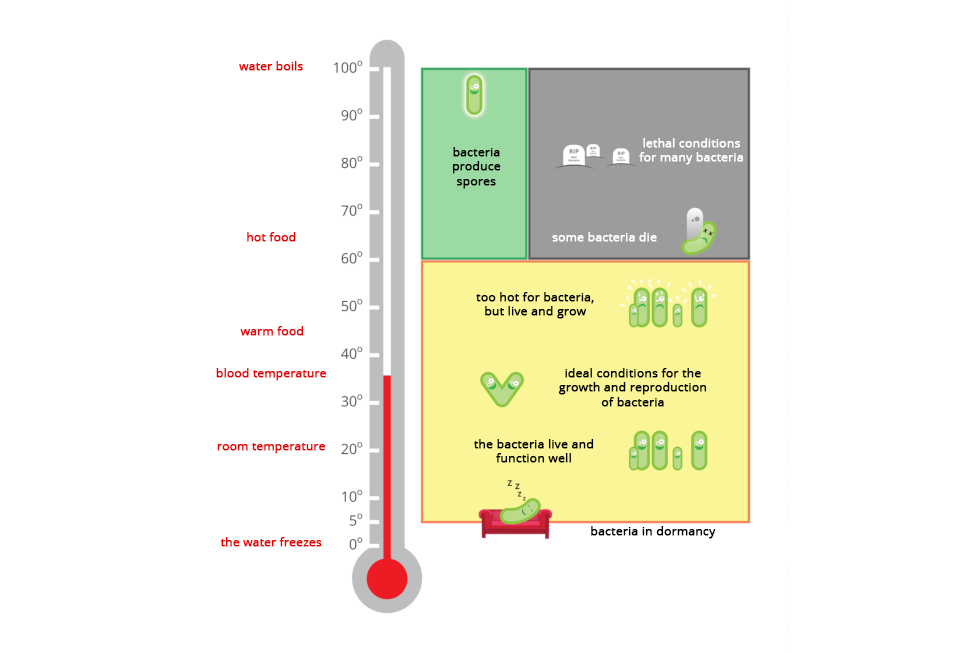
Without a great exaggeration it can be said that bacteriabacteria are present everywhere: in water, soil and air. Due to their microscopic size they are easily transported by air currents on dust grains or in drops of water. Each bacterial species has its specific requirements concerning a medium type, ambient temperature and access to oxygen. Many bacteria live on a surface or inside of other organisms, because of favorable conditions of temperature and humidity, and sufficient amount of food available to them.
Bacteria diversity
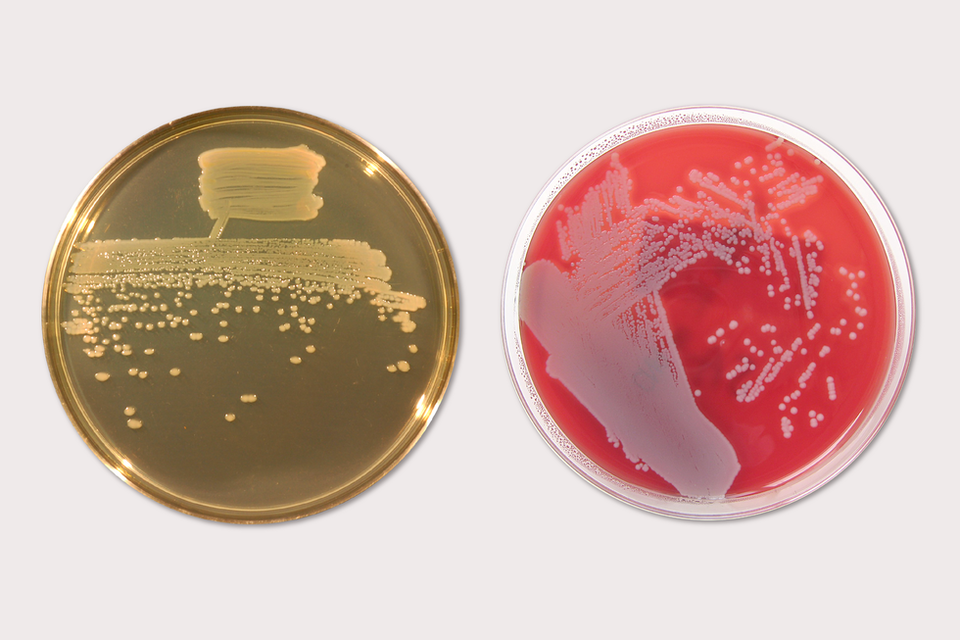
Bacteria are the smallest, single‑celled organisms on Earth. Their size is within a range from 0.2 µm to 10 µm. If the bacterial cells were arranged in a row, then 1 mm would contain about 1000 of them. Some bacterial species form coloniescolonies, in which individual cells remain connected to one another with their cell walls or slime layer after a division. When a bacterium separates from the colony, it can function as an individual single‑celled organism and start a new colony.
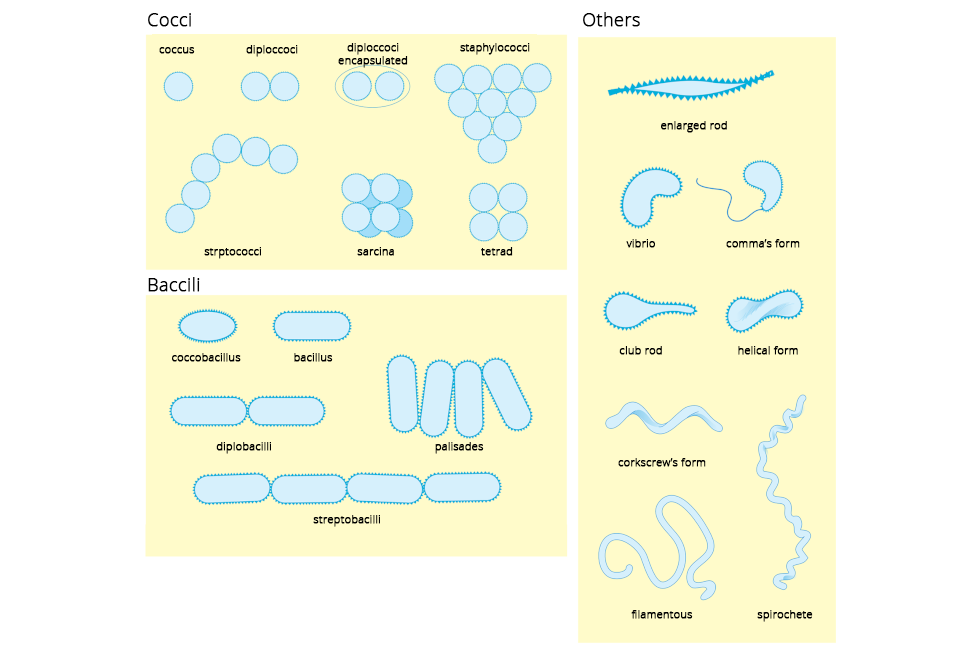
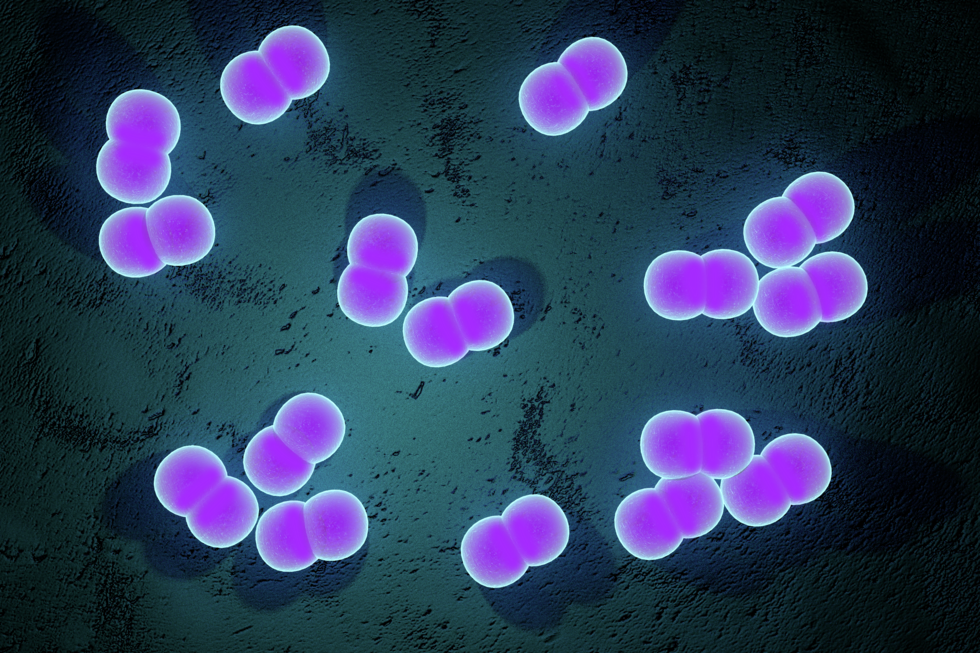
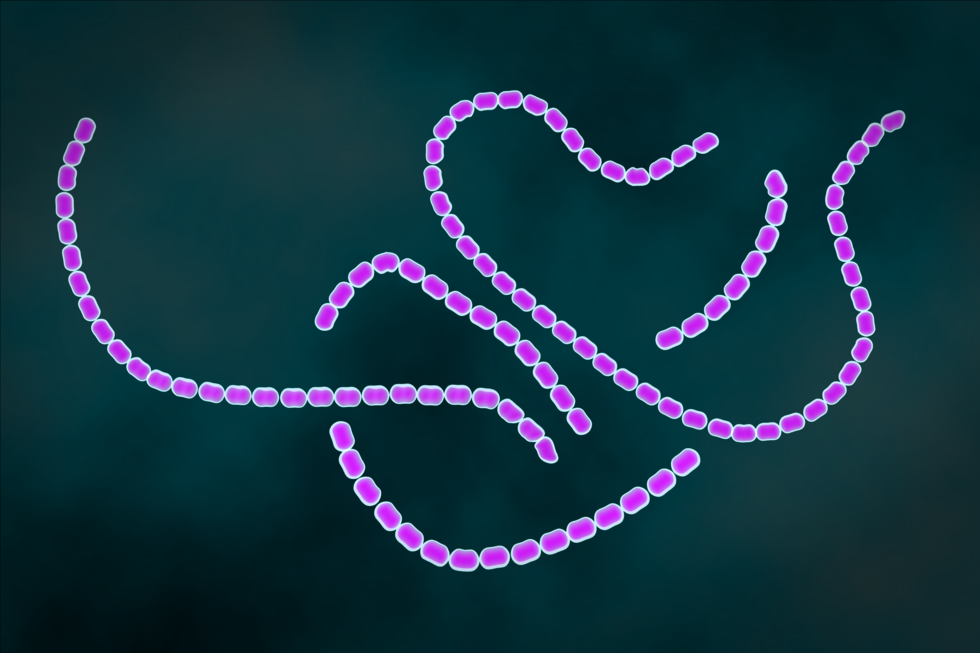
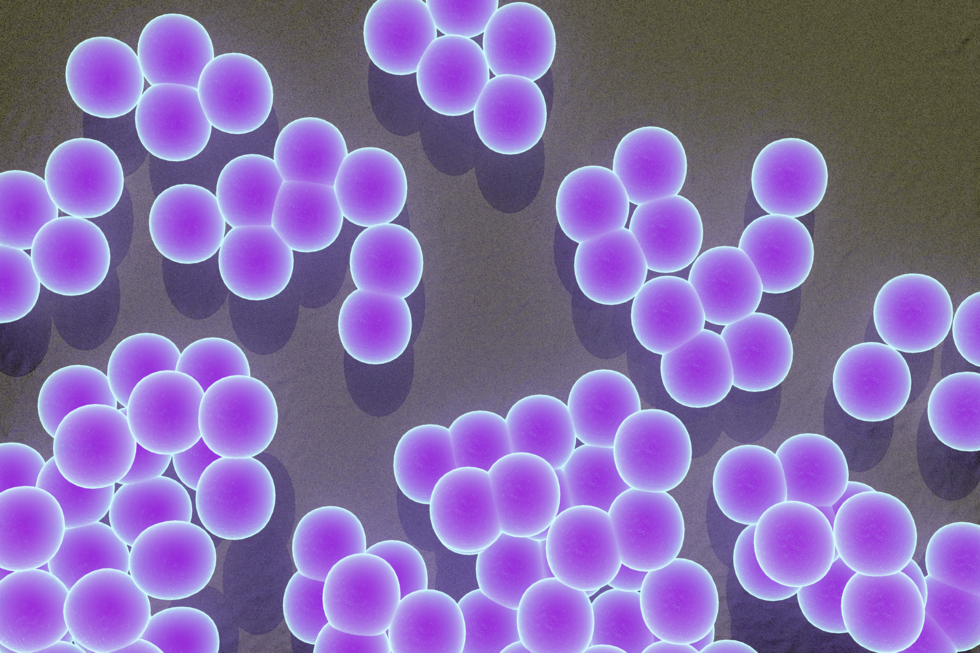
The bacterial cells can have different shapes, from which their names often come. They include spherical cocci, elongated bacilli and spiral vibrios, spirilla, and spirochaeta. Cocci can be arranged, so called diplococci. Sarcina form regular packs, staphylococci associate into irregular grapelike clusters, while streptococci are arranged into bead‑like chains. The cellular shapes and the morphology of a colony are features characteristic for a specific bacterial species.
Bacterial nutrition
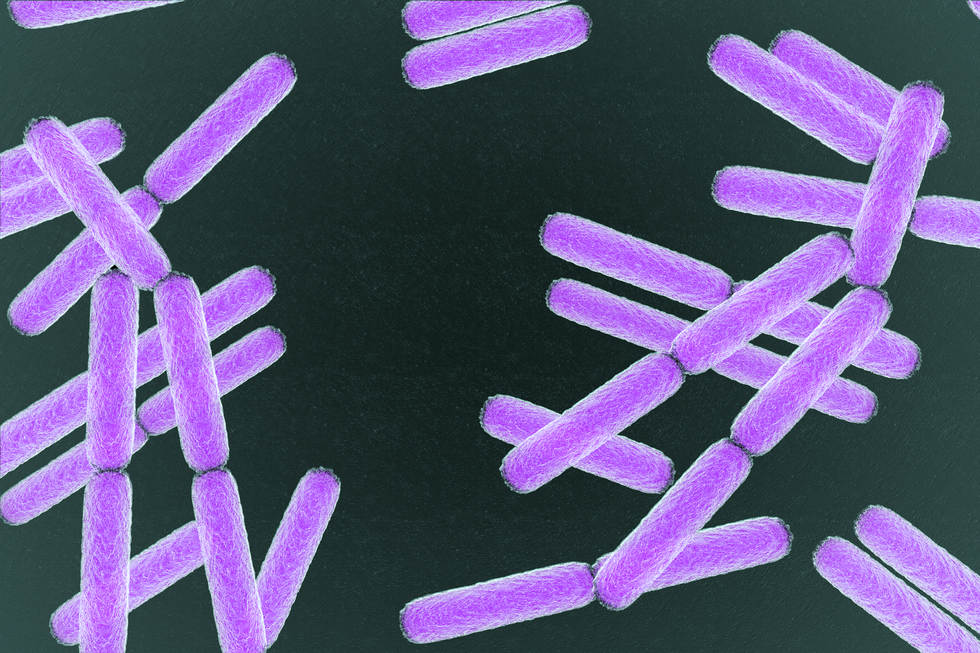
Despite their small size and a body formed of just one cell, the bacteria performs all life functions. They feed, respire, excrete, reproduce and grow, and are sensitive to the environmental conditions.
The majority of bacteria are heterotrophs and use nutritional substances from their environment. They include saprobionts feeding off dead organic matter. They excrete digestive enzymes into the medium, and absorb with a whole surface of their bodies substances digested outside. This way, the soil bacteria decompose animal feces and their bodies, or plant remains. Dental bacteria, feeding off food residues remaining in the oral cavity after a meal, lactic acid bacteria causing milk fermentation and pickling of vegetables, and those responsible for food spoilage, function in a similar way.
Many bacteria species are parasites exploiting other organisms. They enter their bodies by an oral route together with eaten food or drank water, by a respiratory route with breathed air, or through wounds. In the case of plants, they usually penetrate through damaged tissues, causing infectious diseases.
Bacterial respiration
Similarly to all other organisms, the bacteria release the energy required for life in the process of cellular respiration. Those leaving in the environment rich in oxygen use aerobic respiration, breaking down organic compounds to carbon dioxide and water. Bacterial species living in environments lacking or poor in oxygen produce energy without this element. A process of anaerobic respiration using sugar as a source of energy is called fermentation. When protein is used as a source of energy, then the process of decaydecay occurs.
Bacterial reproduction
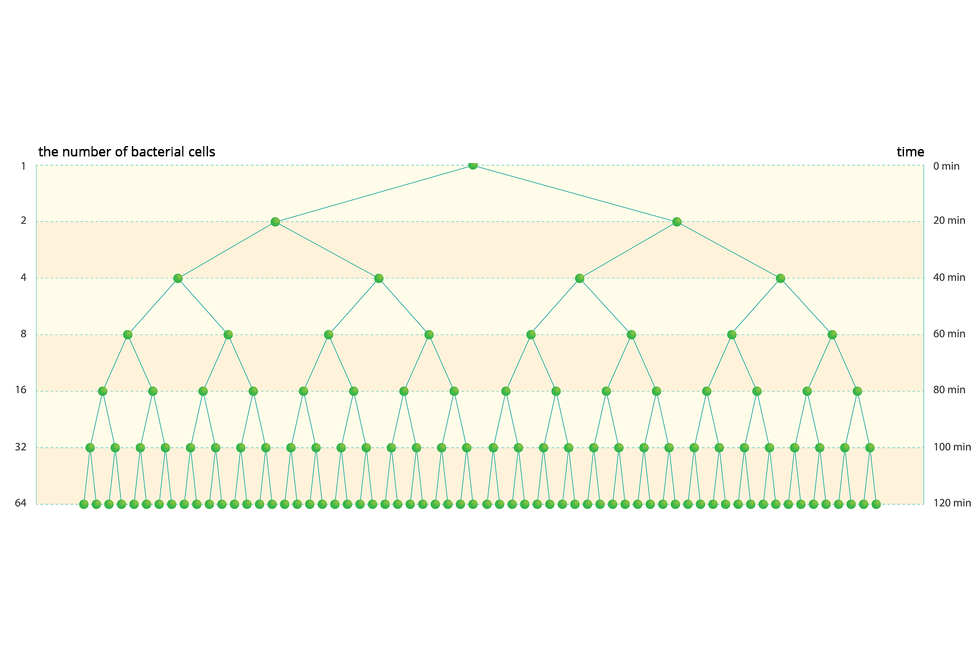
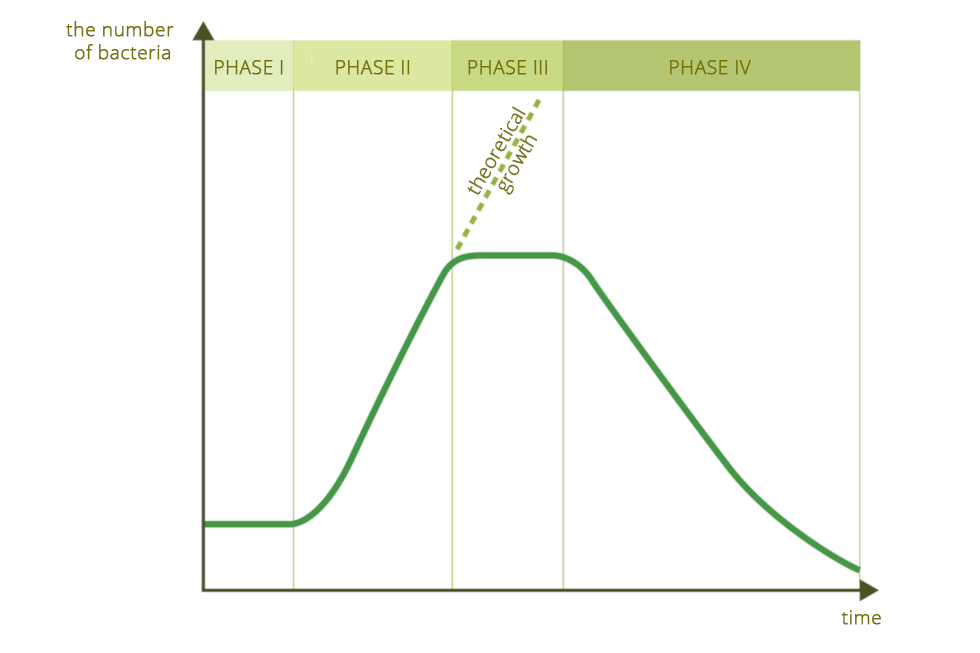
Bacteria reproduce mainly through cellular division and budding. In favorable conditions of a temperature and humidity, and a sufficient access to food, bacteria multiply very fast, and their numbers can double ca. every 20 minutes. Fortunately, this process is not endless. A lack of food and the accumulation of toxic waste products inhibits the colony growth. In consequence, the number of live individuals decreases.
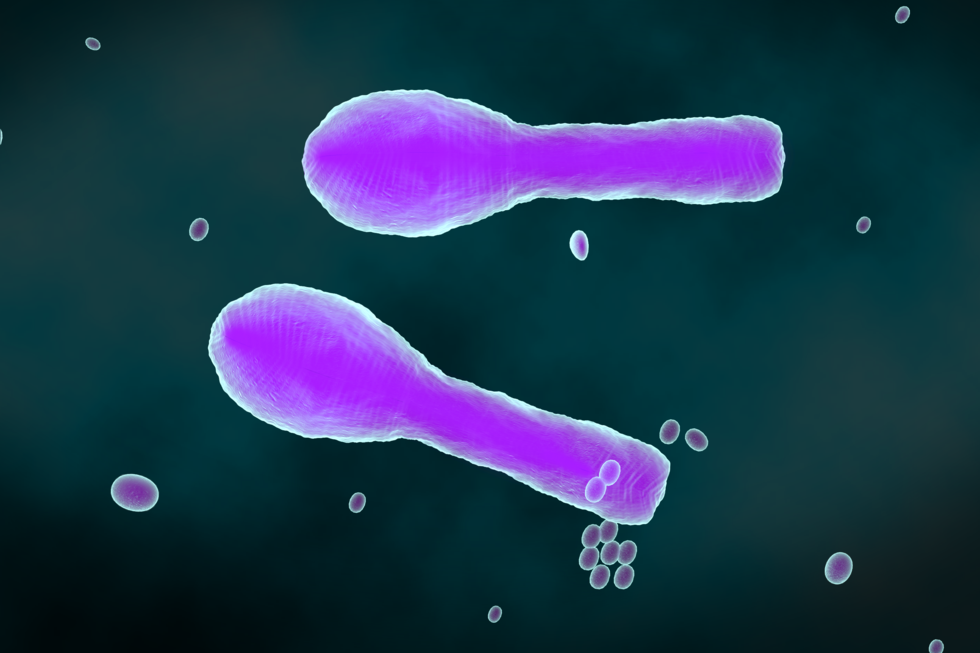
In unfavorable conditions, such as drought, a high or low temperature, pressure oscillations, or a presence of bactericides, bacteria stop treproducing and pass into the dormant stage. They lose water, shrink and remain dormant until the conditions improve. Some species form endosporesendospores. These are very resistant forms of cells showing no detectable metabolism, which germinate (even after several dozen years) when conditions are favorable.
Importance of bacteria
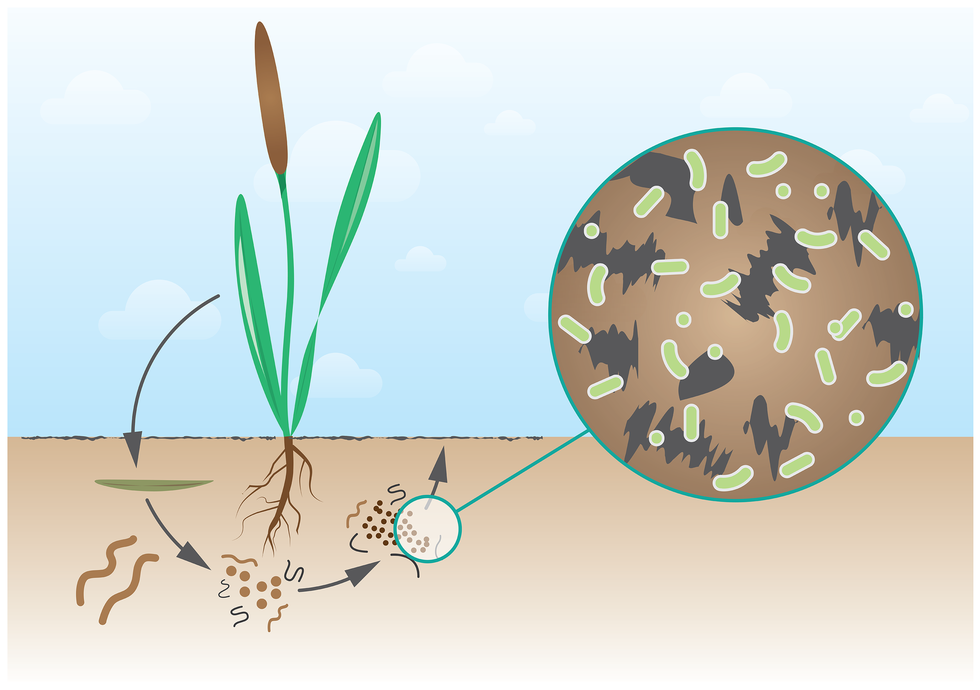
All environments function due to bacteria. If the soil bacteria disappeared suddenly, the whole Earth would be covered with enormous amounts of dead plants and animals, and mineral substances in the soil would be exhausted. Bacteria together with fungi and certain protists decompose the dead organic matter, releasing elements and simple organic compounds from it. This way these substances can be absorbed by plants and built into their bodies. The plant material eaten by consumers becomes a part of their bodies. After their death, the organic compounds once again become food for microorganisms. This way, bacteria and other saprobionts facilitate matter circulation in the environment.
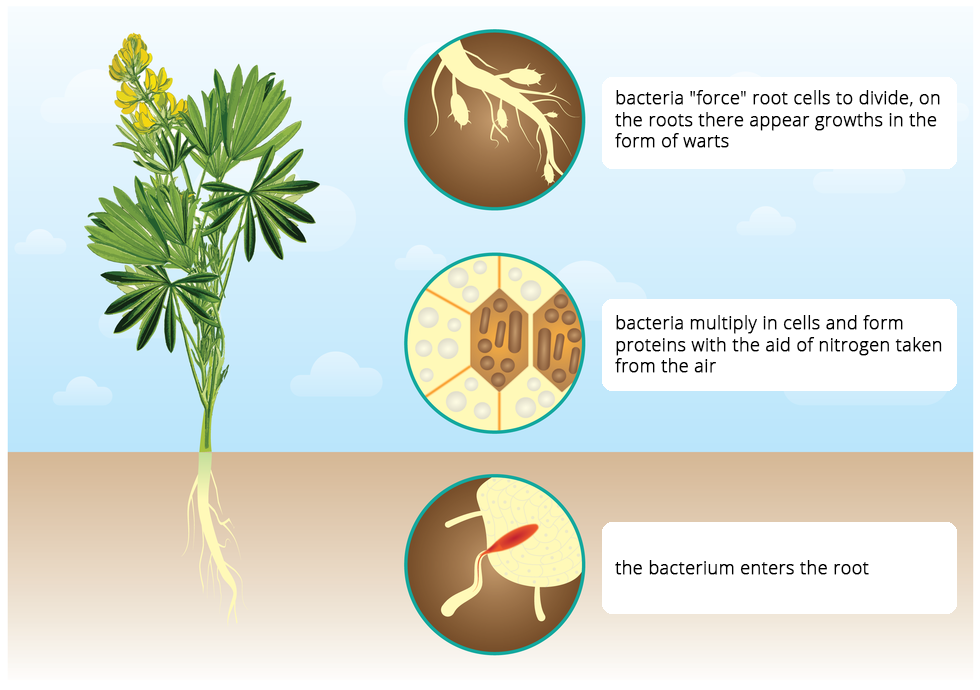
Bacteria forming nodules on roots of FabaceaeFabaceae plants, such as peas, help these plants to absorb mineral substances from their environment. Bacterial cooperation with herbivores enables digestion of cellulose, the main component of plant food. Various bacterial species are present on and in the human body, and the majority of them are symbiotic organisms, having a beneficial function. Only some of them are pathogens. One of the most common species is Escherichia coli, found in the large intestine. It helps to digest food and produces certain vitamins. However, in specific conditions it can cause dangerous diseases: urinary tract infections, neonatal meningitis, or gastroenteritis.
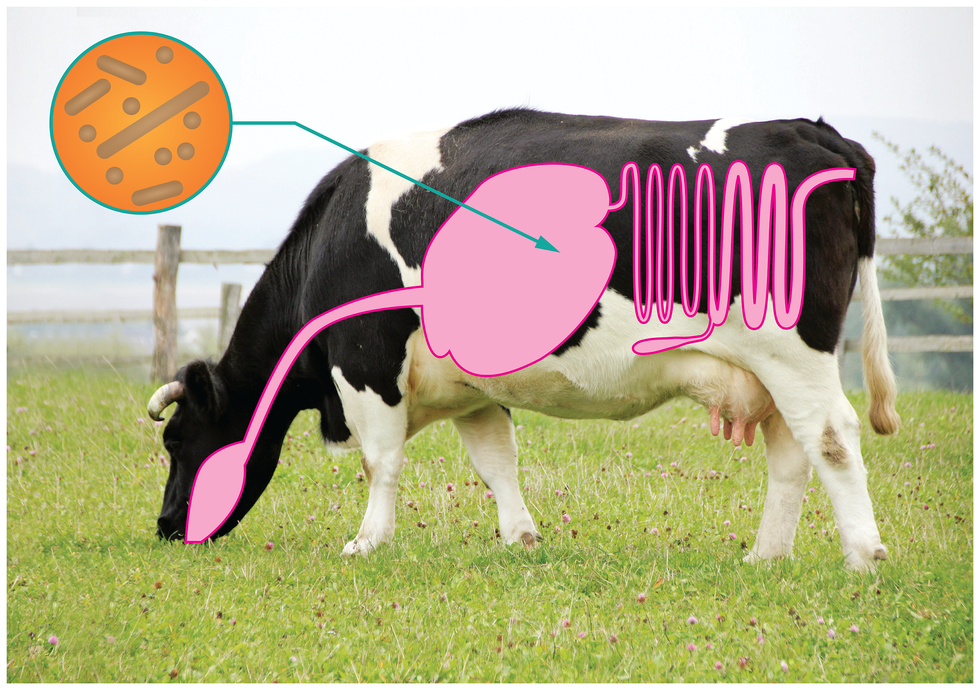
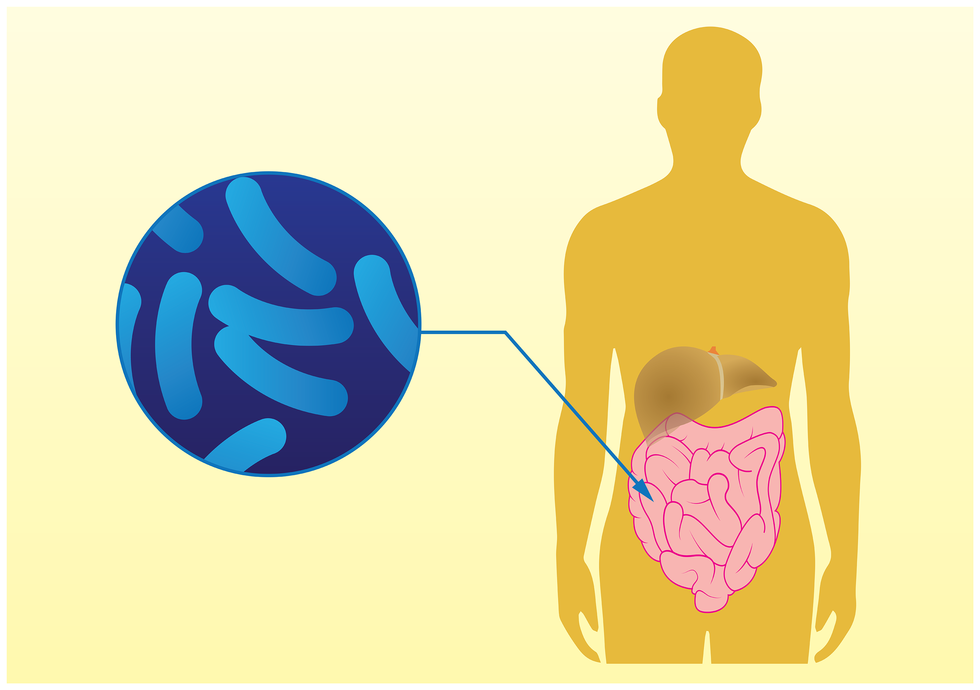
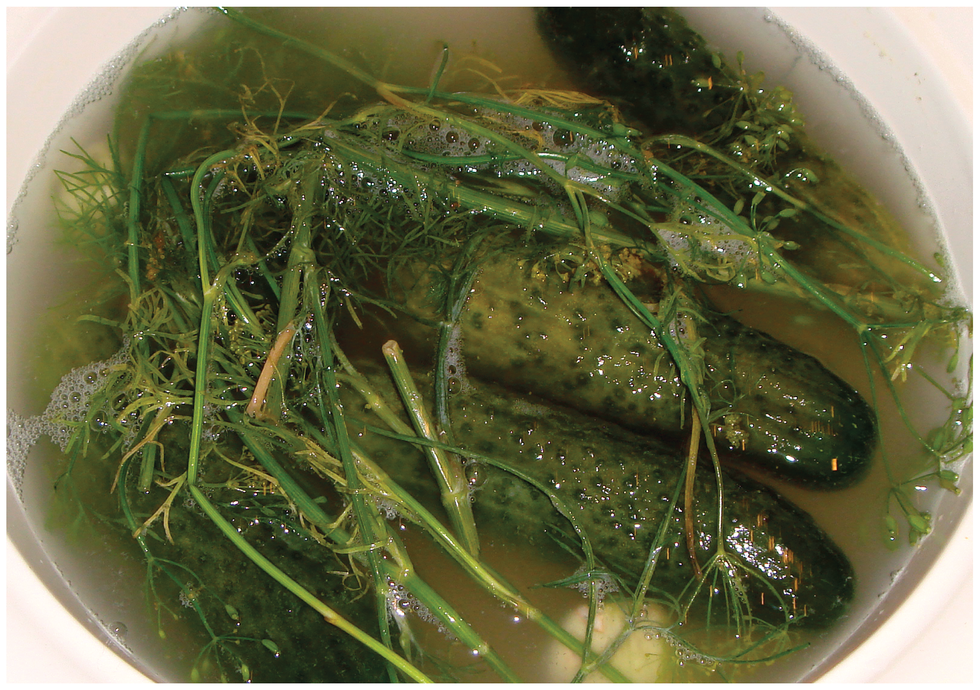
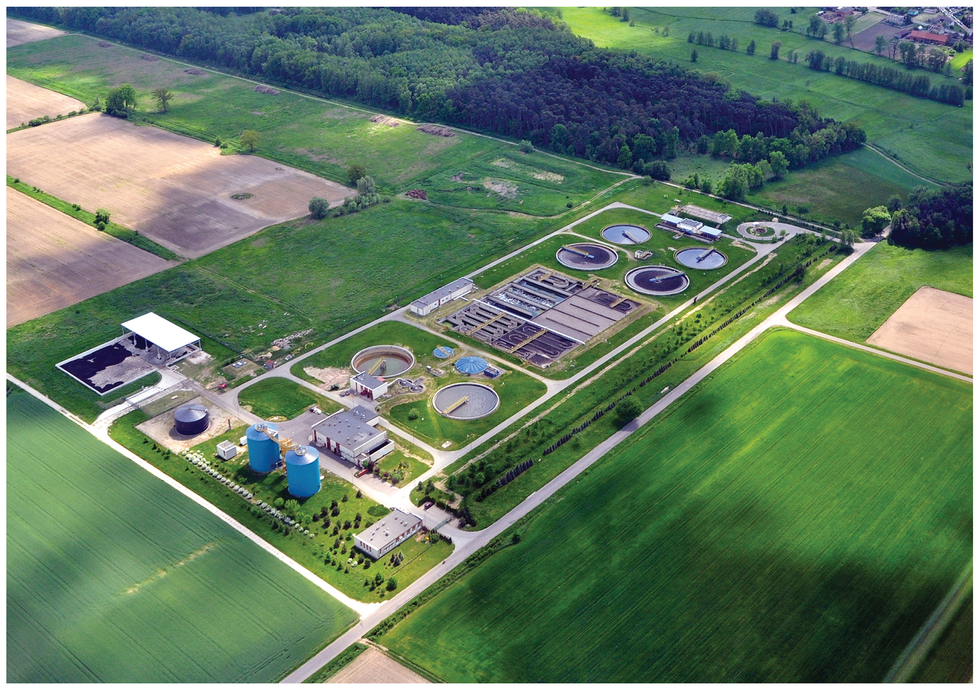
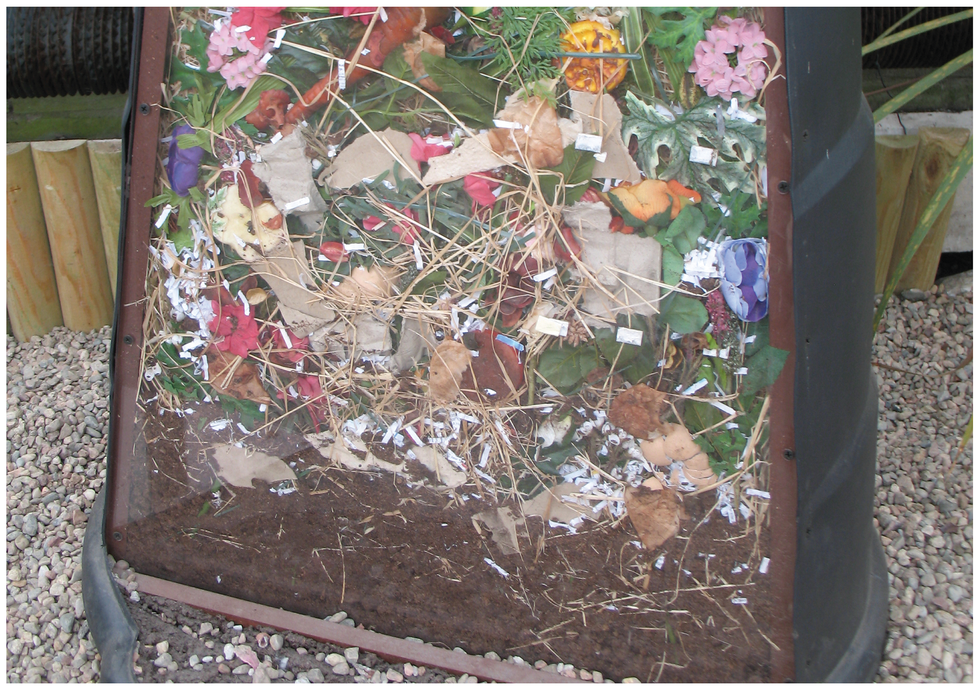
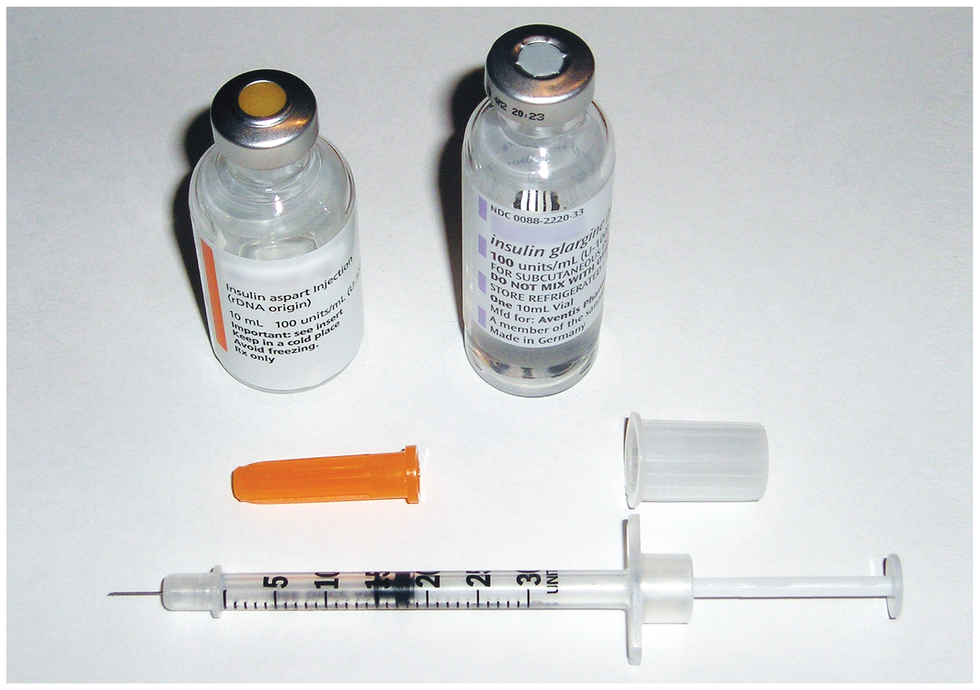
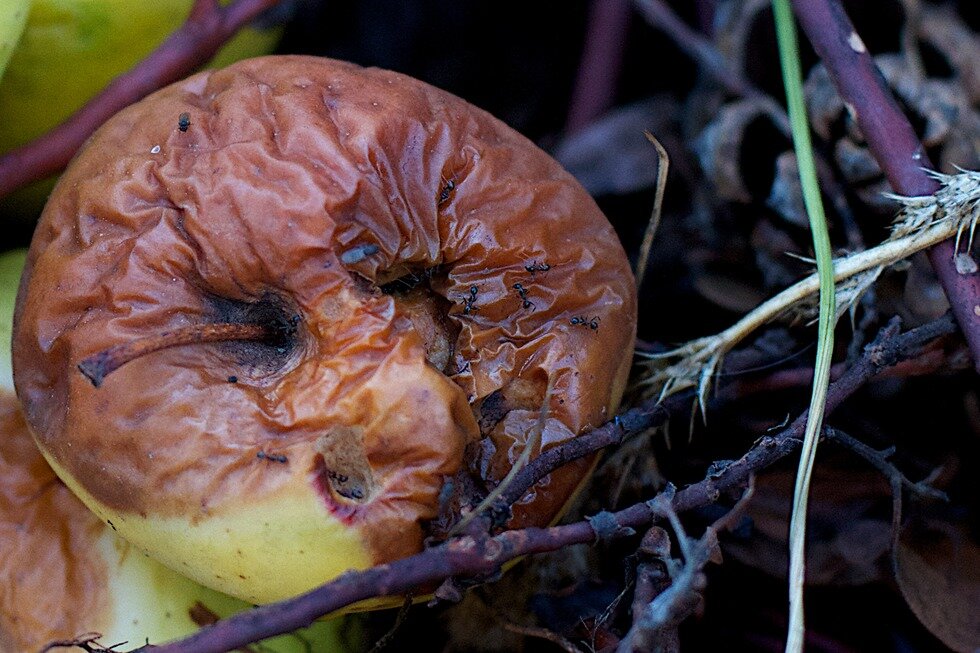
In specific circumstances, bacteria can also be harmful. Pathogenic bacteria are parasites weakening an infected organism by destroying its tissues or excreting poisons, so‑called toxins. Saprobiontic bacteria cause rottingrotting and decay of wooden structures, and food spoilage at households. Their excessive multiplication results in contamination of water reservoirs.
Match the pairs: English words with Polish definition.
rośliny, których owocem jest strąk; na ich korzeniach występują bakterie brodawkowe, dzięki którym rośliny pozyskują dużo azotu służącego im do wytwarzania białek, najmniejsze jednokomórkowe organizmy mikroskopijnej wielkości, nieposiadające jądra komórkowego, zasiedlające wszystkie środowiska na Ziemi, formy spoczynkowe umożliwiające organizmom przetrwanie niekorzystnych warunków, jak np. susza, niskie temperatury, proces rozkładu białek przeprowadzany przez bakterie w warunkach beztlenowych, skupisko bakterii potomnych pochodzących od jednej bakterii (ich wspólnego przodka), proces rozkładu materii organicznej przeprowadzany przez bakterie w warunkach tlenowych
| bacteria | |
| Fabaceae | |
| rotting | |
| decay | |
| colony | |
| endospores |
Conclusion
Bacteria live in all environments on the Earth: in water, soil, or air, and inside other organisms.
Majority of bacteria are heterotrophs, but there are also some autotrophic bacteria.
Heterotrophic bacteria include saprobionts, parasites and symbionts.
Bacteria use processes of aerobic or anaerobic respiration, and reproduce by cell division.
They play an important role in the natural environment, decomposing dead organic matter, and they are used in many areas of human life.
Keywords
bacteria, heterotrophic nutrition, reproduction
Glossary
bakteria – najmniejsze jednokomórkowe organizmy mikroskopijnej wielkości, nieposiadające jądra komórkowego, zasiedlające wszystkie środowiska na Ziemi
bobowate – rośliny, których owocem jest strąk; na ich korzeniach występują bakterie brodawkowe, dzięki którym rośliny pozyskują dużo azotu służącego im do wytwarzania białek
butwienie – proces rozkładu materii organicznej przeprowadzany przez bakterie w warunkach tlenowych
ginicie – proces rozkładu białek przeprowadzany przez bakterie w warunkach beztlenowych
kolonia – skupisko połączonych ze sobą organizmów potomnych pochodzacych od jednego wspólnego przodka
przetrwalniki – formy spoczynkowe umożliwiające organizmom przetrwanie niekorzystnych warunków, jak np. susza, niskie temperatury