RBXt4WhpYuq1v

Time and maps in history

A historic map
Source: iStockphoto, tylko do użytku edukacyjnego na epodreczniki.pl.

Link to lesson

You will learn
  • that history is a science that organizes the past primarily on the basis of the place of events on the timeline;

  • to understand the historian’s research attitude;

  • to explain the concept of a century and era, correctly read century and era of a specific event from a day/year date;

  • to describe the significance of historical maps as a source of historical knowledge, to reads information from maps and interpret it in a simple manner;

  • to adopt a critical approach to the historians’ research methods, i.e. understand that historical knowledge is partly based on interpretation.

RnOM9a4QO54M4
Nagranie abstraktu

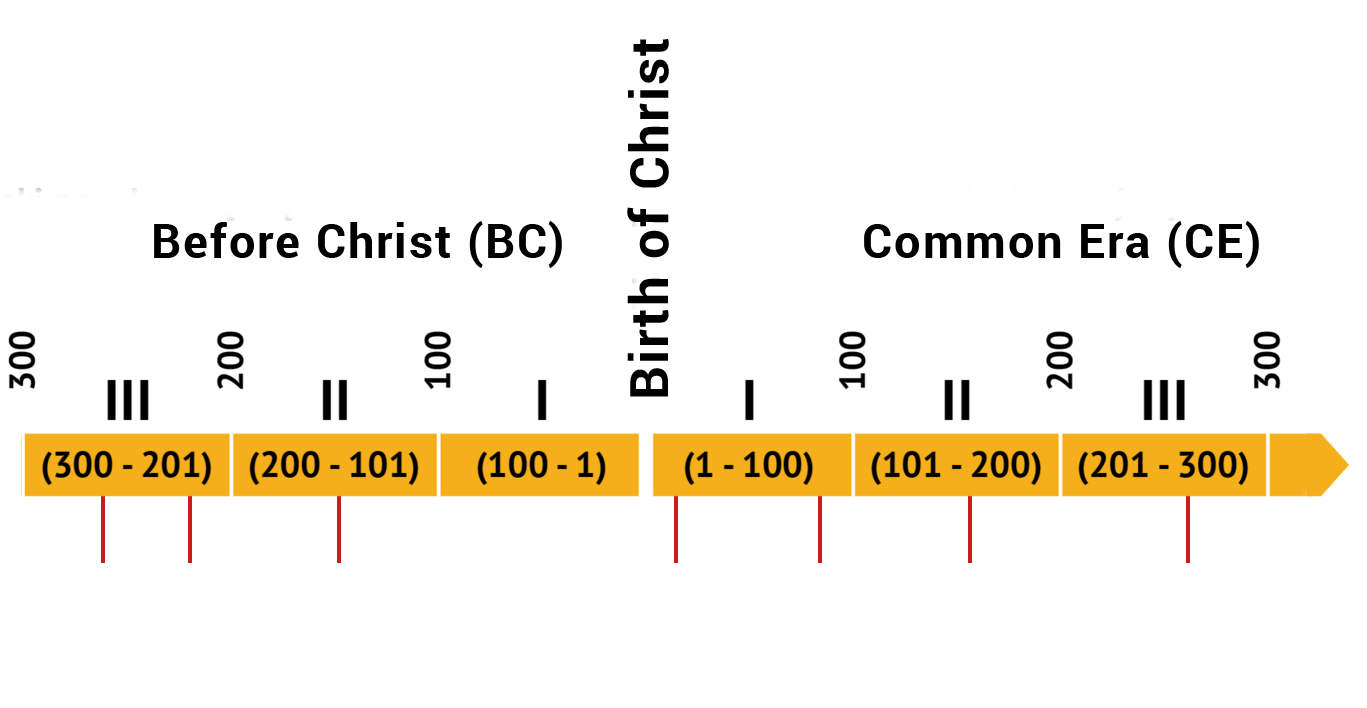
ChronologychronologicalChronology (sequence of events corresponding to their order of occurrence in time) is the basic point of reference for historianshistorianhistorians. One of the first questions a historianhistorianhistorian asks himself or herself is “When did this happen?” The basic time unit is the year. A period of a hundred years is called a centurycenturycentury. Today, we are living in the 21Indeks górny stcentury. Our century began on 1 January 2001 and will end on 31 December 2100. In our calendar, we count years from the birth of Jesus Christ. When referring to an event which took place before the birth of Jesus Christ, we say “before Christ” or “BCbefore Christ (BC)BC” for short. Events which happened after the birth of Jesus Christ are labelled “anno Domini” or “AD” for short. “Anno Domini” is a Latin phrase and means “in the year of our Lord.” We use timelinestimelinetimelines to present events in their chronological order.

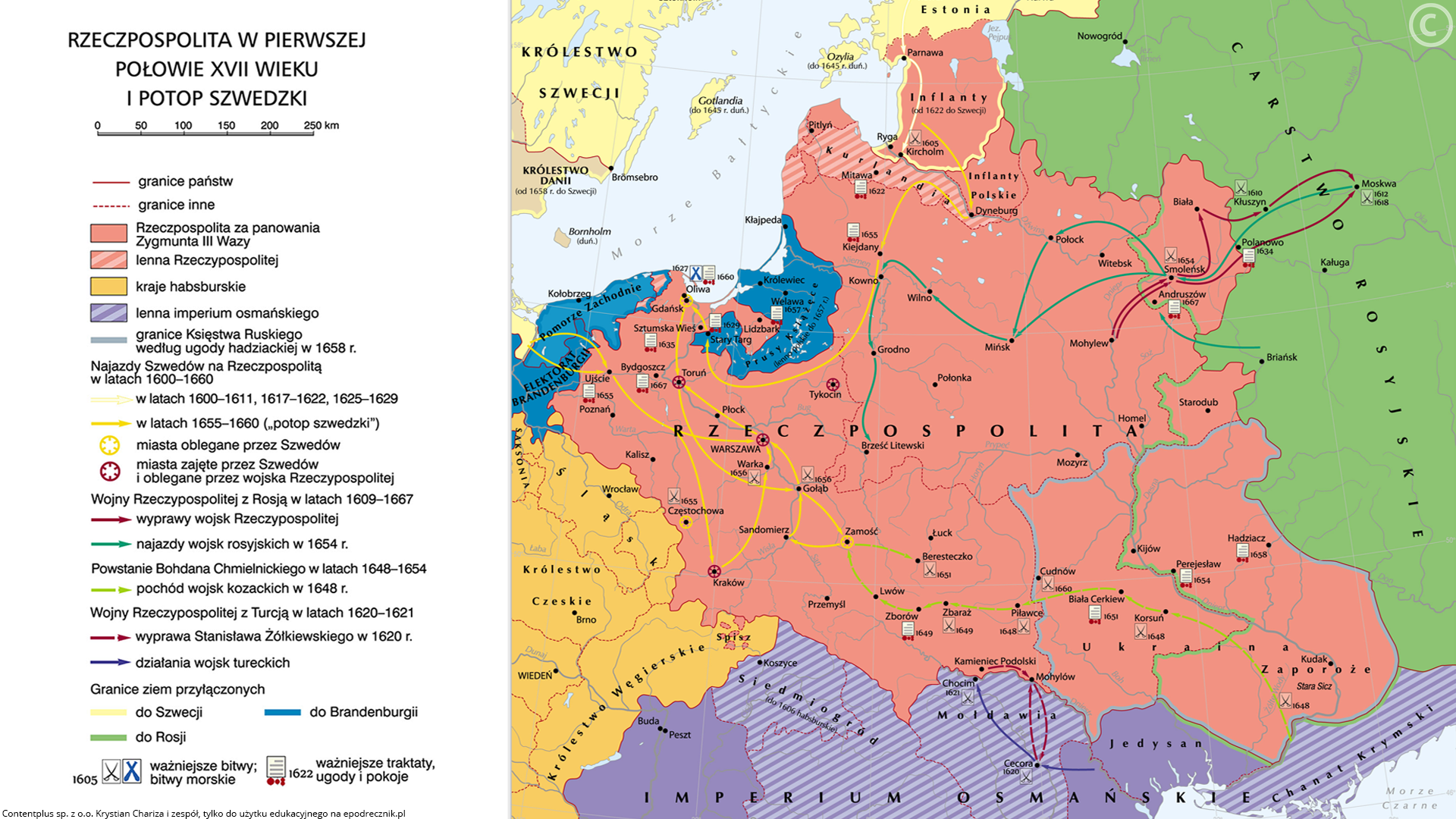
A map is another important element of a historianhistorianhistorian’s toolkit. Maps help us understand where past events took place. A historical map is not just a representation of a territory. It also shows e.g. sites of major battles, directions of military movements and shifts of borders. All items represented on a map are divided into categories which have their own symbols. All the symbols used in a map are called map symbolization. These symbols are explained in a map key or a map legendmap legendmap legend.

R15Y3sNIlT7M51
Exercise 1
Czy potrafiszz wskazać różnicę między różnymi przyrządami do mierzenia czasu? Np. budzikiem, zegarem, klepsydrą czy zegarem słonecznym? Jakie informacje można odczytać z każdego z nich? Które z nich nie pokazuje aktualnej godziny?
RFxsu9ld1ZNX31
Exercise 2
Assign the appropriate period of time to the century. years 1-100 Możliwe odpowiedzi: 1. 6th century, 2. 16th century, 3. 8th century, 4. 14th century, 5. 2nd century, 6. 10th century, 7. 18th century, 8. 3rd century, 9. 1st century, 10. 17th century, 11. 20th century, 12. 21th century years 1701-1800 Możliwe odpowiedzi: 1. 6th century, 2. 16th century, 3. 8th century, 4. 14th century, 5. 2nd century, 6. 10th century, 7. 18th century, 8. 3rd century, 9. 1st century, 10. 17th century, 11. 20th century, 12. 21th century years 901-1000 Możliwe odpowiedzi: 1. 6th century, 2. 16th century, 3. 8th century, 4. 14th century, 5. 2nd century, 6. 10th century, 7. 18th century, 8. 3rd century, 9. 1st century, 10. 17th century, 11. 20th century, 12. 21th century years 1601-1700 Możliwe odpowiedzi: 1. 6th century, 2. 16th century, 3. 8th century, 4. 14th century, 5. 2nd century, 6. 10th century, 7. 18th century, 8. 3rd century, 9. 1st century, 10. 17th century, 11. 20th century, 12. 21th century years 1301-1400 Możliwe odpowiedzi: 1. 6th century, 2. 16th century, 3. 8th century, 4. 14th century, 5. 2nd century, 6. 10th century, 7. 18th century, 8. 3rd century, 9. 1st century, 10. 17th century, 11. 20th century, 12. 21th century years 2001-2100 Możliwe odpowiedzi: 1. 6th century, 2. 16th century, 3. 8th century, 4. 14th century, 5. 2nd century, 6. 10th century, 7. 18th century, 8. 3rd century, 9. 1st century, 10. 17th century, 11. 20th century, 12. 21th century years 1501-1600 Możliwe odpowiedzi: 1. 6th century, 2. 16th century, 3. 8th century, 4. 14th century, 5. 2nd century, 6. 10th century, 7. 18th century, 8. 3rd century, 9. 1st century, 10. 17th century, 11. 20th century, 12. 21th century years 501-600 Możliwe odpowiedzi: 1. 6th century, 2. 16th century, 3. 8th century, 4. 14th century, 5. 2nd century, 6. 10th century, 7. 18th century, 8. 3rd century, 9. 1st century, 10. 17th century, 11. 20th century, 12. 21th century years 1901-2000 Możliwe odpowiedzi: 1. 6th century, 2. 16th century, 3. 8th century, 4. 14th century, 5. 2nd century, 6. 10th century, 7. 18th century, 8. 3rd century, 9. 1st century, 10. 17th century, 11. 20th century, 12. 21th century years 201-300 Możliwe odpowiedzi: 1. 6th century, 2. 16th century, 3. 8th century, 4. 14th century, 5. 2nd century, 6. 10th century, 7. 18th century, 8. 3rd century, 9. 1st century, 10. 17th century, 11. 20th century, 12. 21th century years 701-800 Możliwe odpowiedzi: 1. 6th century, 2. 16th century, 3. 8th century, 4. 14th century, 5. 2nd century, 6. 10th century, 7. 18th century, 8. 3rd century, 9. 1st century, 10. 17th century, 11. 20th century, 12. 21th century years 101-200 Możliwe odpowiedzi: 1. 6th century, 2. 16th century, 3. 8th century, 4. 14th century, 5. 2nd century, 6. 10th century, 7. 18th century, 8. 3rd century, 9. 1st century, 10. 17th century, 11. 20th century, 12. 21th century
Rrp9uFViUQBIA1
Exercise 3
Which century is it? year 25th BC Możliwe odpowiedzi: 1. 2nd century BC, 2. 12th century BC, 3. 1st century BC, 4. 8th century BC year 1128 BC Możliwe odpowiedzi: 1. 2nd century BC, 2. 12th century BC, 3. 1st century BC, 4. 8th century BC year 113 BC Możliwe odpowiedzi: 1. 2nd century BC, 2. 12th century BC, 3. 1st century BC, 4. 8th century BC year 725 BC Możliwe odpowiedzi: 1. 2nd century BC, 2. 12th century BC, 3. 1st century BC, 4. 8th century BC
Task 1

Read the text below and explain what chronology is.

In history, it is important to know what happened first and what happened later. This sequence of events or phenomena is called chronology. For example, if you are asked to arrange some events chronologically, it means that you should do this starting from the oldest to the newest.

R1a31HWDU7gXK1
Exercise 4
Uporządkuj daty w kolejności chronologicznej: 84 CE, 264 BC, 216 BC, 9 CE, 161 CE, 149 BC, 269 CE
Task 2
Wybierz dowolne angielskie słówko ze słowniczka i zapytaj kolegę o jego znaczenie.
RFGAUHsG2ll661
Grafika przedstawiająca mapę terytorium Rzeczpospolitej w pierwszej połowie XVIII wieku i potop Szwedzki.
Rzeczpospolita in the first half of the 17th century and the Swedish Deluge
Source: Contentplus.pl sp. z o.o., Krystian Chariza i zespół.
R1WpmxhdyFaNp1
Exercise 5
Wysłuchaj nagrania abstraktu, ułóż do niego pytania i zadaj je koledze.
R9KpIUjPaqJXk1
Exercise 6
Wymyśl trzy pytania na kartkówkę związane z tematem abstraktu.
Task 3

Look at the contemporary political map of Poland and its neighbors. Read information on neighboring countries. Look for information about the capital cities of Slovakia and Russia in available sources.

R1JQiYxJkNqjz1
Mapa polski i sąsiadów z podpisami przy wybranych miastach. Berlin The capital and the largest city of Germany and at the same time the federal state. It is inhabited by almost 3.5 million people. It is the second city in the European Union in terms of the number of inhabitants. Prague The capital and the largest Czech city, located on the Vltava River. Lviv A city in Ukraine located on the Poltva River. It is an important industrial center with about 750,000 inhabitants. Grodno A city in Belarus on the Nemunas, located not far from the border with Poland. Vilnius The capital of Lithuania, lies in the Vilnius Lakeland, on the Wilia River, at the mouth of the Vilejka. The city's population is just over 500,000 people.
Source: Krystian Chariza i zespół.

Keywords

history, map, timeline, age, century

Glossary

historian
historian
RJPpwx7O02vYF
Nagranie słówka: historian

historyk – osoba zajmująca się zawodowo badaniem historii.

century
century
RFzWtOZVMhRUW
Nagranie słówka: century

wiek – jednostka miary czasu – 100 lat.

chronological
chronological
R1BMwN8z76dFy
Nagranie słówka: chronological

chronologiczny – następujący po sobie w kolejności.

era
era
RJmGd8eAYdMee
Nagranie słówka: era

era – okres w dziejach, najczęściej zapoczątkowany jakimś ważnym wydarzeniem.

hourglass
hourglass
RG0rdKoFwa0GY
Nagranie słówka: hourglass

klepsydra – dawne urządzenie do mierzenia czasu – rodzaj zegara.

timeline
timeline
RCKAoFTYjQOZY
Nagranie słówka: timeline

oś czasu – linia, na której zaznacza się chronologicznie ważne daty i wydarzenia.

before Christ (BC)
before Christ (BC)
RAe8O3Ci2St10
Nagranie słówka: before Christ (BC)

p.n.e. – przed naszą erą, czyli mający miejsce przed narodzinami Chrystusa.

Common Era (CE)
Common Era (CE)
RSOEHqh6ycdaP
Nagranie słówka: Common Era (CE)

n.e. – naszej ery, czyli mający miejsce po narodzinach Chrystusa.

map legend
map legend
RaNdIfWtzHH5s
Nagranie słówka: map legend

legenda – tekst lub tabela, która objaśnia daną mapę i symbole na niej zawarte.

scale
scale
R1GYxaKnXUfW4
Nagranie słówka: scale

skala – stosunek odległości na mapie do tej w rzeczywistości, np. skala 1:100 oznacza, że jeden cm na mapie to 100 cm w rzeczywistości.